
Stephen Hawking frequently discussed threats that could shape humanity’s future, including artificial intelligence, climate change, nuclear weapons, engineered diseases, asteroid impacts and contact with extraterrestrial intelligence. Most were risk warnings rather than predictions attached to exact dates. Determining whether he was “right” therefore requires separating trends that have intensified from catastrophic scenarios that remain hypothetical.
AI Has Advanced Faster Than Many Expected

In 2014, Hawking warned that the development of full artificial intelligence could eventually threaten humanity if machines surpassed biological evolution. AI capabilities have since advanced dramatically. Stanford’s 2026 AI Index reported that leading models met or exceeded human baselines on several demanding science, mathematics and coding evaluations. That progress resembles the technological acceleration Hawking anticipated, although benchmark performance is not the same as human-level general intelligence.
An AI Extinction Has Not Come True

No existing evidence shows that AI has become conscious, autonomous from human infrastructure, or capable of ending human civilization. Modern systems can produce harmful errors and perform increasingly complex tasks, but Hawking’s worst-case outcome remains an unverified future possibility. His warning is better understood as an argument for oversight and control than as a prediction that has already been fulfilled.
His Climate Concerns Look Increasingly Relevant

Hawking repeatedly warned about human-driven global warming. The World Meteorological Organization confirmed that 2015 through 2025 were the hottest 11 years on record. It estimated that the global average temperature in 2025 was approximately 1.43 degrees Celsius above the 1850–1900 average, while extreme heat, heavy rainfall and tropical cyclones caused widespread disruption.
Earth Is Not Becoming Another Venus

Hawking once suggested that unchecked warming could push Earth toward Venus-like temperatures and sulphuric-acid rain. Climate scientists criticized that comparison. Greenhouse-gas emissions can cause severe and dangerous warming, but Earth’s present conditions are not expected to trigger the type of runaway greenhouse process that transformed Venus. The climate warning was valid; that specific planetary comparison was scientifically overstated.
His 100-Year Space Deadline Is Still Open
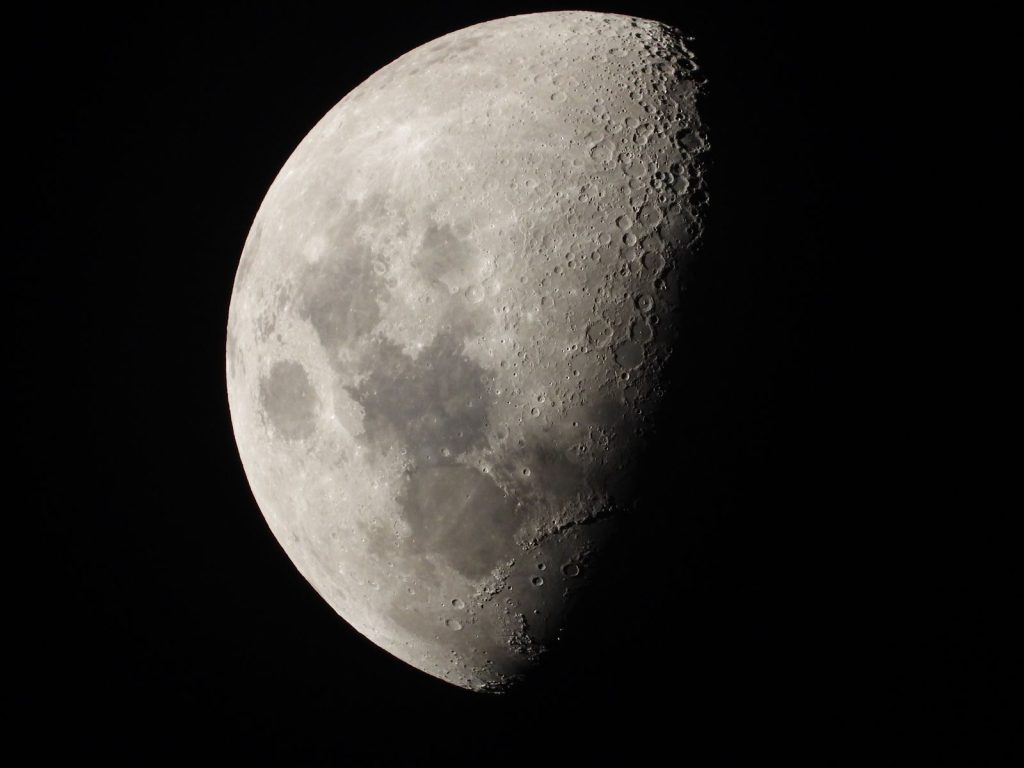
In 2017, Hawking argued that humans should begin populating another planet within 100 years to improve the species’ chances of survival. That proposed deadline would run until approximately 2117, so it cannot yet be judged. NASA’s Artemis program is developing technology for a sustained presence on and around the Moon and eventual human missions to Mars, but no self-sufficient settlement beyond Earth currently exists.
Asteroid Impacts Remain a Real but Monitored Threat

Large asteroid impacts have occurred in Earth’s history, so Hawking was correct that they represent a genuine natural hazard. NASA’s planetary-defense material states that no currently known asteroid has a significant probability of striking Earth during the next 100 years. However, many near-Earth objects have not yet been discovered, which is why continued surveying and impact-prevention research remain important.
His Alien Warning Remains Hypothetical
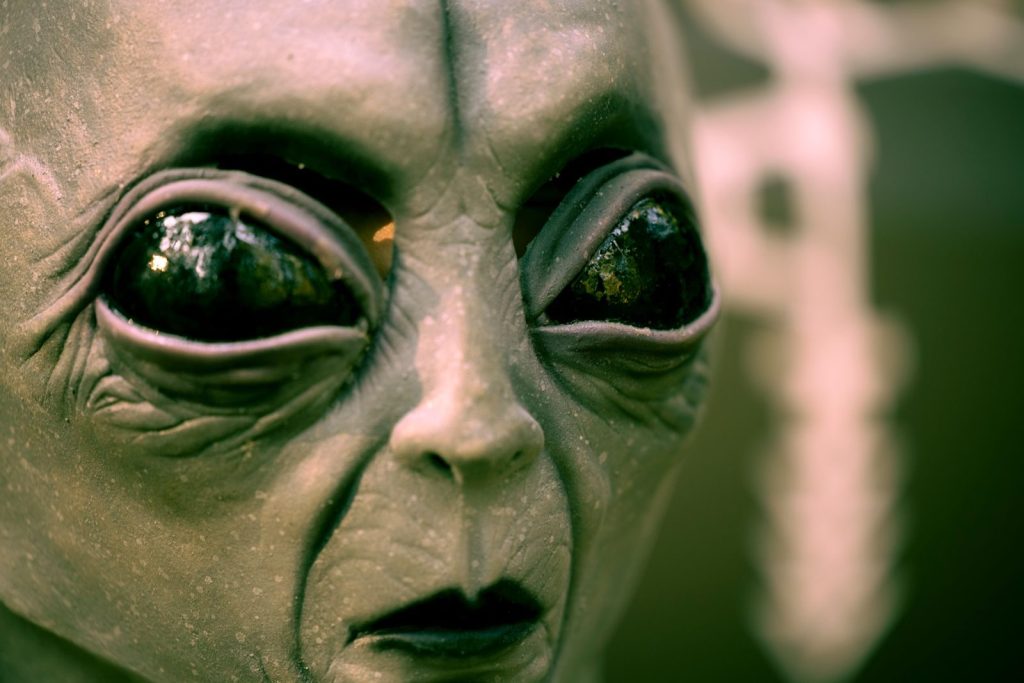
Hawking supported listening for extraterrestrial signals but warned that actively contacting a vastly more advanced civilization could carry serious risks. No event has tested that theory. NASA says it has found no credible evidence of extraterrestrial life and no evidence that unidentified anomalous phenomena are alien spacecraft. Hawking’s scenario remains a philosophical and strategic question rather than a prediction coming true.
Technology-Created Threats Have Become Harder to Ignore

Hawking also identified nuclear weapons and genetically engineered viruses as threats created by scientific progress. Those technologies remain under human control, but the destructive potential he described is real. He argued that society should not stop advancing science; it should recognize the dangers and develop systems capable of controlling them.
The Verdict Is More Complicated Than Yes or No

Climate change and rapid AI progress make several of Hawking’s concerns feel increasingly relevant. Yet humanity has not been destroyed by AI, contacted hostile aliens, or been forced to abandon Earth. Even population growth is now expected to slow, with the United Nations projecting a peak of about 10.3 billion people in the mid-2080s. His warnings remain valuable risk scenarios—not a checklist of fulfilled prophecies.
Featured Image: Shutterstock
Leave a Reply