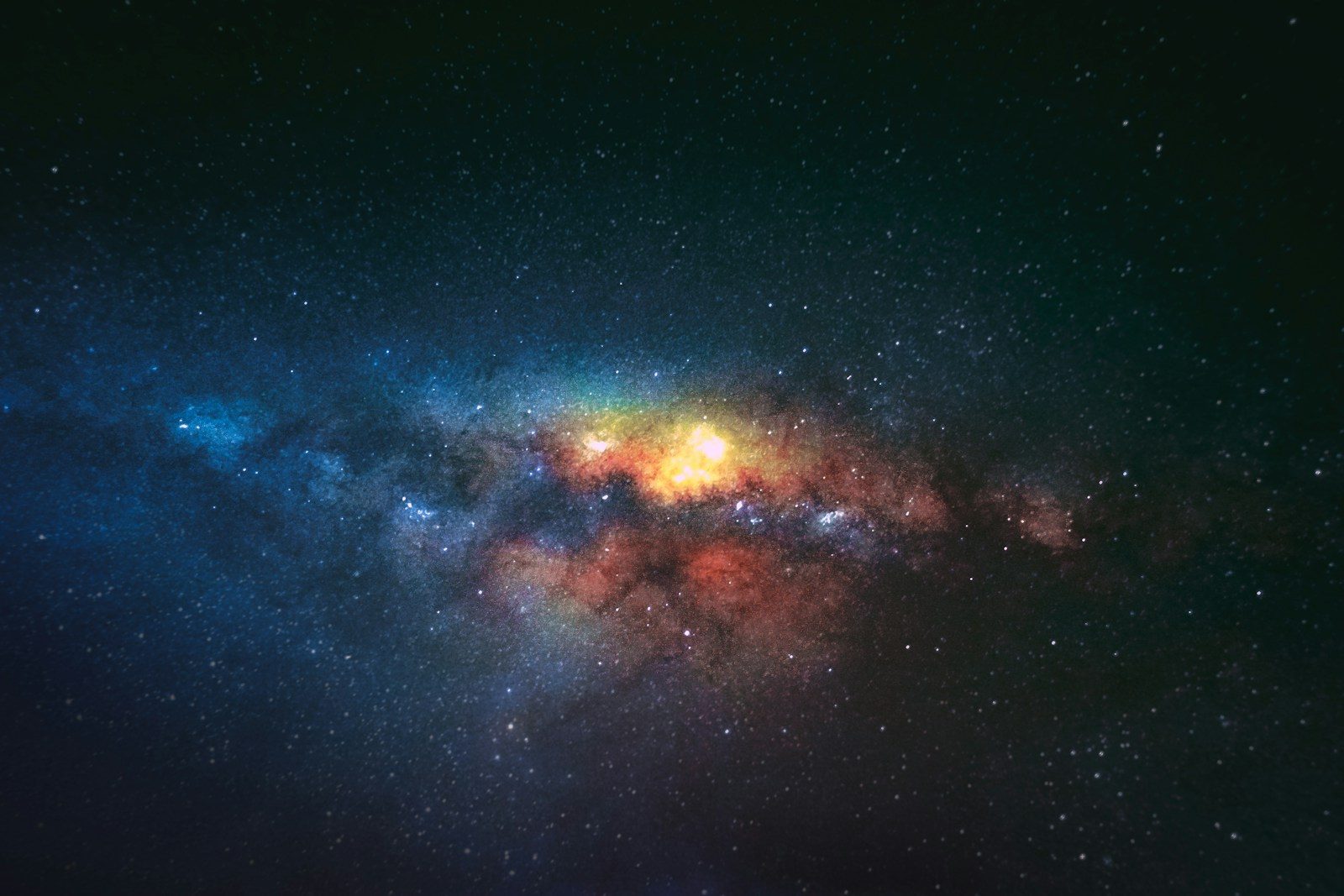
Most people assume that our modern laws of physics explain everything in the night sky. We trust that telescopes will always confirm our current mathematical models of space.
But the deeper we look into the dark universe, the more rules we see being broken. Some cosmic objects behave in ways that leave top astronomers completely speechless.
The Star That Defies Age

A strange star named Methuselah seems to be older than the universe itself. According to NASA, this celestial object is calculated to be over fourteen billion years old. It is incredibly old. This age defies the Big Bang timeline by hundreds of millions of years. Scientists are desperately trying to solve this timeline issue before everything we know breaks.
The Invisible Heavy Force
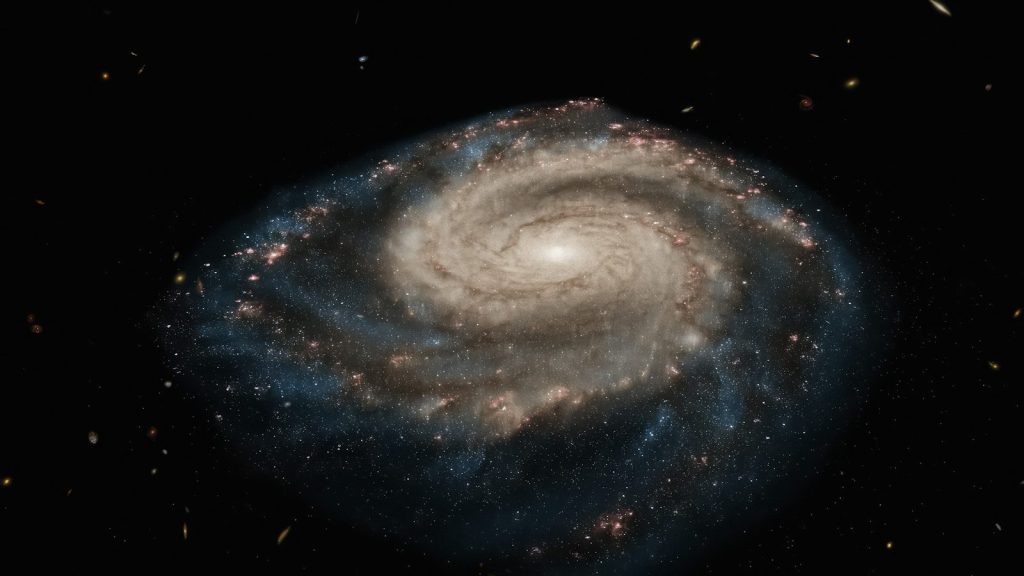
Galaxies spin at speeds that should cause them to tear themselves apart entirely. According to cosmological calculations, some unseen mass must be holding these massive star groups together. We call it dark matter. Yet nobody has ever detected a single particle of this mysterious substance. But another cosmic riddle is actively pushing the entire universe apart.
The Mysterious Cosmic Push

The expansion of our universe is not slowing down as gravity dictates. According to the Hubble Space Telescope, space is actually stretching faster every single second. It is expanding rapidly. Astronomers attribute this outward push to a mysterious force called dark energy. But the ultimate nature of this power remains a complete blank.
The Silent Cosmic Giants

Supermassive black holes existed when the universe was in its absolute infancy. According to astronomical research, these giants are far too large to have grown naturally in that timeframe. They grew too fast. Their sheer size suggests we might be missing a fundamental step in how stars form. However, a strange signal from deep space is challenging our ideas of communication.
The Mysterious Repeating Radio Bursts
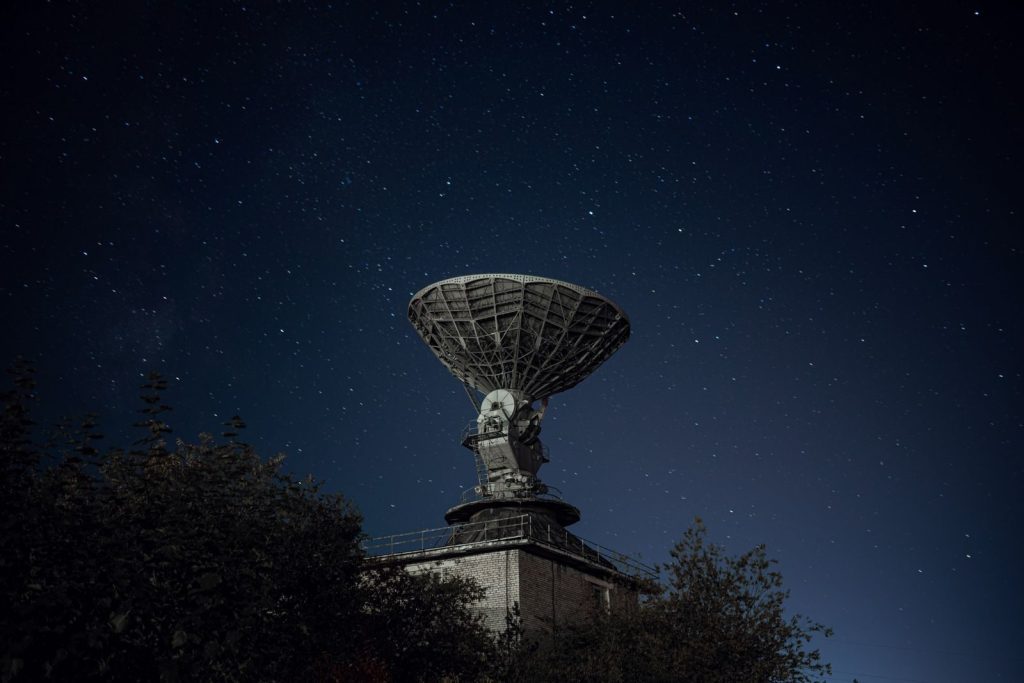
Deep space telescopes constantly detect powerful bursts of radio energy from distant galaxies. According to astrophysics reports, some of these signals repeat on a highly predictable schedule. They are incredibly precise. Scientists cannot explain what natural stellar engine could produce such perfect patterns. But an even stranger anomaly lies right in our own cosmic backyard.
A Planet That Should Not Exist

Astronomers recently discovered a giant planet orbiting a tiny dwarf star. According to planetary models, a star of that size should not have enough dust to build such a massive world. It is a giant. This discovery completely shatters our theories of how planets form. Yet it is only a small hint of what else waits in the dark.
Our Changing Cosmic View

These celestial mysteries show how much of our cosmos remains a complete mystery. According to space researchers, we must be willing to rewrite our physics textbooks to find the truth. The universe is wild. This article is for informational purposes only and does not constitute scientific or professional advice.
Featured Image: Photo by Shot by Cerqueira on Unsplash
Leave a Reply