
We assume that the future of human civilization is entirely unpredictable. We believe that history is shaped by random choices and sudden events.
But advanced computer algorithms are now tracking global trends with shocking accuracy. Scientists are using these digital crystal balls to map our next steps.
The Search For Modern Destiny

Humans have tried to read the future for thousands of years. It is natural. According to historical researchers, ancient leaders looked to stars and prophecies to plan their next moves. Today, researchers have swapped ancient rituals for massive data streams. This shift has changed our ability to spot massive patterns. Yet the math behind these modern forecasts relies on a very simple concept.
How Complex Data Speaks

Modern forecasting programs do not use magic to see ahead. They use data. According to computer science journals, these algorithms analyze trillions of human interactions to spot repeating trends. By mapping historical events, computers can calculate the mathematical likelihood of future breakthroughs. But analyzing current actions reveals some incredibly dark warnings about our global trajectory.
Reading The Hidden Signals

Artificial intelligence can track hidden environmental changes that humans easily ignore. This is impressive. According to climate scientists at Oxford University, machine models can accurately predict food shortages years before they actually happen. These early warnings help nations prepare for upcoming resource challenges. However, predicting human behavior is far more difficult than forecasting weather patterns.
The Chaos Of Human Choice
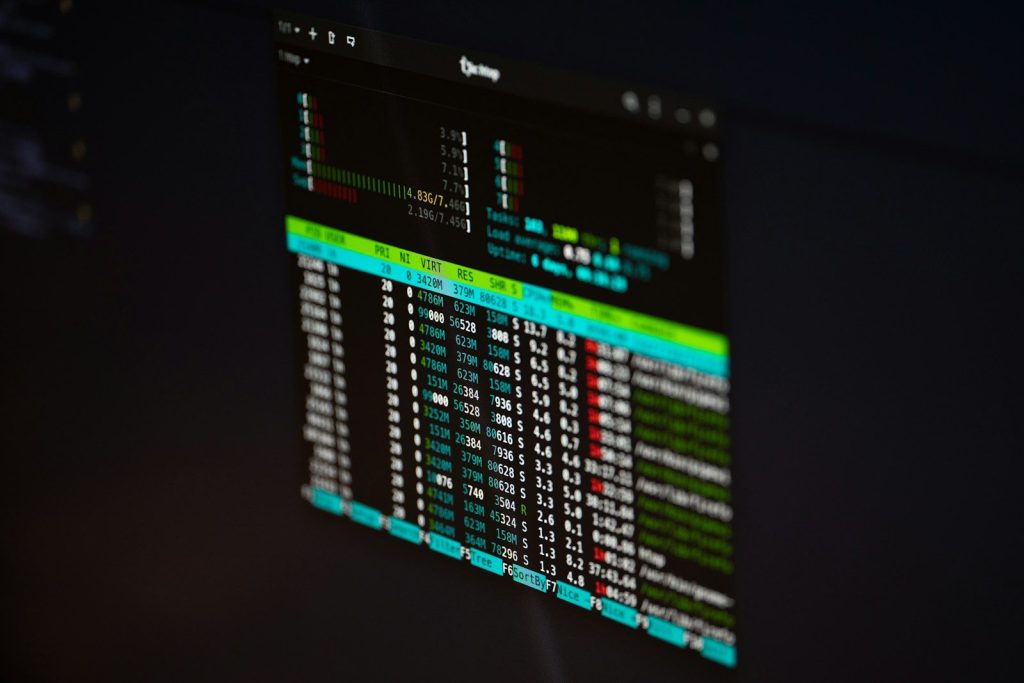
Free will makes societal forecasting incredibly difficult for a computer. We are unpredictable. According to behavioral analysts, individual human decisions can create massive ripple effects that disrupt the best mathematical projections. Even the most powerful supercomputers struggle to account for random political shifts. Yet some structural patterns in history seem almost impossible to break.
Recurring Cycles In Human History

Societies tend to rise and fall in very predictable ways. History repeats itself. According to historical scholars, empires throughout time have shared similar resource curves and developmental phases. Computers are excellent at highlighting these repeating cycles. This ability to spot patterns brings us closer to mapping the grand timeline of humanity. But one historical computer program went much further than all the others.
Tracking The Limits To Growth
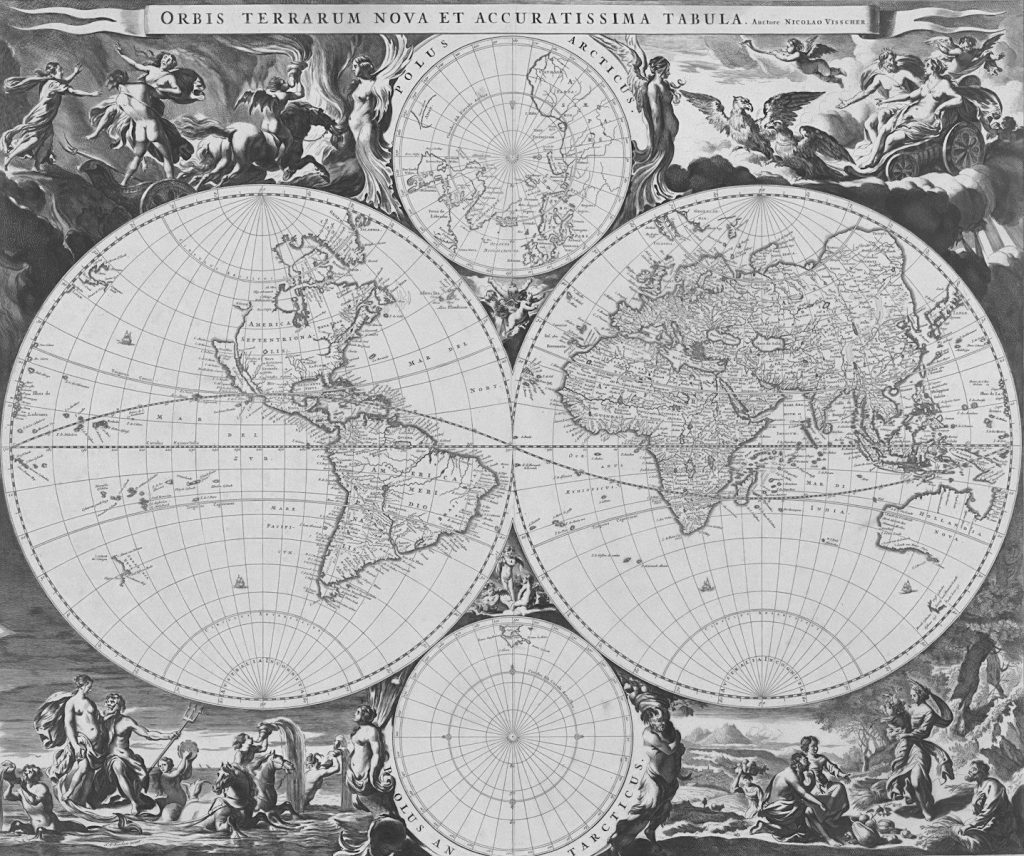
Early digital forecasting programs showed that unchecked growth has real physical limits. Resources run dry. According to reports from the Club of Rome, early computer simulations proved that constant industrial expansion is ultimately unsustainable. These warnings are still sparking intense debates among modern economists today. But scientists argue that we still have time to change the final outcome.
Using Technology For Survival

Predictive machines are best used as warning systems rather than set pathways. They guide us. According to global policy researchers, using data predictions helps us build stronger infrastructure and smarter cities. Knowing what might happen allows us to rewrite our future before it is too late. Yet the ultimate question of our destiny remains unanswered.
A Path Forward For Humanity

Technology offers a powerful tool to understand the complex systems of our world. By studying predictive data, we can make better choices to protect our shared future. The destiny of our species is still in our own hands. This article is for informational purposes only and does not constitute professional scientific advice.
Featured Image: Photo by Barbara Zandoval on Unsplash
Leave a Reply