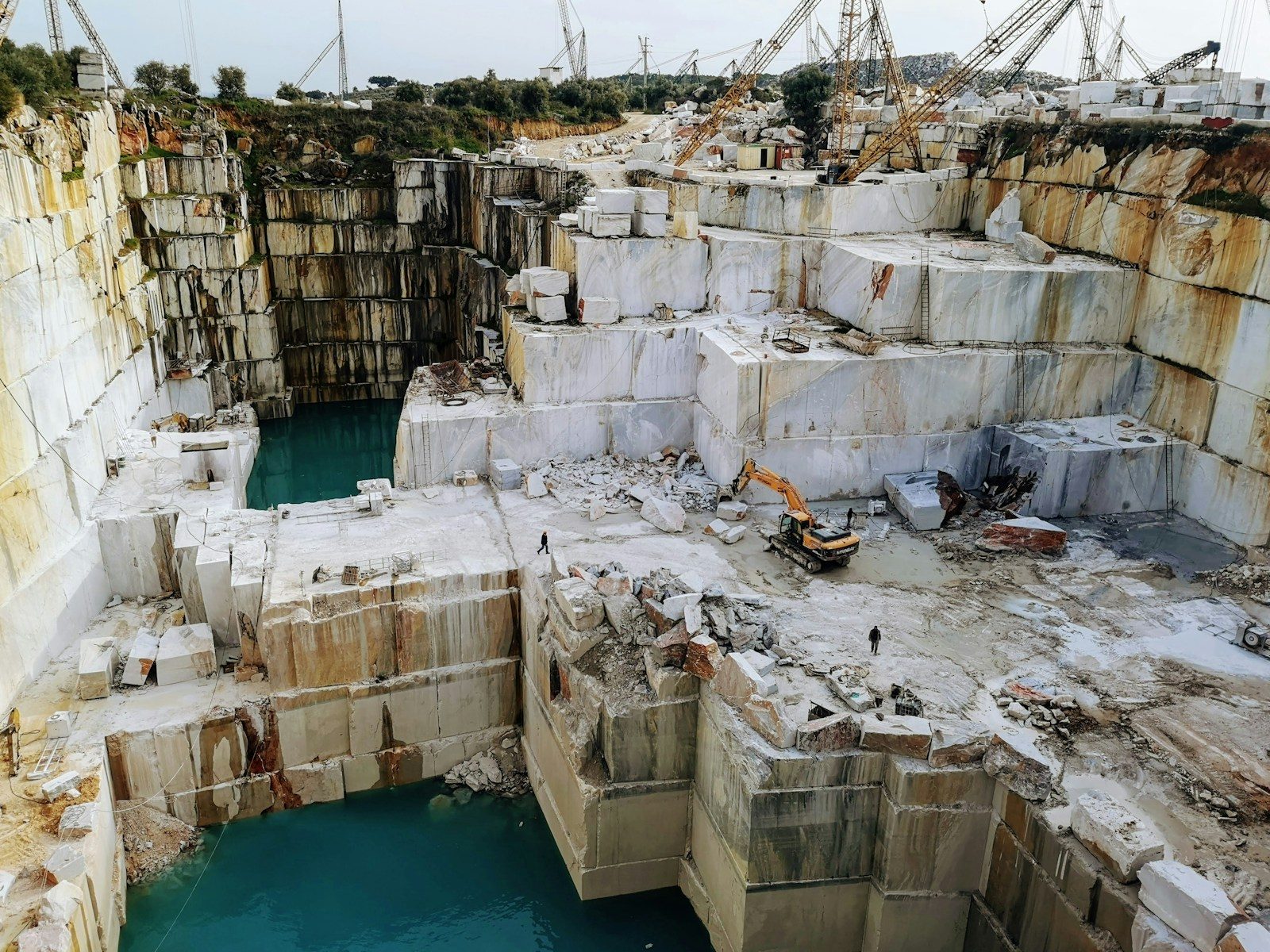
Most people assume that ancient civilizations built stone monuments using completely different tools and construction methods. We believe that isolated societies developed unique architectural techniques without sharing ideas across oceans.
But archaeologists studying massive stone ruins in Peru and Egypt discovered nearly identical scoop marks carved into bedrock. The striking similarity forced historians to investigate how distant cultures achieved the exact same result.
Bowl-Shaped Quarry Marks Cover Ancient Peruvian Granite
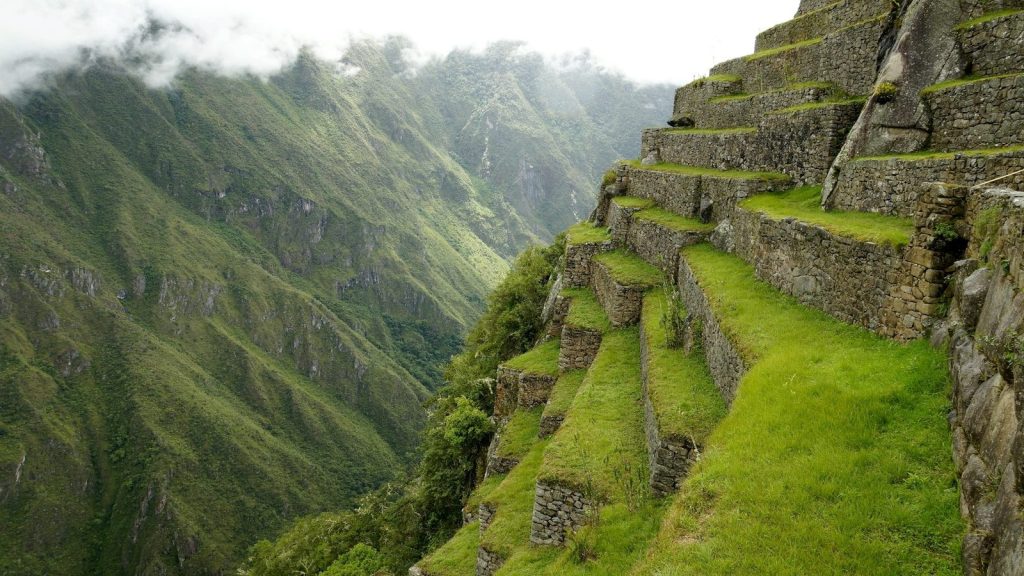
Visitors exploring ancient Inca quarries in Peru often notice smooth bowl-shaped indentations carved into massive granite blocks. The bedrock looks scooped like ice cream. According to excavation logs from Peruvian archaeological sites, these distinct curved marks cover thousands of square feet of granite. Engineers wondered how ancient workers cut such hard stone. But a discovery thousands of miles away deepened the puzzle.
Similar Scoop Marks Appear in Egypt’s Aswan Quarries
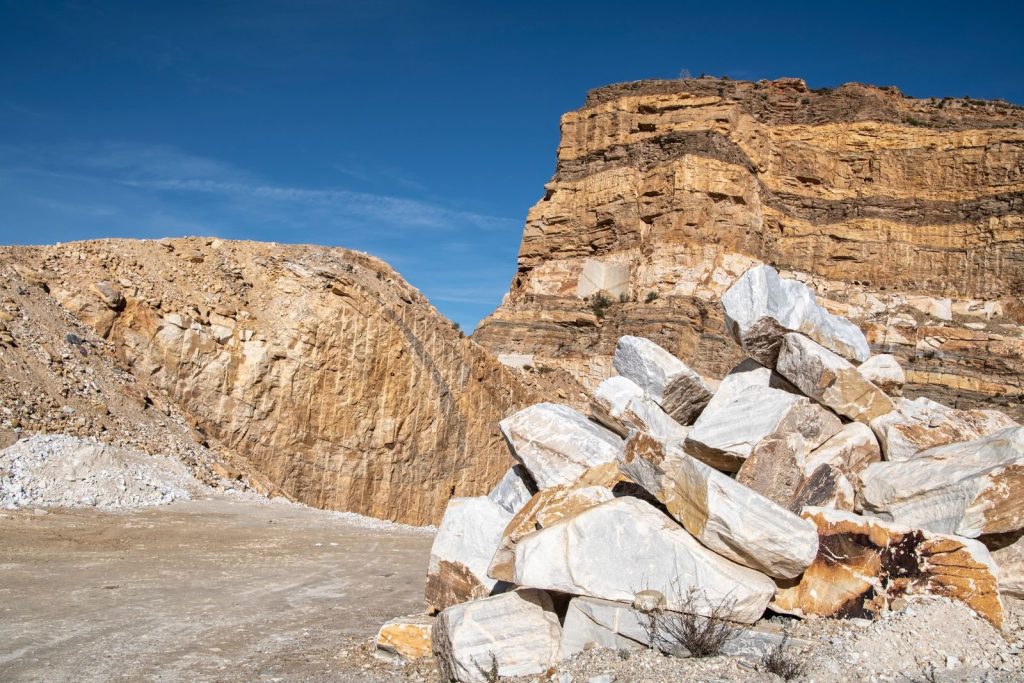
In the granite quarries of Aswan in Egypt, researchers documented the exact same scoop marks along the sides of unfinished obelisks. The shapes matched perfectly. According to reports from the Egyptian Ministry of Tourism and Antiquities, ancient Egyptian stone cutters left identical curved hollows in solid granite beds. People immediately suspected ancient trade or shared secrets. Yet the real answer lay in simple geology.
Copper and Bronze Tools Cannot Easily Cut Hard Granite

Granite and andesite are among the hardest stones on Earth, making bronze and copper chisels completely useless against them. Soft metal tools bend instantly. According to mineralogy testing reports, bronze tools cannot cut or shape heavy granite blocks without blunting immediately. Workers needed a much tougher material. But nature provided an incredibly durable natural hammer stone nearby.
Dolerite Hammerstones Pulverized Granite Into Dust

Archaeologists conducting field tests discovered that ancient stonemasons used heavy rounded rocks made of dolerite and basalt. Impact fractures the granite. According to experimental archaeology studies by Dr. Jean-Pierre Protzen, repeatedly smashing dolerite balls against granite pulverizes the surface into fine dust. Continuous pounding naturally forms smooth bowl-shaped scoop marks. But working this way required immense physical labor.
Ancient Workers Pounded Channels Around Massive Stone Blocks

Teams of workers stood side by side pounding stone for hours to carve channels around massive structural blocks. The work was exhausting. According to architectural history papers, stone pounders chipped away fractions of an inch with every heavy blow. Crushed dust was constantly swept away to expose fresh rock underneath. Yet this simple method allowed incredible precision without metal tools.
Peru and Egypt Independently Developed the Same Quarry Method
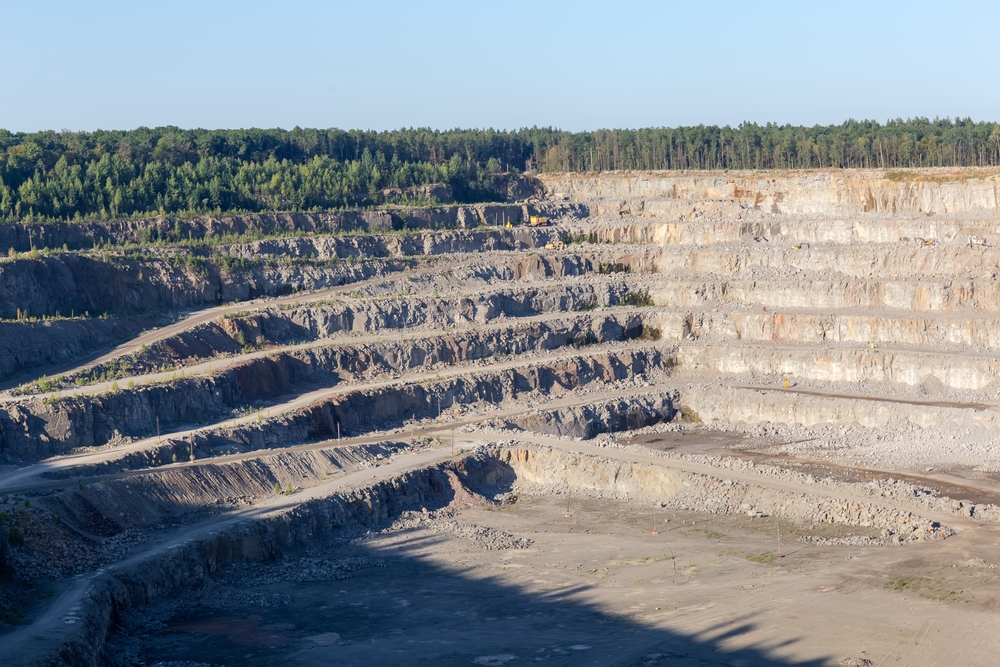
Finding identical marks in Peru and Egypt proves that human minds faced with the same physical problem often discover the same smart solution. Physics is universal everywhere. According to anthropological research, both cultures independently realized that pounding hard river rocks against granite was the most efficient quarrying method available. Human ingenuity solved the same challenge twice. But shaping blocks was only the first step.
Abrasive Sand and Water Created Tight-Fitting Stone Joints
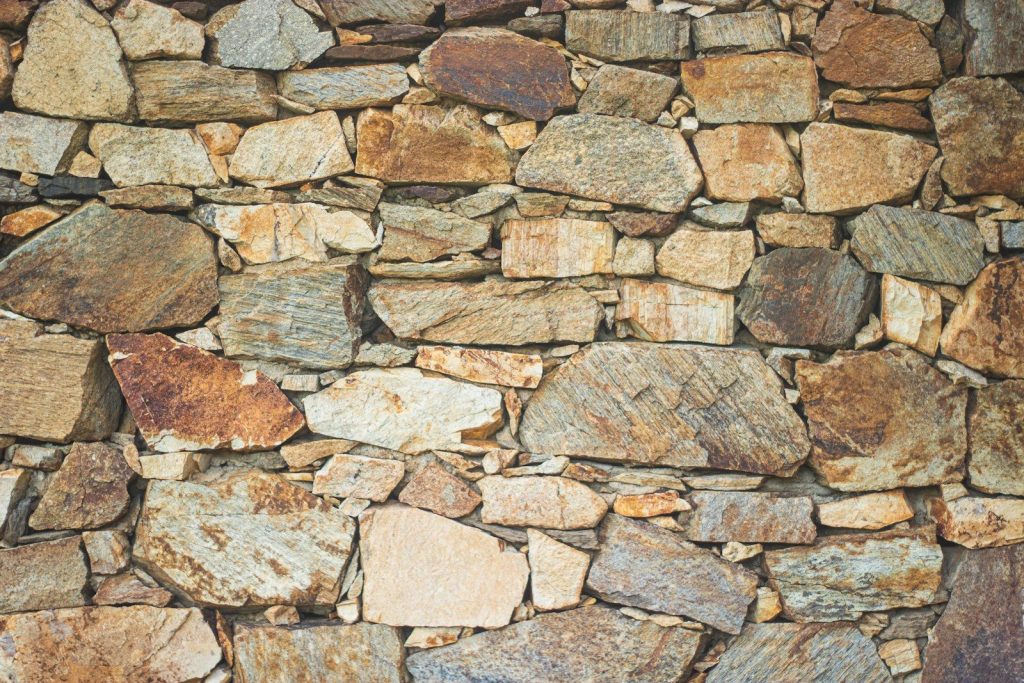
Once extracted, workers smoothed block faces using finer abrasive sand and water until stones fitted together perfectly. The joints were seamless. According to heritage preservation studies, Inca stonemasons created earthquake-proof structures using these precise hand techniques. Their building skills still withstand massive earthquakes today. But modern researchers continue studying these ancient quarry sites.
Matching Quarry Marks Reveal Ancient Engineering Skill
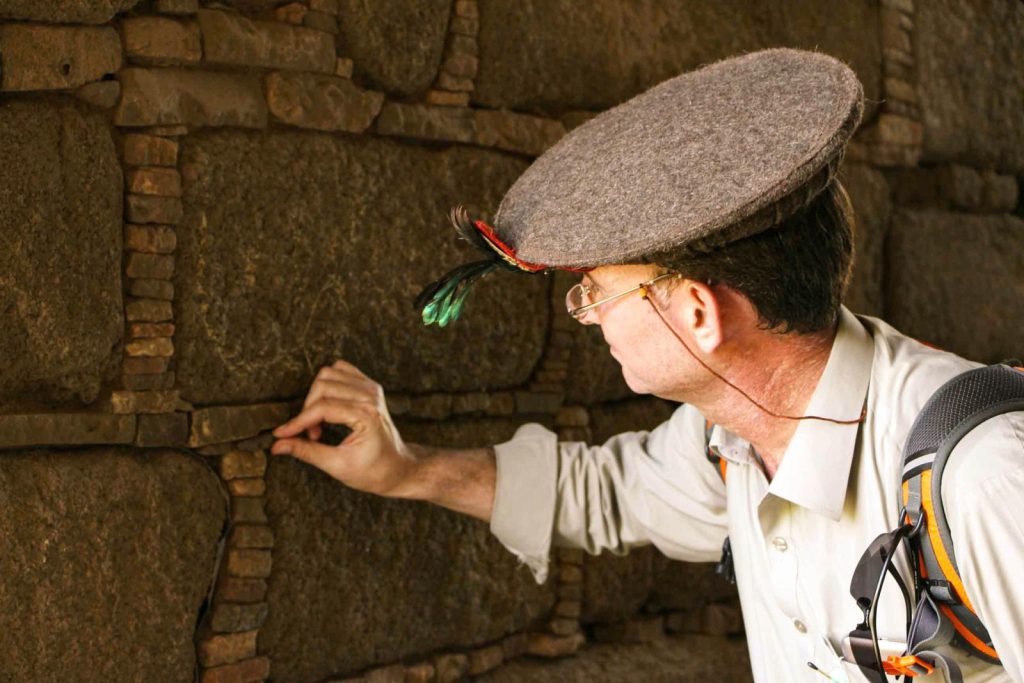
The matching scoop marks across Peru and Egypt reveal that ancient builders mastered geometry and material science through practical experience. They achieved architectural wonders through patient human labor and smart tools. According to historical researchers, this shared technique highlights the universal cleverness of ancient civilizations. This article is for informational purposes only.
Featured Image: Photo by Mariana Proença on Unsplash
Leave a Reply