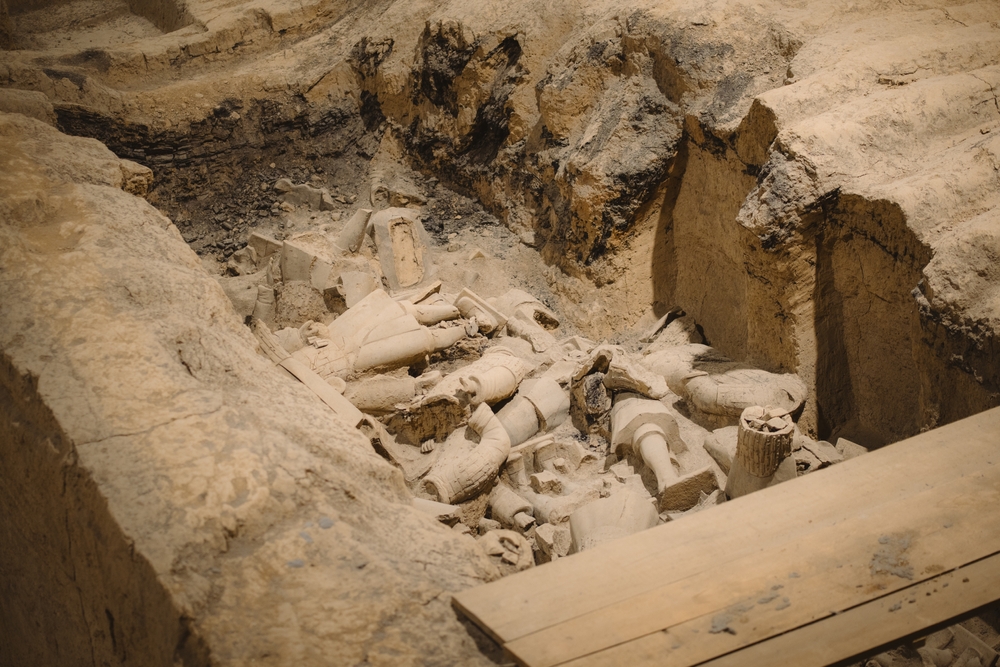
A 2020 study used laser-based measurements to map mercury vapor around the burial mound of Qin Shi Huang, China’s first emperor. Researchers detected localized concentrations reaching roughly 25 nanograms per cubic meter, compared with background levels generally between five and 10 nanograms per cubic meter.
The findings are consistent with earlier soil studies and with an ancient account describing mercury inside the tomb. However, the researchers could not reliably measure the total outflow, and they did not conclude that the site was experiencing a dangerous new leak or threatening nearby communities.
Qin Shi Huang Terracotta Army
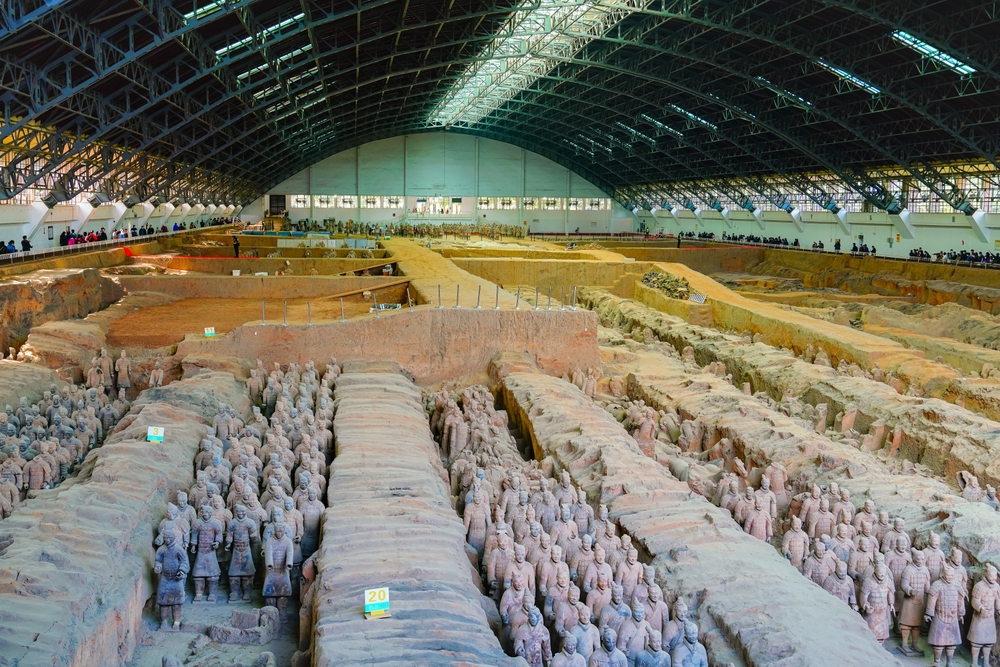
Qin Shi Huang established the first unified Chinese empire in 221 BCE after defeating rival states. Construction of his enormous burial complex began before the unification and continued until his death in 210 BCE. UNESCO describes a landscape containing the central mound, the famous Terracotta Army, and nearly 200 associated pits. More than 600 archaeological sites have been identified across the protected property, showing that the mausoleum was designed as an underground representation of imperial power.
Ancient Sima Qian Historical Text
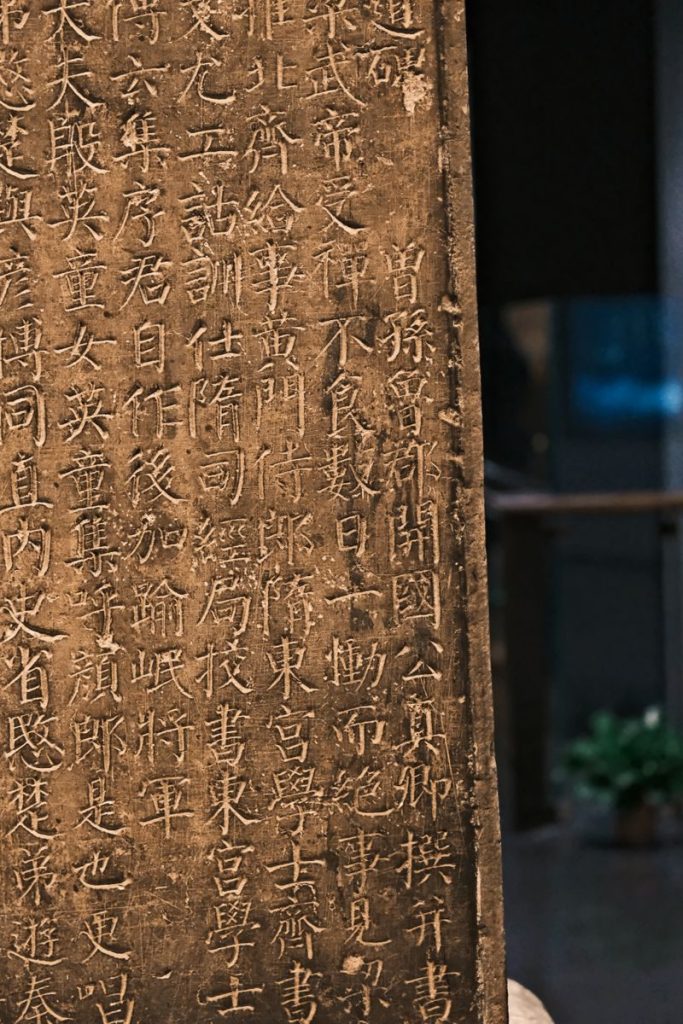
Historian Sima Qian, writing more than a century after Qin Shi Huang’s death, described a burial chamber containing models of rivers and seas made with flowing mercury. His account also mentioned valuable objects, a representation of the heavens, and mechanical defenses. Modern measurements strengthen the case that substantial mercury was placed within or near the central tomb. They do not prove that liquid rivers still flow in their original channels or confirm every feature described in the ancient text.
Archaeological Soil Mercury Test
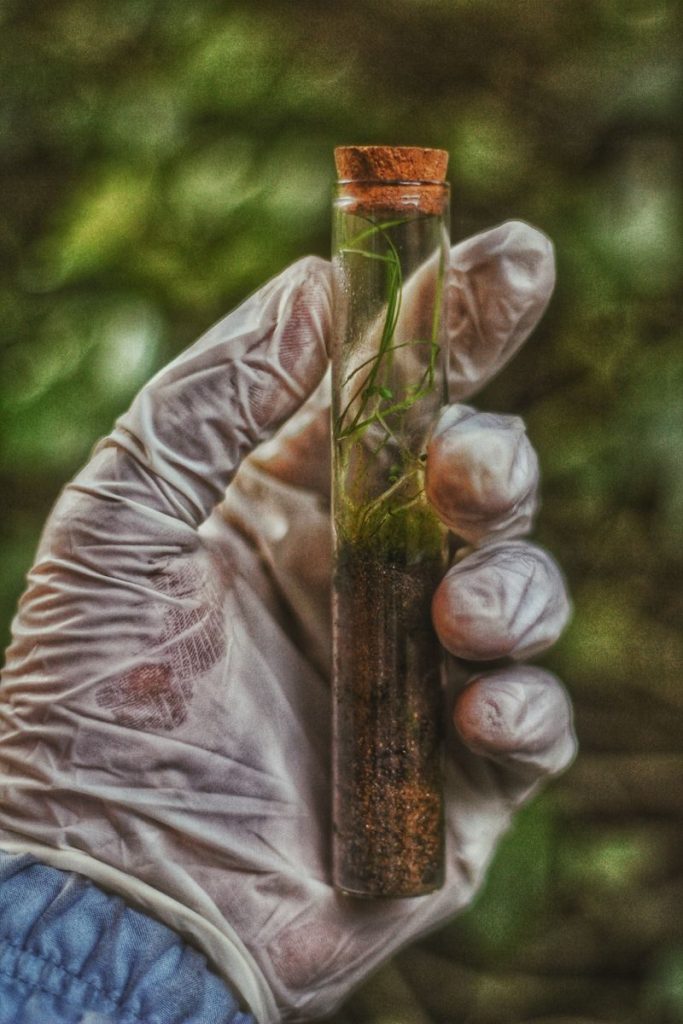
Scientists had identified unusual mercury levels around the mound before the laser study. Soil surveys found concentrations that differed from the surrounding landscape, with strong anomalies over parts of the central burial area. Those results encouraged researchers to consider mercury as a tracer for structures beneath the ground. Soil contamination can have several causes, however, so the pattern alone could not provide a detailed map of the burial chamber or prove the form in which the metal was originally placed.
Differential Absorption Lidar Scanner
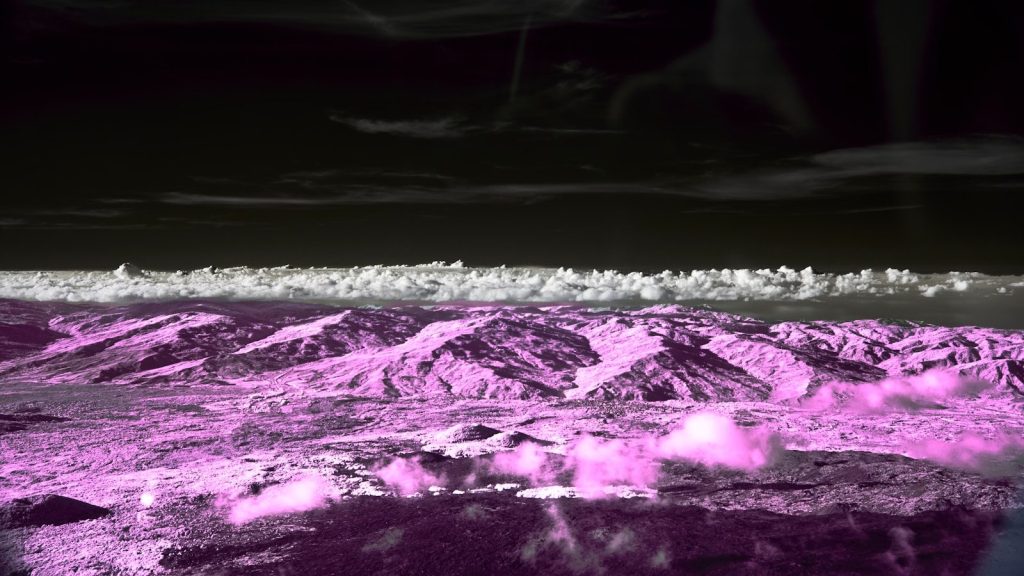
The 2020 team used differential absorption lidar, which sends laser light through the atmosphere and measures how mercury atoms absorb selected wavelengths. The equipment scanned the mound from hundreds of meters away, creating maps of vapor concentrations without disturbing the site. Elevated readings appeared in several localized areas. The positions broadly corresponded with earlier ground measurements, supporting the idea that volatile mercury may be escaping slowly through cracks in the soil and the structures beneath it.
Low Level Mercury Vapor Movement
The word “leaking” can make the situation sound like a sudden industrial spill, but the study documented low-level atmospheric signals above a 2,200-year-old archaeological mound. The researchers said varying background mercury, wind conditions and the site’s complex shape prevented a dependable calculation of total emissions. Their estimate of long-term mercury loss was described as extremely uncertain. The study therefore supports gradual vapor movement, not claims that a deadly cloud has suddenly begun escaping from the tomb.
Sealed Emperor Burial Chamber
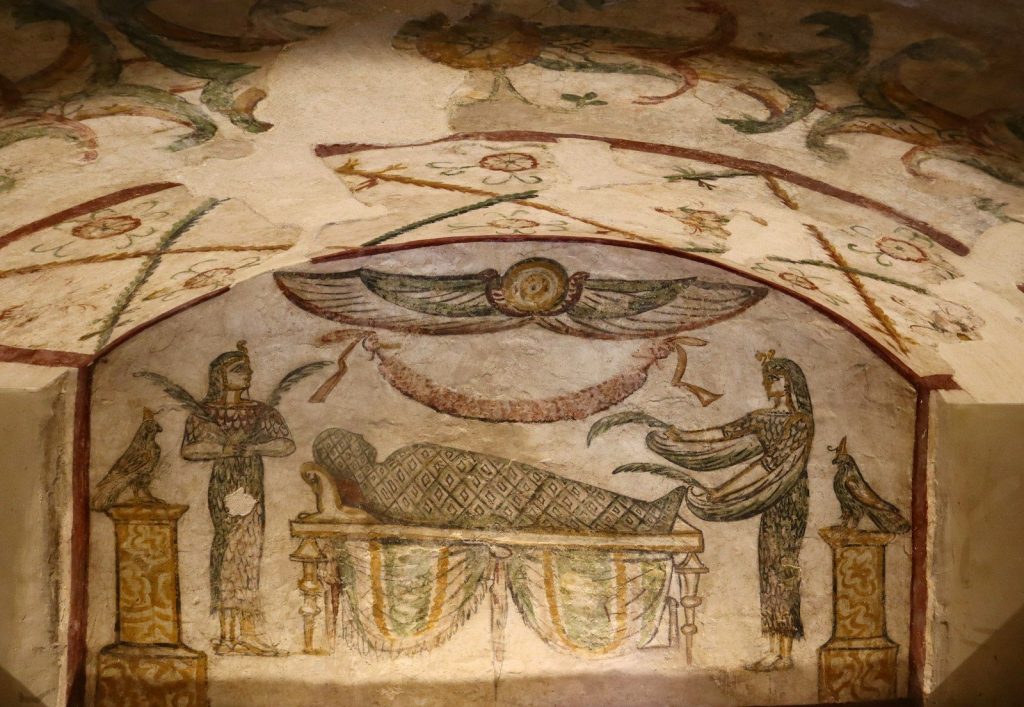
The central burial chamber has not been excavated. Opening it could expose fragile objects, pigments, textiles, and organic materials to air and humidity before conservators can protect them. Archaeologists can instead use remote surveys and limited sampling to study the site while leaving its interior intact for future technology. Possible mercury hazards add another complication, but preservation is the central concern. Stories about active crossbow traps remain based on historical writing rather than confirmed archaeological observation inside the chamber.
Mausoleum Scientific Evidence Analysis
Modern research supports three defensible conclusions: Qin Shi Huang’s mausoleum is extraordinarily large, mercury concentrations around the central mound are unusual, and small amounts of vapor appear to reach the atmosphere. It does not establish that this is history’s “most dangerous” tomb, prove the exact layout of mercury rivers or confirm every legendary defense. The strongest story is not that an ancient prediction has been fully verified, but that scientific instruments have found evidence consistent with part of a remarkable historical account.
Featured Image: Shutterstock
Leave a Reply