
NASA’s Curiosity rover detected the most diverse collection of organic molecules yet identified directly in a Martian rock. Scientists reported more than 20 carbon-containing compounds in a drilled sample called Mary Anning 3. Seven of the compounds had not previously been detected on Mars, providing a richer view of the planet’s ancient organic chemistry.
The molecules are not proof that life once existed on Mars. Organic compounds can form through biological processes, geological reactions or material delivered by meteorites. The discovery matters because complex carbon chemistry survived inside approximately 3.5-billion-year-old rock, despite radiation and environmental changes that normally break organic material down over long periods.
Mount Sharp Gale Crater Bedrock
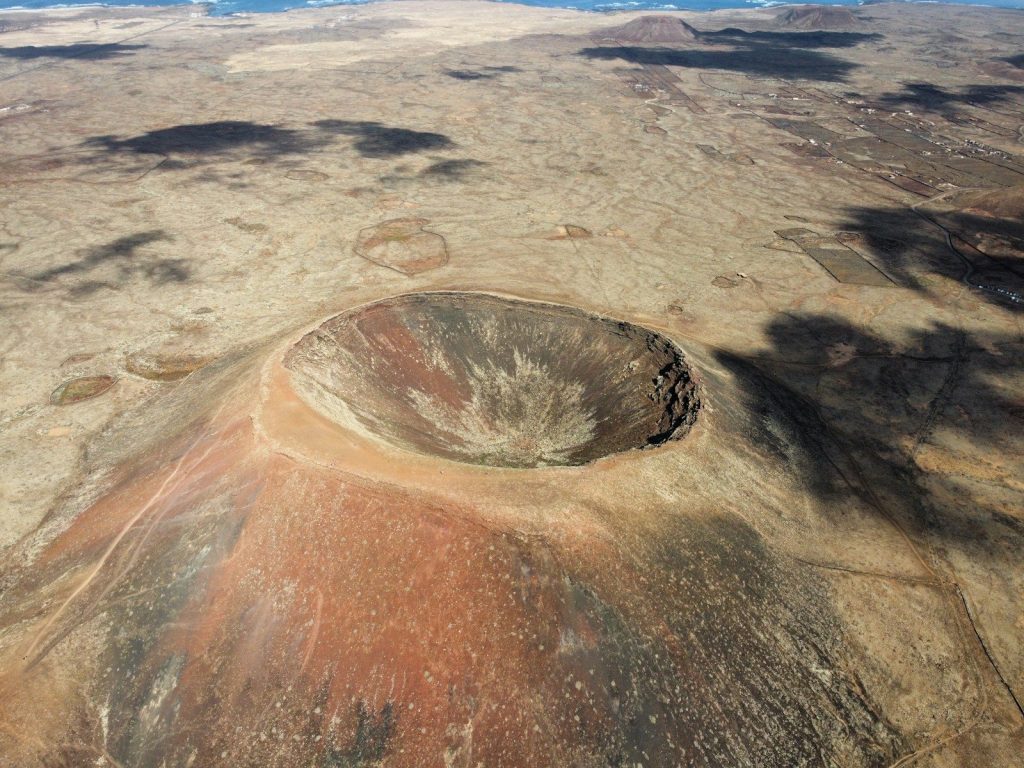
Curiosity collected the sample in 2020 from a clay-rich area of Mount Sharp inside Gale Crater. Geological evidence indicates that the region once contained lakes, streams and sediment deposited in water. Clay minerals can trap and protect organic compounds, making the site one of the mission’s most promising locations for preserved chemistry. The rover drilled into bedrock rather than collecting loose surface dust, allowing scientists to examine material that had remained partly shielded beneath the exposed surface.
SAM Laboratory Rover Chemical Test
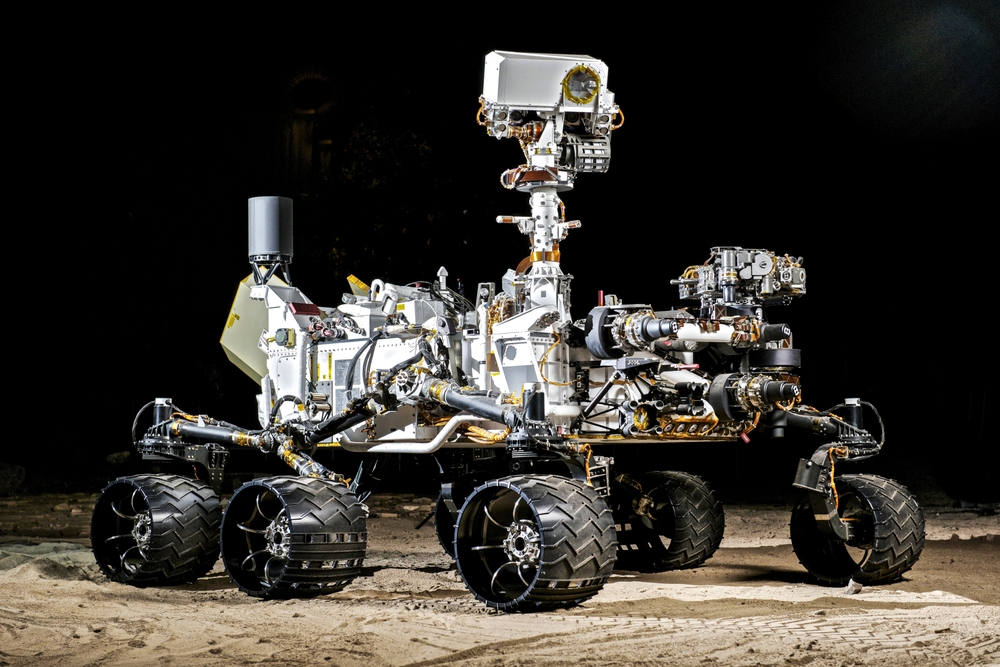
The rover analyzed the powder with its Sample Analysis at Mars laboratory, known as SAM. For this experiment, SAM placed the sample into a cup containing tetramethylammonium hydroxide, or TMAH. Heating the mixture helps release and identify organic compounds that ordinary heating might destroy or leave trapped inside larger material. Curiosity carried only two cups containing the chemical, so mission scientists reserved them for samples considered especially valuable.
Carbon Ring Structure Organic Chemistry
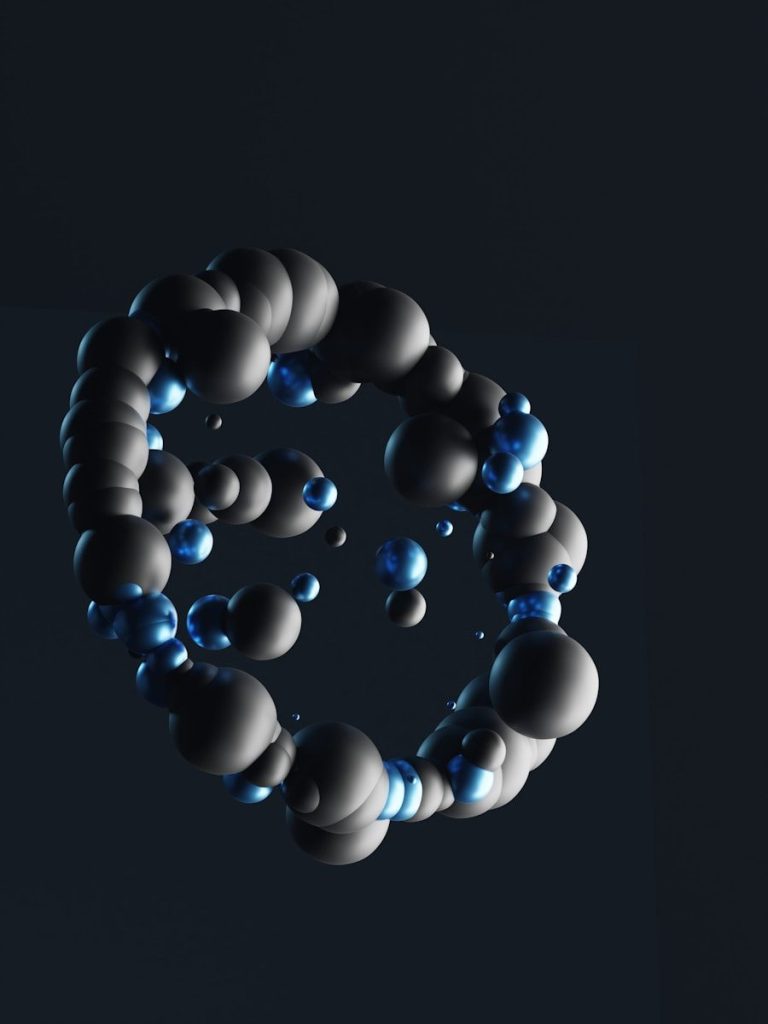
The analysis identified compounds including trimethylbenzene, tetramethylbenzene, methyl benzoate, naphthalene-related molecules and benzothiophene. Some contain ring-shaped carbon structures, while benzothiophene also contains sulfur. Scientists detected 21 carbon-bearing compounds in total, seven of them new to Mars measurements. The molecules may have existed in the rock in their detected forms, or they may be fragments released when the TMAH treatment broke apart larger organic material preserved within the sample.
Meteorite Organic Carbon Molecules
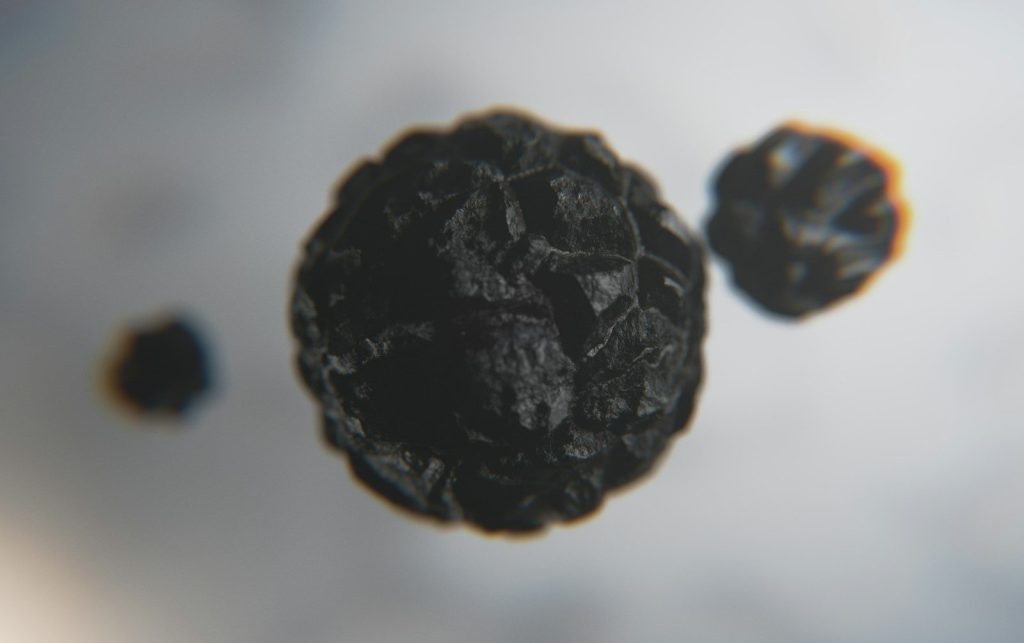
The word “organic” has a specific meaning in chemistry: it generally refers to compounds built around carbon. It does not automatically mean that the material came from a living organism. Meteorites contain many organic molecules created without biology, and chemical reactions involving rock, water and heat can also build carbon compounds. Scientists therefore avoid calling the Curiosity result a biosignature. It shows that ingredients relevant to life were present, not that Martian microbes produced them.
Martian Soil Surface Radiation
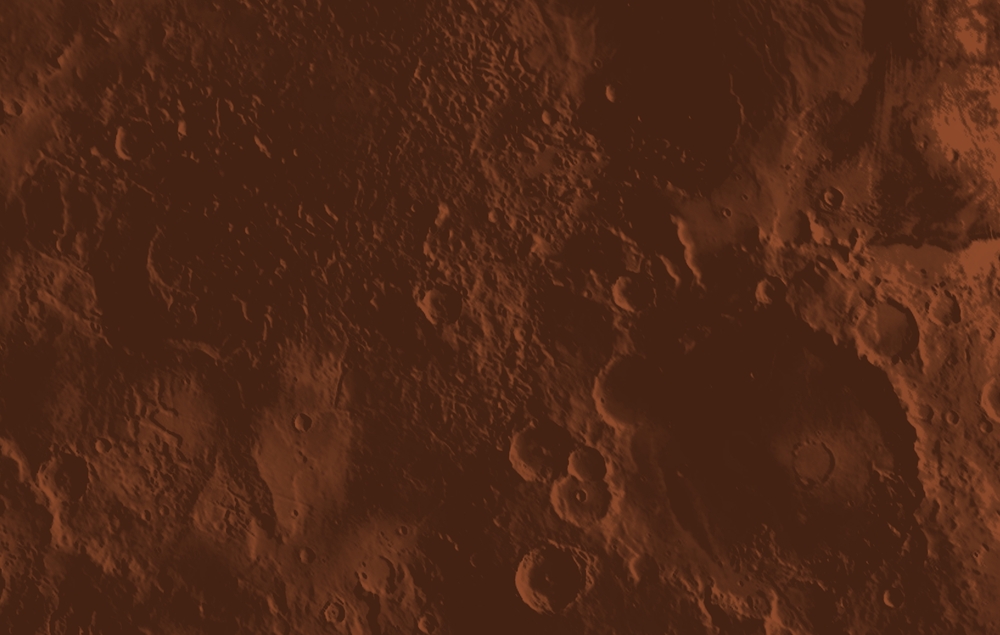
Mars lacks a thick atmosphere and global magnetic field, leaving its surface exposed to radiation that gradually destroys organic compounds. The survival of varied molecules in such ancient rock suggests that buried Martian sediments may preserve more chemistry than scientists once expected. Clay, sulfur-bearing minerals and protection beneath the surface may have slowed degradation. The findings also suggest that larger organic networks or macromolecules could remain inside the bedrock, with the detected compounds representing only fragments of that material.
Martian Bedrock Drilling Exploration
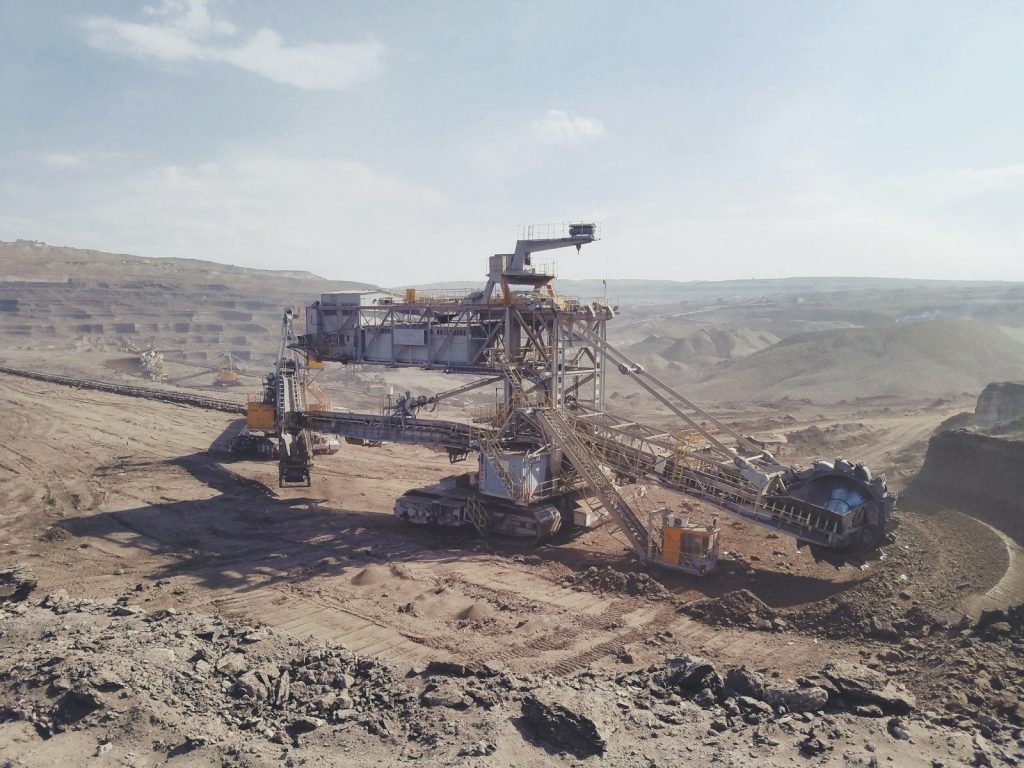
Material at the immediate Martian surface has been altered by radiation, oxidation, and extreme temperature changes. Drilling allows a rover to reach rock that received greater protection, even when the hole is only a few centimeters deep. Future missions capable of drilling farther could recover better-preserved organics. That makes subsurface access important for astrobiology, whether scientists are searching for chemical building blocks, signs of ancient environments or patterns that might eventually distinguish biological processes from non-biological ones.
Rosalind Franklin Mars Rover Drill
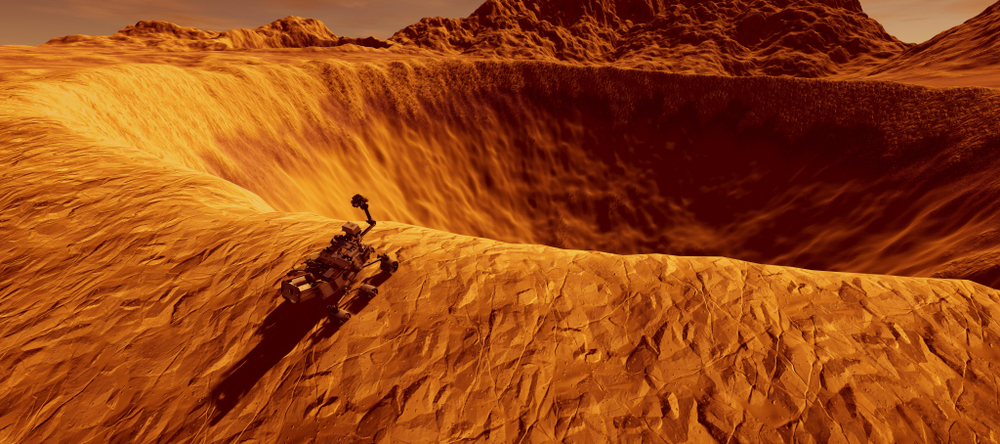
The result gives scientists new targets for future Mars missions. Europe’s planned Rosalind Franklin rover is designed to drill as deep as two meters, where organic material may be better protected. Curiosity has also used its second TMAH cup on another valuable sample, with analysis continuing. The current discovery does not complete the search for past life. It demonstrates that Mars can preserve surprisingly complex chemistry and that carefully selected underground rock remains one of the best places to look.
Featured Image: Photo by Daniele Colucci on Unsplash
Leave a Reply