
Most people believe that mass extinctions are ancient disasters tied to giant asteroids or massive volcanic eruptions. We view these catastrophes as rare events locked safely in the distant prehistoric past.
But modern environmental data suggests that a similar crisis is unfolding right now. Biological evidence shows that species are disappearing at an alarming and unprecedented rate.
Endangered Wildlife Species Decline
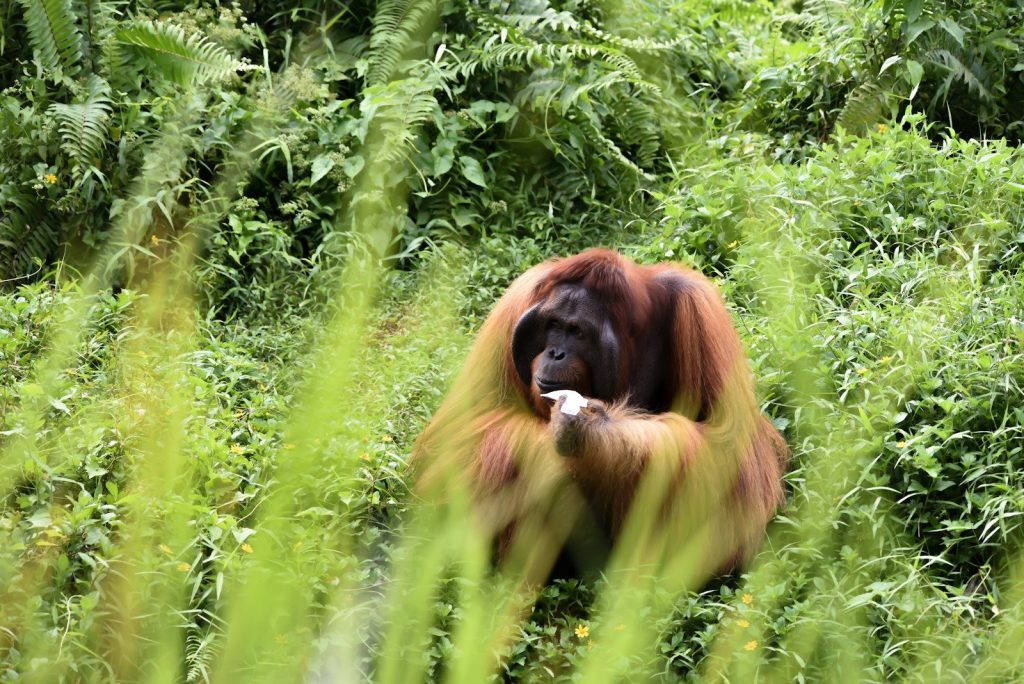
Scientists track the natural speed at which plants and animals disappear over long periods. According to research from Stanford University, modern extinction rates are up to one hundred times higher than normal background levels. The loss is real. This sudden acceleration affects ecosystems across every continent on the planet. Yet the cause of this rapid decline looks very different from past events.
Prehistoric Asteroid Impact History

Earth experienced five major extinction events over the past five hundred million years. According to geological records from the Smithsonian Institution, earlier die-offs were triggered by natural atmospheric shifts. Human activity drives today’s extinction. Our expanding cities and industrial agriculture alter habitats faster than species can adapt. But land transformation is only one piece of a growing puzzle.
Dying Coral Reef Ecosystem
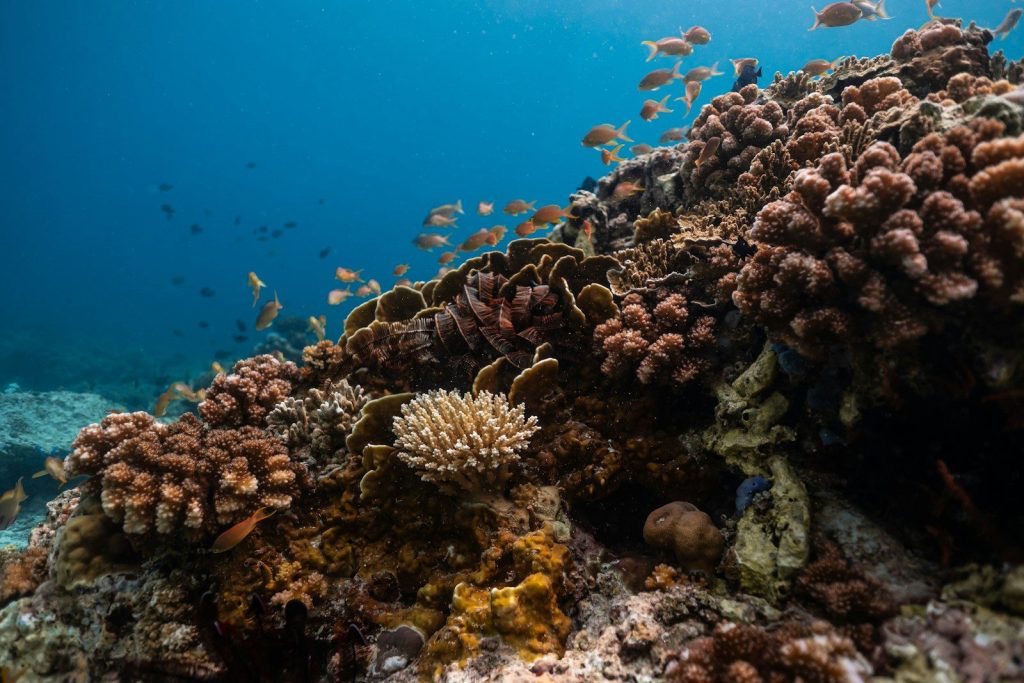
Marine species face growing stress from shifting temperatures and chemical changes in ocean water. According to data from the International Union for Conservation of Nature, coral reef systems are declining globally. Coral reefs protect shores. Their collapse threatens thousands of fish species that depend on these fragile habitats for survival. And conditions on dry land are proving just as challenging.
Honeybee Pollinators On Flowers
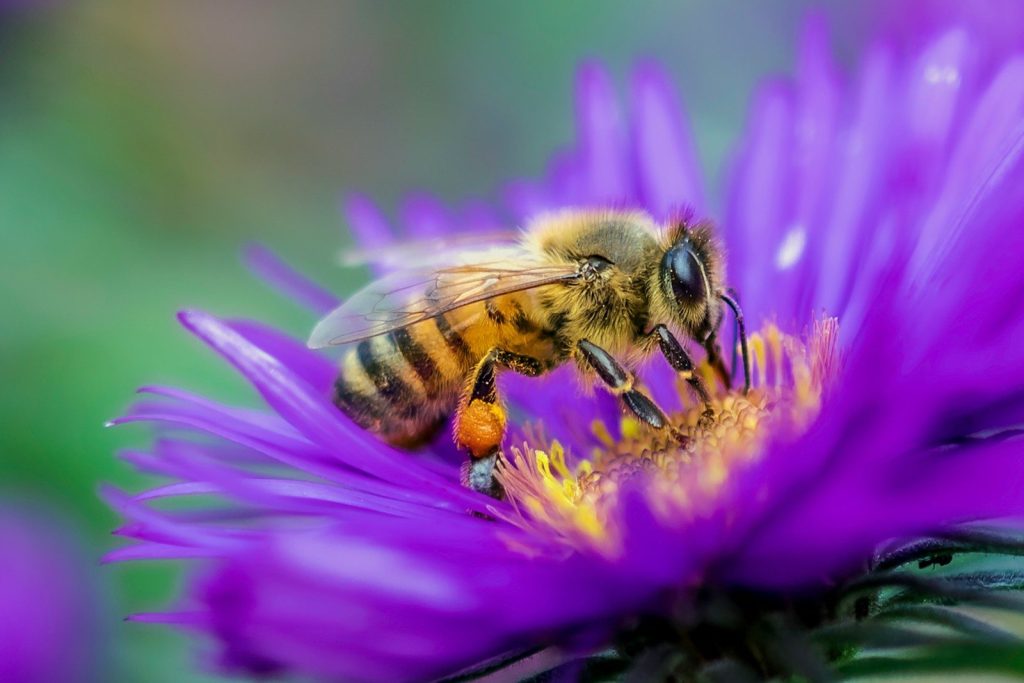
Tiny organisms play an oversized role in maintaining healthy soil and pollinating crops. According to biological studies published in Science Advances, insect populations have dropped sharply in recent decades. Pollinators are vital. Without bees and beetles, food production and wild plant reproduction face severe disruption. But scientists emphasize that the ultimate outcome remains unwritten.
Wildlife Nature Reserve Conservation
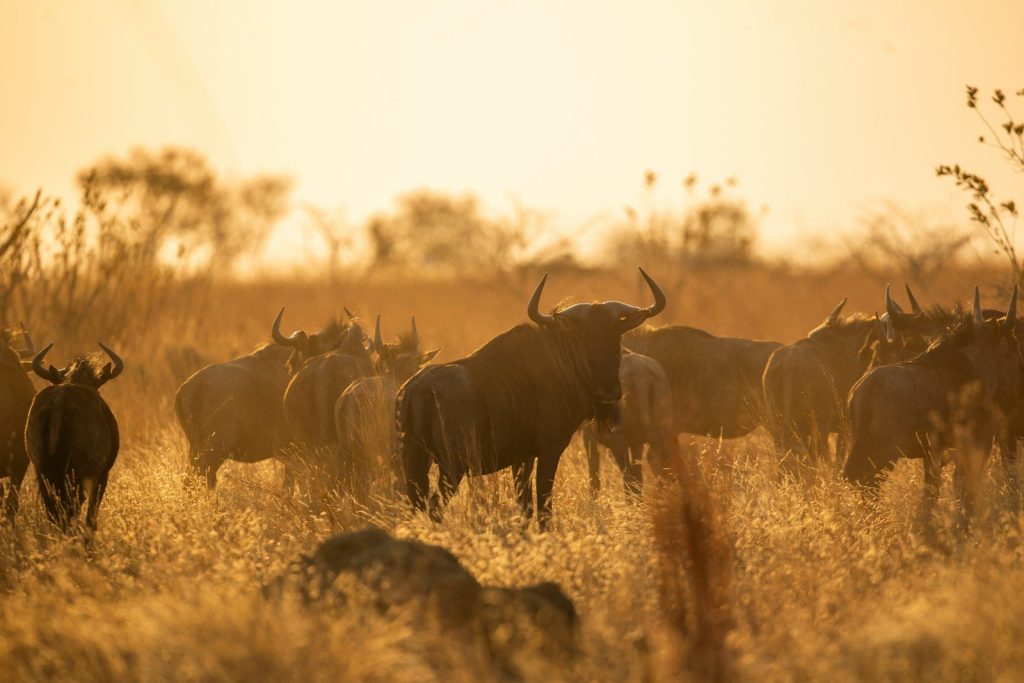
Targeted conservation programs have successfully rescued endangered species from the brink of disappearance. According to reports from the United Nations Environment Program, protected areas help ecosystems recover quickly. Nature is resilient. When habitats are preserved, animal populations often rebuild their numbers over time. Yet expanding these protections requires global cooperation and immediate action.
Satellite Tracking Wildlife Animals
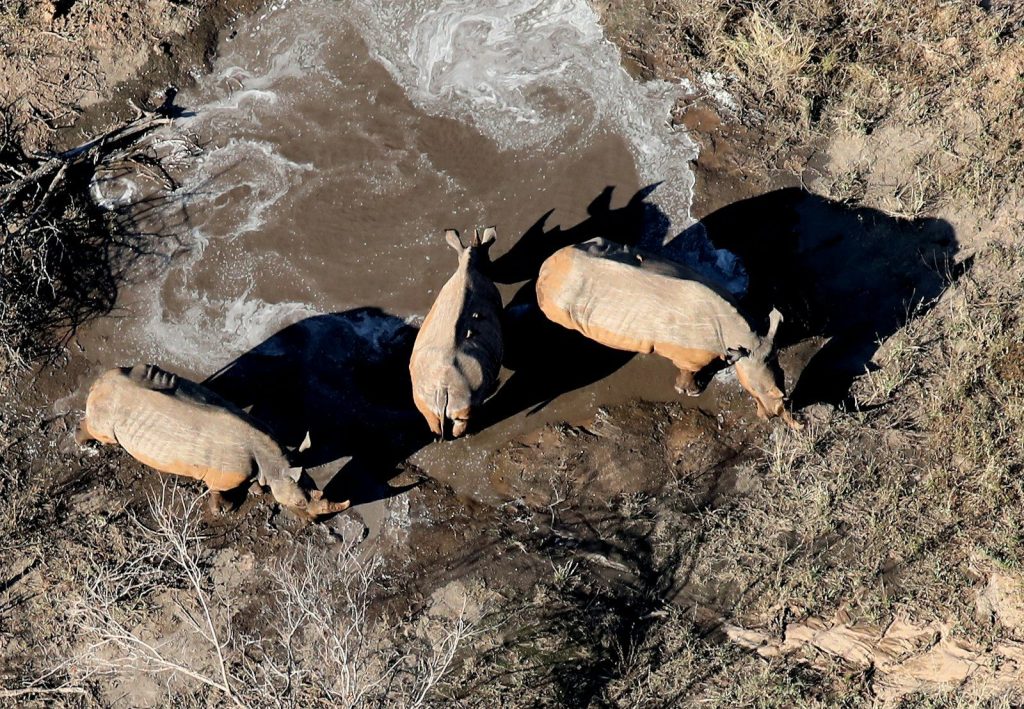
Conservation teams now use satellite imagery and artificial intelligence to monitor wildlife movements in real time. According to research from the World Wildlife Fund, genetic tracking tools identify elusive species without capturing them. Technology speeds recovery. These advanced tools allow experts to intervene before populations drop too low. But saving global biodiversity will require sustained effort from every country.
Sustainable Green Ecosystem Future

Understanding ecological challenges allows scientists and communities to protect fragile environments effectively. According to biodiversity experts, balancing human development with habitat conservation offers a viable path forward. Action brings hope. By restoring damaged ecosystems, we can safeguard vital natural networks for future generations. This article is for informational purposes only.
Featured Image: Photo by Javier Miranda on Unsplash
Leave a Reply