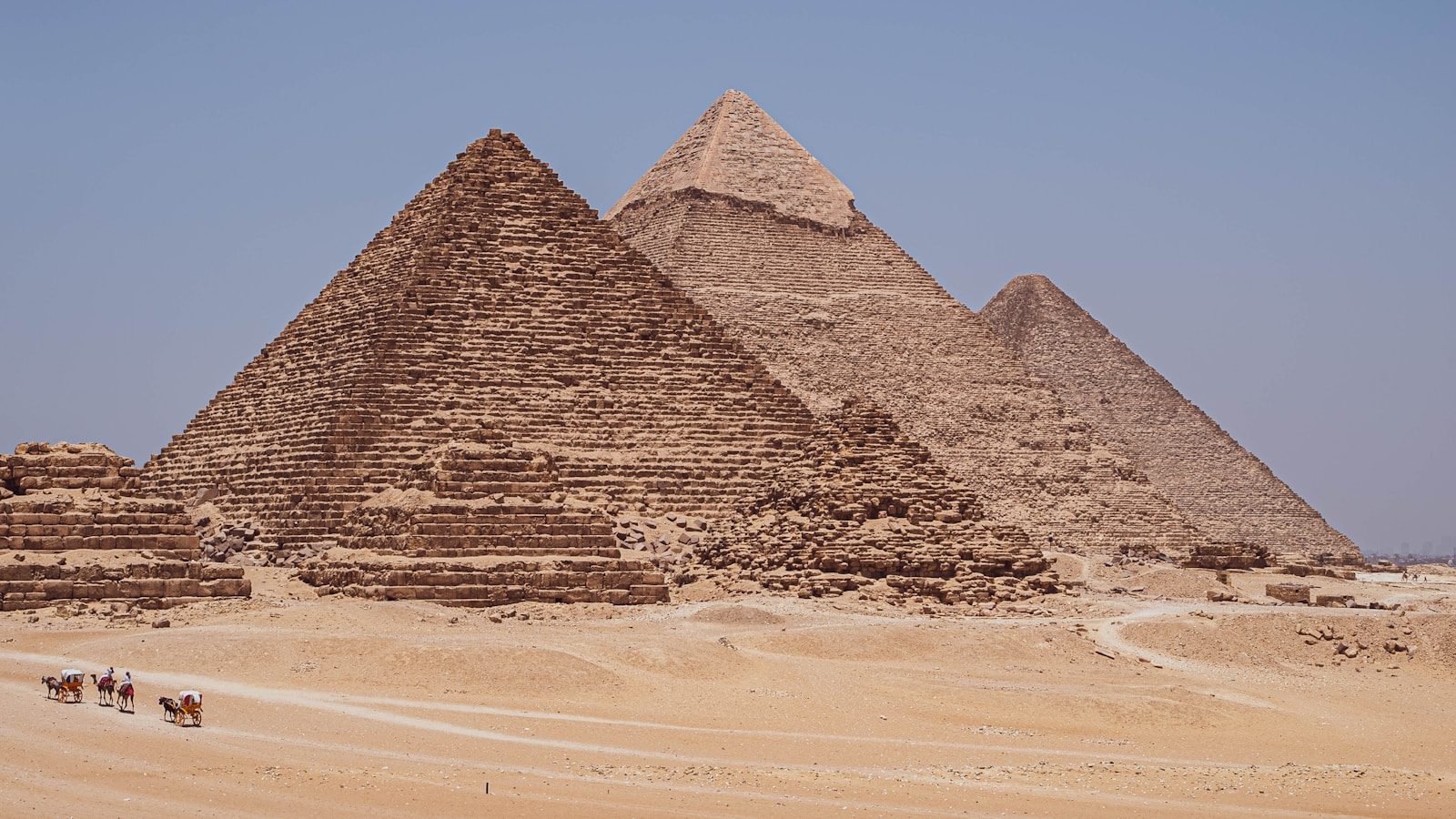
Most people assume that archaeologists have already uncovered every major structure hidden near the Great Pyramids. We imagine that centuries of excavation have revealed all the secrets buried under the desert sands.
But recent geophysical surveys near Giza have revealed remarkable anomalies buried deep underground. Advanced scanner technology is showing us a side of ancient Egypt we never knew existed.
Ground Penetrating Radar Pyramid
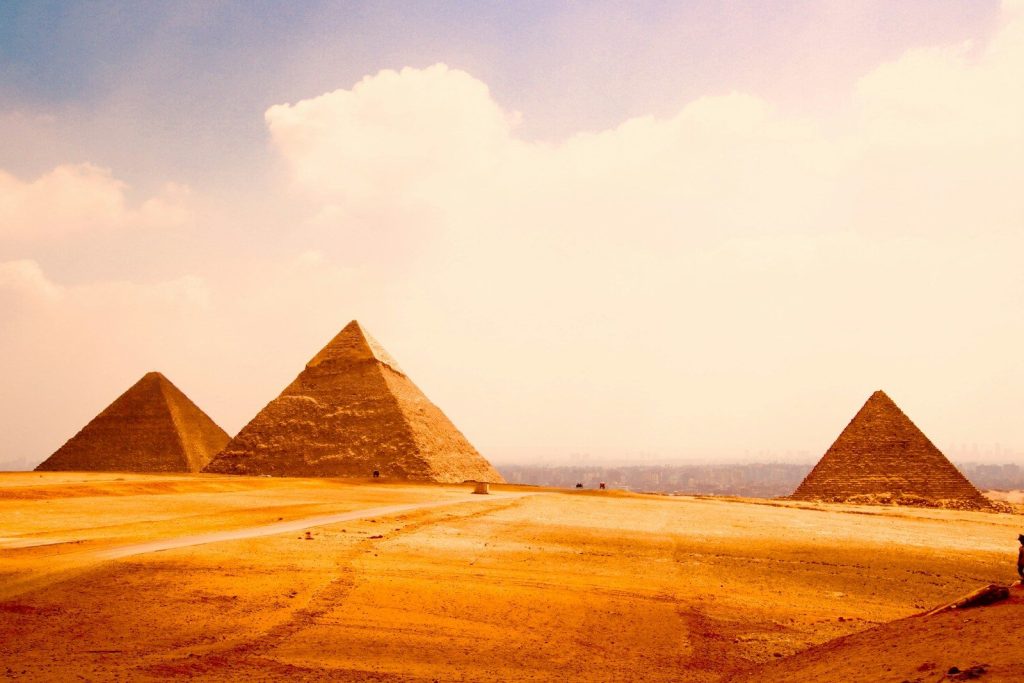
Archaeologists used ground-penetrating radar to look beneath the surface of the Western Cemetery at Giza. According to reports from Tohoku University, researchers detected an unusual L-shaped structure shallow in the sand. Technology reveals secrets. The clean geometric lines suggested that human hands built the hidden feature intentionally. But the initial radar signal was only the first part of the surprise.
Underground Soil Scan Technology
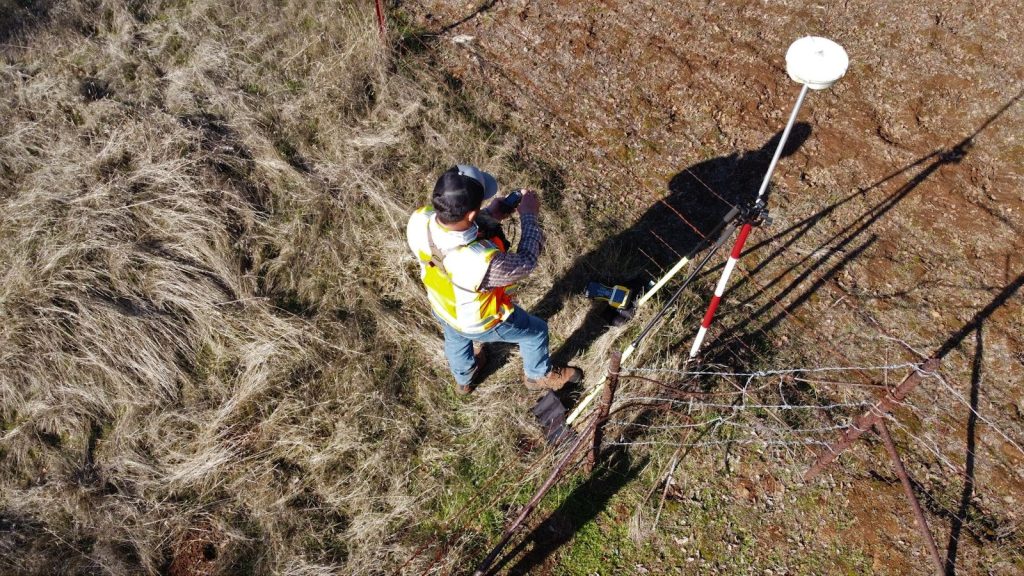
The team followed up by applying electrical resistivity tomography to map deeper soil layers. According to findings published in Archaeological Prospection, a much larger high-resistivity anomaly sits directly below the first structure. It was massive. The deeper formation extends several meters into the surrounding bedrock. And its purpose remains a subject of intense scientific study.
Ancient Egyptian Mastaba Tomb
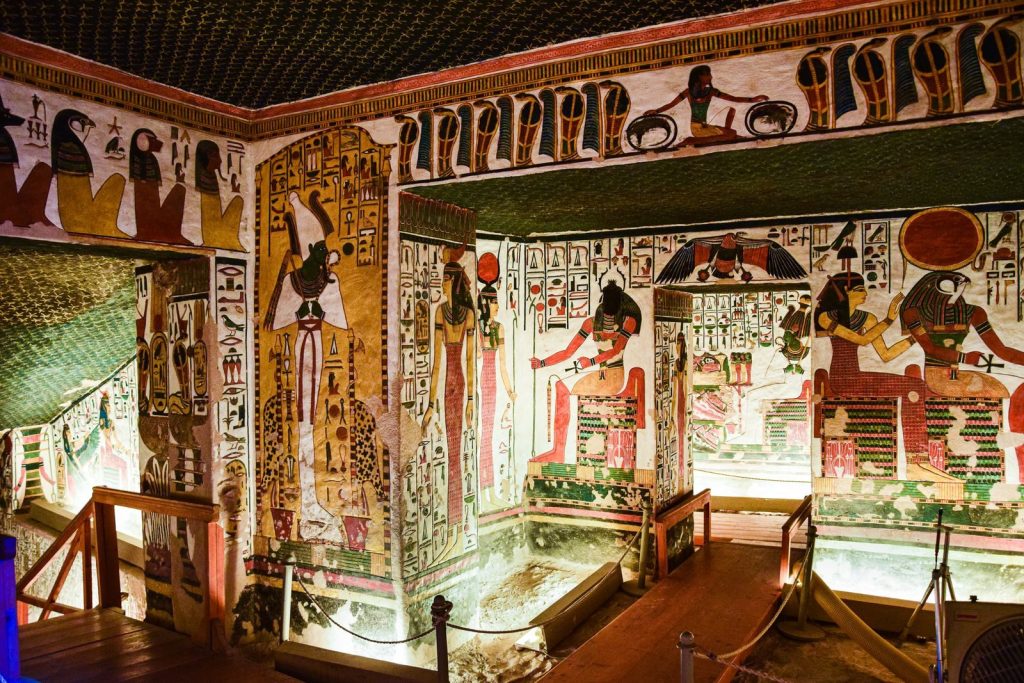
The Western Cemetery contains numerous royal tombs and official burial structures known as mastabas. According to Egyptologists from Higashi Nippon International University, these underground chambers held wealthy elite figures. Honor mattered greatly. The placement of this new anomaly aligns closely with known historic tomb arrangements. But researchers wanted to know if the chamber was filled or empty.
Subsurface Hollow Cavity Scan
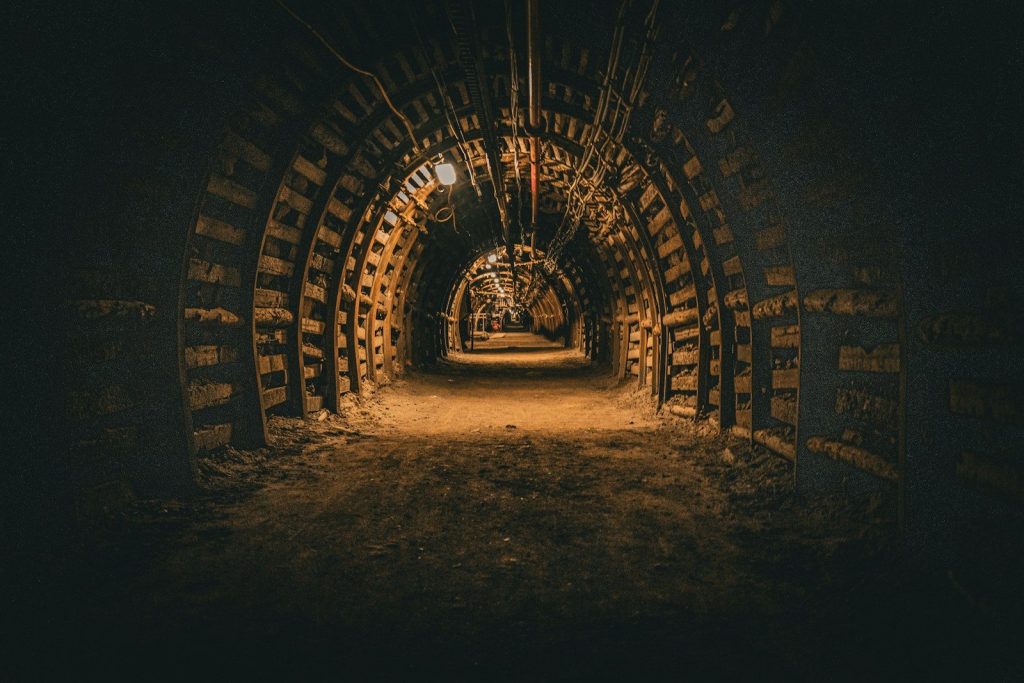
Resistivity readings indicate a clear difference between natural rock and the hollow subterranean void. According to the lead survey team, high electrical resistance often points to dry sand or empty air gaps. Shadows hide answers. The shape suggests an entrance tunnel leading into a deeper room. Yet excavation must proceed carefully to avoid damaging surrounding monuments.
Ancient Egyptian Limestone Carving
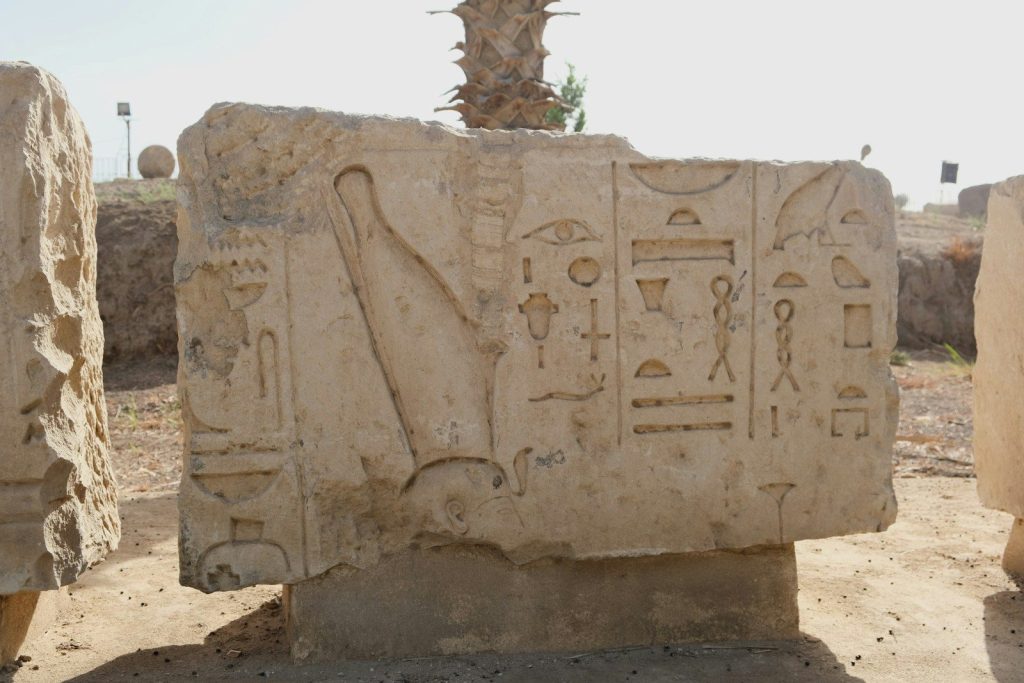
Ancient Egyptian architects frequently cut elaborate storage vaults and shafts directly into limestone bedrock. According to historical records from the Ministry of Tourism and Antiquities, builders filled access shafts after burials. Skills were exceptional. These techniques protected precious grave goods from weather and unauthorized entry. But modern non-invasive tools allow us to see through these stone barriers.
Archaeological Remote Sensing Survey
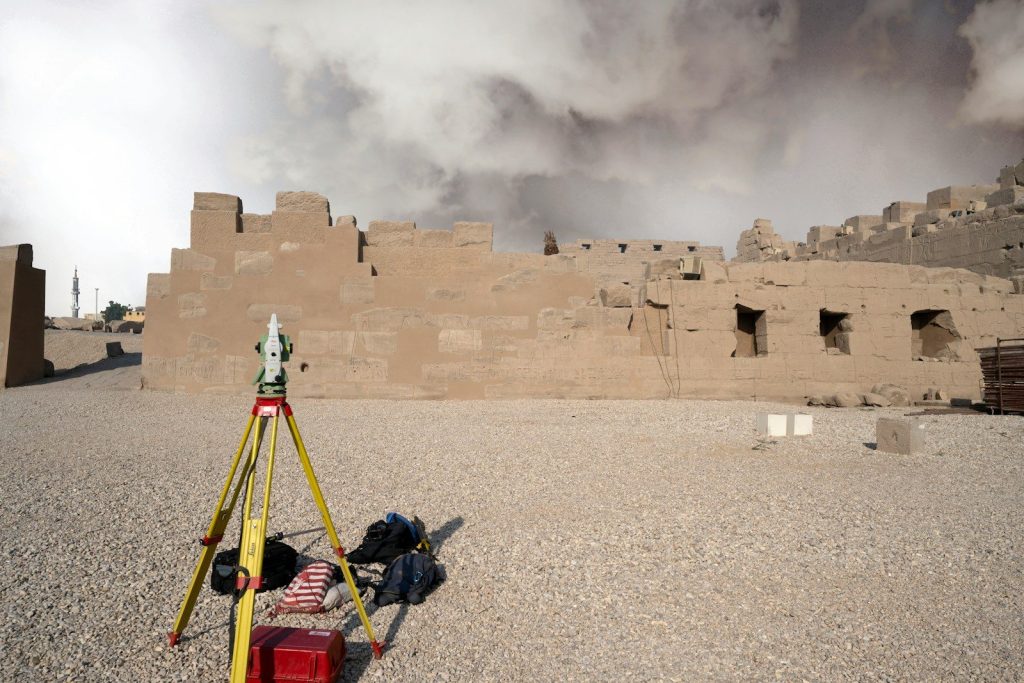
Using non-destructive radar allows scientists to explore sensitive archaeological zones without disturbing fragile surface structures. According to archaeological conservationists, remote sensing prevents physical damage to historical sites. Preservation is essential. Teams map entire underground networks before deciding where to excavate. And this technique is changing how we study ancient civilizations.
Archaeological Excavation Site Giza
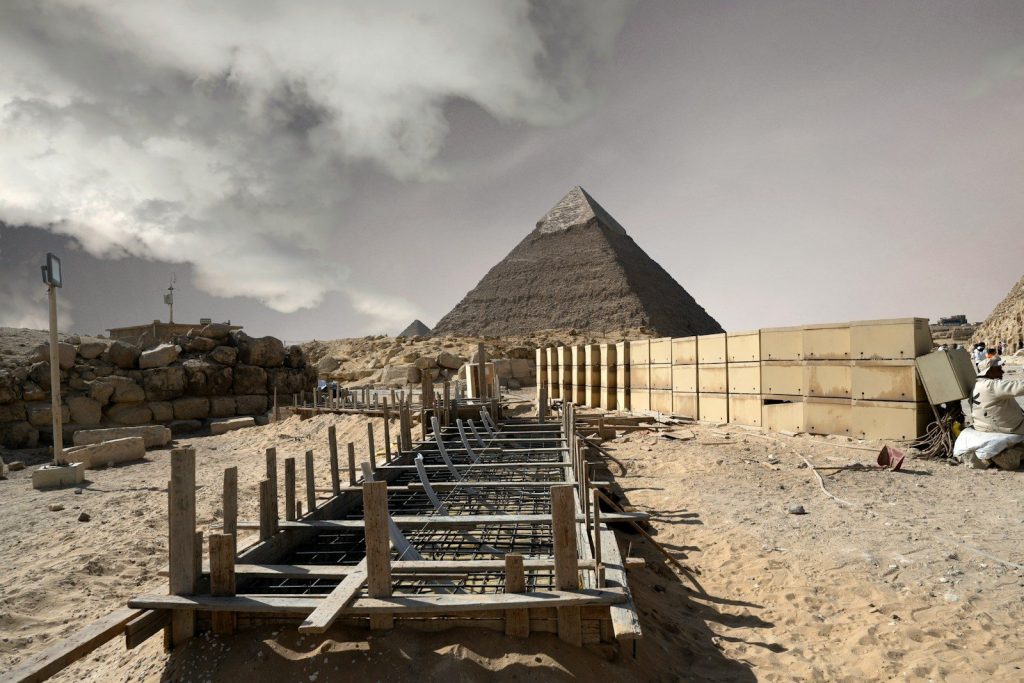
Researchers are now carefully planning target excavations based on the precise coordinate maps generated by radar scans. According to official project updates, ground teams aim to verify what sits inside the chamber. Patience guides science. The excavation could reveal new details about early dynastic construction methods. But the desert still holds many more unanswered questions.
Great Pyramids Of Giza Egypt
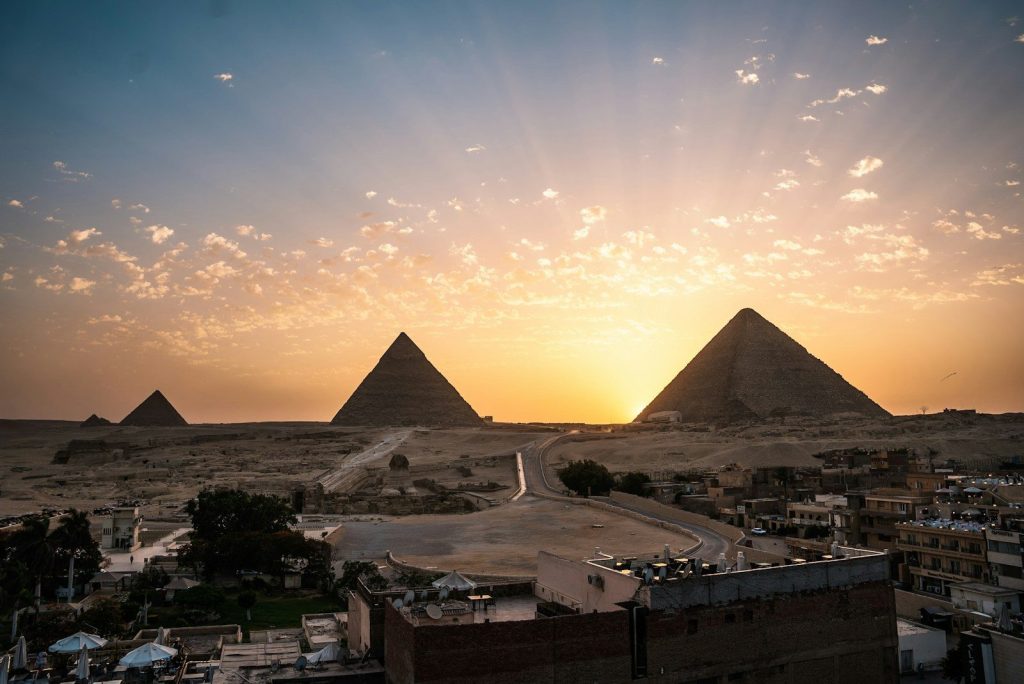
Modern technology continues to illuminate the engineering genius of ancient Egyptian civilization. According to leading Egyptologists, non-invasive ground scans will transform desert archaeology in the coming years. History continues unfolding. Every subterranean scan brings us closer to understanding how ancient monuments were built and used. This article is for informational purposes only.
Leave a Reply