
Most people believe that finding planets like Earth requires scanning stars billions of light-years away into deep space. We assume that outer space is mostly filled with frozen gas giants or uninhabitable fiery worlds.
But astronomers recently discovered a rocky super-Earth orbiting a star right in our cosmic neighborhood. Its unique position is giving scientists an unprecedented chance to study distant alien atmospheres.
Astronomers Detect a Super-Earth 31 Light-Years Away

Using advanced space telescopes, astronomers detected a steady dip in light coming from a nearby dwarf star. The signal was clear. According to reports from NASA, researchers confirmed a large rocky exoplanet orbiting just thirty-one light-years from Earth. Finding a planet this close is remarkably rare. But its physical size surprised researchers even more.
The Rocky Planet Is Larger and Heavier Than Earth

Mass measurements revealed that the planet is roughly two times the size of Earth and significantly heavier. Solid ground definitely exists there. According to astrophysics studies published in The Astronomical Journal, this super-Earth possesses a thick rocky core capable of retaining an atmosphere. Scientists were eager to test its air. Yet calculating its surface temperature required detailed computer modeling.
The Planet Orbits Inside Its Star’s Habitable Zone
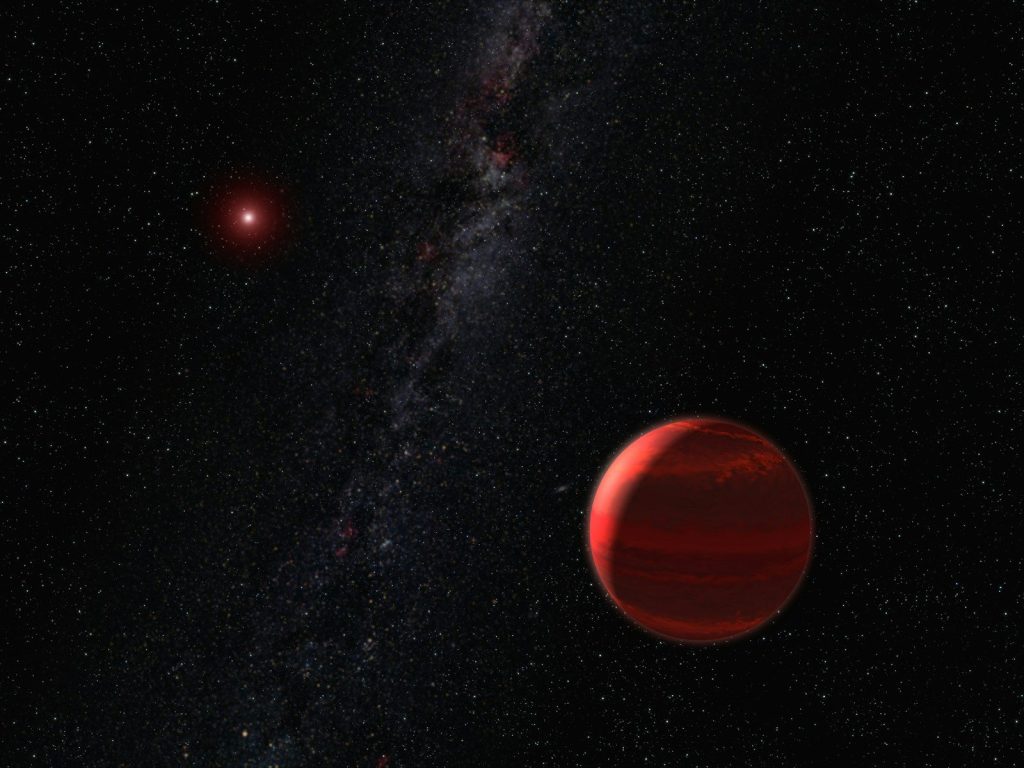
The planet orbits its parent dwarf star at a distance where liquid water could theoretically exist on the surface. Radiation levels remain moderate. According to climate modeling reports, the world receives a similar amount of star energy as Earth receives from the Sun. Conditions might allow surface oceans to endure. But studying its sky required advanced space optics.
Starlight Reveals Gases in the Planet’s Atmosphere

As the planet passes in front of its host star, starlight shines directly through its outer atmospheric layers. Gases absorb specific colors of light. According to research teams at the European Southern Observatory, chemical signatures in that filtered light reveal atmospheric gases. This technique lets us read alien skies from afar. Yet space telescopes needed perfect alignment to catch the signal.
James Webb Studies the Nearby Super-Earth’s Atmosphere

Next-generation observatories like the James Webb Space Telescope are currently targeting this nearby system for deep atmospheric scanning. Priority time was granted. According to astronomical project updates, instruments are searching for water vapor carbon dioxide and methane in the atmosphere. Detecting these gases would mark a historic milestone. But scientists remain cautious about making hasty claims.
Red Dwarf Flares Challenge the Planet’s Habitability
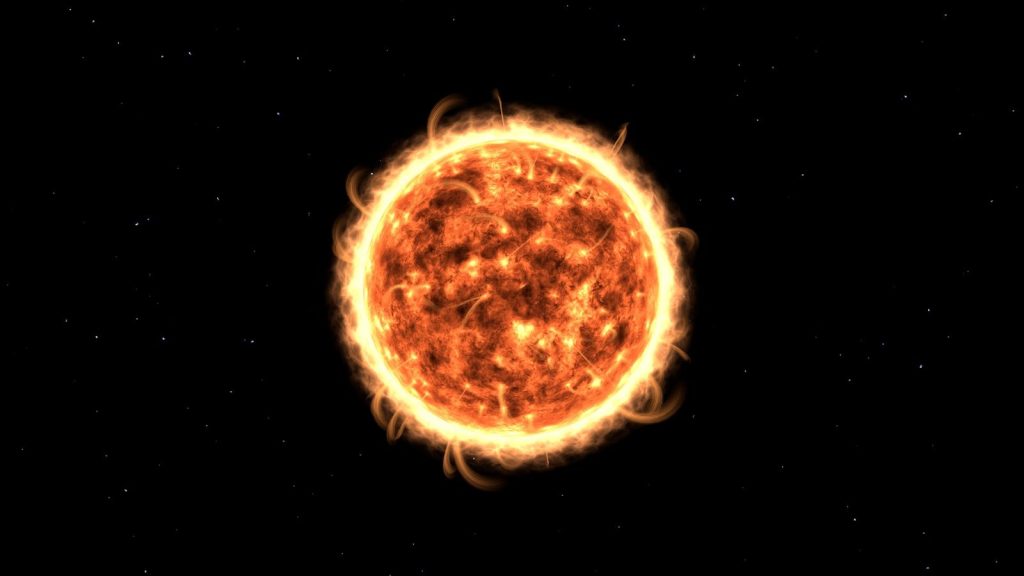
Red dwarf stars are the most common star type in our galaxy, but they often emit powerful radiation flares. Surviving near them is tough. According to planetary science reports, finding stable atmospheres on rocky planets near dwarf stars proves world resilience. Rocky worlds might be far more common than expected. But astronomer teams are already searching for sibling worlds nearby.
The Nearby Super-Earth Becomes a Key Research Target

Discovering a nearby rocky super-Earth brings humanity one step closer to understanding whether solar systems like ours are common across the galaxy. It offers a prime target for future atmospheric studies. According to space research institutions, this discovery opens an exciting chapter in exoplanet exploration. This article is for informational purposes only.
Featured Image: Photo by Andrej Sachov on Unsplash
Leave a Reply