Most people assume that consumer artificial intelligence will remain strictly tied to smartphones and web browsers. We expect to interact with AI models using screens and keyboard inputs.
But tech industry leaders are designing dedicated hardware built specifically to deliver seamless ambient artificial intelligence. OpenAI is collaborating on a standalone physical device to reimagine personal computing.
Sam Altman and Jony Ive Partner on OpenAI Hardware

OpenAI chief executive Sam Altman partnered with famed former Apple design chief Jony Ive to build a hardware venture. The pair secured substantial venture backing to create a revolutionary consumer product. According to reporting from The Information, the project aims to create a context-aware computing experience. Tech circles are buzzing. But building a device without traditional screens requires radical design shifts.
The Device May Use Voice Instead of a Traditional Screen
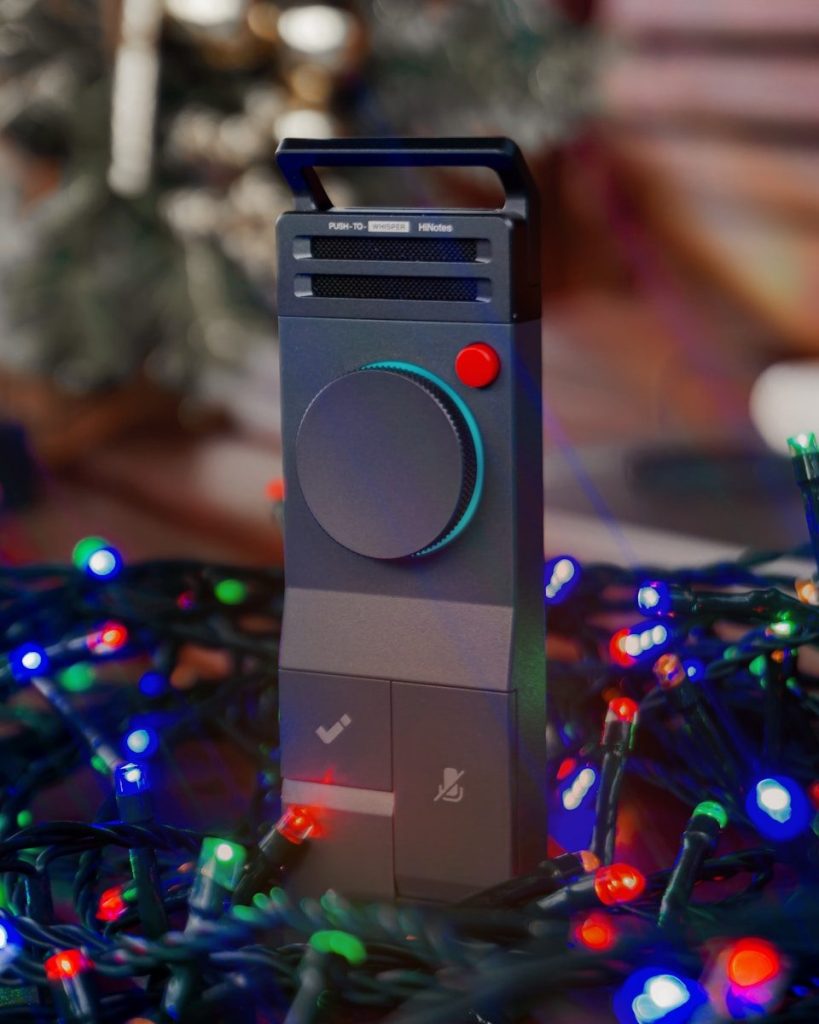
Modern smartphones demand constant visual attention and physical touching from users throughout the day. Hardware innovators want to reduce screen fatigue while enhancing personal assistance. According to industry analysis from Bloomberg, the team explores screenless hardware powered primarily by voice and ambient sensors. Computing becomes invisible. Yet managing complex daily tasks without displays presents major engineering obstacles.
Multimodal AI Could Respond to Voices and Surroundings
The planned device aims to observe user surroundings and process spoken requests instantly using advanced AI models. It acts as an intuitive personal assistant that understands real-time context. According to technology papers from OpenAI, multimodal AI models process audio, visual, and textual information simultaneously. Systems anticipate needs automatically. But protecting user privacy remains a primary concern for voice-operated hardware.
Microphones and Cameras Raise Major Privacy Concerns

Always-listening microphones and cameras raise valid data security concerns among everyday consumers. Engineers must implement strict on-device encryption to safeguard sensitive personal information. According to hardware architecture reports, local processing chips will handle sensitive inputs directly without constant cloud transmissions. User trust is essential. Yet battery power limitations create serious engineering constraints for portable AI devices.
Small AI Devices Need Efficient Chips and Longer Battery Life

Running advanced machine learning models directly on small hardware components requires high energy consumption. Compact batteries struggle to power intensive artificial intelligence tasks all day long. According to semiconductor industry reports, specialized neural processing chips drastically cut power requirements for edge computing. Efficiency improves steadily. But competing against established tech giants poses a massive market challenge.
OpenAI Would Compete With Apple and Amazon Hardware

Tech giants like Apple and Amazon currently dominate smart home hardware and personal assistant markets globally. Entering the consumer hardware space requires flawless software integration and supply chain mastery. According to market analysis from Gartner, standalone AI hardware must offer clear advantages over existing smartphones to win consumers. Competition will be fierce. Yet consumer demand for seamless computing keeps growing.
Earlier Standalone AI Gadgets Faced Mixed Reviews
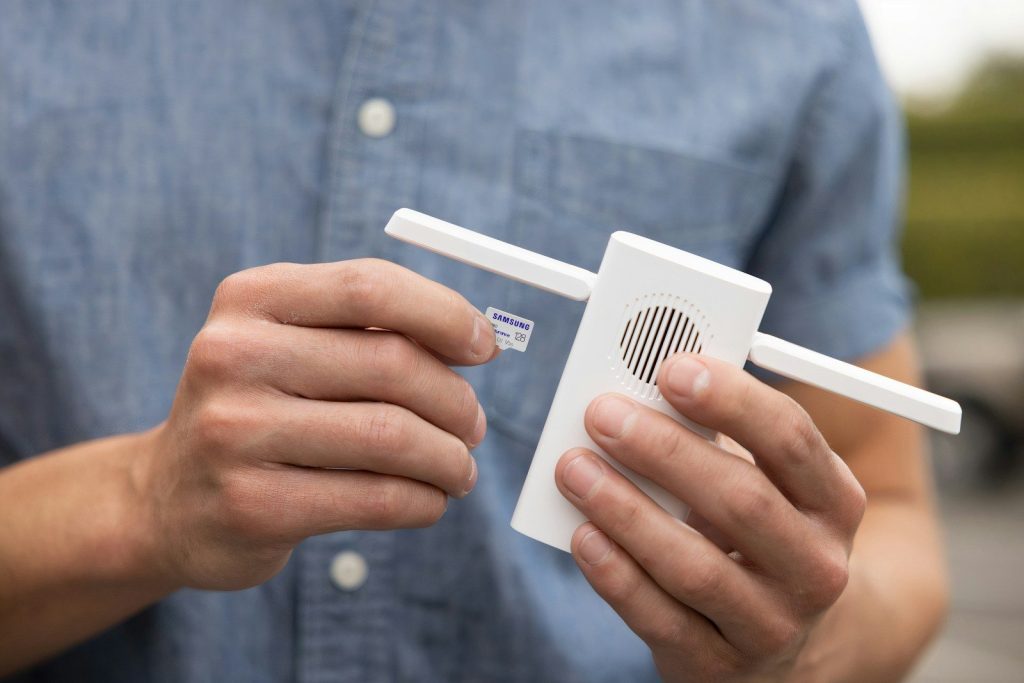
Earlier attempts at standalone AI hardware faced mixed consumer reviews due to slow response times and limited capabilities. Next-generation devices leverage much faster reasoning models and improved natural speech synthesis. According to developer updates, recent software breakthroughs dramatically improve real-time voice conversations. Interactions feel completely natural. But mass adoption depends entirely on real-world practical utility.
OpenAI’s Device Could Push Personal Computing Beyond Screens

The development of dedicated AI hardware marks a major shift toward ambient computing where technology assists humans without screen distractions. OpenAI’s collaboration with world-class designers highlights how artificial intelligence is moving beyond web browsers into everyday physical objects. According to tech industry analysts, consumer testing could reveal how future generations interact with smart machines daily. This article is for informational purposes only.
Leave a Reply