Most people assume that astronomers have neatly categorized every type of celestial body in our universe. We expect space objects to fit into clear categories like stars, planets, or black holes.
But a recently discovered astronomical object orbiting deep in our galaxy defies every traditional definition. Its strange mass and behavior are forcing astrophysicists to question how stellar remnants form.
MeerKAT Detects a Pulsar With a Mysterious Companion

Astronomers scanning deep space with sensitive radio telescopes detected regular timing pulses coming from a dense stellar cluster. The rhythmic signal was unusually precise. According to research published in Science, radio astronomers using the MeerKAT array located a fast-spinning pulsar paired with a mysterious companion object. Data poured in rapidly. But determining the mass of this companion object revealed something unprecedented.
The Companion Falls Between Neutron Stars and Black Holes
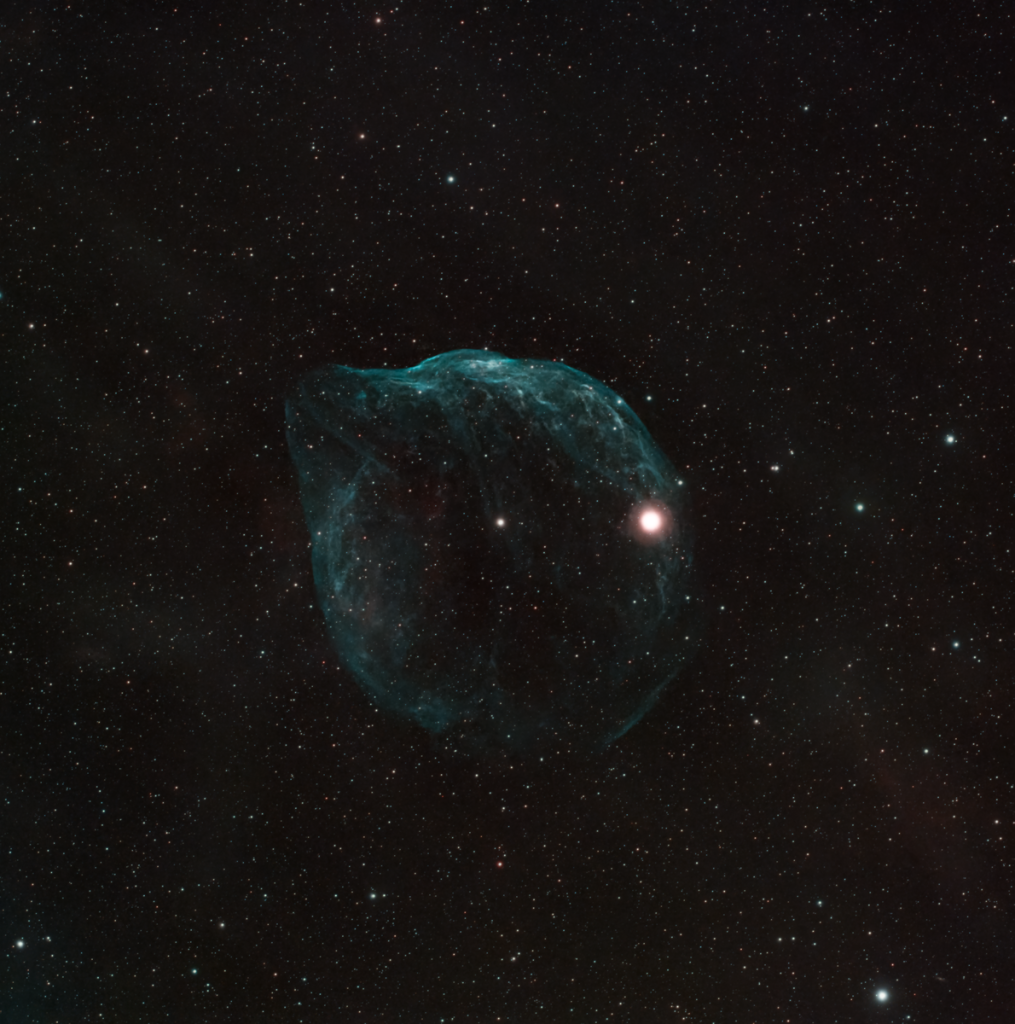
Precise orbital measurements revealed that the unknown object weighs between 0.9 and two point71 times the mass of our Sun. That exact range sits right in a cosmic dead zone. According to astrophysics reports, this object inhabits the theoretical mass gap between heavy neutron stars and light black holes. The numbers shocked scientists. Yet deciding which category it actually belongs to presented a puzzle.
The Object Occupies the Stellar Remnant Mass Gap
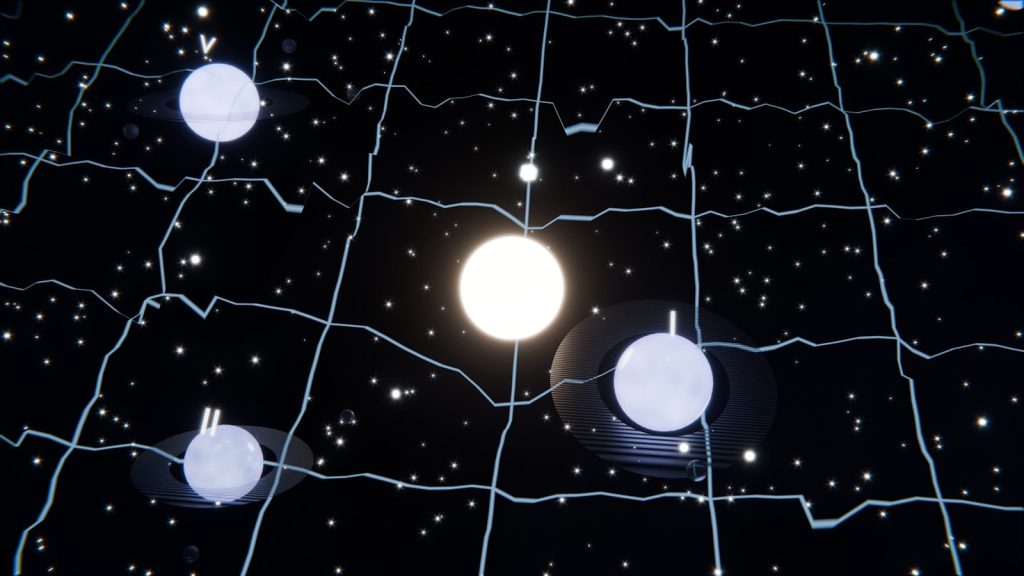
When massive stars collapse, they usually leave behind dense neutron stars or fall completely into black holes. Theory predicts a distinct gap where neither object should easily exist or remain stable. According to research from the Max Planck Institute for Radio Astronomy, no confirmed object had ever been measured firmly inside this mass range before. A new phenomenon emerged. But explaining how it formed required complex astrophysical computer modeling.
A Neutron Star Merger May Have Created the Object

Globular clusters contain millions of densely packed stars interacting with gravitational forces constantly. In such crowded environments, stellar collisions and mergers happen far more frequently than in open space. According to computer simulation studies, two smaller neutron stars might have crashed together and merged into a single heavy object. Fusion occurred quickly. Yet why it did not collapse into a black hole remains unclear.
Pulsar Timing Tests Gravity Around the Mystery Object

Having a massive unknown object orbiting a fast-spinning pulsar gives scientists a perfect cosmic laboratory. Radio pulses allow researchers to measure gravitational effects with extreme mathematical precision. According to observational data from international telescope teams, tracking this system tests Albert Einstein’s theory of general relativity under extreme gravity conditions. Gravity bends space-time. But astronomers need further observations to solve the mystery fully.
Astronomers Search Globular Clusters for Similar Objects
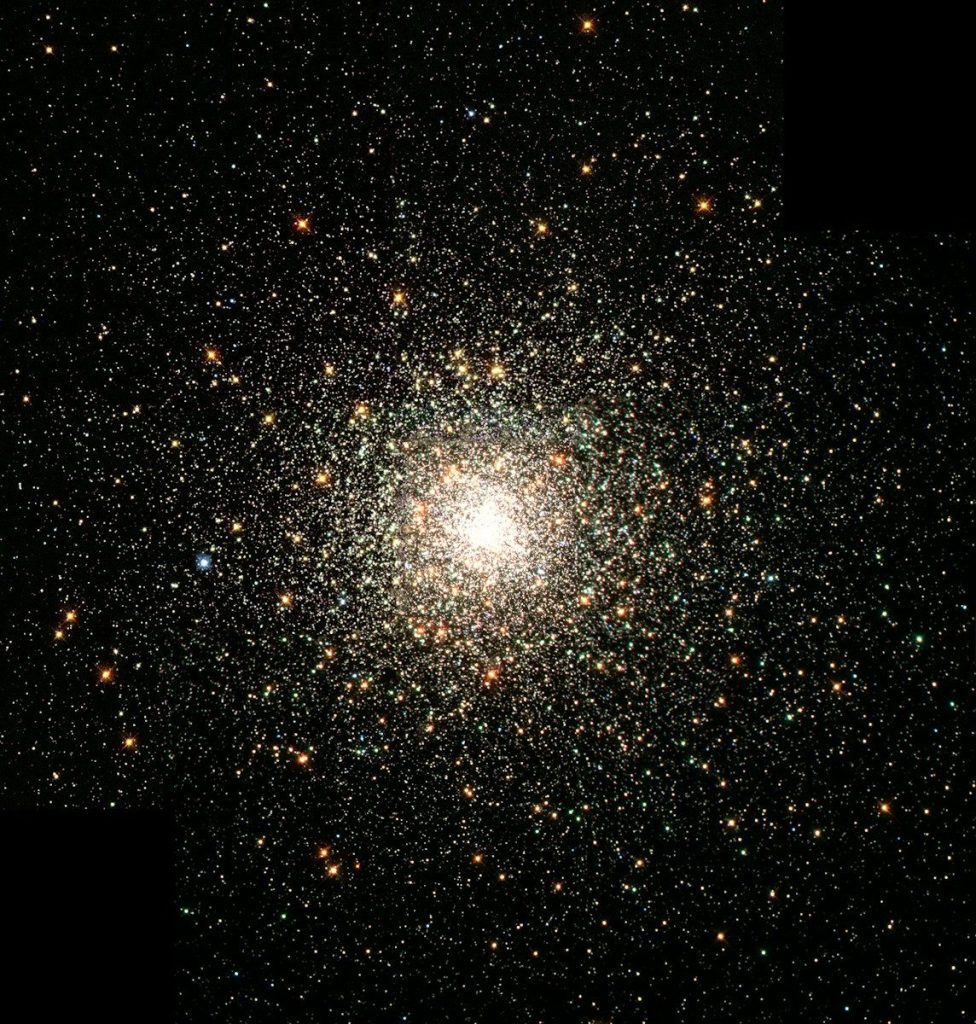
Radio astronomy networks across the globe are now searching other dense globular clusters for similar mysterious mass-gap candidates. Locating more examples will help scientists refine models of stellar evolution and supernova explosions. According to reports from the Square Kilometer Array Observatory, next-generation radio arrays will uncover thousands of exotic binary systems in the coming years. Observatories monitor the sky constantly. But this discovery already reshapes astrophysics.
The Discovery Challenges Models of Stellar Death

The discovery of an object sitting squarely in the mass gap proves that outer space still holds fundamental secrets waiting to be uncovered. It challenges established theories about how massive stars die and what remnants they leave behind. According to research teams, continuous study of this system will clarify the boundaries between neutron stars and black holes forever. This article is for informational purposes only.
Featured Image: Photo by Pawel Czerwinski on Unsplash
Leave a Reply