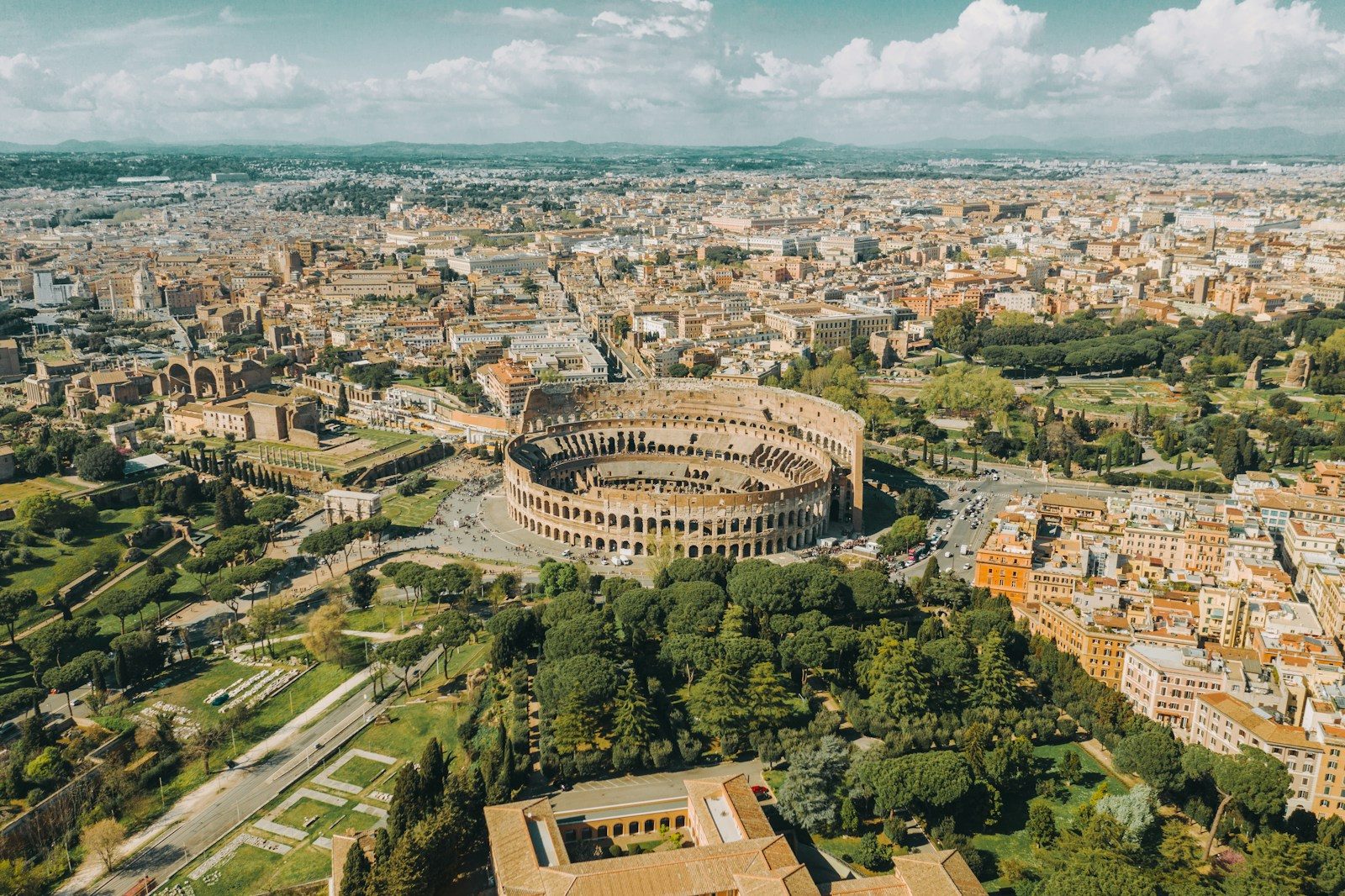
Most people assume that popular Hollywood movies accurately depict daily life in the ancient Roman Empire. We imagine gladiators fighting to the death every single time while Romans wore white togas every day.
But historical records and archaeological finds show that many common beliefs about Rome are completely false. Modern scholarship is revealing a vibrant society that was very different from popular culture myths.
Ancient Roman Gladiator Arena
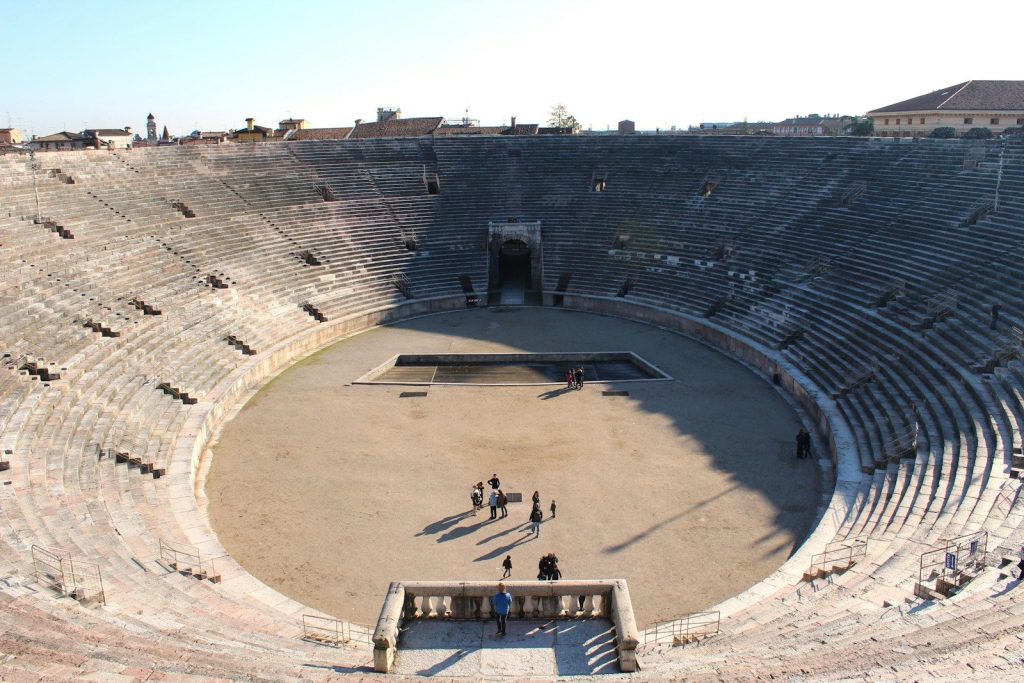
Popular movies suggest that gladiator combat always ended with the death of a defeated fighter in the arena. According to historical research from the University of Oxford, gladiator matches had strict referees and safety rules. Fighters were costly. Arena owners invested heavily in training and medical care for their skilled athletes. But combat was only one aspect of public life that gets misunderstood.
Roman Amphitheater Exit Passageway
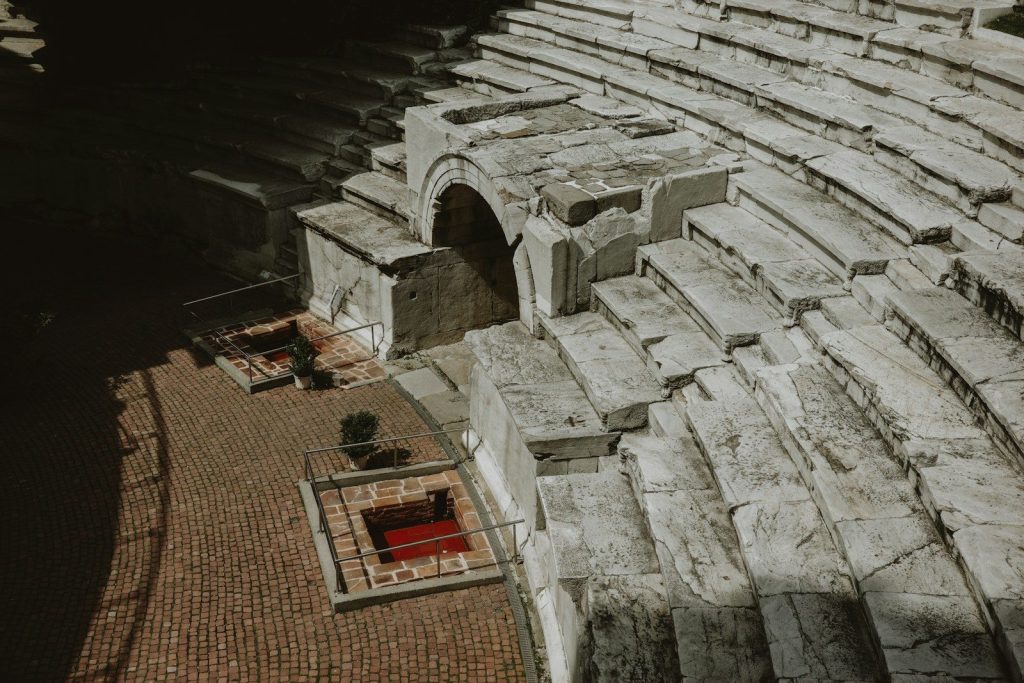
Many people believe that Romans built special rooms called vomitoriums to throw up during long lavish feasts. According to architectural historians at Cambridge University, a vomitorium was actually a wide exit hallway inside public amphitheaters. Words cause confusion. These large passageways allowed thousands of spectators to leave arenas quickly after events. And daily clothing myths are just as widespread.
Ancient Roman Tunic Clothing
We often picture every Roman citizen walking through the forum dressed in a heavy white wool toga. According to textile archaeology studies, the toga was formal attire reserved exclusively for official ceremonies and wealthy men. Togas were uncomfortable. Most ordinary citizens wore simple colorful tunics that allowed them to move and work easily. But public monuments were also far more colorful than we think.
Painted Ancient Roman Marble Statue
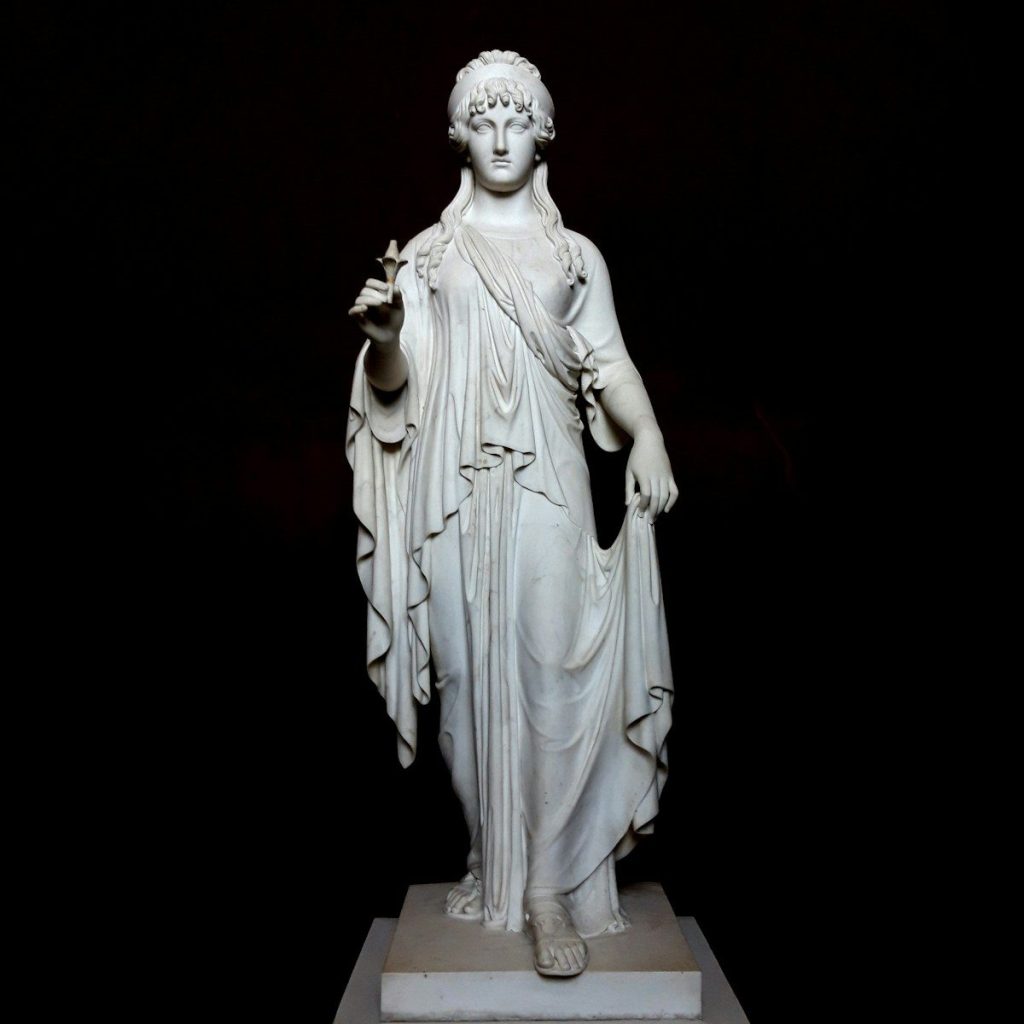
Museums display plain white marble statues, leading us to think Roman art was completely unpainted and stark. According to scientific analysis by the Brinkmann Polychromy Project, ancient statues were originally painted with bright, vivid pigments. Colors were bold. Over centuries, paint faded away, leaving behind the bare white stone we see today. Yet Roman engineering myths extend to physical health too.
Ancient Roman Public Baths Aqueduct
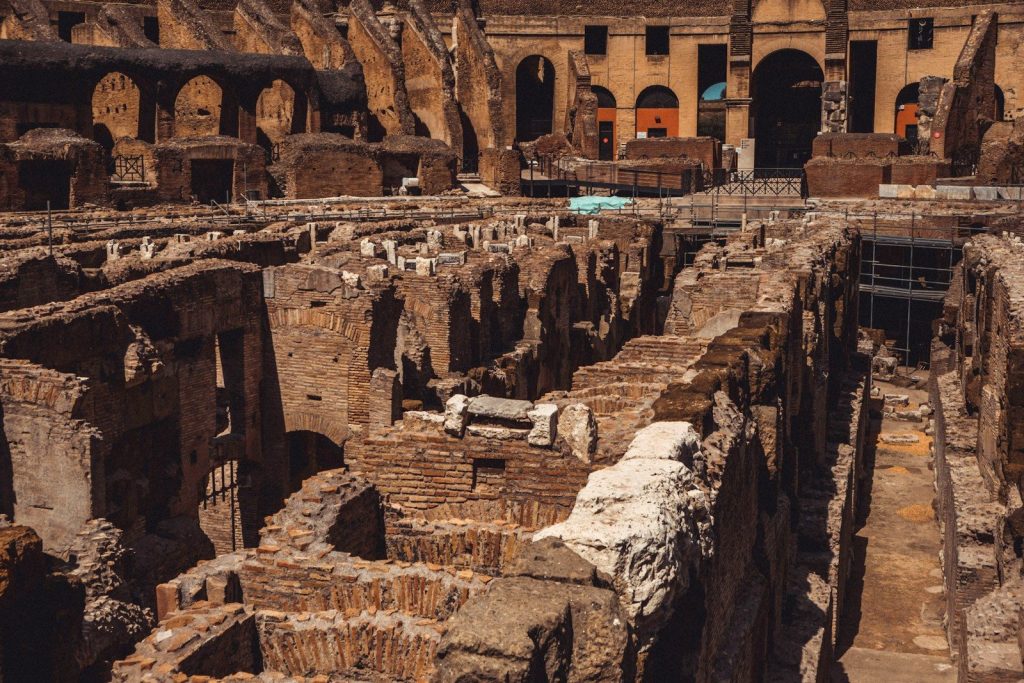
Roman aqueducts and public baths are famous, leading many to assume ancient city residents enjoyed superior hygiene. According to paleopathology studies published in Parasitology, public baths lacked modern filtration and spread parasites frequently. Sanitation was flawed. Despite impressive plumbing, ancient urban centers struggled with waterborne illnesses like any historic city. But their military organization was genuinely impressive.
Ancient Roman Military Camp Fort
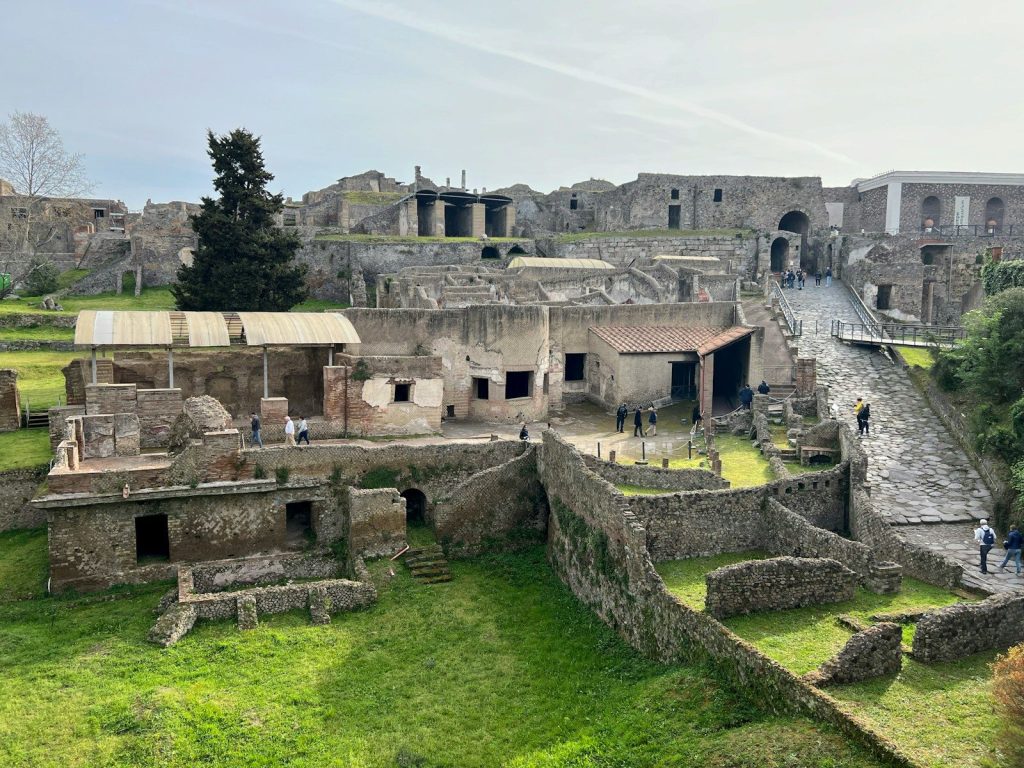
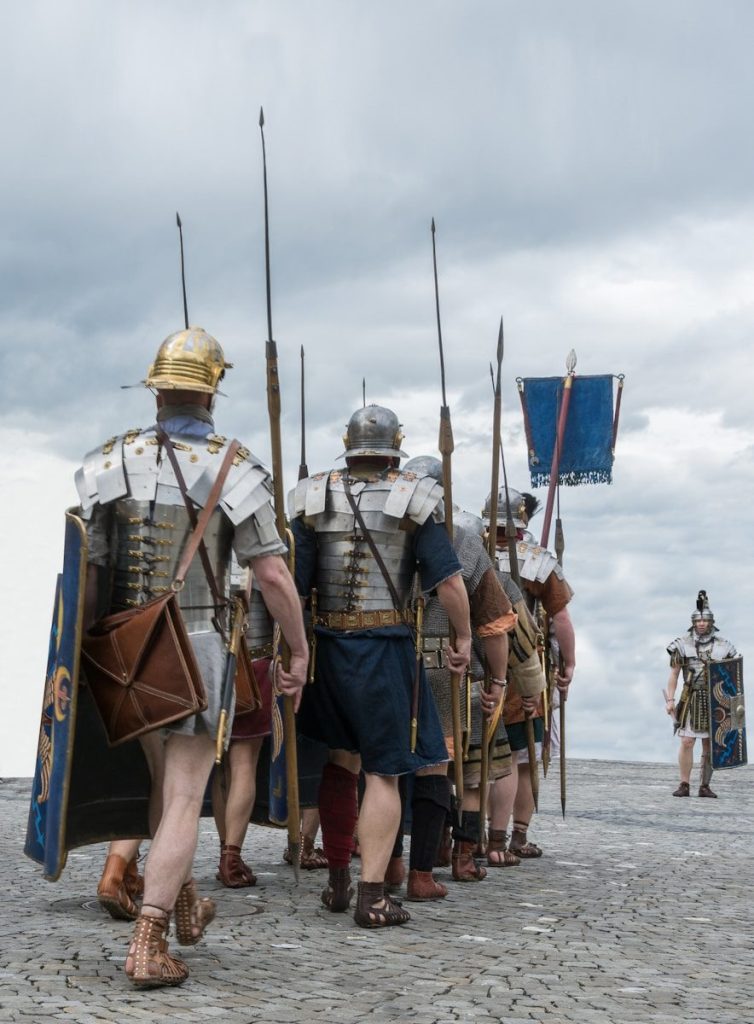
Popular myth portrays Roman legions as mindless berserkers, but victory relied on rigorous engineering and logistics. According to military historians at King’s College London, soldiers spent more time building fortified camps than fighting battles. Discipline won wars. Roman engineering and supply lines proved far more decisive than raw physical strength alone. And these historical corrections help us understand the past clearly.
Ancient Roman Empire Historical Artifacts
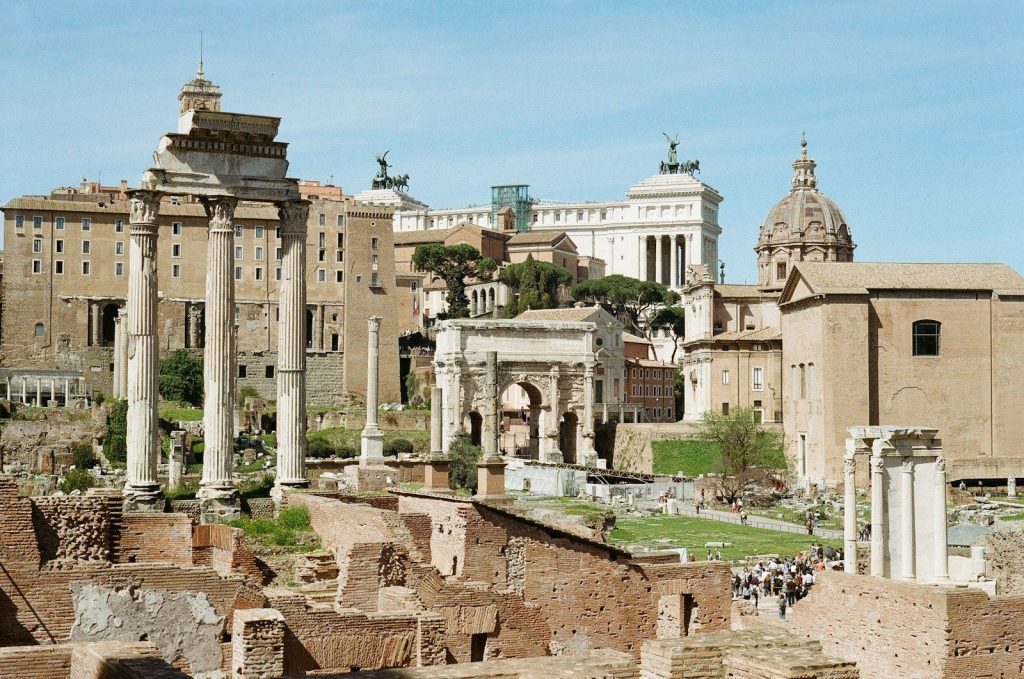
Reexamining historical evidence allows us to appreciate the true complexity of ancient societies beyond popular entertainment myths. According to modern historians, separating fact from fiction reveals a far more human and dynamic Roman world. History rewards curiosity. By studying real artifacts and documents, we gain authentic insight into life long ago. This article is for informational purposes only.
Featured Imag; Photo by Spencer Davis on Unsplash
Leave a Reply