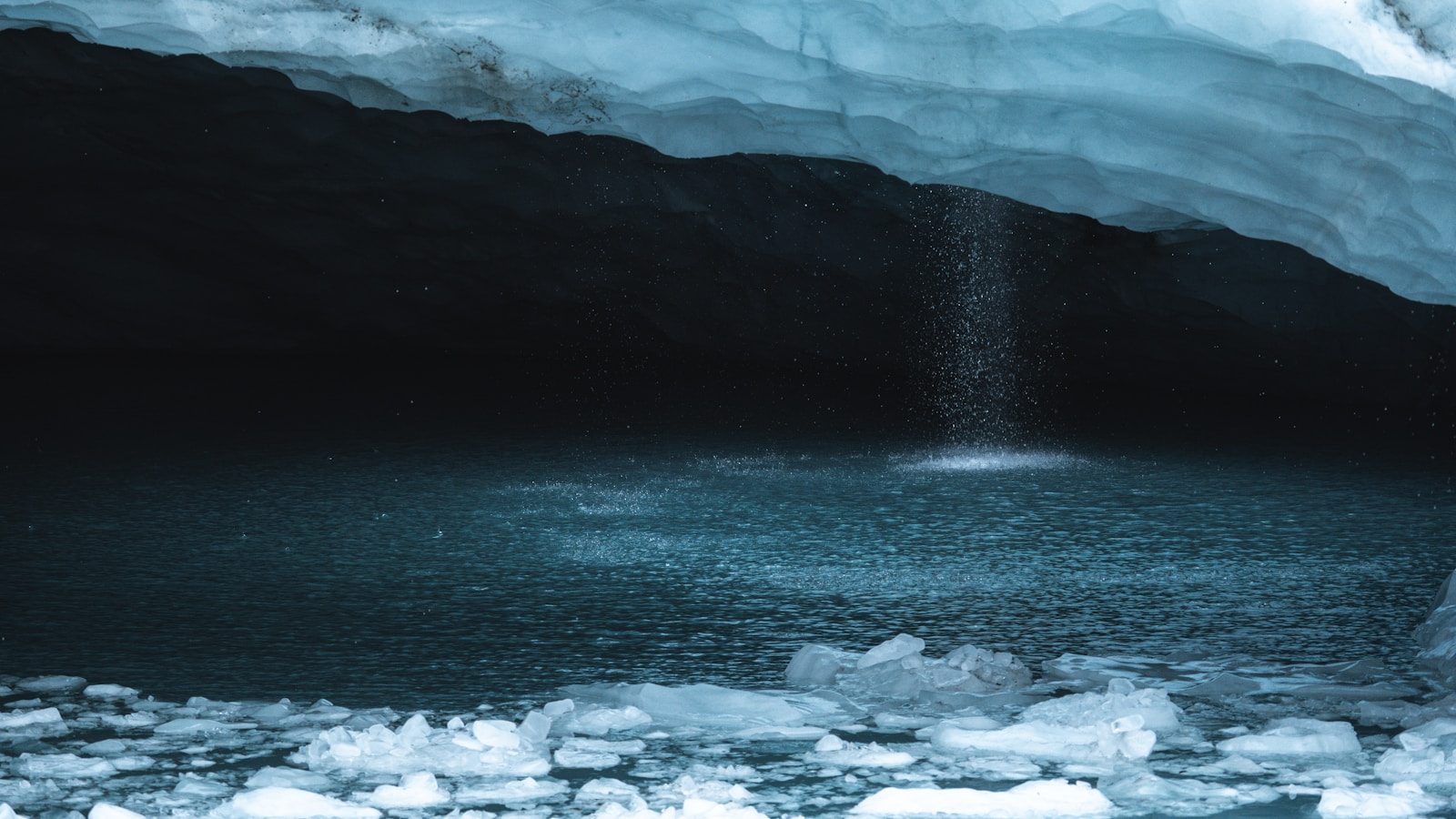
Most people assume that the frozen continent of Antarctica is a solid block of ice sitting directly on bedrock. We imagine an environment frozen so completely that nothing moves beneath the surface.
But airborne radar surveys have uncovered something completely unexpected hiding under the frozen sheet. Researchers found a massive liquid river flowing for hundreds of miles deep underground.
Airborne Radar Scanning Antarctic Ice
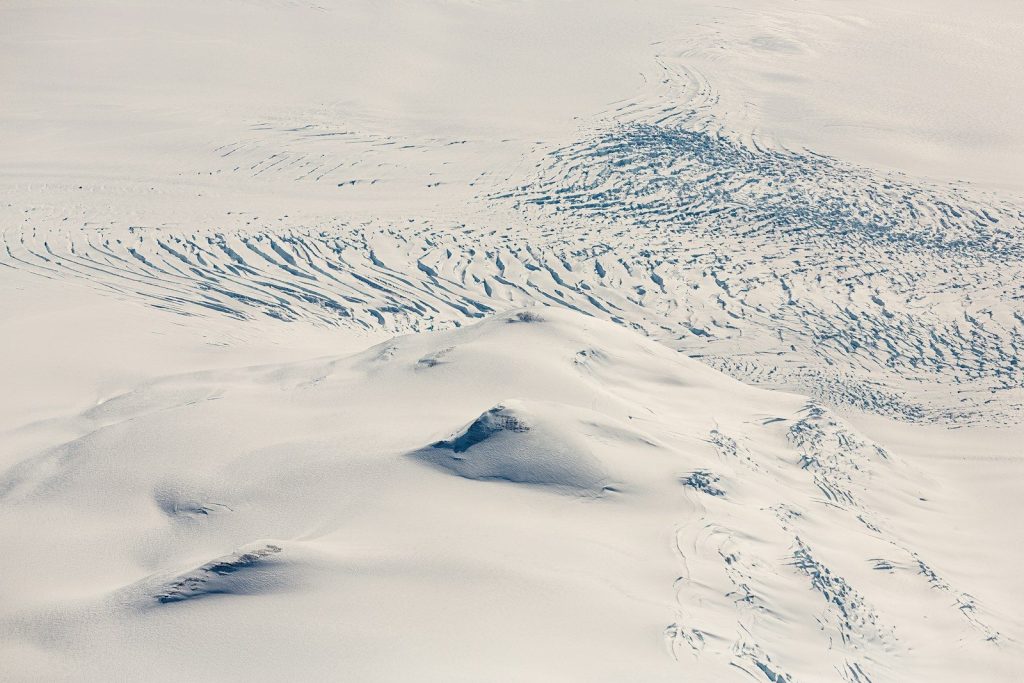
Airborne radar systems send radio waves through the thick Antarctic sheet to map hidden bedrock features below. According to researchers at Imperial College London, these radar reflections revealed a subglacial valley filled with moving liquid water. It was enormous. The hidden river system stretches longer than the Thames River in England. And scientists wanted to understand where all that water originated.
Geothermal Ice Sheet Melting
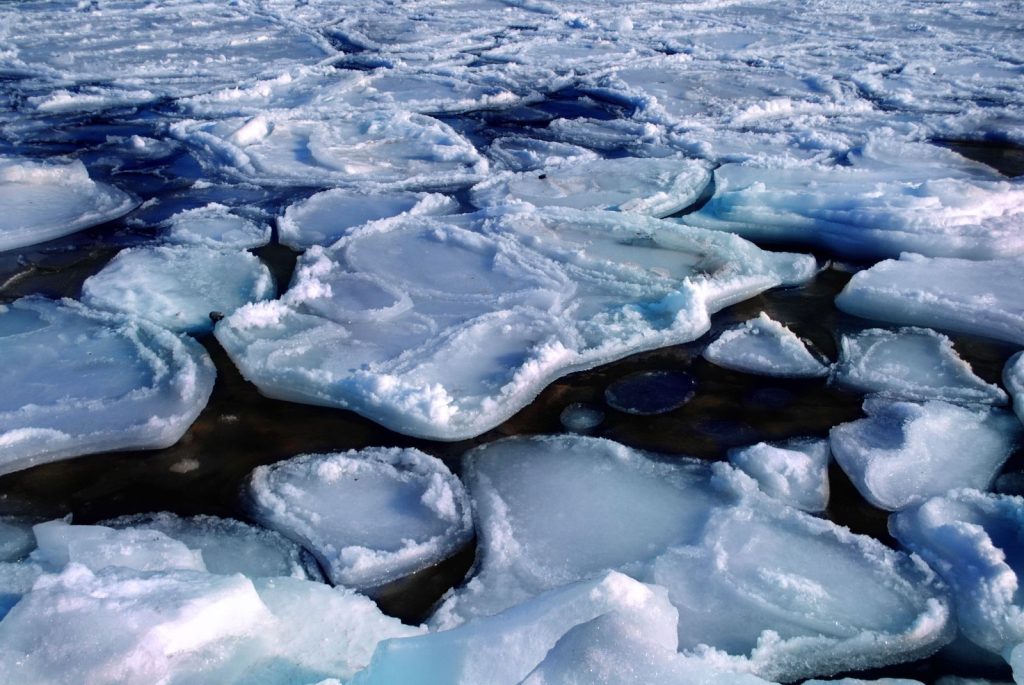
Geothermal heat from beneath the crust combines with surface pressure to melt the base of the ice sheet slowly. According to glaciologists at Newcastle University, this melting water gathers in deep subglacial troughs across vast distances. Water flows constantly. Millions of gallons collect beneath kilometers of heavy frozen material. But the true scale of this river network surprised everyone.
Underground Antarctic River Map
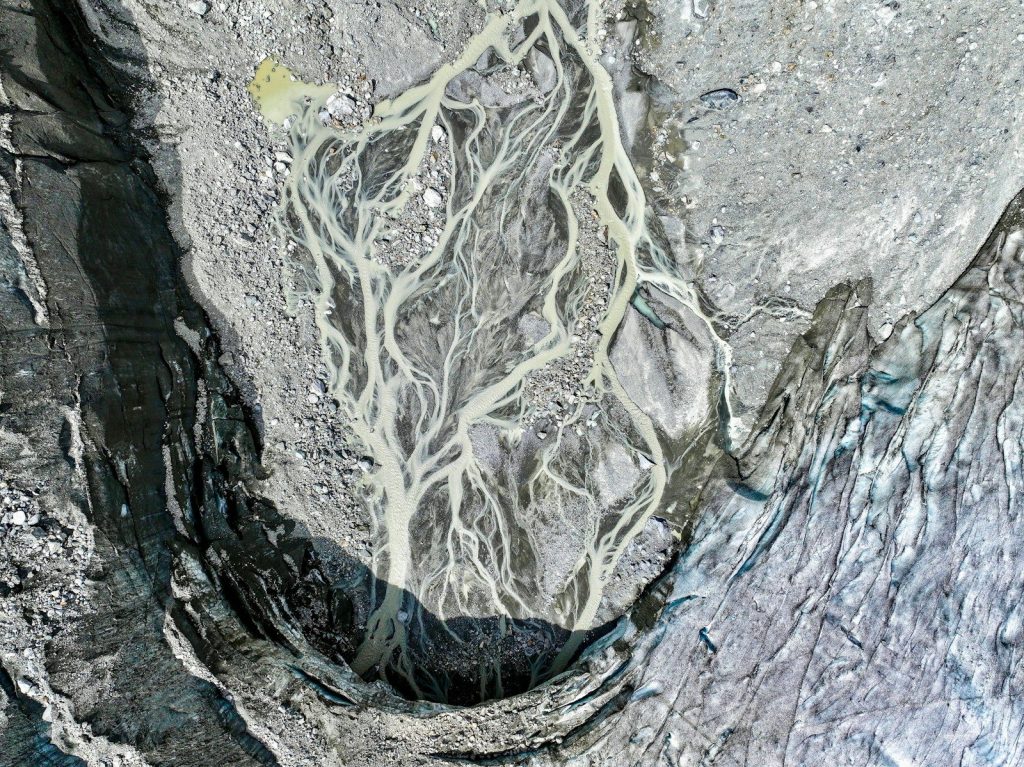
The newly mapped river stretches for more than 460 kilometers beneath the Antarctic surface. According to data published in Nature Geoscience, it drains an inland ice area roughly equal to the size of France and Germany combined. The river is powerful. It dumps huge volumes of fresh water directly into the Weddell Sea. Yet this underground liquid movement creates major friction issues.
Glacier Sliding On Bedrock
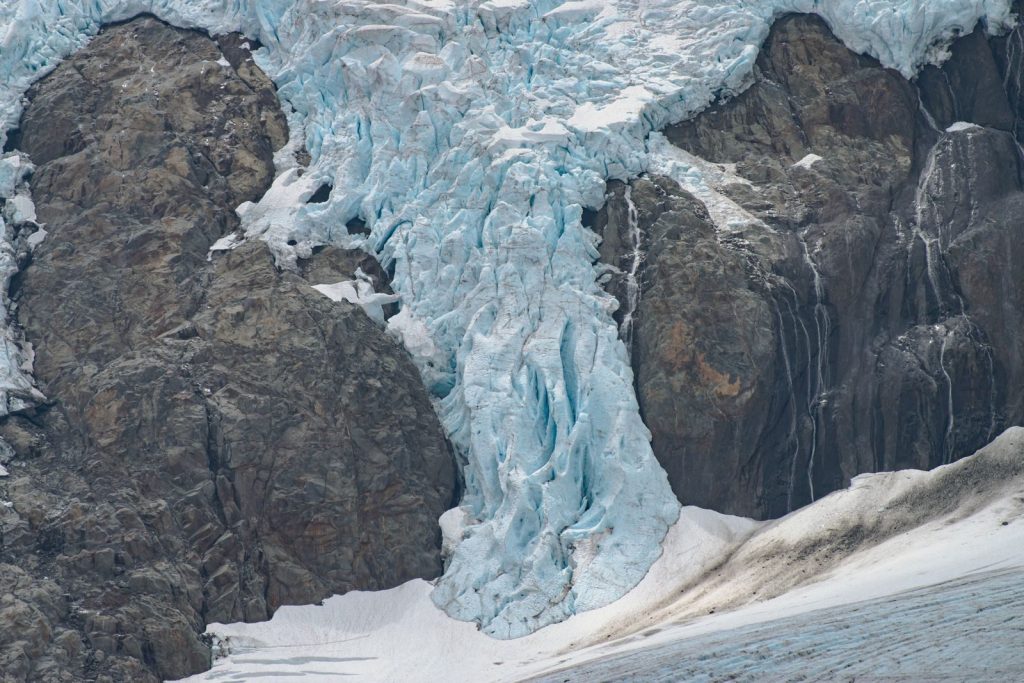
Subglacial rivers act as natural lubricants between the heavy ice sheet and the underlying bedrock floor. According to geological models from the University of Waterloo, liquid pressure reduces friction and speeds up glacier movement toward the coast. The ice glides faster. This lubrication effect can significantly alter how fast glaciers slide into ocean waters. And that discovery raises critical climate questions.
Rising Ocean Sea Levels
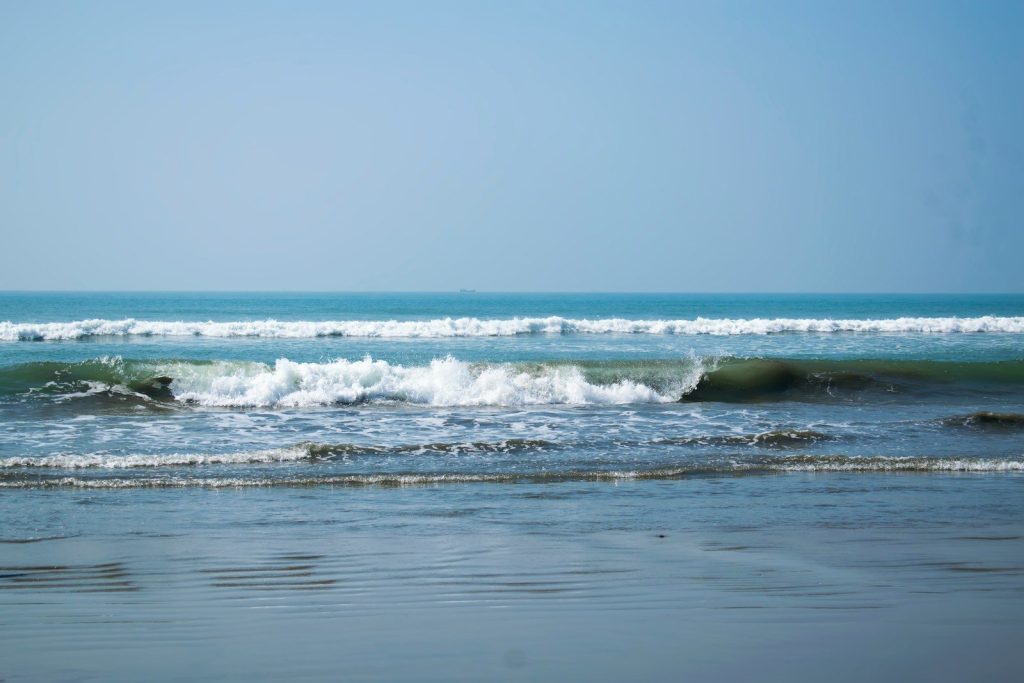
Glaciologists previously modeled ice melting by looking almost entirely at atmospheric surface temperatures. According to oceanographers studying polar dynamics, subglacial river networks accelerate ice loss from underneath the ice sheet. Warm water enters. This hidden baseline melting could change current global sea level predictions. But studying these subglacial environments presents immense technical challenges.
Deep Hot Water Drilling Rig
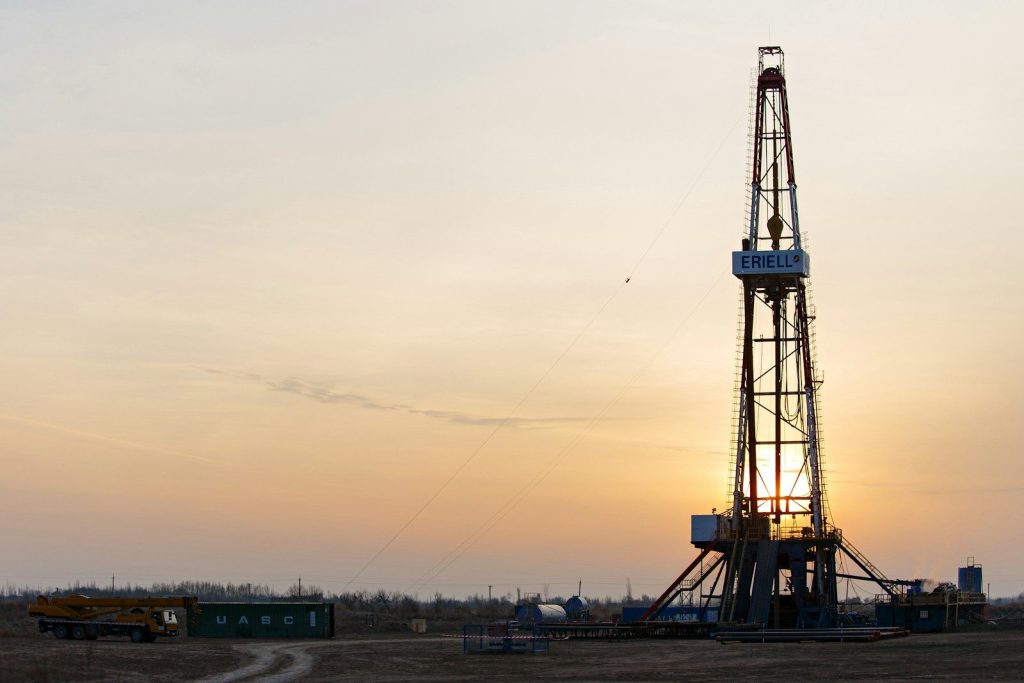
Reaching these deep water channels requires specialized hot water drills and remote submersibles. According to polar research teams, sampling subglacial water provides rare insights into pristine isolated aquatic environments. Life might exist there. Scientists hope to discover unique microbial life thriving in total darkness under extreme pressure. And the next expedition promises even greater revelations.
Antarctic Scientific Expedition Team
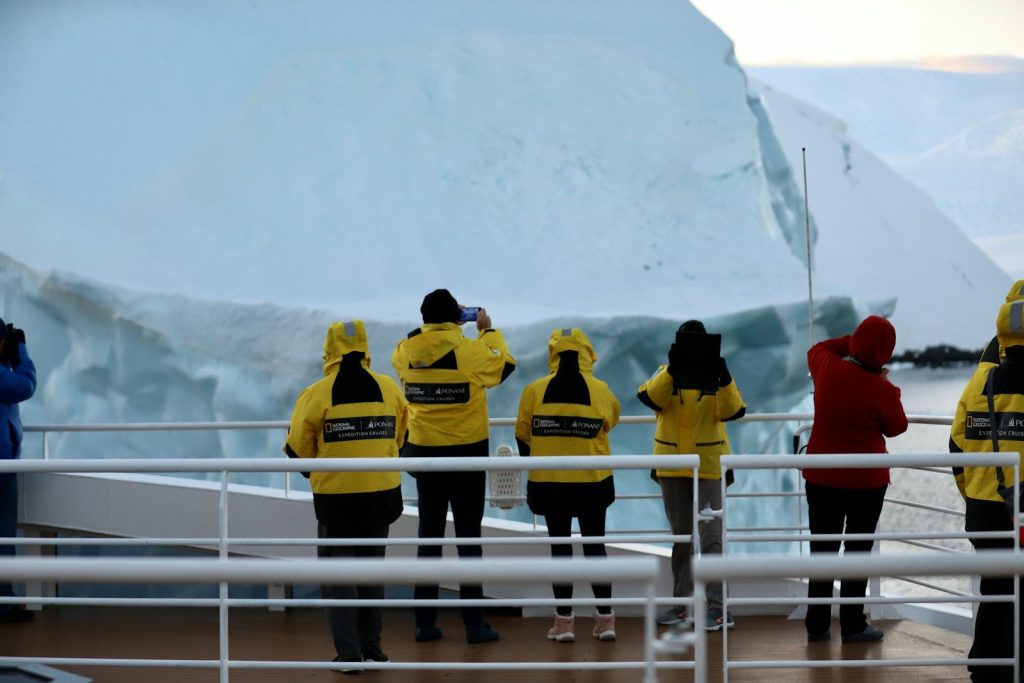
Mapping subglacial waterways transforms our understanding of polar geology and global climate systems. According to climate scientists, continued monitoring of Antarctic subglacial rivers is essential for protecting coastal regions worldwide. Science keeps progressing. This groundbreaking discovery proves that Earth still holds immense secrets beneath its frozen frontiers. This article is for informational purposes only.
Leave a Reply