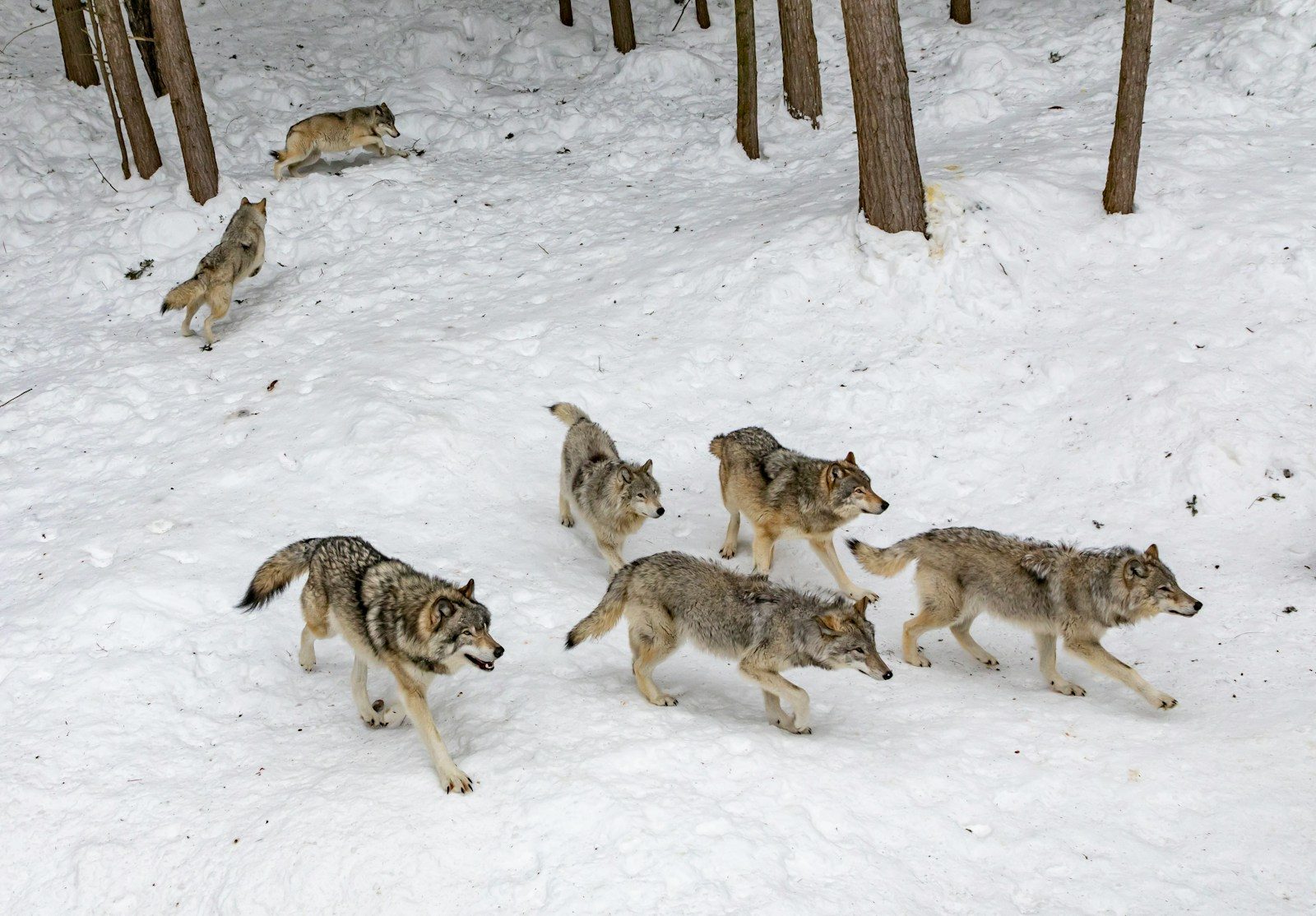
Most people believe that wild wolves vanished from western Europe centuries ago due to hunting and habitat loss. We picture these large carnivores as creatures restricted to remote wilderness regions in northern forests.
But strict conservation laws have allowed wolf populations to make a remarkable comeback across the continent. Their return is reshaping natural landscapes while triggering intense debate among local rural communities.
Wild European Wolf Pack Forest
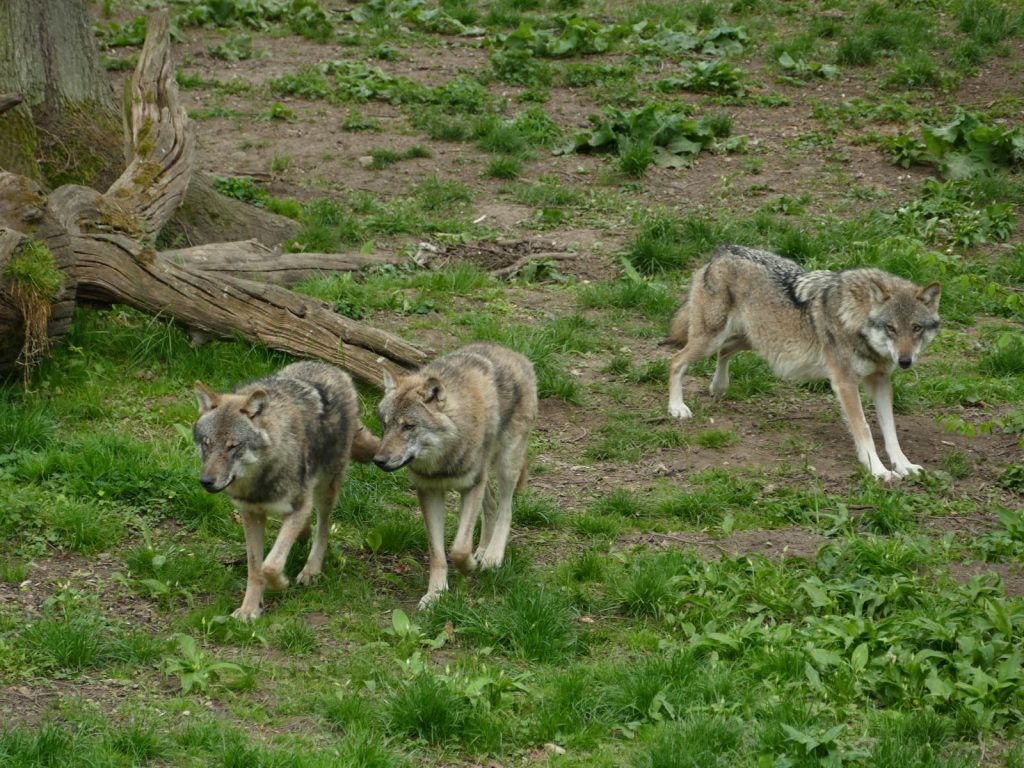
Protective legislation passed in the late twentieth century allowed remnant wolf populations to expand naturally into former territories. According to census data from the Large Carnivore Initiative for Europe, thousands of wolves now live across European nations. Populations are growing. Packs now inhabit regions where they had not been seen for generations. But this ecological success brings fresh challenges.
European Forest Biodiversity Nature

Apex predators play a crucial role in maintaining healthy forest ecosystems by managing wild ungulate herds. According to ecological research from the University of Oxford, wolves prevent deer populations from overgrazing young tree shoots. Forests bounce back. This natural balance helps vegetation recover and supports biodiversity across woodland areas. Yet wild prey is not the only food source available.
Livestock Sheep Grazing Farm
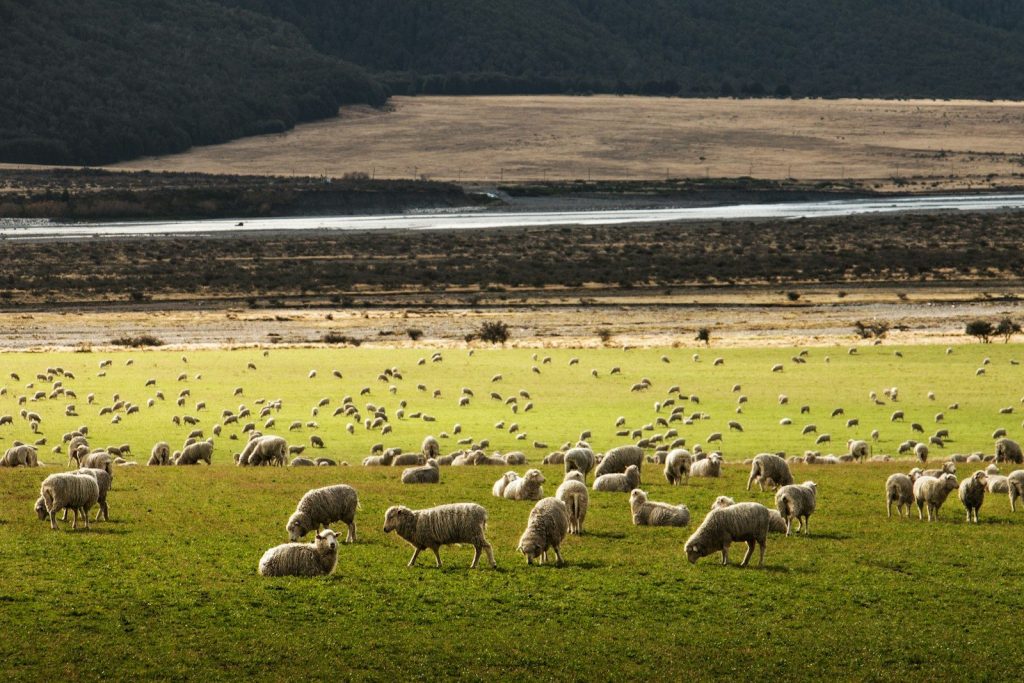
As wolf numbers increase, incidents involving livestock predation have raised concerns among sheep and cattle farmers. According to agricultural reports from the European Commission, livestock losses cause genuine economic hardship for agricultural families. Tension remains high. Finding fair compensation and protection methods is essential for peaceful coexistence. And farmers are adopting traditional defensive strategies.
Livestock Guard Dog Fenced Farm
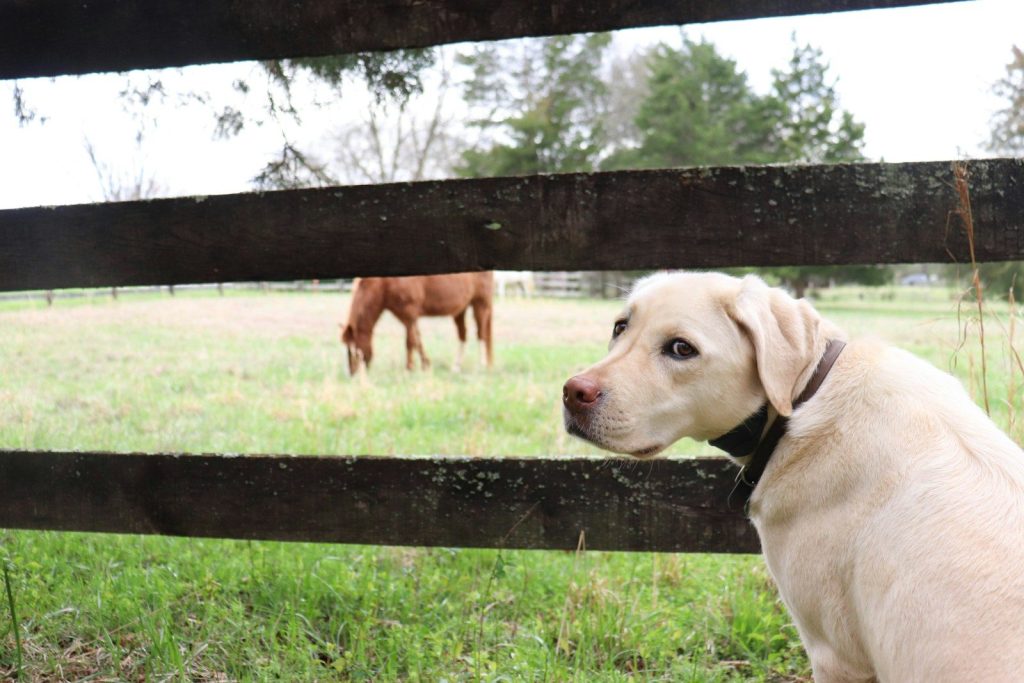
Rural communities are deploying livestock guarding dogs and specialized fencing to deter wolves without harming them. According to wildlife management studies, non-lethal protective measures significantly reduce farm attacks when implemented correctly. Prevention works well. These tools allow farmers to safeguard herds while respecting conservation laws. But political debates over wolf legal status continue to grow.
Environmental Law Policy Meeting

Policymakers are reevaluating the legal protection status of European wolves under international environmental treaties. According to legal analysts, discussions focus on balancing wildlife preservation with local agricultural security. Rules require review. Some regions favor flexible hunting management while conservationists urge continued strict safeguards. Yet scientific data remains central to every policy choice.
Wildlife Tracking GPS Camera Trap

Wildlife biologists use GPS collars and camera traps to track pack movements and study territory sizes. According to research from the French Biodiversity Agency, tracking data helps predict potential conflict zones before attacks occur. Technology improves safety. Real-time monitoring allows authorities to inform farmers when wolves enter grazing lands. And public education plays a key role.
Rural Community Wildlife Education

Educational outreach programs help rural residents understand wolf behavior and adopt effective safety precautions. According to environmental sociologists, clear communication reduces fear and builds practical solutions for sharing rural landscapes. Understanding brings balance. Communities learn to manage risks while preserving vital native wildlife species. But long-term management will require ongoing effort.
Coexistence Nature Wildlife Farm
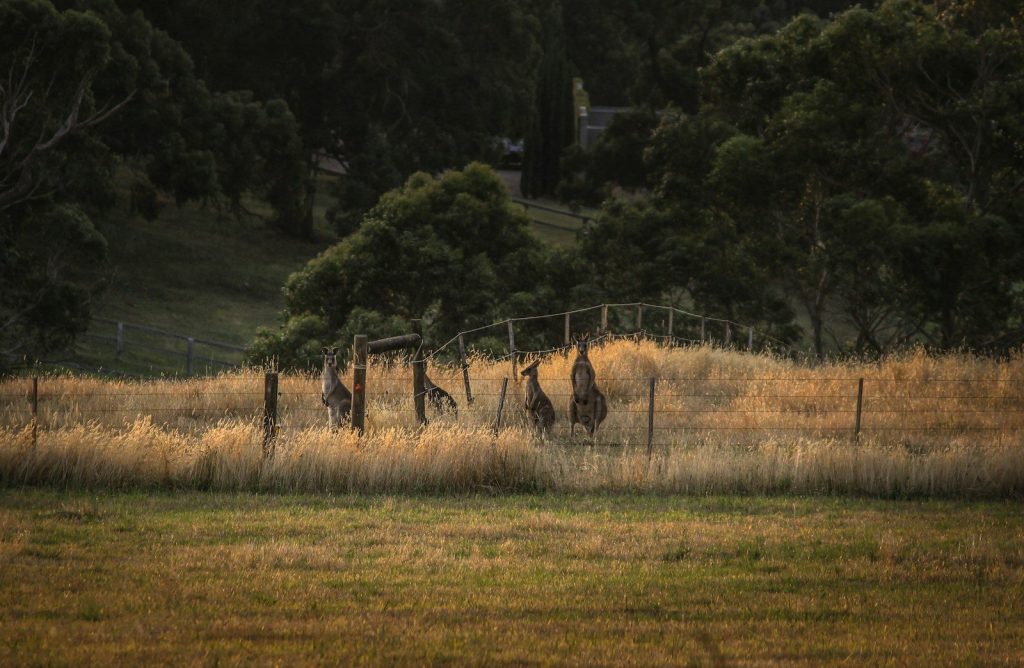
The return of the wolf demonstrates that degraded natural ecosystems can recover when given proper legal protection. According to wildlife conservation experts, successful coexistence depends on supporting rural farmers with effective tools and funding. Coexistence is possible. Protecting biodiversity while respecting human livelihoods secures a sustainable future for European landscapes. This article is for informational purposes only.
Leave a Reply