
Energy planners historically assumed that traditional wind turbines must remain small to avoid structural collapse under stormy ocean winds. We believed that building giant blades would make clean energy infrastructure too fragile.
But massive new offshore generators are defying traditional mechanical limits with colossal structural designs. These advanced systems capture enough energy in a single rotation to keep modern households running for days.
Colossal Blades Sweep Air
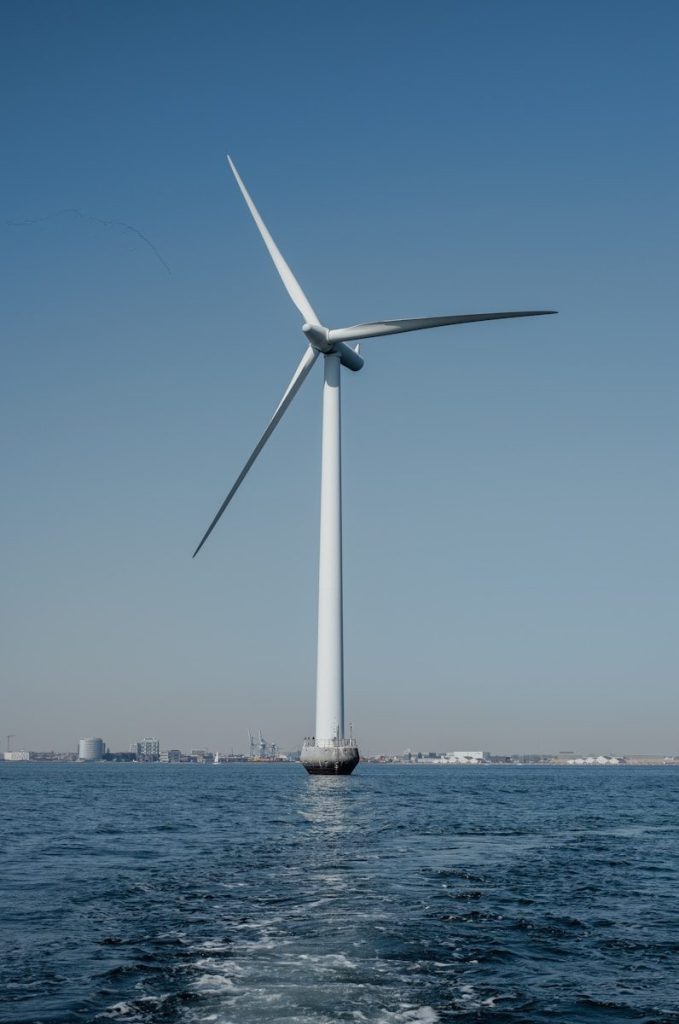
Modern offshore engineering has produced rotor sweeps that stretch wider than the height of standard city skyscrapers. These immense carbon fiber arms turn incredibly slowly. They are huge. Mechanical engineering logs from China State Power show that these giant blades capture massive wind energy with minimal mechanical wear. But keeping these heavy blades turning requires specialized internal machinery.
Smart Gearboxes Multiply Force
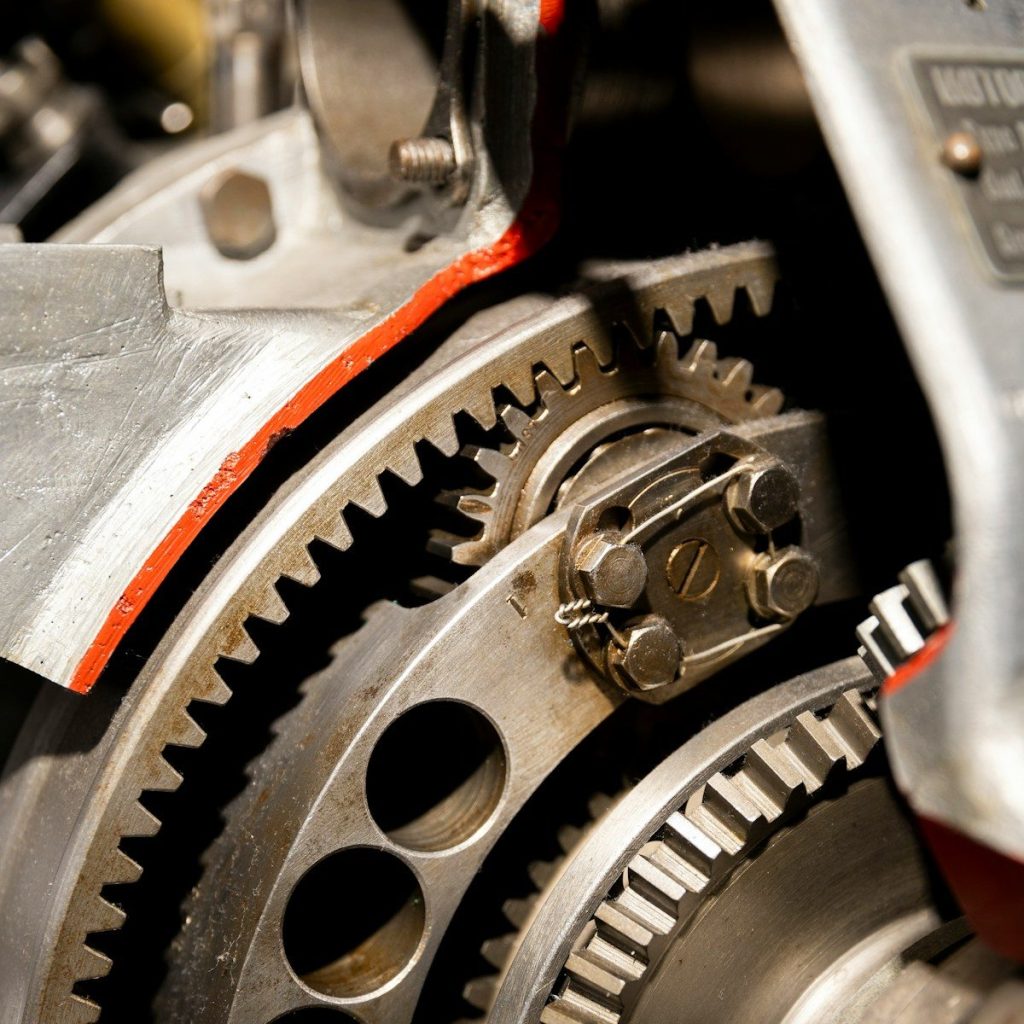
The internal machinery inside the central nacelle converts slow blade rotation into high-speed electrical energy. Engineers designed advanced permanent magnet generators to handle this massive kinetic load. Power grows fast. Technical reports from the National Renewable Energy Laboratory reveal that specialized gearboxes reduce energy loss to historic lows. But transporting this immense power ashore presents severe engineering challenges.
Undersea Cables Carry Power

High-voltage cables buried deep beneath the seabed transmit generated electricity from offshore farms to mainland grids. Insulated copper lines must withstand intense ocean currents and high water pressure. Lines are tough. Marine engineering studies from the International Energy Agency show that these armored lines lose almost no energy during long-distance transit. Yet installing these heavy foundations requires incredible mechanical strength.
Heavy Steel Piles Anchor
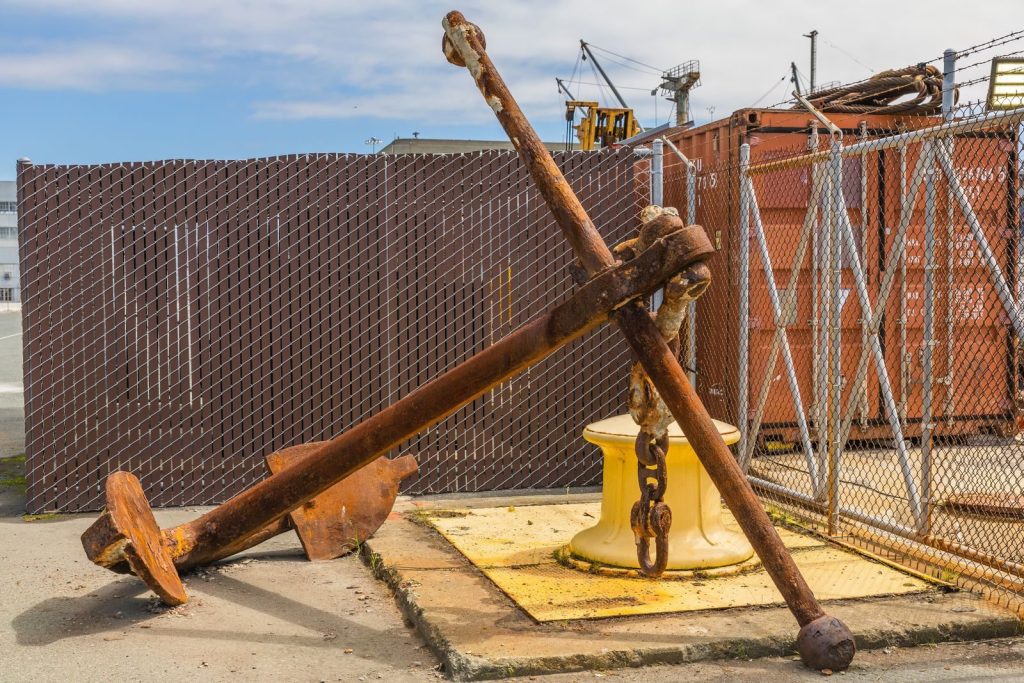
Securing massive wind towers in shifting ocean sand requires driving thick steel columns deep into the seabed. Specialized jack-up vessels use hydraulic hammers to install these immense structural foundations. Soil must hold. Geotechnical reports from the Delft University of Technology show that these deep piles prevent towers from tilting during category five typhoons. But even stronger winds await in deeper waters.
Floating Foundations Deepen Reach

Instead of mounting directly to the seabed, next-generation platforms float on massive semi-submersible steel hulls. Tension legs and heavy mooring lines keep these floating platforms stable during massive waves. Stability is key. Design trials from the European Wind Energy Association show that floating foundations can operate in waters over one hundred meters deep. But maintaining these remote ocean giants requires automated systems.
Automated Drones Monitor Wear
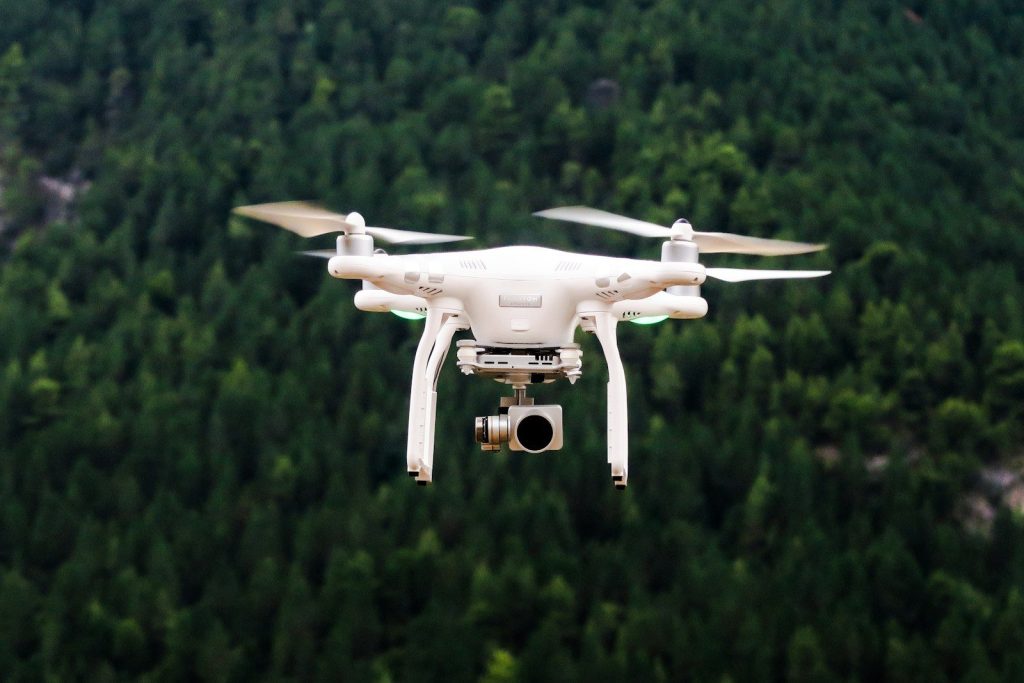
Robotic systems inspect outer blade surfaces continuously to spot microscopic stress cracks before they cause structural failure. Aerial drones use thermal cameras to analyze blade structural integrity without stopping operation. Robotics save time. Maintenance reports from Siemens Gamesa indicate that automated testing reduces physical human inspections by over eighty percent. But this technological leap is already setting the stage for a massive grid transition.
Pioneering The Clean Energy Future
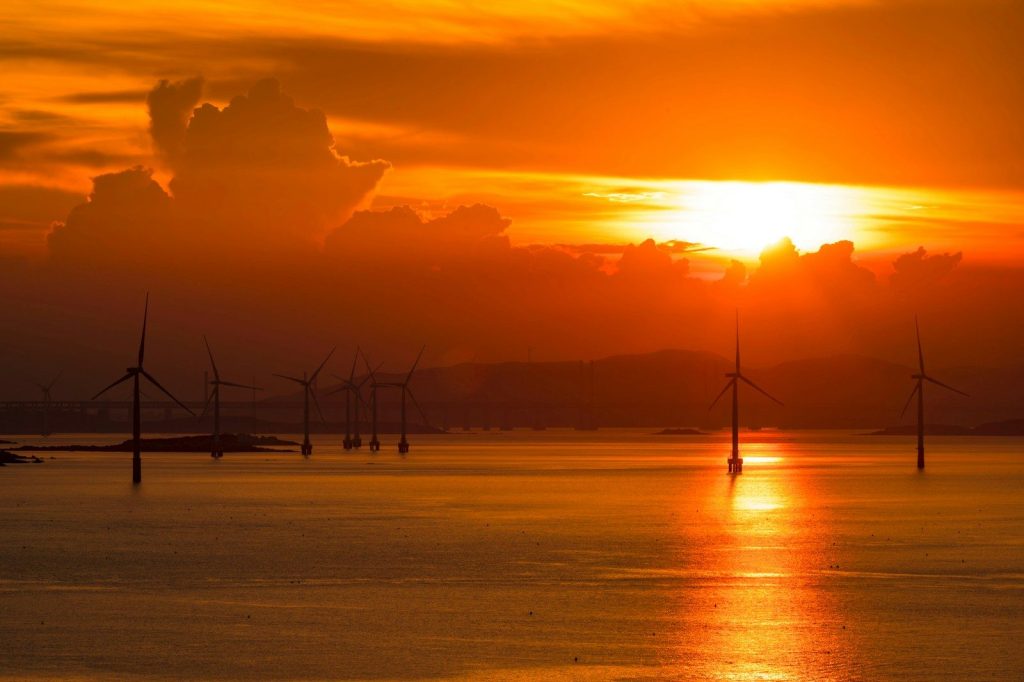
Scaling up wind technology represents a critical triumph of modern structural engineering and material science. Massive offshore turbines now offer a path toward complete energy independence for coastal nations worldwide. Energy transition reports published recently suggest that these systems will dominate global power grids soon. This article is for informational purposes only.
Featured Image: Photo by Jesse De Meulenaere on Unsplash
Leave a Reply