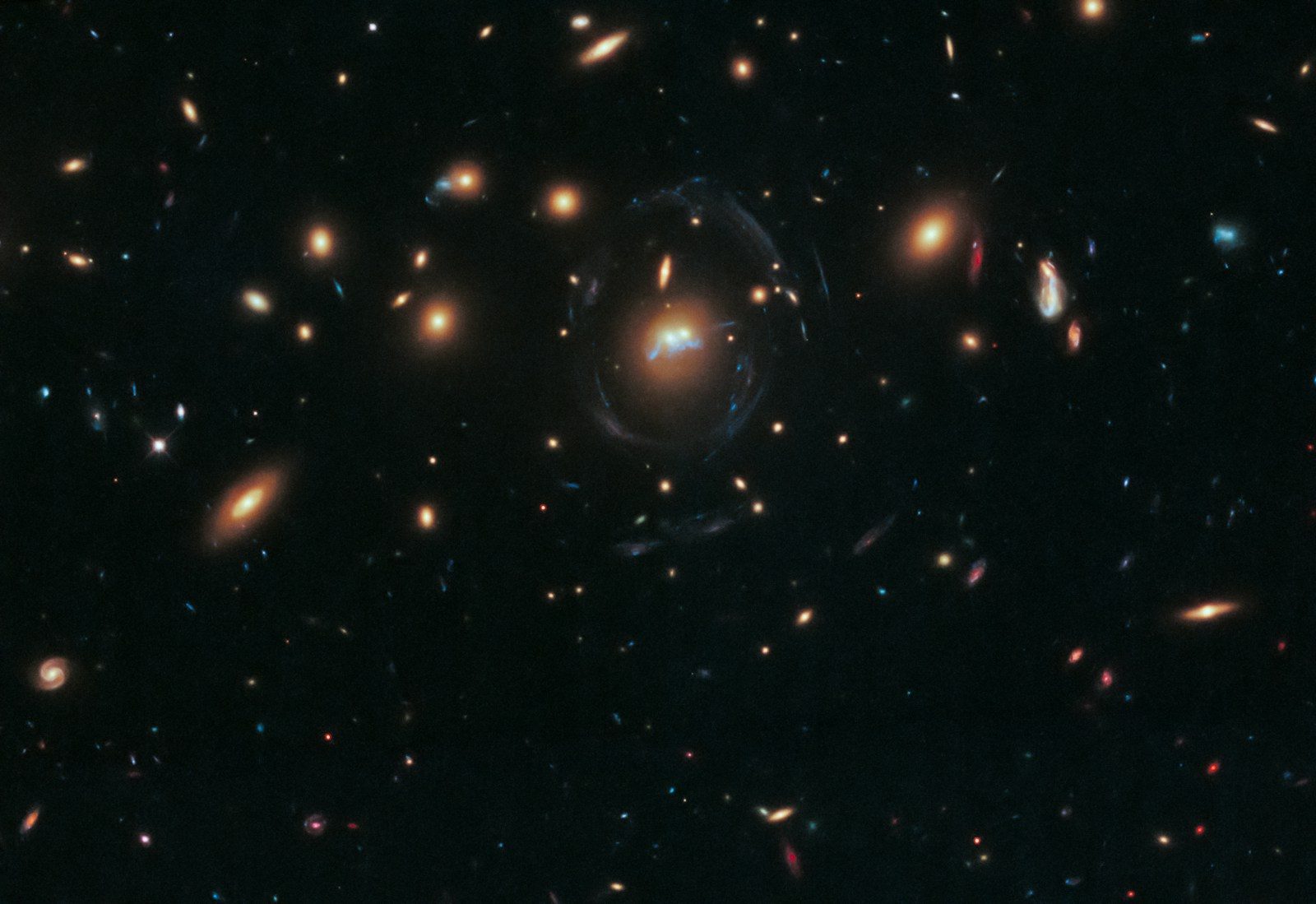
Stargazers usually assume that the stellar night sky will remain brightly lit for trillions of years. We believe our universe is a permanent home that will exist in its current state forever.
But advanced cosmological calculations reveal a much colder fate is already set in motion. Our entire reality is slowly sliding toward an inevitable moment of absolute cosmic silence.
Dark Energy Accelerates Cosmic Growth
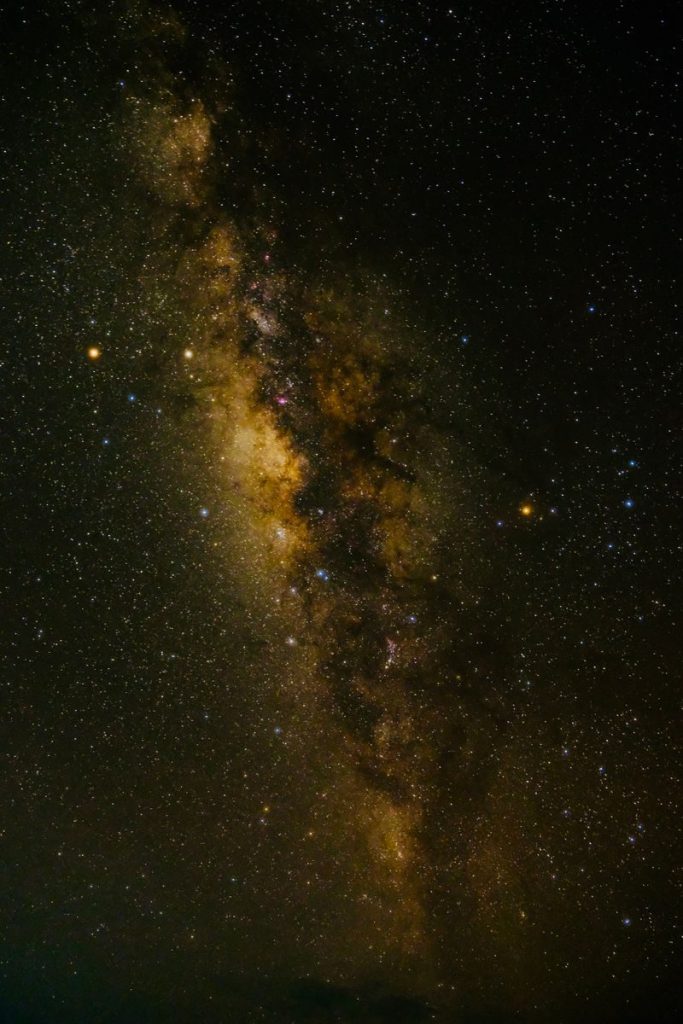
An invisible force is pushing galaxies away from each other at a continuously accelerating rate. Space is stretching fast. According to astrophysics research from Princeton University, this mysterious dark energy makes up nearly seventy percent of our cosmic inventory. As the gap between stellar systems grows wider, empty space becomes increasingly cold and dark. This expansion process is quietly tearing our cosmic fabric apart. Future astronomers will face a dark sky that is completely devoid of neighboring stars.
Stars Burn Out of Fuel
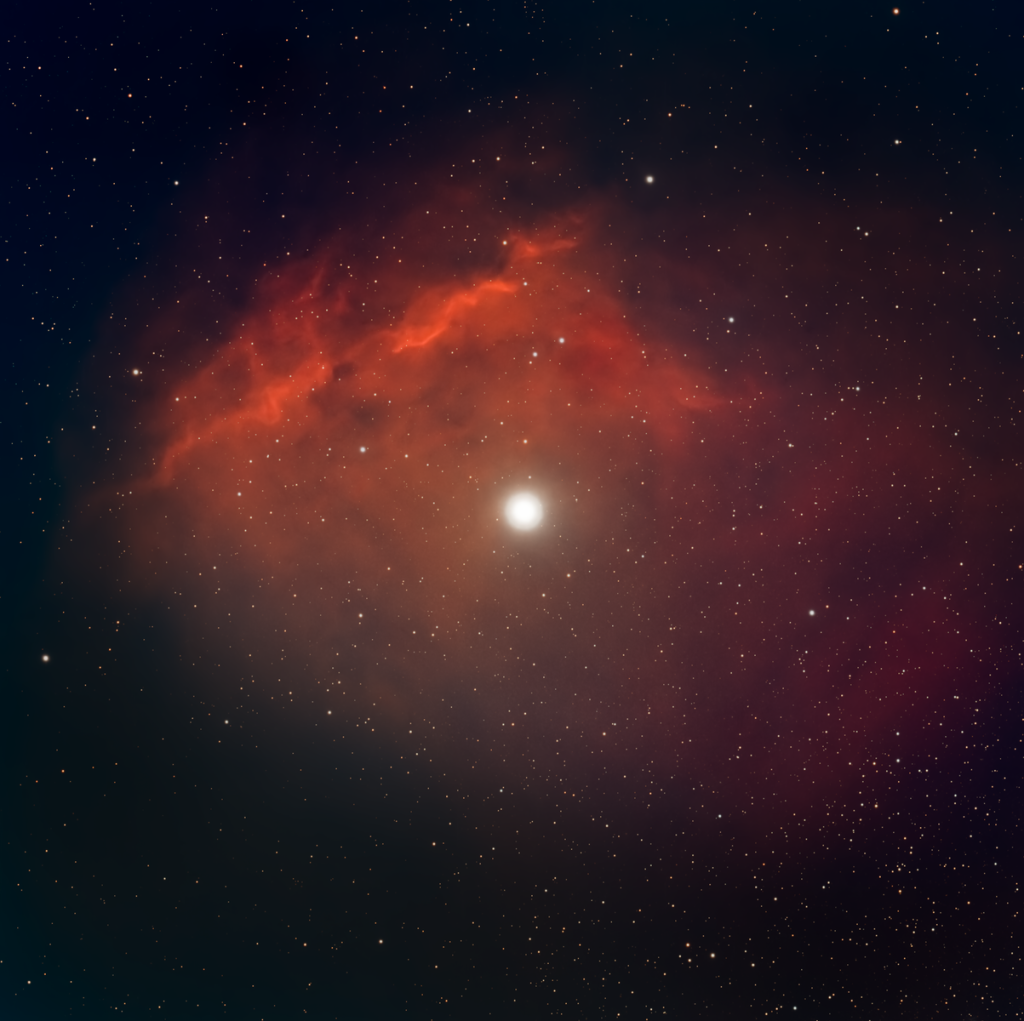
Stellar nurseries will eventually run completely out of the hydrogen gas needed to birth new blazing suns. Dying red dwarfs will slowly fade into cold black cinders over trillions of years. Darkness is coming. According to stellar evolution models from Harvard University, the very last stars will cease shining in about one hundred trillion years. That quiet burnout marks the end of the glorious stellar era. And the remaining cosmic objects would face a much darker transformation.
Black Holes Eat Remaining Matter
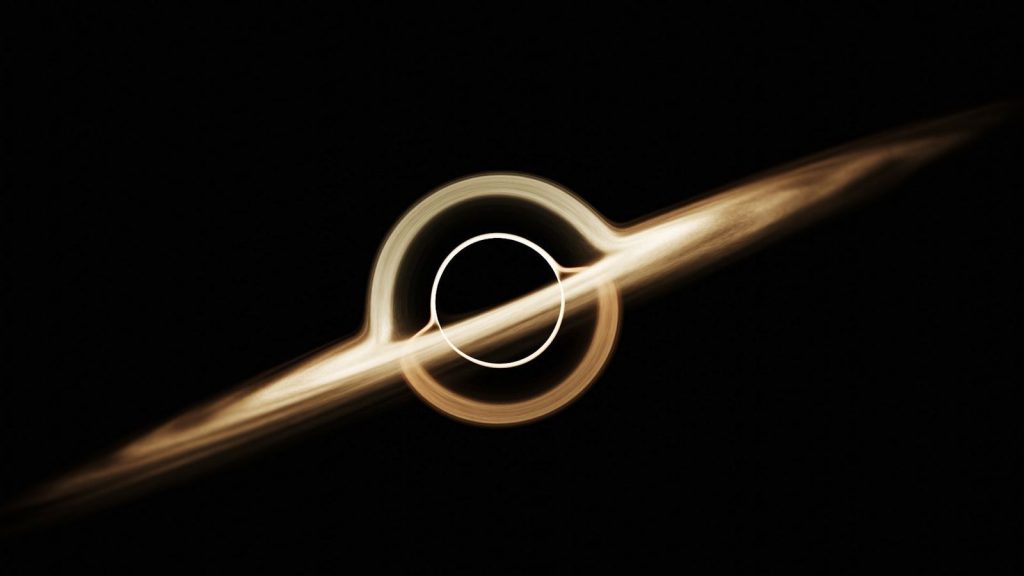
Gigantic black holes will become the sole masters of our cold, expanding universe once stellar light fades entirely. These dark monsters will slowly swallow drifting planet remnants and dead star cores. They are incredibly hungry. According to gravitational wave studies from the University of Oxford, black holes will slowly dissolve over vast timescales through quantum radiation. That slow evaporation process leaves behind nothing but drifting subatomic particles. The universe will then enter its final and most silent phase.
Heat Death Freezes All Movement

The final thermodynamic state of our universe involves maximum entropy where all thermal energy is distributed perfectly evenly. No work can be performed. Absolute zero arrives. According to physics calculations from MIT, this scenario will lock the cosmos in a permanent deep freeze where time itself loses meaning. Every atom will stop moving entirely across the infinite dark void. Yet a sudden cosmic tear could theoretically destroy our reality much sooner than expected.
Big Rip Tears Atoms Apart
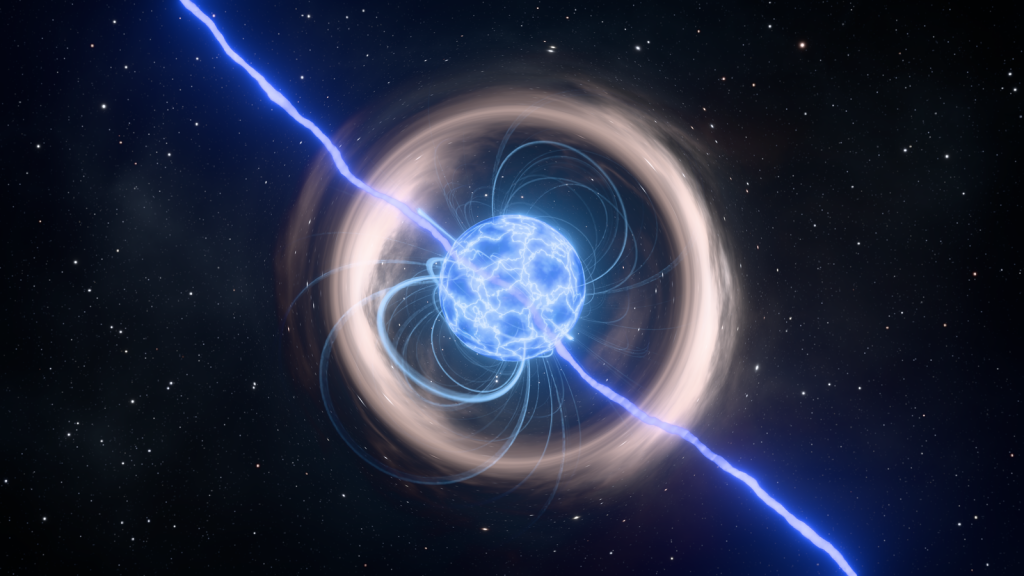
If dark energy continues to strengthen unchecked, it will eventually overpower gravity and even atomic bonds. Earth would be torn away from our sun before molecules themselves rip apart. Everything would shred. According to cosmological simulations from Dartmouth College, this sudden structural shredding could occur in about twenty-two billion years. This catastrophic atomic dismantling would end cosmic existence in a single violent instant. But a different quantum glitch could wipe out our universe even faster.
Quantum Decay Triggers Cosmic Reset
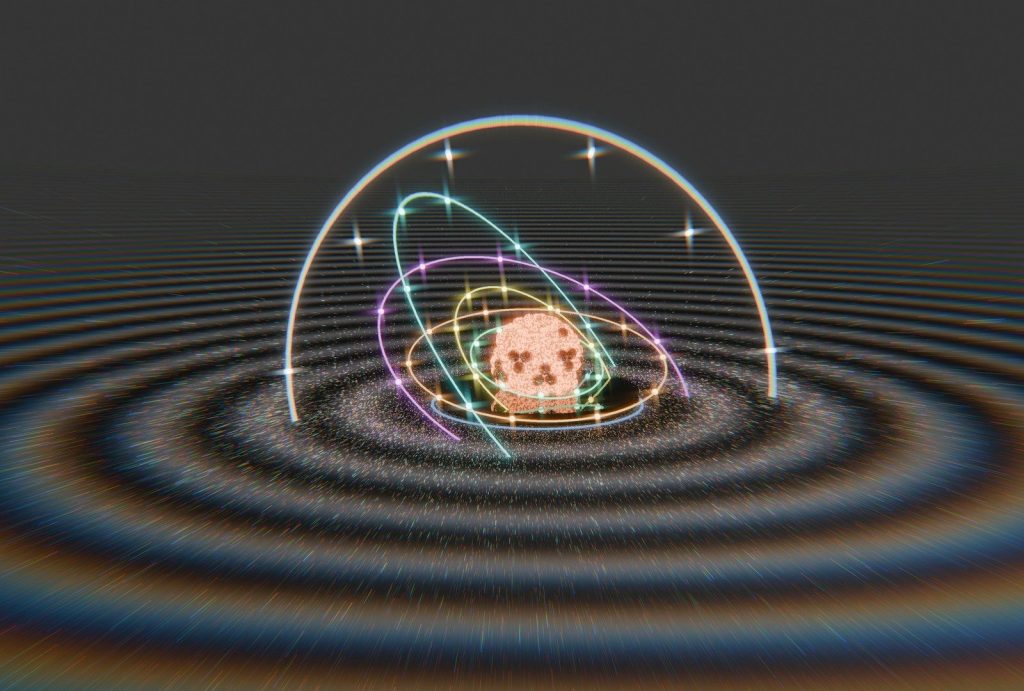
A random quantum fluctuation could theoretically trigger a vacuum decay bubble that sweeps across space at light speed. This cosmic bubble would instantly rewrite the laws of physics as it expands. Reality would collapse. According to theoretical physics papers from CERN, our universe might sit inside a temporary false vacuum state. This unstable quantum phase means a destructive bubble could technically form at any moment. Surviving this fragile existence forces us to look at our fleeting spot in time.
Embracing Our Brief Cosmic Moment
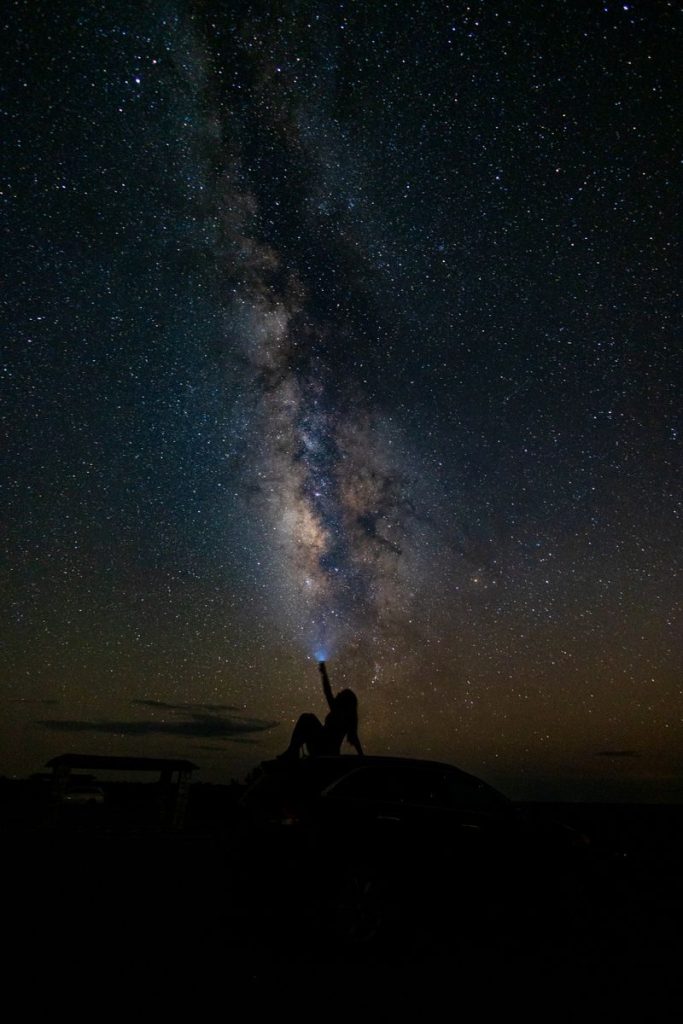
While these end times seem incredibly distant, they highlight the rare beauty of our brief stellar epoch. We live during the golden age of starlight and complex biological life. Appreciate the view. According to astronomers, our current era represents a fleeting spark in cosmic history. This article is for informational purposes only and does not constitute professional scientific advice.
Featured Image: Photo by NASA Hubble Space Telescope on Unsplash
Leave a Reply