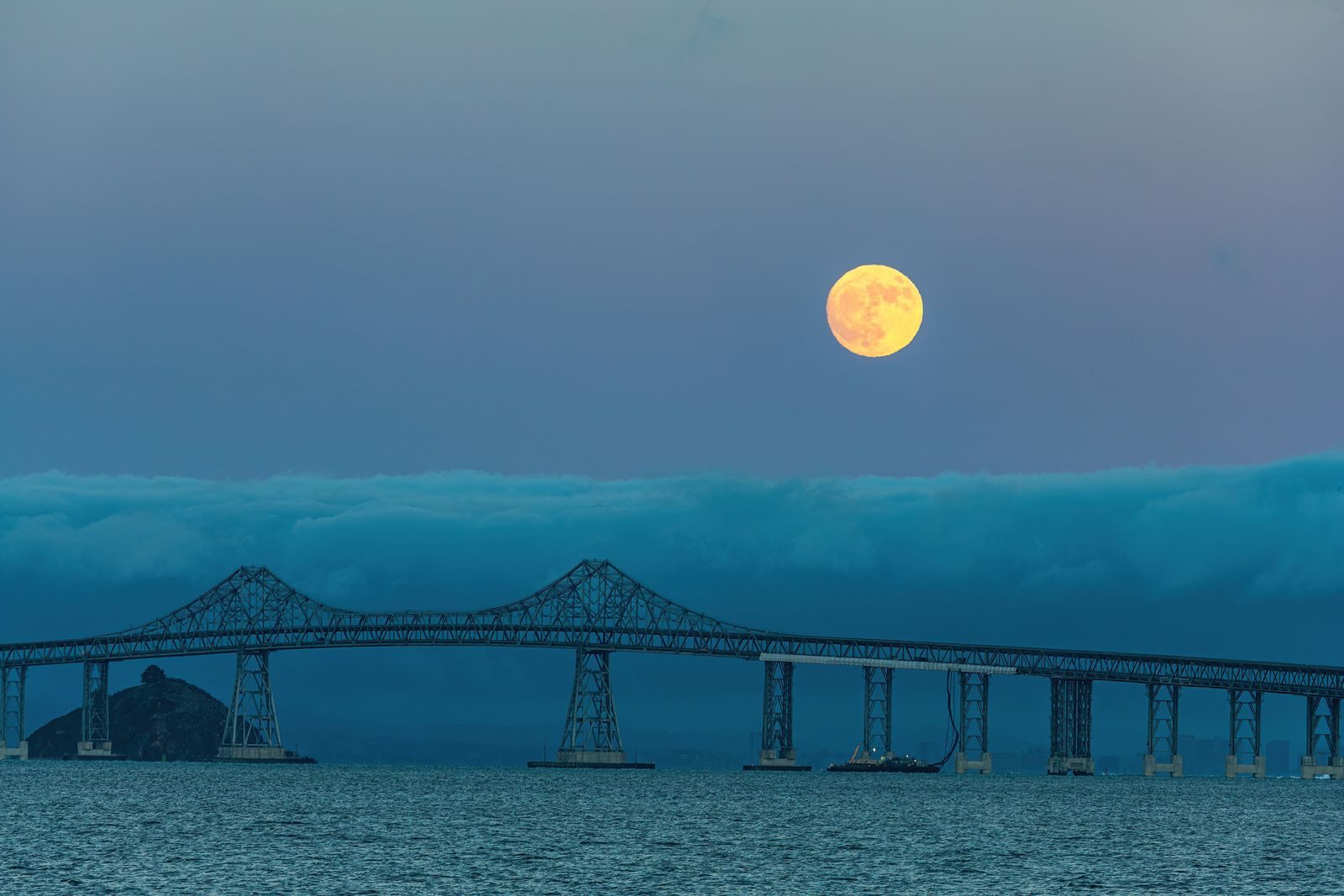
Stargazers usually look up at the monthly full moon as a beautiful but harmless cosmic nightlight. We assume our nearby orbital companion merely reflects sunlight without affecting our modern daily lives.
But upcoming intense lunar phases will trigger immense gravitational events across our entire planet. Subtle orbital shifts are preparing to alter coastal environments and wildlife habits in surprising ways.
Extreme Supermoons Draw Near
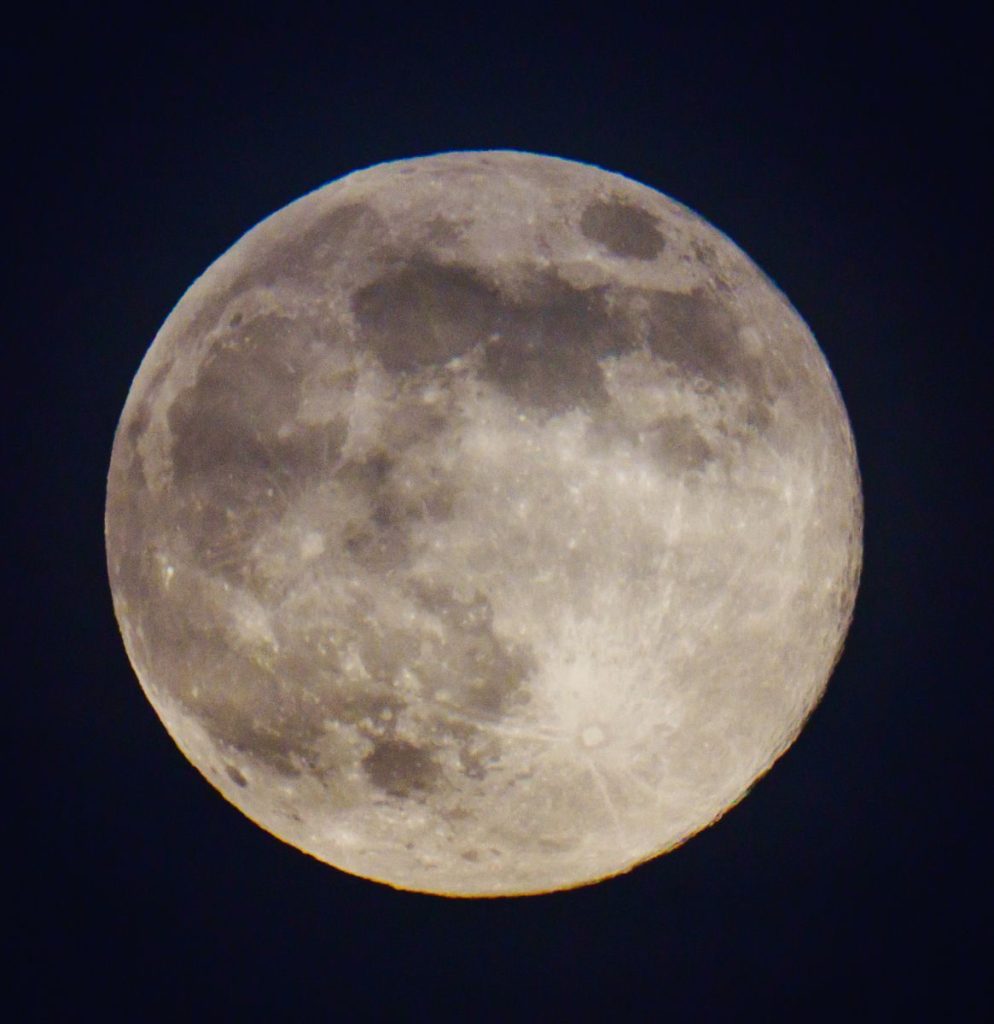
During peak orbits, the moon reaches its closest point to Earth in a phase called perigee. This tight spatial gap makes the lunar disc appear much larger. Size changes everything. Data from the Royal Astronomical Society indicates that these supermoons exert extra gravitational pull on our tectonic plates. But coastal communities will feel the impact first.
High Ocean Tides Surge
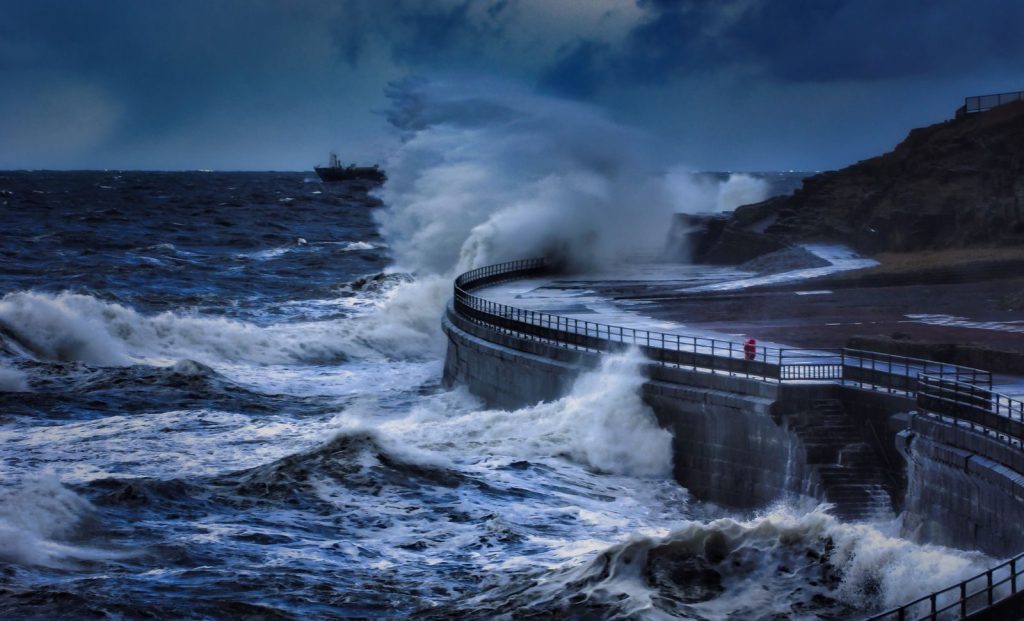
Strong gravitational alignment between the sun and moon creates extreme tidal swings across global coasts. These forces generate intense king tides that push sea levels higher than normal. Water rises fast. Oceanographic studies from the National Oceanic and Atmospheric Administration show that these surges cause minor coastal flooding even on sunny days. But these powerful ocean pulls also trigger shifts high above the ground.
Atmospheric Pressure Swings Detected
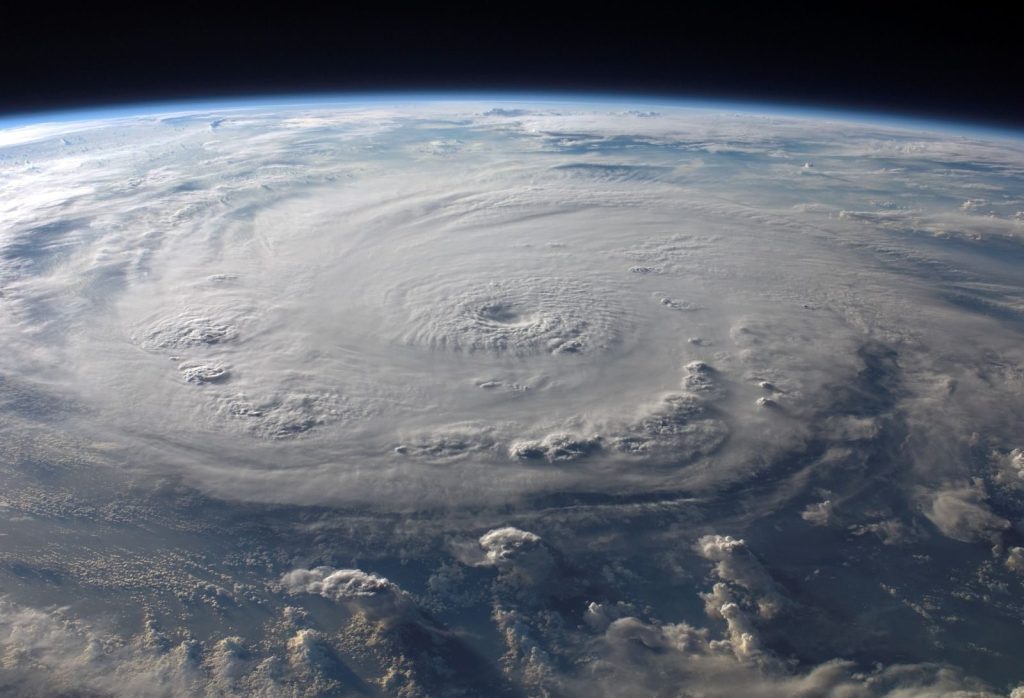
The lunar gravitational pull does not stop at ocean waters. It also tugs on our thick atmospheric blanket, causing subtle shifts in global weather patterns. Air currents shift. Meteorology reports from the American Meteorological Society reveal that lunar cycles influence tropical rainfall amounts and pressure changes. Yet terrestrial animals react to these cycles even more intensely.
Nocturnal Predators Gain Edge

Bright nighttime illumination during lunar peaks completely alters the hunting dynamics of nocturnal ecosystems. Predators must adjust their habits. They hunt differently. Wildlife biologists at the University of Minnesota found that lions and other hunters decrease activity during bright moonlit hours. But marine creatures follow a completely different lunar clock.
Mass Coral Spawning Triggers

Deep ocean reefs rely on precise lunar illumination to time their vital reproductive cycles each year. Coral colonies release millions of gametes simultaneously in a stunning natural event. Timing is everything. Marine studies from the Great Barrier Reef Marine Park Authority show that spawning matches specific lunar phases perfectly. Yet this light also guides species moving across continents.
Migrating Birds Navigate Skies

Many bird species travel thousands of miles during clear moonlit nights to reach seasonal nesting grounds. Bright lunar light assists their biological compasses. Flight requires precision. Ornithological research from Cornell University suggests that birds use lunar positions to calibrate their internal navigation systems. And these orbital effects can even trigger movements inside the solid Earth.
Tectonic Stress Builds Up
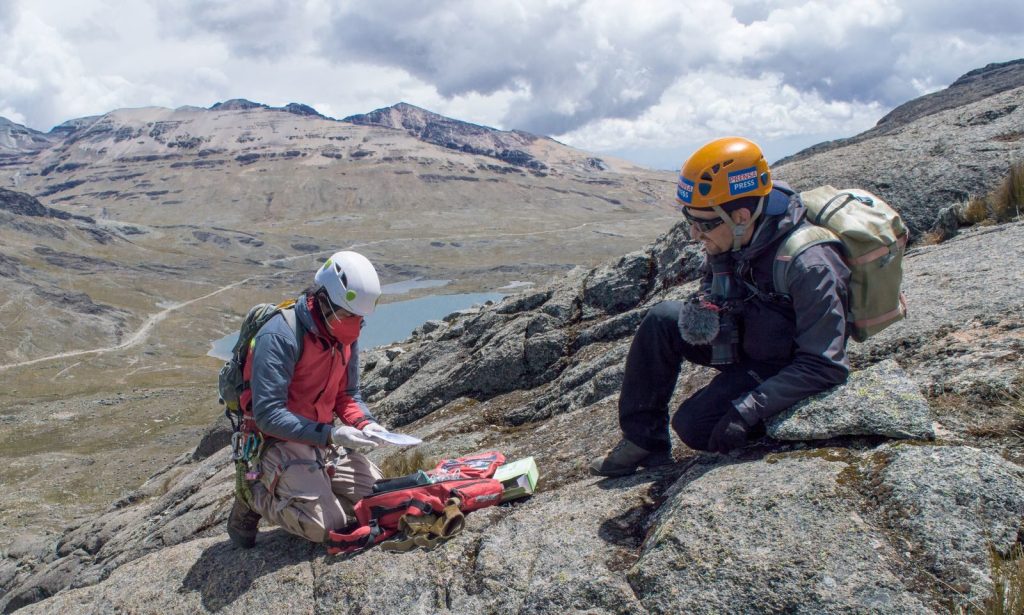
Geologists monitor seismic zones closely during major supermoon phases due to minor changes in crustal stress levels. The continuous orbital tug bends Earth’s outer rock layer slightly. Stresses accumulate slowly. Seismic activity reports from the United States Geological Survey note a slight correlation between peak tides and micro-earthquakes along active fault lines. But these global forces are leading researchers to a stunning conclusion.
Living With Celestial Rhythms

Tracking upcoming lunar phases reveals the profound interconnectedness of our planet and the wider solar system. Gravitational forces continually shape our oceans, weather, and biological cycles. We are deeply connected. Space exploration specialists suggest that watching these orbital cycles helps us appreciate Earth’s place in the cosmos. This article is for informational purposes only.
Leave a Reply