Blog

  • A Farmer Just Found the Largest Viking Gold Hoard in History

    A Farmer Just Found the Largest Viking Gold Hoard in History

    A simple day of plowing has turned into a multi-million dollar mystery. A farmer in Norway was working in his field when his tractor hit something hard. Expecting a rock, he hopped down to clear the way. Instead, he found a glint of yellow in the dark mud. He had just uncovered the largest Viking gold hoard ever found in human history. We are talking about over 1,000 pieces of solid gold, including rings, bracelets, and rare coins from across the world.

    It is a treasure so massive that it is being called the “Viking Bank.” For over a thousand years, this fortune sat just inches beneath the surface, waiting for a single plow to catch it. But this isn’t just about the money; it is about who put it there and why. The gold tells the story of a global network that stretched from Scandinavia to the Middle East. But why would someone bury a king’s ransom in a muddy field and never come back for it?

    The Global Reach of the Viking Raiders

    tractor, field, agriculture, farmer
    Photo by carlitocanhadas on Pixabay

    Among the gold coins, researchers found pieces from the Roman Empire and the Silk Road. This proves that the Vikings were much more than just raiders; they were the ultimate world travelers. They were trading furs and slaves for gold in the markets of Baghdad and Constantinople.

    This hoard is a map of their journeys. Every coin tells a story of a ship that sailed thousands of miles into the unknown. They were the “global citizens” of the 9th century. But having all this gold made them a target for their own kind.

    A Secret “Savings Account” in the Ground

    a gold ring with an animal head on it
    Photo by Vitaliy Burov on Unsplash

    In the Viking age, there were no banks. If you were a wealthy warrior, the safest place for your gold was under the ground. Many Vikings believed that if they buried their treasure, they could use it in the afterlife.

    This hoard might have been a “pension fund” for a powerful leader. By burying it in a secret spot, they ensured that no one could steal it while they were away at war. But something must have gone wrong, because this “bank” stayed closed for ten centuries. What was the secret signal used to find the spot?

    The Jewelry That Represents Power

    gray metal sword near grasses
    Photo by Dunamis Church on Unsplash

    The hoard contains several “Torcs,” which are thick gold rings worn around the neck. In Viking culture, these weren’t just jewelry; they were symbols of rank. Only the most powerful lords were allowed to wear them.

    Finding this many torcs in one place suggests that this field might have been a meeting place for several kings. It is a “Who’s Who” of Viking power buried in the mud. The quality of the gold is so pure that it looks like it was made yesterday. But wait until you see the weapon that was buried right next to the gold.

    The Sword That Guarded the Hoard
    Ancient mosaic map showing cities and waterways
    Photo by Jametlene Reskp on Unsplash

    Right at the bottom of the pit, the farmer found a single, perfectly preserved sword. The blade is still sharp, and the handle is covered in silver wire. In Viking tradition, a sword was often buried with a hoard to “guard” it from evil spirits.

    It is a warning to anyone who tries to take the gold without permission. The sword shows signs of having been used in many battles before it was put into the ground. It is the final signature of a warrior who was ready to fight even in death. But who was this mysterious guardian?

    The Curse of the Golden Field

    egypt, pharaoh, grave robbers, tomb, tutankhamun, luxor, gold treasure, burial chamber, old, hieroglyphs, egypt, egypt, pharaoh, pharaoh, tutankhamun, tutankhamun, tutankhamun, tutankhamun, tutankhamun, luxor
    Photo by garten-gg on Pixabay

    Local legends in this part of Norway talk about a “cursed” field where the grass never grows straight. The farmer always thought it was just a story to keep kids away. Now, he realizes the legends were trying to protect the hoard.

    The people who buried the gold likely created these stories to scare away anyone who went looking for it. It worked for over 1,100 years. The farmer is now an overnight celebrity, but he says he still feels like he is being watched. But what happens to the gold now?

    A Total Reset for Viking History
    a hand holding a magnifying glass over a picture
    Photo by Ludmila Uleva on Unsplash

    Museums are already fighting over where to display the gold. Each piece is being cleaned and studied by the world’s top experts. This hoard is giving us a look at the “hidden” economy of the Vikings.

    It proves that they were much wealthier and more organized than we ever thought. We are rewriting the history books one gold coin at a time. It is a golden era for archaeology. But wait until you see the discovery that is rewriting the timeline of the entire human race.

    Featured Image: Photo by timcgundert on Pixabay

  • Why Did This 4th-Century Christian Church Have No Doors?

    Why Did This 4th-Century Christian Church Have No Doors?

    Archaeologists in Egypt have just uncovered a building that is leaving them speechless. It is a 4th-century Christian church, but it has one massive problem: there are no doors. The stone walls are completely solid on all sides. For over 1,600 years, this structure has sat in the desert, hiding its secrets from the world. Usually, churches are built to welcome people in, with large entrances and open hallways.

    This one was built like a stone fortress. There is no evidence that doors were ever filled in or removed later. It was designed from the very first brick to be a “closed” system. This discovery is shaking our understanding of early religious life. Why would a community build a house of worship that no one could walk into? The answer might lie in a secret entrance that was hidden from the human eye.

    Entry From Above? The Sky Passage Theory

    A stone wall with a lamp post in front of it
    Photo by Arthur Tseng on Unsplash

    One of the leading theories is that the church was entered through the roof. Archaeologists found remnants of what might have been wooden ladders or stairs leading to the top of the walls. In the 4th century, many religious groups felt they needed to be closer to the sky.

    By entering from above, the worshippers were making a symbolic journey toward heaven every time they went to church. It was a way to keep the “sacred” space separate from the “dirty” ground. But this wasn’t just a religious choice—it might have been a survival tactic.

    A Secret Fortress Against Desert Raiders

    historical, ruins, ancient, wall, city, history, old, archaeological, caliper, novel, culture, heritage, greek, marble, hellenistic, beauty, nature, travel, stone, rock, building, structure, past, antalya, turkey, summer
    Photo by Engin_Akyurt on Pixabay

    The 4th century was a violent time in the Egyptian desert. Bandit groups and rival tribes often raided small communities. A church with no doors is the perfect defense. If there is no door to break down, the treasure inside stays safe.

    The people could pull up their ladders and hide inside until the danger passed. It was a “safe house” that doubled as a temple. But the things they were protecting inside were more valuable than gold. Wait until you see what was carved into the inner walls.

    The Mysterious Murals Hidden in Darkness

    rome, ancient city, vatican, dome, ceiling, windows, architecture, rome, rome, rome, rome, rome, vatican, vatican
    Photo by JanSimons on Pixabay

    Once the researchers finally got inside the structure, they found incredible artwork. Because there were no doors or low windows, the paintings have been perfectly preserved for centuries. The walls are covered in bright blue and gold images of saints and strange symbols.

    These symbols aren’t found in any other church from this time period. It suggests this group had a very different set of beliefs from the mainstream church. They were “encoded” messages that were only meant for the eyes of the followers. But why were they so afraid of outsiders seeing their art?

    A Place for the “Quiet Ones”

    A Buddhist monk stands in orange robes at an ancient stone temple, depicting peace and spirituality.
    Photo by Eky Rima Nurya Ganda on Pexels

    Some historians believe this church belonged to a group of monks who took a vow of total silence. By building a church with no doors, they were creating a physical boundary between them and the loud world. They didn’t want anyone to knock or walk in unannounced.

    Inside the church, they found tiny cells where the monks would sleep and pray for days without ever seeing sunlight. It was a life of total isolation and focus. But if they never left, how did they get food and water?

    The Delivery Hatch Discovery

    vegetables, basket, vegetable basket, harvest, produce, organic, fresh, fresh produce, fresh vegetables, assorted, nature, food, garden, salad, healthy
    Photo by congerdesign on Pixabay

    Archaeologists eventually found a small, square opening high up on one of the walls. It was too small for a human to fit through, but it was perfect for a basket. Local villagers would likely bring food and water to the wall and leave it in the hatch.

    The monks would pull the basket inside without ever having to talk to the outsider. It was a 4th-century version of “contactless delivery.” It allowed the monks to stay pure and focused. But something happened that forced them to leave their “doorless” home forever.

    Why the Church Was Eventually Buried

    black and brown mountain under white sky at daytime
    Photo by Bas de Korte on Unsplash

    The soil around the church shows signs of a massive sandstorm that lasted for weeks. The monks likely couldn’t get their food deliveries, and the sand eventually reached the roof entrance. Instead of digging their way out, it seems they abandoned the site or died inside.

    The church was swallowed by the desert and forgotten until a satellite scan picked up the square outline under the sand. It is a time capsule of a lost way of life. But as we unlock the secrets of this building, we are finding even stranger secrets inside our own heads.

    The Mystery of the Missing Entrance Continues

    australia, continent, geography, map, nature, ocean, pacific ocean, satellite image
    Photo by WikiImages on Pixabay

    Even with all the theories, the “No Door” church remains one of the weirdest buildings in Egypt. It reminds us that ancient people had reasons for their designs that we are still trying to understand. Every stone we move brings us closer to the truth.

    It is a hopeful time for archaeology, as technology lets us see through the walls without breaking them. The past is finally opening up, even if it doesn’t have a door. But wait until you see how brain scans are proving that we are not the first “humans” to think this way.

    Featured Image: Photo by Martijn Vonk on Unsplash

  • Why Some People Are Consistently Luckier Than Others

    Why Some People Are Consistently Luckier Than Others

    We all know that one person who always seems to win the raffle, find the perfect job, or avoid bad situations. We usually just call them “lucky” and assume they were born that way. But is luck really a magical force, or is it something else entirely? Psychological research is starting to show that “luck” is actually a skill that can be learned. It is a combination of how you think, how you act, and how you view the world around you.
    Scientists have spent years studying self-proclaimed lucky and unlucky people. The results are shocking. It turns out that “lucky” people have a specific set of habits that attract good fortune. They are not necessarily smarter or harder working; they just see opportunities that others miss. By understanding these psychological hacks, you could potentially change your own fortune overnight. This is not about magic charms or lucky socks. It is about rewiring your brain. But wait until you see how a simple “chance” meeting could be something you actually planned.

    The Art of Maximizing Chance Opportunities

    apps, social media, network, internet, social network, logos, facebook, marketing, analysis, concept, social networking, networking, icons, website, presentation, multimedia, social media, social media, social media, social media, social media, internet, internet, internet, internet, marketing, marketing, marketing, website
    Photo by geralt on Pixabay

    Lucky people do not just wait for things to happen. They are “chance maximizers.” They tend to have a larger social network and are more open to new experiences. This means they are constantly putting themselves in situations where good things can happen. If you always take the same route to work and talk to the same three people, your chances of a “lucky” encounter are very low. Lucky people are like magnets for opportunity because they are always moving. But what does your “gut” have to do with being lucky?

    Why You Should Listen to Your Hunches

    Woman's head exploding into butterflies and glitter
    Photo by julien Tromeur on Unsplash

    In studies, lucky people were much more likely to follow their intuition. They pay attention to small physical cues, like a “bad feeling” in their stomach or a sudden flash of inspiration. This isn’t psychic power; it is your brain processing thousands of small details that your conscious mind misses. Unlucky people often ignore these feelings because they want to be “logical.” By the time they realize they made a mistake, the opportunity is gone. But wait until you see how simply “expecting” to win can actually make it happen.

    The Power of Positive Expectations

    thumb up, happy, man, smiling, bold, suit, businessman, smile, guy, success, funny, approval, confident, bold, businessman, businessman, businessman, businessman, success, success, success, success, success, funny, funny, confident
    Photo by Tumisu on Pixabay

    Lucky people enter every situation expecting things to go well. This creates a self-fulfilling prophecy. Because they expect to succeed, they are more persistent and work harder to find a solution. Unlucky people often expect the worst, so they give up earlier or don’t even try. This positive outlook also makes people more attractive to others. No one wants to hire or partner with someone who is constantly complaining about their “bad luck.” But how can you turn a bad situation into a lucky break?

    Turning Bad Luck Into Good With Resilience

    sport, football, defeat, failure, fight, inspiration, tiredness, defeat, failure, failure, failure, failure, failure
    Photo by vivisorg on Pixabay

    When something goes wrong, unlucky people tend to dwell on it. They ask, “Why me?” and feel like a victim. Lucky people practice “counter-factual thinking.” They imagine how things could have been worse. For example, if they trip and break their arm, they think, “I’m lucky I didn’t break my neck.” This mindset allows them to recover faster and look for the next opportunity. They see failures as lessons, not as destiny. But wait, is your curiosity actually your secret weapon for luck?

    Why Curious People Always Find the Best Luck

    woman in gray hoodie wearing eyeglasses covering her face with green leaves
    Photo by Marcus Urbenz on Unsplash

    Curiosity is a major trait found in “lucky” individuals. They are always asking questions and looking for new ways to do things. This leads them to discover information that others ignore. While everyone else is following the rules, the curious person finds a shortcut or a hidden resource. This habit of exploring “just for fun” often leads to major breakthroughs in their career and personal life. Luck is often just hidden in the things you haven’t tried yet. But what happens when you stop trying to control everything?

    The Relaxation Secret to Spotting Lucky Breaks

    person meditating in front of wooden benches
    Photo by Melissa Kumaresan on Unsplash

    Psychologists found that anxiety actually narrows your vision. When you are stressed and focused on a single goal, you become “blind” to everything else. This is why unlucky people miss obvious opportunities right in front of them. Lucky people tend to be more relaxed. This “open” state of mind allows them to notice things in the corner of their eye—like a flyer on a wall or a name in a book—that could lead to their next big win. But wait, can you actually “catch” luck from other people?

    Why Your Social Network is a Luck Generator

    Group of friends taking a selfie on a rooftop.
    Photo by Vitaly Gariev on Unsplash

    The more people you know, the more “surface area” you have for luck to strike. Most of the lucky breaks people experience come through a person they know. By being friendly and helpful, you build a “luck bank” that pays off later. Someone you met years ago might suddenly remember you for a job opening or a great introduction. Luck is rarely a solo sport; it is a team effort. As we learn to navigate our own luck, we realize that the biggest mystery of all might be how we view our own future.

    Featured Image: Photo by Vitaly Gariev on Unsplash

  • Why Your Gut Controls Your Personality

    Why Your Gut Controls Your Personality

    Have you ever had a “gut feeling” about a person or a situation? It turns out that this is more than just a metaphor. Science is now discovering that your digestive system is basically your “second brain.” There is a massive network of nerves and bacteria in your gut that communicates with your head every second of the day. This “Gut-Brain Axis” is responsible for more than just your digestion. It can actually change how you think, how you react to stress, and even your basic personality traits.
    Researchers are finding that the tiny microbes living inside you might be the ones making your decisions. If your gut is unhappy, you might feel anxious or depressed for no apparent reason. By changing what you eat, you could potentially unlock a “newer” version of yourself. This is a total revolution in how we look at mental health and psychology. But wait until you see how much of your “happiness chemical” actually comes from your stomach instead of your brain.

    The 90 Percent Rule for Serotonin and Happiness

    anatomical, anatomy, body, gut, health, human, medical, medicine, abdomen, abdominal, colon, digestion, digestive system, bone, chest, digesting, enteric, enteron, gastric, gastrointestinal, hepatic, liver, lung, male, man, organ, ribs, ribcage, skeleton, stomach, urinary, ventral, vesica, 3d, render, rendering, brain, dissection, internal, skull, black health, black brain, black medical, black medicine, black skull, black body, black human, anatomy, body, body, health, health, health, human, medical, medical, digestive system, liver, liver, skeleton, stomach, brain, brain, brain, brain, brain
    Photo by kirill_makes_pics on Pixabay

    Most people think serotonin is a brain chemical. While it is true that serotonin helps regulate your mood, 90 percent of it is actually produced in your gut. If your gut bacteria are out of balance, your serotonin levels can drop. This often leads to feelings of sadness, irritability, and low energy. Scientists have found that people with high levels of certain “good” bacteria tend to be more outgoing and optimistic. It is not just in your head; it is in your belly. But how can tiny bacteria influence your social life?

    Why Your Microbes Want You to Be More Social

    a drawing of a colorful octopus
    Photo by Google DeepMind on Unsplash

    Believe it or not, your gut microbes might be pushing you to meet new people. Some researchers believe that bacteria benefit when we interact with others because it allows them to spread to new hosts. In studies, animals with healthy gut microbiomes were much more social and curious than those with poor gut health. If you find yourself wanting to stay home and avoid people, it might be time to look at your diet. Your internal “garden” needs the right fuel to keep you connected. But what happens when your gut gets stressed out?

    The Vagus Nerve and the Stress Connection

    couple, happy, laughing, lovers, man, people, woman, pair, together, relationship, happy couple, laugh, portrait, couple portrait, outdoors, couple, couple, couple, couple, couple, happy, laughing, laughing, laughing, relationship, happy couple, laugh, laugh
    Photo by Pexels on Pixabay

    The Vagus Nerve is like a super-highway that connects your gut directly to your brain. When you feel stressed, your brain sends a signal down to your gut, which can cause that “butterflies” feeling or even pain. But it works both ways. If your gut is inflamed, it sends a “danger” signal up to your brain. This can make you feel constantly on edge or unable to focus. Understanding this connection is the first step to staying calm in a busy world. But wait until you see how your cravings are actually a form of mind control.

    How Bacteria Trick You Into Craving Sugar

    a close up of a human brain on a black background
    Photo by Shawn Day on Unsplash

    We often blame our “lack of willpower” for eating junk food. However, it might not be you making that choice. Different types of bacteria thrive on different foods. Some love sugar, while others love fiber. The sugar-loving bacteria can release chemicals that change your taste buds and trigger intense cravings. They are essentially hacking your brain to get the food they need to grow. By feeding the good bacteria, you can actually shut down these cravings for good. But how does this affect your memory?

    The Link Between Gut Health and Brain Fog

    a close up of a cell phone with a yellow substance on it
    Photo by National Institute of Allergy and Infectious Diseases on Unsplash

    Have you ever felt like your brain is “cloudy” after a big, unhealthy meal? This is known as brain fog, and it is directly linked to gut inflammation. When the lining of your gut becomes weak, toxins can leak into your bloodstream and affect your brain. This can lead to memory problems and a slow reaction time. People who switch to a gut-friendly diet often report that their thinking becomes much sharper and faster. It is like giving your brain a high-tech upgrade. But wait, can your gut also make you braver?

    Probiotics and the Secret to Unstoppable Confidence

    a woman sitting at a table with a tray of food
    Photo by Renaud Confavreux on Unsplash

    Recent studies have shown that certain probiotics can reduce the physical symptoms of anxiety. By calming the gut, these supplements help people feel more confident in social situations. They are less likely to overthink their actions or feel embarrassed. This “liquid courage” from healthy bacteria is changing how we look at self-improvement. You do not just need to think positively; you need to eat positively. As we learn to master our inner microbes, we realize that ancient humans had their own “super-tech” secrets.

    Why Some People Are Naturally Immune to Fear

    capsules, pills, health, medicine, medication, vitamins, pharmaceutical, healthcare, supplements, omega oils, omega acids, nutrition, fish oil, omega-3, omega-6, translucent, wellness, remedy, medical, pills, health, health, health, medicine, medicine, medicine, medicine, medicine, medication, vitamins, vitamins, vitamins, vitamins, supplements, supplements, supplements, fish oil, fish oil, medical
    Photo by stevepb on Pixabay

    Some people seem to have “nerves of steel” in dangerous situations. Science suggests that these individuals may have a very specific balance of gut bacteria that dampens the brain’s fear response. While genetics plays a role, your microbiome is a massive part of the puzzle. We are just beginning to scratch the surface of how our bodies determine our destiny. While we look at the future of health, some are looking at the past for technology that seems impossible.

    Featured Image: Photo by National Institute of Allergy and Infectious Diseases on Unsplash

  • What Really Happened During the World’s Most Famous Shipwrecks

    What Really Happened During the World’s Most Famous Shipwrecks

    The ocean floor is a massive graveyard holding thousands of years of human history. We often think of shipwrecks as simple accidents caused by bad weather or poor luck. But the truth is often much darker and more complicated. Recent technology is allowing divers and robots to reach depths that were once impossible. These new discoveries are changing everything we thought we knew about history-s greatest disasters. From golden treasures to tragic errors, the stories behind these wrecks are finally coming to light.
    The Titanic is just the beginning. There are ships that vanished without a trace and others that were carrying secrets that could have changed the outcome of wars. Every time a new wreck is found, we get a glimpse into the final moments of the people on board. Some of these stories involve incredible bravery, while others reveal shocking greed. But wait until you see the wreck that was found after 100 years in the most frozen place on Earth.

    Finding Shackleton’s Endurance in the Frozen Weddell Sea

    sea, ship, ice, steamship, steamer, ocean, nature, water, winter, ice cap, scenic, scenery, cold, arctic sea, arctic ocean, antarctica
    Photo by 12019 on Pixabay

    In 1915, the explorer Ernest Shackleton watched his ship, the Endurance, get crushed by Antarctic ice. He and his crew were trapped for months but miraculously survived. For over a century, no one knew exactly where the ship sank. In 2022, a team of researchers found the wreck 10,000 feet deep in the Weddell Sea. Because the water is so cold, the wood is perfectly preserved. You can still see the name “Endurance” on the stern. It looks exactly like it did the day it went down. But how did a massive warship sink just minutes into its first trip?

    The Swedish Warship That Sank on Its Maiden Voyage

    a large wooden boat in a building
    Photo by Lorenzo Liverani on Unsplash

    The Vasa was supposed to be the most powerful warship in the world. In 1628, it set sail from Stockholm with thousands of people watching from the shore. Less than a mile into the trip, a light gust of wind tipped the ship over. Water rushed into the gun ports and the ship sank in minutes. It was a national embarrassment. The problem was that the King wanted too many heavy cannons on the top deck, making it unstable. After 333 years, the ship was raised and is now a museum. But wait until you see the shipwreck that actually helped end a world war.

    The Lusitania Mystery and the Hidden Cargo

    A large ship is beached by crashing waves.
    Photo by Marco Bianchetti on Unsplash

    The sinking of the Lusitania by a German submarine in 1915 helped push the United States into World War I. For a long time, Germany claimed the ship was carrying illegal ammunition. Britain denied it. Decades later, divers found thousands of rounds of rifle ammunition in the wreck. This discovery changed how historians look at the event. It was a tragic loss of 1,200 lives that might have been avoided if the ship hadn’t been a secret target. But there is a wreck in the Caribbean that holds a treasure worth billions of dollars.

    The Billion Dollar Treasure of the San Jose

    From above back view of unrecognizable male in diving suit swimming in rippled sea with wooden box
    Photo by tugay aydın on Pexels

    The San Jose was a Spanish galleon that sank during a battle with the British in 1708. It was carrying a massive amount of gold, silver, and emeralds from the New World. In 2015, the Colombian government finally found the wreck. Experts estimate the treasure is worth up to 17 billion dollars. Now, multiple countries are fighting over who owns the gold. While the lawyers argue, the treasure remains at the bottom of the sea. But wait until you see the ship that was so big it was called “unsinkable” before it hit an iceberg.

    The Unsolved Questions Behind the Titanic Disaster

    sunken ship
    Photo by NOAA on Unsplash

    We all know the story of the Titanic. However, scientists are still finding new clues about why it sank so fast. Some believe the rivets used to hold the steel together were too weak. Others think a fire in the coal bunker had already damaged the hull before the ship ever left port. Every new robot mission to the wreck brings back photos of shoes and personal items that remind us of the human cost. The wreck is slowly being eaten by bacteria and may vanish within our lifetime. But what about the ship that was found with no one on board?

    The Mary Celeste and the World’s Greatest Sea Mystery

    brown ship on white snow covered ground during daytime
    Photo by Graham Meyer on Unsplash

    In 1872, a ship was found drifting in the Atlantic Ocean. The sails were set, and the cargo was untouched. But there was not a single person on board. The captain’s log was still there, but the last entry gave no clue about what happened. There was no sign of a struggle or a storm. To this day, no one knows why the crew abandoned a perfectly good ship. It remains the most famous “ghost ship” in history. As we look at these mysteries of the deep, our own bodies hold a secret that is just as strange.

    The Ship of Gold That Sank in a Hurricane

    Scuba divers explore a sunken shipwreck with a cannon.
    Photo by Nathanaël Desmeules on Unsplash

    The SS Central America was carrying 30,000 pounds of gold during a massive hurricane in 1857. When it sank off the coast of the Carolinas, it caused a financial panic in the United States. Divers eventually found the “Ship of Gold” in 1988. They recovered thousands of gold coins and bars that had been sitting in the mud for over a century. It was one of the largest treasure hauls in history. While we search for gold in the sea, we are discovering that the key to our happiness might be in our stomachs.

    Featured Image: Photo by Jackdrafahl on Pixabay
  • Why No One is Allowed to Visit These 8 Global Landmarks

    Why No One is Allowed to Visit These 8 Global Landmarks

    Some places on Earth are so dangerous or sacred that the public is strictly banned from entering. These are not just fenced-off government buildings. We are talking about entire islands and ancient sites that have been sealed away for decades. Some bans protect the visitors from certain death. Others protect the site from us. Governments across the globe spend millions every year to ensure these borders remain untouched by modern feet. Why are these locations so heavily guarded?
    From a deadly island filled with thousands of venomous snakes to a vault containing the future of human food, these landmarks hold secrets that few will ever see. You might think you can buy your way into anywhere with enough money. However, these restricted zones prove that some doors stay closed forever. The reasons range from national security to biological hazards that could end civilization as we know it. But wait until you see the island where the residents will attack anyone who tries to land on their shore.

    The Island Where Modern Humans Are Strictly Forbidden

    coast, island, mountain, atlantic, norway, rock, tomorrow, landscape, sunrise, nature, mountain, mountain, landscape, landscape, sunrise, sunrise, sunrise, sunrise, sunrise, nature
    Photo by makabera on Pixabay

    North Sentinel Island looks like a paradise from the air. It sits in the Indian Ocean and features thick jungles and clear water. But do not be fooled by the view. The Sentinelese people have lived here for thousands of years in total isolation. They refuse all contact with the outside world. If you get too close, they will defend their home with arrows and spears. The Indian government has made it illegal to go within five miles of the coast. This keeps the tribe safe from modern diseases they cannot fight. But what about the island where the threat comes from the ground instead of the people?

    Brazil’s Deadly Island With Five Snakes Per Square Meter

    Snake Island” by shankar s. is licensed under CC BY 2.0

    Ilha da Queimada Grande is better known as Snake Island. It is located just off the coast of Brazil and holds one of the world’s deadliest secrets. Experts estimate that there are between one and five snakes for every square meter of land. These are not ordinary snakes. The Golden Lancehead Viper lives only here. Its venom is so strong it can melt human flesh on contact. The Brazilian Navy has closed the island to everyone except a few researchers and the lighthouse maintenance crew. But there is another restricted site that is not about danger but about our survival in the future.

    The Doomsday Vault Hidden Deep in the Arctic Circle

    ai generated, cave men, prehistoric, ancient times, primitive, cave, fire
    Photo by Jackdrafahl on Pixabay
    The Svalbard Global Seed Vault is built into a mountain on a remote Norwegian island. It is designed to survive earthquakes, nuclear strikes, and rising sea levels. Inside are millions of seeds from every corner of the globe. If a global catastrophe wipes out our crops, this vault will allow us to start over. It is the ultimate insurance policy for humanity. Only a handful of people have the keys to go inside these frozen tunnels. But wait until you see the cave in France that was closed to save the world’s oldest art.

    Why the World’s Most Famous Cave Art is Sealed Away

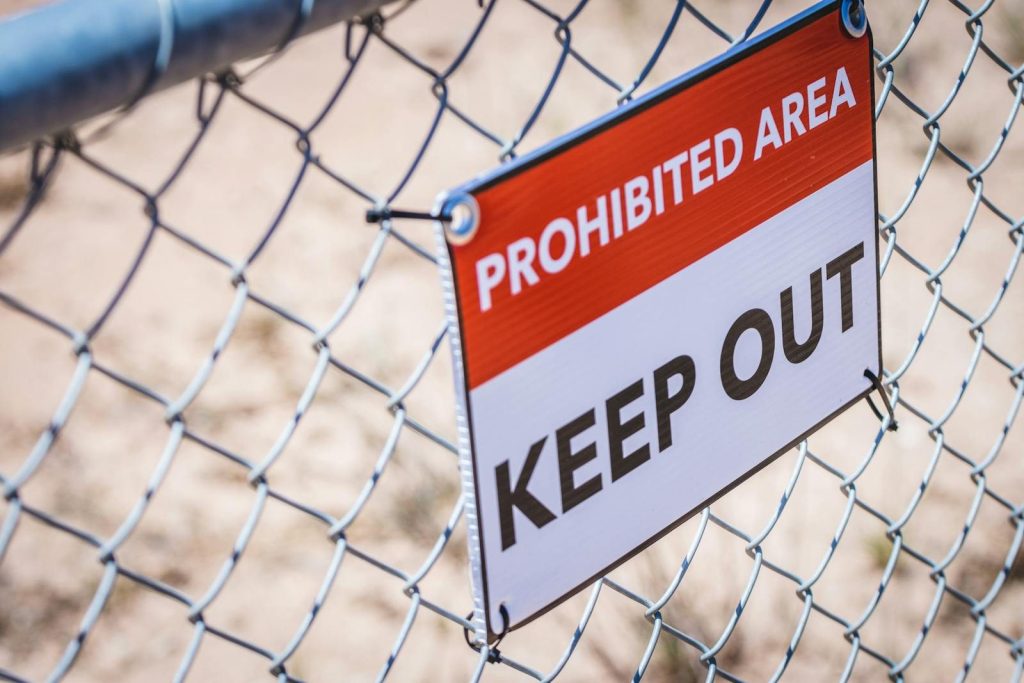
    Close-up of a 'Prohibited Area' and 'Keep Out' sign on a chain link fence.
    Photo by Michael Nunzio on Pexels

    The Lascaux Caves in France contain some of the most impressive prehistoric paintings ever found. For years, thousands of tourists visited these halls. However, the carbon dioxide from their breath started to create mold that destroyed the 17,000-year-old art. To save history, the government sealed the caves in 1963. Now, you can only visit a replica built nearby. The real paintings sit in total darkness to prevent any more damage. But what if a site is restricted because the government is hiding something that might be from another world?

    The Nevada Desert Site That Officially Did Not Exist

    brown bare trees near brown concrete building during daytime
    Photo by Kato Blackmore 🇺🇦 on Unsplash

    Area 51 is perhaps the most famous restricted landmark on this list. For decades, the U.S. government would not even admit it existed. It is a massive military base in the Nevada desert. Guards with automatic weapons patrol the perimeter 24 hours a day. Signs warn that “deadly force” is authorized if you cross the line. While many believe it holds alien technology, the military says it is just a testing ground for top-secret aircraft. Whatever is inside, you will never get a look at it. But wait until you see the radioactive city that was abandoned in a single day.

    The Ukrainian Ghost Town That Nature is Taking Back

    china, xi'an, terracotta, warriors, statue, soldier, history, ancient, army, archeology, tourism, brown history, gray history, brown army, gray army
    Photo by Squirrel_photos on Pixabay

    Pripyat was once a booming city for workers at the Chornobyl nuclear plant. After the 1986 disaster, the entire population was evacuated in hours. They left their clothes, toys, and pets behind. Today, the radiation levels are still too high for humans to live there permanently. While small tours are sometimes allowed, most of the “Exclusion Zone” is strictly off-limits. It is a haunting reminder of what happens when technology goes wrong. But there is one more site in China that holds a treasure we are too afraid to touch.

    The First Emperor’s Tomb That No One Dares Open

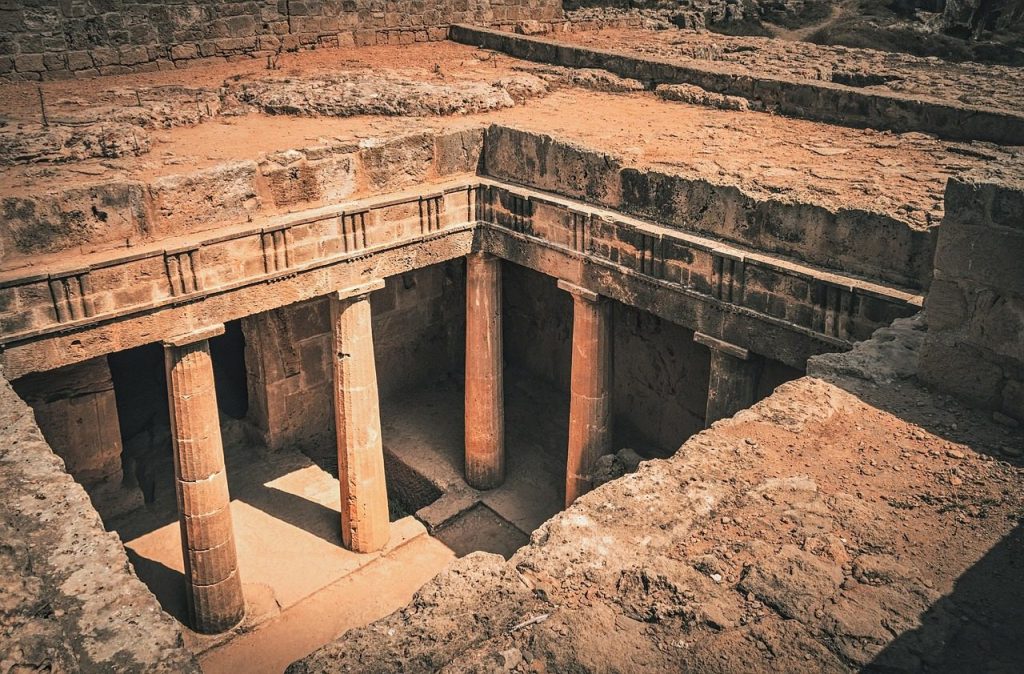
    cyprus, paphos, historical, archaeology, archaeological, stone, tomb, the tomb of the kings, the underground tomb, paphos, paphos, paphos, paphos, paphos
    Photo by Walkerssk on Pixabay

    The tomb of Qin Shi Huang is guarded by the famous Terracotta Army. Archaeologists found the soldiers in 1974, but they have never opened the central tomb of the Emperor. Ancient texts say the tomb is filled with traps and rivers of poisonous mercury. Scientists also worry that opening it would destroy the delicate artifacts inside with a rush of fresh air. For now, the Emperor sleeps in a massive underground palace that we can only imagine. As we look at these restricted places on land, another mystery waits at the bottom of the ocean.

    Featured Image: Photo by Santiago López García on Unsplash

  • How satellite connectivity is moving beyond emergencies

    How satellite connectivity is moving beyond emergencies

    Not long ago, satellite phone features sounded like something most people would never use. They were mainly tied to serious situations far from cell towers. That is changing fast. Newer phones and carrier services are increasingly using satellites for more than just urgent texts. Apple says iPhone 14 and later models can use satellite connections for emergency assistance, roadside assistance, messages, and location sharing when there is no cellular or Wi-Fi coverage.

    T-Mobile’s T-Satellite with Starlink is also moving direct-to-cell service toward regular messaging and supported apps in places where towers cannot reach. These tools are still limited, and they work best with a clear view of the sky. But the direction is clear: satellite connectivity is slowly becoming part of normal mobile life, not just a last-resort backup.

    Dead zones are the real target

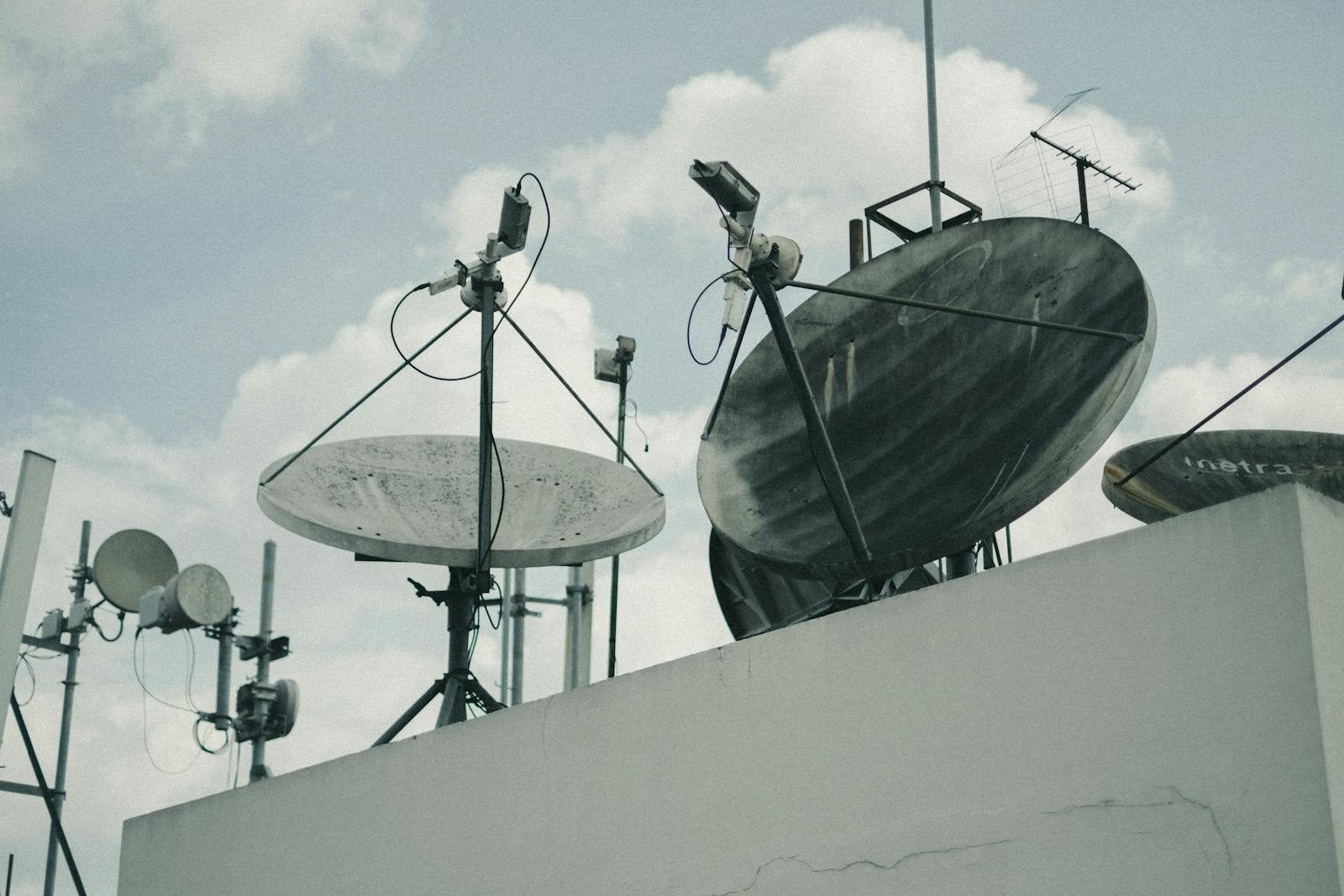
    Men unload satellite dish from truck on street.
    Photo by Erik Esly on Unsplash

    Most people do not think about satellite service until their phone shows no bars. That is where this technology becomes useful. It can help fill gaps on rural roads, hiking areas, campgrounds, and other places where cell towers are too far away.

    The goal is not to replace regular mobile networks. It is to give phones a backup path when normal service disappears. That makes satellite connectivity feel less like a luxury and more like a practical safety net.

    Texting is just the start

    person holding black iphone 4
    Photo by Asterfolio on Unsplash

    Early phone satellite features focused mostly on short messages. That made sense because text uses less data and can work better over a slower connection. It also gives users a simple way to reach help or share basic updates.

    Now the idea is growing beyond basic texts. Apple supports satellite messaging with friends and family on newer iPhones in supported areas, while T-Mobile has been expanding satellite access toward selected apps.

    Apps are joining in

    A person holding a cell phone in their hand
    Photo by Amanz on Unsplash

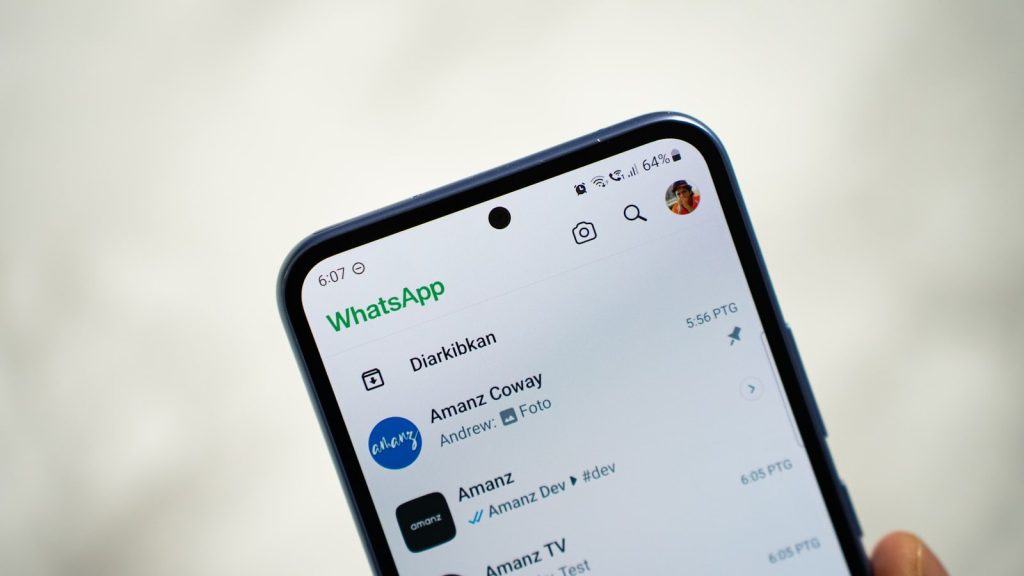
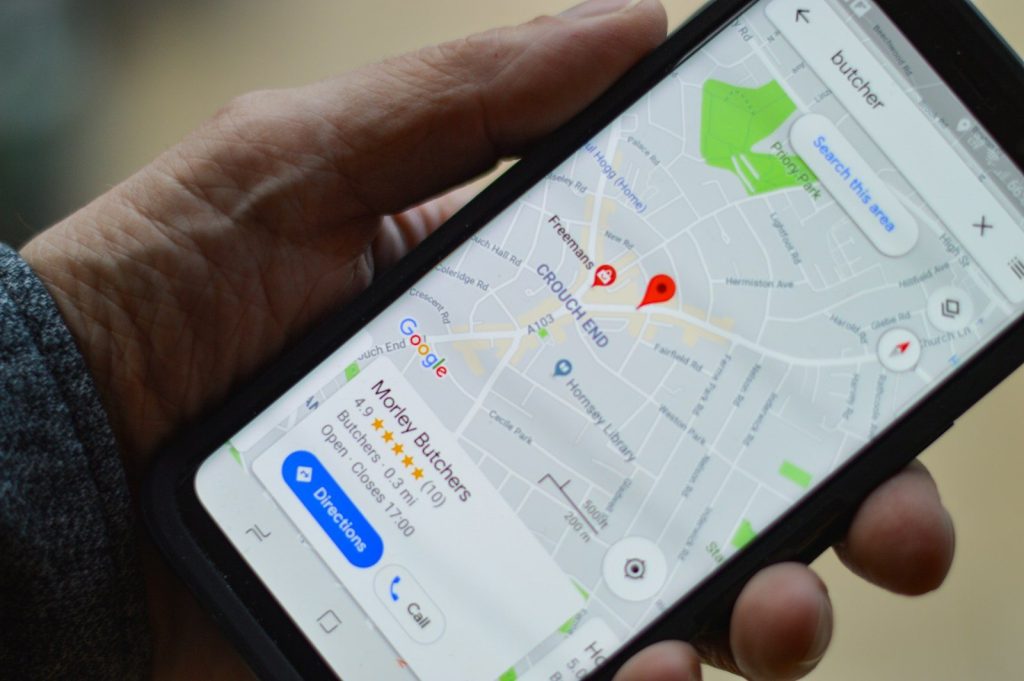
    Satellite connections are becoming more useful as apps begin to support them. T-Mobile said its satellite service expanded to apps such as WhatsApp, Google Maps, AllTrails, AccuWeather, and others in areas without regular coverage.

    That does not mean phones suddenly get full-speed internet from space everywhere. It means certain important app features may still work when a tower signal is missing. For many users, that could be enough to check a route, send an update, or get basic information.

    Roadside help gets easier

    wifi” by miniyo73 is licensed under CC BY-SA 2.0

    Satellite service is not only for remote trails. A flat tire or car problem can happen on a quiet highway where cell service is weak. That is why roadside assistance through satellite matters.

    Apple says supported iPhones can request roadside assistance by satellite when users are outside cellular and Wi-Fi coverage. For drivers, that turns the phone into a more dependable travel companion, especially in open areas with few nearby towers.

    Location sharing matters

    person holding black smartphone
    Photo by henry perks on Unsplash

    Sometimes the most important message is simply, “Here is where I am.” Satellite location sharing can help family members know a person’s position when normal service is gone.

    Apple lists location sharing as one of its satellite features on iPhone 14 or later. That can be useful during road trips, outdoor plans, or travel through low-coverage areas. It is a small feature, but it can bring a lot of peace of mind.

    Android is catching up

    a cell phone with a green icon on it
    Photo by Kelly Sikkema on Unsplash

    Satellite connectivity is no longer only tied to one phone brand. Google’s Pixel 9 series introduced Satellite SOS in the U.S. with support from Skylo, giving Android users a way to reach help when cellular and Wi-Fi are unavailable.

    That shows the feature is becoming part of the wider smartphone market. As more phone makers and carriers support it, buyers may start seeing satellite access as a normal spec to check before upgrading.

    Carriers see a bigger role

    brown concrete building during daytime
    Photo by Brendan Stephens on Unsplash

    Wireless companies are looking at satellite service as a way to shrink coverage gaps. Reuters reported that Verizon, AT&T, and T-Mobile agreed in principle to create a joint venture aimed at reducing rural dead zones through satellite-based direct-to-device technology.

    That kind of move shows how serious the industry is becoming. Instead of treating satellite service as a side feature, carriers are exploring it as part of the future coverage map.

    Watches may benefit too

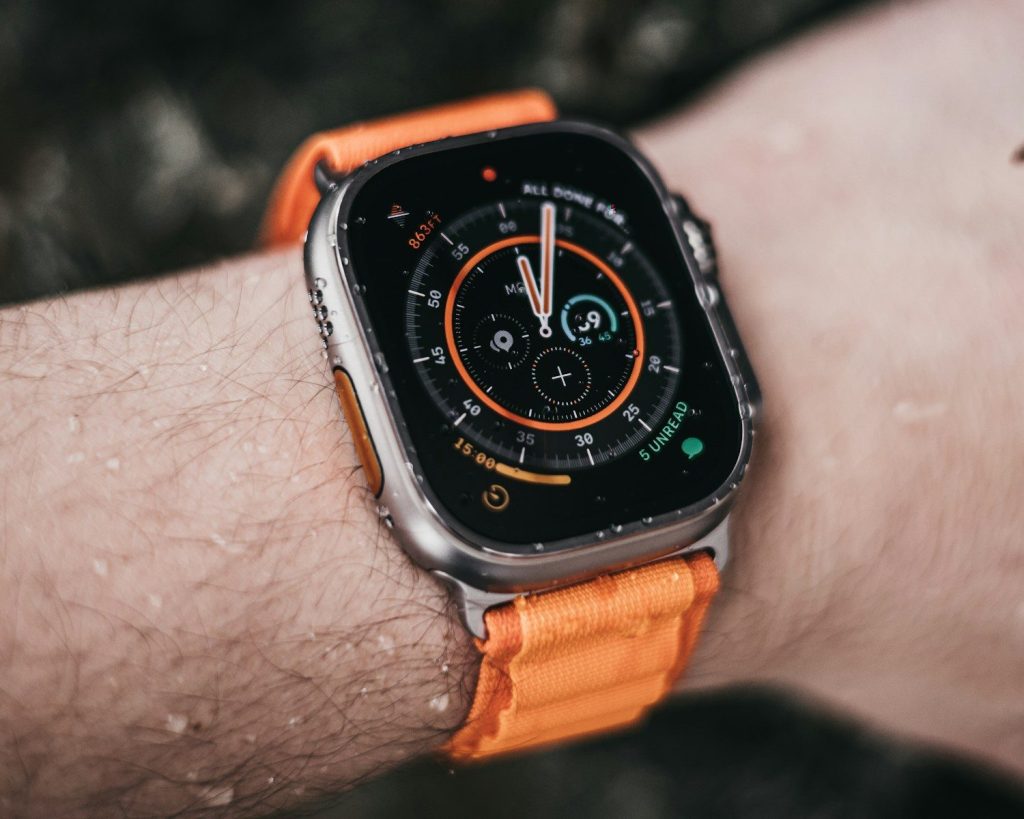
    a close up of a person wearing an apple watch
    Photo by Alek Olson on Unsplash

    Satellite connectivity is also moving beyond phones. Amazon said Globalstar currently helps power satellite service for iPhone 14 or later and Apple Watch Ultra 3, supporting features like emergency texts, family messages, roadside help, and location sharing.

    That hints at a broader future. A watch, phone, or other mobile device may be able to stay useful even when it is far from a tower. Small connected gadgets could become more dependable in more places.

  • 6 laptop features that matter more than flashy branding

    6 laptop features that matter more than flashy branding

    A shiny logo can catch your eye, but it does not decide whether a laptop feels good after months of real use. The better question is simple: can it handle your daily work, last long enough away from the charger, and feel comfortable every time you open it? That is where practical features matter most.

    For many buyers, the smartest laptop choice comes down to performance, memory, storage, battery life, screen quality, and everyday usability. Consumer Reports notes that strong laptops balance speed, power, battery life, and display quality, while value-focused models can still cover common tasks like browsing, writing, video calls, and spreadsheets.

    The processor sets the pace

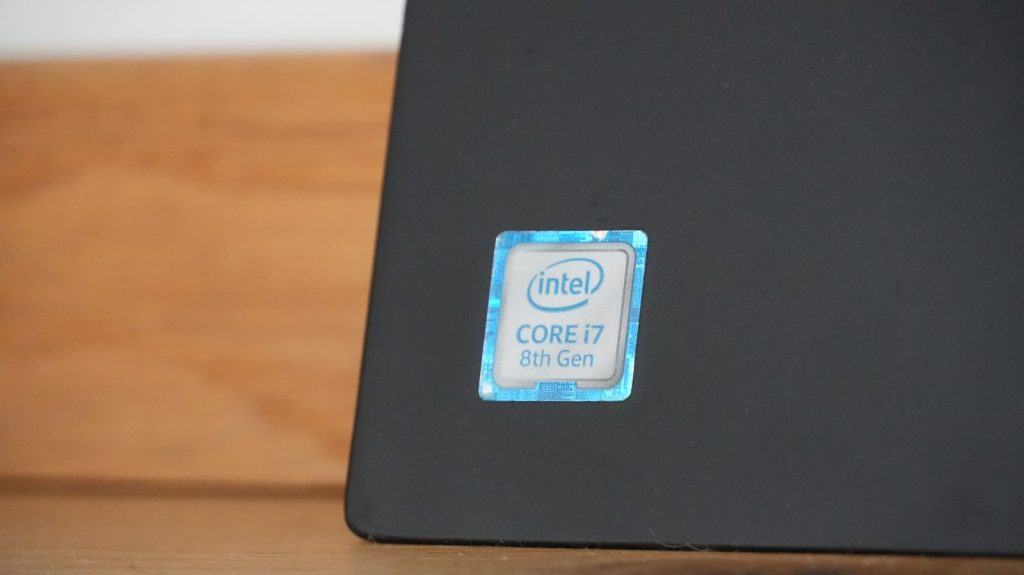
    Intel core i7 sticker on a dark surface.
    Photo by Pauli Nie on Unsplash

    A laptop’s processor affects how quickly it handles everyday tasks. Web browsing, video calls, documents, spreadsheets, and photo editing all depend on a chip that can keep up without slowing down.

    For many everyday users, a midrange processor is often enough. Consumer Reports has noted that an Intel Core i5 or AMD Ryzen 5 can handle common tasks well, including more demanding work like high-resolution streaming and large photo edits.

    RAM keeps multitasking smooth

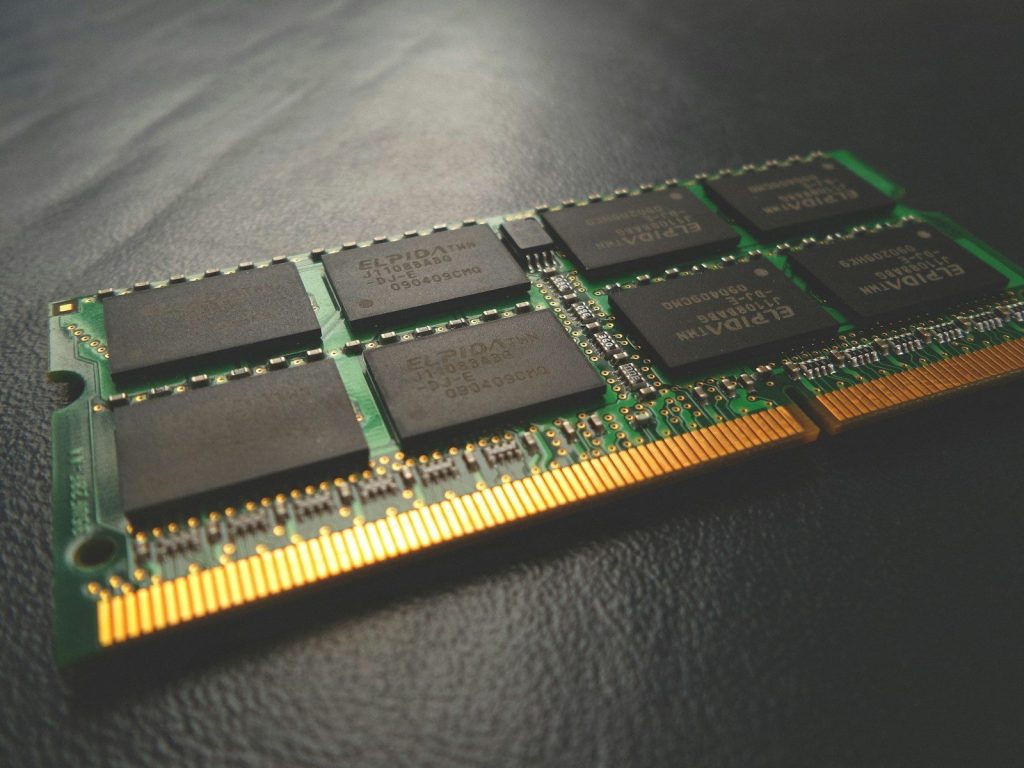
    SODIMM RAM stick
    Photo by Possessed Photography on Unsplash

    RAM helps a laptop juggle several tasks at once. It matters when you keep many browser tabs open, switch between work apps, stream music, and join video calls.

    A laptop with too little RAM can feel slow even if the brand name looks impressive. For smoother daily use, buyers should look beyond the logo and check whether the memory matches how they actually work, study, or create.

    SSD storage feels faster

    A close up of a laptop on a table
    Photo by Samsung Memory on Unsplash

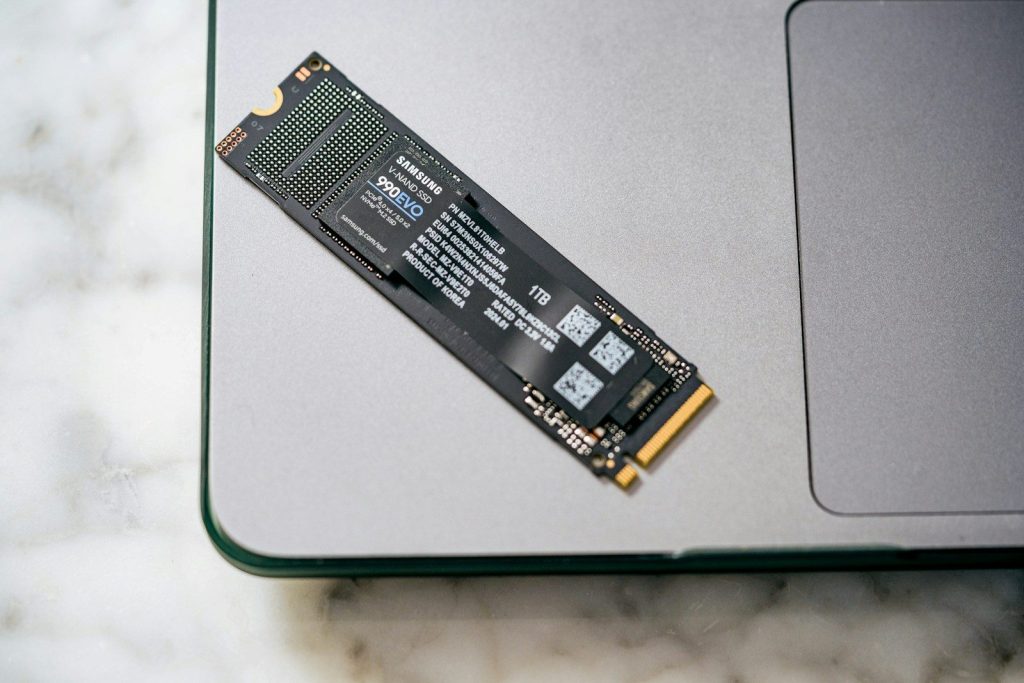
    Storage is not just about how many files a laptop can hold. A solid-state drive, or SSD, can make the computer start faster, open apps quicker, and move files with less waiting.

    Older hard drives are usually slower because they use moving parts. SSDs have become common in modern laptops because they offer quicker read and write speeds, which helps the whole machine feel more responsive.

    Battery life changes the day

    turn-on laptop displaying 97 percent battery
    Photo by Panos Sakalakis on Unsplash

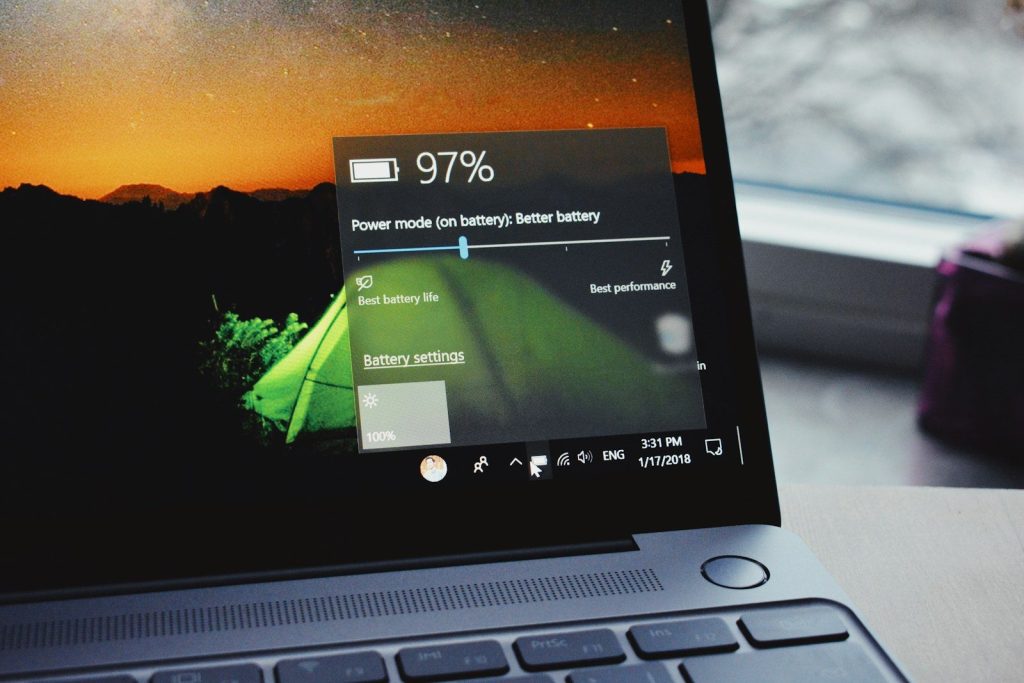
    A laptop that always needs a charger can become frustrating fast. Battery life matters for students, travelers, remote workers, and anyone who moves between rooms during the day.

    Consumer Reports highlights long battery life as a key strength in top laptops, especially for people who want to carry less and work away from outlets. A famous badge on the lid means less if the battery cannot keep up.

    The screen affects comfort

    open macbook air on wooden desk
    Photo by Howard Bouchevereau on Unsplash

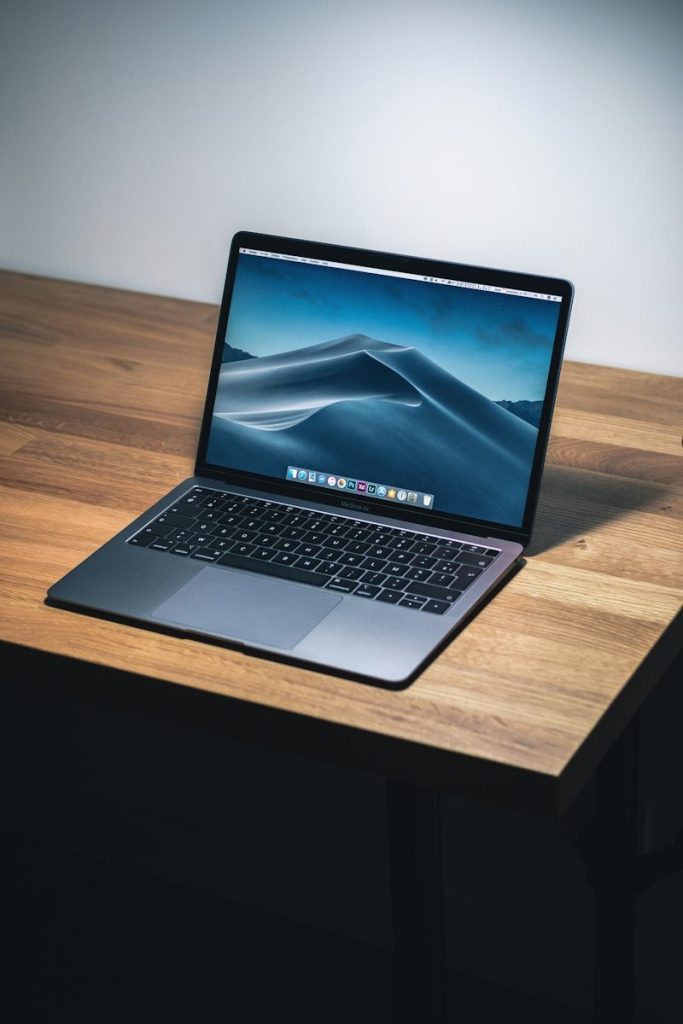
    People often focus on speed, but the display matters every time the laptop is opened. A clear, bright screen can make reading, writing, browsing, and watching content easier on the eyes.

    Resolution, brightness, and overall display quality are worth checking before buying. TechRadar’s student laptop guidance lists display quality as an important factor, with Full HD as a sensible baseline for many users.

    Ports make life easier

    Side view of a silver laptop with white keyboard
    Photo by Kamil Switalski on Unsplash

    Ports can decide how simple a laptop feels in real life. USB-C, USB-A, HDMI, headphone support, and charging options can affect monitors, drives, mice, docks, and accessories.

    A thin laptop may look sleek, but it can be annoying if it needs extra adapters for basic tasks. TechRadar also lists connectivity as a key laptop feature, including modern ports and strong wireless support for daily use.

  • Why gaming laptops are getting thinner but stronger

    Why gaming laptops are getting thinner but stronger

    Gaming laptops used to come with an obvious trade-off. If you wanted serious power, you often had to accept a thick body, loud fans, and a heavy backpack. That is changing fast. Newer gaming laptops are getting slimmer while still handling sharper graphics, faster screens, and heavier workloads.

    The reason is not one single upgrade. It is a mix of smarter chips, better cooling, faster memory, improved power control, and more efficient graphics technology. Modern laptop platforms are designed to balance performance and battery use more carefully, while gaming GPUs now use AI-powered tools to improve frame rates and image quality more efficiently. That is why today’s thin gaming laptops can feel much stronger than their size suggests.

    Chips waste less energy

    Close-up of computer cooling fans and heat pipes.
    Photo by maks_d on Unsplash

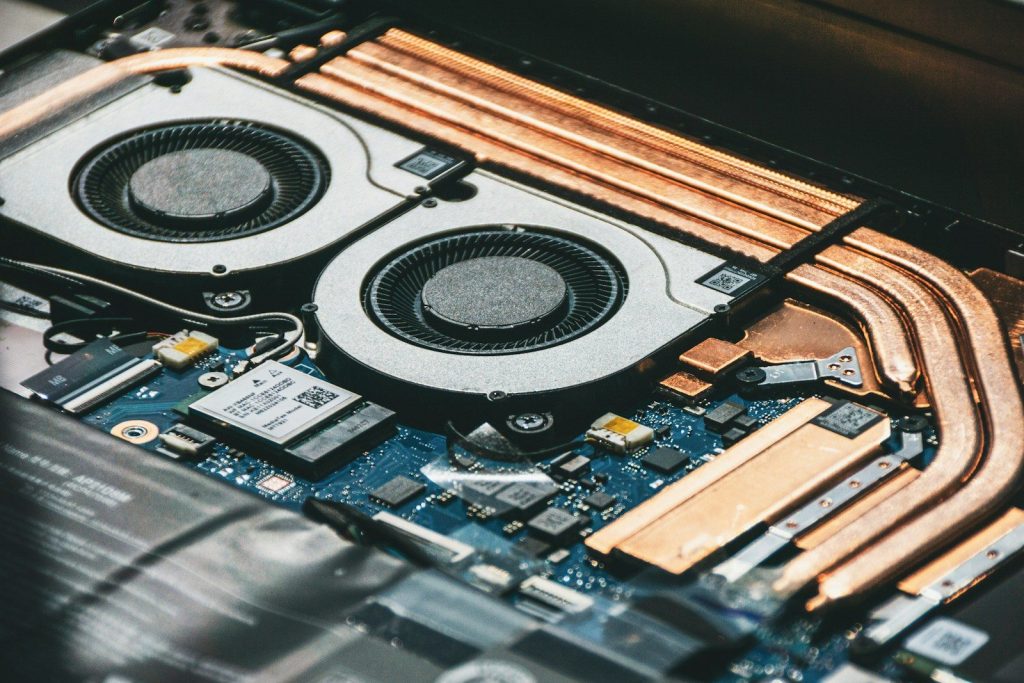
    Newer laptop chips are built to do more work while using power more carefully. That matters because every watt creates heat, and heat is one of the biggest limits in a thin gaming laptop.

    Modern processors also include smarter power management. They can push performance when a game needs it, then pull back during lighter tasks to save energy and control heat.

    GPUs are getting smarter

    a person playing a video game on a laptop
    Photo by Onur Binay on Unsplash

    Gaming laptops depend heavily on the graphics chip. Newer mobile GPUs are not just stronger; they also use smarter features to improve performance without wasting as much power.

    NVIDIA says its Max-Q technologies optimize the GPU, CPU, memory, thermals, software, and display to improve performance and battery life in thin laptops. That kind of system-level tuning helps slim gaming machines feel more capable.

    AI boosts frame rates

    a laptop computer sitting on top of a desk
    Photo by Harshit Suryawanshi on Unsplash

    AI is becoming a major reason thin gaming laptops can feel more powerful. Instead of relying only on raw hardware muscle, some gaming technologies use AI to improve frame rates and image quality.

    NVIDIA’s DLSS technology, for example, uses AI-based rendering to boost performance in supported games. This helps laptops deliver smoother gameplay without always needing a larger, hotter design.

    Cooling is more advanced

    black laptop computer on brown wooden table
    Photo by Onur Binay on Unsplash

    A thin laptop still needs to move heat away from the CPU and GPU. That is why modern gaming laptops use more advanced cooling designs, better fan layouts, vapor chambers, and improved thermal materials.

    The goal is not just to make the laptop cooler. Better cooling helps the hardware hold higher performance for longer, instead of slowing down quickly when a game becomes demanding.

    Power shifts where needed

    black laptop computer beside black and silver headphones
    Photo by Sam Pak on Unsplash

    Gaming performance changes from moment to moment. Some scenes lean harder on the GPU, while others need more CPU power. Modern laptops can adjust power more intelligently between key parts.

    NVIDIA has described Dynamic Boost as a technology that can shift power between the CPU and GPU in real time. That helps the laptop use its limited power budget more effectively.

    Faster memory helps performance

    SODIMM RAM stick
    Photo by Possessed Photography on Unsplash

    Thin gaming laptops also benefit from faster memory and storage. Quick system memory helps the CPU and GPU move data more smoothly, while fast SSDs reduce long loading times.

    This does not replace a strong graphics chip, but it supports the whole system. When games load assets faster and apps respond quickly, the laptop feels stronger in everyday use.

    Screens are more efficient

    black and silver laptop computer
    Photo by Visual Karsa on Unsplash

    Modern gaming laptops often use better displays with high refresh rates, sharper color, and improved brightness. At the same time, display technology has become more efficient than older laptop screens.

    That matters because the screen is always part of the power equation. A better display can make games look smoother and clearer without forcing the laptop body to become much larger.

    Design is more focused

    two computer monitors sitting on top of a desk
    Photo by amjed omaf on Unsplash

    Today’s thin gaming laptops are designed as full systems, not just small cases with powerful parts inside. The chassis, fans, ports, display, battery, software, and chips all need to work together.

    That careful balance is why slim machines can now handle serious gaming better than before. They may still have limits compared with large desktop replacements, but the gap keeps getting smaller.

  • How console gaming became more connected than ever

    How console gaming became more connected than ever

    Gaming used to feel tied to one box, one TV, and one room. Today, consoles feel more like connected hubs for friends, saves, screenshots, subscriptions, and games that can follow you across screens. A player might start a game on a console, check friends from a phone, stream a title on another device, or keep progress safe in the cloud.

    The biggest change is not just better graphics or faster loading. It is how much of gaming now happens around the console, not only inside it. Online play, cross-platform friends, cloud saves, remote play, and shared accounts have made console gaming feel less isolated and more flexible than ever.

    Online play changed everything

    Couple playing video games on sofa
    Photo by Vitaly Gariev on Unsplash

    Console gaming became more social when online multiplayer moved from a bonus feature to a normal part of play. Players no longer had to sit in the same room to team up, compete, or talk through a match.

    Services like PlayStation Plus include online multiplayer, while Nintendo Switch Online supports online play and cloud save features for compatible games. These services helped make connected gaming feel like part of the standard console experience.

    Friends now follow you

    white xbox one game controller
    Photo by Kamil Switalski on Unsplash

    A console account is more than a username now. It can hold your friends list, messages, achievements, purchases, game history, and profile details across different devices.

    Xbox, for example, promotes one account for games and friends across its ecosystem, while the Xbox mobile app lets players chat, share clips, view achievements, and stay connected away from the console. That makes gaming feel less locked to the living room.

    Saves became less fragile

    person holding black game controller
    Photo by Sam Pak on Unsplash

    Older console players often worried about lost memory cards, broken systems, or erased progress. Cloud saves helped reduce that fear by backing up progress online when a game and membership support it.

    Nintendo says Switch Online can automatically store save data online for compatible games. Xbox Play Anywhere also lets supported games carry saves, add-ons, and achievements across Xbox consoles, Windows PCs, and supported handhelds.

    Crossplay opened the walls

    Hand holding a gaming device with game menu
    Photo by Amanz on Unsplash

    Console brands used to feel like separate neighborhoods. Crossplay has made many games feel more open, because friends can play together even when they own different systems.

    Fortnite lets players manage cross-platform play settings on consoles, and Rocket League supports online matchmaking across Epic Games Store, PlayStation, Xbox, Nintendo Switch, and Steam. That shift helped make the game itself more important than the device.

    Streaming added new freedom

    a person sitting at a desk
    Photo by Daniel Lincoln on Unsplash

    Remote play and cloud streaming have also changed what “console gaming” means. A console game does not always need to stay on the main TV anymore.

    PlayStation Remote Play lets players stream and control PS4 or PS5 games on compatible devices through broadband or mobile data. PlayStation Plus Premium also offers cloud streaming for select games on PS5 and PlayStation Portal, adding more ways to play.

    Communities grew beyond consoles

    two video game controllers sitting side by side
    Photo by Kamil Switalski on Unsplash

    Modern consoles connect players to wider communities through clips, screenshots, parties, leaderboards, and mobile apps. Sharing a win or checking a friend’s progress can happen even when the console is off.

    This is why console gaming feels bigger now. The hardware still matters, but the real experience is spread across accounts, cloud features, friends, apps, and services that keep players connected before and after each game session.