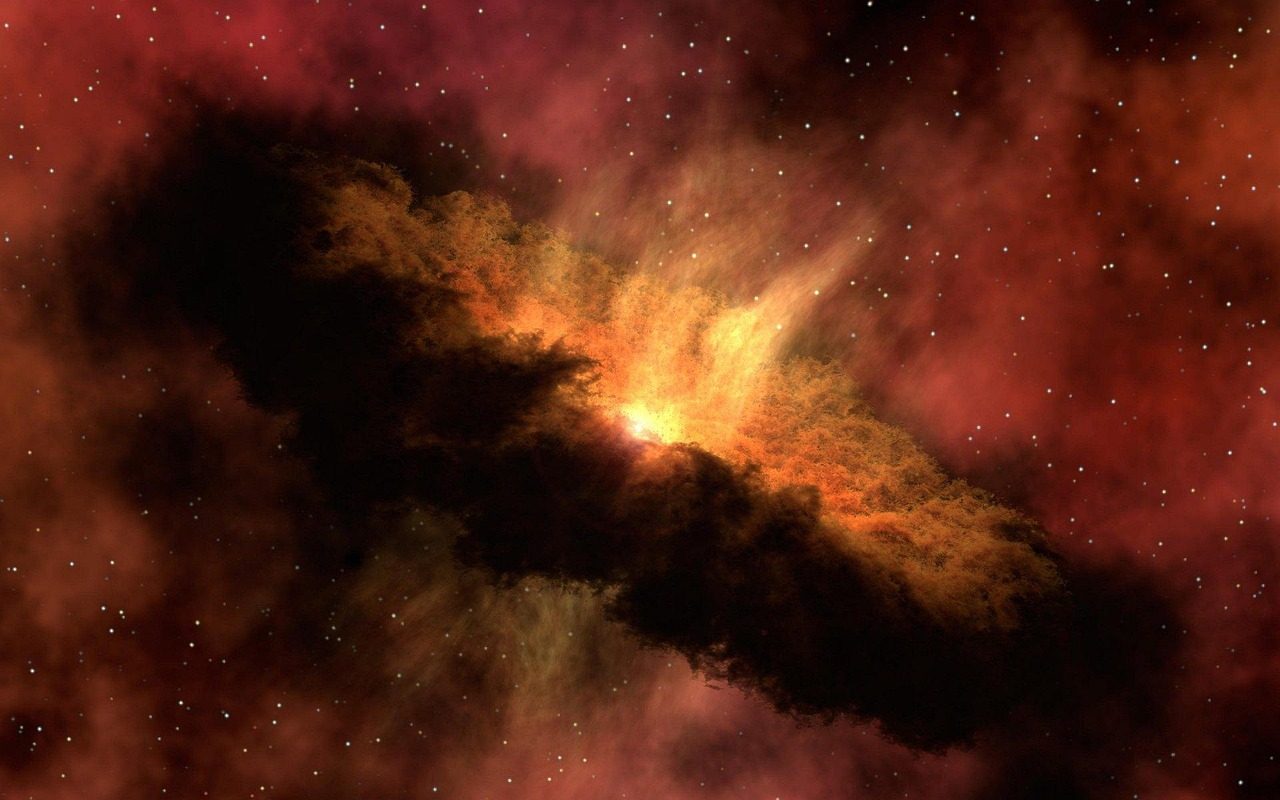
Space is supposed to follow rules, but a new discovery from NASA is throwing the rulebook out the window. Astronomers have just pointed our most powerful telescopes at a distant cloud of gas known as a “planet nursery.” What they found was not a peaceful birth of new worlds. Instead, it is a scene of total cosmic violence. Massive stars are tearing apart newborn planets before they even have a chance to cool down.
This region is so chaotic that it is challenging everything we know about how our own Solar System was formed. The energy levels in this “nursery” are higher than anything ever recorded in this part of the galaxy. It is like a high-speed car crash happening on the scale of a solar system. Scientists are now worried that this kind of chaos might be much more common than we ever suspected. But what exactly is making these baby planets explode before they are even finished?
The Star That Acts Like a Cosmic Shredder
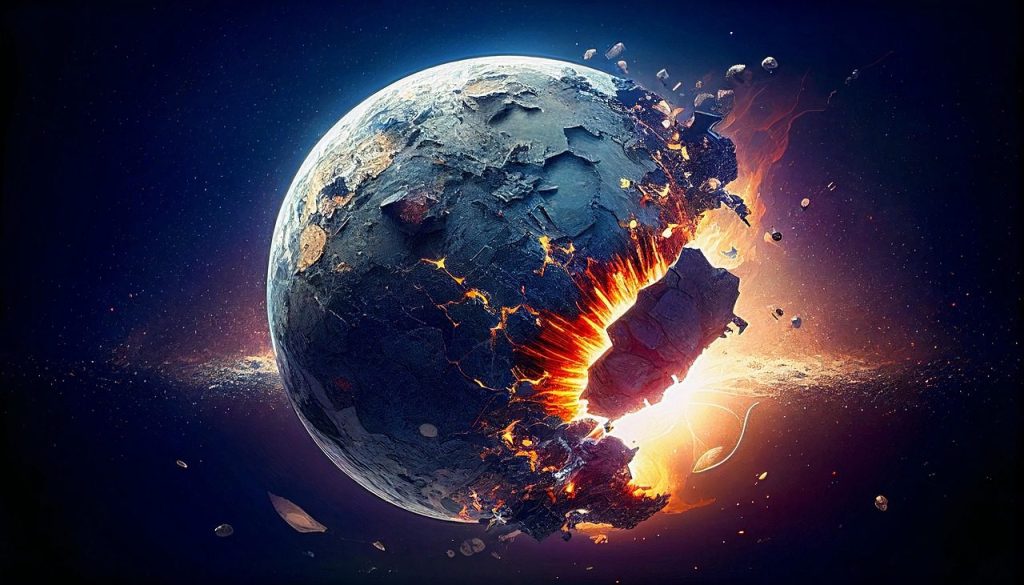
The main culprit in this chaotic nursery is a giant star that is millions of times brighter than our Sun. This star emits “stellar winds” that are so powerful they can strip the atmosphere off a planet in a few thousand years. Usually, planets have millions of years to grow. In this nursery, they are lucky to survive for a few centuries.
Scientists watched in shock as the star’s radiation literally shredded the gas clouds that form planets. It is a race against time that most worlds are losing. But how can a planet even start to form in such a messy environment?
Hidden Gravity Pockets Creating Chaos
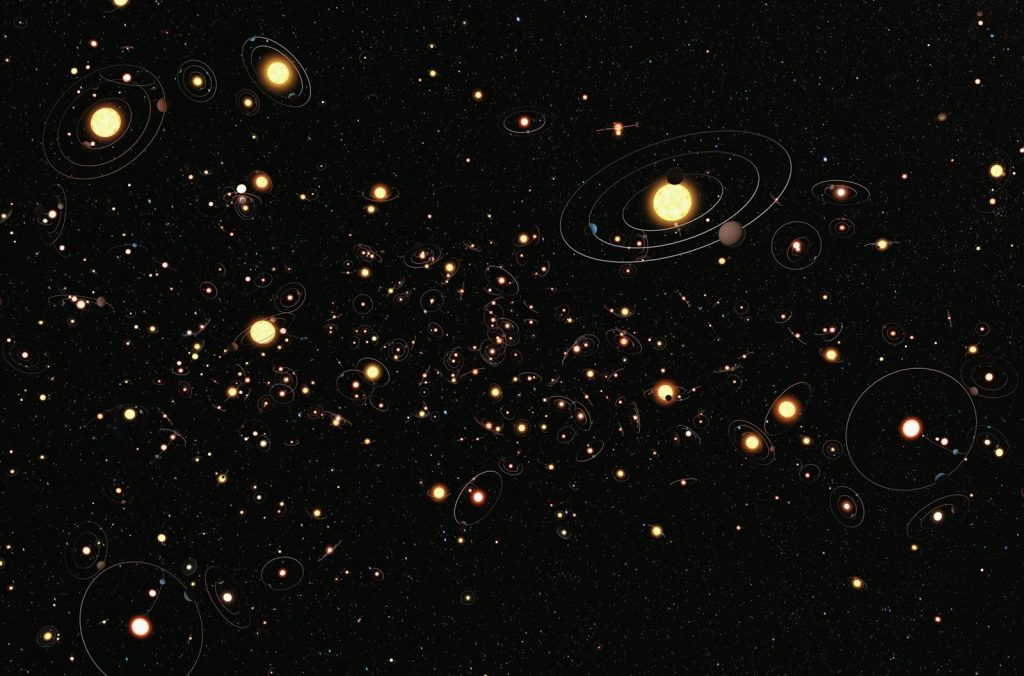
It isn’t just the light that is the problem. The gravity in this nursery is a complete mess. Because there are so many massive objects close together, baby planets are being pulled in five different directions at once.
Instead of a smooth orbit, these worlds are being tossed around like toys in a bathtub. This gravitational tug-of-war often ends with two planets smashing into each other at record speeds. We are seeing the “bricks” of a solar system being turned into dust before they can build anything. But wait until you see what happens to the water in these systems.
The Water Vapor That Should Not Exist
In the middle of all this heat and violence, NASA found something impossible. They detected massive clouds of water vapor floating in the chaos. Usually, water would be evaporated instantly by the intense radiation of the nearby stars.
Somehow, the chaos is creating “shadow zones” where water can survive. This suggests that the ingredients for life can exist even in the most terrifying places in the universe. But is this water enough to save a planet from being destroyed?
Why This Discovery Rewrites Earth’s History
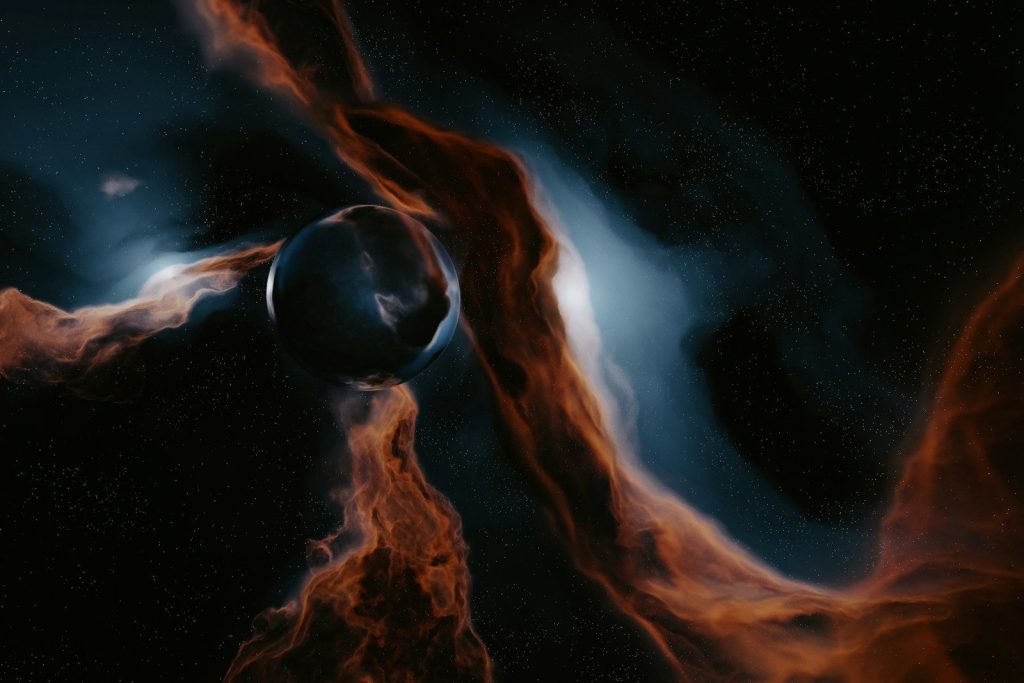
For a long time, we thought our Solar System was born in a quiet, lonely part of the galaxy. But the “Chaotic Nursery” suggests that we might have survived a similar nightmare. If planets can form in these violent clouds, it means Earth might be a survivor of a cosmic war.
We are looking at our own history in a mirror, and the mirror is terrifying. It makes our peaceful blue planet look like a one-in-a-billion miracle. But could there be a planet actually thriving in this mess?
The Ghost Planets Hiding in the Dust
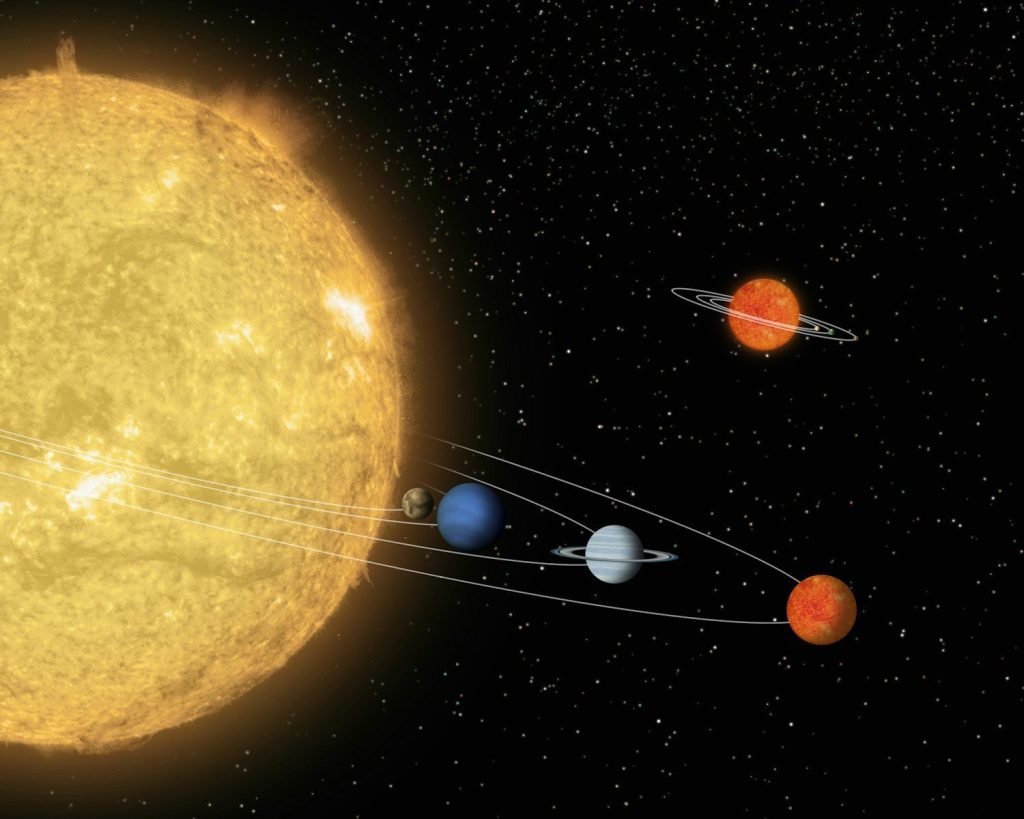
NASA’s new infrared sensors have revealed “ghost planets” that were hidden by the thick cosmic dust. These are worlds that were kicked out of their orbits and are now drifting through the nursery alone.
They are cold, dark, and destined to be swallowed by the central star. These drifting worlds are a warning of what happens when gravity goes wrong. But scientists have noticed something strange about the way these ghosts are moving.
Is This Nursery a Death Trap or a Cradle?
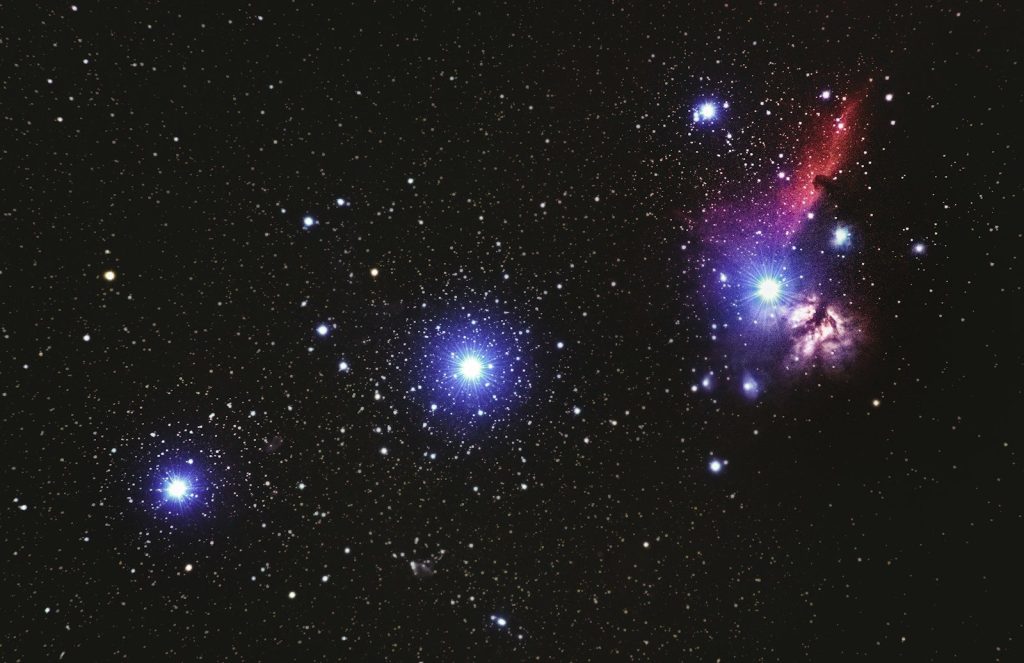
Some astronomers believe that the chaos is actually necessary. The collisions might be the only way to get the right chemicals together to build a rocky planet like ours. It is a “trial by fire” that creates the strongest worlds.
We are watching the universe “cook” new solar systems, even if the kitchen is a disaster. It is a hopeful yet scary look at how life begins. But what happens when the central star finally runs out of fuel?
The Final Countdown for These Baby Worlds
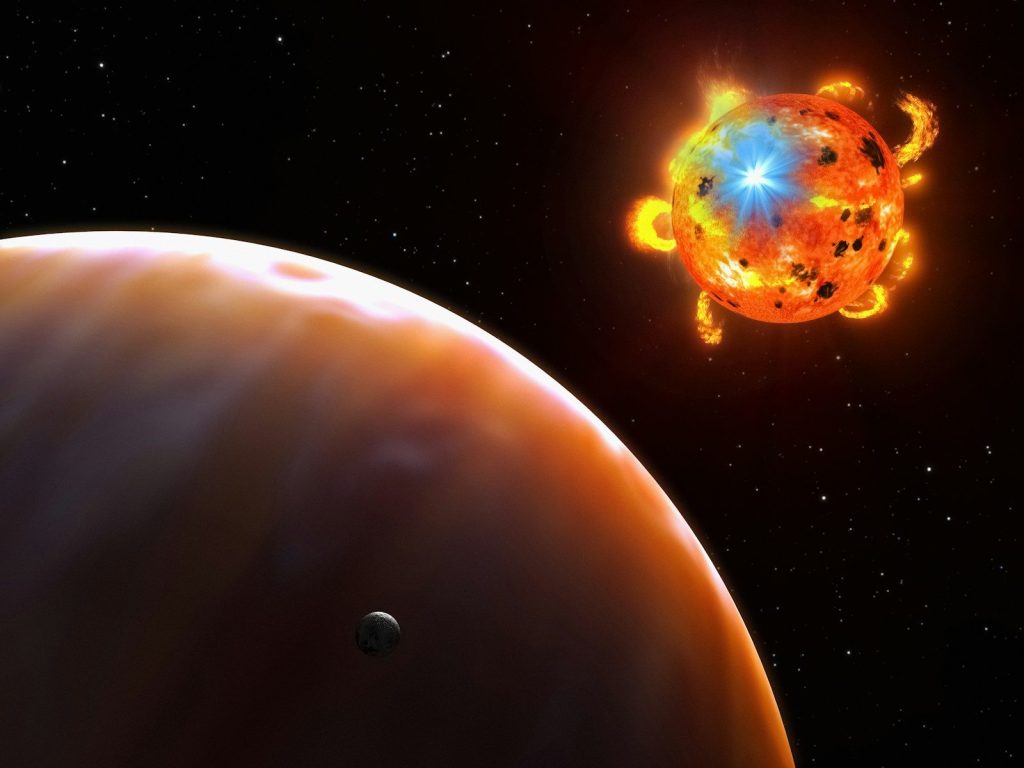
Within a few million years, the nursery will be gone. The giant stars will explode, and the baby planets will either be destroyed or sent flying into the deep void. It is a high-speed drama that we are lucky to catch in real-time.
Every image NASA sends back is a piece of a puzzle we are still trying to solve. The “Chaotic Nursery” is a reminder that we live on a very fragile island in a very violent sea. But while we look at the stars, a mystery is waiting on Earth inside an ancient building with no way in.
Featured Image: Photo by WikiImages on Pixabay
Leave a Reply