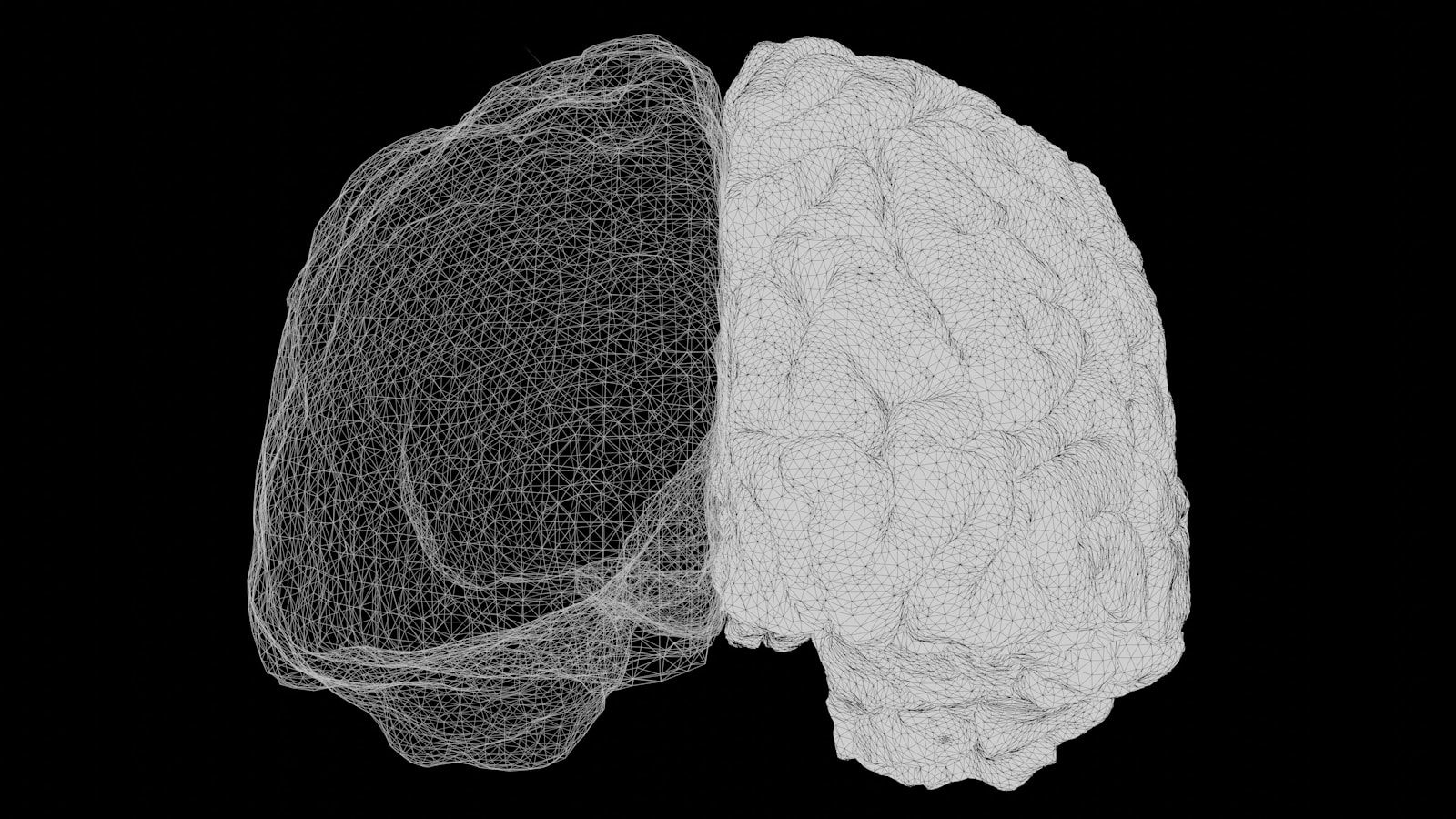
We have always treated our ancient ancestors like they were simple, animal-like creatures. We thought they were focused only on survival and food. But a groundbreaking new study using “digital brain reconstruction” has just shattered that myth. Scientists have used high-resolution scans of ancient skulls to map the shape and size of the brains that used to live inside them.
The results prove that these “primitive” people had the exact same emotional and creative centers that we have today. They didn’t just survive—they felt love, grief, and curiosity. They were capable of complex language and art long before they ever built a city. This discovery is turning human history on its head. We aren’t just related to them; we are them. But how can a piece of bone tell us how someone felt 50,000 years ago?
Mapping the “Creativity Hub” of the Past
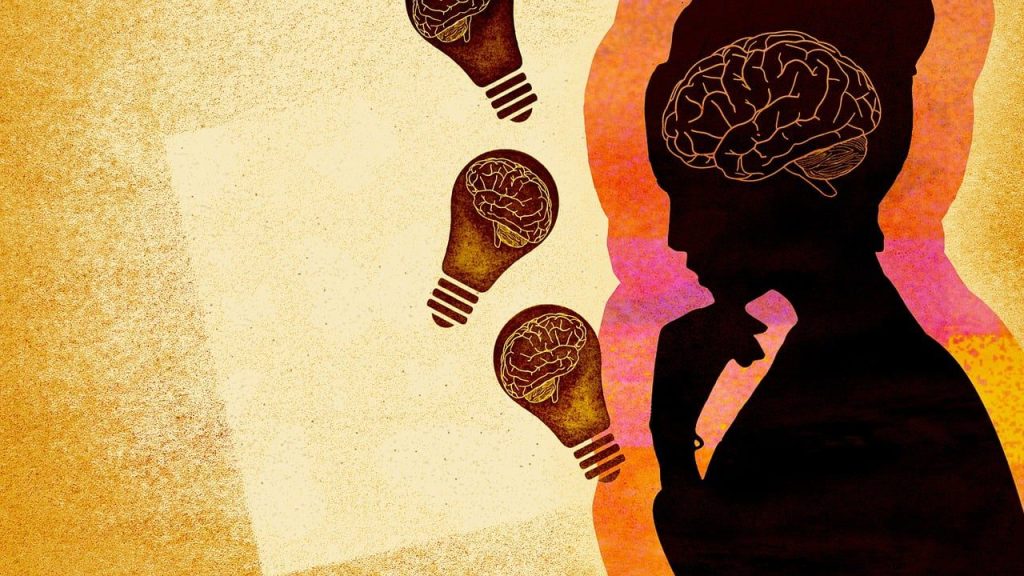
The brain scans focused on a part of the brain called the frontal lobe. This is where humans do their planning and imagining. In our ancient cousins, this area was just as developed as ours.
This means that when they were sitting around a fire, they weren’t just thinking about the next hunt. They were likely telling stories and imagining the future. The “scans” show that their brains were wired for creativity just like yours. But the most surprising discovery was in the part of the brain that handles “community.”
The Brain Center for Empathy and Grief
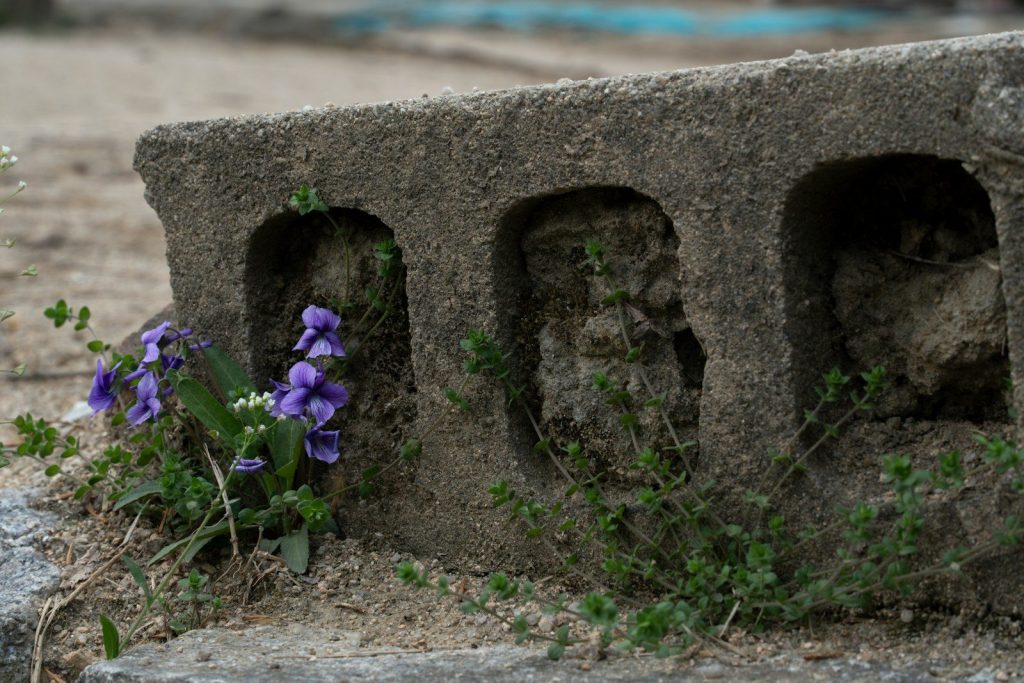
Scientists found that the areas of the brain responsible for empathy were highly active in ancient humans. We have found graves where ancient people were buried with flowers and colorful stones.
The new scans prove that this wasn’t just a random act. Their brains were biologically designed to feel deep loss and connection to their family. They cared for the sick and the elderly just as much as we do. It was a “human” world long before the first book was written. But did they have the ability to talk like we do?
Decoding the “Speech Engine” in Ancient Skulls
The scans also looked at Broca’s Area,” which is the part of the brain that controls speech. In ancient humans, this area was perfectly formed. This suggests that they had complex languages with grammar and subtle meanings.
They weren’t just grunting; they were likely debating and sharing ideas. We are looking at a world of thousands of lost languages that we can no longer hear. It is a beautiful yet haunting realization. But how did they use this brainpower to survive the Ice Age?
The High-Speed Strategy Center
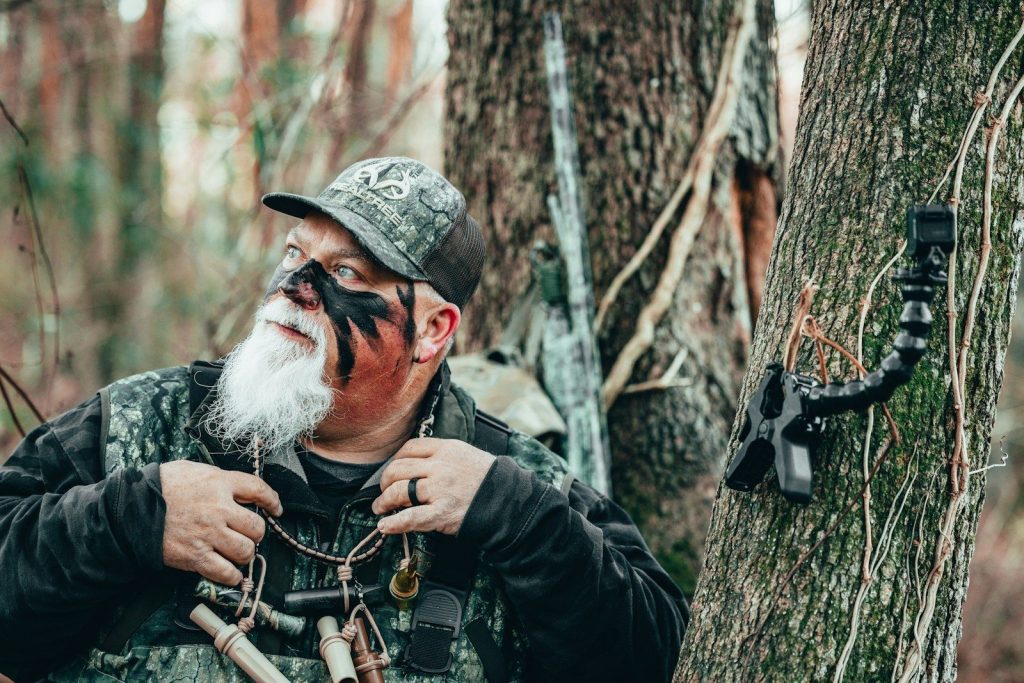
During the hunt, ancient humans had to make split-second decisions. The brain scans show that their “reaction” centers were incredibly sharp. They could coordinate with twenty other people in total silence using only a few signals.
It was a level of focus that most modern people have lost. Their brains were like high-performance computers tuned for the wild. This “natural intelligence” is what allowed us to conquer the planet. But wait until you see how they used this intelligence to create the first “smart” tools.
The Genetic Bridge to the Present

The final part of the study compared these ancient brain maps to modern DNA. We found that 99 percent of the brain’s “wiring” has stayed the same. This means that if you brought a baby from 30,000 years ago into the modern world, they would grow up to be a doctor, an engineer, or an artist.
They had all the “hardware” ready to go. We haven’t “evolved” into something better; we have just built bigger tools. We are finally giving our ancestors the respect they deserve. But what happens to our understanding of history when we realize they were just as smart as we are?
The End of the “Caveman” Myth

The “Caveman” who only grunts and hits things is officially dead. The science shows a person who is thoughtful, emotional, and highly social. We are seeing a past that is full of color and personality.
It is a hopeful discovery that makes us feel more connected to our own roots. We are finally meeting our family for the first time. But while we discover our inner world, a farmer in a muddy field has just found a literal fortune of gold.
Leave a Reply