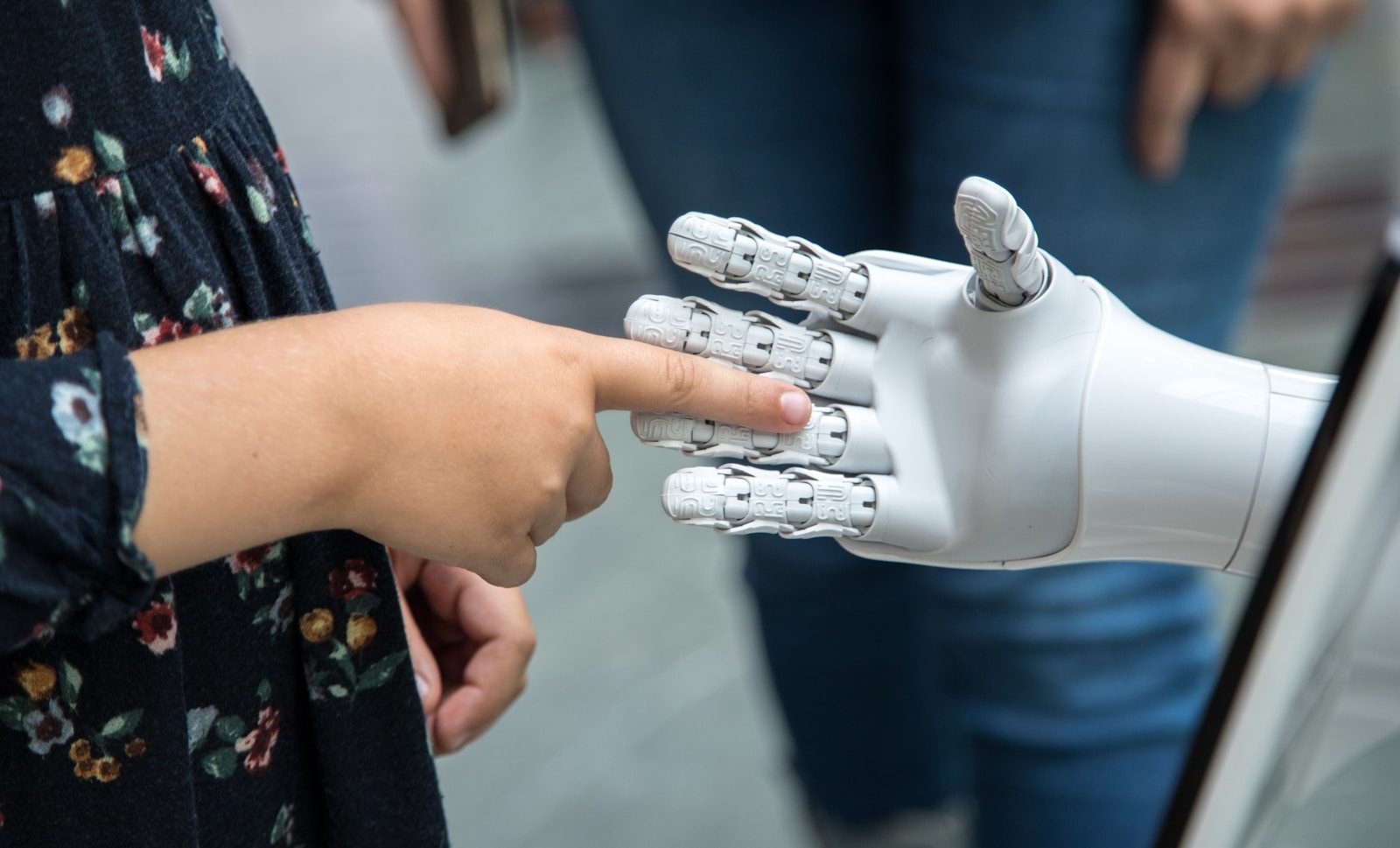
For a long time robots have been cold, hard and clumsy. They could pick a car engine, but they would crush a grape or a strawberry. They lacked the sense of touch humans use to cross the world. But in 2026, a strange new technology is changing the way machines interact with our environment. Scientists have developed a digital skin that can feel pressure, heat and even texture.
This isn’t just about making robots better at chores. It is about creating machines that can safely work alongside humans in hospitals and homes. This breakthrough uses microscopic sensors embedded in a soft flexible polymer that mimics the way human skin sends signals to the brain. We are watching the birth of a machine that can feel a hug or handshake. It is a beautiful, yet somewhat terrifying leap in engineering. But how does a piece of plastic feel the difference between silk and sandpaper?
The Secret of Electronic Skin
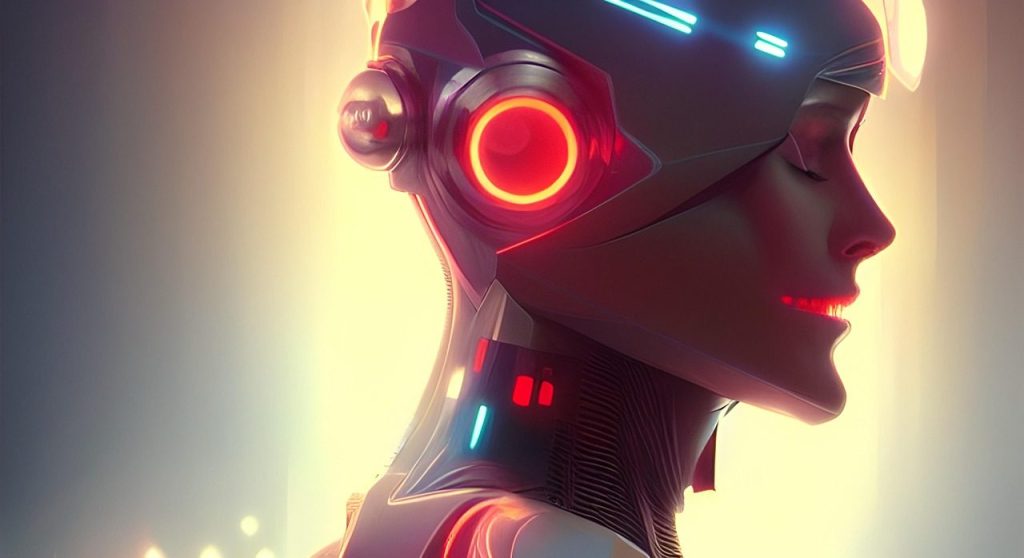
The new material is called E-Skin. It is packed with thousands of sensors per square inch. When the skin touches something, these sensors create a tiny electrical charge. The machine’s AI then analyzes that charge to identify the object. It can feel the microscopic ridges on a piece of fabric just like your fingertips do. This allows the robot to adjust its grip in real-time. But pressure is only part of the story. Can a robot feel the warmth of your hand?
Sensing the Heat of the World:

Human skin is extremely good at detecting temperature. We know when something is too hot to touch before we even grab it. The 2026 Human Touch technology includes thermal sensors that allow robots to see heat. This is a revolution for robots working in factories or kitchens. They can sense if a person is nearby by their body heat, preventing accidents. It makes the machine feel alive because it reacts to its environment with a sense of self-preservation. How does this help a robot perform surgery?
Precision Surgery with a Soft Grip

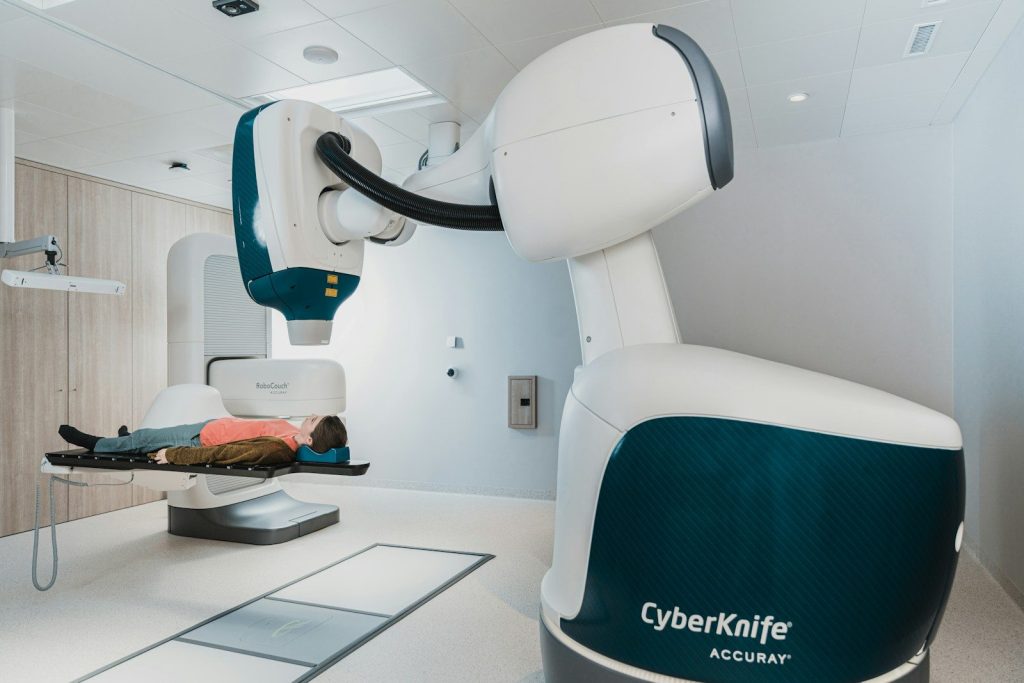
The biggest impact of this human touch is in the operating room. Surgeons can now use robotic tools that provide Haptic Feedback. This means the surgeon can actually feel the resistance of the tissue through the machine. It allows for much more delicate movements during brain or heart surgery. It reduces the risk of errors and helps patients heal faster. We are giving machines the gentle hands they need to save lives. But can this technology be used to help people who have lost their own limbs?
Restoring Feeling to the Human Body
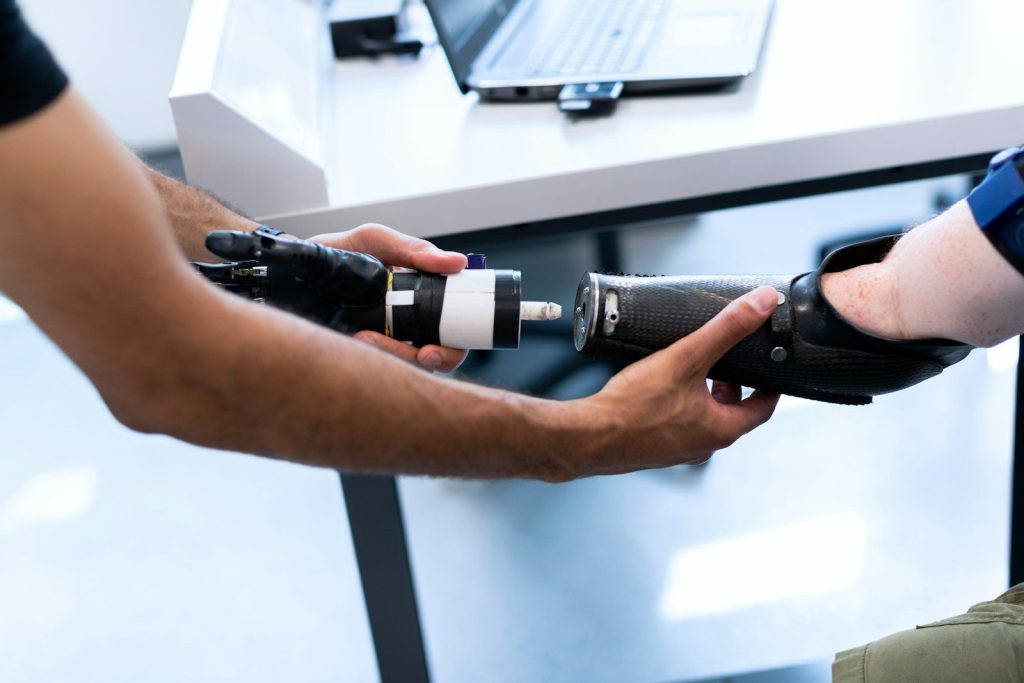
The E-Skin technology is already being used to create Smart Prosthetics. For people who have lost an arm or a leg, these devices can send touch signals directly into their remaining nerves. This allows them to feel the ground beneath their feet or the hand of a loved one. It is a literal Human Touch that restores a sense of wholeness. The connection between mind and machine is becoming seamless. But as machines get more sensitive, will they start to feel pain too?
The Debate Over Robotic Pain:
If a robot can feel pressure and heat, can it also feel “ouch”? Scientists are debating whether robots should be programmed to avoid painful stimuli to protect their own hardware. This raises big questions about the ethics of how we treat machines. If a robot can feel the world as we do, does it deserve the same respect as a living creature? We are in a gray area where biology and technology are melting together. But the future of this technology isn’t just in robots, it’s in your own home.
The Touch Sensitive Future Home
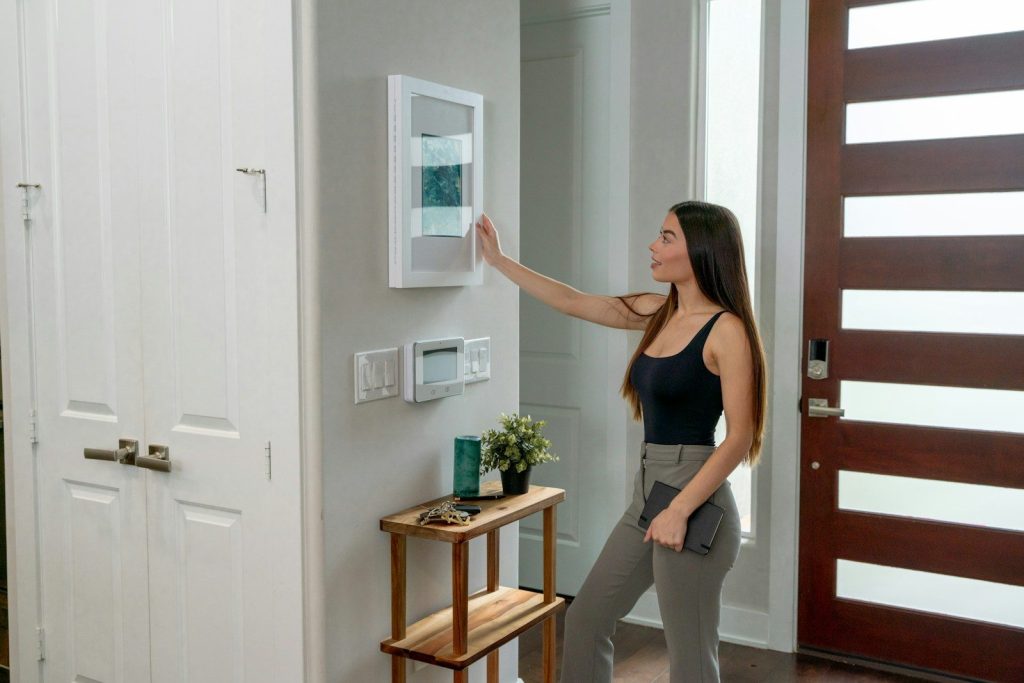
Soon, your walls and furniture might be covered in this sensitive E-Skin. Your house will know if you are sitting on the couch and adjust the temperature. It will sense if someone falls and call for help. Your environment will respond to your presence through the power of touch. It is a soft, invisible revolution that makes our world feel more connected and safe. We are building a world that feels us. But while our machines get a human touch, our planet is dealing with a microscopic discovery inside a cow.
The Countdown to a Sensitive World:
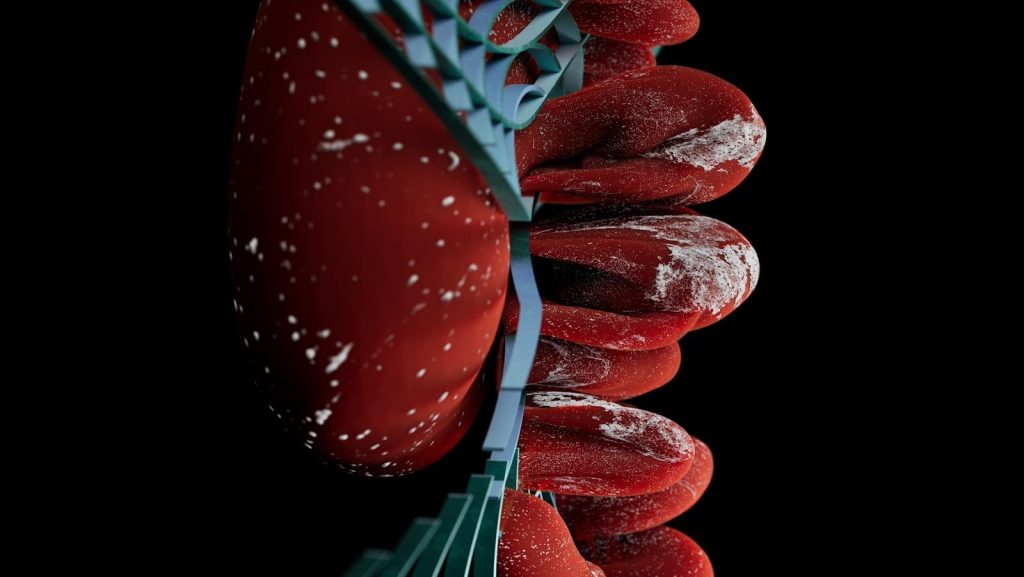
The world is about to become a lot more sensitive. We are moving towards a future in which our machines and our homes will understand our physical needs before we even say a word. This technology connects the final gap between metal and flesh. Keep your hands ready, because the next thing you touch could be a machine that touches you back.
Leave a Reply