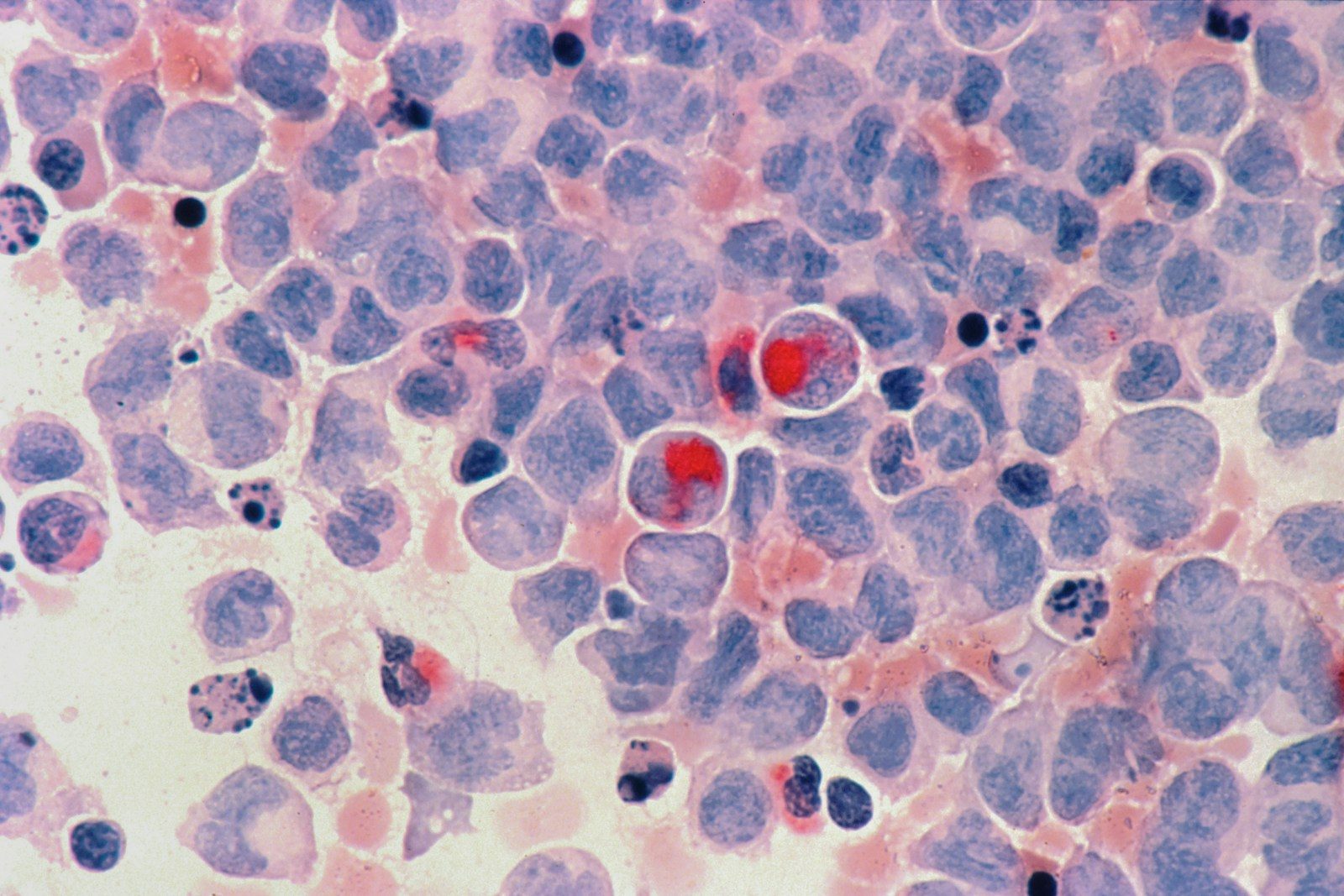
For years, a revolutionary cancer treatment called CAR-T therapy has been making headlines. It works by taking a patient’s own immune cells and “teaching” them to hunt down cancer like a heat-seeking missile. It has saved lives, but it has a scary reputation. Some patients suffer from intense side effects like high fevers or brain fog as their immune system goes into overdrive. But in 2026, a new breakthrough using CRISPR gene-editing technology has fixed this problem.
Scientists are now using CRISPR to “fine-tune” these warrior cells before they are put back into the body. This isn’t just about killing cancer; it’s about doing it safely. We are entering an era where the treatment is as gentle as it is powerful. The fear of the “immune storm” is quickly becoming a thing of the past. But how do you tell a microscopic cell to calm down when the fight is over?
The Genetic “Off Switch” for Medicine
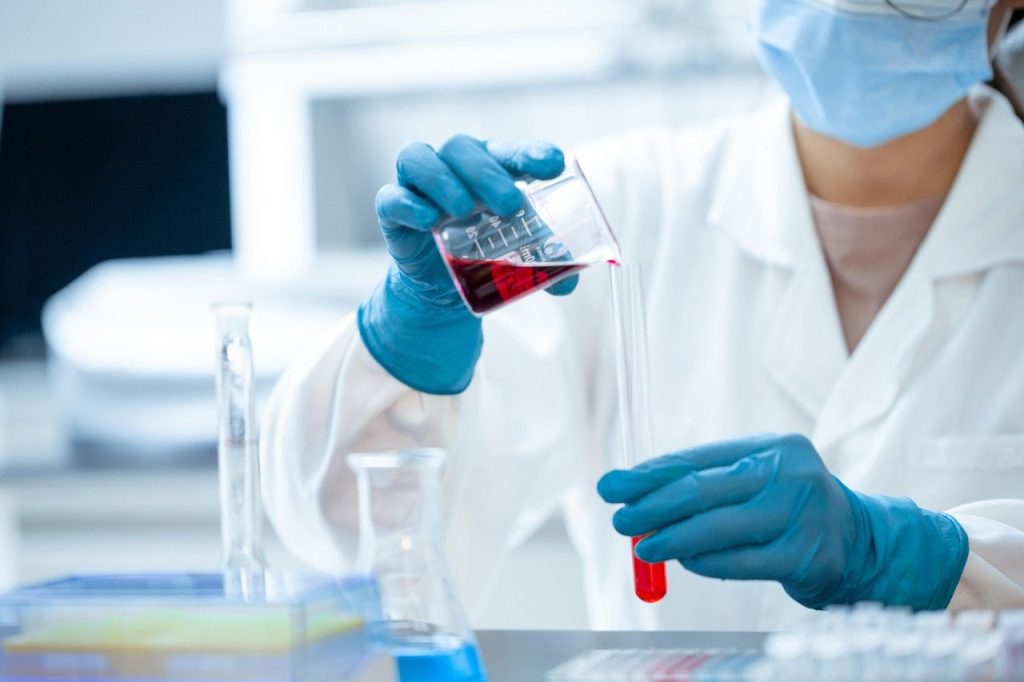
The biggest danger of old CAR-T therapy was that the cells wouldn’t stop fighting. They would keep attacking even after the cancer was gone, causing damage to healthy tissue. With CRISPR, researchers have added a “safety switch” to the cells’ DNA.
If the patient’s body starts to react too strongly, doctors can give a simple pill that tells the CAR-T cells to take a break. It is a level of control that was impossible just a few years ago. We are no longer just letting a medicine loose; we are driving it. But can this technology handle the most difficult cancers?
Targeting Cancers with Perfect Precision
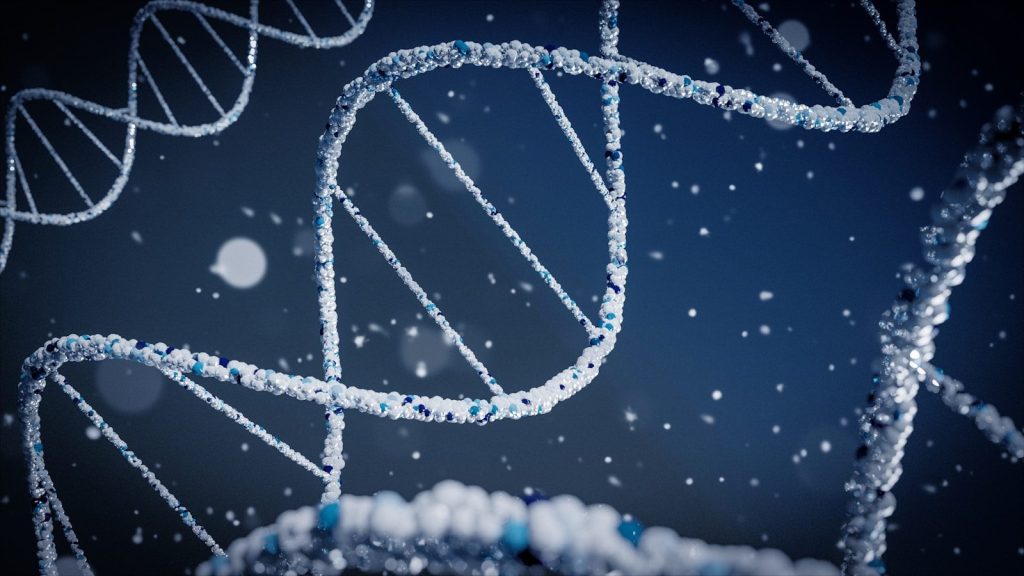
CRISPR allows scientists to remove the “blind spots” that cancer cells use to hide. Many tumors produce a protein that tricks the immune system into thinking they are healthy tissue.
By editing the CAR-T cells, we can give them “super-vision” that sees right through the tumor’s disguise. This means the cells only attack the cancer and leave everything else alone. It reduces the “friendly fire” that caused so many side effects in the past. But is this high-tech treatment affordable for the average patient?
Reducing the Time and the Cost
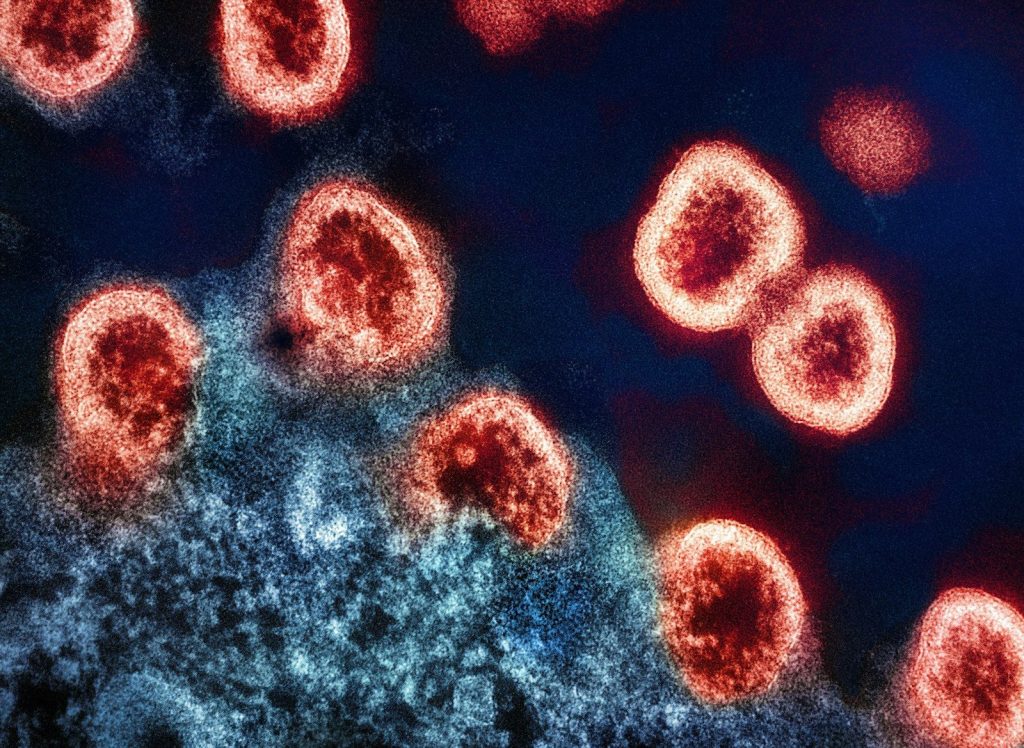
One of the biggest side effects for families was the cost and the wait. It used to take weeks to grow enough CAR-T cells for a single patient. CRISPR has sped up this process by making the cells more efficient at multiplying in the lab.
We are moving toward “off-the-shelf” CAR-T therapy that can be given to a patient the same day they are diagnosed. This reduces the stress on the patient and the burden on the hospital. It is a total reset for cancer care. But what happens to the patient’s immune system in the long run?
A Stronger Body After Treatment
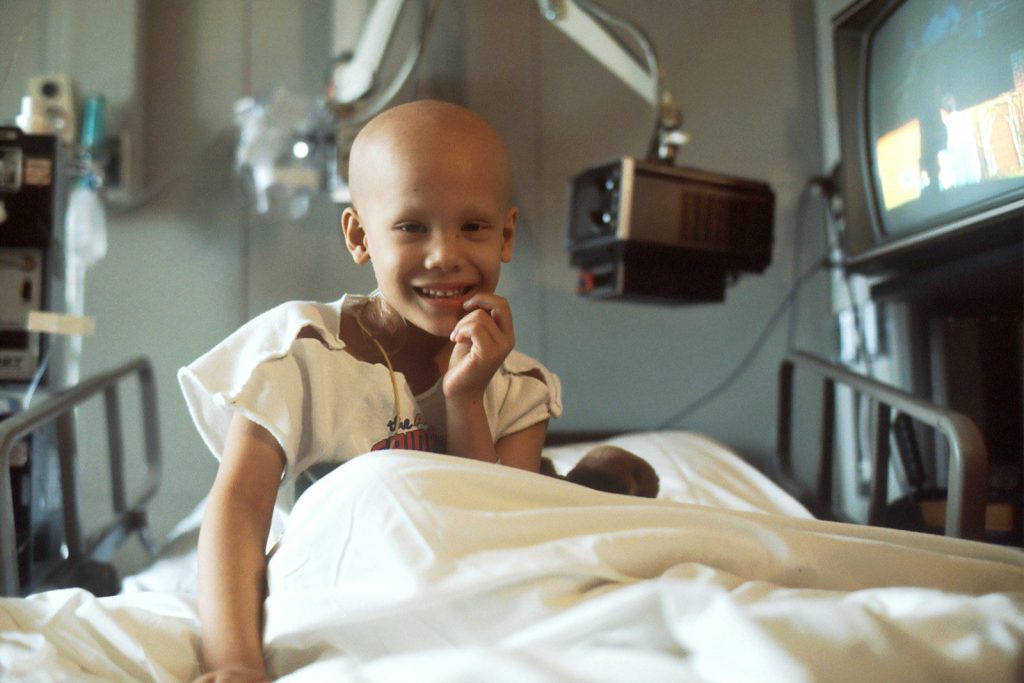
In the past, patients were often left weak after their battle with cancer. The CRISPR-enhanced cells actually help protect the rest of the immune system during the fight. Because the treatment is so targeted, the patient doesn’t need heavy chemotherapy or radiation.
They can stay strong and recover faster. We are seeing patients return to their normal lives in weeks instead of months. It is a miracle of modern engineering that happens at the molecular level. But can this technology be used for other diseases?
The End of Autoimmune Struggles
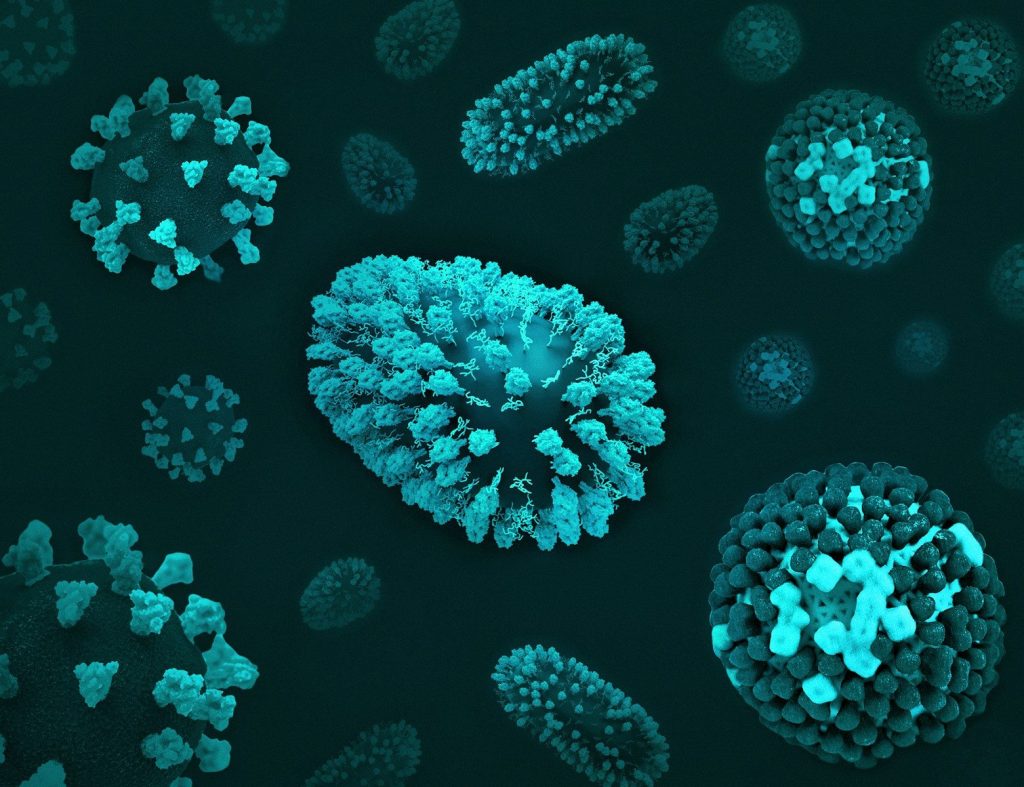
The lessons we are learning from CRISPR and CAR-T are already being used to treat diseases like Lupus and Multiple Sclerosis. Instead of telling the cells to attack, scientists are teaching them to “ignore” the healthy parts of the body.
It is the same technology used in a completely different way. We are effectively “debugging” the human immune system. The future of medicine is no longer about drugs; it is about data and editing. But are there any risks to changing our DNA like this?
The Ethics of the “New” Human
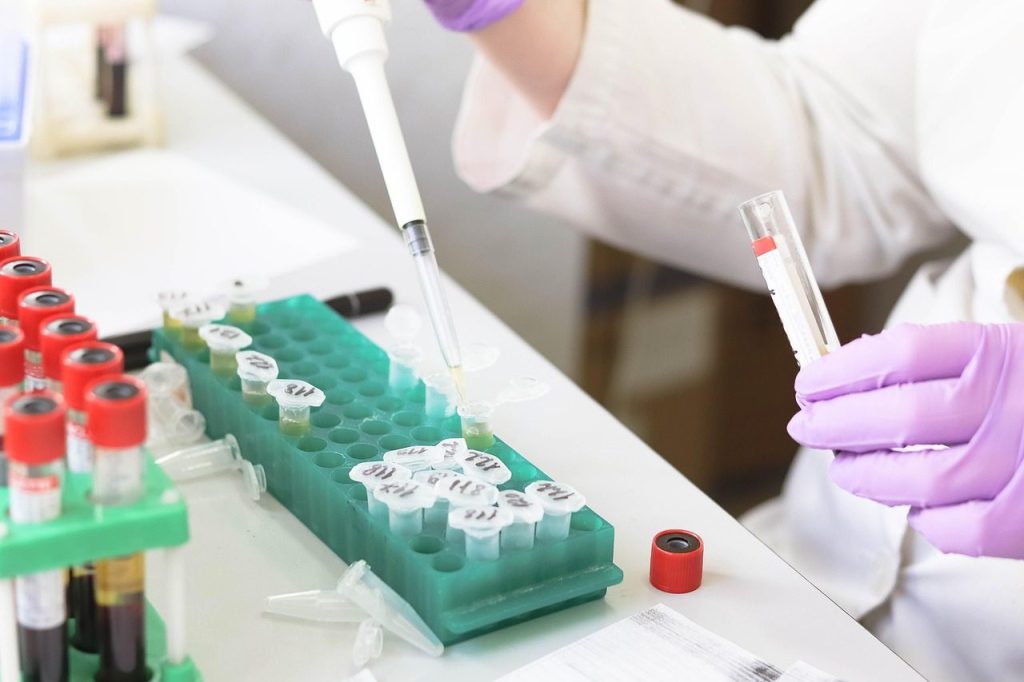
Doctors and philosophers are working together to make sure this technology is used safely. Every CRISPR edit is tracked and monitored by international health agencies. We are making sure that these “super cells” only do what they are supposed to do.
The focus is entirely on healing, not on changing who we are. It is a responsible approach to a powerful tool. The results so far have been nothing short of life-changing. But while we fix our bodies, what is happening to the way we build the world around us?
A Hopeful Future for Everyone
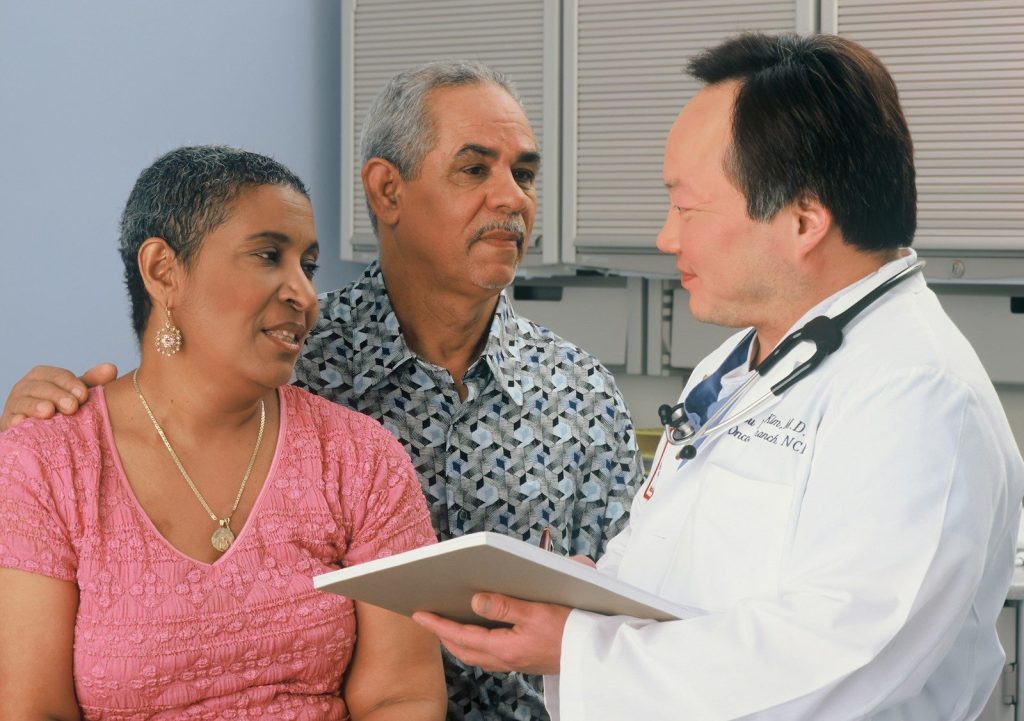
The CRISPR-CAR-T breakthrough is proof that we can solve the world’s biggest health problems if we work together. We have turned a terrifying treatment into a safe and accessible cure. The word “incurable” is disappearing from the medical dictionary.
It is an exciting time to be alive. We are taking the fear out of cancer and replacing it with hope. But while we master biology, our machines are learning to think for themselves. Are you ready to see how AI is writing its own code?
Featured Image: Photo by National Cancer Institute on Unsplash
Leave a Reply