Blog

  • The Most Bizarre Objects Ever Discovered In Deep Space

    The Most Bizarre Objects Ever Discovered In Deep Space

    Most stargazers believe that the night sky is populated only by standard stars, planets, and moons. We assume that cosmic structures follow highly predictable patterns of formation.

    But deep space telescopes have captured a series of highly bizarre objects that completely defy cosmic rules. These extreme anomalies are forcing astronomers to rewrite their entire stellar playbooks.

    Stars Surviving Supernova Explosions
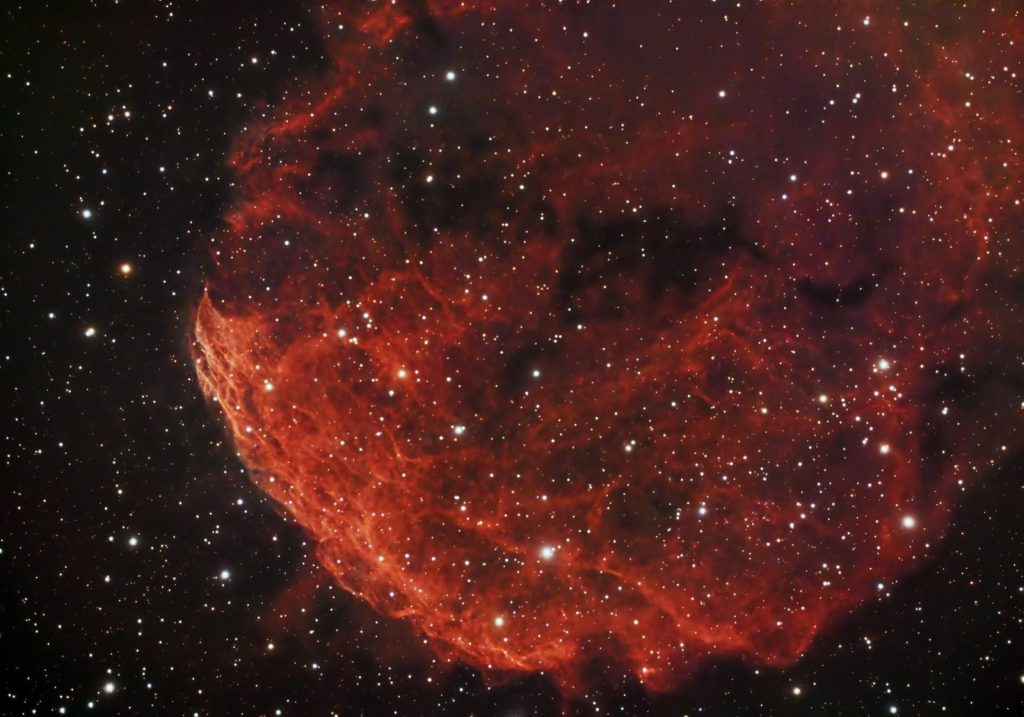
    Dramatic view of the red Jellyfish Nebula amidst stars in the cosmos
    Photo by Daniel Cid on Pexels

    A massive supernova explosion normally destroys a dying star completely and leaves only dust behind. According to telescope data from NASA, researchers have detected a rare class of zombie stars that survive these violent blasts. They are highly resilient. These bruised stellar remnants continue to burn dimly in the dark long after their peers vanished. But these undead stars are only the first cosmic anomaly.

    Planets Crafted From Crystal

    Stunning macro shot of purple and blue crystals, revealing intricate textures and vibrant colors.
    Photo by Merlin Lightpainting on Pexels

    Some extreme worlds are constructed from materials that would be incredibly precious on Earth. According to planetary geologists, a distant super-Earth orbiting a nearby star is made mostly of solid diamond and graphite. The wealth is staggering. This carbon-rich planet experiences such intense pressure that its core crystallized into sparkling gem rock. But other dark worlds are completely devoid of any light.

    Galaxies Made Of Dark Matter

    red string on clear surface
    Photo by Jr Korpa on Unsplash

    Most galaxies contain billions of bright stars that light up the cosmic void for astronomers. According to research from the Hubble Space Telescope, a recently mapped ghost galaxy contains almost zero visible stars. It is completely invisible. This massive structure consists almost entirely of mysterious dark matter that holds no light. But this silent giant is creating an intense gravitational pull on nearby systems.

    Oceans Without Any Land

    body of water under starry night
    Photo by Patrick Connor Klopf on Unsplash

    Some exoplanets do not possess any solid rock surfaces for life to crawl upon. According to reports from the European Space Agency, researchers have located a world covered entirely by a global ocean hundreds of miles deep. There is no land. The high pressure at the bottom of this massive ocean turns the water into a bizarre form of hot ice. But some objects are traveling through space completely alone.

    Drifting Rogue Space Wanderers
    a man standing in the middle of a dark cave
    Photo by vista graphics3d on Unsplash

    Standard planets are bound to their host stars and follow predictable circular orbits forever. According to astronomical surveys, billions of rogue planets are drifting completely alone through the absolute dark of interstellar space. They have no sun. These lonely wanderers were violently ejected from their home solar systems during chaotic early planetary collisions. But some stars are actively consuming their own families.

    Vampires Siphoning Stellar Partners
    Artistic depiction of the solar system with planets orbiting the sun in space.
    Photo by Zelch Csaba on Pexels

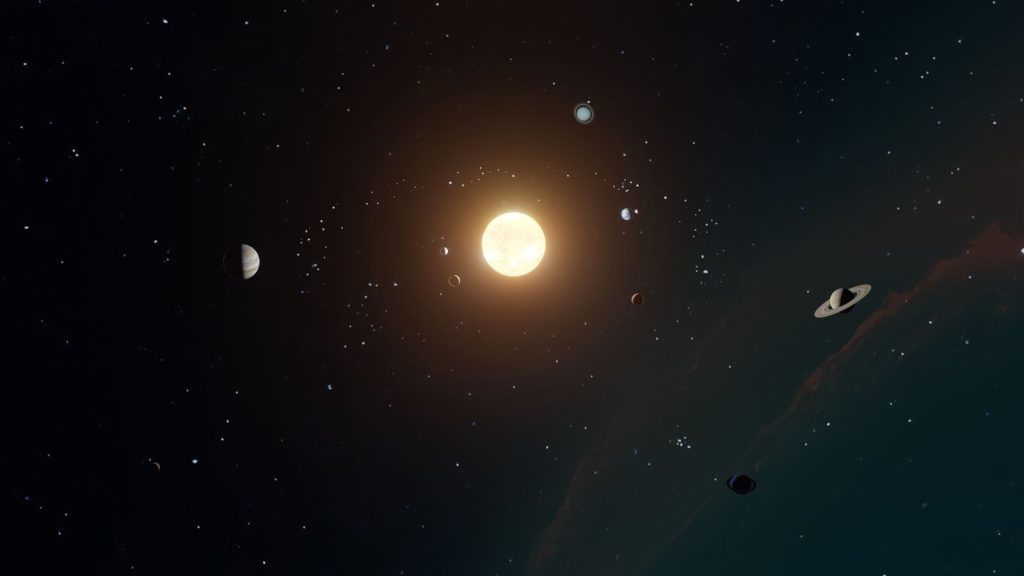
    Double star systems can trigger a highly aggressive and parasitic relationship in deep space. According to orbital observations, a dense white dwarf can siphon hydrogen gas from its larger binary companion. The dwarf is tiny. This stolen material eventually builds up on the surface until it triggers a massive thermonuclear explosion. But these cosmic vampires pale in comparison to the ultimate stellar engines.

    Flying Stars Escaping Galaxies
    Swirling abstract light painting creating a tunnel-like effect with vibrant colors.
    Photo by Uroš Drljača on Pexels

    Most stars orbit the center of their home galaxies at relatively comfortable speeds. According to declassified astrophysics logs, some hypervelocity stars are traveling at over two million miles per hour. They are blindingly fast. These rogue engines were slung out of the galactic core by the intense gravitational whip of a supermassive black hole. But these fast-moving giants are heading toward a completely dark future.

    Mapping The Outer Limits
    Abstract swirling cosmic dust and stars with golden light.
    Photo by Marek Pavlík on Unsplash

    The bizarre anomalies found in deep space prove that our universe is far wilder than our science fiction. According to astronomers, every new telescope discovery expands our understanding of how cosmic matter behaves under extreme physical conditions. Nature holds the secrets. This article is for informational purposes only.


    Featured Image: Photo by NASA on Unsplash

  • The Surprising Molecular Secrets Trapped Inside Burning Stars

    The Surprising Molecular Secrets Trapped Inside Burning Stars

    Most people assume that burning stars are simple giant balls of fire made of basic hydrogen gas. We believe that stellar cores are uniform reactors that undergo simple nuclear fusion.

    But advanced spectral scanning has revealed a highly complex atomic refinery operating inside these cosmic engines. Stars are actually synthesizing heavy metallic elements that drive the creation of rocky planets.

    Forging Elements Inside Cores

    background pattern
    Photo by Dynamic Wang on Unsplash

    Stars are the ultimate elemental factories of our universe. According to astrochemistry reports, the immense heat and pressure inside a stellar core force light hydrogen atoms to fuse into helium. This is vital. As the star ages, it begins synthesizing increasingly complex elements like carbon, oxygen, and neon. But this elemental fusion process has a highly destructive physical limit.

    The Lethal Iron Barrier

    Abstract metallic cubes arranged in a stepped pattern.
    Photo by Willy the Wizard on Unsplash

    The synthesis of heavier elements progresses smoothly until the star begins producing iron. According to nuclear physics studies, fusing iron does not release any energy but actually absorbs it. The reaction halts instantly. This sudden energy drop causes the stellar core to collapse violently under its own gravitational weight. But this spectacular collapse is what scatters these elements across the galaxy.

    Scattering Seeds Across Space

    a large cluster of stars in the sky
    Photo by NASA Hubble Space Telescope on Unsplash

    The violent collapse of a massive star triggers a spectacular supernova explosion that blasts elements into deep space. According to planetary geologists, this stellar dust eventually gathers to form new rocky planets like Earth. We are made of starstuff. Every single carbon atom in our bodies was forged inside a dying stellar furnace. But tracking these heavy metals requires analyzing distant starlight.

    Reading Starlight Absorption Lines

    Close-up of a colorful data visualization displayed on a laptop screen in a dimly lit room.
    Photo by Egor Komarov on Pexels

    Astronomers do not need to physically visit a star to determine its exact chemical makeup. According to spectroscopy reports, specialized instruments analyze the dark gaps in the star’s color spectrum. The lines are unique. These absorption lines act like atomic barcodes that reveal the precise concentrations of heavy metals inside the star. But this scanning method has revealed some highly unusual star groupings.

    Distinguishing Ancient Metal Stars

    a very bright orange object in the middle of the night sky
    Photo by NASA Hubble Space Telescope on Unsplash

    The concentration of metals inside a star reveals its relative age and generation in the cosmos. According to astronomical models, the oldest stars in our universe contain almost zero heavy metals. They are pristine. These early stars formed from raw hydrogen and helium left behind after the Big Bang. But newer generations of stars are born from highly enriched cosmic clouds.

    Our Own Solar Blueprint

    Bright sun peeking through dark, blurry foliage with bokeh.
    Photo by Liana S on Unsplash

    Our sun belongs to a highly enriched third-generation population of stars. According to solar physicists, the sun contains significant concentrations of iron, gold, and uranium inherited from ancient supernovae. The mixture is complex. This metal-rich chemistry is what allowed a rocky planet system to form around our star. But studying stellar chemistry ultimately reveals our deep cosmic heritage.

    Unlocking Our Cosmic Origins

    Sunlight filters through dense green tree branches.
    Photo by Adam Cheek on Unsplash

    Understanding the internal chemistry of stars allows us to trace the true history of all matter on Earth. According to astrobiologists, every breath we take connects us directly to the ancient stellar engines that shaped the cosmos. The stars made us. This article is for informational purposes only.

    Featured Image: Photo by Marek Piwnicki on Pexels

  • How New Space Missions Prepare Humans For Mars

    How New Space Missions Prepare Humans For Mars

    Most space lovers assume that sending astronauts to Mars is just a matter of building a larger rocket. We believe that modern technology is already fully prepared for deep space transit.

    But upcoming lunar missions are revealing a highly different reality. Space agencies must completely redesign how humans survive inside a metal capsule for months at a time.

    Testing Deep Void Survival

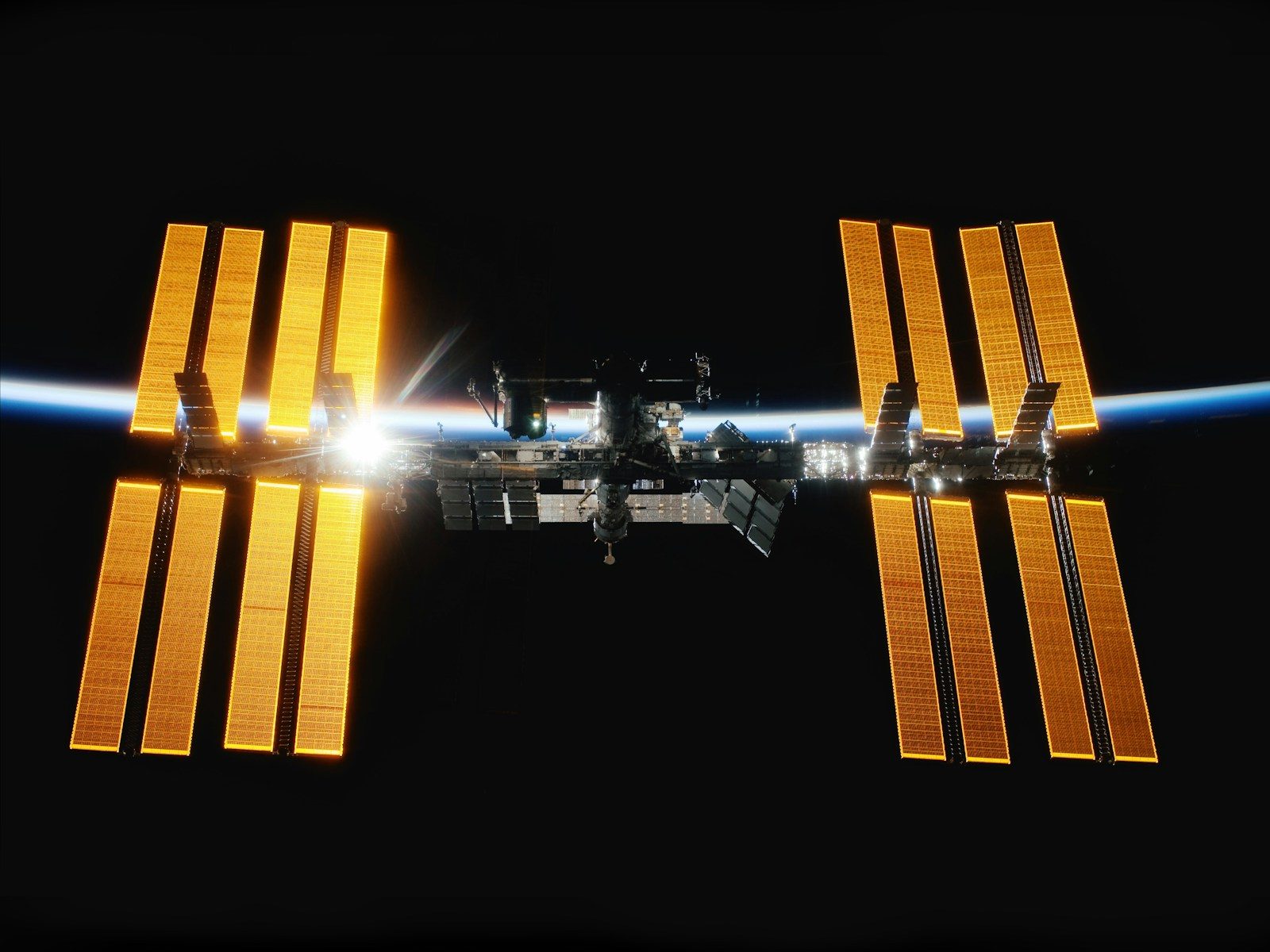
    Image of the International Space Station floating above Earth with visible solar panels.
    Photo by SpaceX on Pexels

    Sending a crew to the moon is the ultimate dress rehearsal for a historic journey to Mars. According to reports from NASA, the upcoming Artemis flights will test vital life support systems in real deep space environments. The stakes are high. These missions will push both spacecraft and human biology past their known limits. But managing the physical strain of cosmic travel is a massive struggle.

    The Silent Radiation Bombardment

    an artist's rendering of a distant object in space
    Photo by NASA Hubble Space Telescope on Unsplash

    Astronauts traveling beyond the protective magnetic shield of the Earth face intense space rays. According to solar physicists, cosmic radiation can damage human cells and trigger severe health issues over time. The rays are invisible. Designing lightweight shielding materials is one of the most critical engineering challenges for the shipbuilders. But this radiation threat is only the first part of the transit.

    Muscle Decay In Gravity

    a person in a white space suit doing a handstand
    Photo by dada_design on Unsplash

    Spending several months in absolute weightlessness causes the human skeleton to degrade rapidly. According to space medicine studies, astronauts lose valuable bone density and muscle mass during long journeys. The body weakens. Crews must use specialized exercise equipment daily to prevent permanent physical damage before reaching their destination. But keeping the body healthy is only half of the challenge.

    The Psychology of Isolation

    African American man immersed in virtual reality using a VR headset and simulator.
    Photo by Tima Miroshnichenko on Pexels

    Living inside a cramped metal capsule with the same small group triggers intense mental strain. According to psychological studies, long-term isolation can alter decision-making and heighten feelings of anxiety. The mind suffers. Space agencies are developing virtual reality programs to help astronauts maintain their mental health. But managing resources inside the ship is another critical engineering puzzle.

    Closed Loop Life Support

    gray metal industrial machine
    Photo by Lfhv gjvj on Unsplash

    A trip to the red planet requires recycling every single ounce of water and air on board. According to life support engineers, the ship must convert sweat and carbon dioxide back into fresh drinking water and oxygen. Nothing is wasted. This automated recycling system must function flawlessly for over five hundred consecutive days without any outside help. But a sudden communication delay complicates this autonomy.

    The Silent Signal Gap

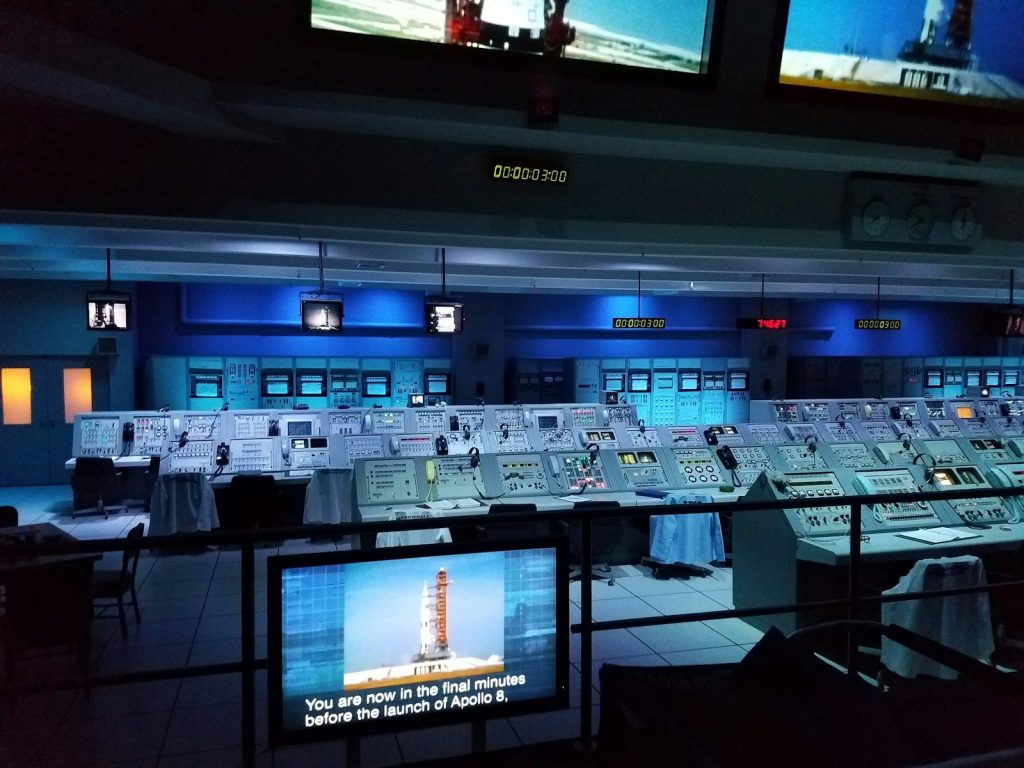
    a room with many screens and monitors
    Photo by Ana Garnica on Unsplash

    As a spacecraft moves further from Earth, radio signals take up to twenty minutes to travel one way. According to mission controllers, this delay makes real-time troubleshooting completely impossible during emergencies. The silence is eerie. Crews must rely entirely on onboard artificial intelligence to solve complex software glitches. But testing these smart systems requires a reliable testing ground.

    Lunar Orbit Dress Rehearsal

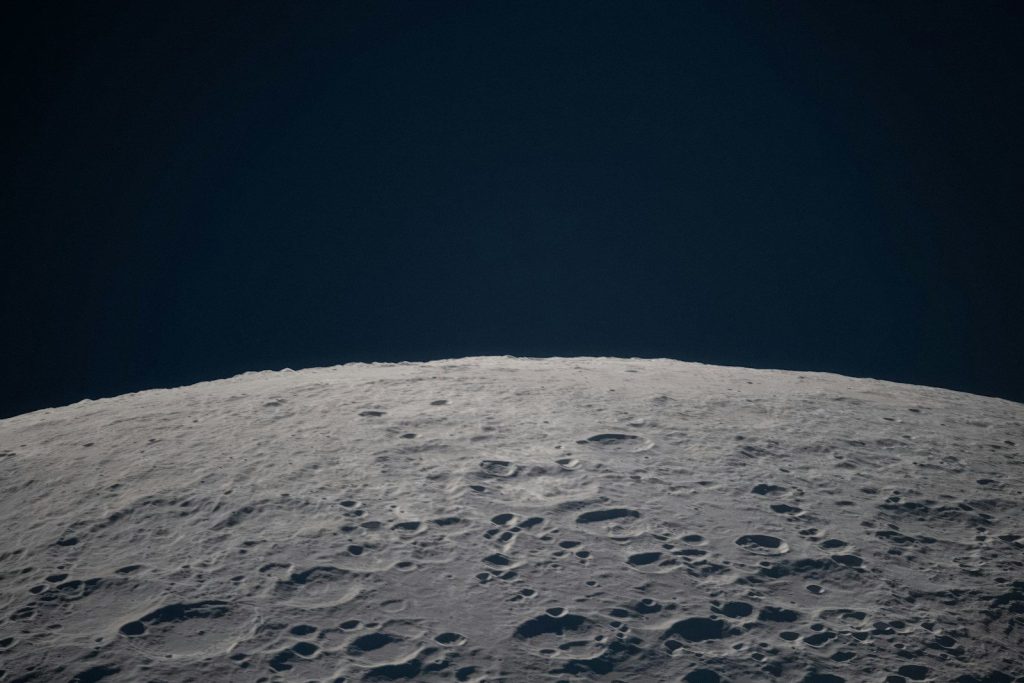
    Cratered lunar surface against a dark sky
    Photo by NASA on Unsplash

    Space agencies are using the moon’s unique orbit to simulate the extreme conditions of deep space. According to spacecraft designers, practicing emergency maneuvers near the lunar surface is the safest way to prepare for Mars. The training is intense. This orbital playground allows engineers to verify that their life support systems can protect human life. But the ultimate success of this program depends on one final step.

    Stepping Toward Mars

    a group of hills covered in sand under a cloudy sky
    Photo by Nigel Hoare on Unsplash

    Overcoming these extreme cosmic hazards will allow humanity to officially become a multiplanetary species. According to space researchers, the lessons learned on upcoming lunar missions will pave the way for our first steps on red soil. The future is waiting. This article is for informational purposes only.
    Featured Image: Photo by Felipe Simo on Unsplash

  • Why Local Communities Are Battling Giant Computing Hubs

    Why Local Communities Are Battling Giant Computing Hubs

    Most computer users assume that the internet is a completely weightless digital cloud. We believe our online activities run cleanly without draining physical resources or altering local environments.

    But the rapid expansion of massive server warehouses is triggering a severe resource crisis. These giant concrete buildings are placing an unprecedented strain on public utility systems.

    The Physical Footprint

    Aerial view of a modern building complex surrounded by trees.
    Photo by Alex Reynolds on Unsplash

    Running modern online networks requires an astronomical amount of physical hardware and space. According to reports from the International Energy Agency, these massive data centers can span the size of several sports stadiums. They are silent giants. Yet the constant expansion of these facilities is starting to spark fierce resistance in nearby neighborhoods. But the physical size of these hubs is only the first issue.

    The Electricity Demands

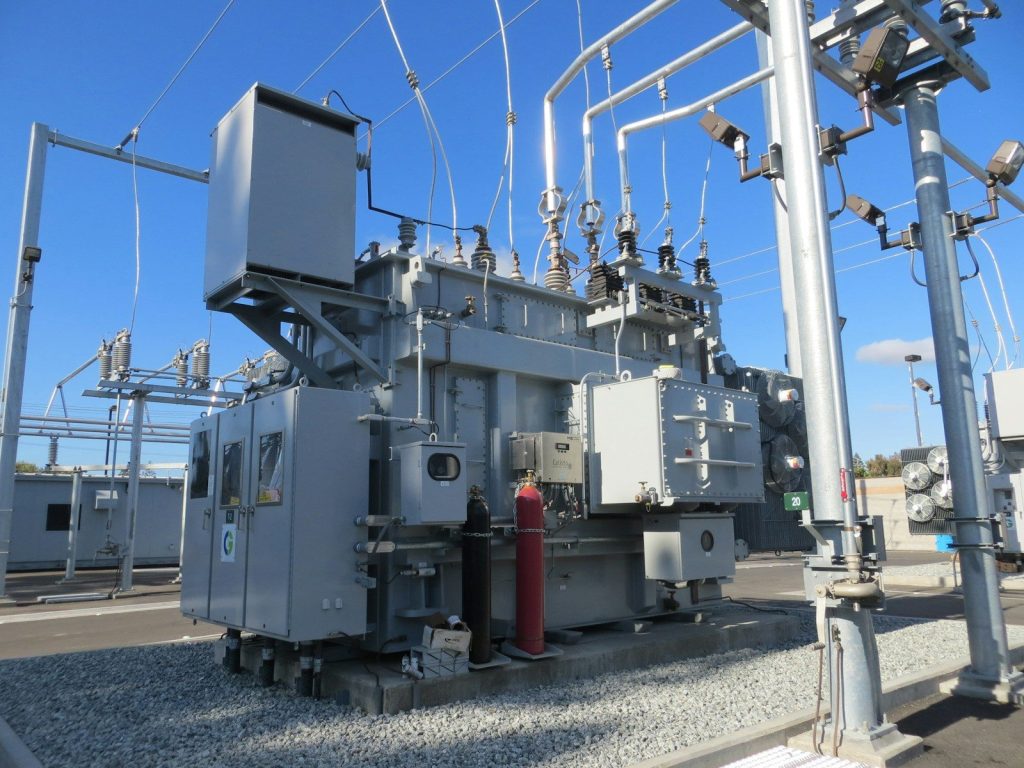
    white electric power generator
    Photo by American Public Power Association on Unsplash

    The sheer volume of power required to keep the processors active is staggering. According to energy grid studies, a single large data center can consume more electricity than a small city. The load is massive. This extreme demand is forcing utility companies to delay the retirement of older coal plants to keep up. But this energy crunch is also threatening local water supplies.

    Evaporating Clean Water

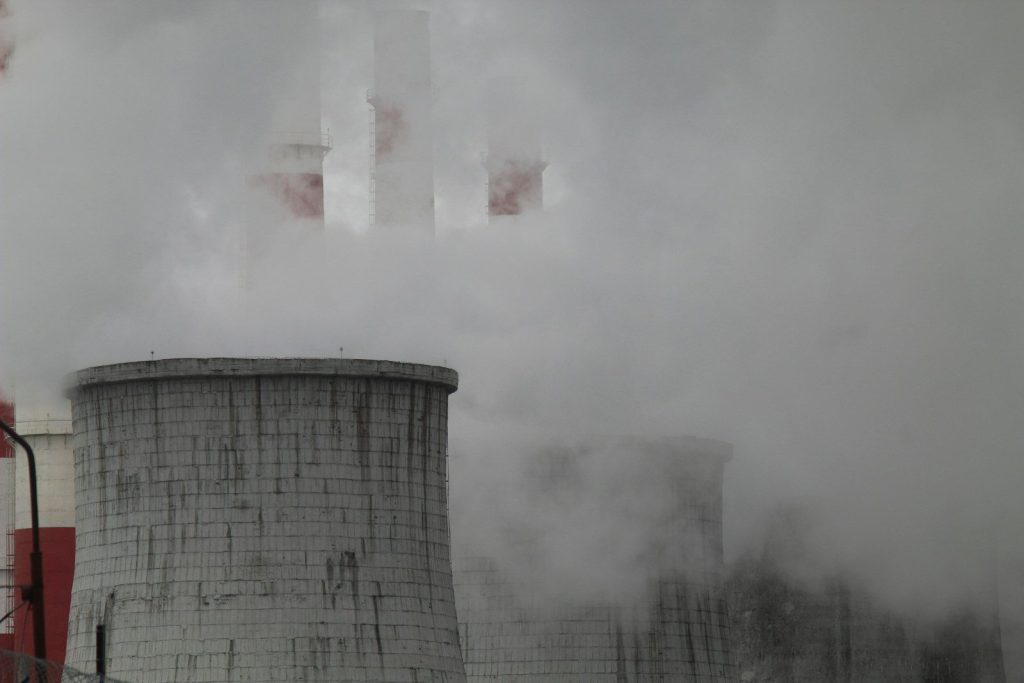
    smoke billows from the stacks of cooling towers
    Photo by Andry Sagatelov on Unsplash

    Keeping thousands of heavy server chips from overheating requires a massive amount of constant cooling. According to local utility audits, many facilities evaporate hundreds of thousands of gallons of water every single day. This loss is permanent. This high consumption is actively draining fragile underground aquifers that local farms rely on. But community groups are starting to fight back.

    The Public Backlash

    grayscale photo of people standing on field
    Photo by Koshu Kunii on Unsplash

    Furious residents are organizing protests to block new data center developments in their towns. According to public policy reports, communities are demanding strict environmental audits before any construction begins. They are highly vocal. Residents worry that their own water and electricity rates will skyrocket to support tech conglomerates. But companies are scrambling to design more sustainable alternatives.

    Turning To Closed Loops

    gray and red painted building
    Photo by Yiyang Jin on Unsplash

    Engineers are testing advanced cooling systems that do not rely on evaporating fresh water. According to reports from the Department of Energy, switching to closed-loop air systems can eliminate water waste entirely. The costs are extreme. This massive price tag means that only the wealthiest tech companies can afford to implement these solutions. But the ultimate battle for data control is moving to the energy sector.

    Seeking Clean Power

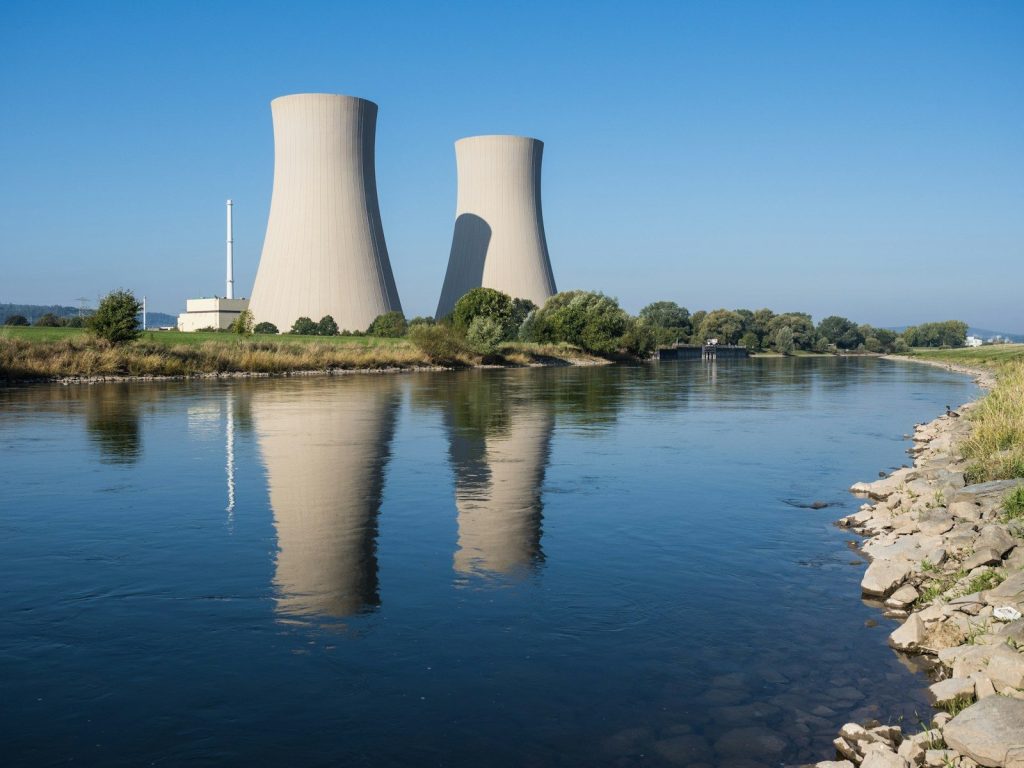
    A body of water with two cooling towers in the background
    Photo by Hansjörg Keller on Unsplash

    Tech giants are signing historic deals to secure constant carbon-free energy for their servers. According to energy industry reports, several firms are partnering with nuclear operators to guarantee a steady stream of electricity. The stakes are high. This pivot highlights how desperate the industry has become for reliable base load power. But this sudden rush for nuclear energy is raising serious public safety questions.

    Balancing Progress And Nature

    Modern building partially obscured by trees and sunlight.
    Photo by Harman Tatla on Unsplash

    Finding a sustainable path forward requires a major shift in how we build digital infrastructure. According to energy engineers, the future of technology relies on developing ultra-efficient microchips and local clean power plants. Balance is essential. This article is for informational purposes only.

    Featured Image: Photo by Aleksandar Savic on Unsplash

  • The Ancient Stone Temple Built Before Civilization Began

    The Ancient Stone Temple Built Before Civilization Began

    Many historians believe that human civilization started with the invention of farming. We assume that hunter-gatherers were too primitive to organize massive construction projects.

    But a giant stone temple discovered in Turkey has completely shattered this narrative. This ancient structure proves that complex engineering existed long before agriculture.

    Reaching Into The Past

    pile of brown stones
    Photo by Nacho Díaz Latorre on Unsplash

    Deep in the dry hills of southern Turkey lies a monumental archaeological treasure. According to the German Archaeological Institute, this massive complex of limestone pillars dates back twelve thousand years. It is incredibly old. The sheer scale of the carved stones stunned researchers when they first uncovered them. But the real mystery centers on how primitive groups moved these giant blocks.

    Impossible Ancient Engineering

    a row of stone pillars next to a body of water
    Photo by Leo_Visions on Unsplash

    The site features dozens of T-shaped limestone pillars arranged in massive circles. According to engineering estimates, some of these monolithic stones weigh up to twenty tons. They were heavy. Moving these blocks required hundreds of people working in perfect coordination. But their artistic talent reveals an even deeper level of cultural development.

    Masterpieces Carved In Stone

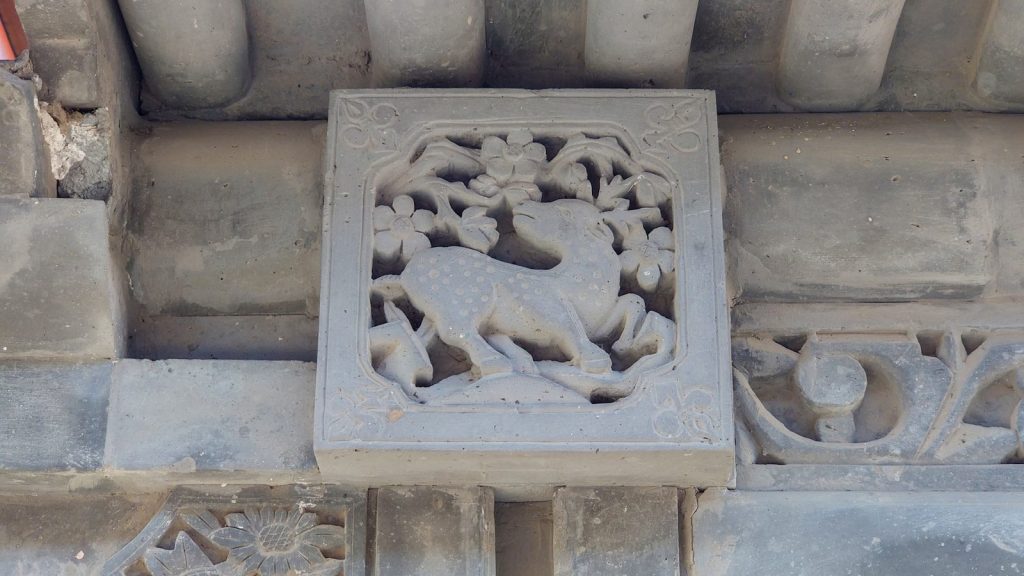
    a carving of a horse on the side of a building
    Photo by M Sybery on Unsplash

    The pillars are decorated with incredibly detailed carvings of wild animals and abstract human forms. According to artistic analyses, the low-relief sculptures show leopards, foxes, and dangerous scorpions. They are gorgeous. The level of detail suggests a highly developed culture with deep symbolic beliefs. But the physical layout of the sanctuary hints at an even bigger purpose.

    Mapping The Cosmic Skies

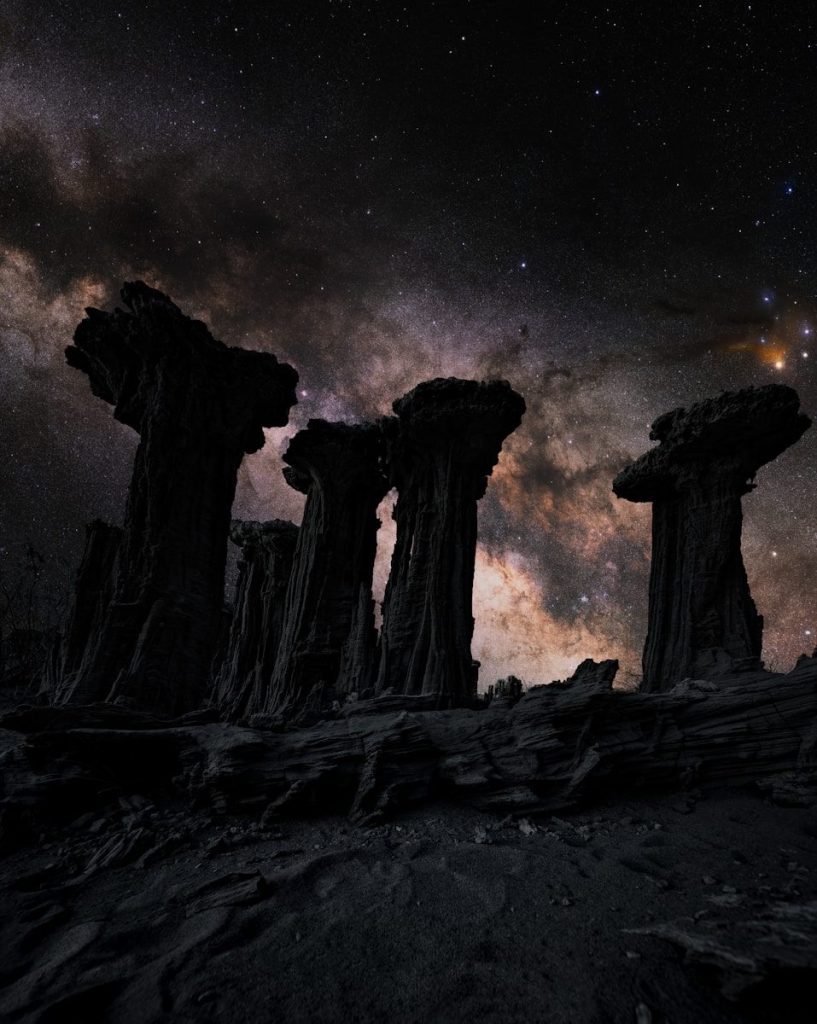
    A group of pillars under a night sky filled with stars
    Photo by Sean Pierce on Unsplash

    Some researchers believe the temple was designed to align with major celestial events. According to astronomical studies, the pillars could have tracked the movements of stars and seasonal shifts. They watched the sky. This cosmic connection suggests that the temple served as a spiritual calendar for nomadic tribes. But the builders suddenly made a bizarre choice.

    The Great Buried Secret

    a group of people standing on top of a cliff
    Photo by Çağlar Oskay on Unsplash

    The ancient builders did not just abandon the temple when they were finished. According to soil analysis, they deliberately buried the entire complex under tons of dirt and gravel. It was hidden. This massive effort preserved the carvings from natural erosion for thousands of years. But historians are still trying to understand why they covered their creation.

    A Sudden Cultural Shift

    a couple of people standing on top of a lush green field
    Photo by John Lidan on Unsplash

    Covering the temple coincided with the dawn of agriculture in the surrounding region. According to evolutionary studies, nomadic tribes began settling down to farm around the same time. Life changed rapidly. The transition to agriculture may have made the old spiritual center obsolete. But the identity of the builders remains a profound mystery.

    Searching For The Creators

    Rocky path leading to a distant lake in a valley
    Photo by Chloé Renaud on Unsplash

    Archaeologists have searched the surrounding valleys for traces of a permanent settlement. According to excavation logs, researchers found no signs of houses or domestic water systems nearby. They were nomads. This suggests people traveled from hundreds of miles away just to construct the sanctuary. But some experts believe the site holds even older structures.

    Rewriting Human Origins

    a large stone structure with columns
    Photo by engin akyurt on Unsplash

    This ancient temple proves that complex societies developed far earlier than our history books claim. According to archaeologists, human spirituality and organization actually triggered the birth of civilization. The past is full of surprises. This article is for informational purposes only.
    Featured Image: Photo by Ayşegül Aytören on Pexels

  • How Science Quietly Proved Famous Historical Myths Wrong

    How Science Quietly Proved Famous Historical Myths Wrong

    Most history students believe that famous stories about the ancient world are absolute facts. We assume that popular legends handed down through generations must be true.

    But modern forensic science is quietly dismantling some of our most cherished historical narratives. Researchers are using advanced technology to uncover the real truth behind these myths.

    Exposing The Trojan Horse

    a very tall metal structure with a clock on it's side
    Photo by Alexandr Istomin on Unsplash

    The legendary story of the giant wooden horse used to conquer Troy is famous worldwide. According to reports from Oxford University, no physical evidence of this massive wooden structure has ever been found. It was a myth. Most classicists now believe the horse was a poetic metaphor for a battering ram. But this is not the only ancient military tale to fall apart.

    The Horned Viking Lie

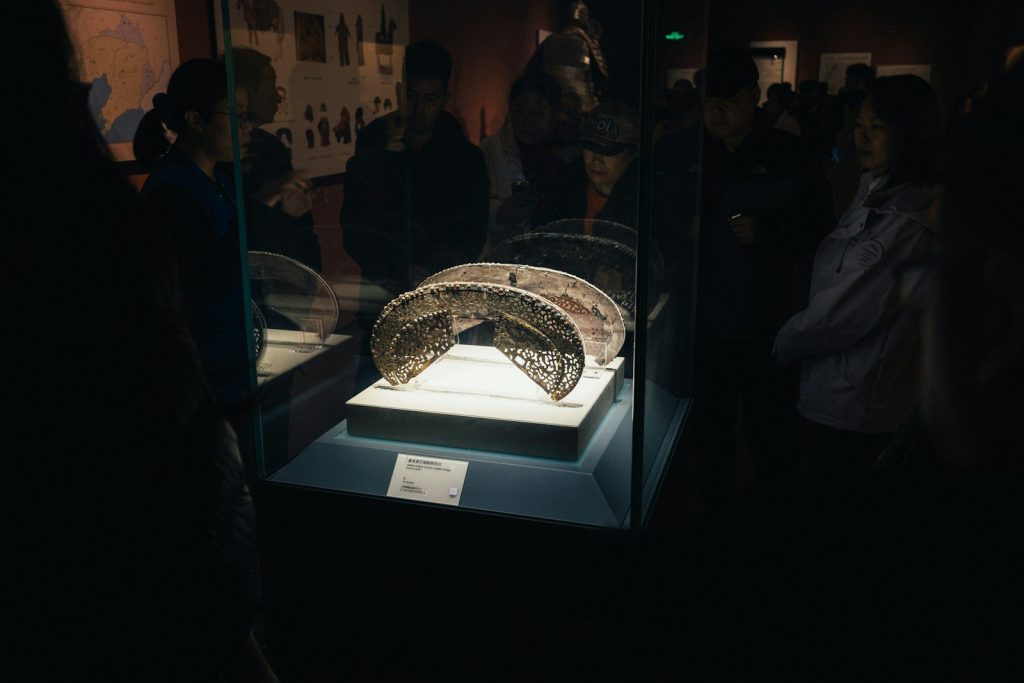
    People looking at an artifact in a museum exhibit.
    Photo by LISK OBE on Unsplash

    Popular media always depict brutal Viking warriors wearing heavy horned helmets in battle. According to museum curators, these famous helmets were actually created by nineteenth-century costume designers. They were theatrical. Real Viking headgear was simple, rounded iron designed purely for protection. But another massive historical misconception involves the builders of the pyramids.

    Unshackling The Pyramid Builders

    A group of men kneeling down next to each other
    Photo by Aleksander Stypczynski on Unsplash

    Many people still believe that cruel slave labor constructed the colossal pyramids of Egypt. According to official tomb excavations, the workers were actually well-paid laborers who ate premium meat. They were proud. The discoveries of worker villages prove they received medical care and honorable burials near the pharaohs. But science is also changing how we see famous rulers.

    The Real Cleopatra Identity

    A close up of a coin on a table
    Photo by Roman Manshin on Unsplash

    Hollywood has long portrayed Cleopatra as a legendary beauty who used seduction to rule. According to ancient coin portraits, she possessed conventional features and focused heavily on politics. She was brilliant. Historical records show she spoke nine languages and studied advanced mathematics. But even famous events from American history are being corrected by researchers.

    The True Salem Story

    a close up of a pile of paper on a table
    Photo by Towfiqu barbhuiya on Unsplash

    Popular folklore suggests that the Salem witch trials involved burning accused women at the stake. According to court records from the seventeenth century, none of the victims was actually burned. They were hanged. English law at the time did not permit burning for the crime of witchcraft. But modern technology is digging even deeper into the distant past.

    Tracing The Real Pirates

    A detailed view inside a ship's corridor, showcasing nautical architecture and design.
    Photo by Erik Mclean on Pexels

    Swashbuckling stories of pirates burying giant chests of gold on remote islands are mostly fiction. According to maritime historians, real pirates spent their stolen wealth immediately on food and supplies. They were desperate. Only one documented pirate ever buried treasure, and it was quickly recovered. But these corrected myths show why we must keep questioning the past.

    Reclaiming True History

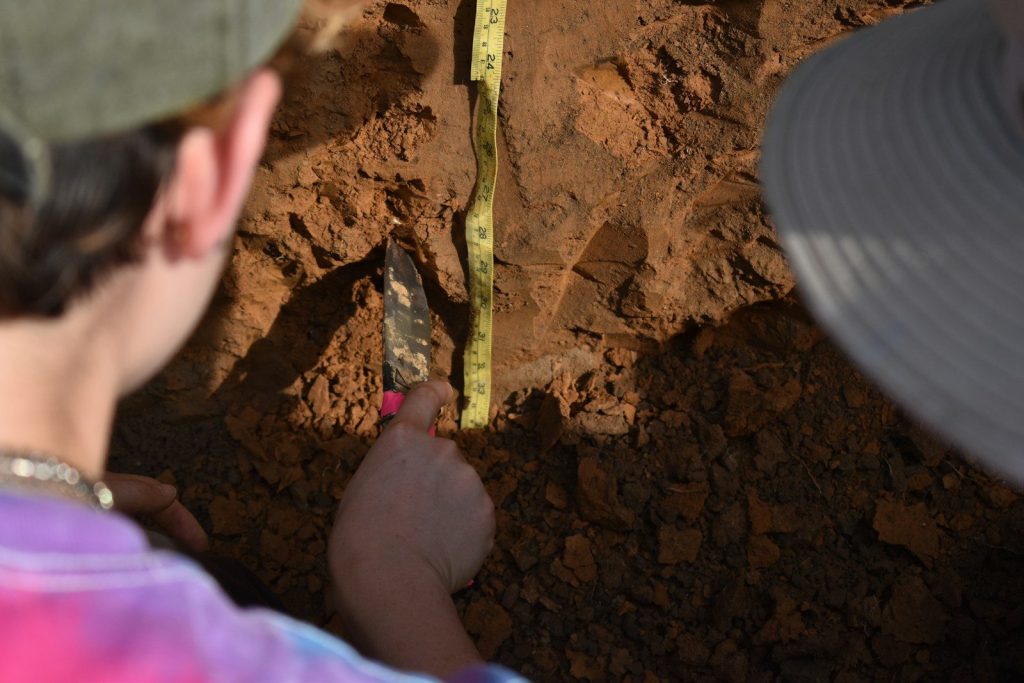
    People are examining the soil with a measuring tape.
    Photo by Clare Tallamy on Unsplash

    Separating romantic myths from historical reality allows us to appreciate the true complexity of human life. According to researchers, forensic tools are helpfully stripping away centuries of fictional embellishments. The truth is better. This article is for informational purposes only.

    Featured Image: Photo by Edward Jenner on Pexels

  • The Shocking View Of Earth Captured From Deep Space

    The Shocking View Of Earth Captured From Deep Space

    Most of us view our planet as an endless map of borders and massive continents. We assume that Earth looks solid and indestructible from the cold darkness of space.

    But stunning satellite images are offering a completely different perspective of our fragile home. These raw cosmic photographs reveal a delicate marble floating in a vast void.

    The Pale Blue Dot

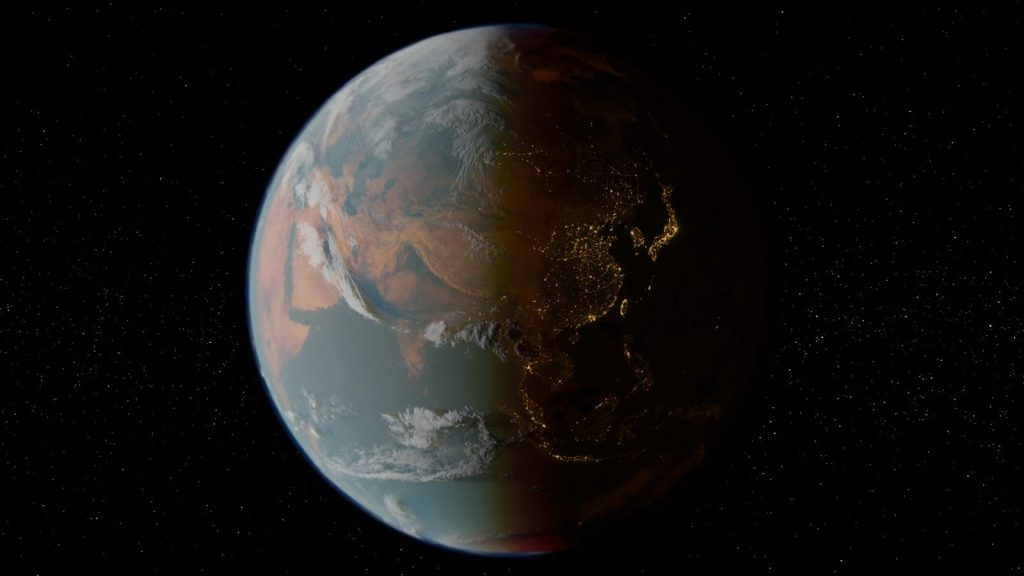
    Earth from space showing day and night sides.
    Photo by Mara F on Unsplash

    A camera operating billions of miles away captured our world as a tiny speck of dust. According to NASA, this iconic image showed Earth occupying less than a single pixel. We are tiny. The vast empty space surrounding our home highlights just how isolated we truly are. But looking closer at our atmosphere reveals a highly active shield.

    The Delicate Air Layer

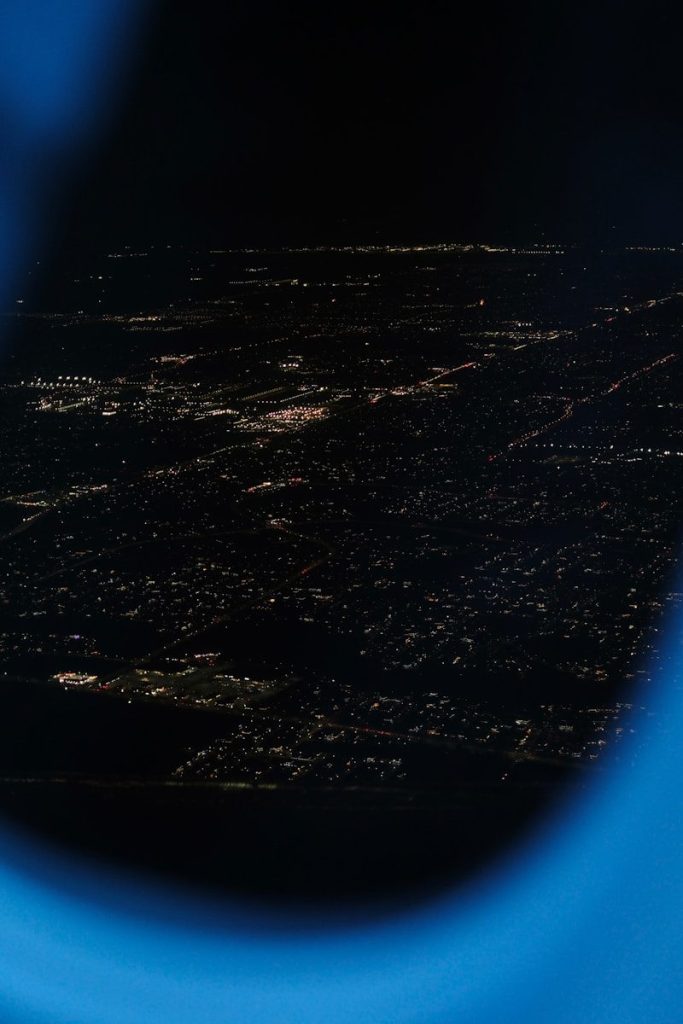
    Aerial view of city lights at night
    Photo by Dmitry Spravko on Unsplash

    From low orbit, the atmosphere appears as a thin glowing ribbon of blue light. According to space station astronauts, this protective layer looks incredibly fragile from above. It is our shield. This thin blanket of gas is the only thing keeping life safe from solar radiation. But space cameras also capture the silent power of our oceans.

    The Blue Engine Roaring

    A mesmerizing satellite view showcasing Earth's clouds and ocean from space.
    Photo by Zelch Csaba on Pexels

    Our oceans cover over seventy percent of the planetary surface and dominate the cosmic view. According to marine satellites, massive currents swirl like liquid paint across the dark globe. They drive our climate. The striking blue color stands out against the lifeless black background of the solar system. But the view changes dramatically when the sun goes down.

    Sparking In The Dark

    Stunning aerial view of a Spanish city illuminated at night, showcasing urban lights.
    Photo by Da Rya on Pexels

    When night falls across the continents, human civilizations light up the dark planet. According to NASA imaging, glowing urban networks trace the coastlines and major highways of the world. We are connected. These bright patterns show how deeply humans have altered the geography of the globe. But nature has its own light show that dominates the poles.

    The Cosmic Polar Dance

    black flat screen tv turned on displaying green screen
    Photo by Benjamin Kraus on Unsplash

    Green and purple ribbons of light constantly dance across the high latitudes of the atmosphere. According to space weather scientists, these auroras occur when solar wind hits the magnetic shield. They are breathtaking. Seeing these magnetic battles from orbit proves that Earth is a highly dynamic shield. But even our weather looks different from above.

    Giant Swirling Storm Systems

    Hurricane as seen from space
    Photo by NASA on Unsplash

    Satellites track massive hurricanes as they build power over warm tropical waters. According to meteorology reports, the view from space shows perfect geometric spirals of white clouds. They are monstrous. Seeing these storms from orbit helps scientists predict landfalls and save thousands of lives. But space cameras also capture the rapid changes happening on land.

    The Shrinking Green Zones

    Aerial landscape showing a dried-up lakebed with vibrant green patches in Tanzania's Manyara region.
    Photo by Dirk Pothen on Pexels

    Time-lapse images taken over decades reveal the steady loss of major rainforest networks. According to satellite monitoring programs, brown patches are quickly replacing vast areas of vibrant green. The change is rapid. These orbital records provide undeniable proof of how human activity is shaping the terrain. But looking at Earth from space ultimately delivers a unified message.

    One Fragile Shared Home

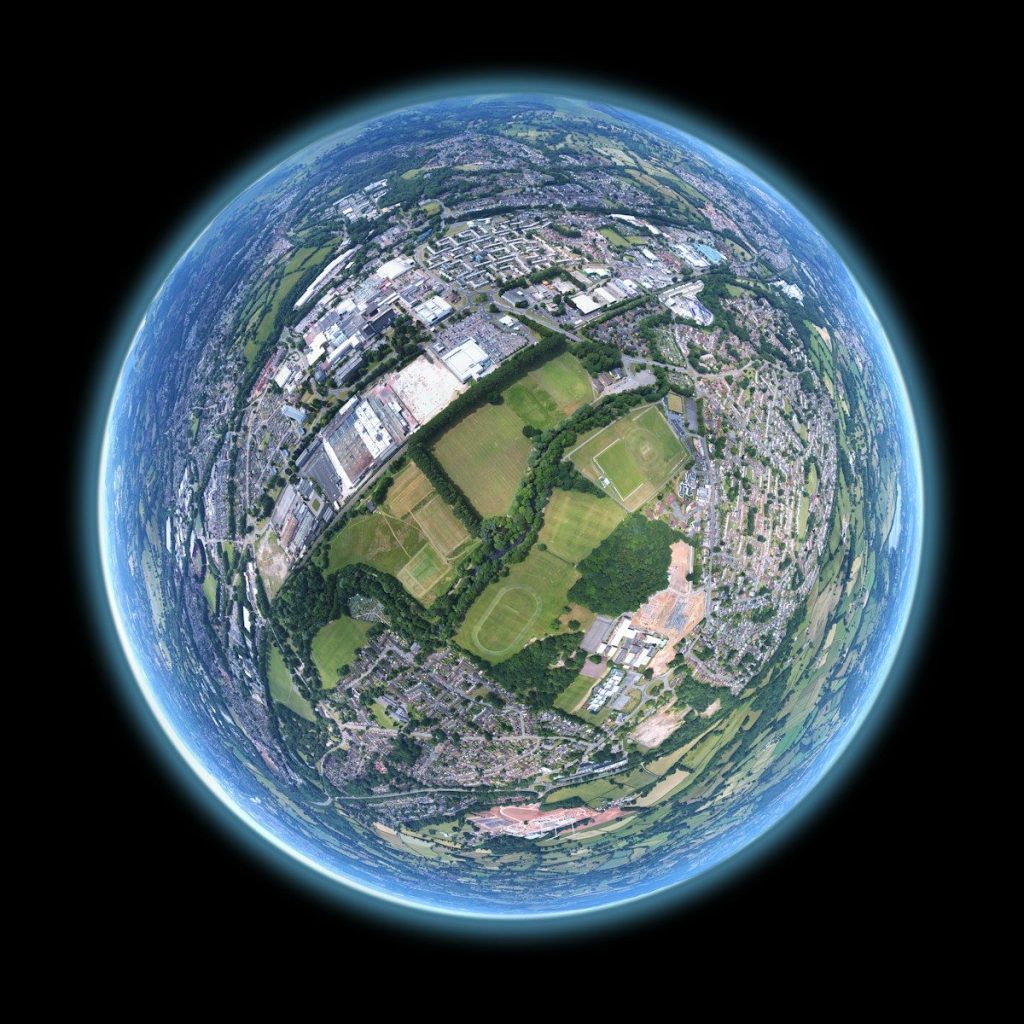
    fish-eye aerial shot of buildings and trees
    Photo by Louis Reed on Unsplash

    Seeing Earth from space forces us to realize that we share a single vulnerable capsule. According to planetary scientists, there are no national borders visible from the dark void. We must protect it. This article is for informational purposes only.

    Featured Image: Photo by Javier Miranda on Unsplash

  • The Hidden Signal That Might Prove Alien Intelligence Exists

    The Hidden Signal That Might Prove Alien Intelligence Exists

    Most people assume we are searching for radio signals from distant stars to find alien life. We believe that physical alien contacts will only occur in the distant future.

    But astrophysicists have detected a highly unusual transmission coming from our galactic center. This structured pattern of energy is forcing scientists to consider that we are not alone.

    Listening To The Void

    a close up of a cell phone on a table
    Photo by Joshua Hoehne on Unsplash

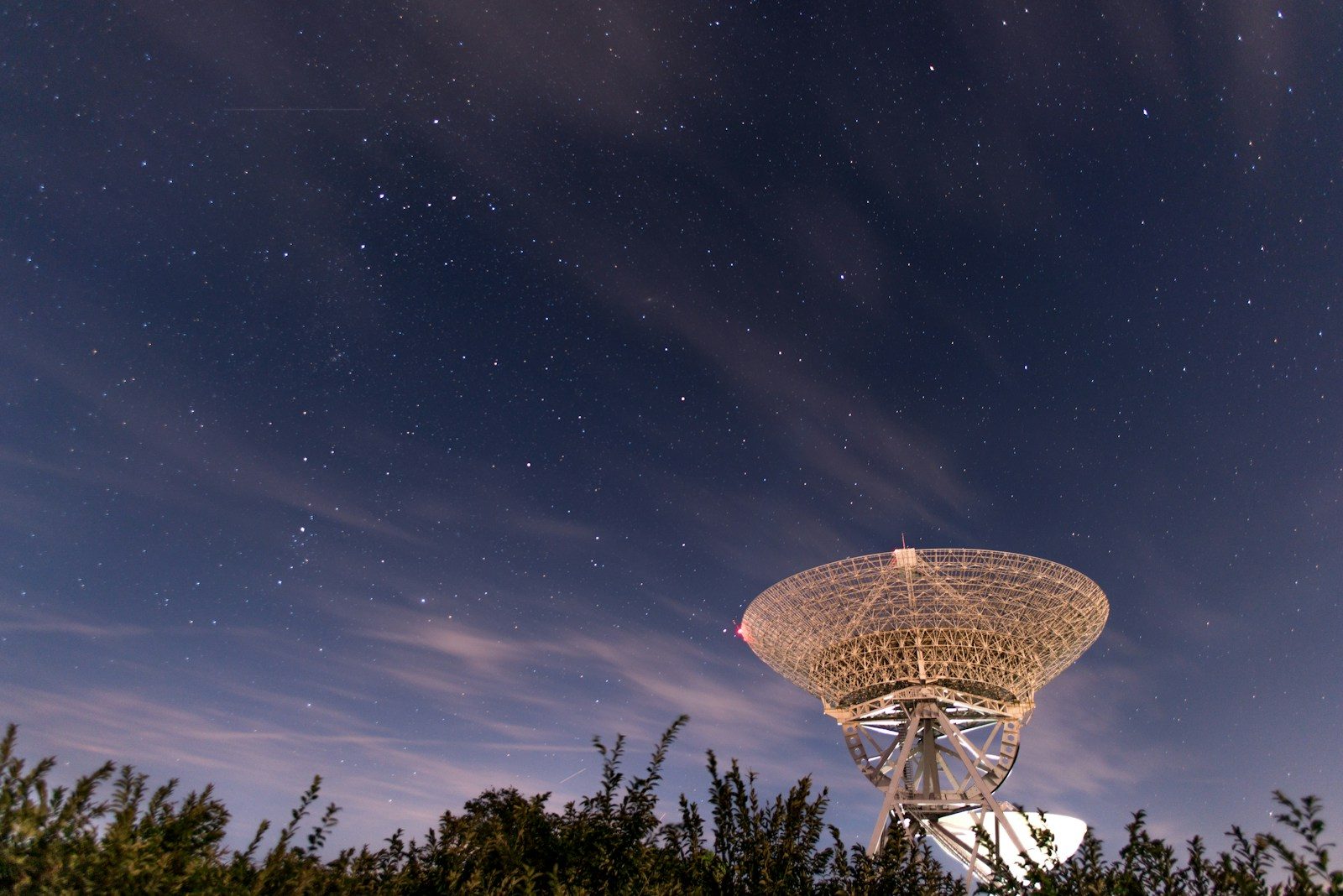
    Giant radio telescopes constantly scan the sky for any unnatural electromagnetic whispers. According to the SETI Institute, a highly unusual signal was recently recorded by deep space sensors. It was incredibly distinct. The wave had a narrow frequency that rarely occurs in natural space events. But localizing the origin of this beep proved highly difficult.

    The Beacon From Sagittarius

    a very large star filled sky with a lot of stars
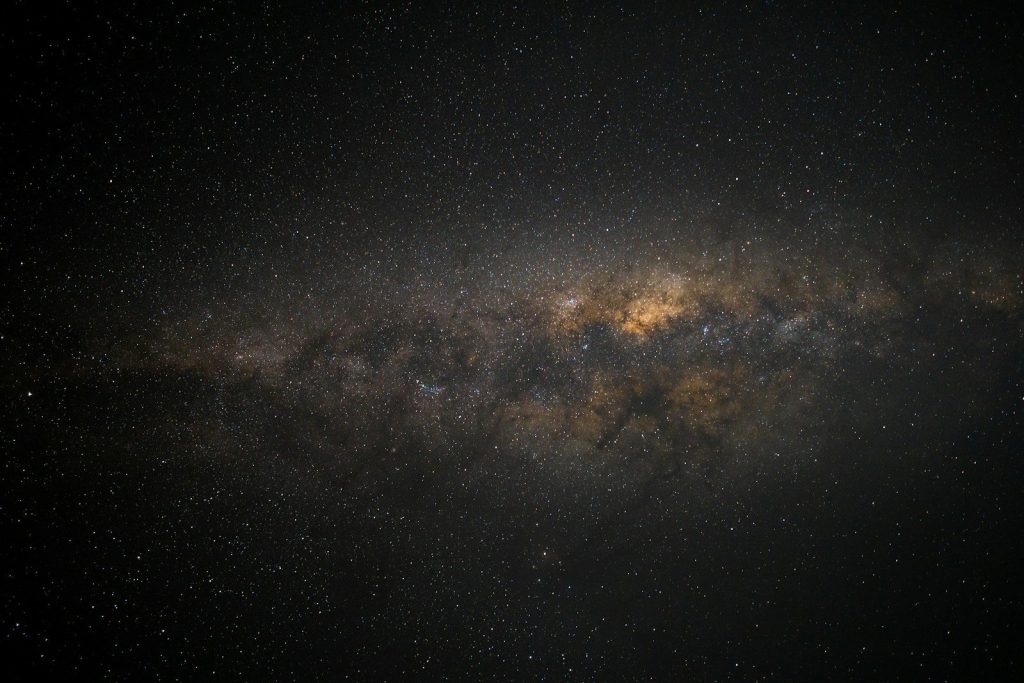
    Photo by Luca Calderone on Unsplash

    The mysterious transmission appeared to originate from a stellar region near our galactic core. According to astronomical logs, the signal repeated in a highly structured mathematical rhythm. It was persistent. This repeating nature rules out simple cosmic static or random stellar flares. But researchers had to eliminate more common explanations first.

    Ruling Out Human Satellites

    A satellite glides over Earth showcasing dramatic cloud formations and the vast expanse of space.
    Photo by SpaceX on Pexels

    Thousands of human-made satellites orbiting Earth constantly create noisy radio interference. According to space traffic controllers, engineers spent weeks verifying that the signal was not a local bounce. It was clean. The telemetry confirmed the transmission originated far beyond our solar system. But the power behind this message is mind-boggling.

    Pushing Incredible Cosmic Power

    Swirling colorful light rings around a glowing central pattern.
    Photo by Brecht Corbeel on Unsplash

    Sending a focused radio beam across thousands of light-years requires an immense energy source. According to physics calculations, the sender would need to harness the power of an entire star. They are highly advanced. This suggests that if the signal is artificial, it was built by a Type Two civilization. But some scientists suggest a natural culprit.

    The Spinning Star Theory

    A solar eclipse with the sun's corona visible.
    Photo by Marek Pavlík on Unsplash

    Highly dense collapsing stars called pulsars can emit regular beams of radio waves. According to astrophysical models, these cosmic magnets spin rapidly to create a steady ticking sound. They are natural clocks. However, this new signal lacks the typical wide-spectrum noise of a standard pulsar. But the true test will come from tracking the message over time.

    Waiting For The Echo

    white ferris wheel under blue sky during daytime
    Photo by Hu lei on Unsplash

    Astronomers around the globe are now pointing their dishes at the same coordinates. According to international telescope networks, continuous monitoring is vital to catch any changes in the frequency. The world is watching. If the signal carries complex data, we could be on the verge of a historic decoding. But the mystery is already changing humanity forever.

    Entering The Cosmic Community

    silhouette photography of person
    Photo by Greg Rakozy on Unsplash

    Discovering a single verified signal from the stars will permanently alter our place in the cosmos. According to science historians, proving the existence of cosmic intelligence is the ultimate milestone for our species. The silent era is ending. This article is for informational purposes only.

    Featured Image: Photo by tong zhou on Unsplash

  • How Artificial Intelligence Is Quietly Destroying The Old Internet

    How Artificial Intelligence Is Quietly Destroying The Old Internet

    Most web surfers believe that the search engines and websites we use today will remain stable forever. We assume that finding real information online will always require human-written articles.

    But a wave of autonomous AI models is quietly dismantling the foundation of the digital world. These smart algorithms are replacing human content with synthetic databases at an alarming rate.

    The Death Of Search

    a close up of a text description on a computer screen
    Photo by Yancy Min on Unsplash

    Traditional search engines are quickly swapping standard website links for automated paragraph answers. According to tech industry analysis, this shift means users rarely click through to independent blogs or news sites. Traffic is collapsing. Without visitors, many classic digital publishers are facing complete financial ruin. But this is only the first step in the web transformation.

    The Rise Of Synthetic Text

    a close up of a piece of luggage with text on it
    Photo by Google DeepMind on Unsplash

    The web is being flooded with millions of cheap AI-generated articles every single day. According to cybersecurity monitors, automated bots are building fake news networks to capture search traffic. It is a flood. This massive wave of synthetic content makes finding trustworthy human opinions incredibly difficult. But the problem goes far beyond simple text generation.

    Clones In The Video Feed

    man in black jacket playing piano
    Photo by Techivation on Unsplash

    Artificial video avatars and synthetic voiceovers are dominating major social media platforms. According to media reports, automated software can now create highly convincing video presentations in seconds. They look real. These virtual creators are quickly replacing human influencers and traditional video editors. But the ultimate threat is a phenomenon called model collapse.

    Eating Their Own Tail

    Abstract digital art with glitch effects and text.
    Photo by Egor Komarov on Unsplash

    As human writing disappears, AI models are starting to train on other AI content. According to computer science studies, this feedback loop causes the software to become increasingly repetitive and buggy. It is a digital mutation. Over time, the quality of web information could degrade into useless garbage. But developers are racing to fix this loop.

    The Battle For Human Proof

    a close up of a computer screen with the words mid - journey on it
    Photo by Jonathan Kemper on Unsplash

    Websites are implementing complex new tracking tools to verify if content was written by a real person. According to cybersecurity firms, digital watermarks and cryptographic signatures are becoming vital tools. We need proof. This technology helps protect authentic human creators from being drowned out by bots. But this digital wall is creating a split internet.

    The Rise Of Locked Webs

    a black and white photo of a computer screen
    Photo by Jason Leung on Unsplash

    Many premium publishers are blocking AI crawlers and hiding their content behind strict paywalls. According to media analysts, the open internet is quickly fragmenting into locked private networks. The free web is dying. Users may soon have to pay to access any writing not created by a bot. But some technologists see a positive side to this shift.

    Personalized Digital Agents

    person holding black android smartphone
    Photo by Tran Mau Tri Tam ✪ on Unsplash

    In the future, everyone might navigate the web using a highly customized personal AI assistant. According to software developers, these smart agents will filter out spam and compile custom daily reports. They are handy. This transition could make browsing the web far more efficient than scrolling through raw links. But the internet will never look the same again.

    Rebuilding The Digital World

    black flat screen tv turned on on white table
    Photo by Dennis Irorere on Unsplash

    The rapid evolution of artificial intelligence is forcing us to redefine what the internet actually is. According to tech historians, we are leaving the age of human browsing and entering the age of automated synthesis. The old web is gone. This article is for informational purposes only.

    Featured Image: Photo by Pavel Danilyuk on Pexels

  • The Massive Subsurface Wall Caught Under Egyptian Sands

    The Massive Subsurface Wall Caught Under Egyptian Sands

    Most archaeology fans assume that centuries of digging have mapped every major monument in Egypt. We believe that the empty desert sands hold no more massive structural surprises.

    But a spectacular radar sweep has revealed a giant underground monument. This colossal stone barrier matches high-tech scans with absolute precision.

    Eyes Beneath The Desert

    a computer screen with a bunch of data on it
    Photo by Antonio Vivace on Unsplash

    Ground-penetrating radar systems can look straight through solid layers of sand and clay. According to reports from the Egyptian Ministry of Antiquities, researchers mapped a massive geometric anomaly buried deep underground. The scans were undeniable. This high-tech imaging allowed the team to pinpoint the coordinates before digging a single hole. But they still had to prove the structure was real.

    Striking Solid Limestone

    gray scale photo of shoes on ground
    Photo by Antonella Vilardo on Unsplash

    Excavators began carefully clearing away the heavy sand layers at the target coordinate. They hit solid stone. According to archaeological geologists, the team uncovered a colossal limestone barrier buried six feet beneath the desert surface. This physical wall matched the raw digital scans in every single dimension. But the true scale of the monument would take months to uncover.

    Colossal Monolithic Blocks

    brown concrete building
    Photo by Lysander Yuen on Unsplash

    The newly uncovered wall was constructed using incredibly dense blocks of quarried stone. According to structural engineers, the masonry work showcases tight joints and perfectly straight lines. The architecture is magnificent. Moving these massive stones required highly organized labor and complex transport setups. But the physical layout of the barrier hints at a highly defensive purpose.

    Shielding Sacred Grounds

    a stone building with a gate in front of it
    Photo by Filipe Nobre on Unsplash

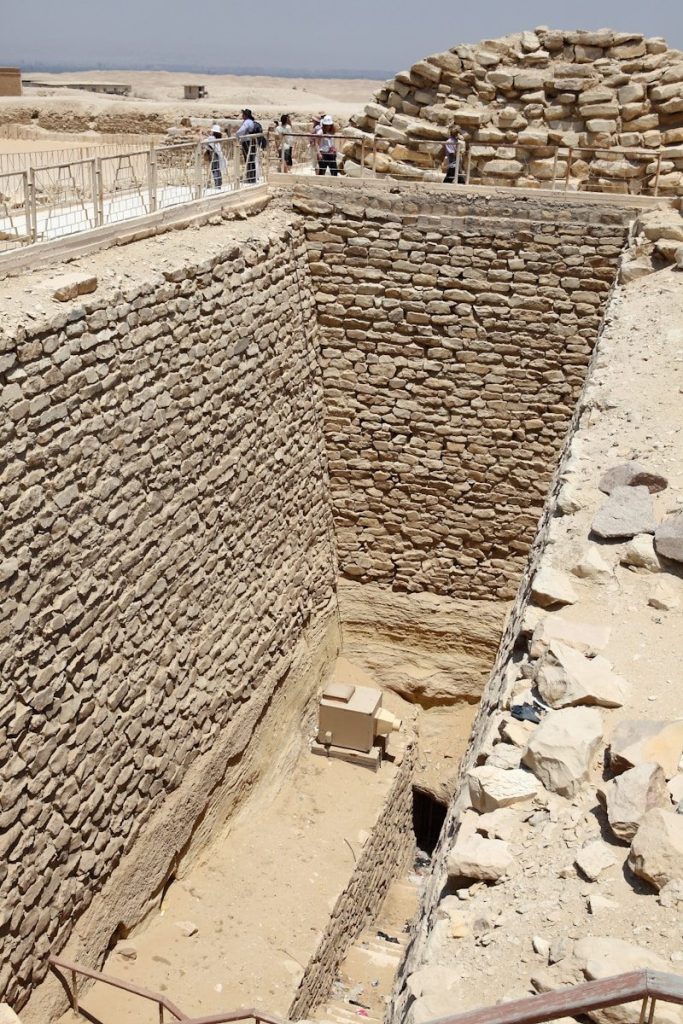
    The giant wall appears to surround an unexplored subterranean cemetery complex. According to classical historians, early builders constructed massive barriers to protect sacred tombs from outside interference. It was a fortress. This heavy stone shield successfully kept the inner chambers safe from sand and looters for millennia. But finding the entrance to the tomb remains a massive challenge.

    Deeper Cavities Mapped

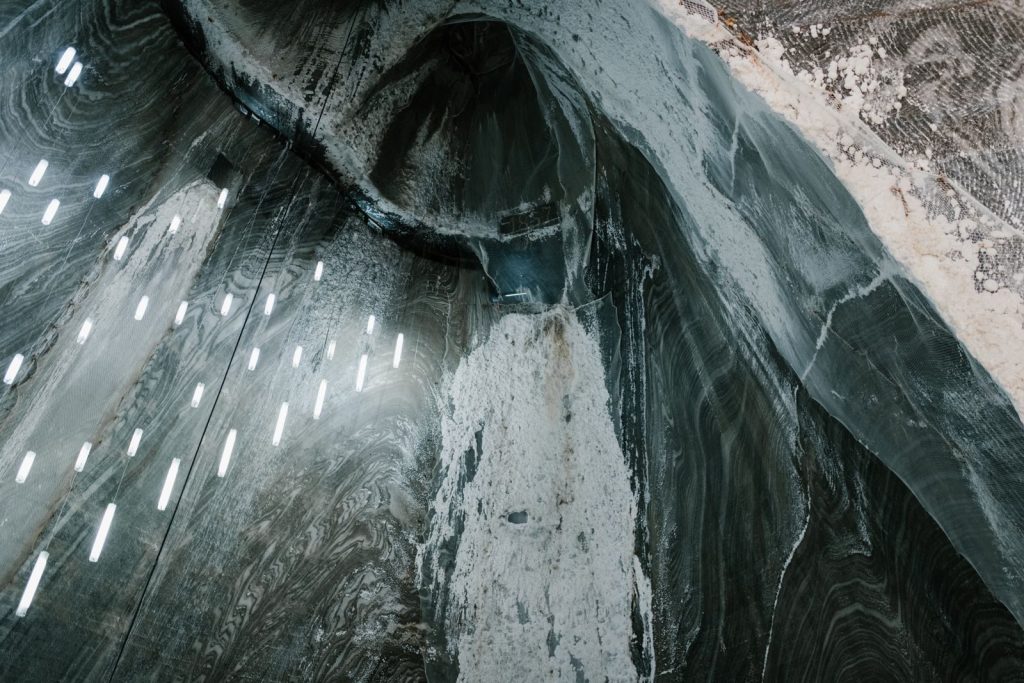
    From above of hanging LED lamps and salty stalactites on uneven walls of Salina Turda mine in Romania
    Photo by Julia Volk on Pexels

    Radar specialists ran deep electrical resistivity scans beneath the newly discovered wall. According to the survey data, several empty chambers sit directly under the main stone foundations. The cavities are massive. These underground rooms could hold untouched burials or forgotten historic treasures. But determining how to reach them safely requires an entirely different engineering plan.

    Sourcing The Stones

    a dirt road in the middle of a desert
    Photo by Lydia S on Unsplash

    Geologists analyzed the chemical composition of the limestone to trace its physical origin. According to reports from the Cairo Research Institute, the stones were cut from a quarry located miles away. The distance was immense. This finding proves that early builders coordinated complex transport channels across the rugged landscape. But this monumental building style is dividing the academic community.

    The Academic Debate

    A black and white photo of a building with a clock tower
    Photo by Mykyta Voloshyn on Unsplash

    Traditional scholars argue that the structure represents a simple temple retaining wall. According to independent researchers, the sheer scale of the barrier suggests a far more complex military or civic use. The debate is fierce. Skeptics want to see more physical artifacts before rewriting established historical timelines. But the team is already planning a deeper excavation of the surrounding sands.

    Unlocking Forgotten Horizons

    brown rock formation under blue sky during daytime
    Photo by Sz. Marton on Unsplash

    This spectacular subterranean discovery proves that technology can locate lost history hidden beneath our feet. According to archaeologists, mapping these massive ruins helps us reconstruct the true development of early cities. The desert keeps secrets. This article is for informational purposes only.
    Featured Image: Photo by Jeremiah Del Mar on Unsplash