
Most computer users assume that the internet is a completely weightless digital cloud. We believe our online activities run cleanly without draining physical resources or altering local environments.
But the rapid expansion of massive server warehouses is triggering a severe resource crisis. These giant concrete buildings are placing an unprecedented strain on public utility systems.
The Physical Footprint
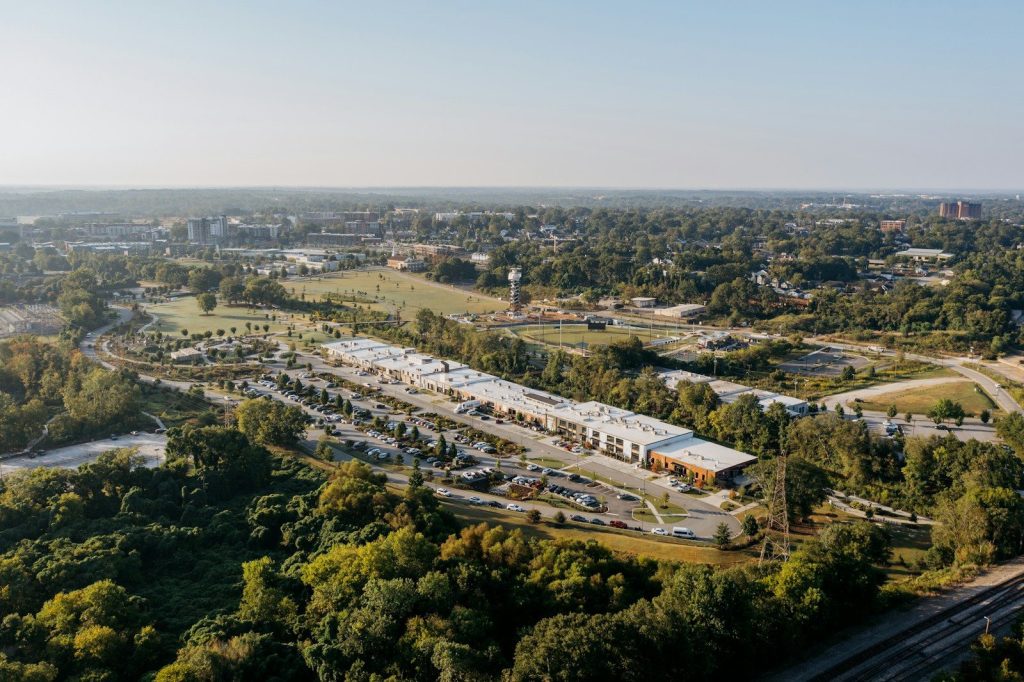
Running modern online networks requires an astronomical amount of physical hardware and space. According to reports from the International Energy Agency, these massive data centers can span the size of several sports stadiums. They are silent giants. Yet the constant expansion of these facilities is starting to spark fierce resistance in nearby neighborhoods. But the physical size of these hubs is only the first issue.
The Electricity Demands
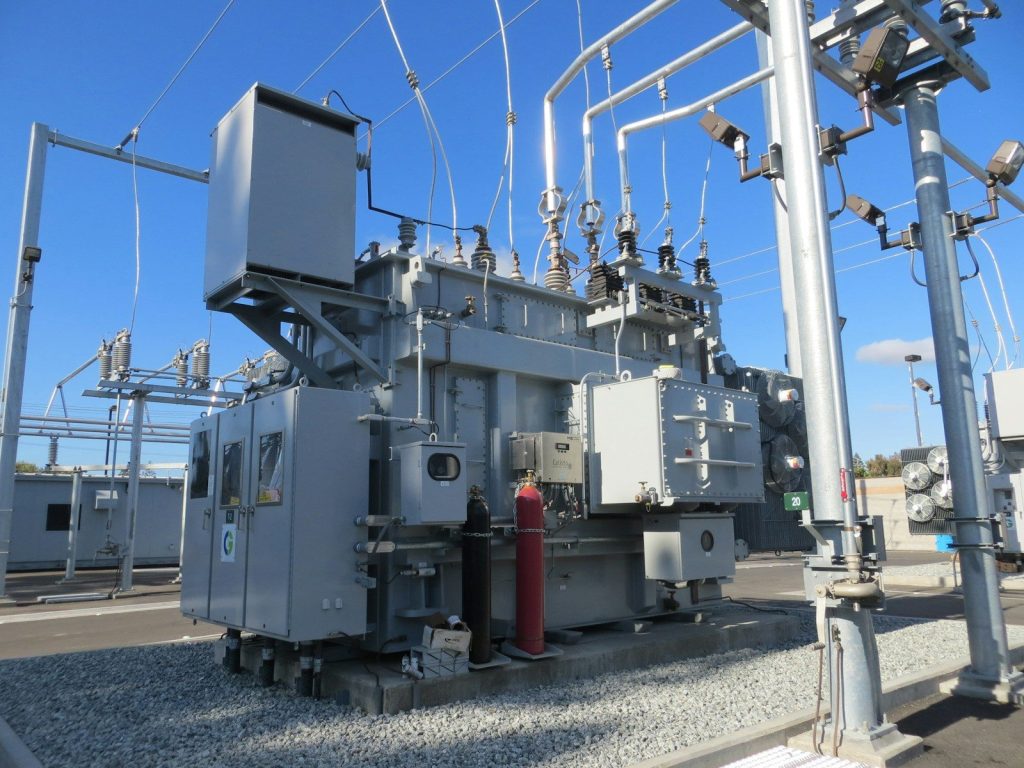
The sheer volume of power required to keep the processors active is staggering. According to energy grid studies, a single large data center can consume more electricity than a small city. The load is massive. This extreme demand is forcing utility companies to delay the retirement of older coal plants to keep up. But this energy crunch is also threatening local water supplies.
Evaporating Clean Water
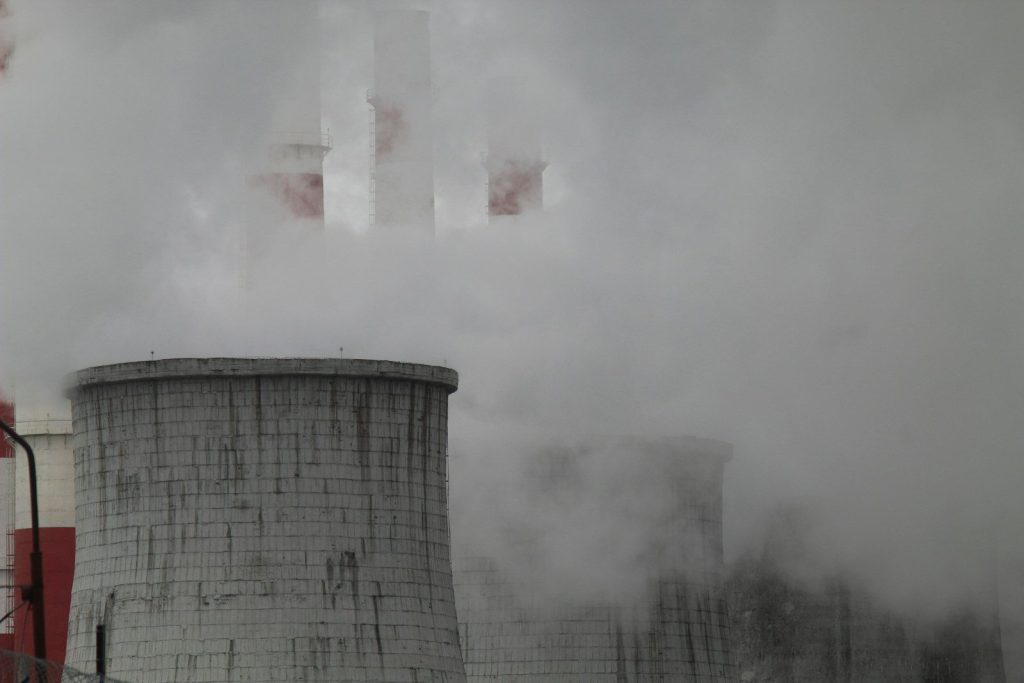
Keeping thousands of heavy server chips from overheating requires a massive amount of constant cooling. According to local utility audits, many facilities evaporate hundreds of thousands of gallons of water every single day. This loss is permanent. This high consumption is actively draining fragile underground aquifers that local farms rely on. But community groups are starting to fight back.
The Public Backlash

Furious residents are organizing protests to block new data center developments in their towns. According to public policy reports, communities are demanding strict environmental audits before any construction begins. They are highly vocal. Residents worry that their own water and electricity rates will skyrocket to support tech conglomerates. But companies are scrambling to design more sustainable alternatives.
Turning To Closed Loops

Engineers are testing advanced cooling systems that do not rely on evaporating fresh water. According to reports from the Department of Energy, switching to closed-loop air systems can eliminate water waste entirely. The costs are extreme. This massive price tag means that only the wealthiest tech companies can afford to implement these solutions. But the ultimate battle for data control is moving to the energy sector.
Seeking Clean Power
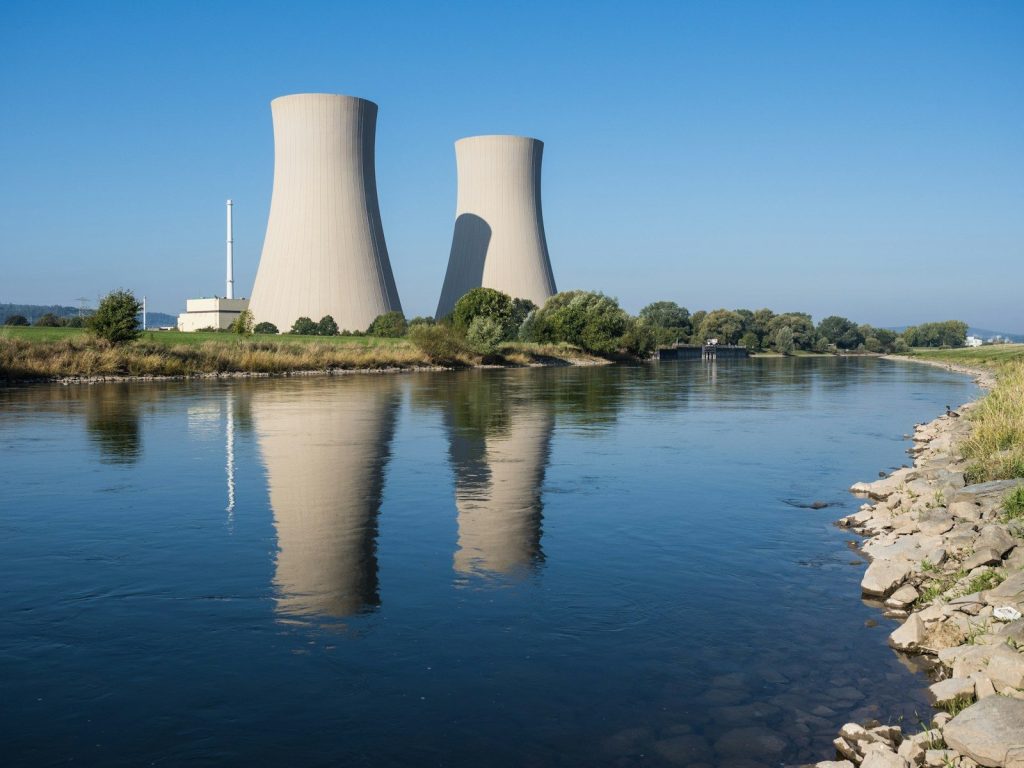
Tech giants are signing historic deals to secure constant carbon-free energy for their servers. According to energy industry reports, several firms are partnering with nuclear operators to guarantee a steady stream of electricity. The stakes are high. This pivot highlights how desperate the industry has become for reliable base load power. But this sudden rush for nuclear energy is raising serious public safety questions.
Balancing Progress And Nature

Finding a sustainable path forward requires a major shift in how we build digital infrastructure. According to energy engineers, the future of technology relies on developing ultra-efficient microchips and local clean power plants. Balance is essential. This article is for informational purposes only.
Featured Image: Photo by Aleksandar Savic on Unsplash
Leave a Reply