Blog

  • The Space Metal Weapon Hidden Inside King Tut’s Tomb

    The Space Metal Weapon Hidden Inside King Tut’s Tomb

    Most history lovers assume that ancient Egyptian craftsmen only worked with basic metals like copper and bronze. We believe that advanced iron metallurgy was entirely unknown until the rise of later empires.

    But a spectacular dagger discovered inside the tomb of King Tut has completely shattered this timeline. Modern scientific scans have proved that this royal weapon originated from deep space.

    The Lucky Tomb Discovery

    a long hallway with paintings on the walls
    Photo by Dmitrii Zhodzishskii on Unsplash

    An elite excavation team exploring the Valley of the Kings uncovered a wealthy burial vault in 1922. According to historical archives, archaeologist Howard Carter spent years cataloging the pristine treasures. The wealth was staggering. Among the golden artifacts lay an ornate iron dagger that showed absolutely zero signs of rust. But this clean metal surface hid a highly bizarre molecular secret.

    ifting Through Iron Crystals

    a woman sitting in front of a computer monitor
    Photo by CDC on Unsplash

    The preservation of the iron blade baffled researchers who expected to find crumbling orange rust. According to a study published in Meteoritics and Planetary Science, scientists used X-ray scanners to analyze the metal. The results were shocking. The blade contained high levels of nickel and cobalt. But this specific chemical blend does not occur in standard Earth iron ores.

    Sourcing From Fallen Stars

    a large desert landscape
    Photo by Joshua Kettle on Unsplash

    The unique ratio of nickel and cobalt is a definitive fingerprint of iron meteorites. According to planetary geologists, the royal dagger was forged from a space rock that crashed into the desert. The metal fell from above. This discovery proved that ancient blacksmiths were actively harvesting meteors to create precious weapons. But how they managed to shape this hard metal remains a puzzle.

    Impossible Bronze Age Heat

    a black and white photo of a stone fireplace
    Photo by Keith Jonson on Unsplash

    Forging iron requires temperatures exceeding 1500 degrees Celsius, which bronze age furnaces could not reach. According to structural engineers, early artisans likely used a cold-working technique to hammer the meteorite metal. The work was intense. This delicate process required extreme skill to prevent the rare space metal from cracking. But the Egyptians had a highly specific name for this iron.

    Iron From The Sky

    Ancient egyptian hieroglyphs carved into stone
    Photo by The Cleveland Museum of Art on Unsplash

    Ancient hieroglyphic texts from the era begin using a new term that translates directly to iron from the sky. According to classical historians, the Egyptians believed that these fallen stones were literal gifts from the gods. The connection was sacred. This explains why the space dagger was placed directly next to the mummified king. But this royal weapon was not the only space artifact.

    The Cosmic Scarab Amulet

    Detailed view of a necklace featuring raw gemstone beads with a natural aesthetic.
    Photo by Alexey Demidov on Pexels

    A beautiful yellow gemstone set in the king’s pectoral jewelry also had a cosmic origin. According to mineral analysts, the translucent scarab was carved from Libyan desert glass. The glass is ancient. This rare silica formed when a massive meteorite exploded over the sand dunes millions of years ago. But tracing these cosmic items is rewriting our view of ancient trade.

    Mapping Prehistoric Trade Networks

    Close-up of a vintage map showing the Indian Ocean with detailed geographic features.
    Photo by Nothing Ahead on Pexels

    The specific meteorite used for the dagger blade matches a fallen rock located hundreds of miles away. According to archaeological surveys, the space iron was likely traded across vast distances before reaching the royal court. The routes were active. This proves that early empires possessed incredibly complex supply channels. But the ultimate legacy of these cosmic treasures continues to inspire.

    Decoding Our Ancient Past

    the sun shines brightly through the columns of a building
    Photo by Jeison Higuita on Unsplash

    The space dagger of King Tut proves that ancient societies were highly resourceful and technologically adaptive. According to researchers, studying these space metal artifacts helps us understand the true limits of early human engineering. The soil holds secrets. This article is for informational purposes only.

    Featured Image: Photo by Vlad Markov on Unsplash

  • The Massive Subterranean Void Uncovered Beneath Egypt

    The Massive Subterranean Void Uncovered Beneath Egypt

    Most archaeology fans believe that centuries of heavy digging have mapped every single structure in Egypt. We assume that modern scanners have already revealed all the major tombs and hidden chambers.

    But a spectacular geophysical sweep has uncovered a massive underground void beneath the sand. This colossal subterranean structure has stunned researchers and completely upended our maps of the area.

    Sweeping Beneath The Dust

    Abstract visualization of blue magnetic field lines surrounding a glowing sphere.
    Photo by Nicola Narracci on Pexels

    Looking inside the solid earth requires advanced technology that bypasses traditional shovels. According to reports from the ScanPyramids Project, researchers used cosmic ray particles called muons to scan the ground. They are highly penetrating. These particles pass easily through stone but get absorbed by dense materials. But reading these particle maps revealed a highly unexpected gap.

    The Massive Density Gap

    A television sitting in the back of a truck
    Photo by Sasha Matveeva on Unsplash

    The cosmic ray sensors recorded a highly unusual empty space deep beneath the Giza plateau. According to geophysical analysts, the newly mapped void is over thirty meters long. It was truly colossal. This large structural gap does not align with any known natural rock formations in the area. But confirming the existence of this room required running secondary radar scans.

    Verifying With Deep Radar

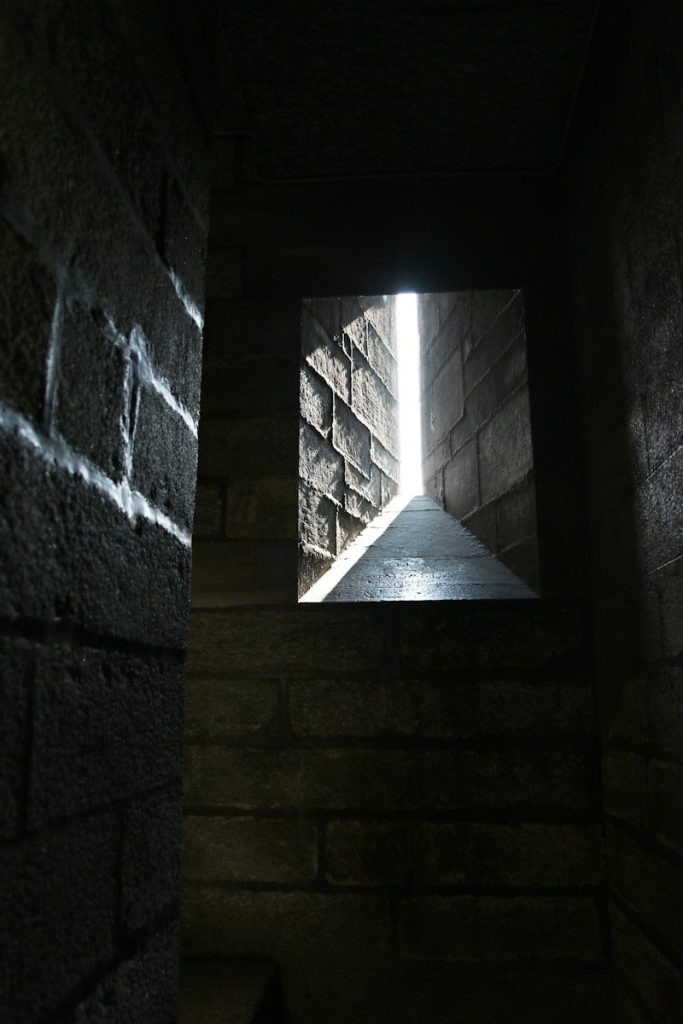
    Light streams through a narrow castle window opening.
    Photo by Daniel Brzdęk on Unsplash

    Scientists used ground-penetrating radar to scan the precise coordinates of the density gap. According to reports from Nagoya University, the radar echoes confirmed a massive hollow chamber. The results were clear. This secondary test proved that the void was an intentional architectural feature rather than a natural cave. But determining who built this underground giant is a massive challenge.

    The Royal Tomb Connection

    a street lined with stone pillars and buildings
    Photo by Dilip Poddar on Unsplash

    The colossal void sits directly adjacent to the ancient resting places of elite Egyptian families. According to classical historians, this specific coordinate was reserved for the most powerful officials of the Old Kingdom. The status was clear. Placing such a massive underground structure in this sacred area proves its extreme cultural importance. But some geologists suggest a highly practical function for the room.

    Shifting The Structural Weight

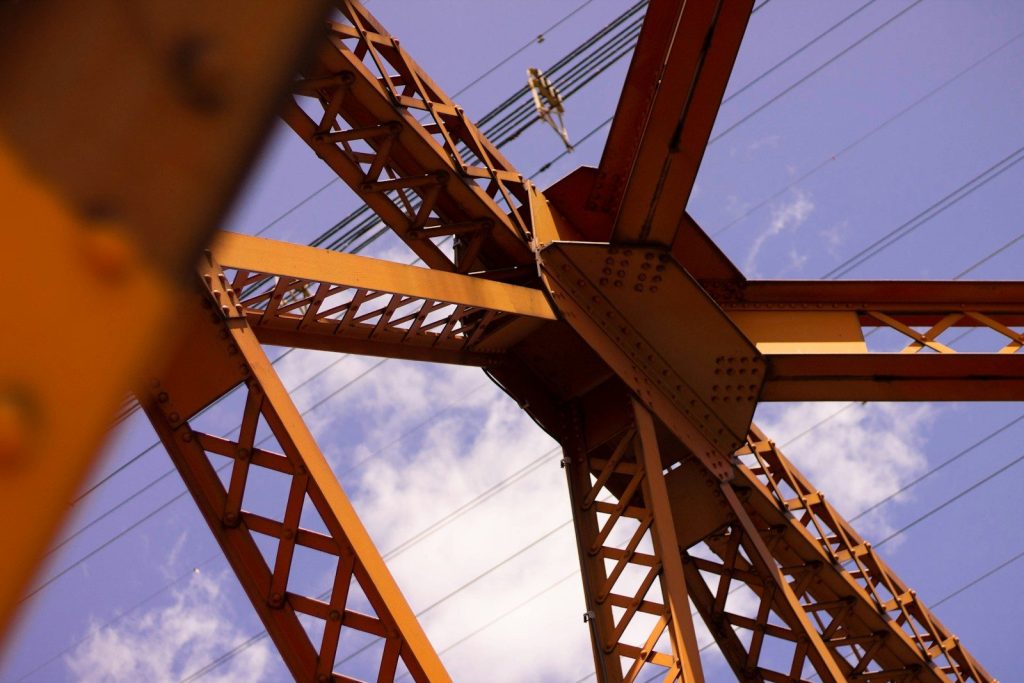
    a large metal structure with a sky in the background
    Photo by Jonnica Hill on Unsplash

    The empty chamber may have been designed to protect the surrounding tombs from collapsing. According to architectural surveys, the vaulted design of the void helps distribute the immense weight of the stone. The engineering is brilliant. This clever setup took pressure off the main passageways located directly below. But finding what lies inside this secret vault is the next step.

    Prepping The Micro Cameras

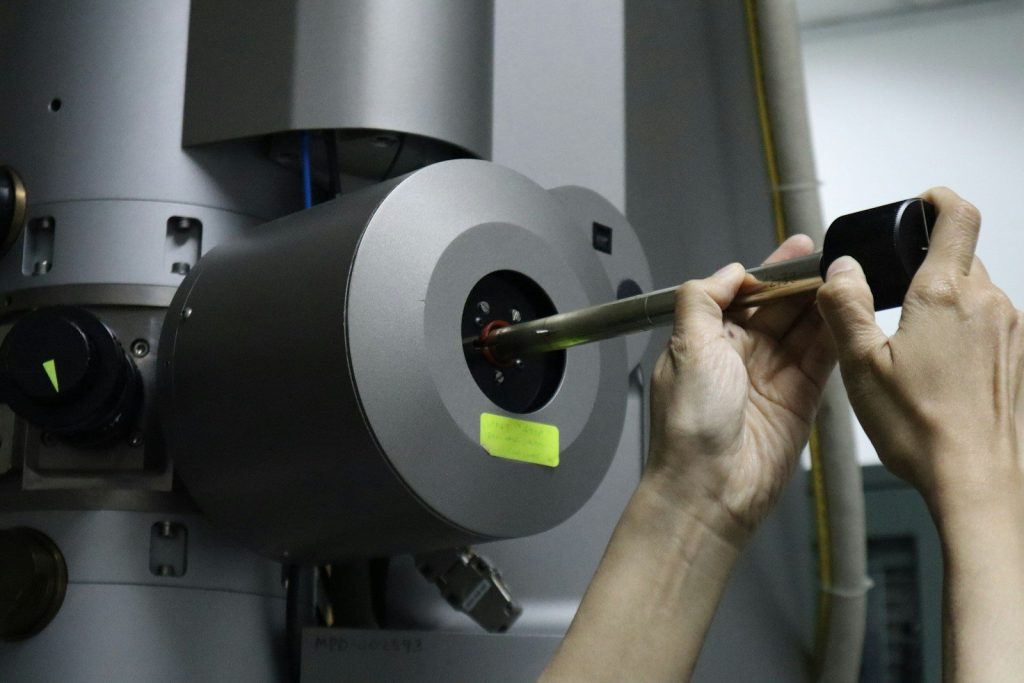
    A scientist works with a complex laboratory device.
    Photo by Malcolm Choong 鍾声耀 on Unsplash

    Researchers are currently designing tiny robotic probes to slide through the narrow stone joints safely. According to excavation logs, these small devices will capture high-resolution video without disturbing the delicate site. The excitement is building. This silent exploration could soon reveal untouched historic treasures or the final resting place of early kings. But the team must proceed with extreme care.

    Reclaiming Our Forgotten Past

    brown rock formation under blue sky during daytime
    Photo by Clay Banks on Unsplash

    This spectacular radar discovery proves that technology can locate lost history hidden beneath our feet. According to archaeologists, mapping these massive ruins helps us reconstruct the true development of early monumental architecture. The desert keeps secrets. This article is for informational purposes only.

    Featured Image: Photo by Karsten Winegeart on Unsplash

  • The Lost Ship Discovered Empty After A Century

    The Lost Ship Discovered Empty After A Century

    Most maritime history lovers assume that shipwreck search teams quickly locate any vessel that disappears near busy shipping lanes. We believe that modern sonar networks can easily find lost transport hulls in shallow waters.

    But a tragic disappearance in the Great Lakes proved how easily a ship can vanish. A wooden coal carrier disappeared with all fourteen crew members in 1909, only to be found 115 years later.

    The Sudden Winter Storm

    a boat full of people in the middle of the ocean
    Photo by Midhun Harikumar on Unsplash

    A heavy wooden vessel loaded with cargo set sail across Lake Superior during a brutal winter storm. According to historical records, the ship met fierce winds and freezing temperatures in November of 1909. The cold was intense. The captain fought desperately to keep the ship stable as giant waves battered the wooden hull. But the vessel suddenly vanished from all shore logs.

    A Century Of Silence

    a pile of wood sitting on top of a sandy beach
    Photo by Blake Alexander on Unsplash

    Search teams combed the coastlines but found only scattered pieces of wood and life jackets. According to reports from the Great Lakes Shipwreck Historical Society, no signs of the crew were ever recovered. The silence was absolute. For over a century, the final resting place of the vessel remained a profound mystery. But modern remote technology eventually unlocked the dark coordinates.

    Scanning The Lake Floor

    Rough dark texture with light ripples and streaks
    Photo by 7vues . on Unsplash

    A specialized research vessel equipped with high-resolution sonar began mapping the deep waters in 2024. According to marine archaeologists, the instruments detected a massive ship-shaped anomaly resting in over 600 feet of water. The outline was clear. This high-tech scan allowed the team to pinpoint the coordinates before sending cameras down. But the condition of the wreck shocked the researchers.

    Perfectly Preserved In Fresh Water

    A black and white photo of a man on a rope
    Photo by Victor Oonk on Unsplash

    The icy and oxygen-poor depths of the lake acted like a perfect historical archive. According to underwater camera footage, the wooden cabin and main mast remained standing in pristine condition. It was a frozen capsule. The lack of saltwater and wood-eating organisms prevented the hull from decaying normally over the decades. But the silent cabins held no answers about the crew.

    The Empty Lifeboat Davits

    Close-up of a ship displaying two vibrant orange lifeboats attached to its side.
    Photo by Matthis Volquardsen on Pexels

    A close inspection of the deck revealed that the lifeboats were missing from their launch racks. According to search expedition logs, the crew likely attempted a daring escape as the ship began to sink. The escape was desperate. But navigating a small open boat through a freezing Great Lakes storm was a nearly impossible task. But this tragic detail is helping families find closure.

    Healing Across Generations

    Rows of white archive boxes on wooden shelves
    Photo by Luke Caunt on Unsplash

    Finding the physical wreck has brought immense relief to the descendants of the lost sailors. According to historical researchers, families had spent decades wondering about the final moments of their ancestors. The connection is emotional. This discovery turns a painful family legend into a documented historical event. But the lake still hides hundreds of other lost ships.

    The Graveyard Of Ships

    Photo by Alexandru-Bogdan Ghita on Unsplash

    The unpredictable and violent storms of the Great Lakes have claimed thousands of vessels over the centuries. According to maritime databases, over six thousand ships lie buried in these inland freshwater seas. The waters are treacherous. These wrecks remain silent monuments to the dangerous early days of industrial transport. But scientists are continuing to scan the deep floors.

    Learning From The Deep

    A ship cruising across the vast ocean under a bright blue sky near Seychelles.
    Photo by Matteo Parisi on Pexels

    The successful recovery of the ship coordinates proves that modern technology can solve our oldest historical mysteries. According to marine geophysicists, mapping these sunken vessels preserves the true stories of early maritime pioneers. The deep keeps the truth. This article is for informational purposes only.

    Featured Image: Photo by Francisco Delgado on Unsplash

  • The Most Bizarre Cosmological Mysteries Defying Modern Science

    The Most Bizarre Cosmological Mysteries Defying Modern Science

    Most stargazers believe that modern telescopes have successfully mapped all the fundamental forces of the universe. We assume that physics has already explained how stars, galaxies, and gravity interact.

    But elite theoretical physicists are currently facing a series of mind-bending cosmic anomalies. These deep space mysteries suggest that almost everything we know about reality is completely wrong.

    The Dark Matter Paradox

    two very bright blue objects in the dark sky
    Photo by NASA Hubble Space Telescope on Unsplash

    Visible stars and massive gas clouds only make up a tiny fraction of the total cosmic mass. According to astrophysics reports, a mysterious invisible substance holds entire galaxies together with intense gravity. It is completely invisible. Scientists cannot directly detect this dark matter despite decades of searching with sensitive laboratory instruments. But this gravitational ghost is not the only force expanding space.

    The Relentless Dark Energy

    Concentric glowing rings and particles orbiting a central textured mass.
    Photo by Brecht Corbeel on Unsplash

    The entire universe is expanding outward at a highly rapid and accelerating rate. According to cosmic microwave background measurements, an unexplained pressure called dark energy is pushing galaxies apart. The power is staggering. This invisible force makes up roughly sixty-eight percent of everything in existence today. But explaining how this energy behaves requires looking at the infant universe.

    The Cosmic Inflation Leap

    an artist's impression of a star in the sky with a planet in the
    Photo by NASA Hubble Space Telescope on Unsplash

    Shortly after the Big Bang, the young universe experienced a sudden and massive expansion spurt. According to theoretical physics papers, space expanded faster than the speed of light in a fraction of a second. It was incredibly violent. No known physical law can explain what triggered this rapid cosmic ballooning or why it suddenly stopped. But this early expansion left behind a highly unusual asymmetry.

    The Missing Antimatter Puzzle

    a firework exploding in the sky
    Photo by Jeremy Foster on Unsplash

    Creating matter from raw energy always produces an equal amount of highly volatile antimatter. According to particle physics studies, these two opposing materials destroy each other instantly on contact. The balance failed. For some unknown reason, the early universe contained slightly more normal matter than antimatter to build our world. But some massive deep-space structures defy all galactic patterns.

    The Great Attractor Pull

    a group of galaxy like objects in the sky
    Photo by NASA Hubble Space Telescope on Unsplash

    Colossal gravitational anomalies are quietly pulling our entire galactic neighborhood toward a specific coordinate. According to astronomical surveys, hundreds of massive galaxies are drifting toward a hidden point behind our own Milky Way. The drift is silent. This region of space contains a massive concentration of gravity that telescopes cannot see. But astronomers believe a different cosmic signal holds the ultimate secret.

    Repeating Fast Radio Bursts

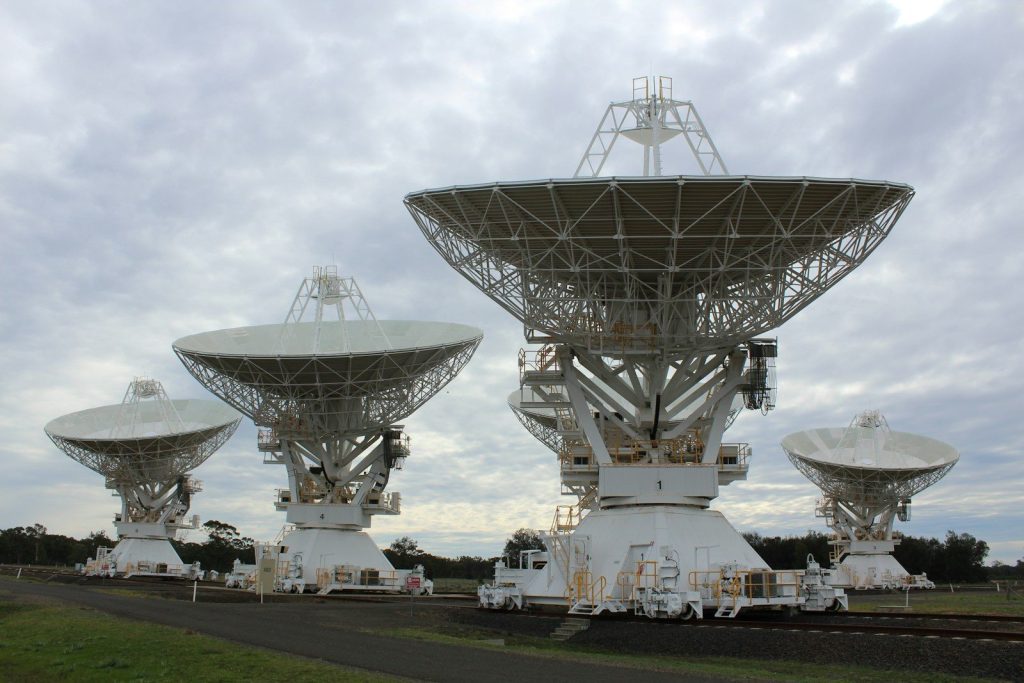
    white satellite
    Photo by V Dimples on Unsplash

    Sensitive radio telescopes routinely capture intense millisecond flashes of energy coming from distant galaxies. According to reports from the SETI Institute, some of these powerful signals repeat at precise mathematical intervals. They feel highly organized. Scientists still cannot determine if these energetic bursts are natural star deaths or technological beacons. But the ongoing search continues to push human imagination.

    Unlocking The Cosmic Code

    a cluster of yellow lights in the dark
    Photo by NASA Hubble Space Telescope on Unsplash

    Solving these bizarre deep-space mysteries will require a radical revolution in modern quantum physics. According to researchers, exploring the unknown boundaries of our universe expands our collective intelligence. The journey is endless. This article is for informational purposes only.

    Featured Image: Photo by Red Shuheart on Unsplash

  • The Extreme Alien Worlds Where Humans Could Survive

    The Extreme Alien Worlds Where Humans Could Survive

    Most space enthusiasts assume that Earth is the only planet capable of supporting the complex needs of human life. We believe that distant worlds are too hot, too cold, or too toxic for our survival.

    But advanced planetary scans have revealed several highly promising exoplanets orbiting nearby stars. These extreme alien worlds contain the vital physical ingredients to host future human colonies.

    Finding The Goldilocks Zone

    an artist's impression of a planet and a star
    Photo by NASA Hubble Space Telescope on Unsplash

    Supporting liquid water requires a candidate planet to orbit its host star at a highly specific distance. According to reports from NASA, this temperature sweet spot is known as the habitable zone. It is highly rare. Inside this region, stellar warmth keeps planetary water from boiling away or freezing solid. But verifying water coverage requires scanning the atmosphere.

    Reading Distant Water Worlds

    clear body of water at daytime
    Photo by Jakob Owens on Unsplash

    Some exoplanets appear to be covered entirely by a global ocean hundreds of miles deep. According to space agency models, these watery planets could theoretically support primitive marine ecosystems under their clouds. The views are stunning. But human settlers would need to build floating cities to establish a permanent presence here. But another rocky neighbor presents a far more familiar terrain.

    The Red Dwarf Neighbors

    A high-resolution image of a rocky celestial body against a black background.
    Photo by Zelch Csaba on Pexels

    Most habitable exoplanets orbit active red dwarf stars that are significantly smaller than our sun. According to stellar physics research papers, these planets often become tidally locked due to close orbits. They never rotate. This means one side of the planet faces a permanent day while the other rests in freezing darkness. But a strange border zone could offer a perfect home.

    Surviving Along The Twilight

    Colorful planet with swirling clouds in dark space
    Photo by Bhautik Patel on Unsplash

    The narrow strip of land separating the burning day from the freezing night is highly stable. According to atmospheric simulations, this twilight zone experiences a mild and continuous spring-like climate. The air is calm. This temperate region could serve as the primary landing zone for early human explorers. But protecting these colonies requires measuring the local magnetic fields.

    The Invisible Magnetic Shield

    A digitally rendered planet in space showcasing intricate textures and vibrant colors.
    Photo by Zelch Csaba on Pexels

    Exoplanets without a strong magnetic field are constantly stripped of their atmospheres by violent solar winds. According to planetary geologists, a robust liquid iron core is vital to generate this protective shield. The shield is active. Without it, intense cosmic radiation would easily destroy any human structures on the surface. But some target worlds are significantly larger than Earth.

    Settling On Super Earths

    an artist's rendering of a space station in orbit
    Photo by Andrej Sachov on Unsplash

    A rare class of massive rocky planets possesses gravity fields that are stronger than our own. According to planetary physics logs, these super-Earths can hold onto dense atmospheres that block solar radiation. They are highly resilient. However, human settlers would experience heavier physical body weights that strain muscles and bones over time. But scientists are searching for ways to adapt.

    Advanced Biosphere Dome Engineering

    black metal fence
    Photo by Markus Spiske on Unsplash

    Future colonists will need to build massive pressurized domes to grow crops and recycle breathing air. According to architectural design files, specialized carbon materials can insulate indoor habitats from extreme external temperatures. The designs are practical. This closed-loop setup will allow humans to farm and live comfortably on hostile worlds. But launching these deep space journeys requires a massive leap in rocket tech.

    Heading Into The Deep

    A breathtaking view of Earth with the sun rising, illuminating the planet in space.
    Photo by Zelch Csaba on Pexels

    Establishing a permanent home on a distant exoplanet remains the ultimate dream of modern space exploration. According to astrobiologists, finding a second living world will guarantee the long-term survival of human consciousness. The journey is starting. This article is for informational purposes only.

    Featured Image: Photo by Sam Moghadam on Unsplash

  • Why Hollywood Is Quietly Replacing Real Actor Voices

    Why Hollywood Is Quietly Replacing Real Actor Voices

    Most movie lovers assume that their favorite animated characters are always voiced by highly talented human actors in physical studios. We believe that genuine vocal performances require real human emotion and years of training.

    But a major software shift is completely disrupting the traditional entertainment industry. Advanced artificial intelligence can now replicate famous celebrity voices with absolute acoustic precision in seconds.

    The Digital Clone Warning

    Condenser microphone surrounded by string lights creating a bokeh effect, ideal for studio and music themes.
    Photo by Irina Iriser on Pexels

    A legendary Hollywood actor recently raised major alarms about how film studios handle famous voices. According to reports from The Hollywood Reporter, actor Tom Hanks stated that Disney could easily use AI to generate Woody’s voice for future films. The threat is real. This capability allows studios to produce entire movies without ever hiring the original actor. But this software power is already triggering intense legal battles.

    Squeezing Out The Actors

    black and white digital device
    Photo by Jeremy Liem on Unsplash

    Replicating a specific human voice requires feeding hours of older audio recordings into a neural network. According to machine learning specialists, the software maps the unique pitch, rhythm, and accent of the speaker. The results are uncanny. Once trained, the algorithm can read any written script in the celebrity’s exact voice. But this rapid automation is leaving many voice actors completely stranded.

    The Fight For Voice Rights

    Close-up of hands signing a contract on a desk with office supplies, symbolizing legal agreements.
    Photo by www.kaboompics.com on Pexels

    Screen actors are racing to secure strict legal ownership of their digital likenesses and vocal patterns. According to SAG-AFTRA legal filings, performers are demanding clear contracts that prevent studios from using AI clones without consent. They are fighting back. Without these protections, an actor’s digital clone could continue working long after they retire. But some studios see a highly profitable advantage.

    Infinite Foreign Language Dubs

    black laptop computer turned on displaying music player
    Photo by Sanjeev Nagaraj on Unsplash

    Translating films into multiple languages normally requires hiring separate voice actors in different countries. According to entertainment market analysts, new translation software can instantly dub a film while retaining the original actor’s vocal tone. It feels like magic. This automated system allows global audiences to hear the original star speak their native language. But this visual and vocal mapping is growing even deeper.

    Retaining The Youthful Spark

    A man edits video on a computer.
    Photo by TourBox on Unsplash

    Aging actors frequently struggle to perform the highly demanding physical voices of their younger characters. According to animation production logs, developers can use vocal de-aging software to restore a performer’s youthful tone instantly. The system is smooth. This allows franchises to keep the same iconic voices active across multiple decades. But some critics are warning about the complete loss of human emotion.

    The Lack Of True Soul

    a computer generated image of a clock tower
    Photo by Shubham Dhage on Unsplash

    While AI can replicate pitch and speed, it still struggles to capture the subtle nuances of human feeling. According to theatrical directors, standard algorithms cannot feel sorrow, joy, or genuine surprise during a scene. Computers lack true empathy. Human reviews are still necessary to guide the digital performance and ensure it resonates with audiences. But the march of technology remains completely unstoppable.

    Redefining The Creative Space

    white and black wooden desk
    Photo by Master Filmmaker on Unsplash

    The rapid rise of vocal synthesis is forcing Hollywood to completely redefine what it means to be a performer. According to media historians, balancing technical innovation with human creativity will shape the future of entertainment. Change is permanent. This article is for informational purposes only.

    Featured Image: Photo by Kelly Sikkema on Unsplash

  • The Strange Scientific Anomalies Defying The Laws of Nature

    The Strange Scientific Anomalies Defying The Laws of Nature

    Most science students believe that the rules governing our planet are completely uniform. We assume that physics and biology always operate in highly predictable patterns.

    But several newly documented physical anomalies are currently leaving researchers deeply confused. These bizarre natural phenomena completely violate the established laws of reality.

    The Water That Defies Gravity

    water drops on brown wooden stick
    Photo by Lester Hine on Unsplash

    Liquid molecules are supposed to fall downward when poured onto an open surface. According to physicists at Harvard University, researchers have observed water droplets climbing vertically up highly specialized copper sheets. The movement is silent. This strange action occurs when micro-textures on the metal manipulate capillary forces to override gravity. But another biological anomaly is actively confusing researchers on land.

    The Metal-Eating Tree

    Tall tree and lush greenery inside a modern glass structure.
    Photo by Declan Sun on Unsplash

    Most forest plants avoid absorbing heavy metals from local soils to protect their cells. According to botanical reports from the University of Queensland, a unique rainforest tree actively sucks up toxic nickel until its sap turns bright green. It is highly toxic. This strange plant can hold massive amounts of metal without suffering any biological damage. But the ocean holds a physical mystery that is even harder to explain.

    The Ice That Burns Hot

    Underwater coral reef with clear blue water
    Photo by Taras Terletskyy on Unsplash

    We normally associate ice with freezing temperatures and rapid cooling cycles. According to marine geology studies, vast deposits of frozen methane gas sit trapped deep beneath the ocean floor. The energy is intense. When brought to the surface, this solid ice can be ignited with a simple match to burn continuously. But a strange geological region is actively altering human weight.

    The Heavy Gravity Zone

    Abstract, colorful paint splatters create textured background.
    Photo by Pedro Netto on Unsplash

    Stargazers assume that Earth’s gravity is perfectly equal across every square mile of the planet. According to geophysics database reports, massive underground rock formations create distinct pockets of concentrated gravitational pull. The variation is real. Traveling through these heavy zones can actually alter your precise body weight slightly. But an unusual creature has mastered a physical trick that bypasses standard eyes.

    Living Without Any Oxygen

    a close up of a circular object on a black background
    Photo by Ash Hayes on Unsplash

    Biologists always assumed that all complex animal species require oxygen to generate cellular energy. According to a study published in the Proceedings of the National Academy of Sciences, a tiny jellyfish-like parasite lives completely without breathing. They are highly unique. This microscopic creature contains absolutely no mitochondrial DNA to process oxygen. But a rare physical material behaves in an even more shocking way.

    The Liquid That Never Stops

    a black and white photo of a propaner
    Photo by Matheus Vidal on Unsplash

    Liquids eventually slow down and stop moving due to internal friction forces. According to low-temperature physics papers, super-cooled helium can flow up the walls of a container endlessly without losing energy. This is a superfluid. The zero-viscosity liquid can even leak through microscopic pores that hold normal water securely. But another deep space anomaly is challenging how we map our galaxy.

    The Silent Cosmic Magnet

    an artist's rendering of a collision between two planets
    Photo by Saad Alfozan on Unsplash

    Our planetary magnetic field is strong enough to guide compasses safely around the globe. According to NASA astronomical logs, highly dense collapsing stars called magnetars possess magnetic forces trillions of times stronger than Earth. They are incredibly violent. This magnetic pull is so intense that it can easily dissolve atomic structures from thousands of miles away. But exploring these natural anomalies is forcing us to rethink our place in the universe.

    Rewriting Our Physics Books

    Golden sunrise over misty ocean waters
    Photo by Luke Yang on Unsplash

    Uncovering these wild scientific anomalies proves that nature is far more complex than our current theories suggest. According to researchers, each strange discovery helps expand the boundaries of human knowledge. We must keep questioning. This article is for informational purposes only.

    Featured Image: Photo by Egor Komarov on Unsplash

  • Why One Rocket Empire Could Own The Global Economy

    Why One Rocket Empire Could Own The Global Economy

    Most business analysts assume that the world’s most valuable companies will always be standard tech giants or oil conglomerates. We believe that consumer software and retail brands represent the absolute peak of commercial wealth.

    But financial experts are predicting a massive shift toward the orbital economy. One private space firm is quietly building a dominant orbital monopoly that could make it the first multi-trillion-dollar empire in history.

    The Global Satellite Monopoly

    Satellite orbiting earth with clouds below
    Photo by Mara F on Unsplash

    Operating a global communication network normally requires building massive land towers and expensive fiber cables. According to space sector reports, a single private firm now operates over half of all active satellites orbiting Earth. The network is massive. This satellite grid delivers high-speed internet to the most remote corners of the planet. But this orbital dominance is only the first step of their business plan.

    Crushing All Launch Competitors

    a close up of a space shuttle on display
    Photo by Alizea Sidorov on Unsplash
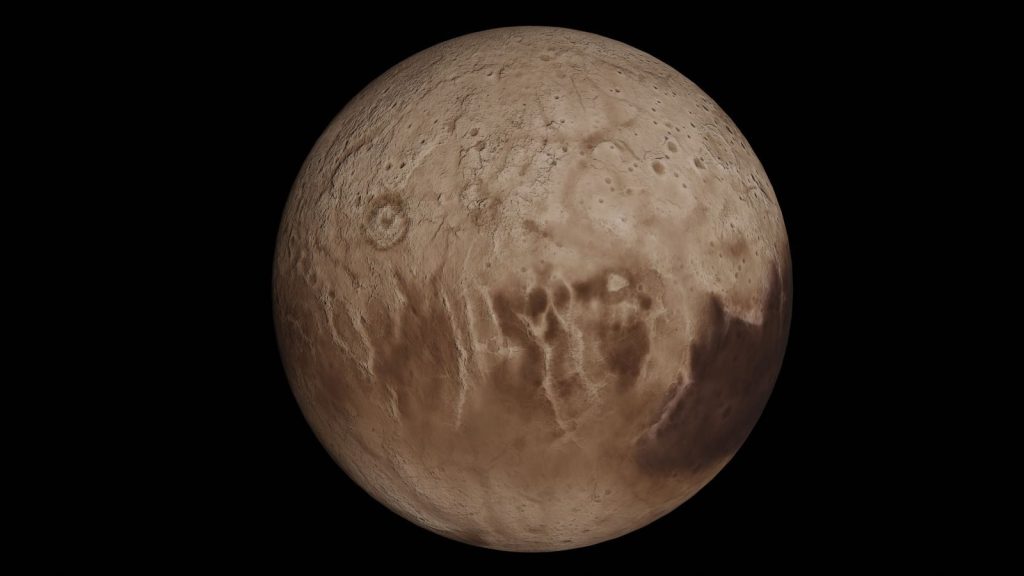
    Sending heavy payloads into orbit used to be a highly expensive government endeavor. According to aerospace database records, the private brand successfully carries the vast majority of the world’s commercial space cargo today. They are highly efficient. By reusing their rocket boosters, they have dropped launch prices to historic lows. But a new rocket model is about to accelerate this monopoly even further.

    The Super Heavy Advantage

    A space shuttle launches into space, showcasing powerful rocket engines and USA branding.
    Photo by Pixabay on Pexels

    Traditional rockets are completely destroyed after a single flight through the atmosphere. According to engineering logs, the giant new Starship booster is designed for immediate and total reusability. It is a game-changer. This massive vehicle will allow the company to launch thousands of tons of cargo daily at almost zero hardware cost. But this unmatched launching capacity is attracting highly lucrative defense contracts.

    Guarding National Security Systems

    An engineer monitors multiple screens in an industrial control room, ensuring smooth operations.
    Photo by Sergey Sergeev on Pexels

    Defense agencies rely heavily on secure satellite tracking to monitor global movements in real time. According to military defense files, the government has signed massive agreements to use customized military satellite networks. The security is tight. This reliance on private space systems is making the rocket firm an indispensable partner for national defense. But their long-term financial growth depends on a much larger target.

    Mining The Deep Cosmos

    a large rock in the middle of a space filled with stars
    Photo by NASA Hubble Space Telescope on Unsplash

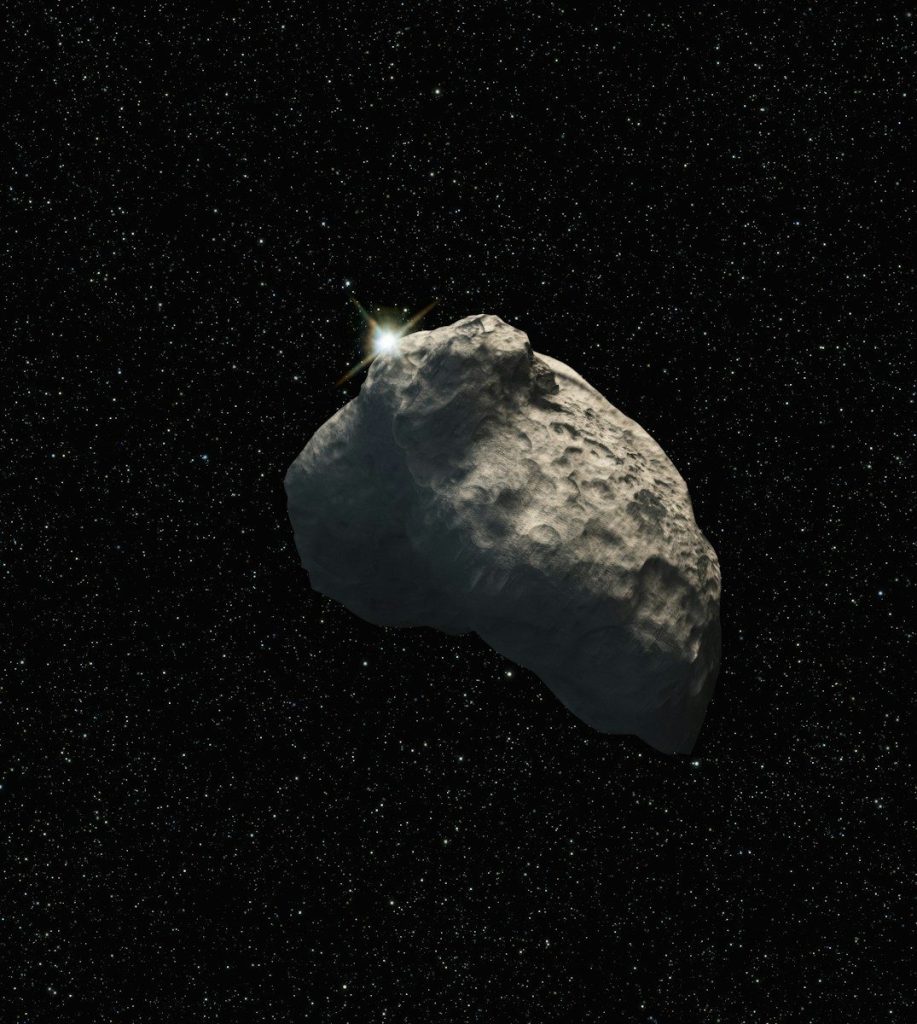
    The icy asteroids drifting through our solar system hold precious mineral wealth worth quadrillions of dollars. According to financial market projections, mastering cheap deep-space transit will allow the company to capture these celestial resources first. The potential is limitless. This asteroid mining capability could generate unprecedented wealth that eclipses entire national economies. But some critics are warning about the absolute lack of competition.

    The High Entry Barrier

    three huge gray metal towers inside building
    Photo by SpaceX on Unsplash

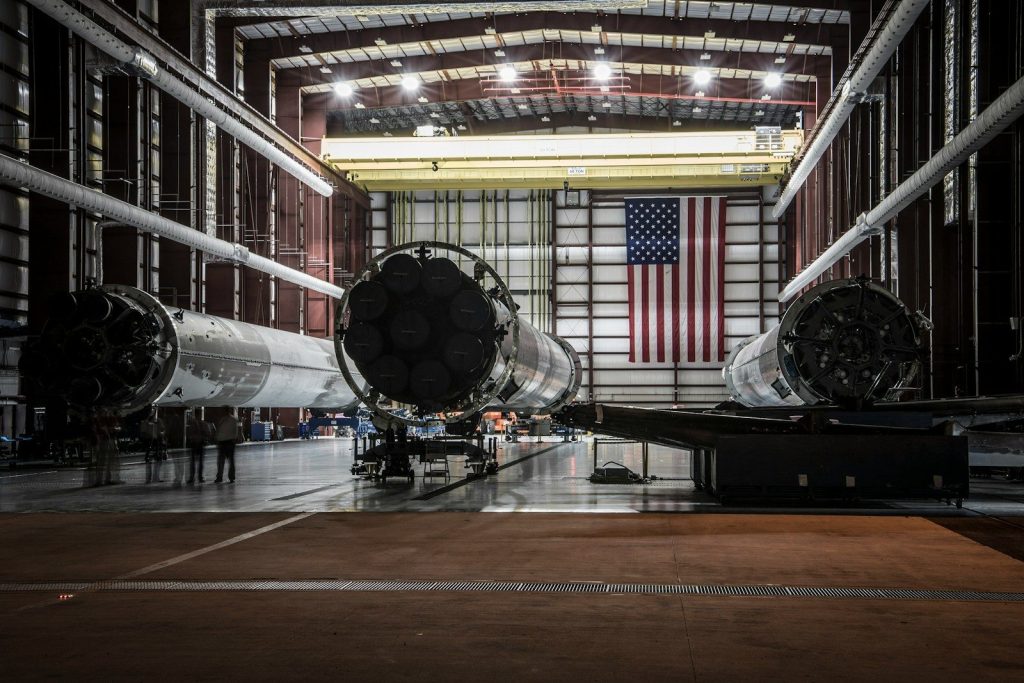
    Building a viable competitor in the rocket industry requires billions of dollars and years of advanced research. According to economic analysts, no other private firm or government agency can currently match the company launch frequency. The gap is widening. This massive head start gives the brand an unbreakable grip on the future orbital market. But this consolidation of power is raising serious global regulatory concerns.

    Shaping The Orbital Era

    edited photo of empty road way
    Photo by Tom Gainor on Unsplash
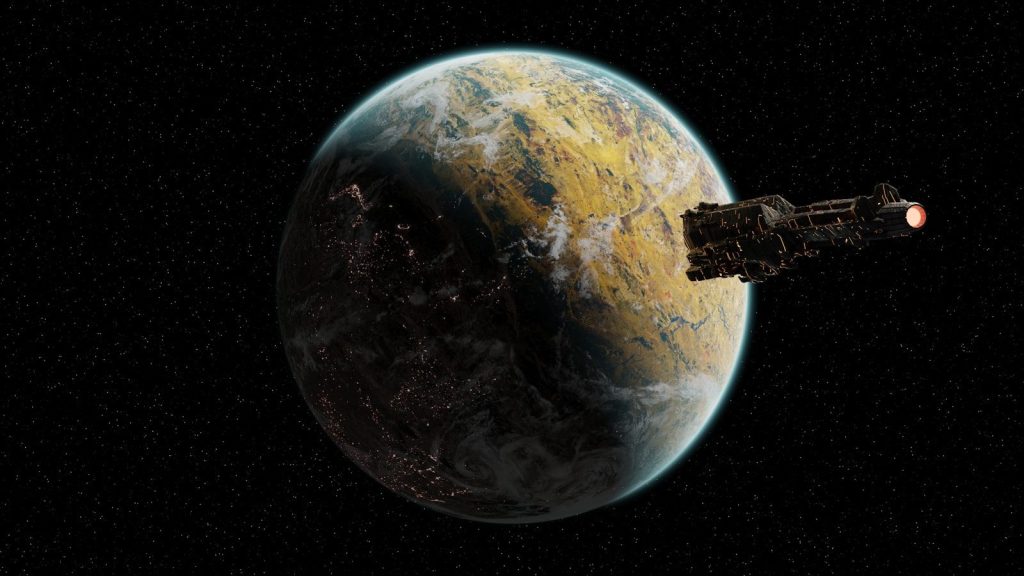
    The rapid rise of commercial space travel is ushering in a bold new economic era that goes beyond Earth. According to historians, controlling the highway to the stars will determine who holds ultimate power in the next century. The cosmos is the new market. This article is for informational purposes only.

    Featured Image: Photo by Frederick Wallace on Unsplash

  • How A Teenage Hacker Stole Millions With A Phone

    How A Teenage Hacker Stole Millions With A Phone

    Most internet users believe that high-tech bank robberies require complex server breaches and sophisticated coding skills. We assume our digital assets are perfectly safe behind advanced encryption and two-factor SMS blocks.

    But a clever teenage hacker bypassed all of these security measures using nothing but a basic mobile phone. His simple trick allowed him to drain millions of dollars from an investor account in minutes.

    The Simple Sim Swap

    closeup photo of turned on smartphone near keyboard
    Photo by Caspar Camille Rubin on Unsplash

    Securing digital accounts often relies on sending a temporary code to your mobile phone number. According to federal court documents, the teenage hacker used a social engineering trick called SIM swapping to hijack the target phone. It was surprisingly easy. He convinced a mobile carrier employee to transfer the victim’s number to a blank SIM card. But this simple transfer gave him complete control over the victim’s digital life.

    Bypassing Advanced Security

    black flat screen tv showing game
    Photo by Martin Sanchez on Unsplash

    Once the phone signal was redirected, the hacker easily bypassed the victim’s security barriers. According to cybersecurity incident reports, the teen requested password resets for multiple digital currency wallets. The system was defenseless. The automated security codes went straight to the hacker’s device instead of the actual owner. But the speed of the theft shocked even experienced security teams.

    Draining Twenty Four Million

    person holding black samsung android smartphone
    Photo by KOBU Agency on Unsplash

    The hacker targeted a prominent cryptocurrency investor who held massive digital asset portfolios. According to police investigation files, the teenager managed to transfer twenty-four million dollars in digital coins in a single night. The money vanished instantly. He quickly routed the stolen funds through multiple anonymous digital mixers to hide his path. But a small digital footprint would eventually lead police right to his door.

    Tracking The Virtual Breadcrumbs

    person holding sticky note
    Photo by Hitesh Choudhary on Unsplash

    While digital mixers make tracking funds incredibly difficult, they do not block all data trails. According to forensic blockchain analysts, the young hacker made a tiny mistake by transferring some funds to a public exchange. The trap was sprung. Investigators quickly linked the transaction to an IP address located in a quiet suburban neighborhood. But arresting the teenage suspect revealed a highly bizarre legal loophole.

    The Juvenile Legal Wall

    Stacks of white books with orange ribbons on shelves
    Photo by Julia Taubitz on Unsplash

    Prosecuting a minor for high-stakes international digital crimes presents a massive headache for the justice system. According to local prosecution files, the suspect was only fifteen years old when the heist occurred. He was extremely young. Juvenile laws in his home state did not permit holding him in adult maximum security facilities. But the victim was determined to recover his massive fortune.

    A Massive Civil Settlement

    top view photo of office interior miniature
    Photo by Caleb Shong on Unsplash

    The victim bypassed criminal courts to file a massive multi-million dollar civil lawsuit directly against the teen. According to court records, the legal pressure forced the young hacker’s family to return the remaining stolen assets. The settlement was historic. While he avoided prison, the teenager lost almost all the wealth he had illicitly accumulated. But this simple heist exposed a massive flaw in mobile networks.

    The Weak Security Link

    a laptop and a computer
    Photo by Rohan on Unsplash

    Mobile carriers are facing intense scrutiny for failing to protect their customers’ phone signals from basic fraud. According to consumer security reports, relying on SMS messages for two-factor authentication is no longer considered safe. We need better shields. Tech experts are urging users to switch to dedicated hardware security keys to protect their assets. But the threat of digital identity theft continues to grow every day.

    Protecting Our Digital Assets

    a close up of a network with wires connected to it
    Photo by Albert Stoynov on Unsplash

    This shocking teenage heist serves as a stern warning about the vulnerability of our connected lives. According to cybersecurity experts, managing your digital security requires constant vigilance and robust private authentication methods. The threat is permanent. This article is for informational purposes only.

    Featured Image: Photo by Amir Abbaspoor on Unsplash

  • The Engineering Truth Behind The Polarizing Stainless Steel Truck

    The Engineering Truth Behind The Polarizing Stainless Steel Truck

    Most truck buyers assume that vehicle design is purely a matter of personal style and basic cargo capacity. We believe that standard pickup shapes have been perfected over decades of manufacturing history.

    But a bizarre wedge-shaped vehicle is completely disrupting traditional automotive engineering standards. Its radical stainless steel exoskeleton has sparked intense global debates over vehicle safety and manufacturing physics.

    The Stainless Steel Shell

    a close up of a glass window with mountains in the background
    Photo by Bernd 📷 Dittrich on Unsplash

    Traditional pickup trucks rely on thin painted aluminum panels attached to a heavy internal frame. According to automotive engineering reports, this new vehicle uses a highly durable cold-rolled stainless steel outer skin. It is remarkably tough. This thick metallic shell is designed to resist dents, scratches, and even small bullets effortlessly. But this ultra-hard exterior introduces a major safety challenge during collisions.

    The Missing Crumple Zones

    grey fan blades
    Photo by Atanas Dzhingarov on Unsplash

    Modern cars protect passengers during a crash by physically folding to absorb intense impact forces. According to vehicle safety analysts, the rigid stainless steel body of the truck does not bend easily. This rigidity is controversial. Critics worry that the impact forces will travel straight into the cabin rather than being absorbed by the car. But testing the vehicle in real conditions revealed a highly unique design.

    Clever Internal Castings

    A couple of metal parts sitting on top of a table
    Photo by Diecasting Mould on Unsplash

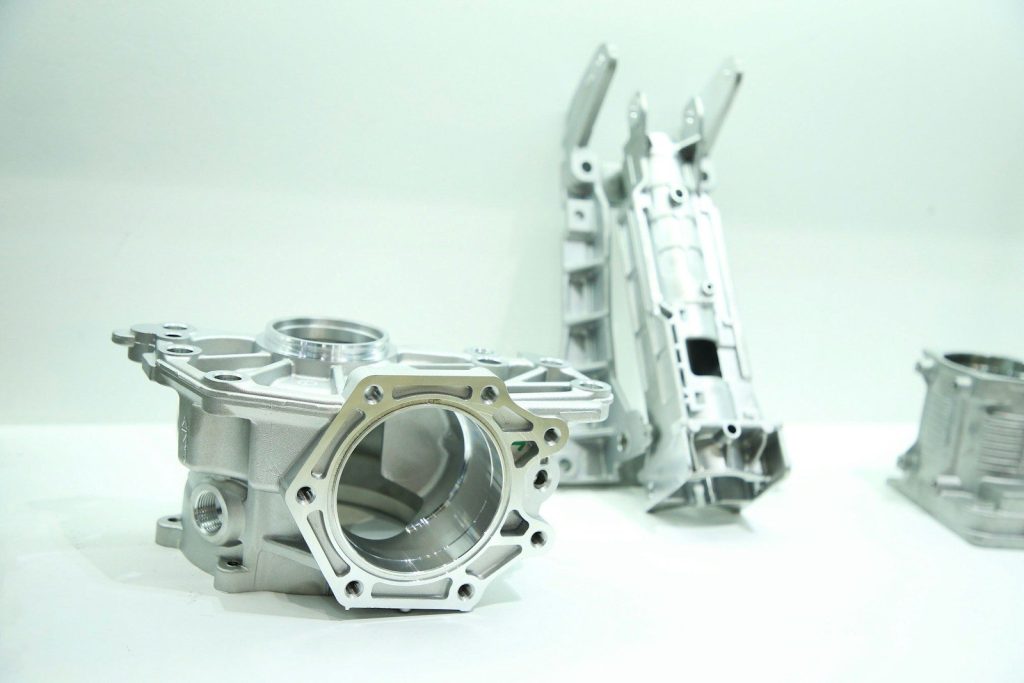
    To offset the rigidity of the outer shell, designers integrated massive aluminum castings inside the frame. According to manufacturing studies, these internal structures are designed to break and absorb energy during a severe impact. Engineering is complex. This hidden system ensures the vehicle still meets rigorous modern crash standards. But the sharp geometric edges are raising different concerns for pedestrians.

    The Pedestrian Impact Threat

    blue and black jeep wrangler
    Photo by Andrew Lancaster on Unsplash

    Standard cars feature rounded hoods designed to minimize injuries if they strike a pedestrian. According to road safety reports, the rigid, sharp corners of the steel truck could cause severe injuries during low-speed impacts. The risk is high. These sharp geometric angles are why European regulators are currently blocking the vehicle from their roads entirely. But the manufacturer is using advanced software to protect passengers.

    Steer By Wire Control

    grayscale photo of aircraft controller
    Photo by Lukas Souza on Unsplash

    Navigating a heavy metallic wedge through tight city streets requires an incredibly responsive steering system. According to vehicle testing logs, the truck features an all-digital steer-by-wire setup with no physical steering column. It is highly advanced. A computer translates the driver’s movements into precise wheel angles instantly based on speed. But keeping this heavy platform moving efficiently requires one final engineering trick.

    High Voltage Power Grids

    a close up of the engine of a car
    Photo by RKTW extend on Unsplash

    Moving a massive stainless steel frame drains battery power at an incredibly rapid rate. According to electrical engineering reviews, the vehicle uses a highly efficient eight-hundred-volt electrical system to distribute current. The current is strong. This advanced grid allows the truck to charge faster and run thinner wiring to reduce total weight. But the long-term success of this radical design remains a major gamble.

    Redefining The Pickup Truck

    Aerial view of a snow-covered industrial park at sunset.
    Photo by LEDC on Unsplash

    This controversial steel vehicle is pushing materials science and automotive design into an entirely new era. According to industry experts, the lessons learned from this project will shape future transportation manufacturing. Innovation requires taking risks. This article is for informational purposes only.

    Featured Image: Photo by Martin Geiger on Unsplash