Blog

  • How Overlooked Stone Relics Hidden In Plain Sight Built The Pyramids

    How Overlooked Stone Relics Hidden In Plain Sight Built The Pyramids

    Most people assume that ancient Egyptians raised their massive monuments using only simple dirt ramps and sheer human muscle. We believe that the builders lacked any form of advanced mechanical technology.

    But a groundbreaking engineering study has challenged this traditional narrative. Researchers have identified strange stone artifacts that functioned as highly complex machinery.

    Reimagining Primitive Labor

    the pyramids of giza are in the desert
    Photo by Youssef Ragab on Unsplash

    For centuries, scholars assumed that thousands of workers dragged heavy limestone blocks up incredibly long ramps. According to reports from the Land Decompression Institute, building such massive sand slopes would require more material than the pyramids themselves. The math fails. This physical limitation has forced modern engineers to search for a more logical building method. But the answer was already resting in museum collections.

    Bizarre Stone Grooves

    A display of ancient ceramic vessels in a museum setting, captured in black and white.
    Photo by Agung Pandit Wiguna on Pexels

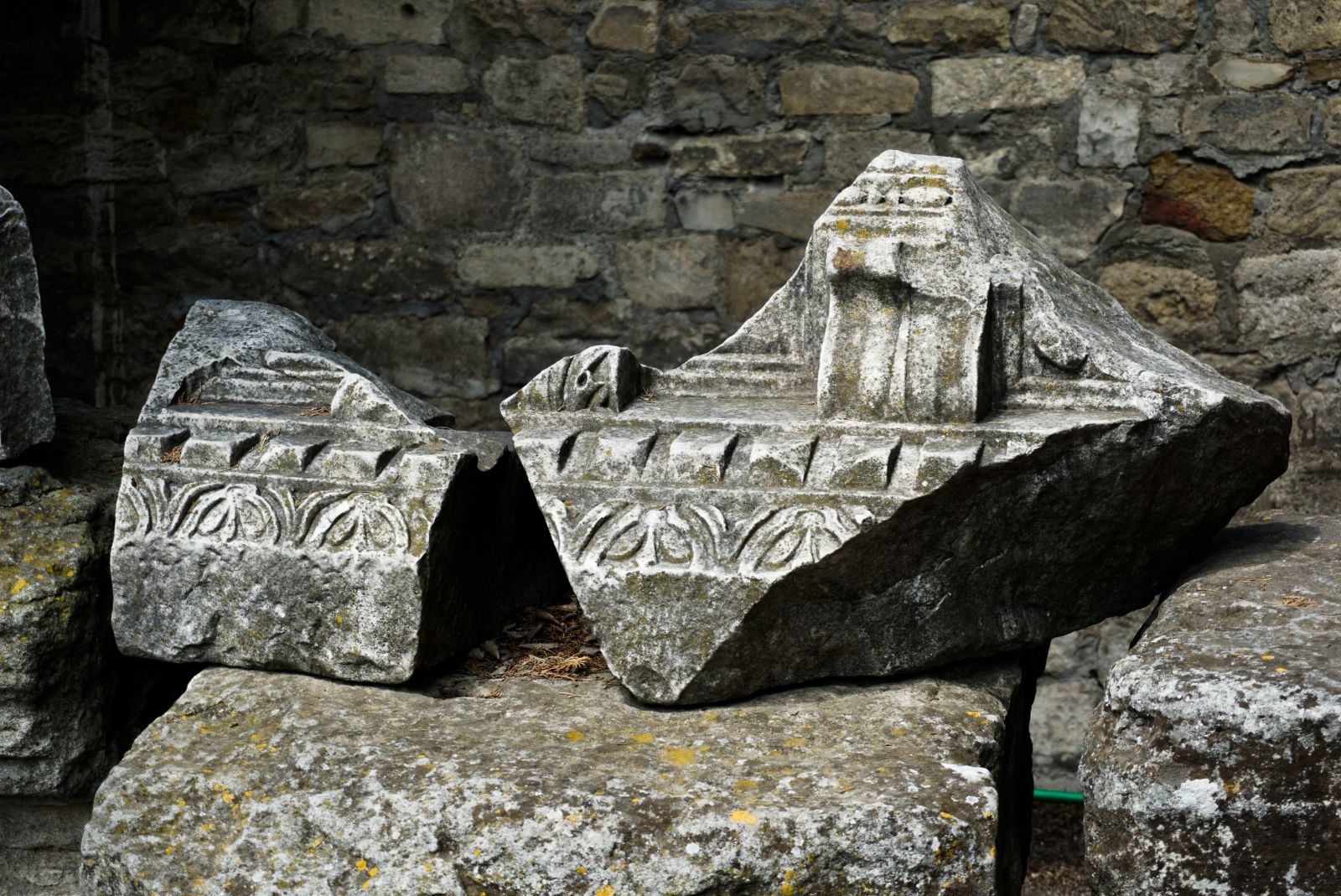
    A close inspection of several ancient granite blocks revealed highly unusual structural patterns. According to mechanical engineers, these polished stones feature deep parallel channels and precise circular holes. The details are perfect. For generations, curators classified these items as simple religious altars or decorative vases. But these stones actually served a highly active mechanical purpose during construction.

    The Counterweight Principle

    a close up of a metal object with a tree in the background
    Photo by Brett Jordan on Unsplash

    The strange stone relics likely operated as heavy pulley wheels and sliding counterweights. According to hydraulic modeling software, ancient builders used water channels and weighted blocks to lift massive materials. The lift was effortless. This mechanical setup allowed workers to elevate giant stones by letting a heavier weight slide downward. But managing this fluid pressure required a very specific design.

    Hidden Water Shafts
    Industrial interior with lights and circular structures
    Photo by Christopher Politano on Unsplash

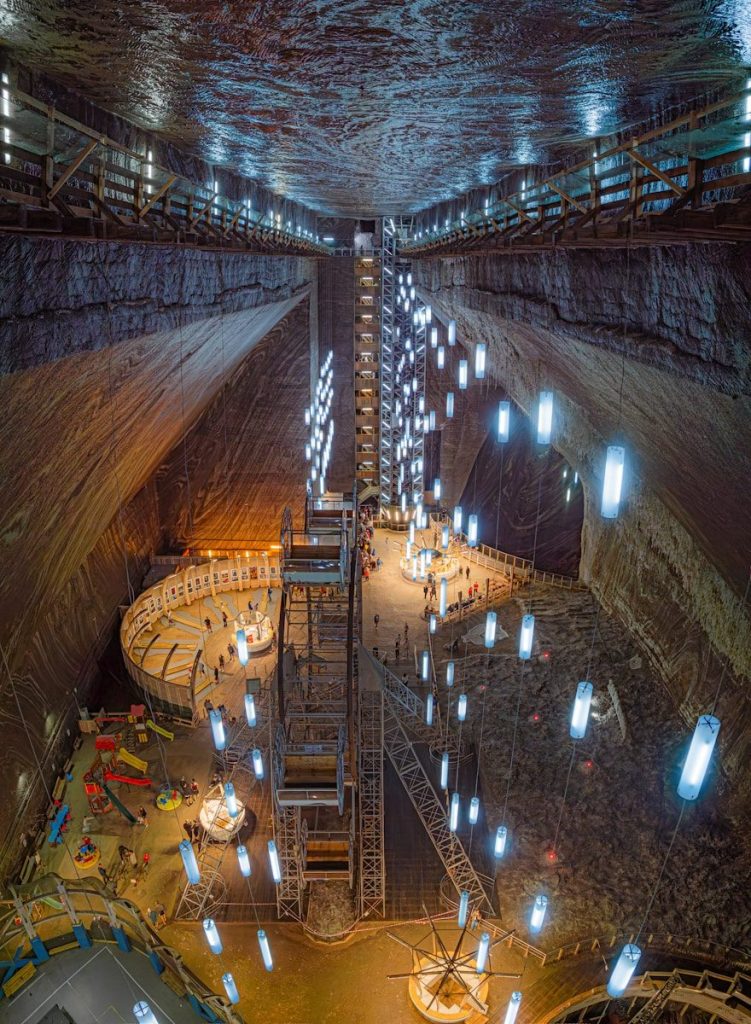
    Excavating the vertical chambers inside the oldest pyramids revealed a direct connection to underground aquifers. According to archaeological geologists, these deep shafts could be filled with water to float heavy wooden platforms. The well was deep. This hydraulic lift allowed workers to move granite blocks up without dragging them. But controlling this water flow required a series of sliding gates.

    Sliding Stone Valves
    Rough stone wall with a dark, triangular opening.
    Photo by Roger Starnes Sr on Unsplash

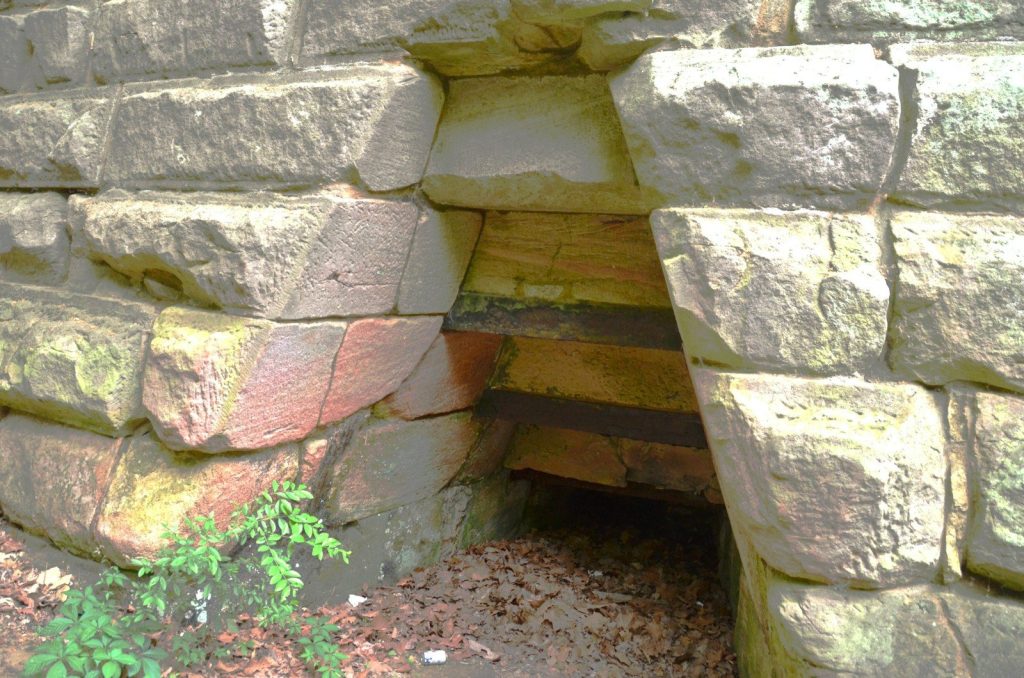
    Several large rectangular blocks found inside the subterranean channels operated as primitive valves. According to structural analysts, workers could raise or lower these stone gates to regulate the internal water pressure. The seal was tight. This precise pressure control kept the hydraulic platforms moving in a highly predictable manner. But proving this theory requires looking at the surrounding landscape.

    Massive Overflow Pools

    a large pile of rocks sitting in the middle of a desert
    Photo by oCDr on Unsplash

    A series of deep basins surrounding the ancient monuments functioned as settling pools for the water system. According to a study published in PLOS One, these reservoirs collected sand and sediment before they could clog the valves. They were massive. This advanced filtration system kept the entire hydraulic network running smoothly during construction. But some traditional historians still reject this complex mechanical view.

    Legacy Of Geniuses

    people walking on concrete building during daytime
    Photo by CALIN STAN on Unsplash

    This hydraulic elevator theory proves that ancient builders possessed a master grasp of physics and fluid mechanics. According to researchers, studying these forgotten stone relics helps us appreciate the true scale of early human intelligence. Nature always surprises us. This article is for informational purposes only.

    Featured Image: Photo by Brett A on Pexels

  • The Ancient Mathematical Code Hidden Inside Legendary Numeric Texts

    The Ancient Mathematical Code Hidden Inside Legendary Numeric Texts

    Most readers assume that specific numbers found in ancient texts are purely symbolic religious figures. We believe that early writers chose large numbers simply to represent grand ideas of spiritual completeness.

    But a fascinating historical analysis has revealed a deeper scientific reality. These legendary figures are actually highly structured mathematical codes based on ancient astronomy.

    Decoding Ancient Astronomy

    a close up of a clock on a wall
    Photo by Declan Sun on Unsplash

    Early civilizations in the Near East did not view mathematics as separate from the stars. According to reports from the London Institute of Historical Research, early scholars used base-sixty numbering systems to map the movements of the night sky. The math was perfect. These calculations allowed astronomers to predict seasonal cycles and solar eclipses years in advance. But these numeric patterns were about to trigger a major academic debate.

    The Diminishing Precession Wobble

    a large metal object with a sky background
    Photo by hesam Link on Unsplash

    One of the most complex movements of the Earth is the slow wobble of its axis over thousands of years. According to planetary scientists, this precession of the equinoxes completes a full cycle every twenty-five thousand nine hundred and twenty years. The process is slow. Early astronomers noticed that dividing this cycle by standard celestial sectors produced highly specific numbers. But these coordinates were hidden inside sacred literature.

    Sacred Geometry Formulas

    black and white round metal
    Photo by Yash Jain on Unsplash

    The number one hundred and forty-four thousand is a perfect multiple of twelve and twelve thousand. According to mathematical historians, this specific figure represents a classic formula used in ancient sacred geometry. It was a grid. This mathematical layout was used to design early temples and align them with the cosmos. But early writers had another highly practical reason to use these codes.

    The Babylonian Connection

    a stone block with writing on it on a wall
    Photo by Yura Lytkin on Unsplash

    The numbering styles of early Hebrew texts were heavily influenced by Babylonian math techniques. According to archaeological researchers, the cuneiform tablets of Mesopotamia contain the exact same numerical proportions. They are completely identical. This shared knowledge acted as a cultural anchor across different ancient civilizations. But explaining how this mathematical system traveled requires looking at the calendar.

    Calendars Of The Sun

    A close up of a decorative object on a table
    Photo by CC PD on Unsplash

    Ancient calendars relied on complex numerical codes to balance the solar year with lunar cycles. According to historical scholars, the use of large numbers allowed scribes to track solar days over vast epochs. The tracking was precise. This calendrical math kept agricultural societies on schedule for planting and harvesting crops. But some modern critics see a much simpler explanation.

    Pure Symbolic Harmony

    stack of books on brown wooden shelf
    Photo by Prateek Katyal on Unsplash

    Skeptics argue that early writers were not using advanced physics but were simply seeking beautiful symmetry. According to classical historians, the number twelve symbolized the complete tribes of the nation in early literature. The symmetry was elegant. Multiplying this figure by itself and by a thousand created an image of absolute perfection. But this simple view ignores the striking astronomical alignments found in early ruins.

    Aligning The Temples

    Intricate stone carvings on an ancient temple wall
    Photo by Ranjini Hemanth on Unsplash

    Archaeologists measuring ancient temple ruins have found these exact numeric proportions built into the stone foundations. According to structural geologists, the ratios of the walls and pillars frequently match astronomical equations. They watched the sky. This physical alignment proves that mathematical codes were actively translated into real-world architecture. But the ultimate meaning of these numbers continues to inspire.

    Unlocking Forgotten Wisdom

    gray concrete building with fire
    Photo by Ekaterina Nikolova on Unsplash

    This ancient mathematical analysis proves that historical texts hold deep scientific secrets waiting to be decoded. According to researchers, studying these numerical systems helps us appreciate the intellectual power of our ancestors. The past is active. This article is for informational purposes only.
    Featured Image: Photo by Boudewijn Huysmans on Unsplash

  • How A Small System Breach Exposed Massive Cyber Surveillance Networks

    How A Small System Breach Exposed Massive Cyber Surveillance Networks

    Most computer users assume that massive surveillance systems are completely secure from outside eyes. We believe our global monitoring networks operate silently behind impenetrable digital firewalls.

    But a simple physical breach at a minor data hub has revealed a different reality. This low-level incident triggered an automated cascade that unmasked a massive cyber tracking engine.

    The Minor Breach Trigger

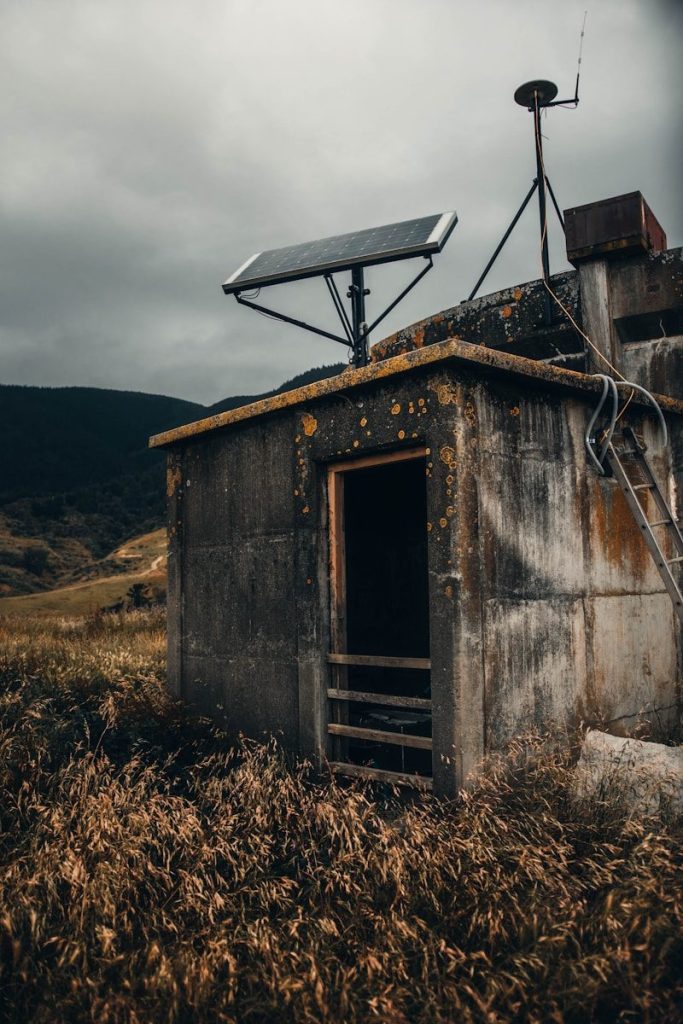
    brown wooden barn shed
    Photo by Josiah Farrow on Unsplash

    It started with a routine physical break-in at a seemingly insignificant telecom outpost. According to reports from the cybersecurity firm Mandiant, local thieves targeted standard copper wiring and backup power batteries. They were simple criminals. But this low-level theft accidentally severed a highly secure data line used by intelligence services. What happened next would expose a massive digital pipeline.

    The Automated Cascade

    a laptop and a computer
    Photo by Rohan on Unsplash

    When the data line went dark, automated network protocols began routing traffic through public backup servers. According to network analysts, this sudden routing shift bypassed several layers of digital encryption. The system was exposed. For a few short hours, the massive tracking data flowed across unsecured public channels. But this data slip allowed independent monitors to capture the transmission logs.

    Tracking The Observers

    man in gray jacket wearing black sunglasses
    Photo by Jake Schumacher on Unsplash

    Analyzing the leaked transmission logs revealed a highly sophisticated surveillance network operating in real time. According to digital forensic studies, the system was actively monitoring thousands of encrypted messages and location files. It was incredibly vast. The software used advanced pattern recognition to tag and analyze citizens without a warrant. But identifying the true owners of this engine was a massive challenge.

    Hidden Server Networks

    a person walking in a large room
    Photo by Yoan on Unsplash

    The digital footprint traced back to a series of shell companies operating from remote tax havens. According to telecommunications research, these front companies leased space in major data centers under the guise of cloud storage. The shield worked. This corporate layout kept the massive surveillance system hidden from standard regulatory oversight. But the scale of the power demand was starting to attract attention.

    The Grid Strain

    gray transmission tower
    Photo by American Public Power Association on Unsplash

    Running these constant monitoring algorithms requires an astronomical amount of raw computing power. According to energy grid studies, the servers running these programs are draining public utilities in multiple counties. The load is massive. This energy crunch is forcing local towns to pay higher rates to support private tech setups. But the legal fallout from this breach is growing fast.

    Demanding Regulatory Audits

    a desk with a computer on top of it in front of a window
    Photo by Caroline Ross on Unsplash

    Public advocacy groups are using the leaked logs to demand immediate investigations into these data centers. According to public policy reports, several cities have paused new telecom developments until they can verify who owns the hardware. Change is happening. This intense legal pressure is forcing tech conglomerates to address their system vulnerabilities. But keeping these networks secure is an ongoing battle.

    Securing Our Future

    woman in black top using Surface laptop
    Photo by Christina @ wocintechchat.com M on Unsplash

    This simple system breach proves that even the most advanced surveillance setups are incredibly fragile. According to cybersecurity experts, maintaining digital privacy requires constant public watchfulness and strict network audits. Awareness is vital. This article is for informational purposes only.

    Featured Image: Photo by Mohammad Yasir on Pexels

  • The Extreme Exoskeleton Engineering Shaping The Future of Transport

    The Extreme Exoskeleton Engineering Shaping The Future of Transport

    Most drivers assume that modern electric vehicles are designed only for smooth city roads and daily work commutes. We believe that standard steel frames represent the absolute limit of consumer vehicle durability.

    But a revolutionary leap in materials science is completely challenging this manufacturing standard. Advanced stainless steel alloys are paving the way for vehicles built to explore other worlds.

    The Monocoque Exoskeleton Shift

    white and black shopping cart
    Photo by Mateusz Suski on Unsplash

    Traditional cars rely on thin body panels attached to a heavy internal frame. According to reports from the Society of Automotive Engineers, this new vehicle uses a highly durable external skin to support structural weight. The design is radical. By moving the structural load to the outer shell, engineers eliminated the need for heavy internal support pillars. But manufacturing this tough exterior required an entirely new material.

    Cold Rolled Stainless Steel

    a tall metal structure with many different shapes
    Photo by Franck V. on Unsplash

    The external skin is crafted from a custom steel alloy designed to resist extreme impacts and corrosion. According to materials science reports, this specialized metal can survive intense physical stress without bending or cracking. It is incredibly tough. This same durable alloy is used to construct advanced space rockets destined for Mars. But this heavy shell introduces a major suspension challenge.

    Adapting Air Suspension

    Close-up of a vehicle's shock absorber and suspension
    Photo by Olivie Zemanova on Unsplash

    Carrying such a massive metallic shell requires a highly reactive and adaptive suspension system. According to vehicle testing logs, smart air struts adjust the ride height automatically based on terrain feedback. The adjustment is instant. This real-time leveling allows the heavy vehicle to navigate rugged mountain paths with absolute ease. But the energy required to run these systems demands a unique power source.

    Solar Roof Harvesting

    blue solar panels on green metal frame
    Photo by Caspar Rae on Unsplash

    The future of sustainable transport relies on capturing renewable energy directly from the vehicle surface. According to solar panel developers, integrating high-efficiency photovoltaic cells into the roof can generate significant daily power. The charging is constant. This solar harvesting system can add precious miles of range without needing a plug. But these rugged engineering details are also attracting military interest.

    Tactical Military Trials

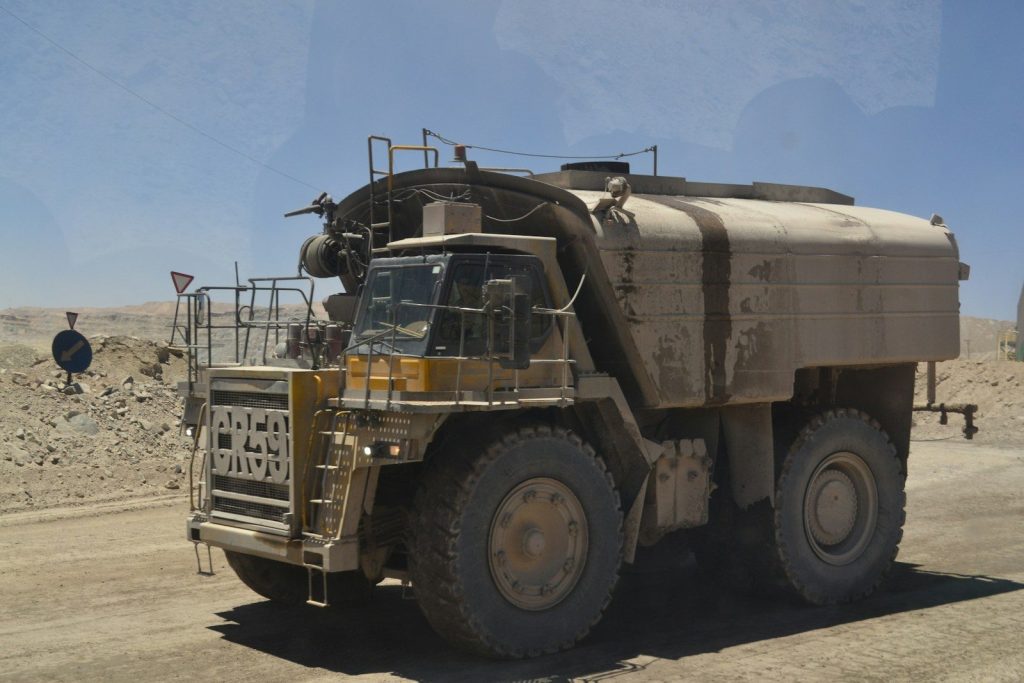
    gray truck on dirt road during day
    Photo by Bruna Fiscuk on Unsplash

    Defense agencies are studying how electric drivetrains can perform during off-road tactical operations. According to military evaluation reports, the silent operation of electric motors provides an incredible stealth advantage. The vehicle runs quietly. This low thermal and acoustic signature makes it nearly invisible to standard tracking sensors. But transforming this platform for space exploration requires even more radical upgrades.

    Planetary Rover Concepts

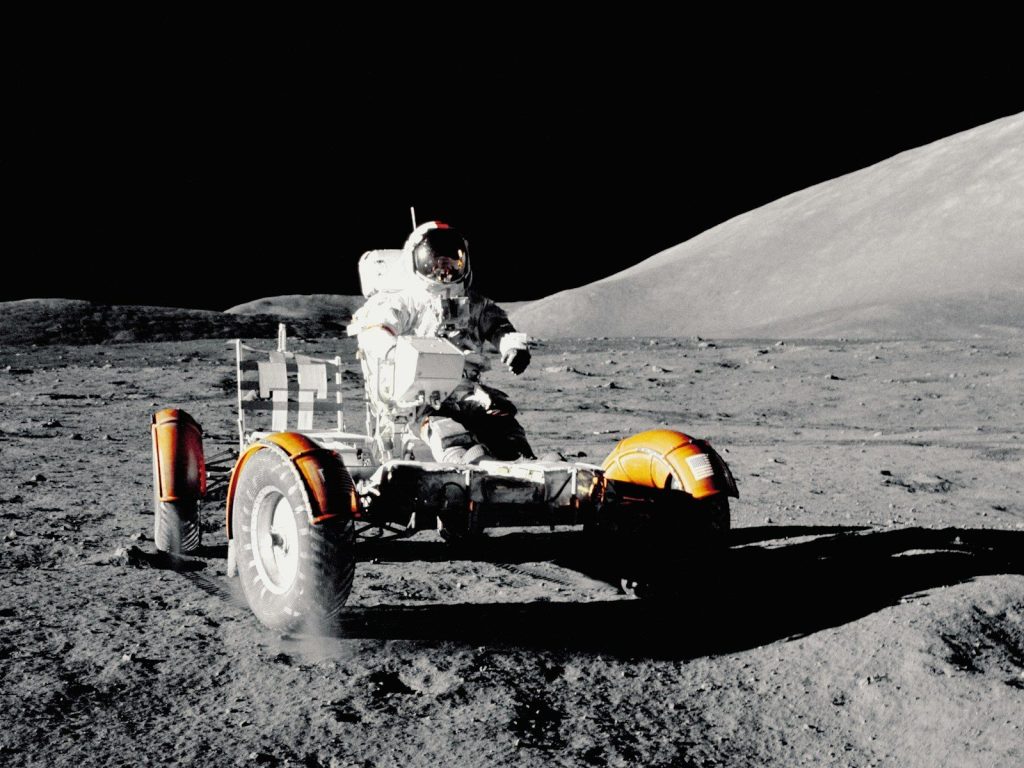
    Astronaut on lunar rover
    Photo by NASA on Unsplash

    Space engineers are looking at this rugged frame to design the next generation of planetary rovers. According to NASA development plans, the heavy steel skeleton is ideal for surviving the harsh radiation of the moon. The protection is passive. This robust shield can keep delicate navigation computers safe from solar flares. But managing these extreme planetary environments requires an incredibly smart system.

    Autonomous Software Guidance

    Interior view of a vehicle with a high-tech navigation touchscreen showing a route.
    Photo by Vladimir Srajber on Pexels

    Navigating dangerous craters and lunar dust requires a highly advanced digital piloting assistant. According to computer software logs, built-in artificial intelligence programs map surrounding terrain in real time. The software never sleeps. This automated driving system can calculate safe paths across uncharted terrain without any human input. But the final success of these vehicles will require massive grid upgrades.

    Reimagining Transportation Limits

    cars on road during daytime
    Photo by Hc Digital on Unsplash

    Developing these ultra-tough vehicles is pushing materials science and autonomous driving into an entirely new era. According to automotive historians, this engineering shift will redefine how we explore both our planet and the cosmos. Innovation is unstoppable. This article is for informational purposes only.

    Featured Image: Photo by Homa Appliances on Unsplash

  • The Submerged Maya City Trapped Beneath A Sacred Lake

    The Submerged Maya City Trapped Beneath A Sacred Lake

    Most history lovers assume that ancient cities are only found by hacking through thick jungle growth. We believe that forgotten ruins remain hidden under layers of soil and leaves.

    But a spectacular underwater discovery in Guatemala has challenged this archaeological expectation. An entire Maya settlement lies perfectly preserved beneath the waters of a volcanic lake.

    The Volcanic Water Grave

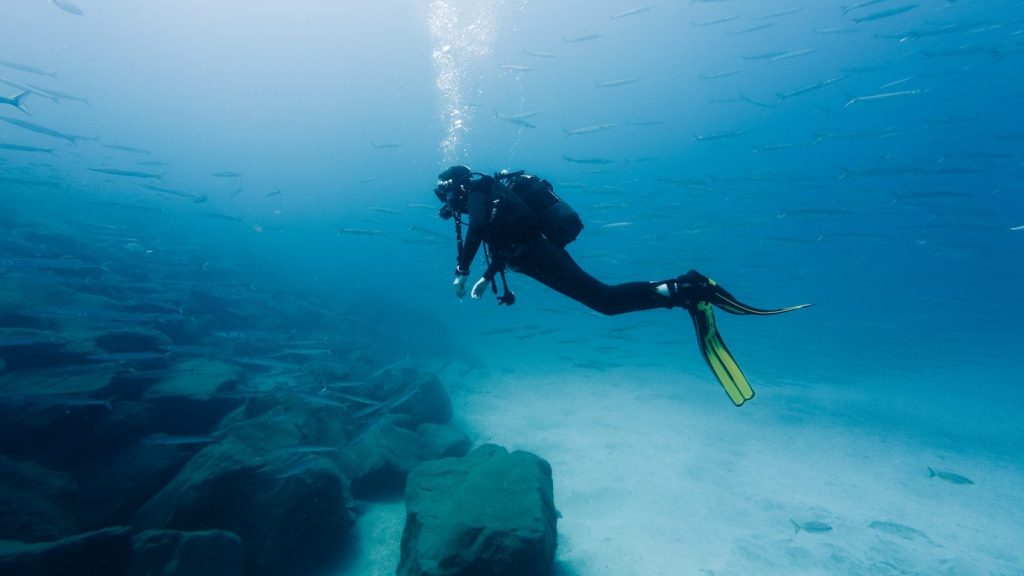
    A person in a scuba suit diving in the ocean
    Photo by Janesca on Unsplash

    A beautiful high-altitude lake in Central America was once the center of a thriving community. According to reports from the Guatemalan Ministry of Culture, archaeologists discovered stone structures resting deep under the surface. The water is cold. Divers mapping the area found stone plazas, ceremonial temples, and residential homes. But identifying why this grand city sank requires looking back at natural disasters.

    Shifting Volcanic Lands

    green mountains near lake under blue sky during daytime
    Photo by Max Gotts on Unsplash

    The ancient city was built on a small island in the middle of Lake Atitlan. According to geophysical research, the surrounding volcanic land underwent a sudden tectonic shift over two thousand years ago. The ground shook. This seismic movement caused the island to slowly sink below the rising water levels. But the residents left behind a massive amount of historical wealth.

    Pristine Stone Monuments

    carvings carved into the side of a large rock
    Photo by Ahmet Onur ÖZ on Unsplash

    Exploring the underwater site revealed a stunning collection of carved stone monuments. According to lead archaeologist Helena Barba Meinecke, divers recovered ceremonial altars and detailed stelae containing ancient glyphs. The art is beautiful. These stone carvings remained protected from human looters by the deep water cover. But decoding these messages requires looking at the spiritual role of the lake.

    A Sacred Water Portal

    water falls on brown rocky mountain
    Photo by Daniel Lincoln on Unsplash

    The ancient Maya viewed deep waters as a direct gateway to the supernatural underworld. According to classical historians, the island city of Samabaj was a major pilgrimage site for religious rituals. It was a holy place. Families traveled across the water to make offerings of pottery and precious jade to the gods. But the sudden sinking of this sanctuary shocked the entire civilization.

    Preserved By The Deep

    a small bird sitting on a piece of wood
    Photo by Robert Schwarz on Unsplash

    The lack of oxygen in the deep water prevented organic materials from decaying normally. According to marine archaeologists, wooden structures and household items were found resting in the mud layers. The preservation is perfect. These artifacts offer a rare look at the daily lives of regular families during the late Preclassic era. But launching a full excavation poses an extreme physical challenge.

    Mapping With Laser Radar

    yellow and black gas lamp
    Photo by NOAA on Unsplash

    Divers are using advanced underwater sonar technology to map the entire submerged grid safely. According to project directors, digital scans allow researchers to reconstruct the city’s architecture without disturbing the delicate ruins. It is highly detailed. This computer model shows how temples and plazas were carefully aligned with cosmic movements. But these virtual maps are revealing some highly unexpected structures nearby.

    Unlocking Sunken History

    A village nestled between mountains and fog
    Photo by Fish SUN on Unsplash

    This submerged Maya metropolis is helping historians rewrite the early development of Mesoamerican cities. According to historical researchers, mapping Samabaj proves that early societies were highly adapted to dynamic volcanic environments. Nature always surprises us. This article is for informational purposes only.

    Featured Image: Photo by Fer López on Pexels

  • The Sunken World War Ship Trapped Under Egyptian Waters

    The Sunken World War Ship Trapped Under Egyptian Waters

    Most history lovers assume that military relics are safely locked away in guarded museums. We believe that we must visit a dry exhibition to see artifacts from historic battles.

    But a massive sunken ship in the Red Sea has challenged this assumption. Its flooded cargo hold contains an incredibly pristine collection of wartime machinery.

    The Deep Water Graveyard

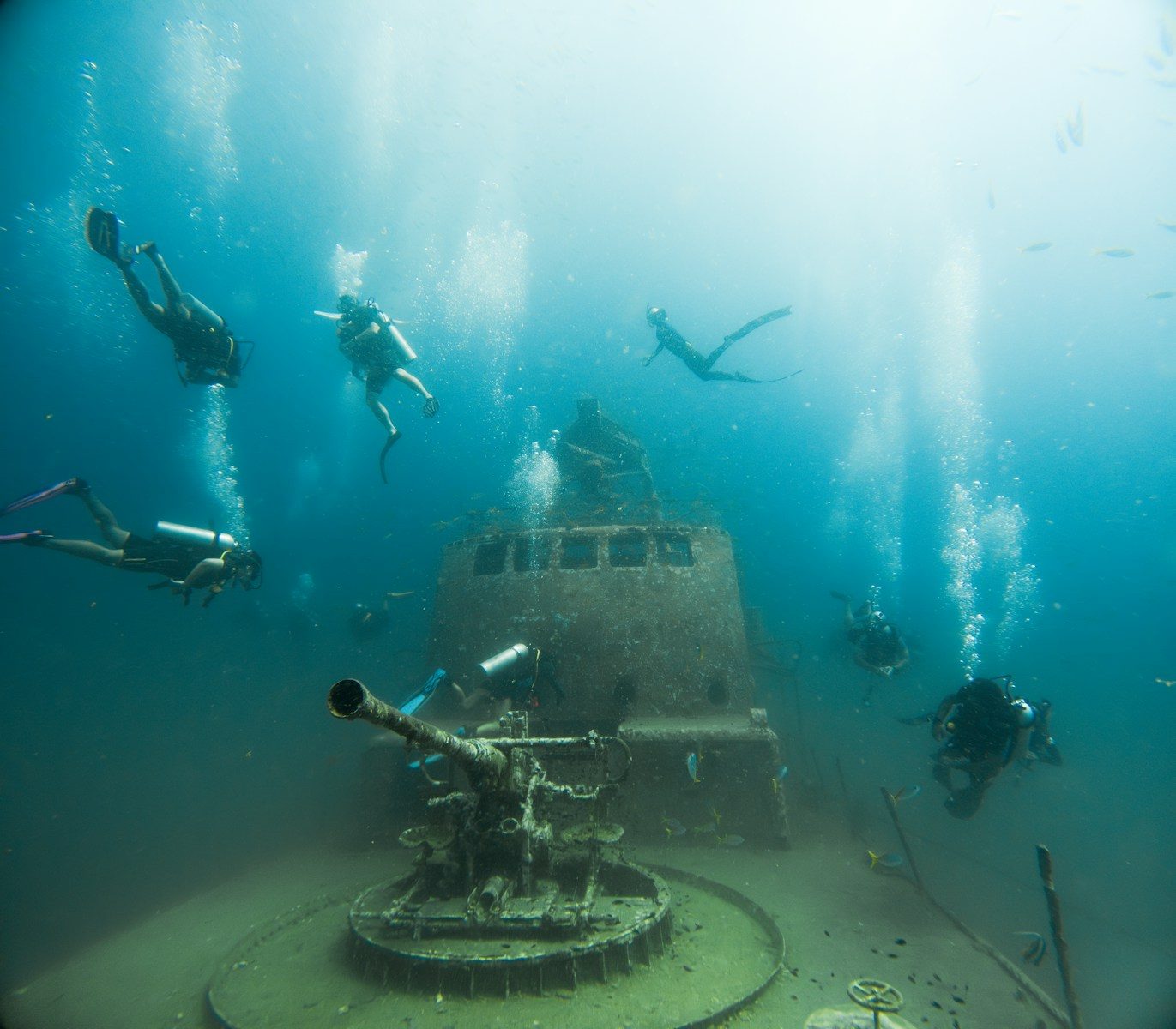
    two person scuba diving in water
    Photo by Vlad Tchompalov on Unsplash

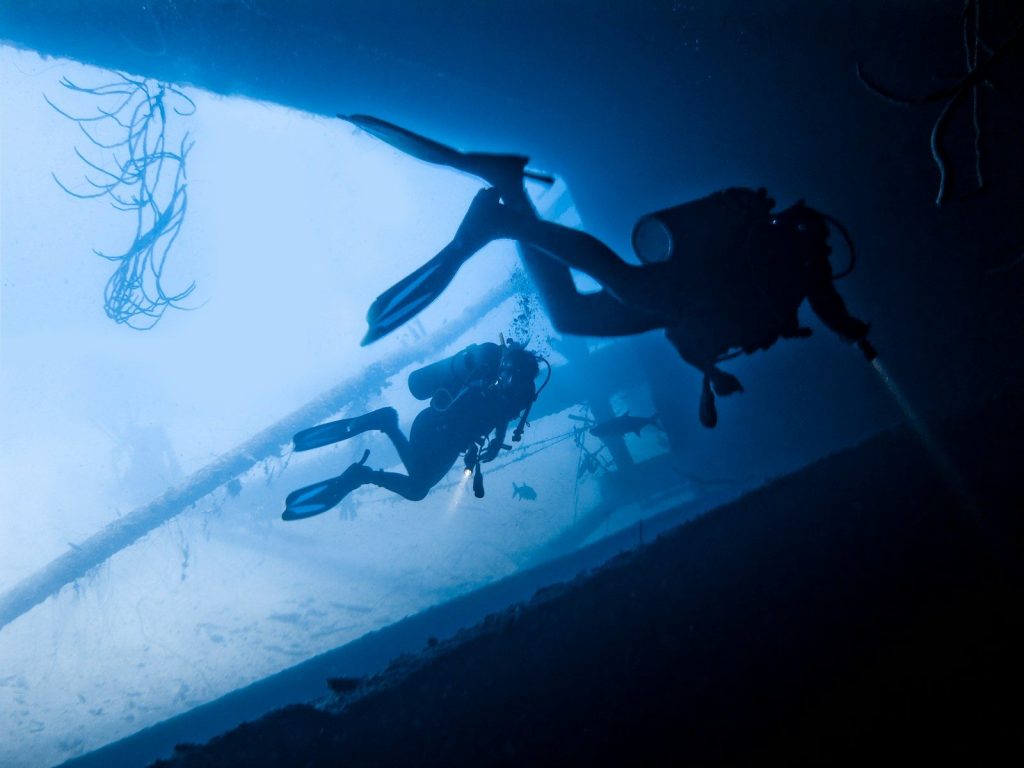
    A merchant vessel carrying military supplies met a tragic end off the Egyptian coast in 1941. According to historical records, a surprise aerial attack tore the massive cargo ship in half. It sank incredibly fast. The wreckage settled deep on the ocean floor and remained undisturbed for decades. But this marine cemetery was hiding a massive secret.

    The Locked Cargo Secrets

    an old car in a garage
    Photo by BEN ELLIOTT on Unsplash

    Explorers mapping the site found that the water had preserved the ship’s cargo in stunning detail. According to marine archaeologists, the holds contain rows of military trucks, motorcycles, and steam locomotives. They look completely untouched. This underwater vault has become a literal time capsule of early war technology. But entering the silent chambers requires navigating extreme physical dangers.

    The Dangerous Currents

    A large body of water surrounded by clouds
    Photo by BehindTheTmuna on Unsplash

    The location of the wreck makes underwater exploration highly difficult for diving teams. According to navigation logs, the surrounding sea channels experience sudden and violent shifts in water movement. The force is immense. These rapid flows can easily trap researchers inside the decaying iron hallways. But a different threat is slowly eating away at the historic ship.

    The Rusting Iron Shell

    A rusty metal structure sits underwater.
    Photo by Pawel Kostelnik on Unsplash

    The salty ocean water is slowly breaking down the massive steel frame of the vessel. According to structural engineers, the heavy weight of the cargo puts intense strain on the weak beams. The walls are buckling. If the support columns collapse, the entire historic collection will be crushed under tons of iron. But scientists are finding unique ways to document the ruins.

    Mapping With Digital Scans

    a bunch of electronic equipment sitting on a table
    Photo by iSawRed on Unsplash

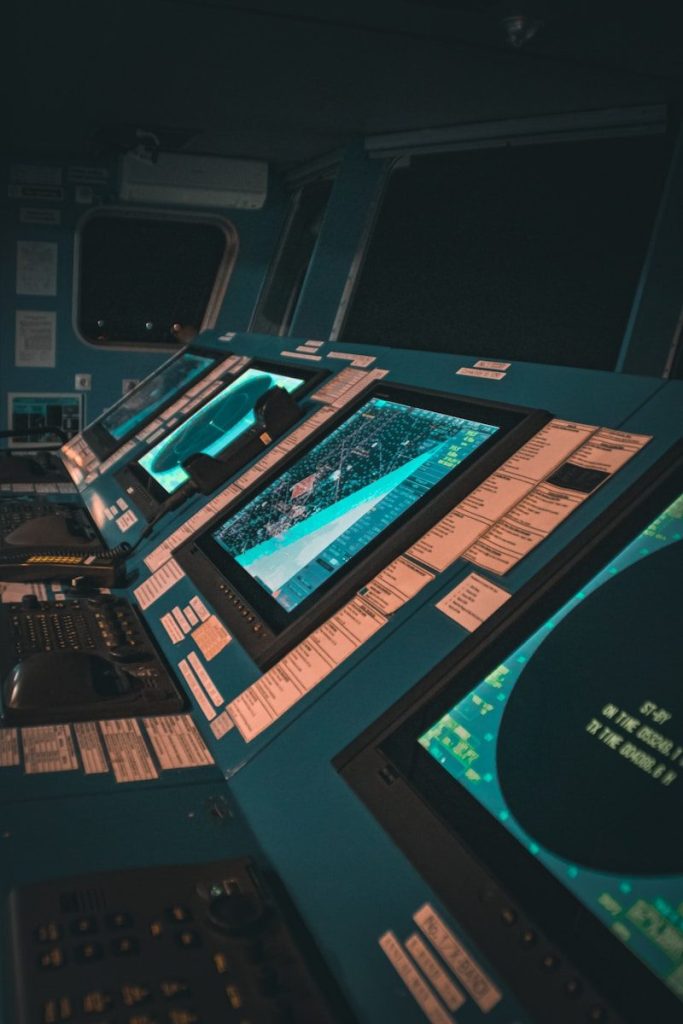
    Archaeologists are using advanced laser sensors to map the entire sunken ship safely. According to project directors, these high-resolution scans create a perfect virtual replica of the interior spaces. It is highly detailed. This digital model allows historians to study the cargo layout without disturbing the delicate site. But these virtual images are revealing some highly unexpected details.

    Uncovering Forgotten Combat Cargo

    A person photographing an aquarium scene using a smartphone, highlighting marine life.
    Photo by Los Muertos Crew on Pexels

    A close look at the scans revealed that the ship was carrying highly classified transport gear. According to military historians, the vessel held armored vehicles designed for secret desert operations in North Africa. They were highly advanced. This tactical cargo shows how desperate the Allied forces were during the campaign. But the impact of this discovery extends far beyond military records.

    A Natural Marine Reef

    school of fish in water
    Photo by Nott Peera on Unsplash

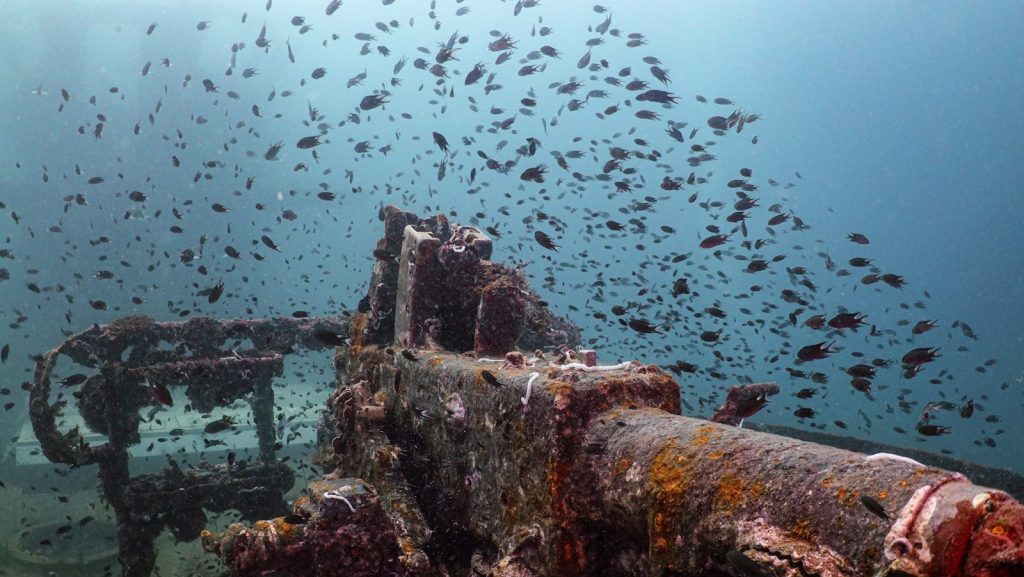
    The decaying steel structure has slowly transformed into a thriving haven for ocean life. According to biological surveys, colorful corals and schools of rare fish now cover the military vehicles. Nature always claims control. This artificial reef has created a complex ecosystem where technology and nature exist in harmony. But preserving this delicate balance remains a massive struggle for conservationists.

    Unlocking Sunken Secrets

    Excavator on barge working in the sea near shore.
    Photo by Ludovico Ceroseis on Unsplash

    This submerged wartime colossus remains one of the greatest historical sites in the world. According to maritime historians, studying the wreckage helps us understand the true scale of global conflicts. The sea keeps the truth. This article is for informational purposes only.

    Featured Image: Photo by Nathanaël Desmeules on Unsplash

  • Why Scientists Believe An Exoplanet Shows Signs Of Biology

    Why Scientists Believe An Exoplanet Shows Signs Of Biology

    Most space lovers assume that finding alien life requires intercepting direct radio signals. We believe that we must wait for a clear message to arrive from a nearby star system.

    But modern planetary scientists are using a much faster chemical method. Their high-tech telescopes can now scan the atmospheres of distant worlds to find signs of biology.

    Parsing The Star Light

    a planet with a star trail in the background
    Photo by Carlos Kenobi on Unsplash

    Astronomers no longer rely on simple visual observations to study distant planets. According to NASA, specialized space telescopes analyze the starlight passing through a planet’s outer atmosphere. This is brilliant. The gas layers absorb specific wavelengths of light to create a unique molecular barcode. But reading this cosmic signature is only the first step in the search.

    The Chemistry Of Life

    a room with a lot of monitors on the wall
    Photo by 铮 夏 on Unsplash

    Certain gases are highly reactive and disappear quickly without a constant organic source. According to a study published in the journal Nature, finding specific carbon compounds together is a major clue. They are highly volatile. These gases normally destroy each other unless active living organisms are producing them. But scientists are looking for an even more specific chemical indicator.

    The Rare Marine Compound

    a bathroom with a lot of writing on the wall
    Photo by Stephan HK on Unsplash

    A highly specific organic gas called dimethyl sulfide is only produced by living organisms on Earth. According to researchers at the Massachusetts Institute of Technology, detecting this gas on a distant world would be a revolutionary find. It is highly unique. This compound is released by tiny marine life in our oceans and cannot form through standard geological processes. But tracking this change requires studying the planet’s host star.

    The Red Dwarf Challenge

    a bright yellow light shining in the dark
    Photo by Thomas Willmott on Unsplash

    Evaluating candidate planets is highly complicated when they orbit active dwarf stars. According to astronomical models, red dwarf stars frequently release violent solar flares that can strip away atmospheric layers. The environment is harsh. Scientists must determine if a planet can retain enough water to support a stable biosphere under this constant radiation. But analyzing these liquid surfaces reveals another unique challenge.

    Reflecting Liquid Oceans

    Breathtaking view of the Milky Way and celestial formations over rugged terrain.
    Photo by Horacio Lander on Pexels

    Liquid water is the most vital ingredient for the development of organic life. According to reports from the European Space Agency, advanced instruments can detect the glint of distant oceans reflecting starlight. The oceans glisten. This specular reflection helps astronomers map the water coverage of a world light-years away. But verifying these observations requires launching a new generation of spacecraft.

    Future Space Observatories

    the space shuttle is flying over the earth
    Photo by NASA Hubble Space Telescope on Unsplash

    Space agencies are designing advanced telescopes to capture direct images of rocky exoplanets. According to mission planners, blocking out the overwhelming glare of the parent star is the main technical hurdle. It is incredibly difficult. Specialized starlight shades will allow instruments to isolate the planet’s true colors and surface details. But the implications of finding a living planet go far beyond simple data.

    Verifying Cosmic Chemistry

    black laptop computer turned on near black flat screen computer monitor
    Photo by Frederic Köberl on Unsplash

    Mainstream scientists remain cautious about claiming definitive proof of extraterrestrial life. According to astrobiologists, non-biological processes can sometimes mimic organic chemical signatures under extreme atmospheric pressures. Accuracy is vital. Researchers must run thousands of computer simulations to rule out every possible natural cause before making an official announcement. But the ongoing search is already shifting how we view our place in the cosmos.

    Our Place In The Cosmos

    a group of galaxy like objects in the sky
    Photo by NASA Hubble Space Telescope on Unsplash

    Discovering even a tiny sign of biological activity on another planet would forever alter human history. According to astrobiologists, it proves that life is a natural and common process in the universe. We are not alone. This article is for informational purposes only and does not constitute professional scientific advice.

    Featured Image: Photo by Lucas Pezeta on Pexels

  • How Thousands Of Sunken Toys Mapped Global Ocean Currents

    How Thousands Of Sunken Toys Mapped Global Ocean Currents

    Most ocean lovers assume that tracking deep-sea currents requires highly expensive tracking devices. We believe that modern climate scientists rely strictly on advanced satellite grids to monitor the oceans.

    But an accidental shipping disaster completely changed how we study the seas. Thousands of lost floating toys revealed a highly complex and connected planetary pathway.

    The Great Storm Spill

    White fishing boat docked at a pier with supplies
    Photo by Antoine Gravier on Unsplash

    A massive container ship traveling from Asia encountered a violent storm in the middle of the Pacific Ocean in 1992. According to maritime reports, several cargo crates broke loose and plunged into the dark water. The waves were colossal. Among the lost items were twenty-eight thousand floating plastic animals. But this massive spill was about to trigger an unexpected scientific breakthrough.

    The Long Drift Begins

    A calming ocean wave breaking on the sea surface under a cloudy sky, capturing the tranquility of nature.
    Photo by Petr Ganaj on Pexels

    The plastic toys began drifting across the vast waters without any engines to guide them. According to oceanographers, the floating pack slowly split into different groups as they rode the surface winds. They were highly durable. Because the toys were made of tough plastic, they resisted decay and stayed afloat for years. But tracking their journeys required help from local beachcombers.

    Spotting The Floaters

    Sandy beach with gentle waves and a tree-covered cliff.
    Photo by Eugen Brazhnikov on Unsplash

    Beachcombers began finding the colorful toys washing up on distant shorelines across the globe. According to reports from the National Oceanic and Atmospheric Administration, the animals appeared in Alaska, Canada, and even Europe. The findings were bizarre. Scientists quickly realized they could use these locations to map out the exact paths of deep currents. But some toys took an almost impossible route.

    The Frozen Polar Pass

    Stunning view of massive icebergs reflecting in serene ocean under a bright blue sky.
    Photo by Pixabay on Pexels

    A small group of the floating animals traveled straight through the freezing Arctic Ocean. According to climatologists, this icy journey required the plastic to remain frozen inside massive glaciers for several years. It was incredibly cold. This polar route proved that separate oceans are actually connected by a continuous global current. But this realization also highlighted a growing environmental crisis.

    The Endless Garbage Patches

    water wave in close up photography
    Photo by Bastien Nvs on Unsplash

    The drifting toys eventually settled inside massive rotating vortexes in the middle of the oceans. According to environmental geologists, these circular currents trap millions of tons of synthetic waste in permanent loops. The trash accumulates. Studying how the toys gathered helped researchers locate these dangerous garbage zones with high accuracy. But scientists are searching for new ways to clean these spots.

    Tracking Future Drift Patterns

    black flat screen computer monitor
    Photo by ThisisEngineering on Unsplash

    The lessons learned from the lost toys continue to shape modern marine conservation projects today. According to ocean research groups, computer models now use the drift data to predict where oil spills and trash will travel. The software is clever. This predictive mapping is vital for protecting fragile coastal habitats from sudden chemical pollution. But the ultimate success of this research relies on global action.

    Decoding The Living Ocean

    view of Earth and satellite
    Photo by NASA on Unsplash

    This incredible journey of these plastic floaters proves that our oceans operate as a single connected entity. According to researchers, understanding these global current systems is crucial for protecting the future of our climate. Nature connects everything. This article is for informational purposes only.

    Featured Image: Photo by Dirk Erasmus on Unsplash

  • The Silent Journey Of Voyager Two Into Interstellar Space

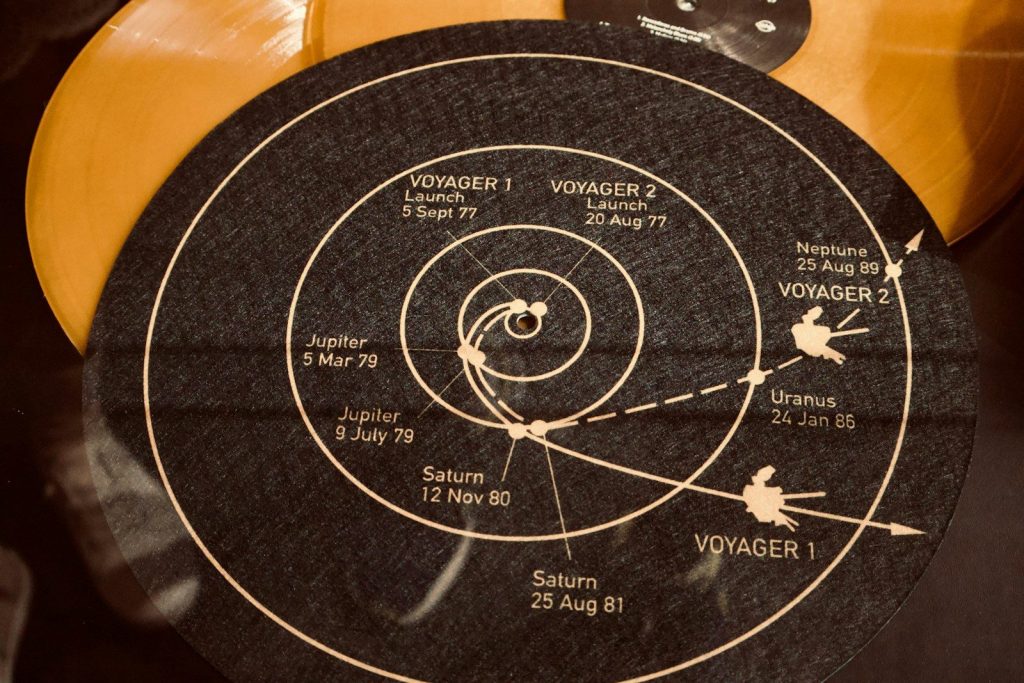
    The Silent Journey Of Voyager Two Into Interstellar Space

    Most space enthusiasts assume that deep space probes are constantly guided by real-time human commands. We believe that mission controllers can easily steer spacecraft from their desks on Earth.

    But a brief communication glitch with Voyager Two revealed the extreme reality of cosmic distance. The tiny spacecraft had to rely entirely on its own internal programming to survive in the dark.

    Shouting Into The Void

    Multiple satellite dishes aligned in a field against a vibrant blue sky, showcasing modern communication technology.
    Photo by Ray Strassburger on Pexels

    The aging spacecraft is currently traveling billions of miles away from our planet. According to NASA, sending a radio command to the probe takes over eighteen hours to travel one way. The distance is staggering. Even at the speed of light, communication has become an incredibly slow and difficult process. But a tiny human error was about to cut this fragile connection entirely.

    The Misaligned Antenna

    A close up of a frisbee on a table
    Photo by Sai Kiran Belana on Unsplash

    A routine software command accidentally pointed the spacecraft antenna away from Earth. According to mission logs, the tiny shift of just two degrees broke the direct line of communication. The silence was absolute. Controllers could no longer send instructions or receive health data from the silent probe. But the spacecraft had a highly clever backup plan written in its source code.

    The Automatic Reset Trigger

    Aircraft tug on tarmac with light streaks
    Photo by Biki Z on Unsplash

    The probe is programmed to reset its pointing system automatically several times each year. According to spacecraft engineers, this autonomous routine forces the vehicle to locate Earth and realign its main dish. It was highly reliable. This automated safeguard ensures that the probe can recover from communication losses without any human help. But waiting for this reset required immense patience from the ground team.

    The Silent Deep Transit

    a galaxy in space
    Photo by Viktor Mindt on Unsplash

    While the connection was broken, Voyager Two continued its endless cruise through the absolute cold. According to astrophysics models, the probe is traveling through interstellar space beyond the protective bubble of our sun. The environment is pitch black. No human creation has ever traveled so far while remaining functional. But scientists were still desperately searching the skies for any faint signals.

    Catching The Heartbeat

    A large satellite dish receives signals.
    Photo by Lukas Silva da Rosa on Unsplash

    A powerful network of ground antennas finally detected a faint carrier signal from the probe. According to reports from the Deep Space Network, engineers used massive dishes to capture the weak electronic hum. It was incredibly faint. This successful catch proved that the spacecraft was still operating normally despite the silence. But establishing complete control required sending a highly powerful radio blast.

    Reconnecting The Star Traveler

    International Space Station orbits earth
    Photo by NASA on Unsplash

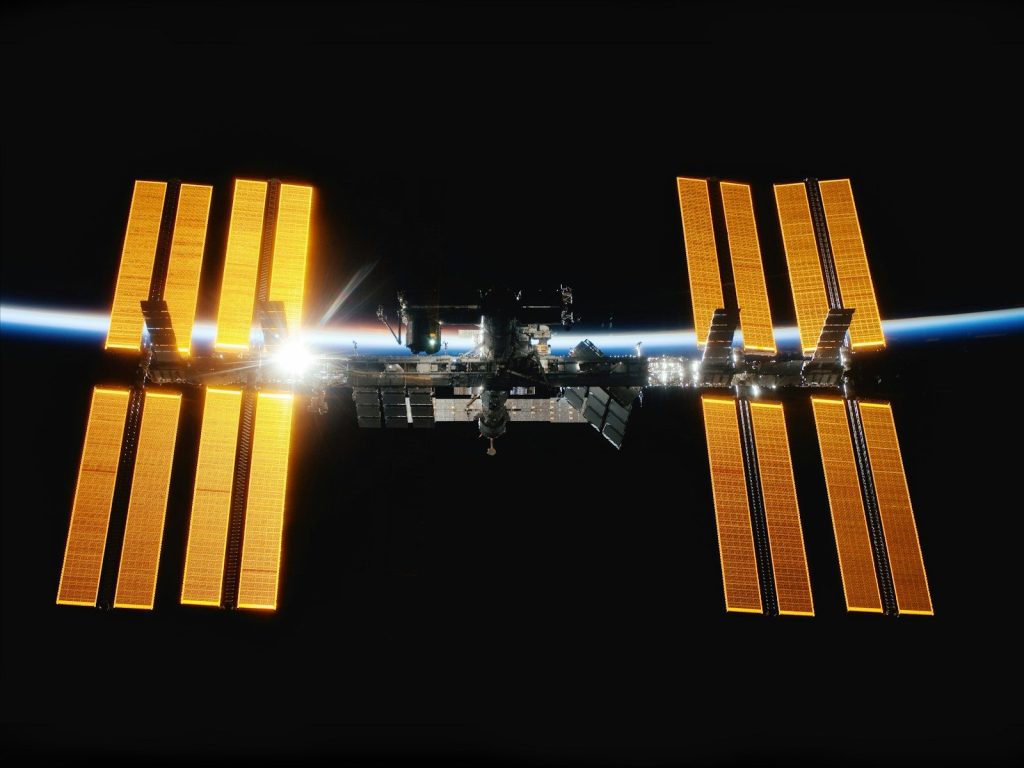
    Controllers beamed a high-power command directly toward the estimated coordinates of the probe. According to mission reports, the signal successfully forced the spacecraft to realign its antenna ahead of schedule. The connection was restored. Voyager Two is once again transmitting valuable scientific data about the deep space environment back to Earth. But the true end of its historic journey remains far away.

    Endless Flight Into Darkness

    black and white labeled box
    Photo by Jeremy Straub on Unsplash

    Voyager Two will eventually lose all battery power and become a silent metallic wanderer. According to astrobiologists, the probe will carry our messages across the galaxy for millions of years after we are gone. The journey never ends. This article is for informational purposes only.

    Featured Image: Photo by NASA Hubble Space Telescope on Unsplash

  • Why Space Chemicals Have Scientists Chasing Alien Life

    Why Space Chemicals Have Scientists Chasing Alien Life

    Most people think we will only find alien life if an extraterrestrial spaceship lands on Earth. We assume that confirming cosmic neighbors requires a dramatic and visual close encounter.

    But astronomers are bypassing physical contact altogether to scan the light of distant star systems. Their advanced telescopes are tracing specific planetary chemicals that should not exist in empty space.

    Reading Cosmic Atmosphere Barcodes

    A ringed planet silhouetted against a bright star in outer space.
    Photo by Zelch Csaba on Pexels

    Modern telescopes do not look for physical green monsters on distant worlds. According to NASA, instruments analyze stellar light passing through planetary air layers to capture chemical signatures. The process is flawless. Each gas molecule leaves a distinct shadow on the incoming starlight. But one specific substance has caused major scientific shockwaves.

    The Dimethyl Sulfide Enigma

    a man sitting at a desk in a lab
    Photo by CDC on Unsplash

    Researchers mapping a distant exoplanet detected traces of a volatile gas called dimethyl sulfide. According to reports from the European Space Agency, this chemical on Earth is only produced by active biological organisms. It is extremely rare. No known natural geological event can generate this molecule on its own. But proving its organic origin requires looking at the planet’s host star.

    The Red Dwarf Flare Threat

    A mesmerizing view of the cosmos featuring a glowing nebula and distant planet.
    Photo by Frank Cone on Pexels

    Planet candidates orbiting dwarf stars face extreme environmental challenges. According to studies from the Massachusetts Institute of Technology, intense stellar radiation regularly strips away fragile planetary atmospheres. The void is harsh. Scientists must determine if life can actually survive under such a brutal cosmic bombardment. But liquid oceans on these distant worlds present another puzzle.

    Specular Reflection Ocean Glint

    A picture of the sun and a distant object in the sky
    Photo by Steve A Johnson on Unsplash

    Capturing the presence of liquid water across light-years requires tracking star reflection. According to space agency physicists, oceans glint under stellar glare to create a noticeable speculum effect. Water glistens in space. Isolating this subtle planetary shine helps map out continental layouts and giant oceans. But confirming these chemical traces demands much stronger orbital hardware.

    Next Generation Space Shields

    an artist's rendering of a satellite in space
    Photo by Allison Saeng on Unsplash

    Agencies are designing massive starshade screens to block out overwhelming parent star glare. According to project engineers, this physical barrier allows instruments to photograph small rocky worlds clearly. It is highly advanced. Isolating the actual planetary colors can reveal true surface activity and vegetation shifts. But scientists remain incredibly cautious about announcing any final alien findings.

    Eliminating Non-Biological Mimics

    a view of a mountain with steam coming out of it
    Photo by Job Savelsberg on Unsplash

    Natural planetary geological actions can occasionally mimic the chemicals produced by living things. According to astrobiologists, volcanic heat and intense pressure can form complex carbon molecules naturally. Accuracy is absolutely vital. Researchers must run extensive computer models to eliminate all non-organic possibilities first. But the search is already changing our understanding of the universe.
    The Organic Cosmic Blueprint

    Abstract molecular structure with glowing nodes
    Photo by Logan Voss on Unsplash

    Finding chemicals like dimethyl sulfide on other worlds suggests that the basic blocks of biology are universal. According to research teams, organic chemistry seems to flourish wherever the right physical parameters align. The universe is active. Confirming even primitive cellular activity would completely rewrite our evolutionary textbooks. But finding these signs is only the beginning of a larger cosmic shift.

    The Planetary Paradigm Shift

    gray concrete road under sky full of stars
    Photo by Jesse Sewell on Unsplash

    Discovering biological evidence on another world will permanently alter our view of the night sky. According to space historians, it proves that the spark of life is not unique to Earth. We are not alone. This article is for informational purposes only and does not constitute professional scientific advice.

    Featured Image: Photo by NASA Hubble Space Telescope on Unsplash