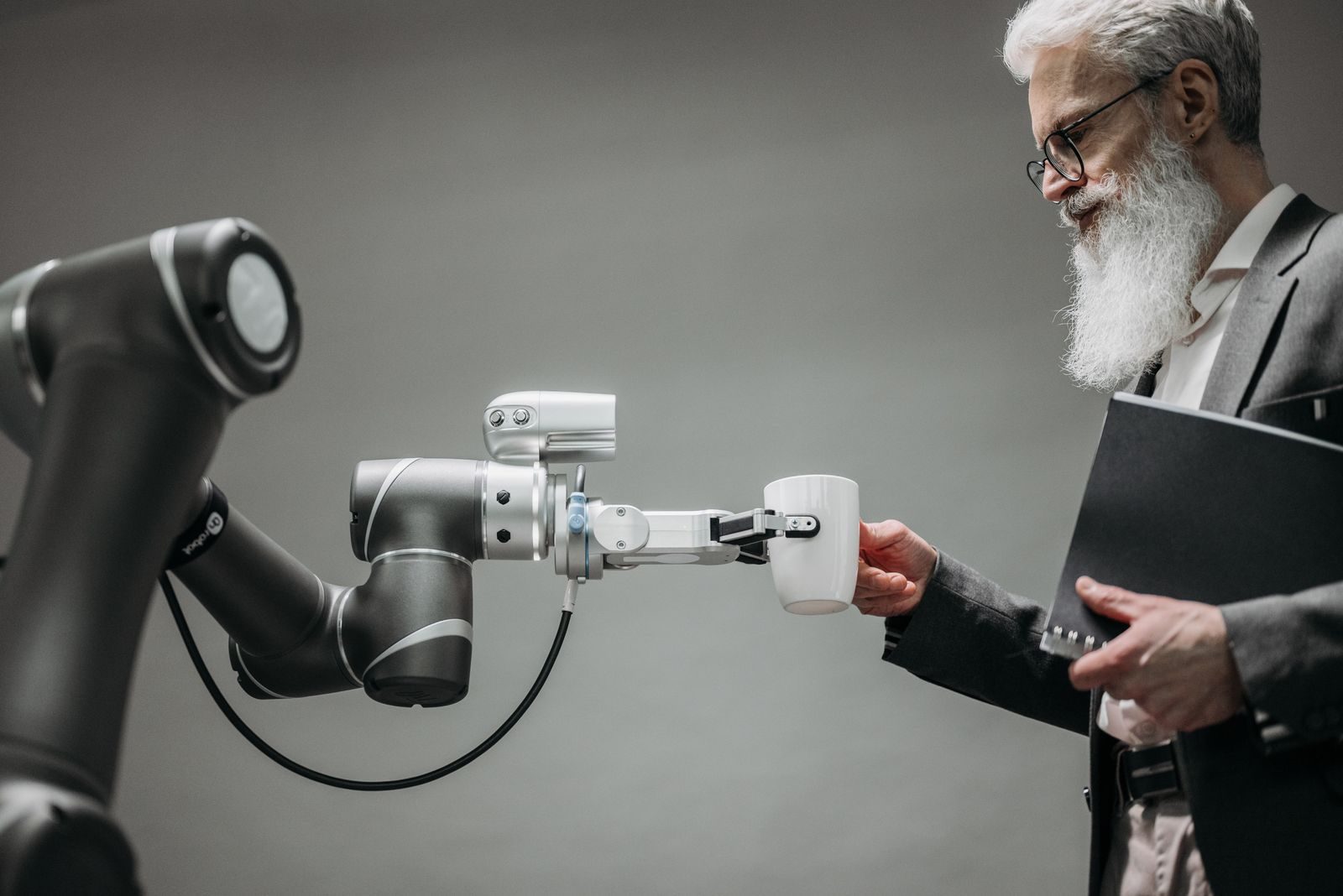
Most web surfers believe that the search engines and websites we use today will remain stable forever. We assume that finding real information online will always require human-written articles.
But a wave of autonomous AI models is quietly dismantling the foundation of the digital world. These smart algorithms are replacing human content with synthetic databases at an alarming rate.
The Death Of Search
Traditional search engines are quickly swapping standard website links for automated paragraph answers. According to tech industry analysis, this shift means users rarely click through to independent blogs or news sites. Traffic is collapsing. Without visitors, many classic digital publishers are facing complete financial ruin. But this is only the first step in the web transformation.
The Rise Of Synthetic Text
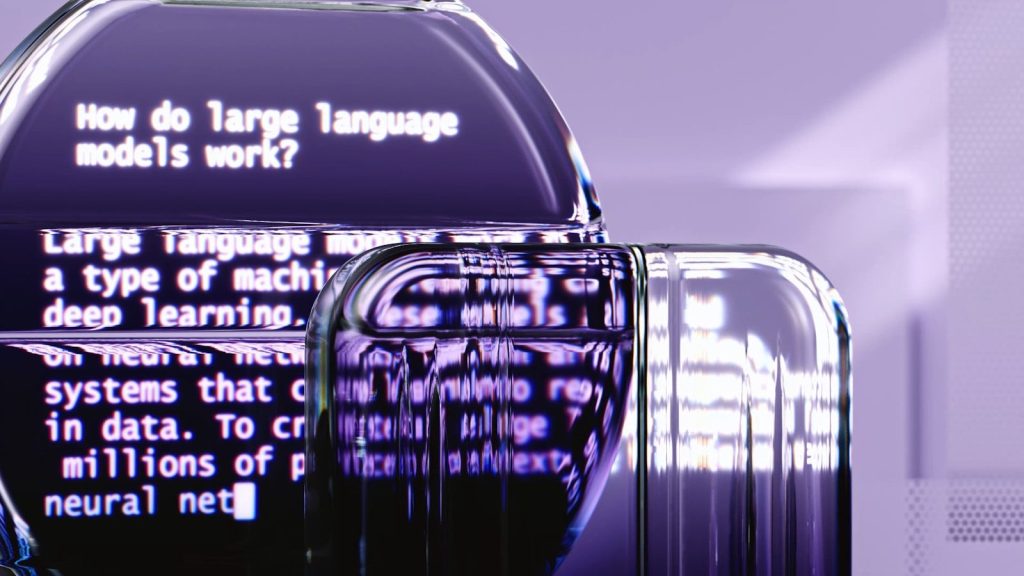
The web is being flooded with millions of cheap AI-generated articles every single day. According to cybersecurity monitors, automated bots are building fake news networks to capture search traffic. It is a flood. This massive wave of synthetic content makes finding trustworthy human opinions incredibly difficult. But the problem goes far beyond simple text generation.
Clones In The Video Feed

Artificial video avatars and synthetic voiceovers are dominating major social media platforms. According to media reports, automated software can now create highly convincing video presentations in seconds. They look real. These virtual creators are quickly replacing human influencers and traditional video editors. But the ultimate threat is a phenomenon called model collapse.
Eating Their Own Tail
As human writing disappears, AI models are starting to train on other AI content. According to computer science studies, this feedback loop causes the software to become increasingly repetitive and buggy. It is a digital mutation. Over time, the quality of web information could degrade into useless garbage. But developers are racing to fix this loop.
The Battle For Human Proof

Websites are implementing complex new tracking tools to verify if content was written by a real person. According to cybersecurity firms, digital watermarks and cryptographic signatures are becoming vital tools. We need proof. This technology helps protect authentic human creators from being drowned out by bots. But this digital wall is creating a split internet.
The Rise Of Locked Webs
Many premium publishers are blocking AI crawlers and hiding their content behind strict paywalls. According to media analysts, the open internet is quickly fragmenting into locked private networks. The free web is dying. Users may soon have to pay to access any writing not created by a bot. But some technologists see a positive side to this shift.
Personalized Digital Agents

In the future, everyone might navigate the web using a highly customized personal AI assistant. According to software developers, these smart agents will filter out spam and compile custom daily reports. They are handy. This transition could make browsing the web far more efficient than scrolling through raw links. But the internet will never look the same again.
Rebuilding The Digital World

The rapid evolution of artificial intelligence is forcing us to redefine what the internet actually is. According to tech historians, we are leaving the age of human browsing and entering the age of automated synthesis. The old web is gone. This article is for informational purposes only.
Featured Image: Photo by Pavel Danilyuk on Pexels
Leave a Reply