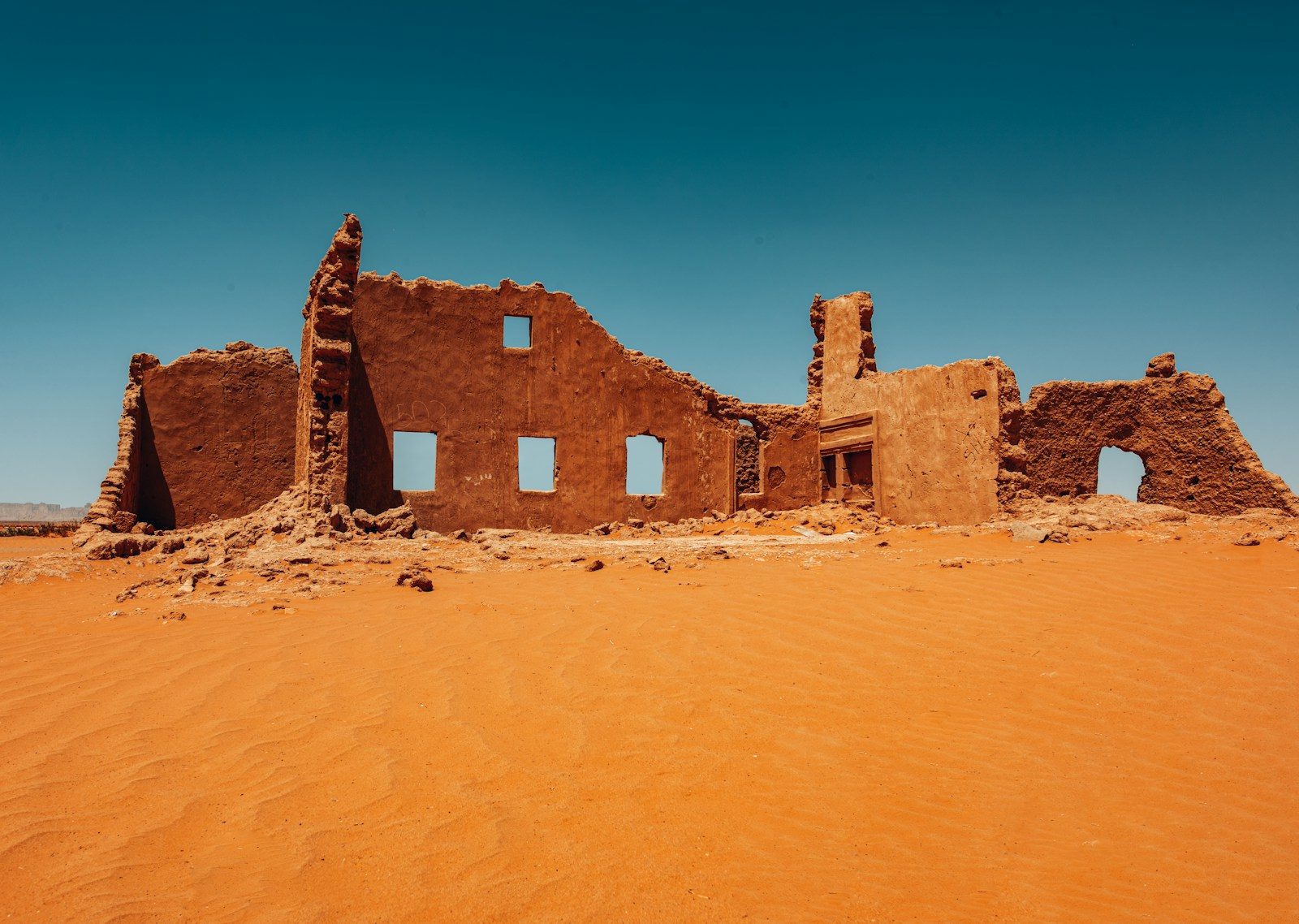
Most archaeology fans assume that centuries of digging have mapped every major monument in Egypt. We believe that the empty desert sands hold no more massive structural surprises.
But a spectacular radar sweep has revealed a giant underground monument. This colossal stone barrier matches high-tech scans with absolute precision.
Eyes Beneath The Desert
Ground-penetrating radar systems can look straight through solid layers of sand and clay. According to reports from the Egyptian Ministry of Antiquities, researchers mapped a massive geometric anomaly buried deep underground. The scans were undeniable. This high-tech imaging allowed the team to pinpoint the coordinates before digging a single hole. But they still had to prove the structure was real.
Striking Solid Limestone
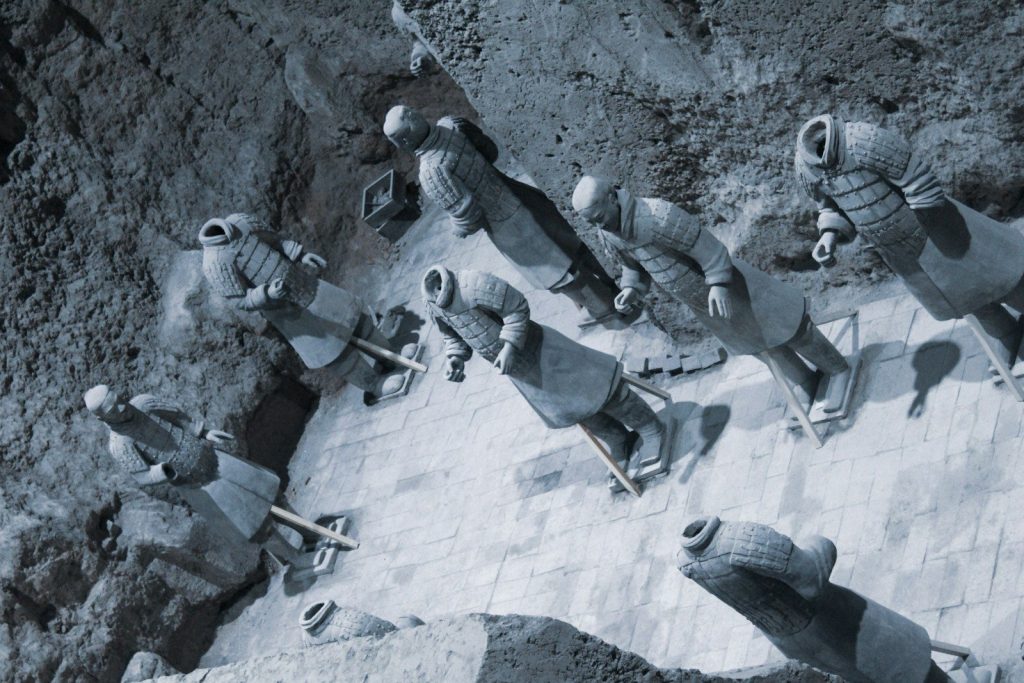
Excavators began carefully clearing away the heavy sand layers at the target coordinate. They hit solid stone. According to archaeological geologists, the team uncovered a colossal limestone barrier buried six feet beneath the desert surface. This physical wall matched the raw digital scans in every single dimension. But the true scale of the monument would take months to uncover.
Colossal Monolithic Blocks
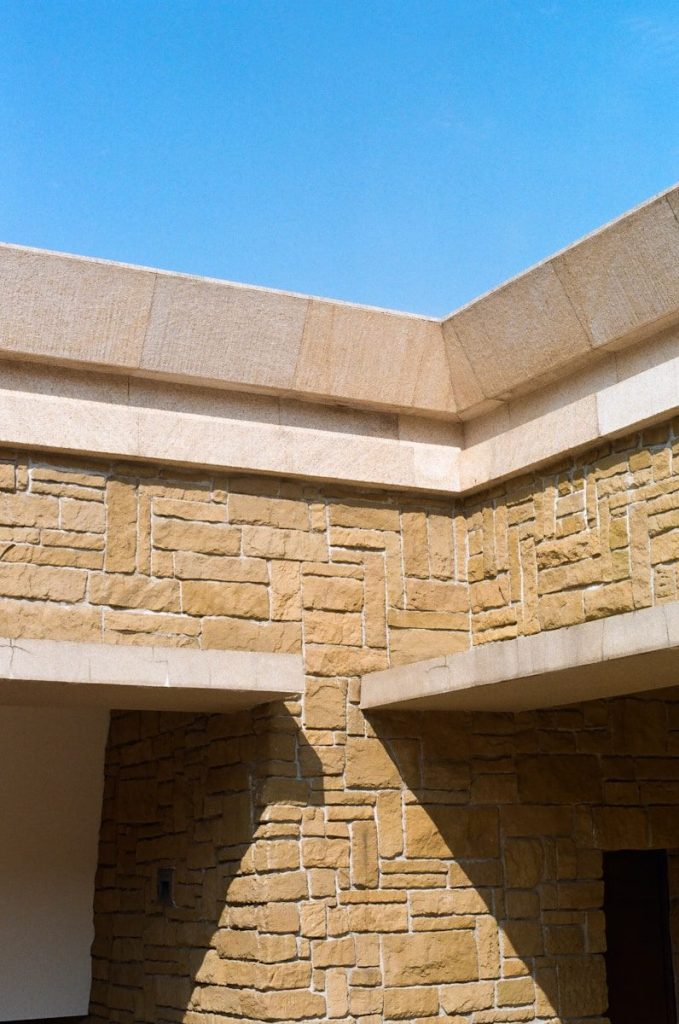
The newly uncovered wall was constructed using incredibly dense blocks of quarried stone. According to structural engineers, the masonry work showcases tight joints and perfectly straight lines. The architecture is magnificent. Moving these massive stones required highly organized labor and complex transport setups. But the physical layout of the barrier hints at a highly defensive purpose.
Shielding Sacred Grounds
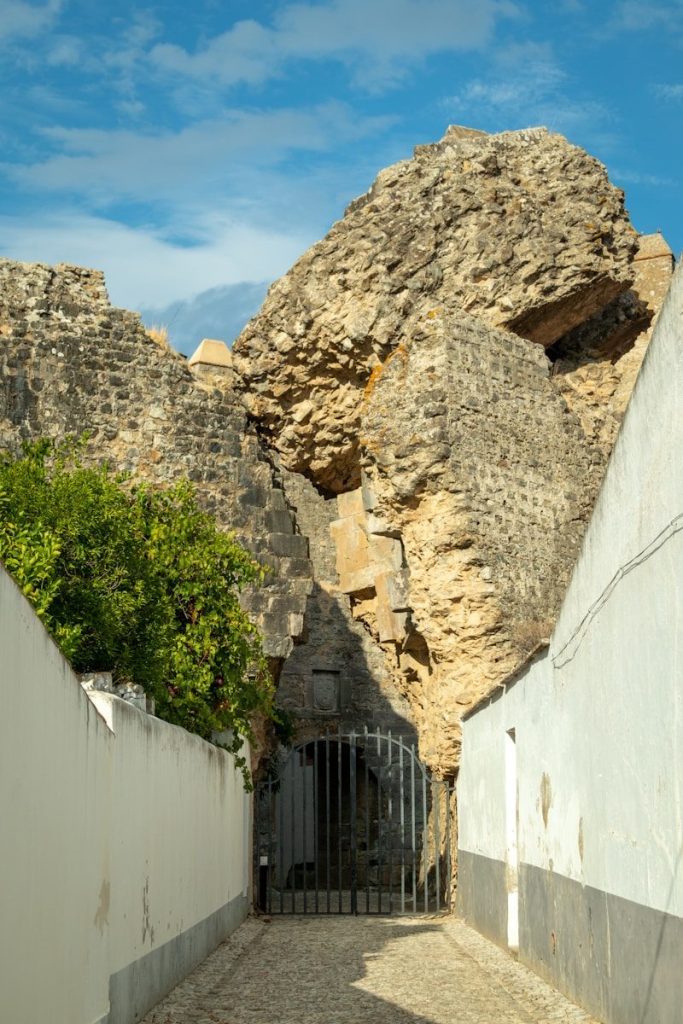
The giant wall appears to surround an unexplored subterranean cemetery complex. According to classical historians, early builders constructed massive barriers to protect sacred tombs from outside interference. It was a fortress. This heavy stone shield successfully kept the inner chambers safe from sand and looters for millennia. But finding the entrance to the tomb remains a massive challenge.
Deeper Cavities Mapped
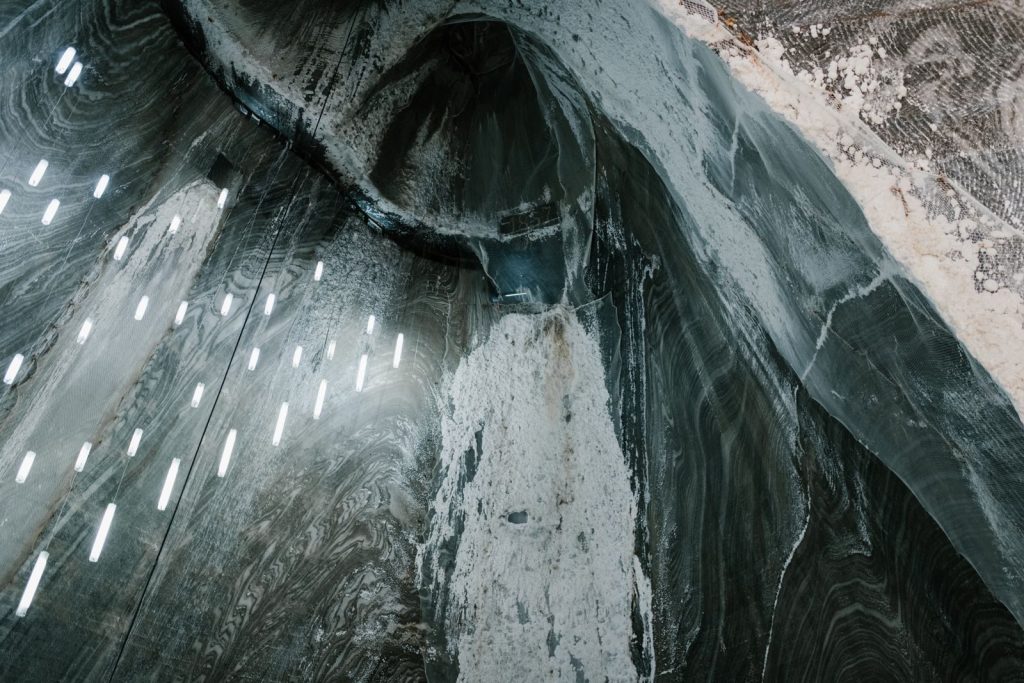
Radar specialists ran deep electrical resistivity scans beneath the newly discovered wall. According to the survey data, several empty chambers sit directly under the main stone foundations. The cavities are massive. These underground rooms could hold untouched burials or forgotten historic treasures. But determining how to reach them safely requires an entirely different engineering plan.
Sourcing The Stones
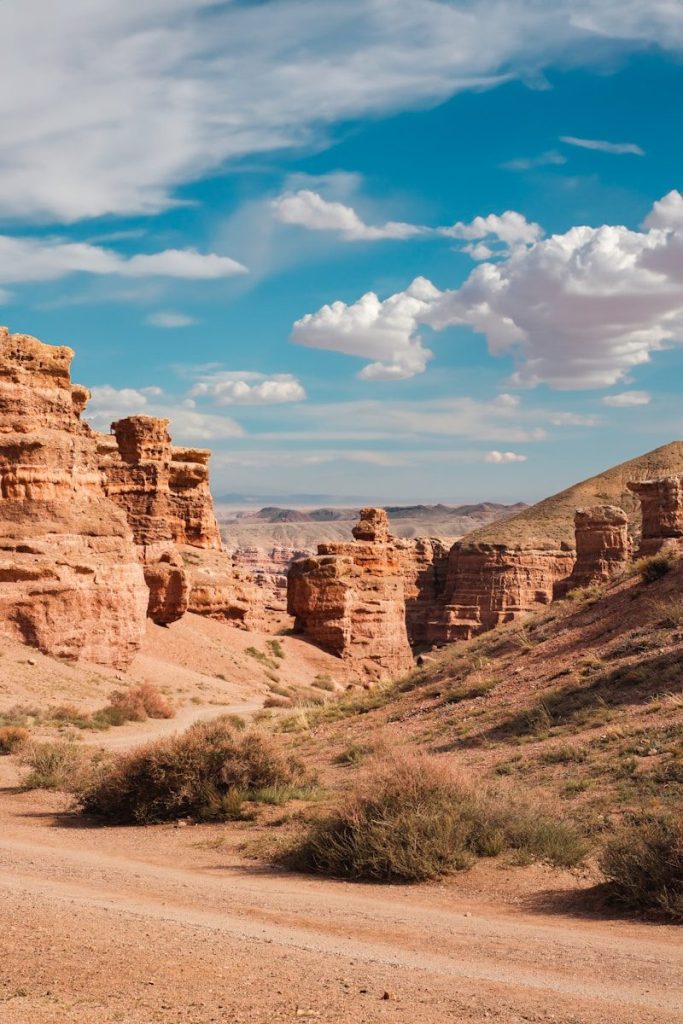
Geologists analyzed the chemical composition of the limestone to trace its physical origin. According to reports from the Cairo Research Institute, the stones were cut from a quarry located miles away. The distance was immense. This finding proves that early builders coordinated complex transport channels across the rugged landscape. But this monumental building style is dividing the academic community.
The Academic Debate

Traditional scholars argue that the structure represents a simple temple retaining wall. According to independent researchers, the sheer scale of the barrier suggests a far more complex military or civic use. The debate is fierce. Skeptics want to see more physical artifacts before rewriting established historical timelines. But the team is already planning a deeper excavation of the surrounding sands.
Unlocking Forgotten Horizons
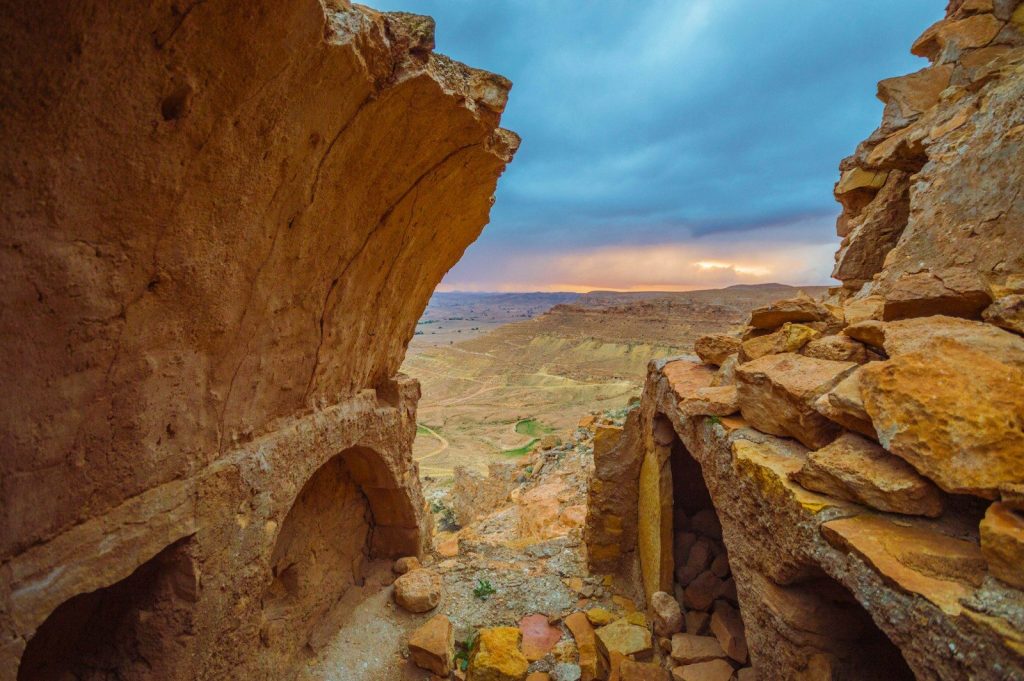
This spectacular subterranean discovery proves that technology can locate lost history hidden beneath our feet. According to archaeologists, mapping these massive ruins helps us reconstruct the true development of early cities. The desert keeps secrets. This article is for informational purposes only.
Featured Image: Photo by Jeremiah Del Mar on Unsplash
Leave a Reply