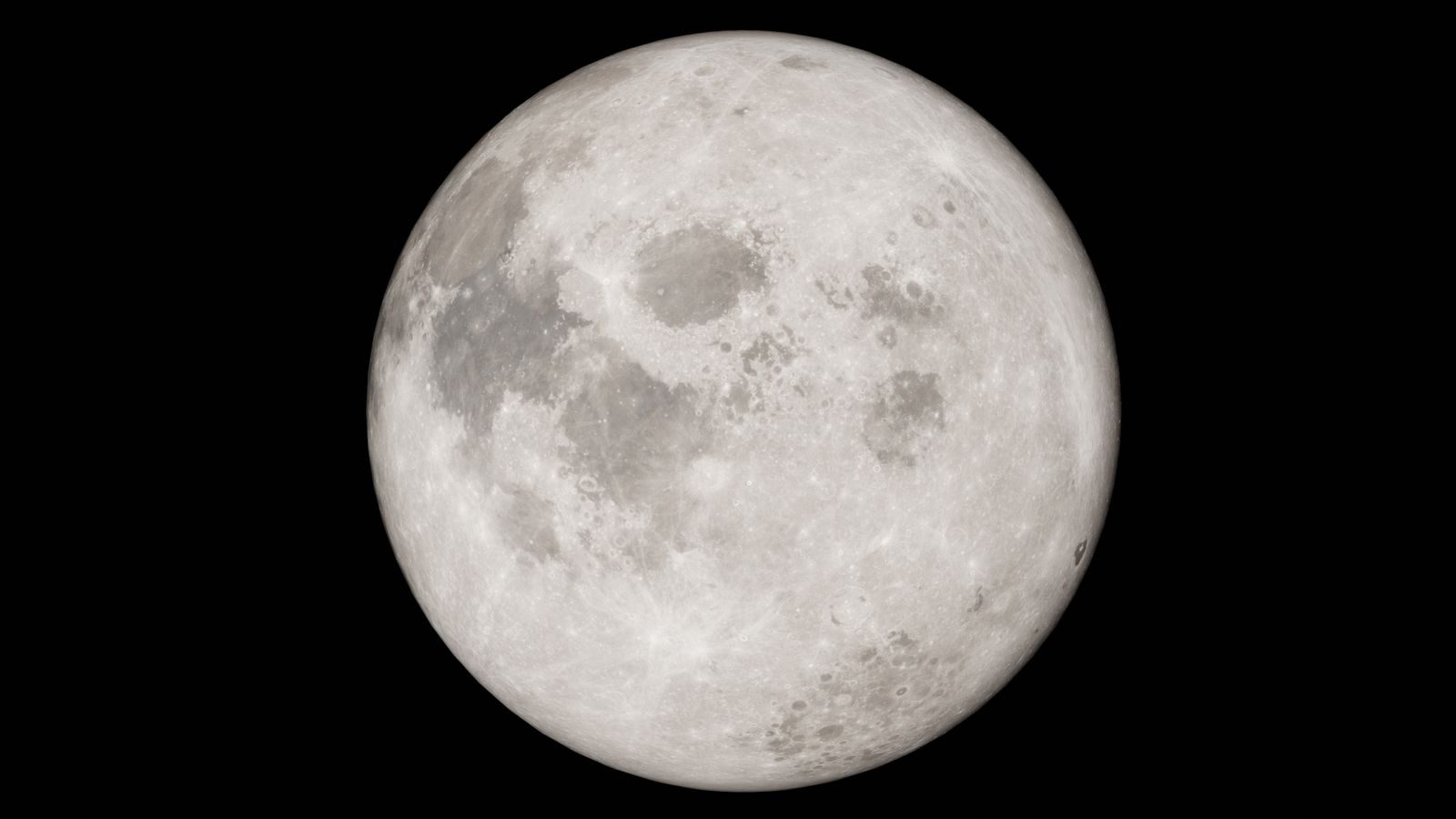
Scientists have strengthened the case that the mysterious world involved in the Moon’s birth formed surprisingly close to Earth. The hypothetical body is called Theia, and the leading giant-impact model holds that it collided with the young Earth roughly 4.5 billion years ago. Material associated with that enormous collision eventually produced the Moon. Theia itself did not survive as a separate planet, which has made discovering where it came from unusually difficult.
A study published in Science in November 2025 examined isotope signatures in terrestrial rocks, lunar samples and meteorites to reconstruct Theia’s likely composition and origin. The results favor a scenario in which both Earth and Theia were built largely from material in the inner Solar System. Researchers described them as likely “neighbors,” but that wording should not be mistaken for evidence that a hidden second Earth once sat permanently beside our planet.
Theia Is a Hypothetical Lost World
No telescope has ever observed Theia because the event being reconstructed occurred near the beginning of Solar System history. Planetary scientists infer its existence from the properties of Earth, the Moon, lunar samples and computer models of giant impacts. The giant-impact hypothesis proposes that a large planetary body struck the proto-Earth, dramatically altering both objects. Although Theia is often described as roughly Mars-sized in simplified accounts, important details about its precise mass, composition and impact geometry remain subjects of active research rather than established observations.
The Giant Impact Remains Central
The modern story of lunar formation is strongly tied to a giant collision. Apollo samples revealed major similarities between Earth and Moon rocks, while the Earth-Moon system’s physical properties also point scientists toward a violent shared history. In the standard picture, a collision between proto-Earth and Theia sent material into orbit, from which the Moon ultimately emerged. Researchers continue to debate exactly how the collision unfolded and how quickly the Moon assembled, but the giant-impact framework remains the foundation for much current research into lunar origins.
Moon Rocks Preserve the Evidence
Theia was destroyed as an independent body, so scientists cannot simply collect a rock labeled “Theia” and analyze it. Instead, the 2025 research team examined terrestrial material, six lunar samples returned by the Apollo missions and meteorites representing different Solar System reservoirs. They made precise measurements of iron isotopes and combined those results with information from chromium, calcium, titanium, molybdenum and zirconium isotopes. Those chemical fingerprints allowed the researchers to compare possible building materials and narrow down where Theia most plausibly formed.
Earth and Theia Were Likely Neighbors
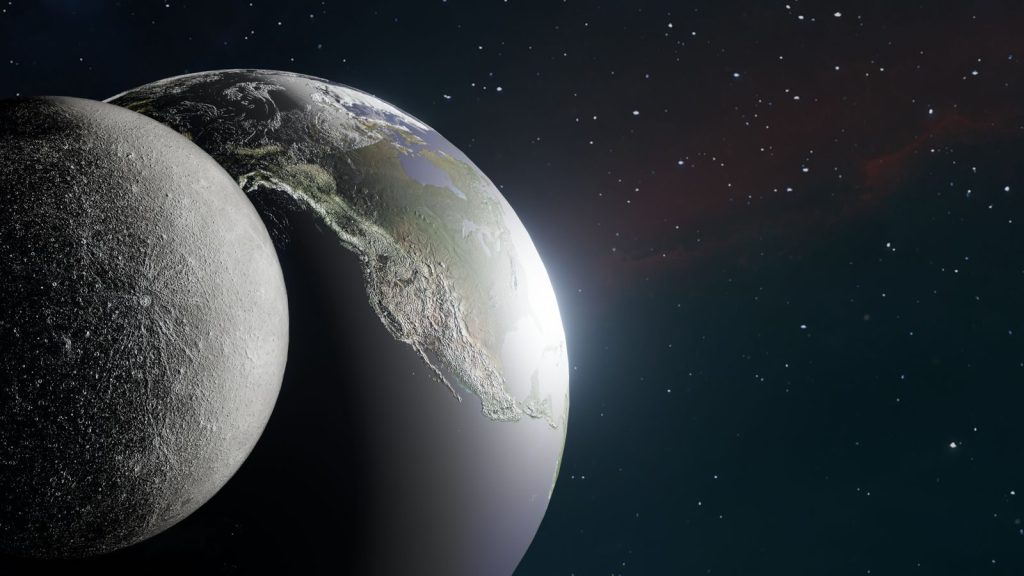
The study’s strongest conclusion is not that scientists found a forgotten planet still hiding nearby. Instead, isotopic evidence indicates that Earth and Theia likely assembled from broadly similar inner-Solar-System material. Lead author Timo Hopp and colleagues concluded that the most convincing scenario places most of the building blocks of both worlds in the inner Solar System. In planetary terms, that makes them neighbors: worlds developing in relatively nearby regions of the young planetary disk before their orbits eventually brought them into a catastrophic collision.
Theia May Have Formed Closer to the Sun

The analysis goes further than simply placing Theia somewhere in the inner Solar System. According to the Max Planck Institute for Solar System Research, the isotope calculations indicate that material incorporated into Theia likely originated closer to the Sun than Earth’s building material. That provides a new constraint on attempts to reconstruct the vanished planet. It does not supply Theia’s exact ancient orbit, but it narrows the range of possible birthplaces scientists must reproduce when testing models of terrestrial-planet formation.
“Neighbor” Does Not Mean a Second Earth
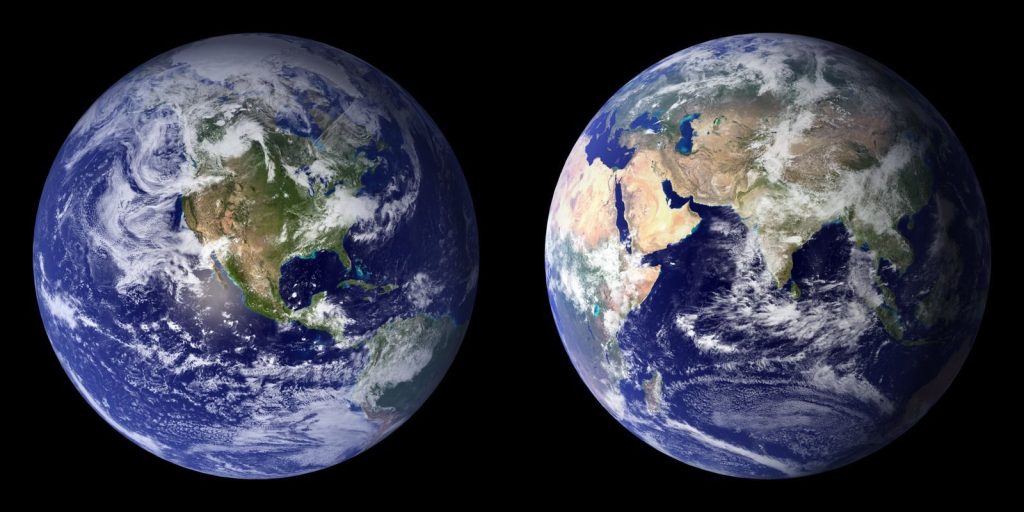
Calling Theia Earth’s “secret neighbor” makes for an attractive headline, but it can create the wrong mental picture. Researchers are not proposing that another modern-looking Earth remained parked beside our planet for millions of years in a stable side-by-side arrangement. “Neighbor” refers primarily to the conclusion that their building materials originated in nearby parts of the inner Solar System. The young Solar System was a dynamic environment filled with growing planetary embryos whose orbits could change and intersect as the terrestrial planets took shape.
The Moon’s Exact Birth Is Still Debated
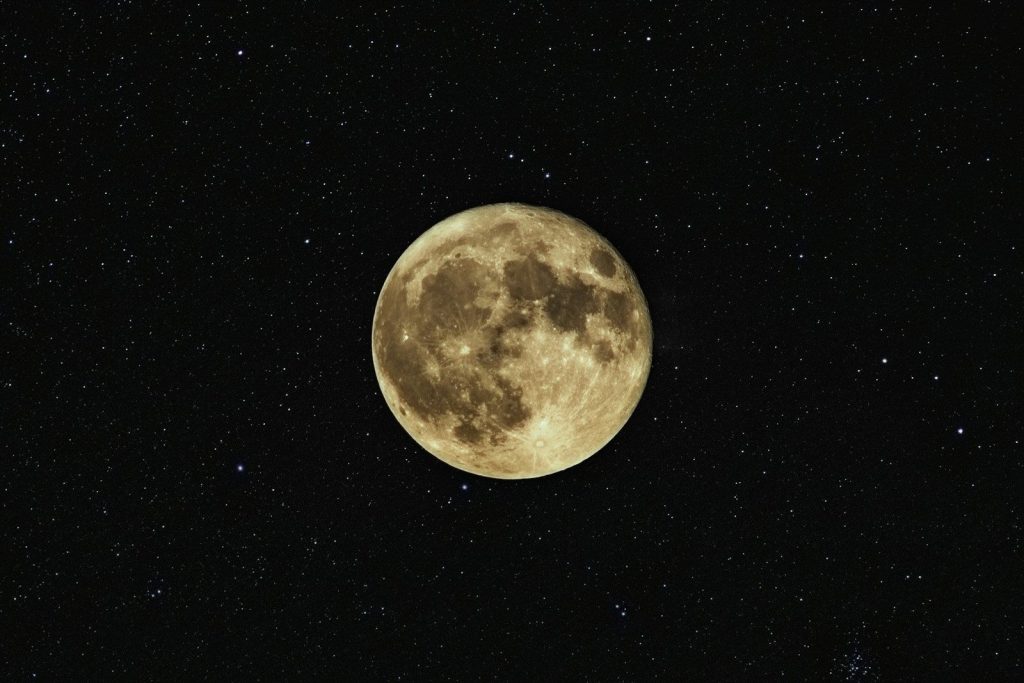
Even if Theia’s origin becomes clearer, scientists still do not have every stage of lunar formation settled. Traditional models often picture orbiting debris gradually collecting into the Moon after the collision. NASA-backed high-resolution simulations published in 2022 showed another possibility: a Moon-like satellite could be placed into orbit almost immediately, potentially within hours of the impact. Such simulations do not prove that this exact scenario occurred. They demonstrate that different collision conditions can produce outcomes scientists must compare with geological, chemical and orbital evidence.
The Study Narrows a 4.5-Billion-Year Mystery
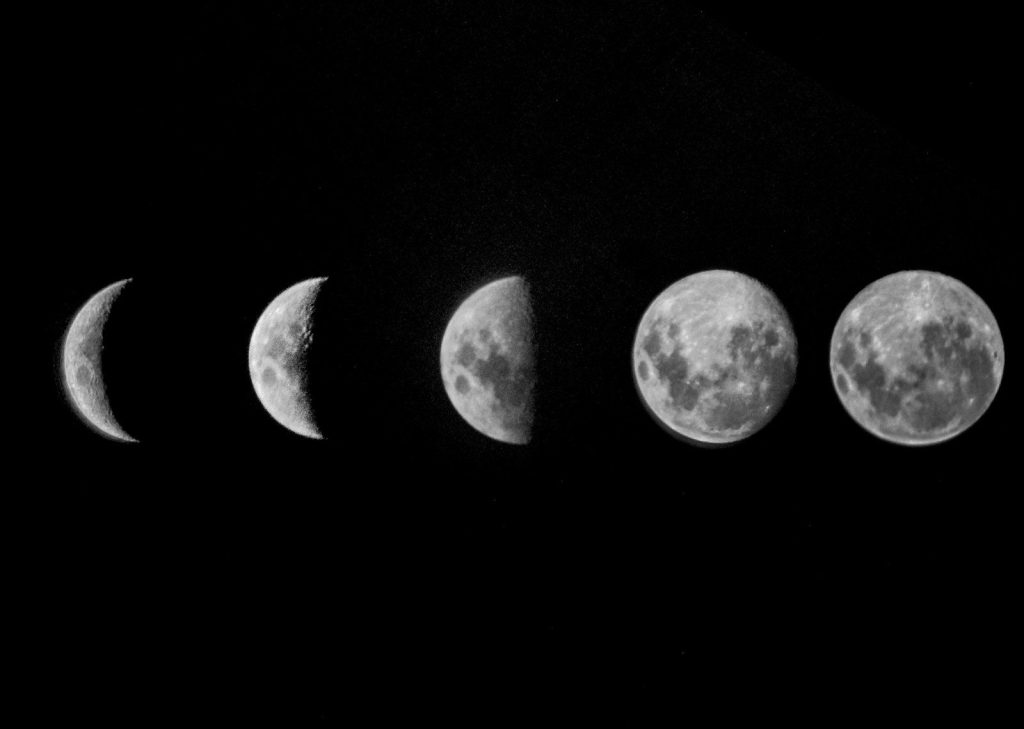
The 2025 work is important because it turns lunar and terrestrial isotope measurements into clues about a planet that no longer exists. It strengthens the argument that Theia and Earth arose in the same broad inner region of the Solar System while suggesting Theia incorporated material originating somewhat closer to the Sun. What it does not do is settle Theia’s exact size, orbit or every detail of the impact. Instead, it gives future Moon-formation models a tighter set of chemical constraints to explain.
Featured Image: Photo by Zelch Csaba on Pexels
Leave a Reply