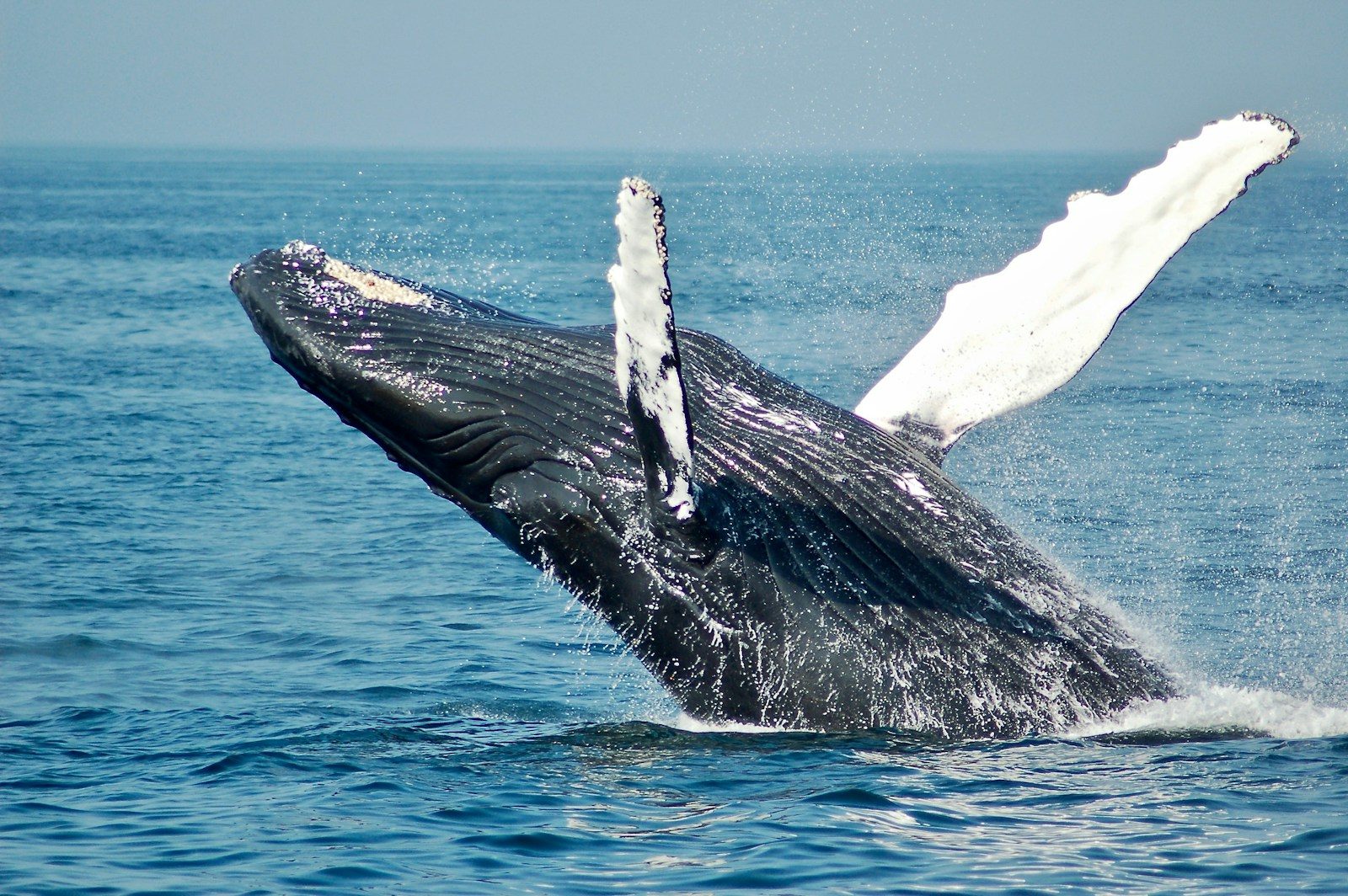
Most people assume interspecies communication remains strictly locked within science fiction novels. We believe humans cannot exchange intentional signals with wild marine mammals.
But a landmark experiment off the coast of Alaska proved otherwise. Marine researchers recorded a twenty-minute acoustic exchange with a wild humpback whale.
Humpback Whale Swimming Alaska
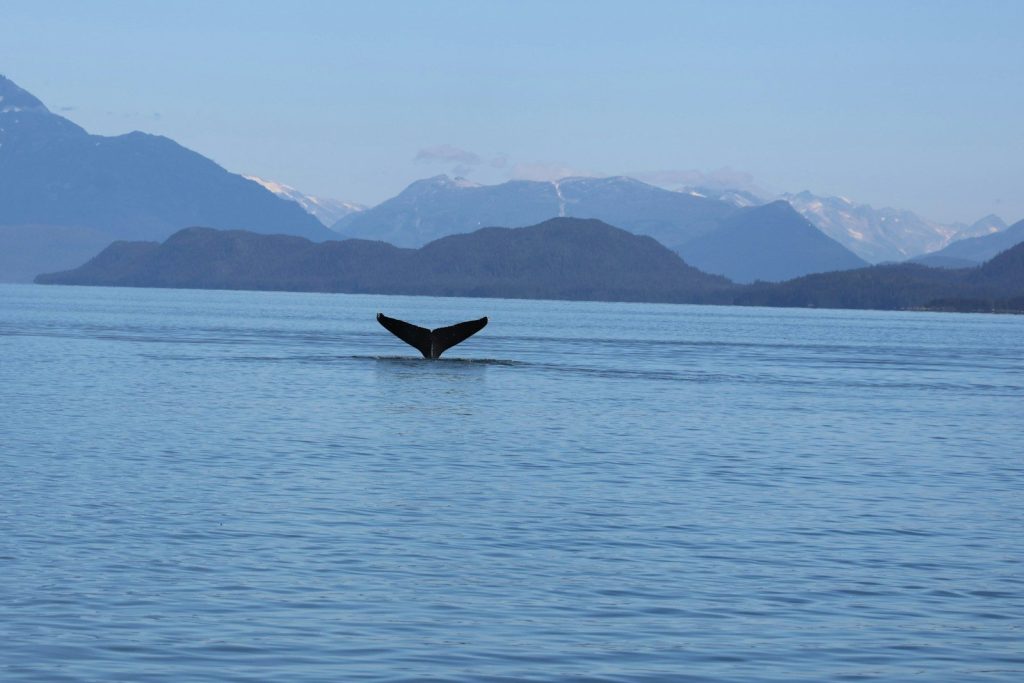
Scientists from the SETI Institute played recorded whale calls into ocean waters near Alaska. According to PeerJ research journals, a female humpback named Twain approached the vessel. She was curious. The whale responded to each playback call with matching acoustic timing. But the team wanted to test if this interaction was truly interactive.
Whale Underwater Acoustic Hydrophone
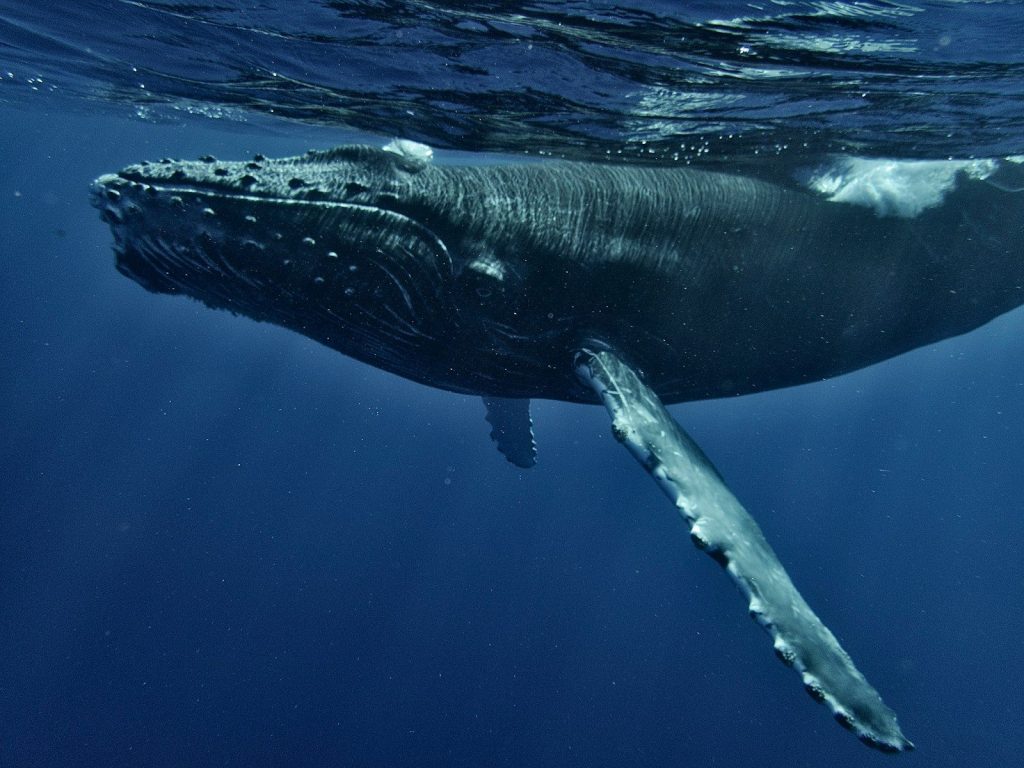
The whale adjusted her vocal delay to match intervals between human underwater speakers. According to Dr. Brenda McCowan, Twain mirrored timing changes made by the research crew. Signals were clear. The animal demonstrated intentional engagement by maintaining closeness for twenty minutes. And researchers realized this trial held broader implications for science.
SETI Deep Space Communication
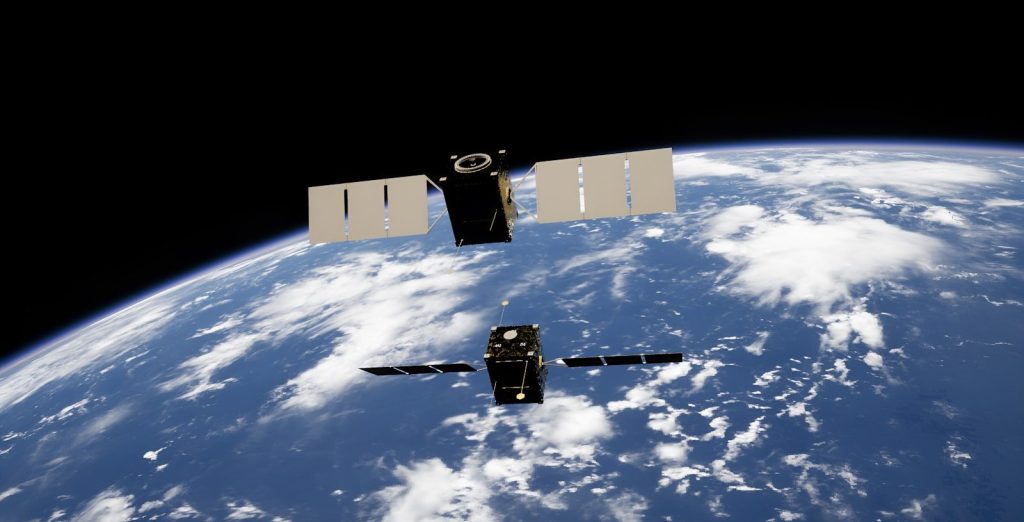
Astrobiologists study whale communication to design models for potential extraterrestrial contact. According to the SETI Institute, non-human intelligence on Earth provides testing grounds for future space messaging. Preparation is essential. Understanding marine communication patterns helps scientists evaluate signal complexity from deep space. But decoding biological intent requires analyzing underwater acoustics.
Humpback Whale Bubble Net Feeding
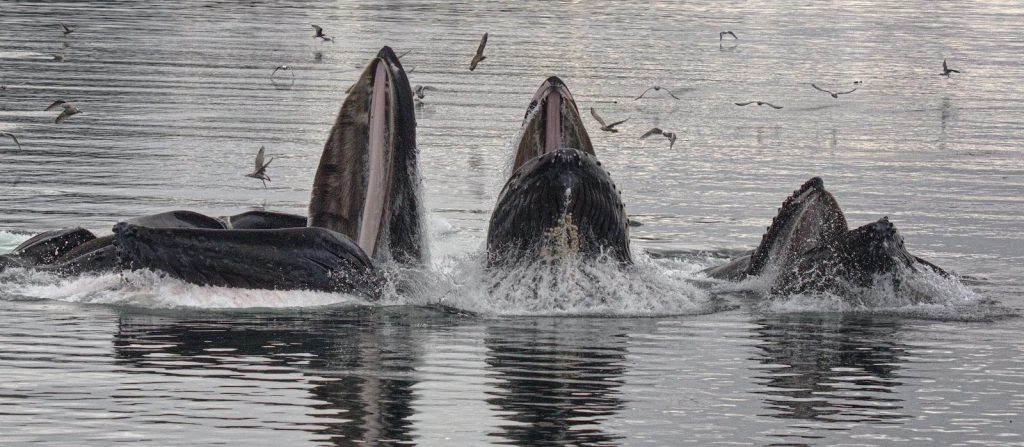
Researchers evaluate social calls and bubble ring behavior to assess marine animal awareness. According to marine biology reports from UC Davis, humpbacks use acoustic signals to coordinate feeding routines. Patterns are intricate. Every underwater sound carries structural data vital to pod dynamics. Yet communicating across species barriers poses technical hurdles.
Underwater Sound Transducer Audio
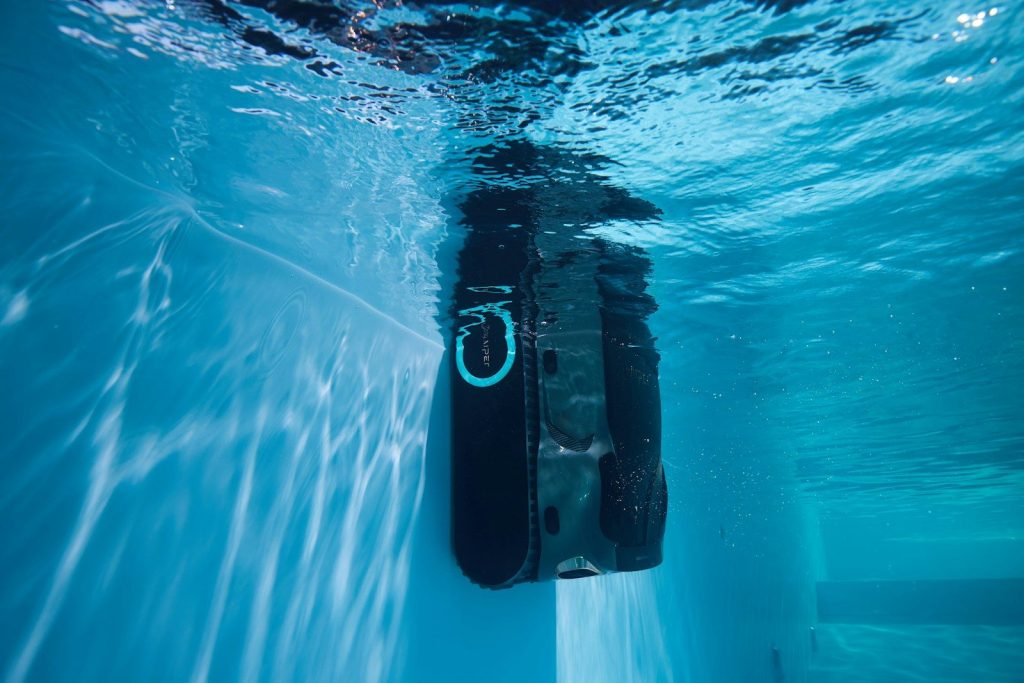
Transmitting underwater sound requires specialized audio transducers designed for deep saltwater conditions. According to oceanographic data, background noise from ships can disrupt fragile biological frequencies. Sound travels fast. Scientists must carefully filter environmental sounds to maintain clear acoustic channels. And new technology continues pushing these boundaries forward.
AI Processing Ocean Audio Signals
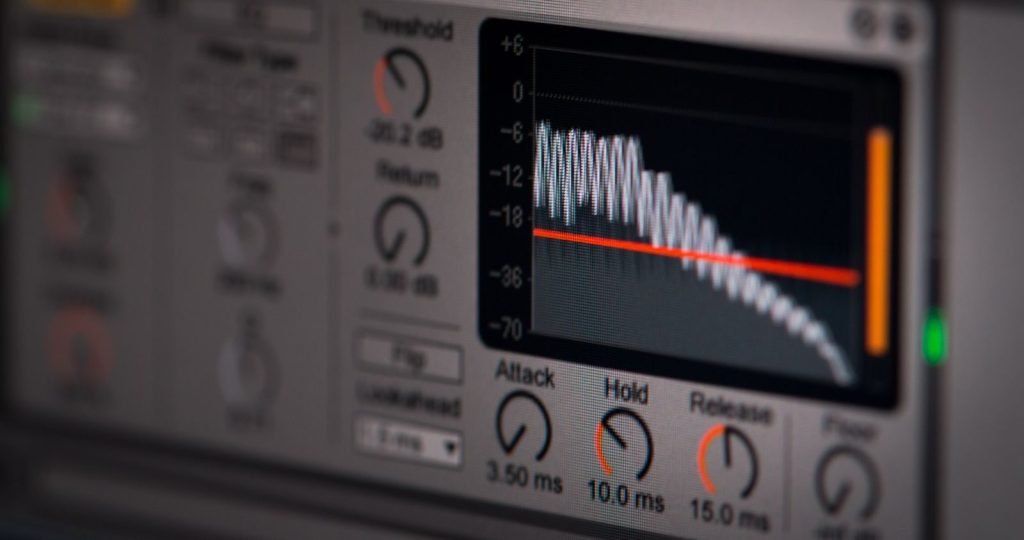
Artificial intelligence models now process thousands of hours of ocean hydrophone recordings daily. According to marine acoustics studies, algorithms detect subtle structural variations in whale vocalizations. Data flows continuously. These automated tools help researchers map marine dialogue with unprecedented detail. But researchers still seek deeper insights into animal cognition.
Marine Bioacoustics Whale Exploration
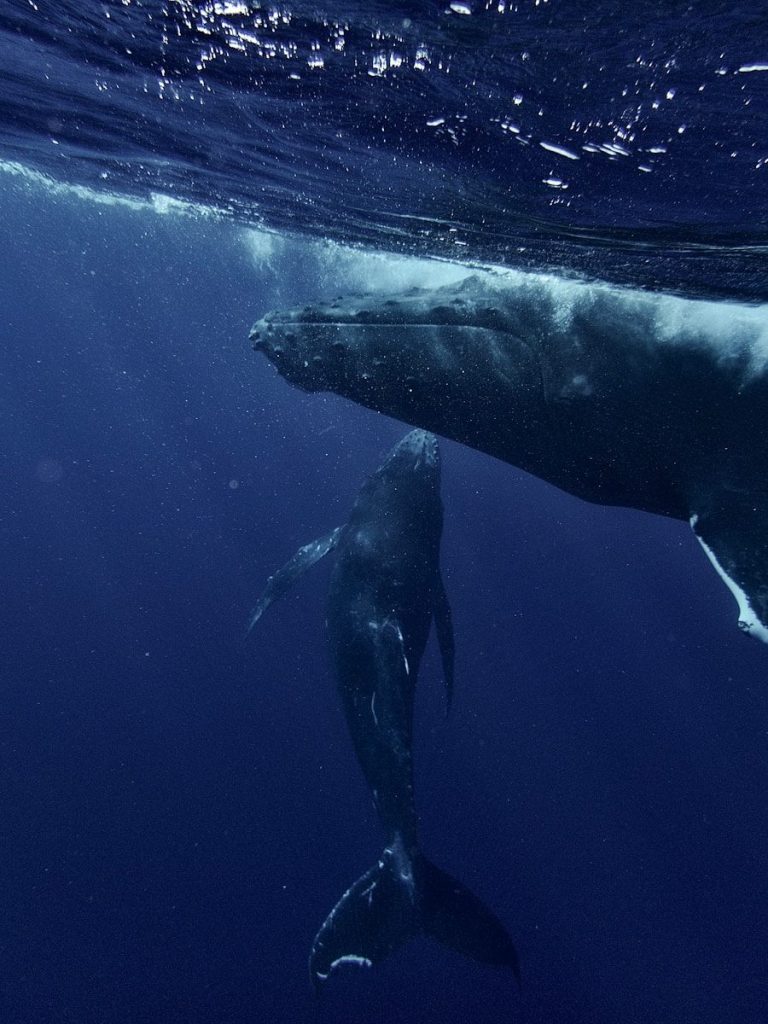
This landmark acoustic test offers a fascinating glimpse into non-human intelligence inside our oceans. According to leading bioacousticians, continued study of marine communication expands our understanding of animal awareness. Science moves forward. These discoveries remind us how much remains to be learned from marine life. This article is for informational purposes only.
Featured Image: Photo by Todd Cravens on Unsplash
Leave a Reply