
Researchers reported ancient human DNA preserved on cave-wall surfaces in Spain and Portugal. Their study examined pigment and nearby rock from 24 art panels across 11 caves, including simple marks, hand stencils and figurative paintings. Human mitochondrial and nuclear DNA was recovered from several wall samples.
The discovery creates a potential new method for studying people who entered prehistoric caves. However, the authors explicitly stated that the DNA cannot yet be conclusively connected to the creation of the art. A person may have touched a wall centuries or thousands of years after a painting was made.
Iberian Cave Art Panel Exploration

The research covered caves across Spain and Portugal, including sites with red ochre marks, negative hand stencils and famous figurative art. Scientists collected 54 pigment-containing samples from the 24 panels and also tested unpainted wall areas, cave sediments and selected archaeological material. Comparing painted and unpainted surfaces was essential because DNA on a cave wall does not automatically come from an artist. It may have arrived through later touching, dust, water movement, animals or material transferred from the cave floor.
Archaeological DNA Sample Collection

Ancient-DNA research is highly vulnerable to contamination from archaeologists, tourists and laboratory workers. The team used gloves, face masks, arm coverings and site-specific collection procedures intended to reduce modern human material. Samples were processed using methods developed for ancient bones and sediments, including single-stranded DNA libraries and targeted enrichment for human mitochondrial sequences. Researchers also examined characteristic molecular damage patterns that accumulate over time, helping distinguish genuinely ancient fragments from DNA deposited by recent visitors.
Escoural Cave Portugal Calcite Wall
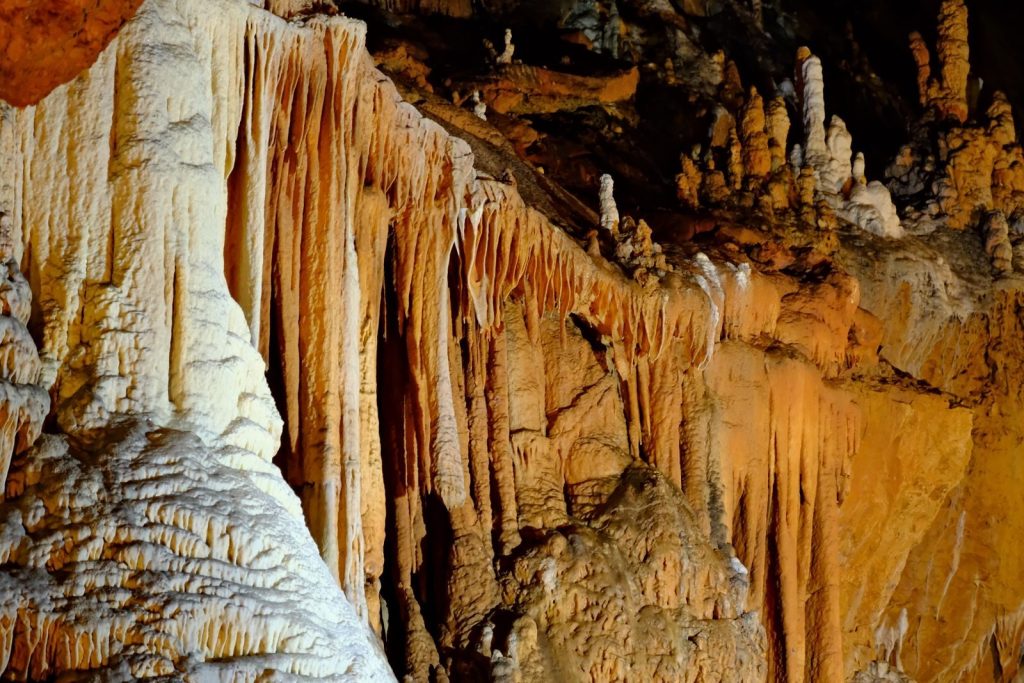
Only one of the 24 sampled rock-art panels produced authenticated ancient human DNA. It came from a pigmented calcite crust at Escoural Cave in Portugal. An unpainted wall sample from the same cave also contained ancient human DNA without accompanying animal DNA. The absence of animal material suggests that direct human contact may have deposited the genetic traces. The painted sample did not contain enough information to determine the person’s sex or confidently connect the DNA with a specific prehistoric population.
Cave Wall Mineral Sediment Testing

Three additional unpainted samples from Escoural and Covarón Cave contained mixtures of human and animal DNA. Researchers interpreted those mixtures as evidence of indirect deposition, possibly through sediment, dust or other material transferred onto the wall. This distinction shows why finding DNA close to a painting is not enough to identify its creator. Future studies must compare pigment, mineral crusts, nearby bare surfaces and floor sediments to determine whether genetic material is specifically associated with making the art.
Ancient Hunter Gatherer Genetics

Human DNA recovered from two unpainted Covarón samples clustered genetically with western European hunter-gatherers. The mitochondrial sequences were consistent with haplogroup U5a’b, a lineage commonly found among ancient European hunter-gatherers. The mixed samples appeared to contain DNA predominantly derived from females. These results relate to visitors or occupants whose genetic material reached the walls, not confirmed artists. No comparable population assignment could be made from the DNA found directly within the Escoural pigment sample.
Prehistoric Cave Art Radiocarbon Dating

Site history indicates that the Escoural wall DNA is at least 4,000 to 5,000 years old because the cave became inaccessible after the Chalcolithic period and was not reopened until 1963. It could be older, but the study could not directly match the age of the DNA with the age of the pigment. The painted motif is stylistically compatible with Paleolithic traditions, yet similar forms continued into the Neolithic. DNA and art found together may therefore have been deposited many generations apart.
Ancient Human DNA Analysis Laboratory

Ancient DNA was found in only one of the 24 art panels, showing that preservation on pigmented surfaces is rare. Even so, cave walls may become valuable evidence of prehistoric movement and behavior. Future samples could reveal which populations entered particular chambers, how deeply people traveled, and whether certain spaces were associated with men or women. The current study opens that possibility, but it has not identified the makers of famous cave paintings or rewritten the accepted history of prehistoric art.
Leave a Reply