
SpaceX has not collapsed as a company. Its shares experienced a steep post-IPO selloff after briefly reaching $225.64, but the business continued operating its launch, satellite and technology programs. At the latest market reading on July 27, 2026, the stock traded at approximately $115.
Elon Musk’s estimated net worth fell sharply as the market value assigned to his SpaceX stake declined. However, an exact $600 billion one-month loss cannot be presented as a settled fact because wealth trackers use different assumptions about ownership, restricted shares, taxes and private assets.
SpaceX Nasdaq Stock Exchange IPO

SpaceX shares began trading on Nasdaq on June 12, 2026, under the ticker SPCX. The IPO was priced at $135 per share and valued the company at approximately $1.77 trillion before trading began. SpaceX later reported gross proceeds of about $85.7 billion after the underwriters exercised their full option for additional shares. The scale of the offering reflected extraordinary demand, but the valuation also required investors to price in future growth from Starlink, Starship and the company’s AI ambitions.
SpaceX Share Price Peak Decline

SpaceX closed its first trading day at $160.95, giving it a market value of roughly $2.1 trillion. The shares later reached a post-IPO high of $225.64 before reversing course. By July 23, they had fallen to a record low of $115.26, below the $135 offer price. That represented a decline of almost half from the peak, but a falling share price is not the same as corporate failure, insolvency or the disappearance of SpaceX’s operating businesses.
Elon Musk Net Worth SpaceX Stake

Following the IPO and share sale, Forbes estimated Musk’s net worth at approximately $1.1 trillion. Reuters reported that most of that wealth was tied to SpaceX, where his stake was then valued at roughly $866 billion. Those figures represented estimated market value, not cash in a bank account. When the stock later fell, the calculated value of his holdings dropped with it. Wealth estimates can also include shares that vest over time, creating substantial differences between published rankings.
Financial Market Investor Trading

Investors began questioning whether SpaceX’s early valuation had moved too far ahead of its current revenue and profits. Concerns included high AI spending funded partly through debt, the company’s expensive sales multiple and uncertainty around projects that may take years to mature. The limited number of publicly tradable shares also increased volatility. A successful rocket launch or new contract could lift sentiment temporarily, while spending concerns or the prospect of additional shares entering the market could push it down again.
SpaceX Starlink Financial Revenue

SpaceX generated approximately $18.67 billion in revenue during 2025, with Starlink contributing about 60% of sales, according to financial information reported around the IPO. The company recorded a net loss of approximately $4.94 billion after reporting a profit in 2024. The reversal was linked partly to the merger with loss-making xAI and heavy spending on computing and Starship. These figures show a large operating business, but also one requiring substantial investment to pursue its most ambitious plans.
Stock Market Short Selling Trading

Traders betting against SpaceX accumulated an estimated $15.5 billion in paper profits between the IPO and July 23, according to market data. Around 360 million shares, equal to approximately 56% of the publicly available float, were on loan for short selling. Those profits were not necessarily realized because short sellers must eventually repurchase shares. A sudden price recovery could reduce or reverse their gains, illustrating the extreme risk faced by investors on both sides of a volatile stock.
SpaceX Starship Rocket Satellite
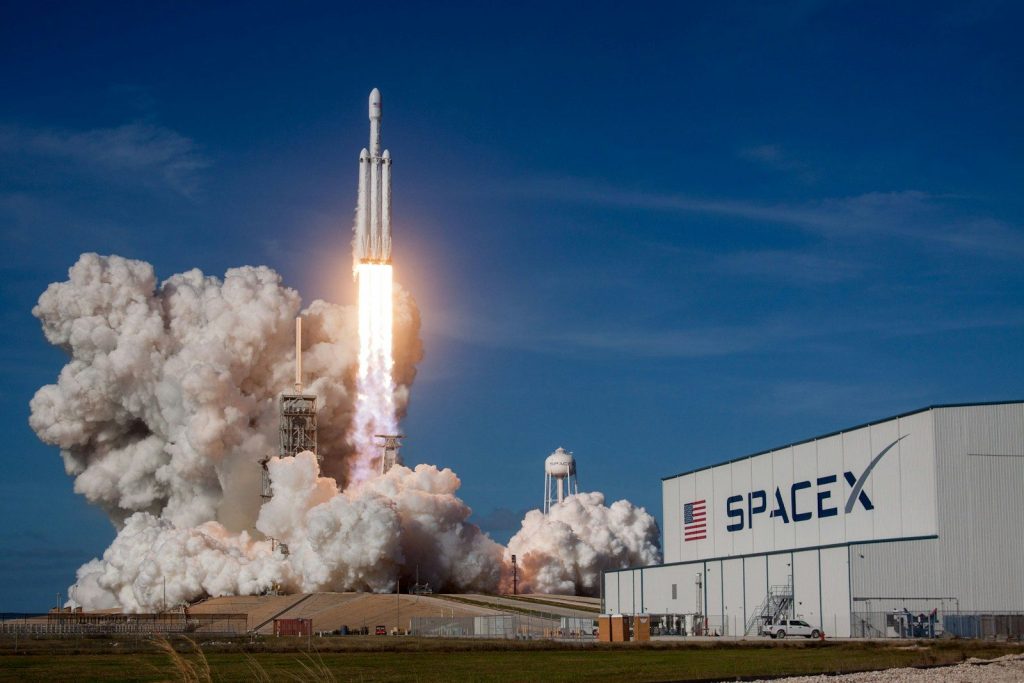
Investors will judge SpaceX through operating results rather than Musk’s daily wealth ranking. Important measures include Starlink subscriber growth, launch demand, AI spending, debt, profitability and progress toward making Starship reliable and reusable. The selloff significantly reduced the market value of Musk’s holdings, but descriptions of a complete SpaceX collapse are inaccurate. The defensible conclusion is that an exceptionally valuable new public company experienced a severe correction after its shares initially rose to a valuation that many investors considered difficult to justify.
Featured Image: “Elon Musk overlooking the remains of F9R” by jurvetson is licensed under CC BY 2.0
Leave a Reply