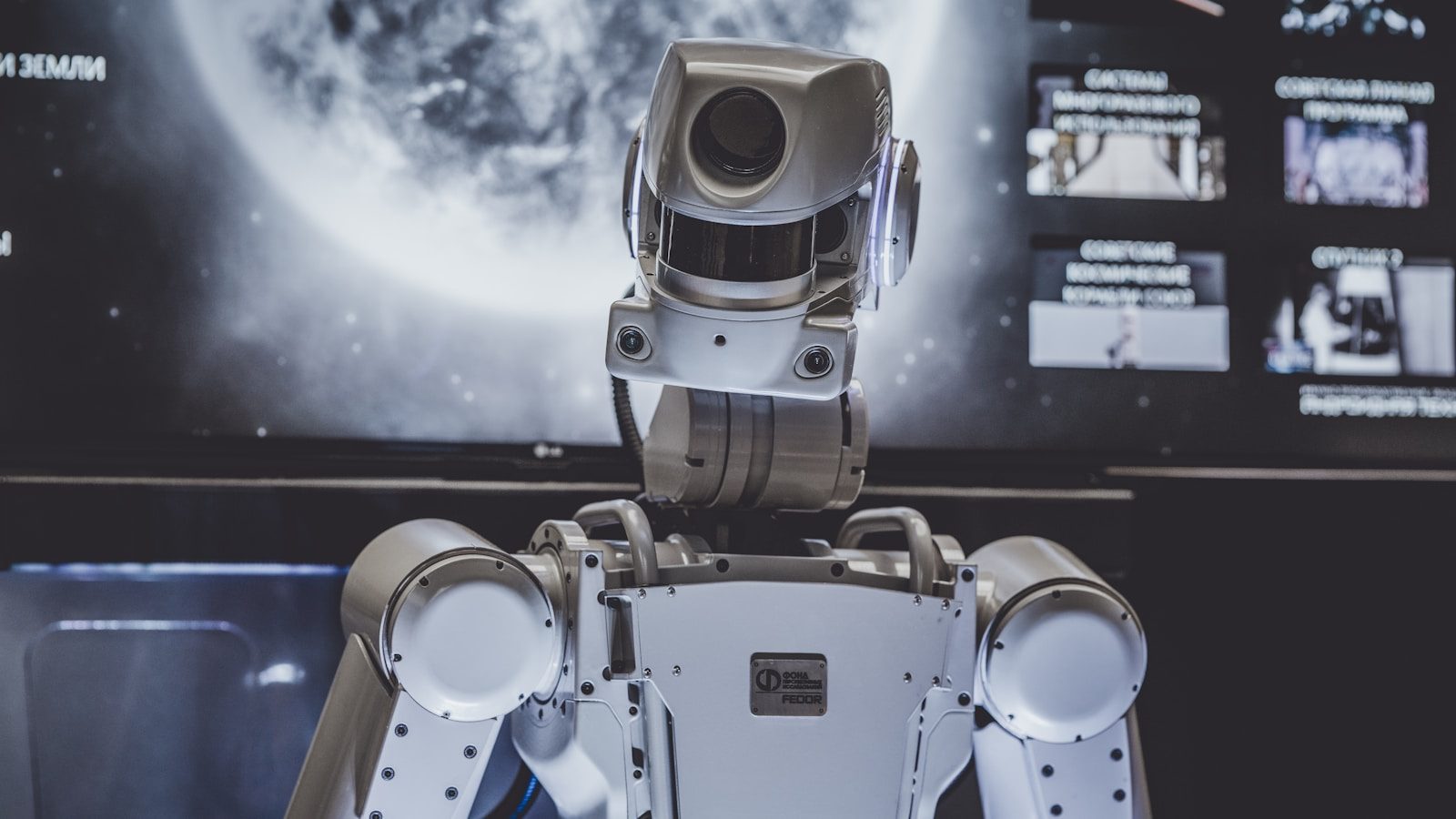
Most people assume that advanced bipedal robots remain clumsy and mechanical in their motion. We expect synthetic machines to walk with stiff joints and unnatural balance.
But modern robotics engineering is rapidly dismantling that assumption. A new generation of humanoid platforms demonstrates smooth motion that mimics human movement.
Bipedal Humanoid Robot Walking
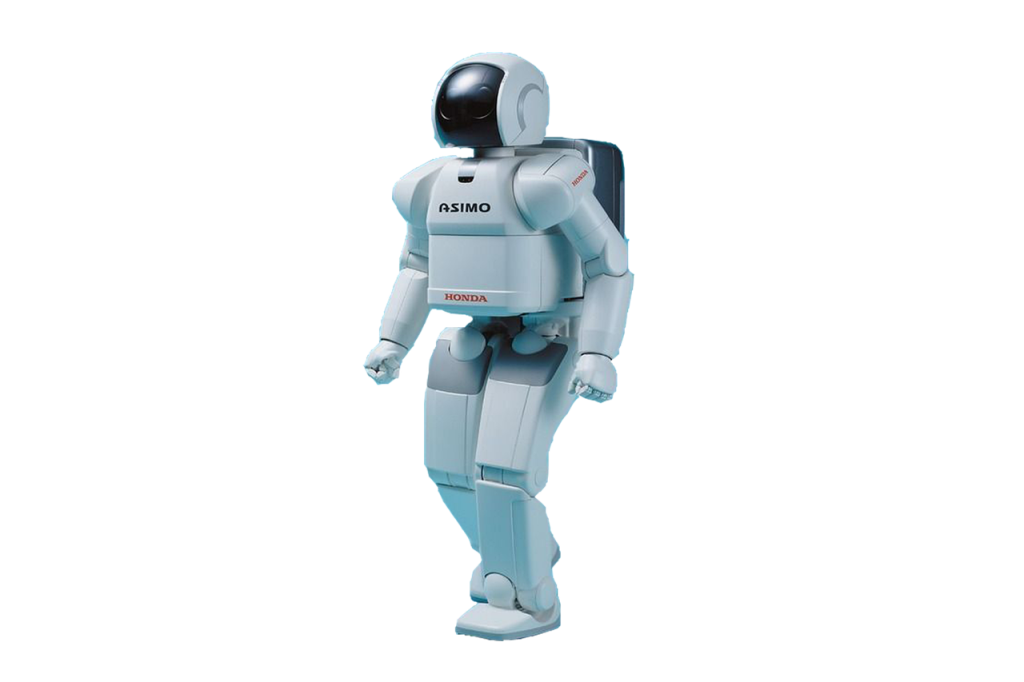
Robotics companies are building advanced humanoid machines designed for complex physical tasks. According to reports from Unitree Robotics, electric actuators allow these models to maintain precise fluid balance. Motion is smooth. Dynamic joint motors adjust torque thousands of times per second to prevent falling. But maintaining stability on rough ground requires sophisticated control algorithms.
Humanoid Robot Balance Sensors
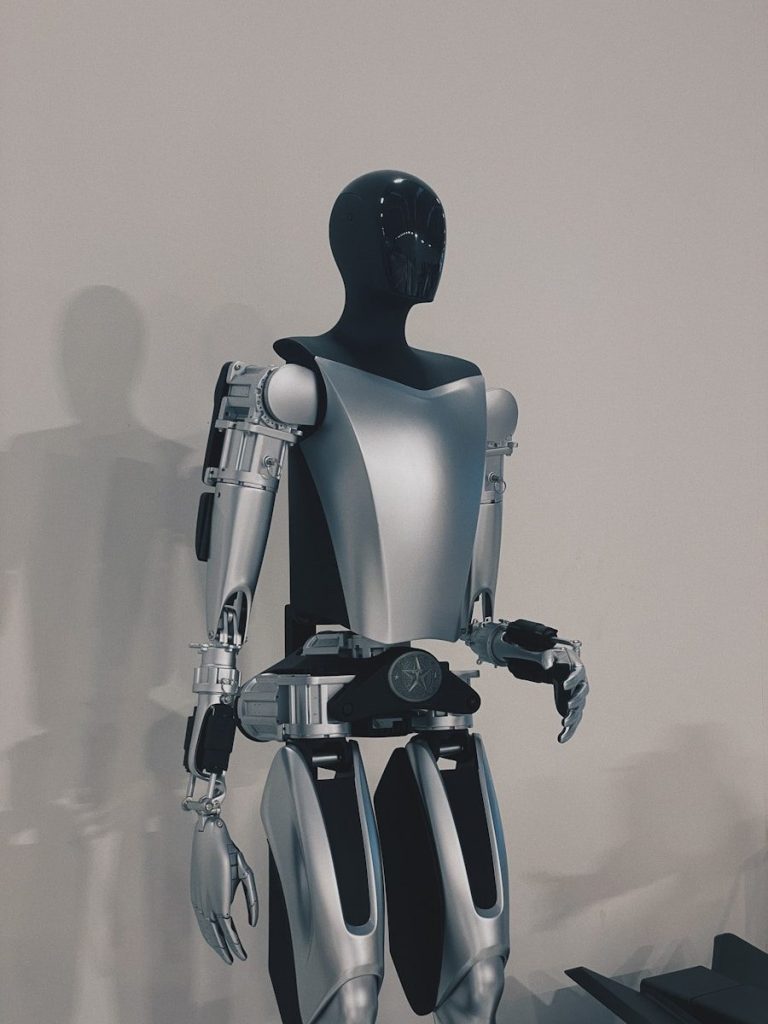
Sensors continuously measure gravitational orientation and foot pressure during every single step. According to engineering analysis from IEEE Spectrum, real-time feedback loops allow rapid recovery from unexpected pushes. Stability is restored. The machine recalibrates instantly without losing momentum or tripping over obstacles. And this level of agility opens new doors for industrial work.
Humanoid Robot Factory Assembly
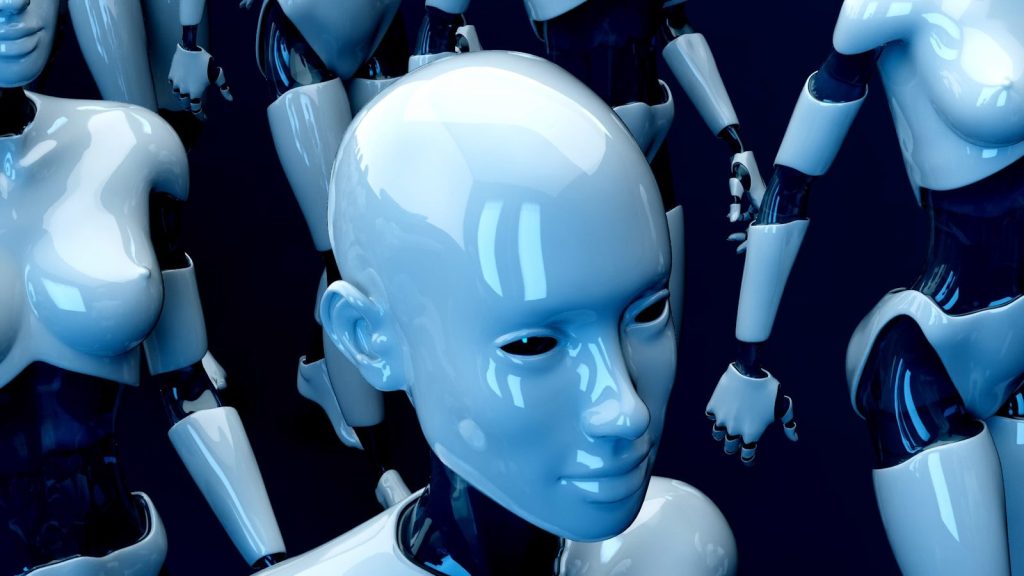
Automakers and logistics facilities are testing humanoid workers on active assembly lines. According to trial data from BMW, automated workers can handle heavy materials while navigating narrow factory aisles. Production moves fast. These systems reduce physical strain on human supervisors during repetitive manufacturing tasks. Yet tactile dexterity presents an even greater engineering challenge.
Tactile Robotic Hand Fingertip

Modern robotic hands feature delicate tactile sensors embedded directly into flexible synthetic fingertips. According to robotics research at MIT, force feedback sensors allow machines to pick up fragile items gently. Precision is high. Soft grips enable handling both heavy tools and delicate glass objects safely. But software intelligence drives these physical capabilities forward.
AI Robot Reinforcement Learning
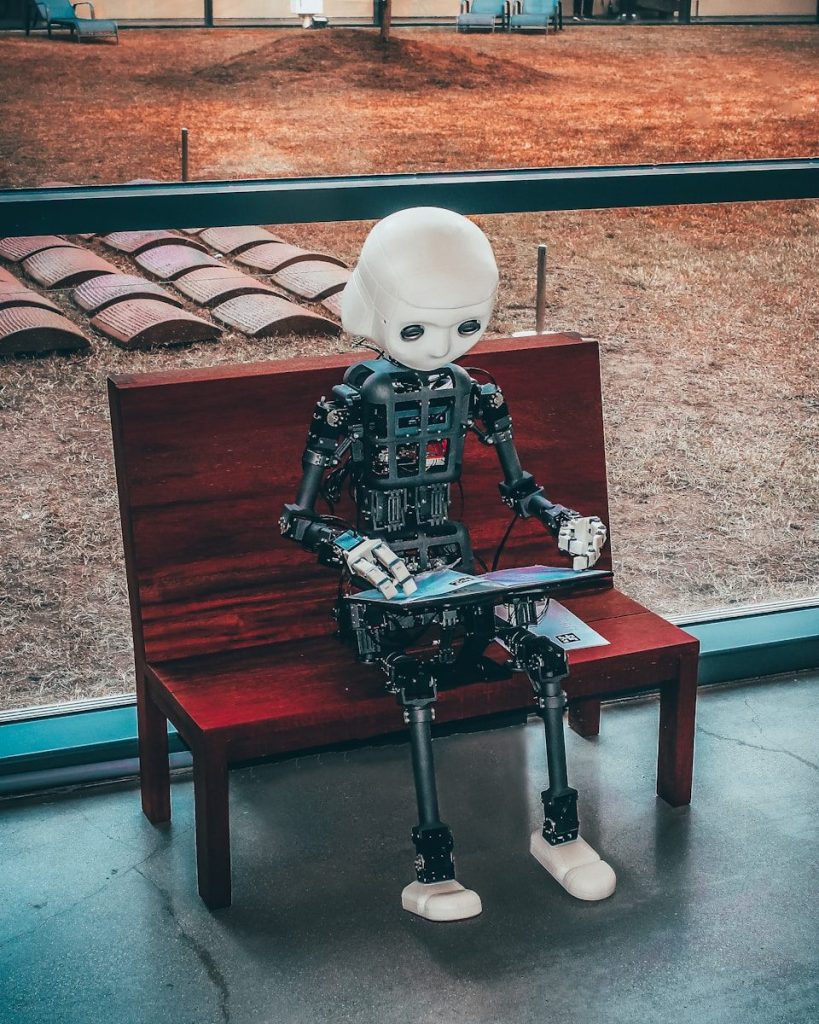
Neural networks train robot hardware inside simulated environments before real-world deployment. According to computer science studies, reinforcement learning helps machines master walking across uneven terrain efficiently. Learning happens fast. The system practices millions of steps in simulation within a few hours. And spatial awareness relies on advanced visual mapping sensors.
LiDAR 3D Depth Camera Mapping
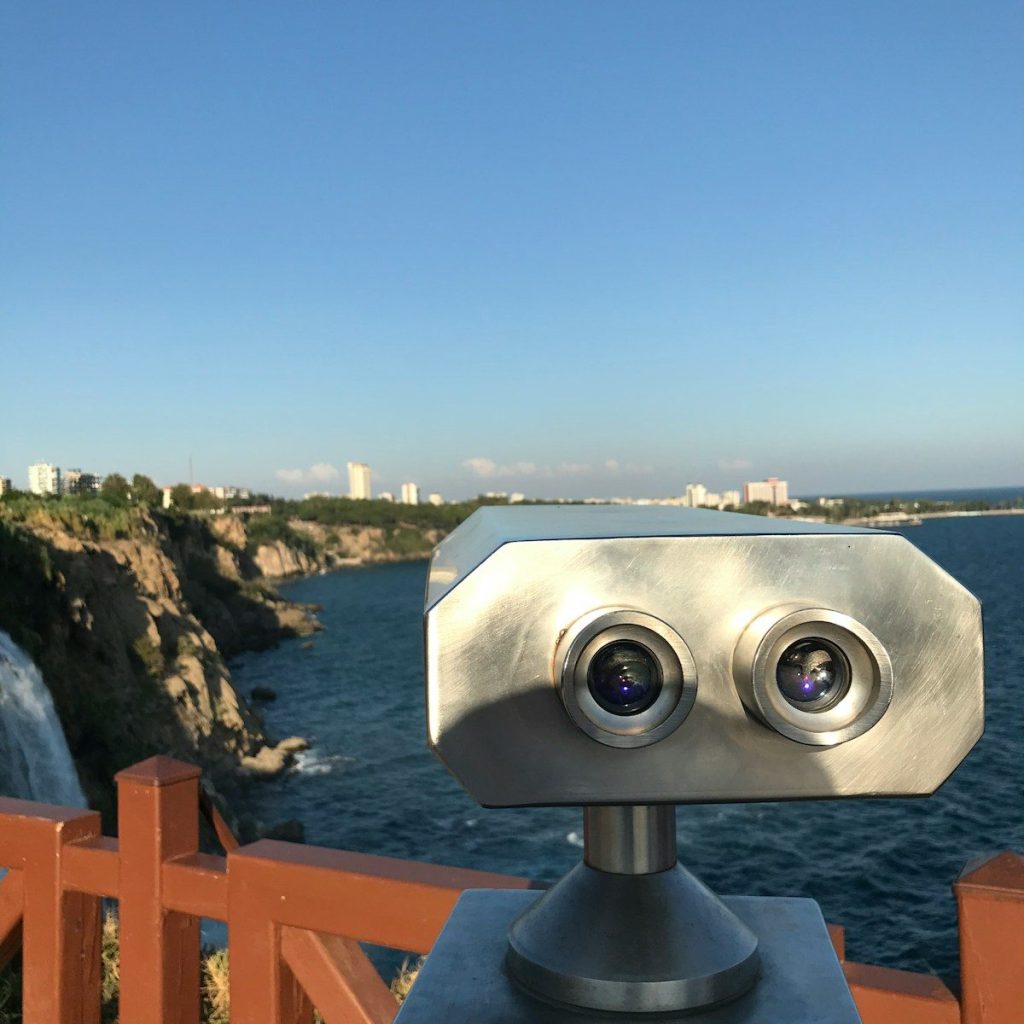
LiDAR sensors and depth cameras allow humanoid machines to construct detailed three-dimensional room maps. According to technical documentation, visual perception systems identify obstacles and recalculate paths instantly. Navigation is clear. The machine identifies human co-workers and stops automatically to ensure workplace safety. But production costs remain a significant factor for widespread adoption.
Commercial Humanoid Robot Production
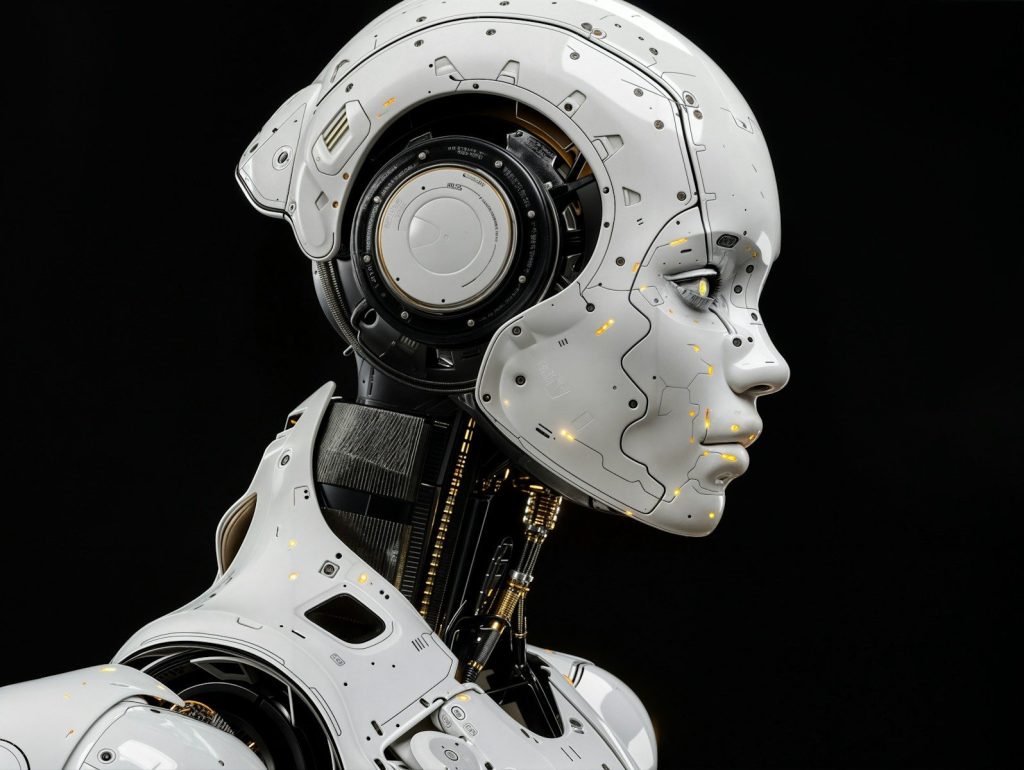
High-performance servo motors and custom harmonic drives keep early hardware prices relatively steep. According to market analysis from BloombergNEF, mass manufacturing will gradually lower equipment costs over time. Adoption is growing. Industry analysts predict thousands of units will enter commercial warehouses by late decade. And the future of robotics continues to evolve rapidly.
Human And Robot Collaboration
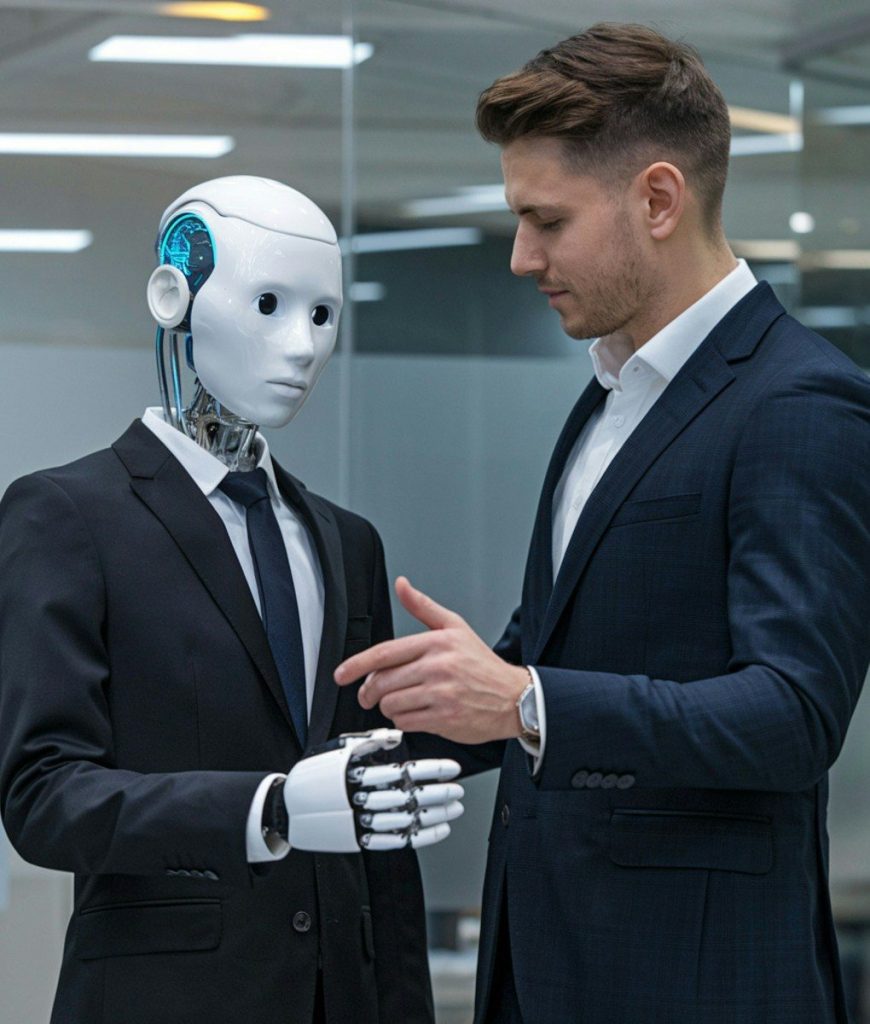
Robotic systems are transitioning from research prototypes into practical tools for everyday industry. According to industry experts, safe collaboration between humans and machines will define future workplaces. Progress remains steady. Continuous innovations in power and artificial intelligence ensure these systems will keep expanding. This article is for informational purposes only.
Featured Image: Photo by Arseny Togulev on Unsplash
Leave a Reply