Most people assume that scientists reject the idea of alien life until hard physical proof appears. We think researchers dismiss extraterrestrial claims as science fiction or fantasy.
But statistical probability has convinced most educated minds that living organisms exist beyond Earth. Researchers simply remain careful about how they discuss the topic publicly.
Trillions Of Stars In Galaxy Space
Trillions of stars scatter across billions of galaxies in the observable universe. According to astrobiologists at NASA, the sheer number of Earth-like planets makes life mathematically probable. Numbers favor life. Even tiny odds produce millions of living worlds when multiplied across the cosmic scale. But scientific caution keeps researchers from declaring victory early.
Extraterrestrial Microscopic Bacteria Life
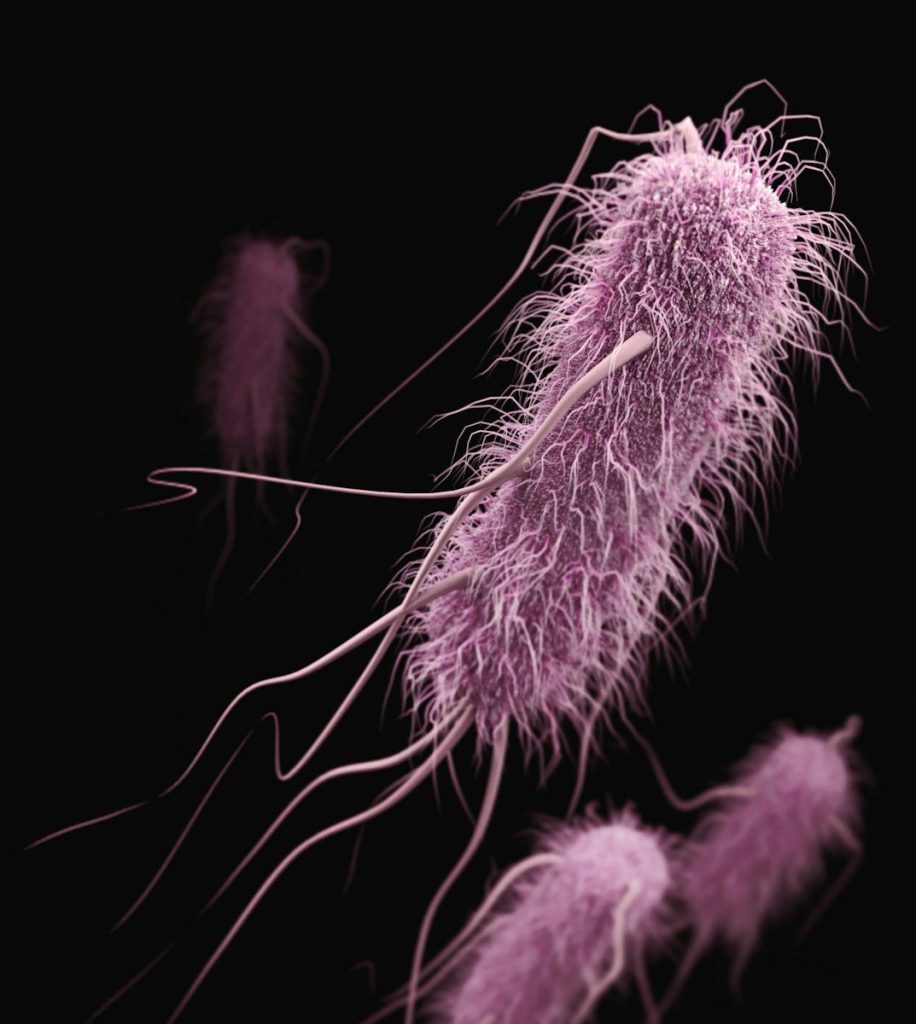
Believing in extraterrestrial life usually means expecting simple microscopic organisms like bacteria or algae. According to research published in Astrobiology, microbial life evolved early in Earth history under extreme conditions. Microbes are tough. Simple life forms adapt to radiation, extreme heat, and subzero cold. Yet searching for intelligent signals presents a different challenge.
Extremophile Microbes Volcanic Vents

Organisms on Earth thrive inside volcanic vents and deep Arctic ice sheets without sunlight. According to studies from the Max Planck Institute, life survives in conditions previously thought to be completely lethal. Organisms are resilient. These findings prove that ocean moons like Europa could easily support underground organisms. And space probes are actively testing those icy environments.
James Webb Space Telescope Scanning Atmosphere
Space telescopes scan light passing through atmospheres of distant planets outside our solar system. According to astronomers using the James Webb Space Telescope, chemical markers like methane and oxygen suggest biological activity. Gases reveal secrets. Finding balancing gases in a distant sky offers strong indirect evidence of life. But scientists demand extraordinary proof before confirming discoveries.
Scientific Research Laboratory Scientists

Academics historically avoided public alien discussions to protect their professional scientific reputations. According to sociological surveys from Harvard University, fear of ridicule prevented open dialogue among top researchers. Caution was necessary. Today, rigorous data collection is replacing old social taboos across major research institutions. And space agencies are investing heavily in astrobiology.
Europa Moon Water Ice Plumes

Jupiter moon Europa and Saturn moon Enceladus shoot giant water plumes directly into space. According to planetary scientists at JPL, warm liquid oceans beneath icy crusts contain essential organic elements. Water means hope. Future robotic probes will sample these liquid plumes directly to test for biological traces. Yet contact with intelligent civilizations remains unconfirmed.
SETI Radio Telescope Array Space
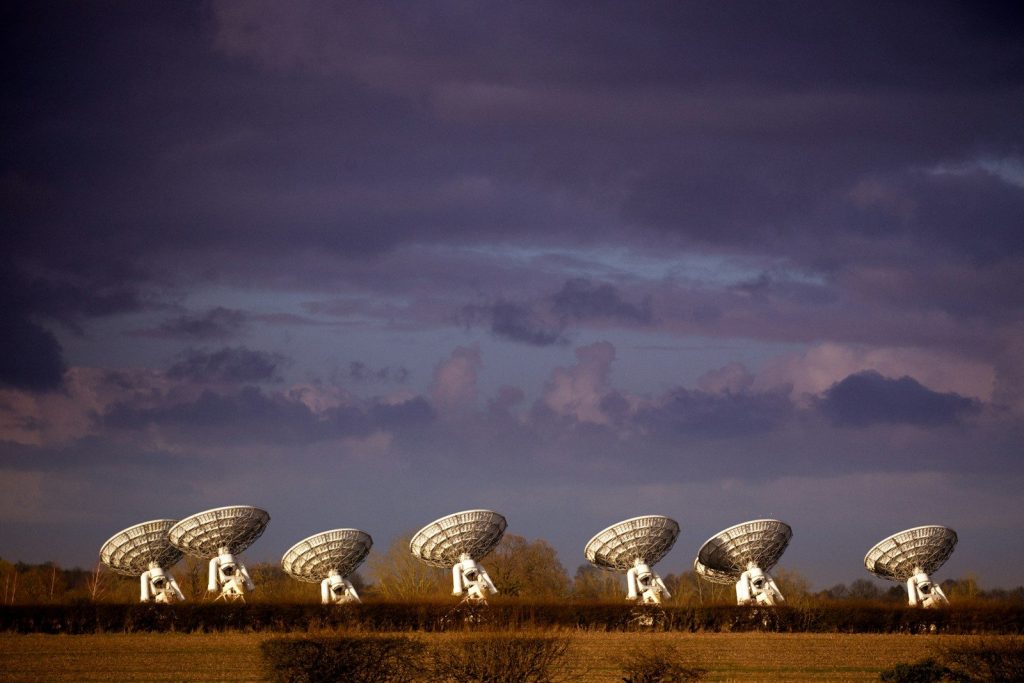
Astronomer Frank Drake created a famous formula estimating active communicative civilizations across space. According to SETI Institute models, varying formula inputs still yield a high probability of cosmic neighbors. Equations guide searches. Scientists continue listening for artificial radio signals coming from distant star systems. And the search grows more precise every year.
Astrobiology Deep Space Exploration

Modern science increasingly views life not as a miracle, but as a natural cosmic process. According to leading astrophysicists, finding microbial life elsewhere in our solar system seems almost inevitable. Understanding expands daily. Uncovering extraterrestrial life will forever alter how humanity understands its place in space. This article is for informational purposes only.
Featured Image: Photo by Jeremy Thomas on Unsplash
Leave a Reply