
Most historians assumed the crew of the submarine HL Hunley died while struggling frantically to escape. We imagine sailors panicking as water flooded into a sinking vessel during battle.
But when archaeologists raised the sub in 2000, all eight crew members were sitting peacefully at their stations. Their calm positions remained an unsolved mystery for nearly two decades.
Civil War Submarine Spar Torpedo Attack

In February 1864, the hand-powered submarine HL Hunley attacked an enemy warship off Charleston Harbor. According to historical naval logs, the vessel successfully detonated a spar torpedo against its target. Explosions rocked the water. The enemy ship sank quickly in shallow waters. But the small submarine never returned to its base on shore.
Underwater Submarine Shipwreck Recovery

For over a century, the location of the sunken submarine remained unknown to historical researchers. According to the Naval History and Heritage Command, author Clive Cussler located the wreck in 1995. Excitement grew fast. Salvage teams spent years planning a delicate recovery operation to lift the fragile metal hull. And what they found inside surprised every scientist involved.
Submarine Interior Hand Crank Mechanism

When conservators opened the iron hull, they found the skeletons still seated along the central hand crank. According to reports from the Warren Lasch Conservation Center, no hatches were opened or damaged. Positions were calm. None of the crew had attempted to climb toward the emergency exit ladders. But why did the crew fail to react as water entered?
Underwater Torpedo Blast Shockwave

Biomechanics researchers tested how explosive shockwaves travel through water and metal sub hulls. According to a landmark study by Duke University, the torpedo blast generated a deadly underwater pressure wave. The force moved fast. The shockwave traveled through the iron hull directly into the crew’s bodies. And that blast wave caused immediate fatal internal trauma without damaging bones.
Submarine Iron Hull Interior Cabin
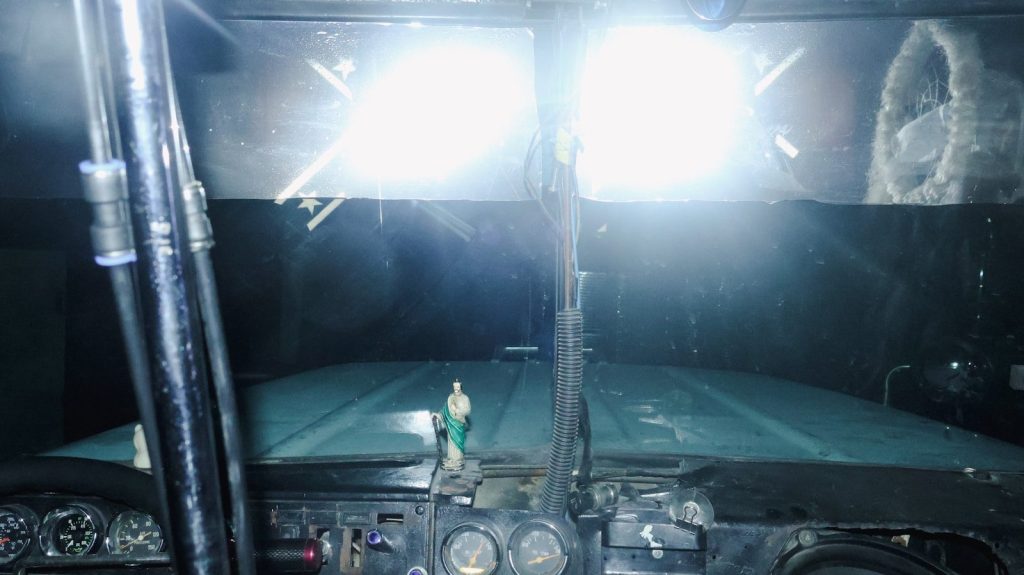
The blast shockwave caused pulmonary trauma that rendered the crew unconscious within seconds. According to blast physics experts, the men died almost instantly without feeling panic or pain. Death was instant. They remained in their seated positions as the vessel drifted along coastal currents. But the unguided submarine eventually settled quietly onto the ocean floor.
Submarine Preservation In Chemical Tank
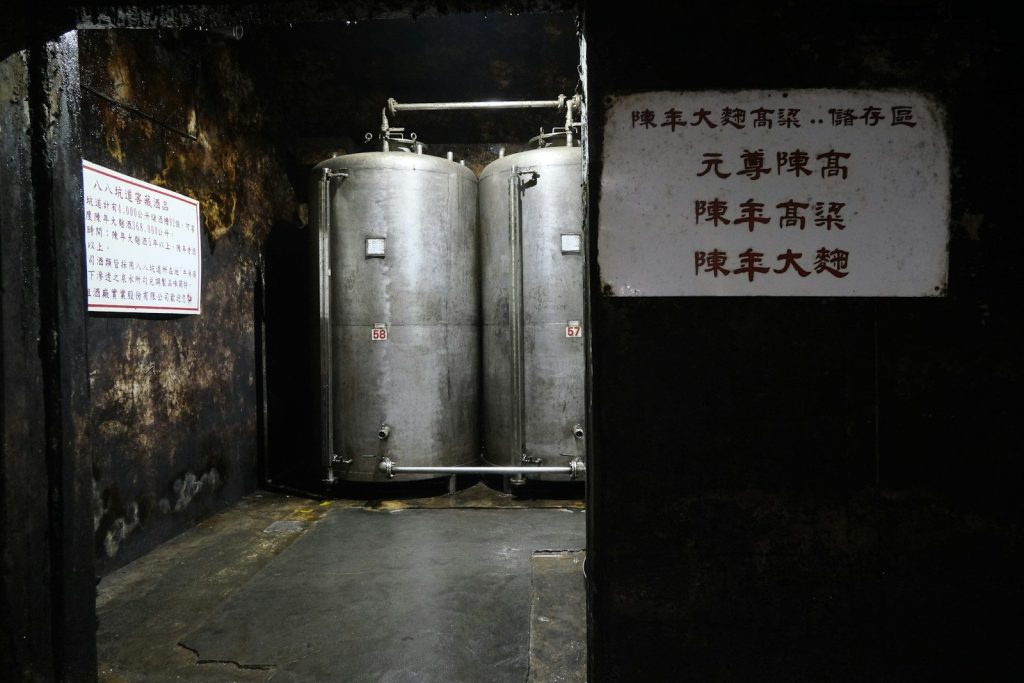
Conservators spent over twenty years soaking the iron hull in chemical baths to remove salt buildup. According to South Carolina archaeology reports, delicate personal artifacts were preserved alongside the iron machinery. Details emerged clearly. Pocket watches and uniform buttons offered personal glimpses into the lives of these early submariners. Yet research on early submarine warfare continues to yield new insights.
Armored Submarine Biomechanics Test

Studying the Hunley helps military engineers understand how explosive energy affects crew safety inside armored vessels. According to naval historians, the artifact represents a crucial milestone in submarine technology evolution. Science solved the mystery. Advanced biomechanics solved a century-old historical cold case. But the human story of the crew endures through modern preservation efforts.
Civil War Submarine Historical Museum Artifacts
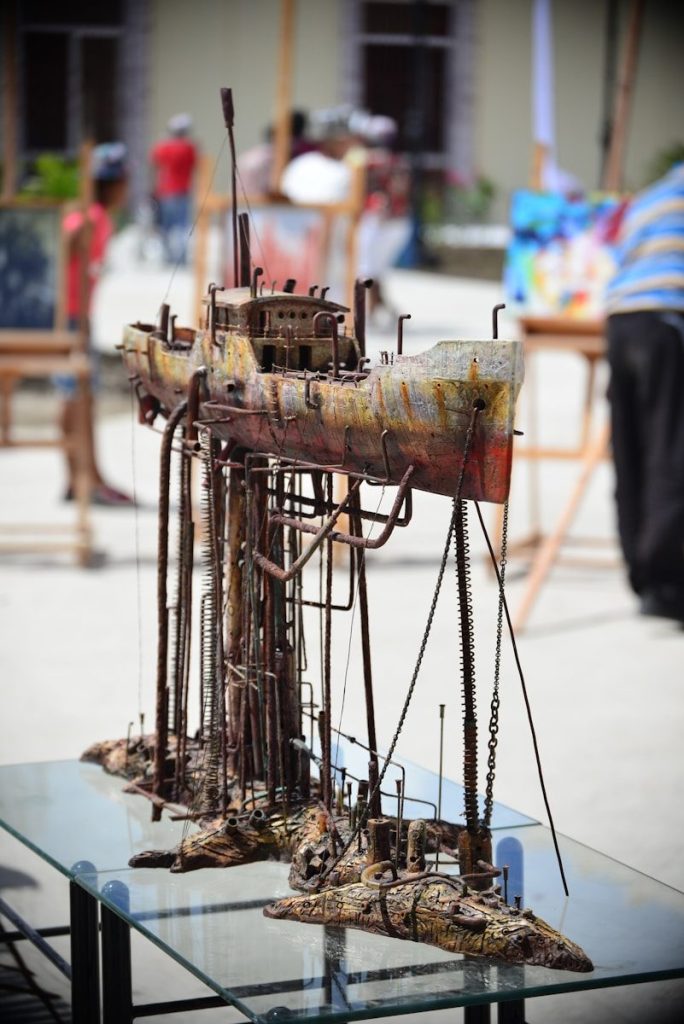
The story of HL Hunley highlights both human ingenuity and the hidden risks of early military innovation. According to historic preservation experts, the sub remains one of the most remarkable archaeological recoveries in American history. Memory lives on. Modern science continues uncovering hidden details from our shared past. This article is for informational purposes only.
Featured Image: Photo by Thierry Biland on Unsplash
Leave a Reply