
Most people believe humans are the first advanced species on planet Earth. We assume complex technology only emerged within the last few thousand years.
But a thought experiment from top scientists asks a far more shocking question. Geological evidence suggests an ancient industrial society could disappear without leaving a trace.
The Silurian Hypothesis Concept
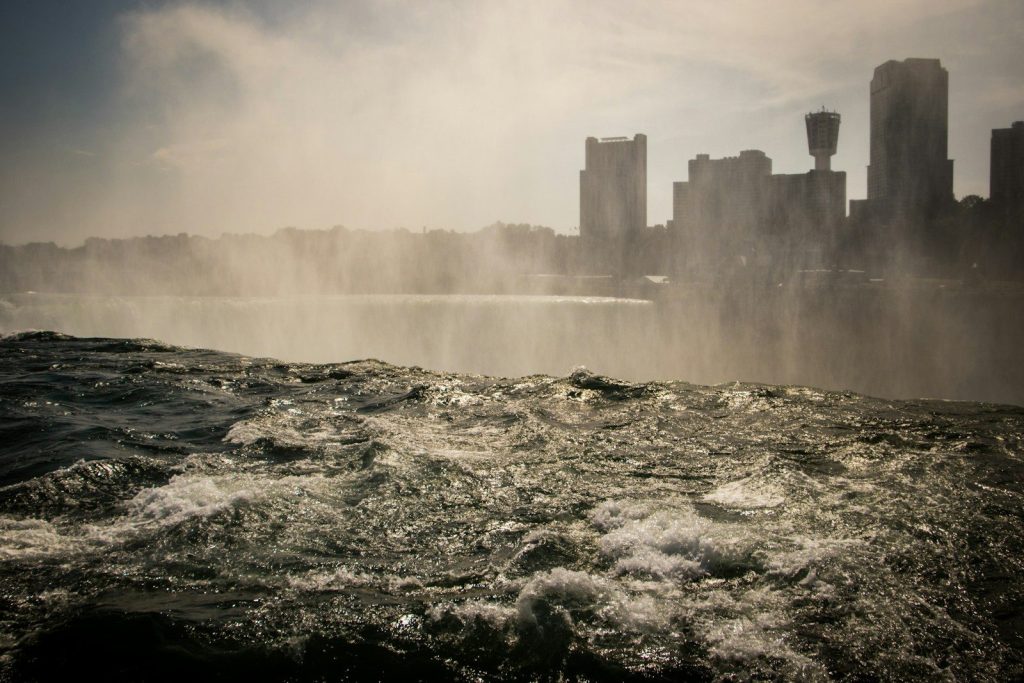
Two prominent researchers analyzed what physical traces modern humanity would leave behind in millions of years. Plastics fade away. According to a joint study by NASA and Cambridge, urban infrastructure crumbles into fine dust in less than a thousand years. Deep geological strata hold the only permanent record. But finding those ancient layers is extremely difficult.
Fossils Are Extremely Rare

Millions of living organisms die without leaving behind a single fossilized bone. Preservation requires rare conditions. According to paleontological record estimates, less than one percent of all ancient animal species ever become fossils. A small industrial society might never appear in the fossil record. Yet chemical fingerprints remain locked inside ancient rock.
Searching For Chemical Signatures
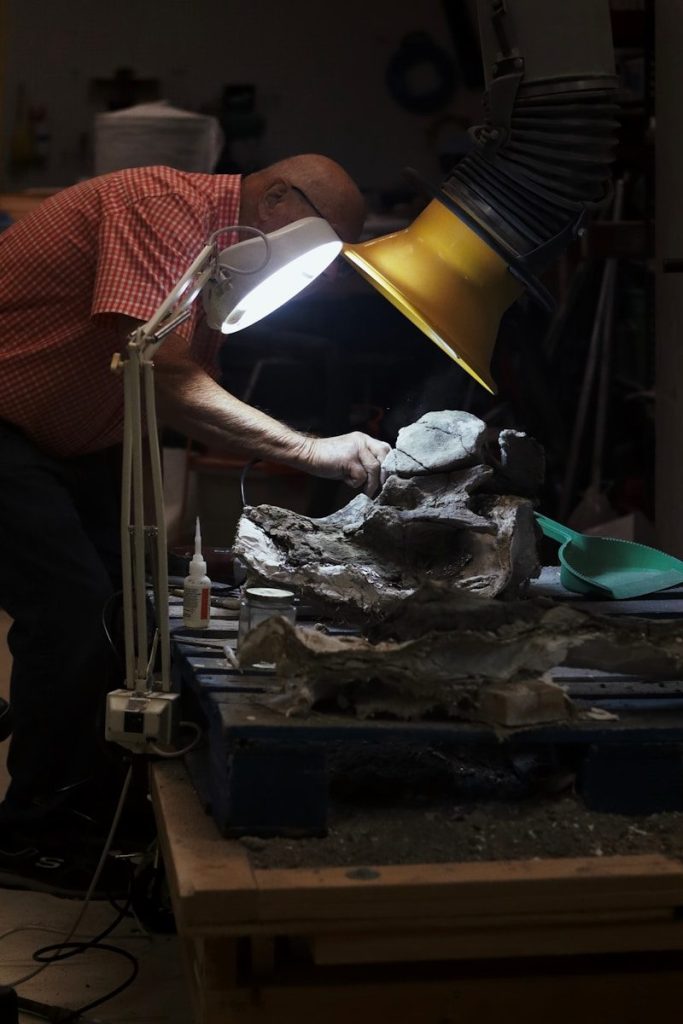
Industrial activity alters global atmosphere and ocean chemistry in very distinct ways. Carbon spikes leave marks. According to climate history research, massive releases of carbon and synthetic chemicals leave distinct isotopic layers in sediment. Analyzing ancient ocean mud reveals strange thermal spikes. But identifying the true cause of those spikes remains tricky.
The Mysterious Paleocene Thermal Event

Fifty-six million years ago, Earth experienced a sudden global warming event that puzzled geologists for decades. Temperatures surged rapidly. According to oceanographic sediment data, massive carbon releases disrupted ancient marine ecosystems across the world. Natural volcanic eruptions could explain it, but synthetic causes remain theoretically possible. Yet synthetic plastics create another unique marker.
Artificial Molecules In Rock
Long-lasting synthetic compounds like fluorocarbons could persist in chemical form for vast timescales. Technology leaves unique debris. According to geochemical analysis reports, artificial compounds would settle into ocean sediment as thin microscopic layers. Finding such layers requires searching ancient rock formations carefully. But plate tectonics creates an even bigger obstacle.
Recycling The Planetary Crust

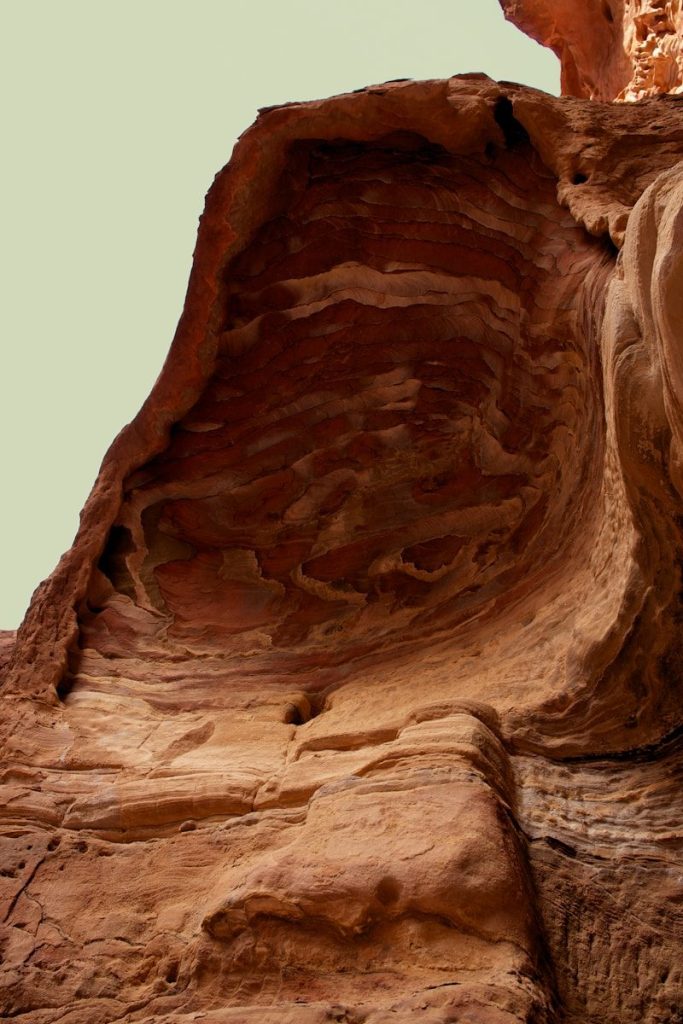
Moving continental plates constantly drag old ocean floors down into hot mantle layers. Rocks melt completely. According to geological crust models, nearly all ocean floor older than two hundred million years has been recycled back into Earth’s interior. Whole continents lose their ancient surfaces over time. Yet scientists continue exploring deep rock records.
Looking At Other Planets

Searching Mars or Venus might reveal preserved artifacts more easily than active Earth geology. Arid worlds preserve history. According to planetary geology studies, dry environments without plate tectonics could keep ancient machinery intact for billions of years. Space probes might discover answers away from home. But the main lesson applies directly to humanity today.
Rethinking Our Deep Past

Asking if ancient civilizations existed helps us understand our own long-term footprint on Earth. Nature slowly absorbs everything. According to environmental research papers, human industrial activity will eventually reduce to a microscopic sediment layer. This article is for informational purposes only.
Featured Image: Photo by Ekrem KÖSE on Pexels
Leave a Reply