
Most people view the universe as a solid, predictable place governed by strict physical rules. We believe objects exist in one specific place whether someone looks or not.
But quantum mechanics proves that physical matter behaves in ways that break common sense entirely. Tiny subatomic particles can exist in multiple places at the exact same moment.
The Double Slit Experiment Mystery

Firing single photons through two tiny slits creates an interference pattern like waves on water. Particles act like waves. According to physics lab reports from MIT, individual particles pass through both slits simultaneously until a camera measures them. Observation instantly forces matter to choose a single path. But how particles know they are being watched remains mysterious.
Superposition In Daily Life

Quantum systems remain in multiple states at once through a phenomenon called superposition. Math describes probabilities. According to quantum computing papers, subatomic particles explore every possible pathway simultaneously until environmental interference disrupts them. Decoherence snaps reality into one visible outcome. Yet another quantum rule connects distant particles instantly.
Entanglement Defies Distance Rules
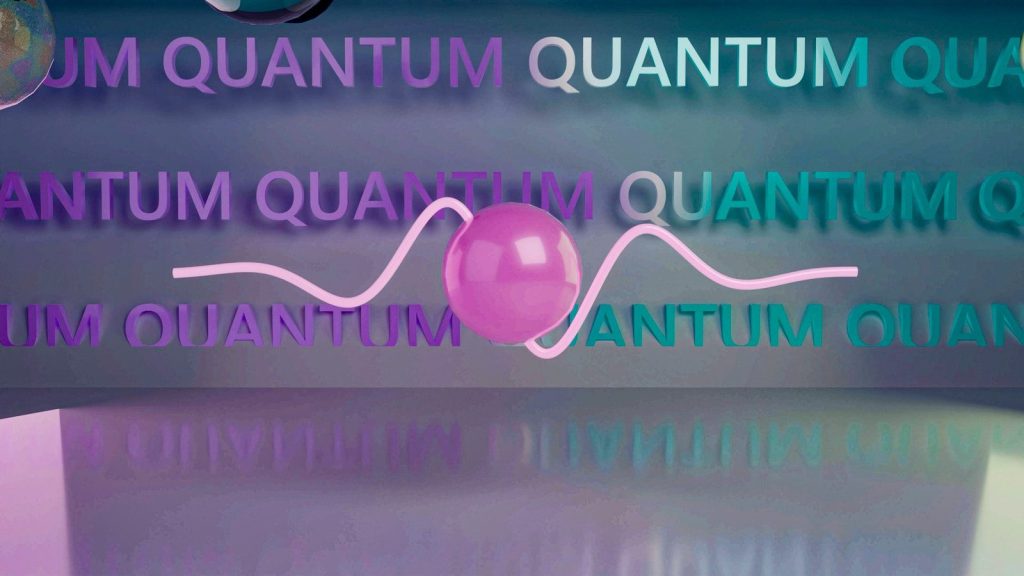
Two entangled particles react instantly to changes made to their partner across huge distances. Space seems meaningless. According to experimental data from European physics labs, measuring one particle instantly determines the state of another miles away. Einstein rejected this idea, but modern experiments prove it is real. But the implications for reality get even weirder.
The Many Worlds Interpretation
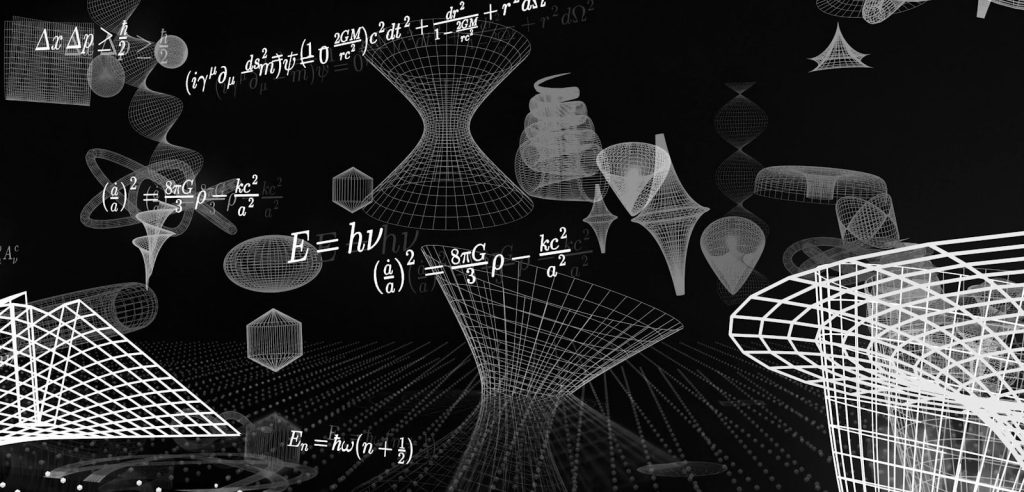
Some physicists believe every quantum choice splits the universe into multiple coexisting realities. Universes multiply constantly. According to theoretical research at Oxford University, quantum measurements do not collapse reality, but rather cause the universe to branch into parallel dimensions. Endless versions of reality might exist simultaneously. Yet proving parallel timelines remains an incredible scientific challenge.
Quantum Eraser Experiment Mindbender
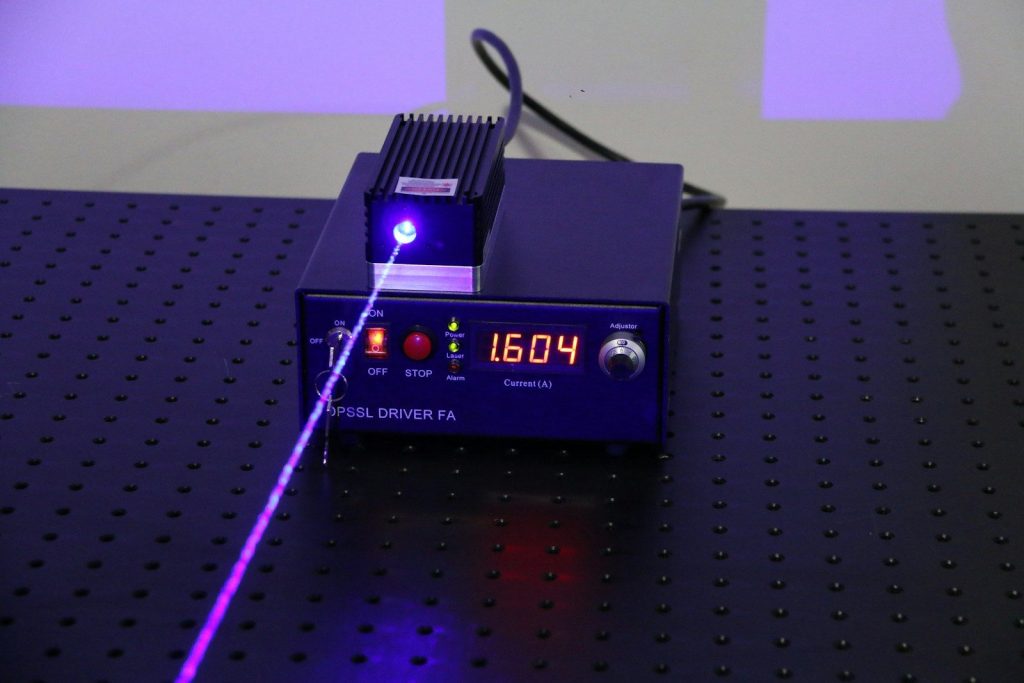
Advanced lab setups show that erasing measurement data after an experiment alters past particle behavior. Time acts strangely. According to optics research publications, deleting observer information restores wave interference patterns after particles already hit detectors. Cause and effect seem to reverse in quantum setups. But turning these weird rules into technology is happening now.
Building Next Generation Technology

Harnessing quantum behavior enables supercomputers that process complex calculations in seconds. Engineering advances fast. According to quantum tech reports, modern atomic clocks and encryption devices rely directly on subatomic superposition to function. Bizarre physics powers our modern digital age. Yet scientists still struggle to explain what it all means.
Accepting An Unseen World

Exploring quantum physics reveals that reality at its smallest scale is vastly different from everyday human experience. Nature operates beyond intuition. According to theoretical physicists, understanding subatomic reality brings us closer to unraveling the fundamental fabric of existence. This article is for informational purposes only.
Featured Image: Photo by Brecht Corbeel on Unsplash
Leave a Reply