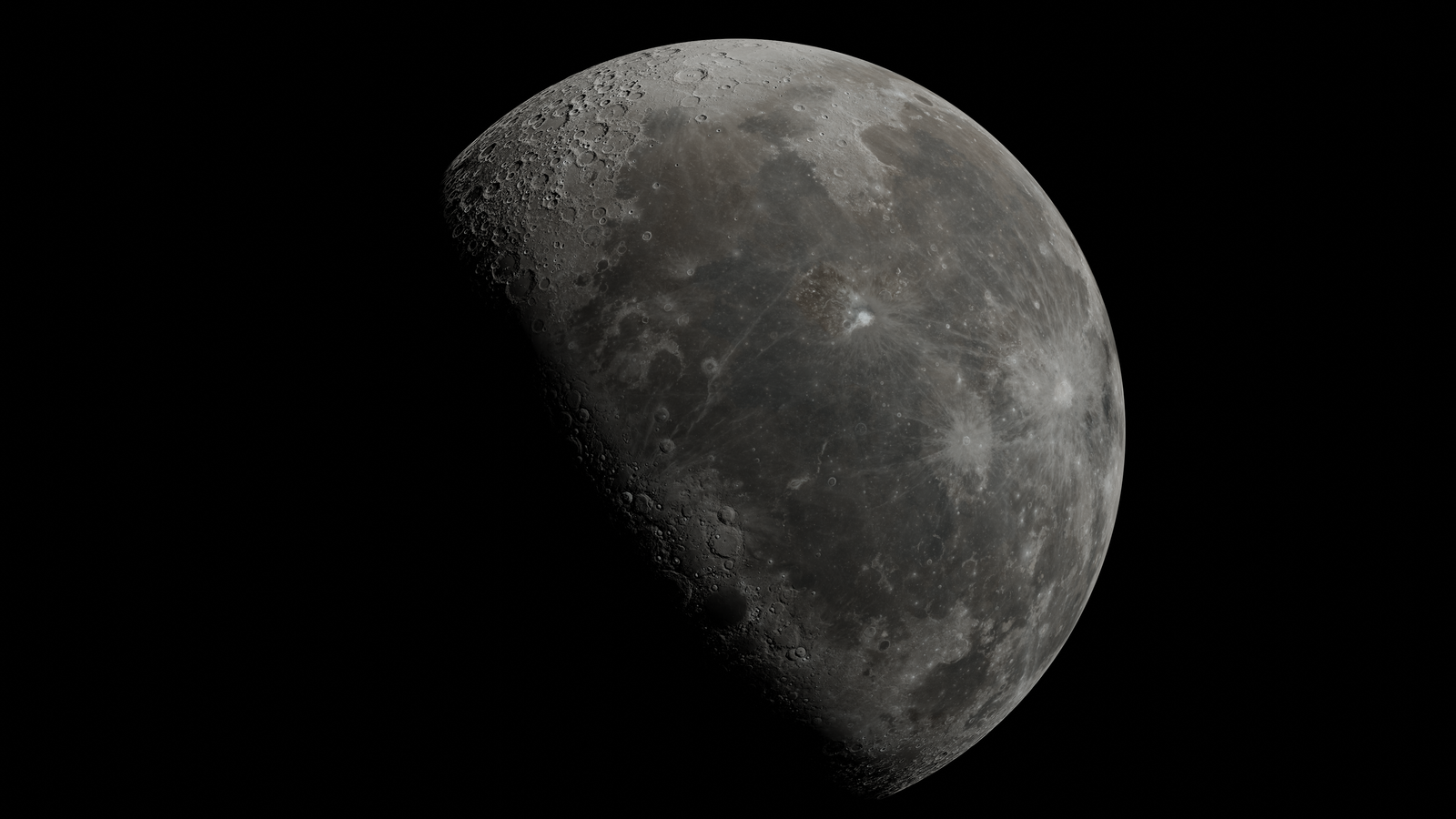
For decades, scientists believed the far side of the moon was a dead landscape. Most researchers assumed its ancient volcanic activity vanished billions of years ago.
But a robotic rover landing on the lunar far side just made a stunning discovery. What it found under the soil is forcing experts to rewrite lunar history.
Exploring The Unknown Hemisphere
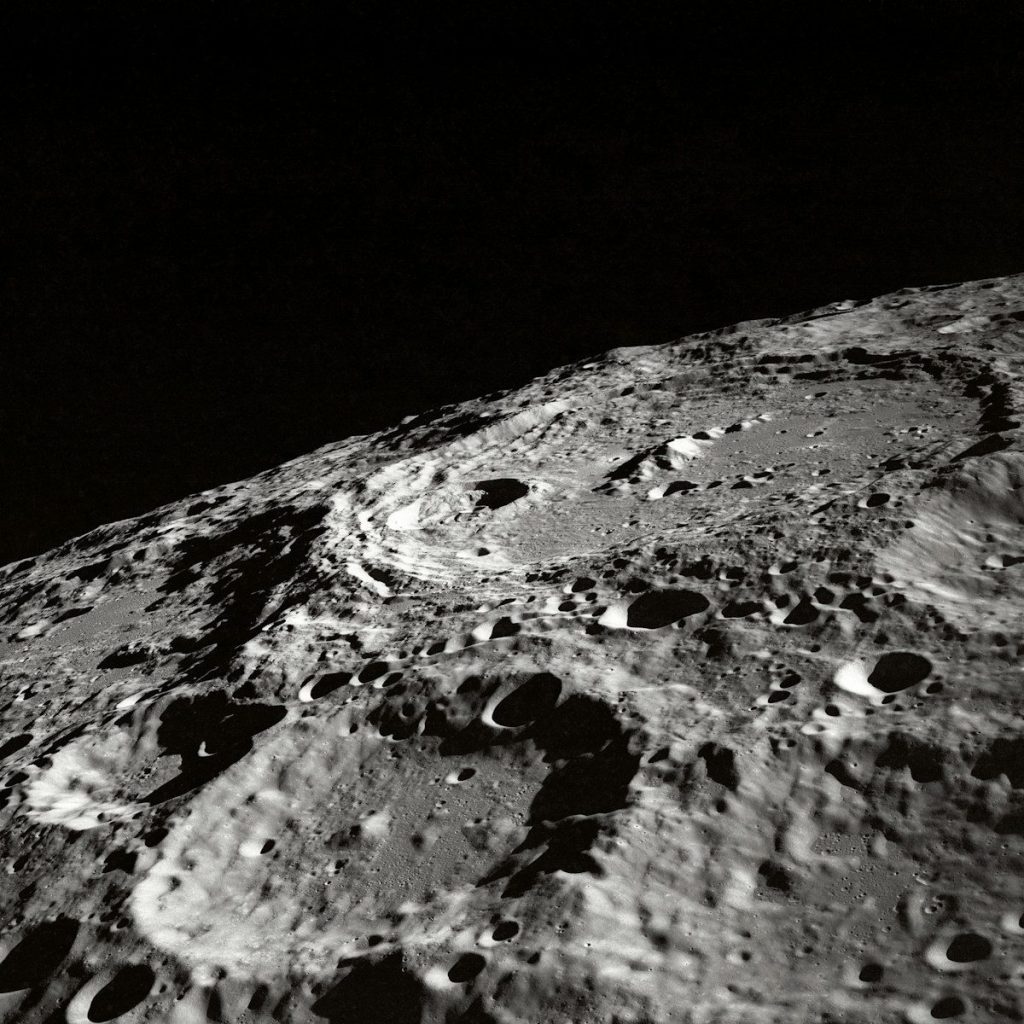
The far side of the moon remains one of the most mysterious places in our solar system. Blocked from direct radio contact with Earth, exploring it requires advanced relay satellites. Deep space is unforgiving. According to the China National Space Administration, the Yutu rover touched down in an ancient impact basin to analyze pristine lunar soil. That mission soon uncovered something bizarre.
A Mysterious Glassy Material
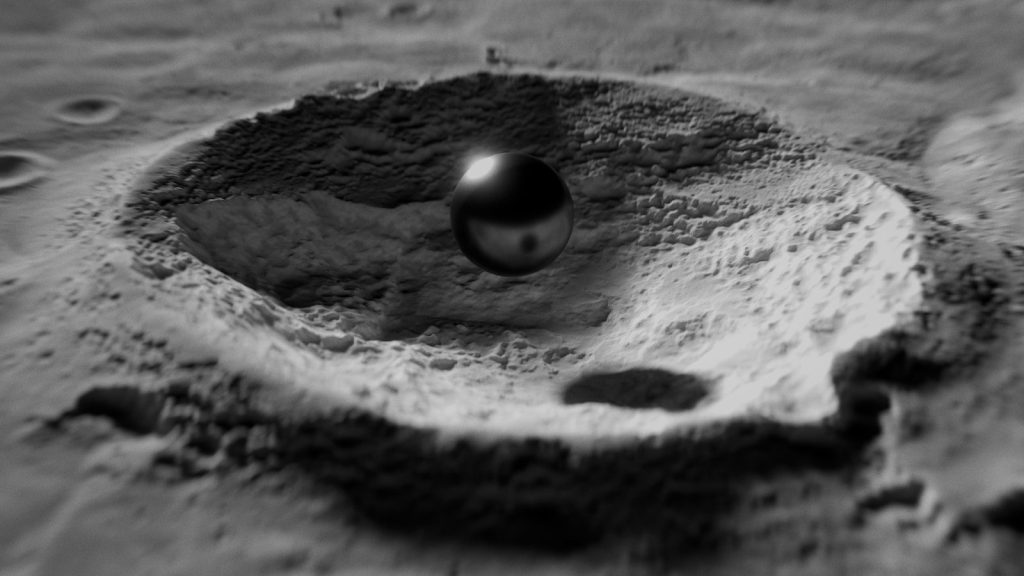
While driving across an impact crater, the rover cameras spotted an unusually colored substance. The material looked smooth and glossy compared to the surrounding dry dust. The discovery shocked scientists. According to reports published in Science Bulletin, initial sensors detected a gel-like substance that did not match typical regolith samples. But analyzing its true composition required closer inspection.
Solving The Lunar Gel Puzzle
Further spectroscopic analysis revealed that the shiny substance was actually impact melt glass. High-velocity meteoroid strikes had melted lunar minerals together billions of years ago. Heat changed everything here. According to planetary geologists analyzing the data, extreme energy transformed ordinary soil into dark obsidian-like material during violent impacts. Yet another discovery nearby raised even bigger questions.
Uncovering Unexpected Volcanic Traces

Deep radar imaging beneath the rover revealed thick layers of ancient basaltic rock. These underground structures prove that active lava flows once flooded the far side crust. The moon was once alive. According to studies published in Nature, these volcanic events happened much more recently than scientists previously thought possible. That unexpected timeline altered our understanding of lunar cooling.
Why Far Side Chemistry Differs
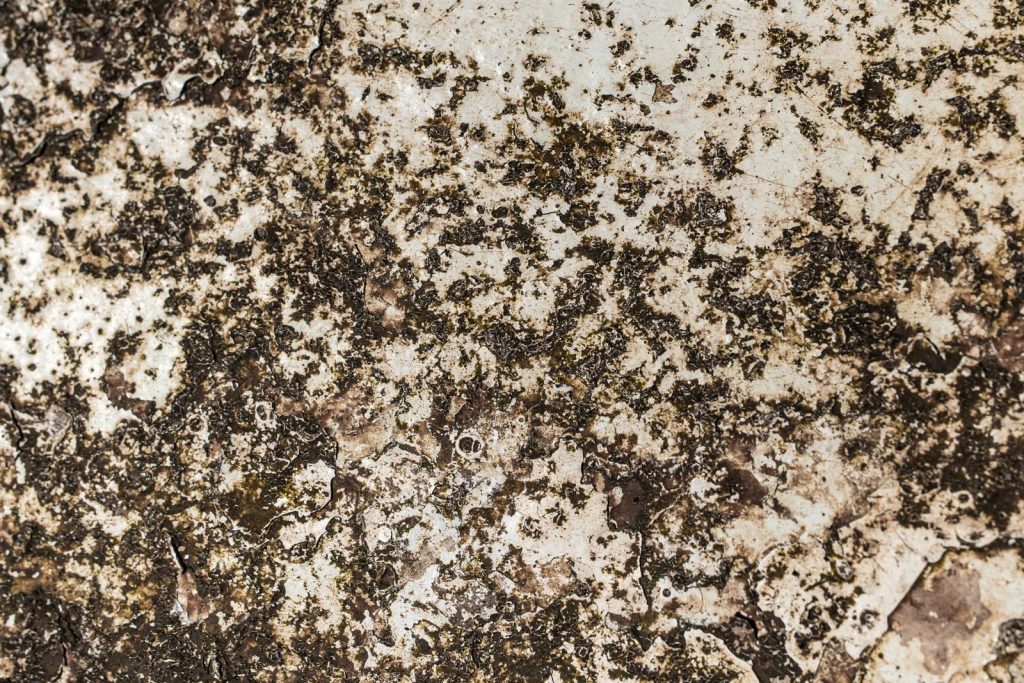
Samples retrieved from this region show a wildly different chemical composition than near-side samples. The crust on the far side is far thicker and contains fewer heat-producing elements. Mysteries remain everywhere. According to lunar scientists at the Chinese Academy of Sciences, this asymmetry hints at a giant collision in early lunar history. But the data pointed to an even deeper secret.
Rewriting Solar System Evolution

Discovering young basalt on the lunar far side challenges established thermal models of rocky bodies. If the moon stayed warm longer than expected, other worlds might as well. Textbooks need updating now. According to international space research teams, these findings will reshape future exploration targets across the solar system. Scientists are already planning the next leap forward.
The Future Of Lunar Exploration

Robotic missions continue to reveal that our closest cosmic neighbor still holds profound secrets. Each new lunar soil sample helps humanity understand how terrestrial worlds form and evolve over time. Discovery never truly stops. According to planetary astronomers, exploring the moon provides vital answers for future deep space travel. This article is for informational purposes only.
Featured Image: Photo by @T Keawkanok on Pexels
Leave a Reply