
Most people believe space missions end when a rocket reaches orbit. We usually think the hardest part of the journey is over once launch is finished.
But returning safely to Earth is often where the real danger begins. A newly released recovery video reveals how SpaceX tackled this extreme final challenge.
Watching The Giant Fall
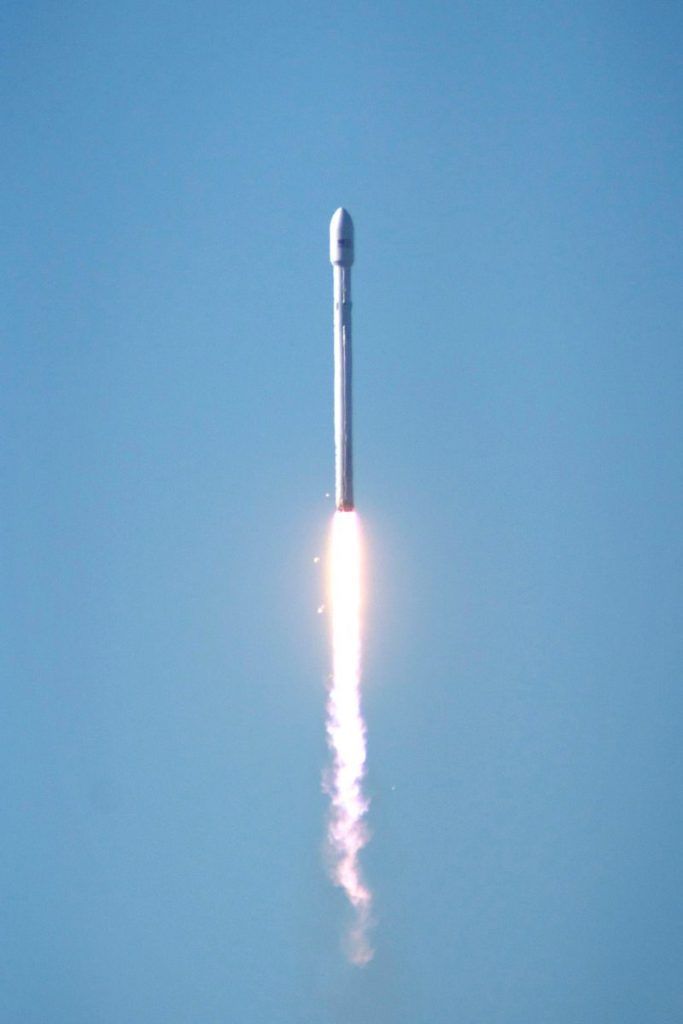
When the massive booster detached, it began a rapid plunge back toward the ocean. Flying through the atmosphere at extreme speeds creates immense heat and pressure. The structural strain was immense. According to SpaceX flight telemetry reports, special engines fired at the last second to slow the vehicle down. Everyone watching held their breath for what came next.
Fire In The Ocean Sky

Cameras mounted on recovery ships recorded the exact moment the rocket touched the water. Giant ocean waves splashed hundreds of feet into the air during impact. The sight was unreal. According to footage released by the recovery crew, the vehicle stayed upright for several critical seconds before tipping over. That brief moment proved a massive engineering concept.
Proving The Reusable Concept
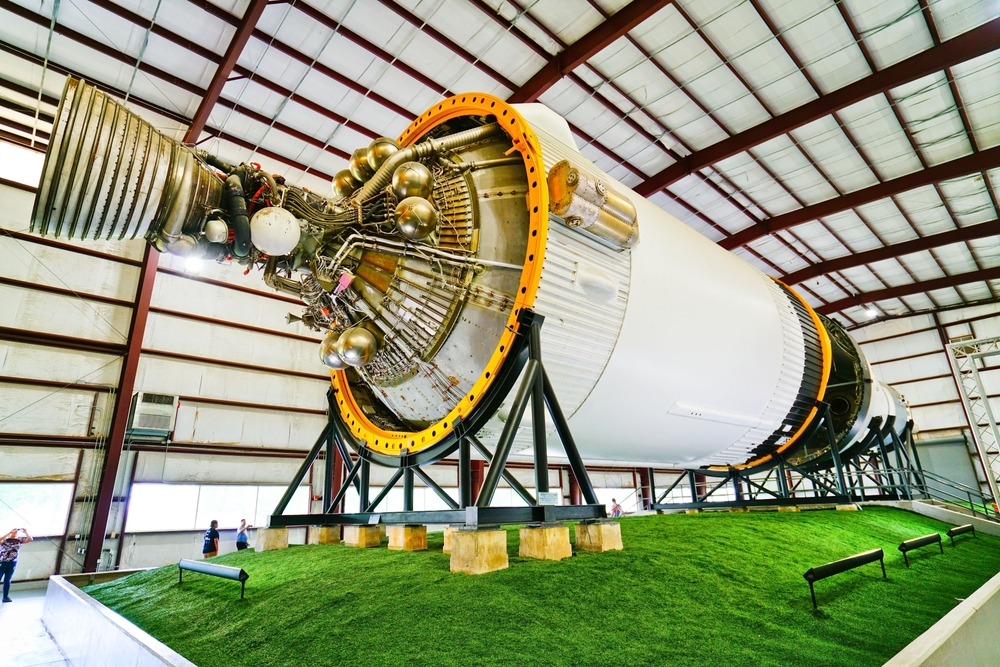
Building a reusable rocket requires surviving forces that normally destroy steel. Engineers designed special heat tiles and grid fins to guide the giant safely down. Success seemed almost impossible. According to aerospace engineers at SpaceX, capturing this landing data provides the key to future deep space flights. Yet one unexpected detail stunned the team on site.
The Hidden Danger Of Reentry

Surviving reentry heat creates plasma shields that cut off all communication signals. For several terrifying minutes, ground control loses all contact with the ship. Silence filled the room. According to live tracking logs from the mission team, radio contact returned right as the engines reignited over the water. That brief blackout hid a critical mechanical fight.
Why Ocean Landings Matter Most

Testing these massive splashdowns far from land protects populated areas while gathering vital flight data. Ocean recoveries act as the ultimate proving ground for rocket hardware. Safety comes first here. According to reports from commercial space observers, retrieving data from the water teaches engineers how to land future ships on land. But retrieving the vehicle was another story entirely.
Preparing For The Next Flight

Crews worked for hours in choppy waters to secure the remaining booster debris. Every recovered piece offers valuable clues for the next test flight. Learning never stops here. According to statements from SpaceX flight directors, each successful splashdown brings humanity closer to routine space travel. The lessons learned will soon transform how we reach Mars.
A Step Toward Deep Space

This successful splashdown proves that massive starships can survive extreme reentry conditions. Engineers continue analyzing the recovered data to refine future launch designs. Progress is happening fast. According to mission analysts, rapid reusability will make interplanetary travel affordable for future generations. This article is for informational purposes only.
Leave a Reply