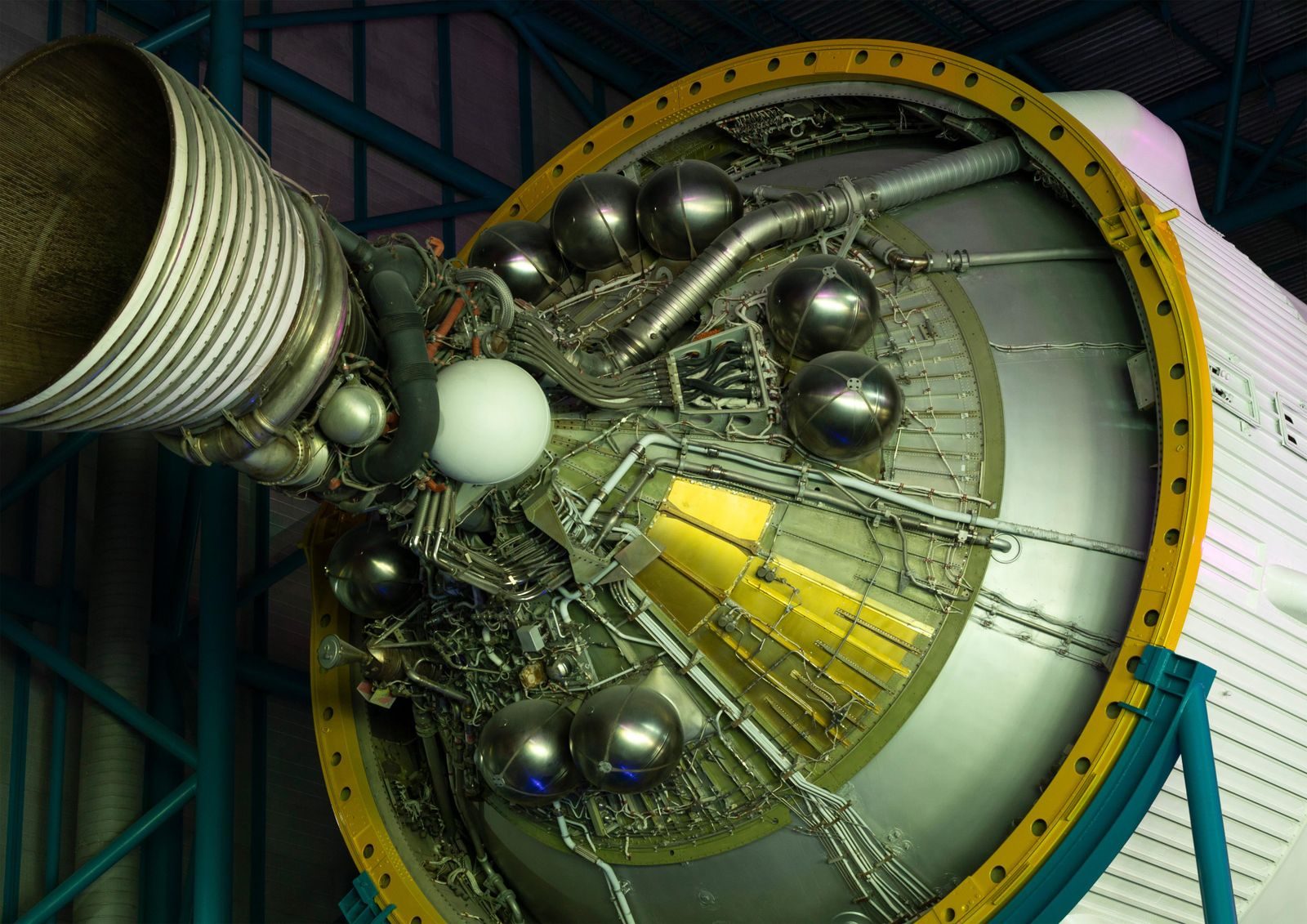
Sending astronauts to Mars using conventional rocket fuel takes nearly nine long months. That extended journey exposes human crews to dangerous space radiation and weightlessness.
But nuclear thermal propulsion is promising to cut that travel time in half. This radical engine technology could transform deep space travel forever.
The Limits Of Chemical Fuel

Traditional rockets rely on liquid chemical propellants that burn rapidly to create thrust. While these engines generate massive power during launch, they run out of fuel quickly in deep space. Distance is a killer. According to propulsion engineers at NASA, chemical rockets are simply too slow for safe crewed trips to Mars. A new power source was urgently needed.
Unlocking Nuclear Thermal Power

Nuclear thermal engines work by passing liquid hydrogen through a microscopic reactor core. The intense heat expands the gas rapidly, driving it out of the nozzle at extreme speeds. Power generation is incredible. According to research documents from DARPA, this process creates double the efficiency of conventional chemical engines. Yet building a flight-ready reactor created immense engineering hurdles.
Tackling The Reactor Challenge

Engineers must construct a reactor core light enough to launch into orbit while surviving temperatures over four thousand degrees. Standard metals melt instantly under these extreme conditions. Precision engineering matters most. According to materials scientists working on the project, specialized ceramic composites provide the thermal resistance required for continuous operation. But keeping astronauts safe required another major breakthrough.
Protecting Crew From Radiation

Heavy physical shielding adds massive weight to spacecraft, making launch costs prohibitively expensive. Engineers had to design lightweight radiation baffles that protect astronauts without overburdening the vehicle. Safety remains nonnegotiable. According to radiation shielding specialists at NASA, placing the hydrogen fuel tanks between the reactor and crew cabin provides natural radiation defense. That clever design solved a huge dilemma.
Cutting Journey Time In Half

By providing continuous, high-efficiency thrust, nuclear engines can accelerate spacecraft to unprecedented speeds across the solar system. Faster travel drastically reduces crew exposure to cosmic radiation. Speed saves lives. According to trajectory modeling studies, nuclear propulsion could shorten a trip to Mars to just three to four months. But the financial investment required is colossal.
Partnering For Orbital Testing

To speed up development, space agencies are partnering with commercial defense contractors to build demonstration models. Ground testing alone cannot validate deep space performance. Space is the proving ground. According to joint program announcements, the first orbital flight demonstration is scheduled to test in low Earth orbit within years. That timeline has energized the space community.
Paving The Interplanetary Path

Proving nuclear engine technology in orbit will pave the way for permanent human settlements on Mars. Beyond Mars, atomic rockets will open the outer solar system to human exploration. The cosmos is waiting. According to mission planners, atomic propulsion represents the single biggest technological leap since the Apollo program. The next chapter of spaceflight is about to begin.
Reaching For The Stars

Nuclear rockets offer the speed and power necessary to transform interplanetary science fiction into reality. As testing progresses, humanity moves closer to becoming a true multi-planetary species. Exploration defines our future. According to aerospace engineers, atomic propulsion will power our greatest achievements across deep space. This article is for informational purposes only.
Featured Image: Photo by john mckenna on Pexels
Leave a Reply