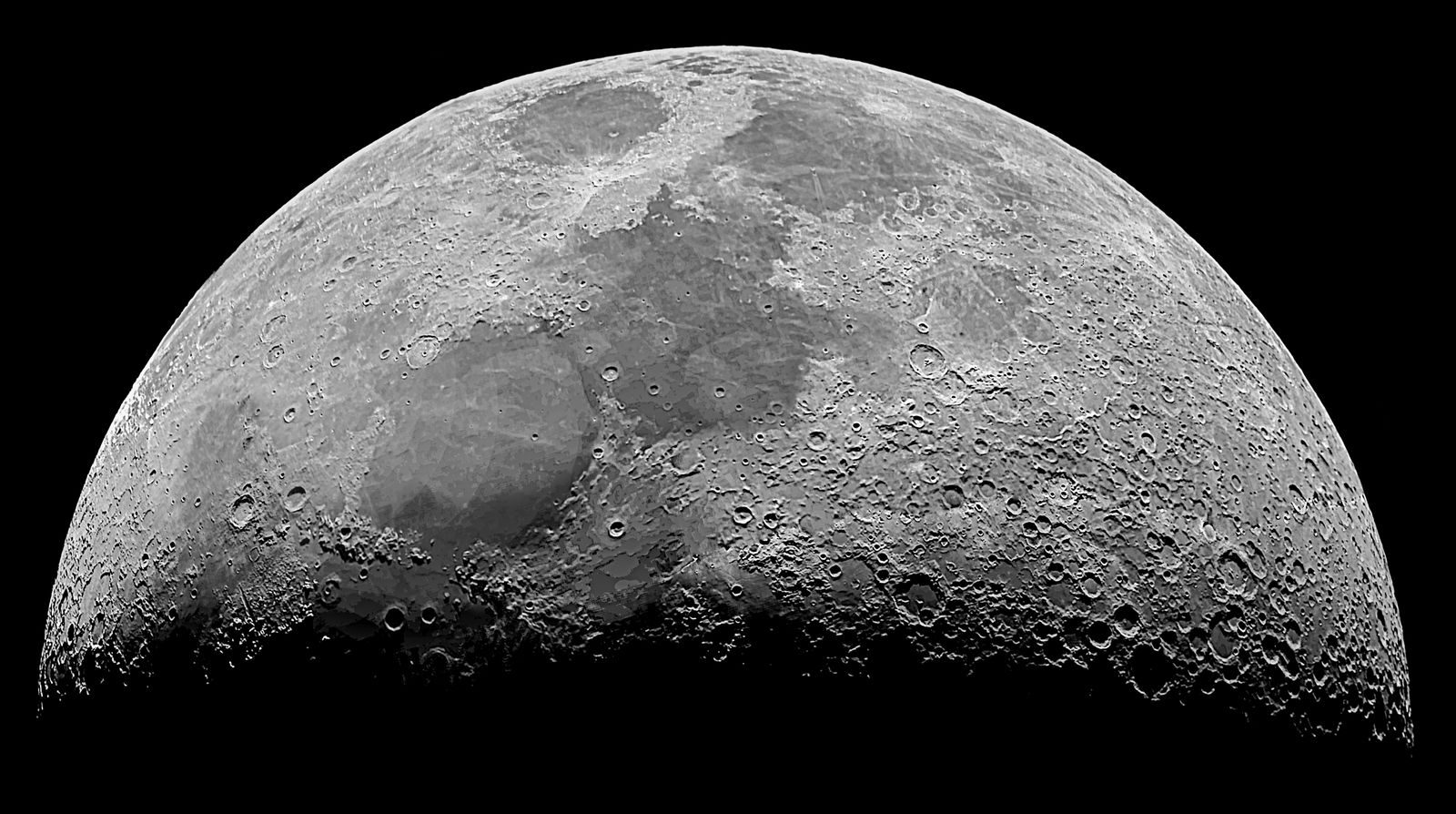
Most people assume that the moon is a completely solid and unchanging rock. We believe that our natural satellite has been geologically dead for billions of years.
But sensitive modern instruments have revealed a highly active lunar interior. The moon is actually shrinking and cracking due to deep thermal shifts.
The Cooling Core
The moon is gradually losing its internal heat to the absolute cold of space. According to planetary scientists, this cooling process causes the entire lunar body to contract slowly. It behaves like a grape. As the interior shrinks, the brittle surface crust must buckle and break. But this physical contraction is creating dramatic shifts on the lunar surface.
Giant Lunar Faults
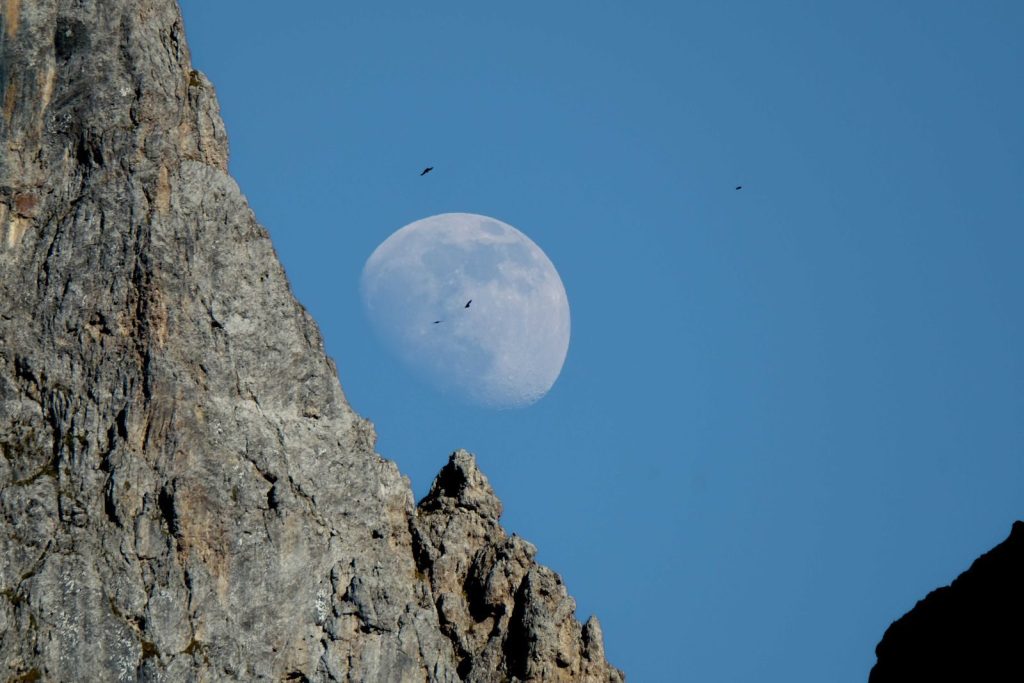
This contraction forces the dusty surface to push against itself and form massive cliffs. According to geological scans from NASA, these towering scarps rise dozens of feet into the lunar sky. They look incredibly sharp. These fault lines prove that the crust is actively moving under extreme pressure. But this crustal folding is triggering violent tremors across the landscape.
Active Moon Quakes
Seismometers left behind by Apollo astronauts recorded thousands of deep tremors during their operation. According to geophysical research, some of these moonquakes reached a high magnitude on the Richter scale. The shaking is violent. Unlike earthquakes, lunar tremors can continue vibrating for several hours without stopping. But these continuous movements pose a severe threat to our future.
Landslides In Dust
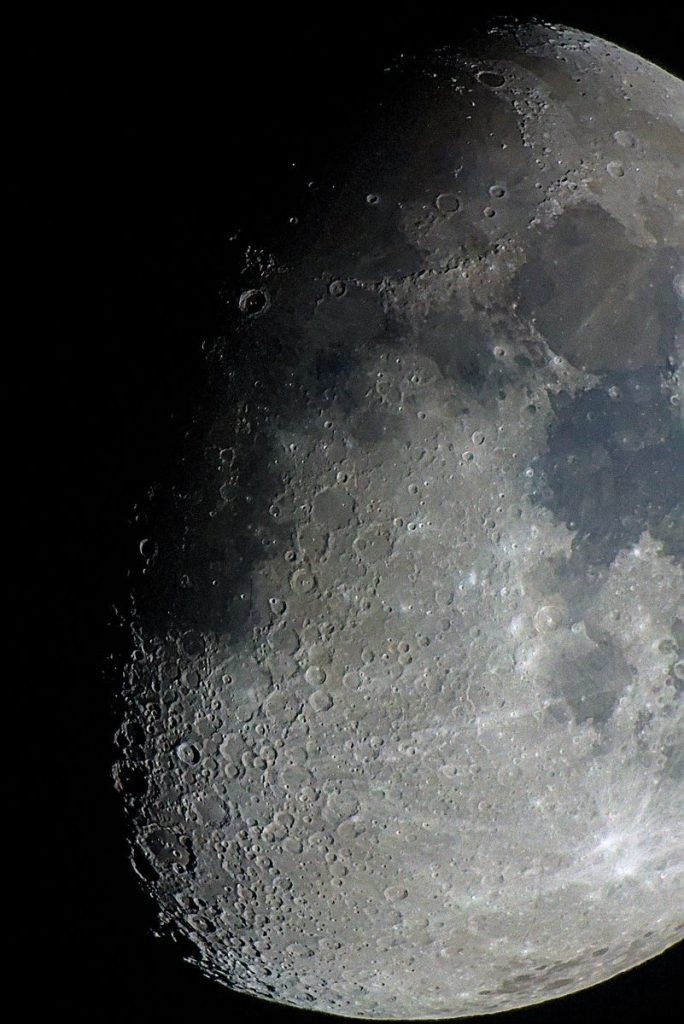
The violent shaking of the dry lunar crust can trigger massive landslides along crater walls. According to photographic studies, shifting dust can swallow flat plains and cover deep rock formations. It is highly unstable. This loose soil makes building permanent structures in certain areas incredibly dangerous. But space agencies are still planning to build habitats there.
Target Zones Threatened
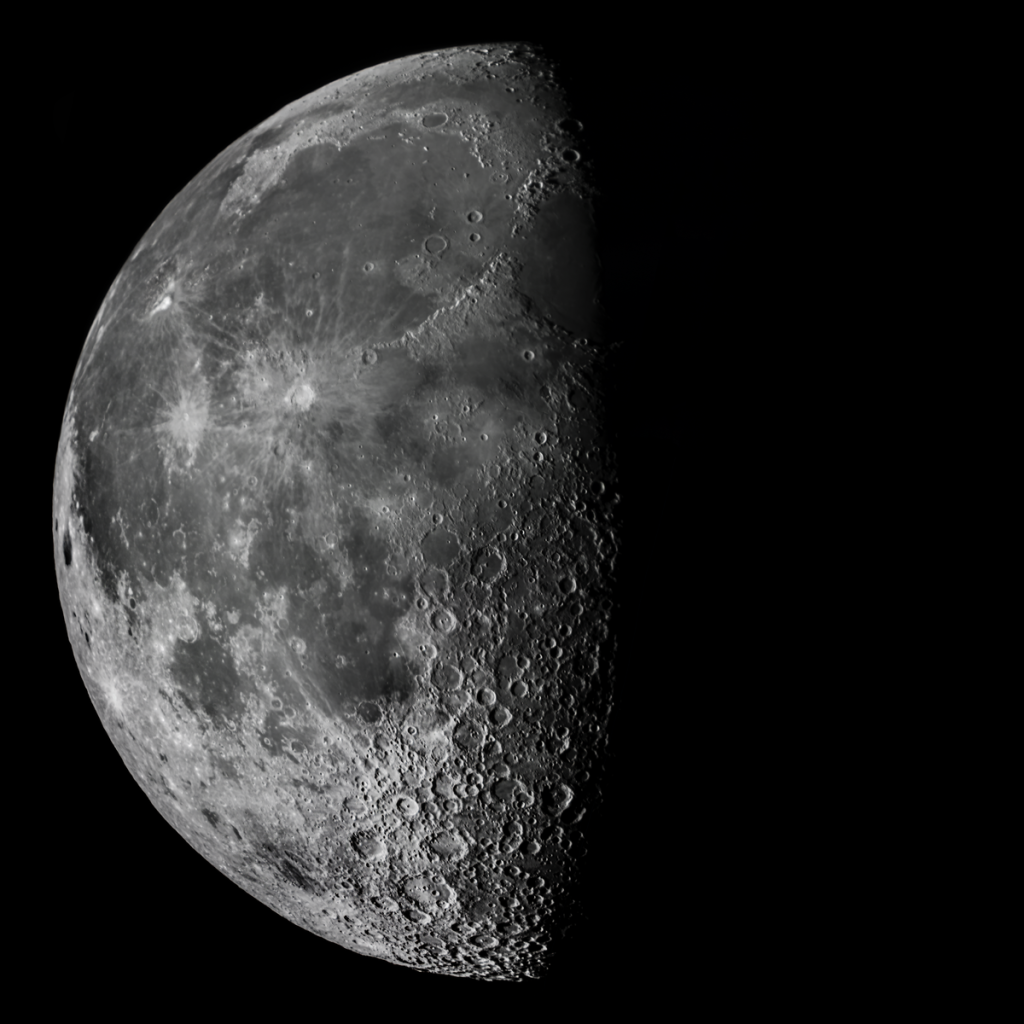
The proposed landing sites for upcoming human missions sit directly near these active fault lines. According to mapping reports, the south pole of the moon is highly vulnerable to tectonic shifting. The danger is clear. Tectonic movements could easily damage fragile scientific instruments and power grids. But scientists are searching for a way to predict these quakes.
Monitoring Tectonic Shifts

Researchers are designing a new network of highly sensitive seismic sensors to place on the moon. According to mission planners, these advanced devices will track the constant groaning of the lunar interior. The goal is vital. Understanding where the crust is weakest will help engineers select safer building locations. But the earth is also playing a surprising role in this contraction.
Gravitational Squeeze Play
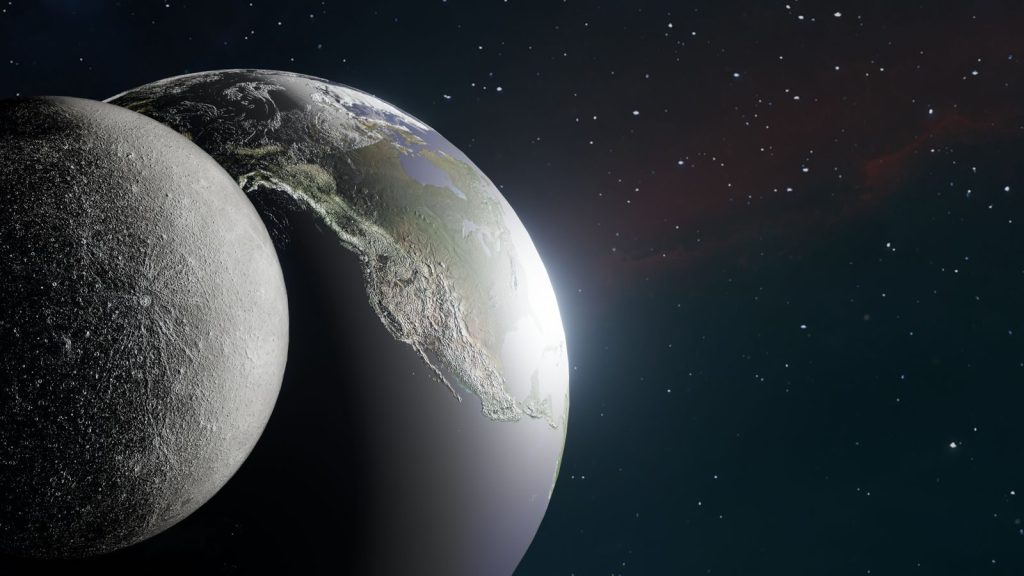
The powerful gravity of the Earth actively pulls on the shrinking moon as it orbits our planet. According to orbital dynamics studies, this tidal pull determines exactly where the lunar faults crack. The squeeze is relentless. This cosmic interaction proves that the moon is still deeply connected to our world. But this changing celestial body holds more secrets than we can count.
A Changing Neighbor

The shrinking moon is a stark reminder that even ancient worlds continue to evolve over time. According to planetary geologists, studying these lunar shifts helps us understand the life cycles of other moons. Nature never stands still. This article is for informational purposes only.
Leave a Reply