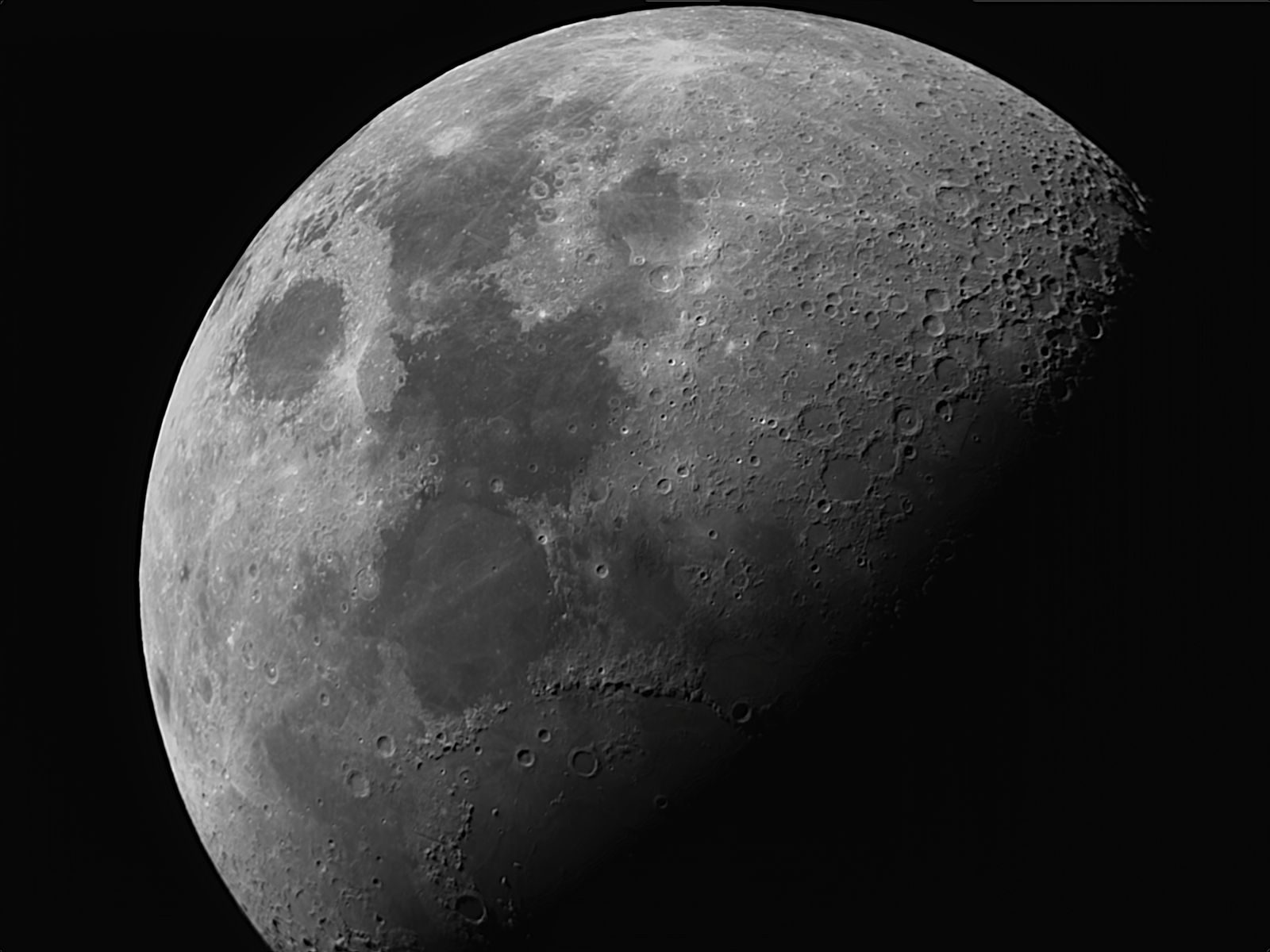
Most space lovers assume that the moon is a completely sterile and dead world. We believe that its harsh radiation and freezing vacuum destroy any biological possibilities.
But a series of unexpected planetary discoveries suggests a different cosmic reality. Advanced scientific data points to microscopic life surviving in deep lunar shadows.
Ice In The Shadows
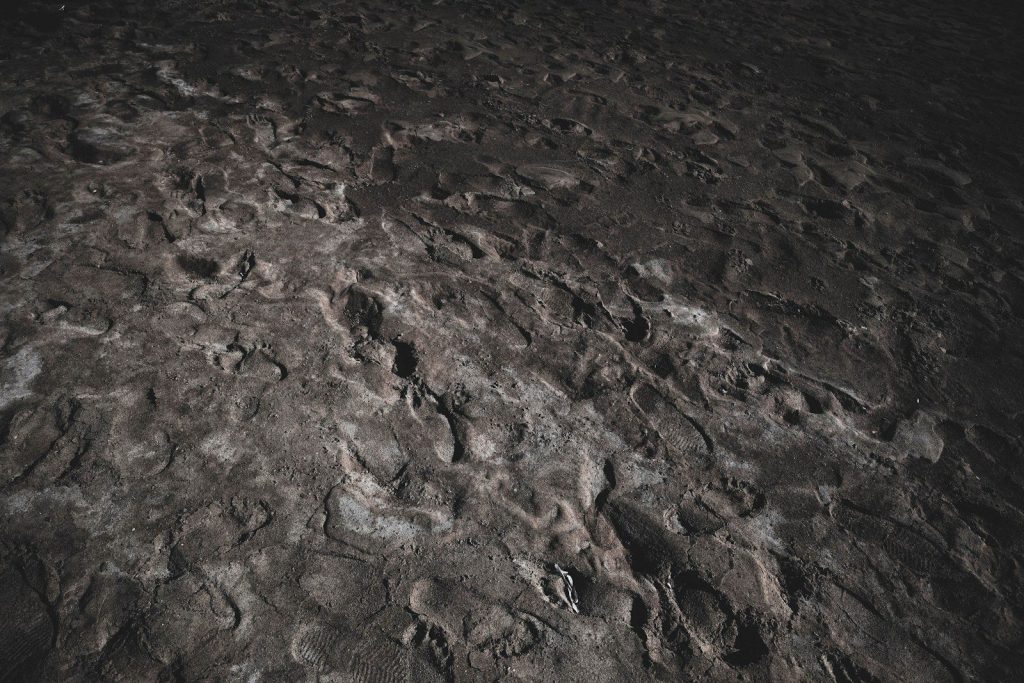
Deep inside polar craters that never receive sunlight lie vast deposits of ancient water ice. According to reports from NASA, these frozen reserves could contain highly resilient biological compounds. They are completely frozen. This absolute dark zone blocks lethal solar radiation and preserves whatever gets trapped inside. But the origins of this lunar water might go much deeper than we realized.
Cosmic Seed Delivery
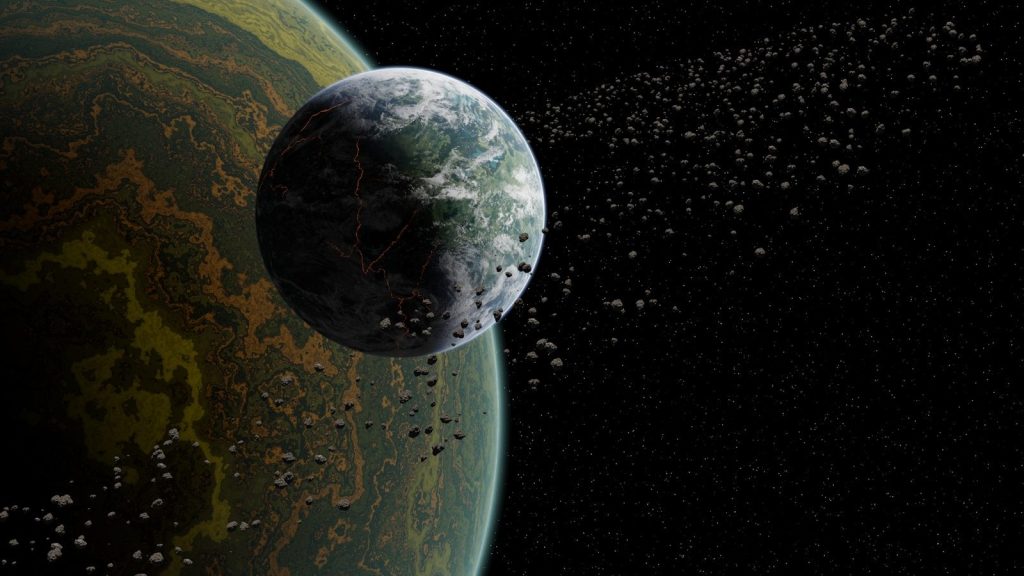
Comets crashing into the lunar surface over billions of years have deposited complex organic molecules. According to planetary geologists, these icy space rocks act as natural delivery vehicles for the building blocks of life. The impact is violent. Yet the frozen deep craters preserve these carbon mixtures perfectly over vast epochs. But some researchers believe these space seeds could actually be awake.
Surviving Extreme Limits
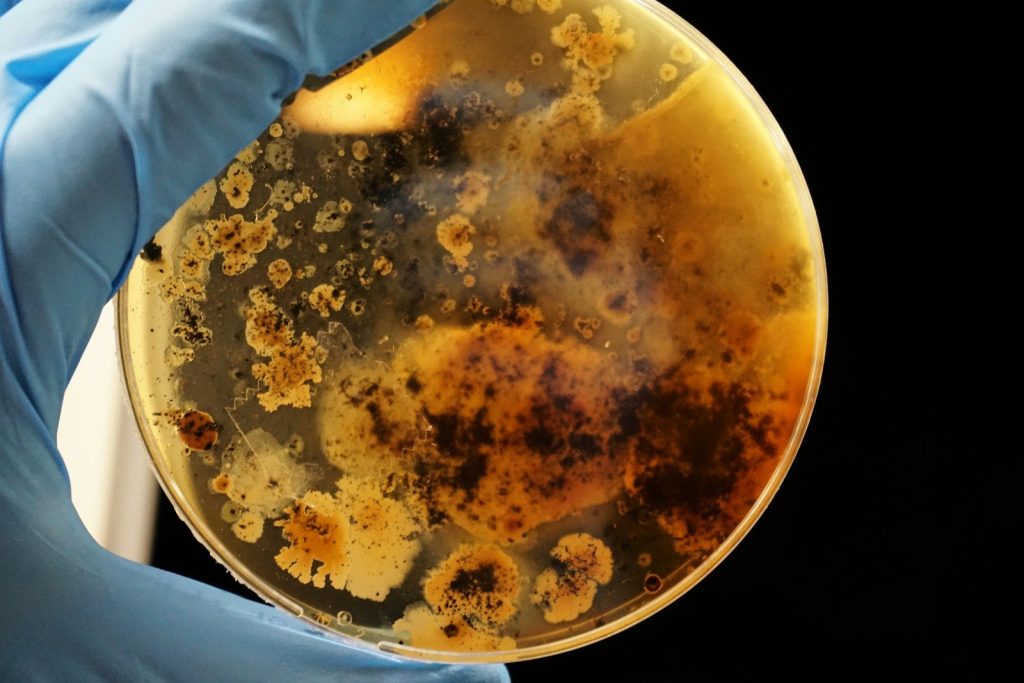
Certain microscopic organisms on Earth can survive inside the most hostile environments imaginable. According to microbiological studies, extreme bacteria known as extremophiles can endure the intense vacuum of outer space. They are incredibly tough. These tiny creatures go into a deep sleep state until conditions improve. But proving this cellular survival on the moon requires searching in highly specific locations.
Hidden Underground Tubes
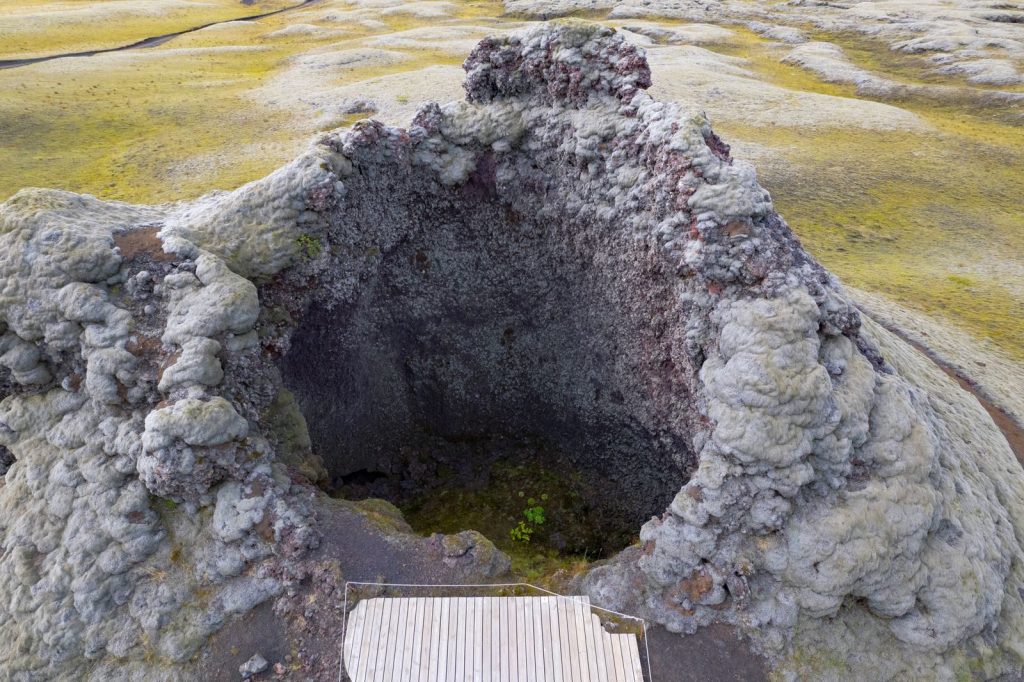
Ancient volcanic activity on the moon left behind a massive network of empty lava tubes. According to space agency models, these underground caves offer perfect shelter from extreme surface temperatures. They are highly protective. Inside these stone tunnels, the environment remains remarkably stable compared to the dusty plains above. But this underground shield might be hiding an active heat source.
Warm Lunar Pockets
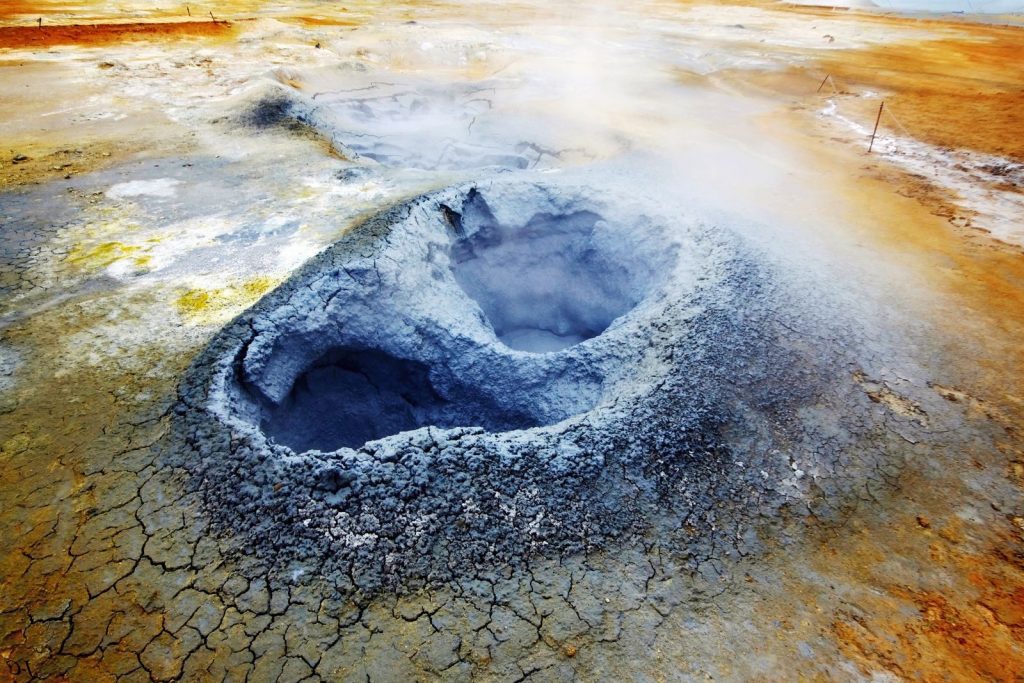
Recent thermal measurements suggest that some underground cavities might retain subtle amounts of internal heat. According to geophysical data, weak geothermal energy could prevent water from freezing solid in these deep spaces. The warmth is faint. This mild environment could theoretically support the survival of basic microbial colonies in the dark. But capturing real evidence of this life remains a massive struggle.
Robotic Drilling Missions
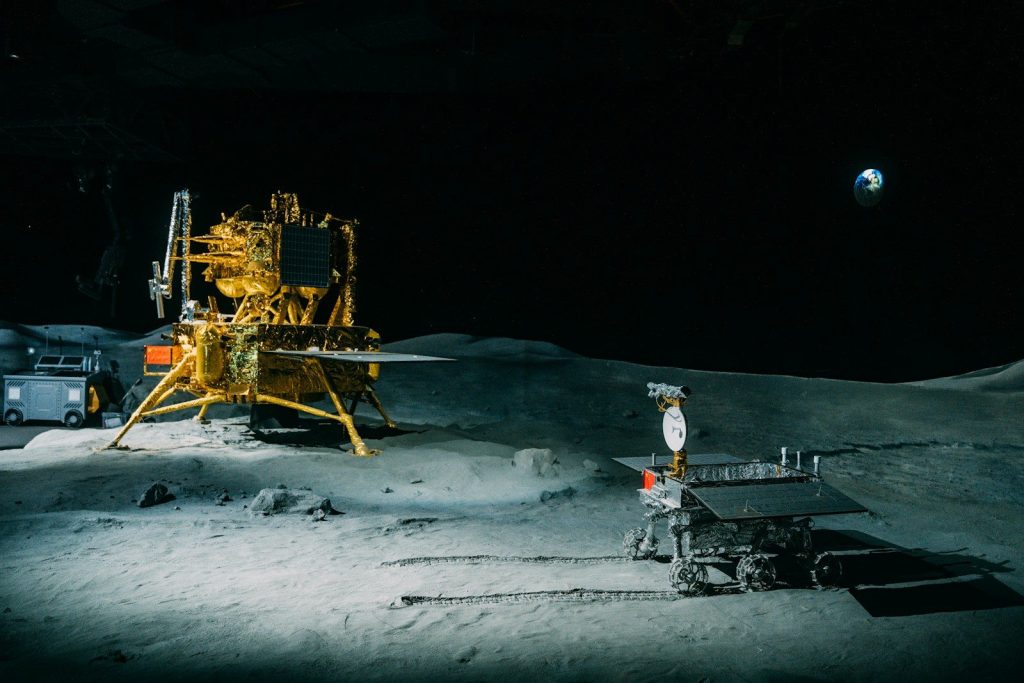
Space agencies are currently designing advanced rovers to drill deep into the polar ice caps. According to mission planners, these robotic explorers will collect clean subsurface samples to scan for organic markers. The race is on. Discovering even fossilized signs of ancient cells would change our entire understanding of biology. But this cosmic search is also raising some serious ethical concerns.
Protecting Outer Space

Human explorers risk accidentally carrying Earth bacteria to the moon and contaminating pristine alien ecosystems. According to space preservation guidelines, keeping robotic probes perfectly sterile is absolutely vital for accurate science. The danger is real. A single stray microbe could ruin decades of planetary research. But the final answer to this lunar mystery is closer than you think.
A New Frontier
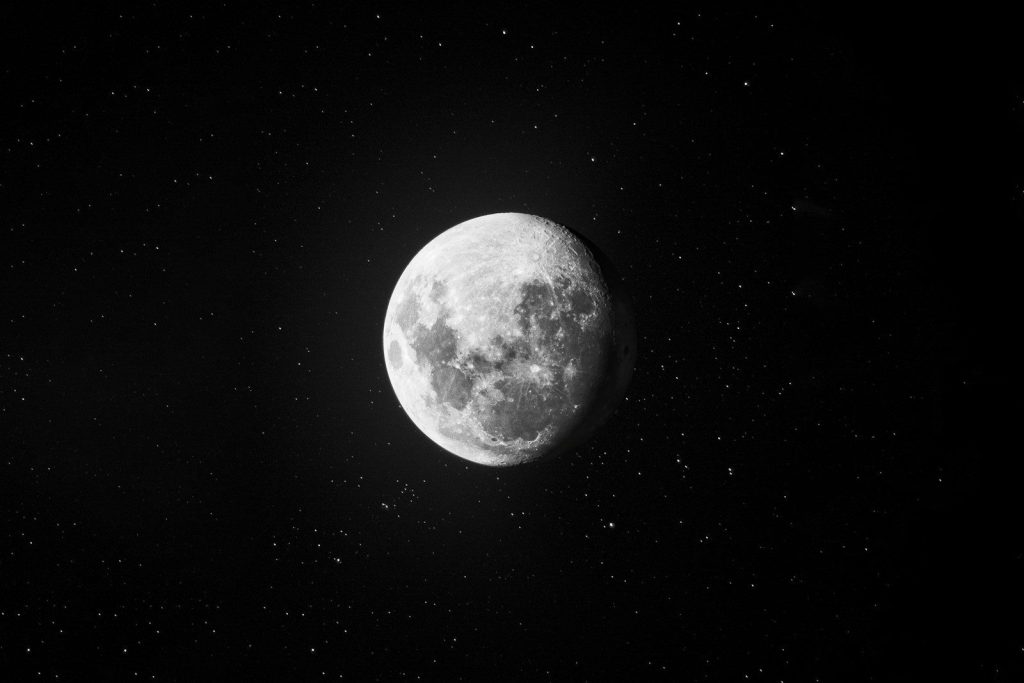
The search for life on the moon is redefining our place in the solar system. According to astrobiologists, finding microorganisms on our closest neighbor proves that biology is a universal force. Nature holds many surprises. This article is for informational purposes only.
Featured Image: Photo by Sheken Astro on Pexels
Leave a Reply