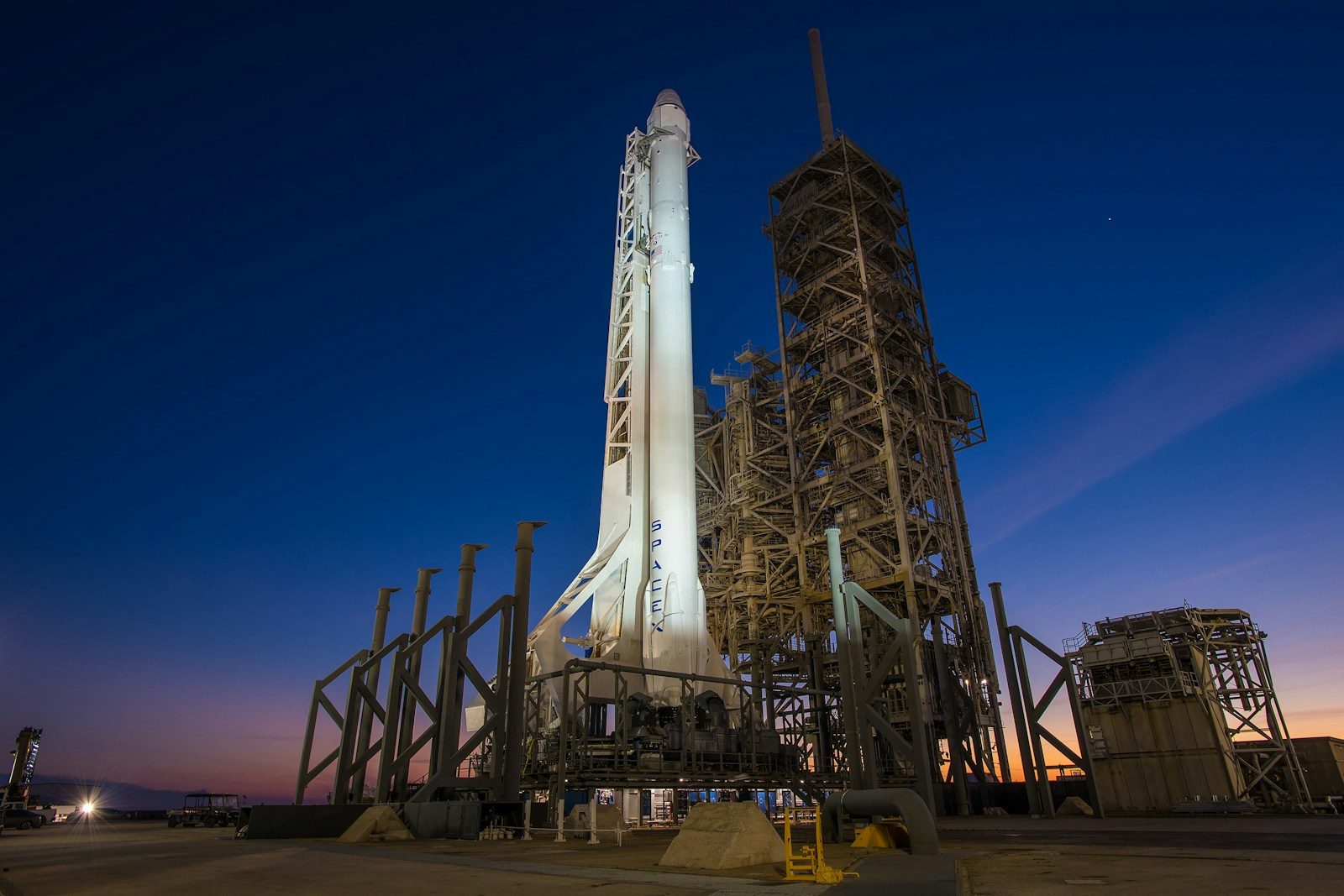
Most stargazers assume that deep space travel is limited by the power of our engines. We believe our current rockets are already built to the absolute limits of mechanical physics.
But a spectacular engineering shift is taking place in southern Texas. Designers are building a colossal metal tower designed to carry humans to other worlds.
The Colossal Steel Prototype
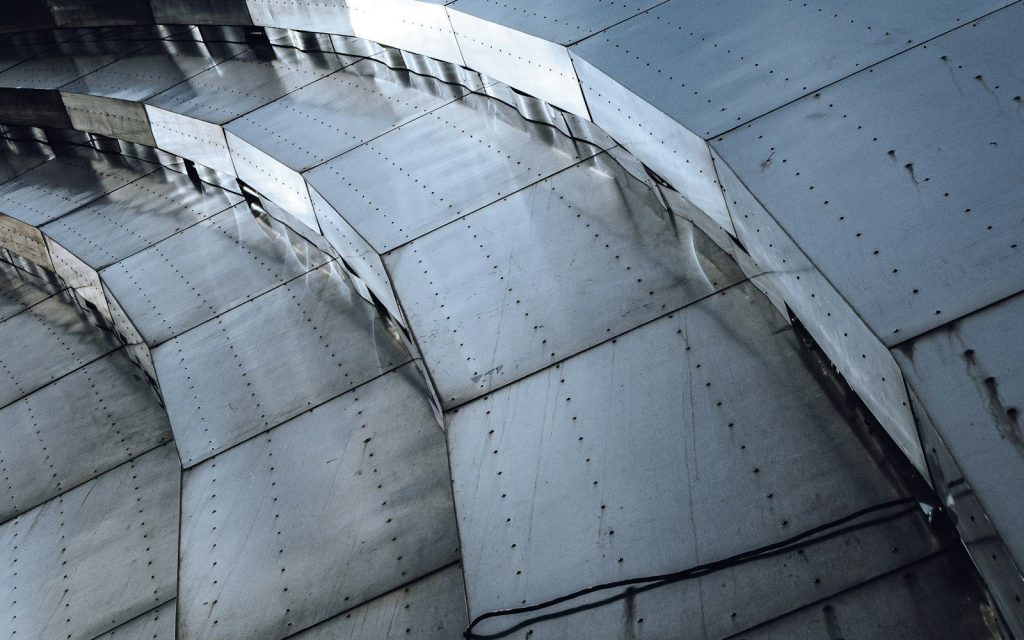
A revolutionary new spacecraft dwarfs every rocket built in human history. According to reports from SpaceX, this massive vehicle stands nearly four hundred feet tall when fully assembled. It is truly giant. The giant hull is crafted from polished stainless steel rather than expensive carbon fiber. But choosing this common metal was actually a highly calculated engineering move.
Thermal Protection Breakthroughs
Stainless steel performs incredibly well under the extreme temperatures of atmospheric entry. According to materials science reports, the metal can survive intense friction without cracking or melting. The shield is passive. This durability allows the spacecraft to bypass heavy protective structures that slow down traditional vehicles. But carrying such a heavy load requires an unprecedented amount of lifting force.
Powering The Giant Booster
The first stage booster uses thirty-three advanced engines burning a unique mixture of liquid methane and oxygen. According to aerospace propulsion logs, this setup generates more than double the thrust of the historic Saturn Five rocket. The roar is deafening. This fuel choice is vital because it can eventually be manufactured on other planets. But the real goal of this giant craft is absolute reusability.
The Rapid Return Playbook
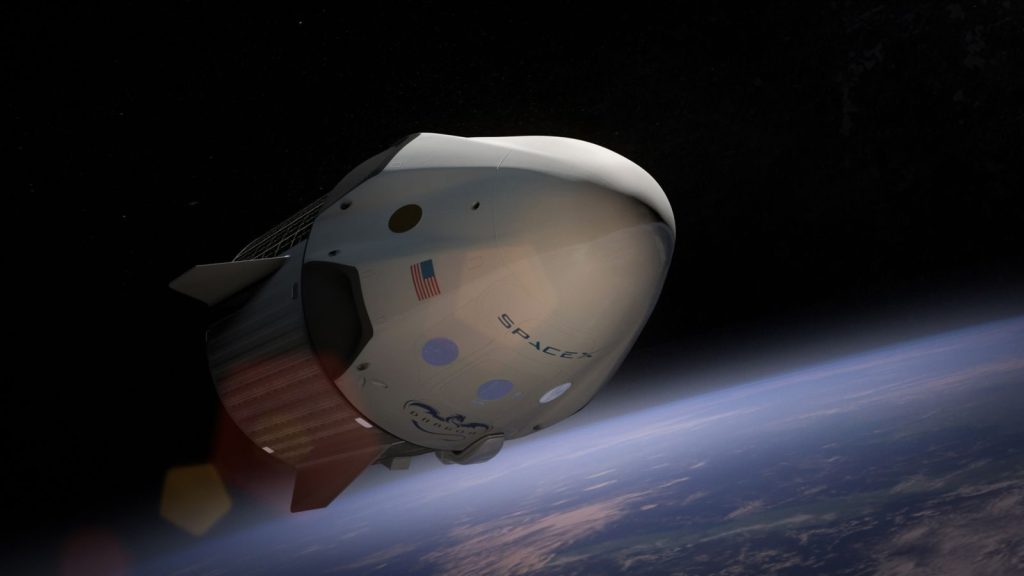
Landing both stages of the spacecraft allows the vehicle to fly multiple times in a single day. According to orbital flight studies, reducing launch costs is the absolute key to exploring deep space. Fueling is cheap. Reusing the expensive hardware can drop the price of space travel by over ninety percent. But executing these precise vertical landings requires an incredibly smart system.
Giant Tower Catching Rockets
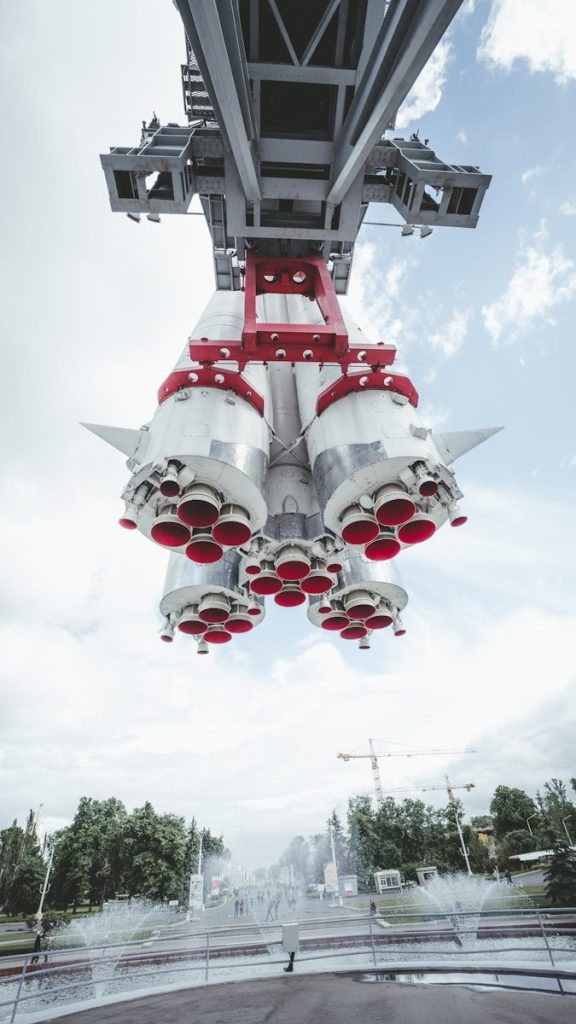
Instead of landing on legs, the massive booster is caught in midair by mechanical arms on the launch tower. According to engineering test logs, this precise catch eliminates the weight of heavy landing gear entirely. The maneuver is breathtaking. It allows the vehicle to be serviced and prepared for launch again within hours. But this rapid transit is actually designed for a much larger target destination.
Building The Mars Highway
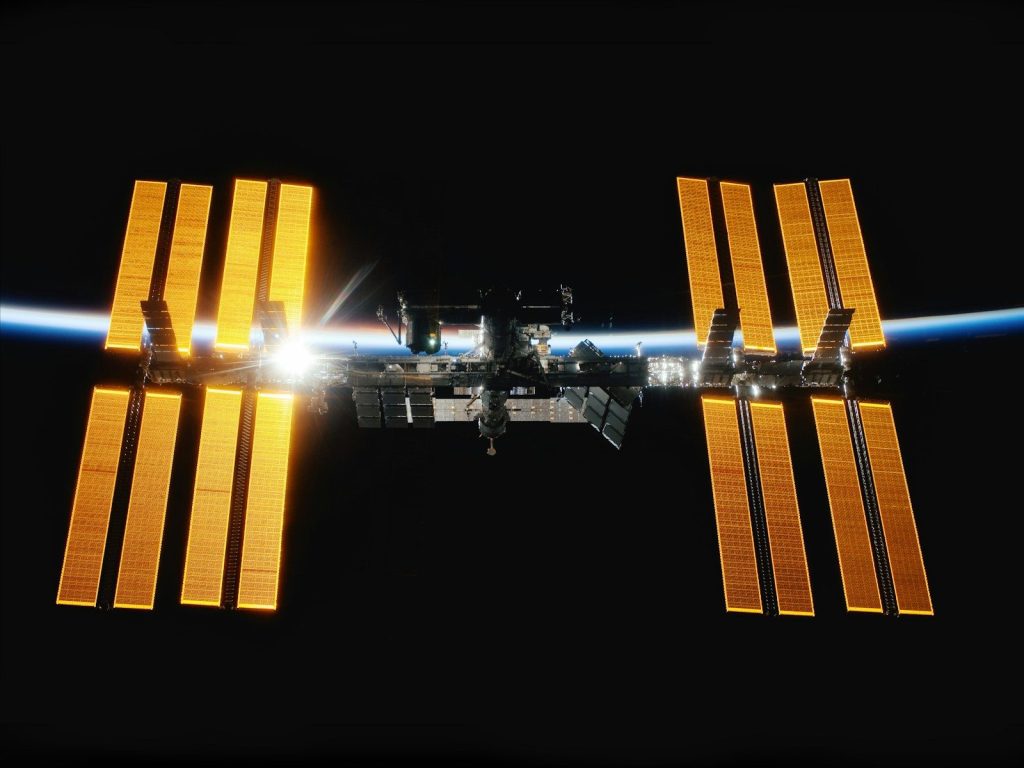
Reaching the red planet requires carrying thousands of tons of cargo and passengers into orbit. According to interplanetary mission plans, the spacecraft will use orbital refueling tankers to prepare for the long journey. Space is hostile. The goal is to establish a self-sustaining city on Mars over the next few decades. But managing human survival during the transit is a massive biological challenge.
Solar Radiation Defenses

Deep space transit exposes travelers to highly toxic solar winds and cosmic rays. According to cosmic radiation studies, the spacecraft hull must feature specialized shielding zones to keep astronauts safe. The rays are invisible. This protective area will serve as a secure storm shelter during intense solar flares. But proving this technology is still a work in progress.
Expanding Beyond Earth Limits

Building these gargantuan rockets is pushing materials science and structural engineering into a bold new era. According to space researchers, establishing a presence on other worlds will ensure the long-term survival of human consciousness. The journey is starting. This article is for informational purposes only.
Leave a Reply