
Most space lovers assume that finding alien life requires intercepting direct radio signals. We believe that we must wait for a clear message to arrive from a nearby star system.
But modern planetary scientists are using a much faster chemical method. Their high-tech telescopes can now scan the atmospheres of distant worlds to find signs of biology.
Scanning The Glowing Skies
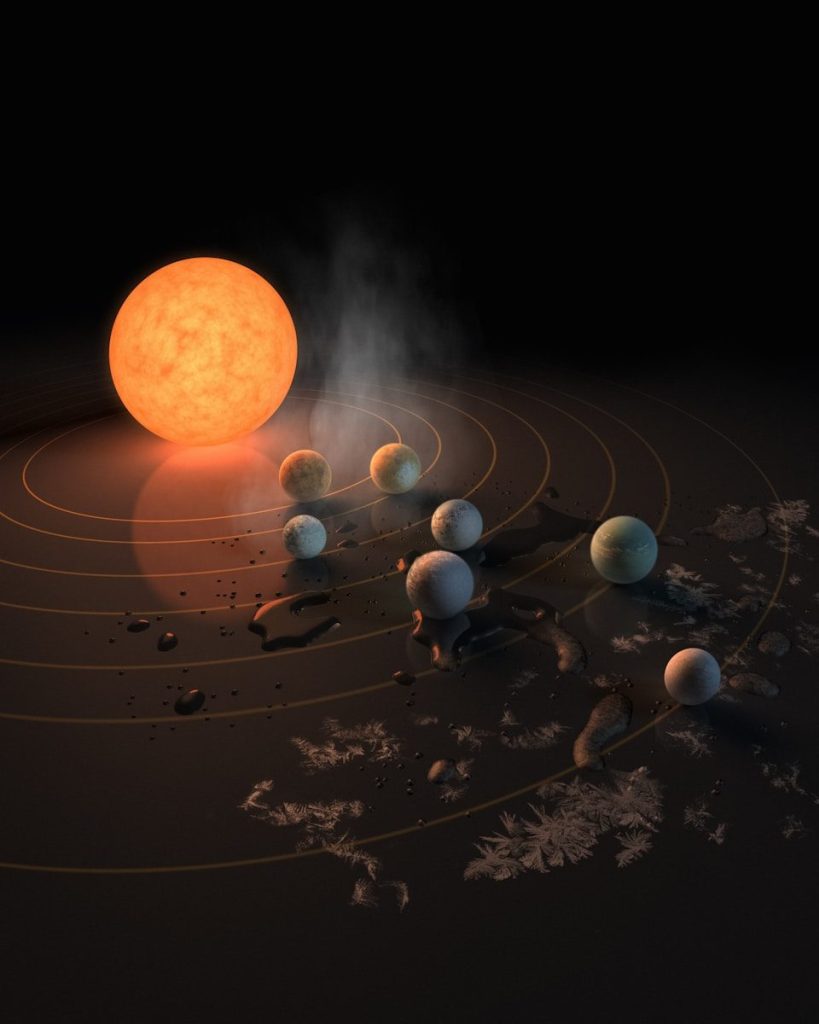
Astronomers no longer rely on simple visual observations to find planets. According to NASA, specialized space telescopes analyze the starlight passing through a planet’s outer atmosphere. This is brilliant. The gas layers absorb specific wavelengths of light to create a unique molecular barcode. But reading this cosmic signature is only the first step in the search.
The Chemistry Of Biology
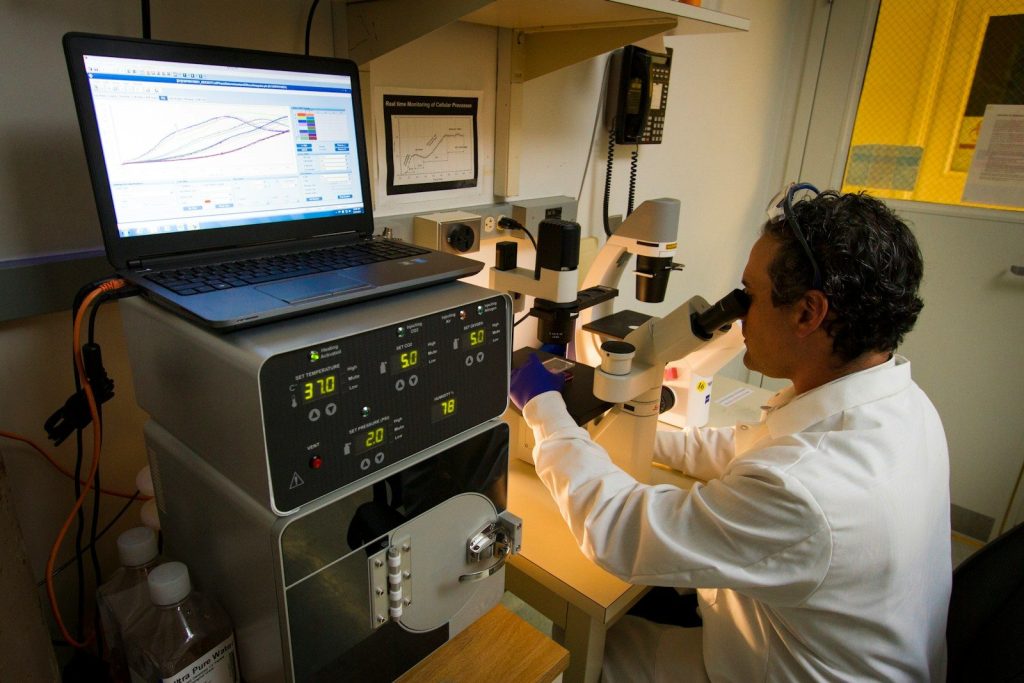
Certain gases are highly reactive and disappear quickly without a constant source. According to a study published in the journal Nature, finding a mixture of oxygen and methane together is a major clue. They are highly volatile. These gases normally destroy each other unless active living organisms are producing them. But scientists are looking for an even more specific chemical indicator.
The Ultimate Greenhouse Gas

Carbon dioxide is a common compound found on cold, dead planets like Mars. However, according to researchers at the Massachusetts Institute of Technology, a sudden drop in atmospheric carbon can reveal an active biosphere. The trees are breathing. Living plants and oceans absorb massive amounts of carbon to alter the global climate. But tracking this change requires studying the planet’s neighbor.
Comparing Twin Worlds
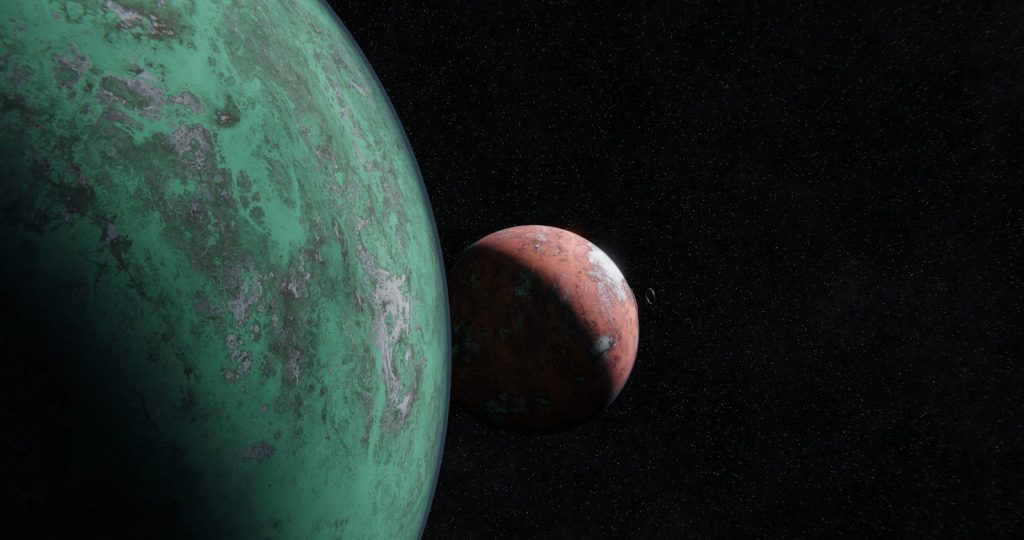
Scientists evaluate candidate planets by comparing them directly to their neighboring sister worlds. According to astronomical models, a living planet will show significantly less carbon dioxide than a dry planet. The contrast is sharp. This dramatic mismatch is the clearest sign that active biological cycles are reshaping the environment. But looking at gases is not the only way to spot alien activity.
Reflecting Liquid Oceans
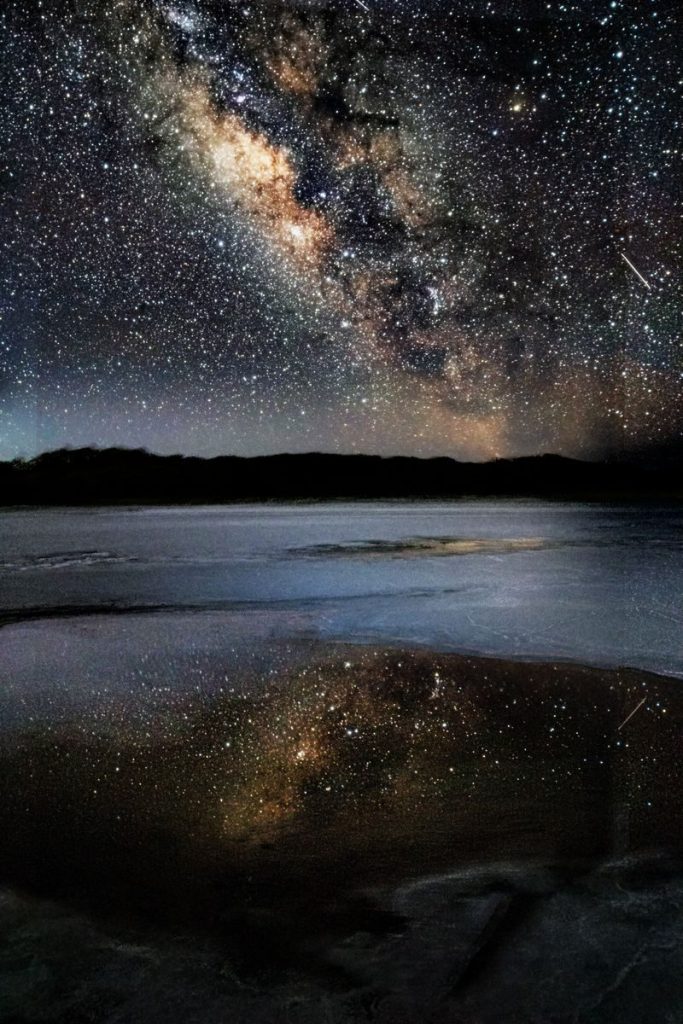
Liquid water is the most vital ingredient for the development of organic life. According to reports from the European Space Agency, advanced instruments can detect the glint of distant oceans reflecting starlight. The oceans glisten. This specular reflection helps astronomers map the water coverage of a world light-years away. But analyzing these liquid surfaces reveals another unique challenge.
Tracking Seasonal Shifts
Living worlds experience dramatic global shifts as they complete their orbital cycles. According to climate scientists, seasonal changes on Earth alter the green vegetation cover and modify global gas levels. The cycle turns. Modern telescopes are starting to track these rhythmic seasonal pulses on distant exoplanets. But verifying these observations requires launching a new generation of spacecraft.
Future Space Observatories
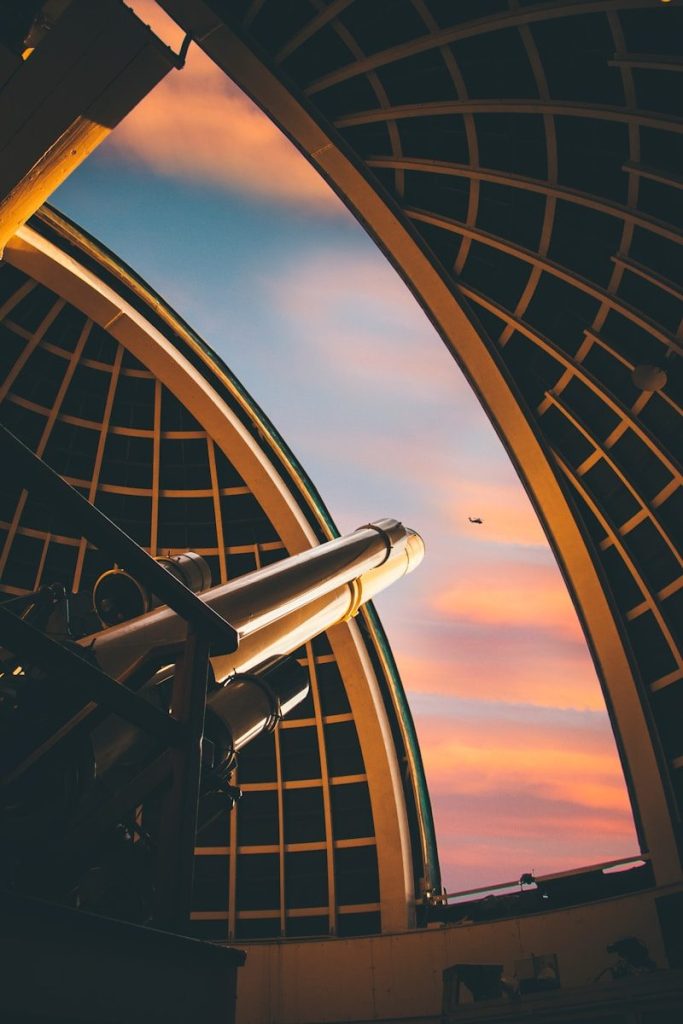
Space agencies are designing advanced telescopes to capture direct images of rocky exoplanets. According to mission planners, blocking out the overwhelming glare of the parent star is the main technical hurdle. It is incredibly difficult. Specialized starlight shades will allow instruments to isolate the planet’s true colors and surface details. But the implications of finding a living planet go far beyond simple data.
Our Place In The Cosmos

Discovering even a tiny sign of biological activity on another planet would forever alter human history. According to astrobiologists, it proves that life is a natural and common process in the universe. We are not alone. This article is for informational purposes only and does not constitute professional scientific advice.
Featured Image: Photo by Allison Saeng on Unsplash
Leave a Reply