Category: Science & Nature

  • How clouds can weigh tons but still float

    How clouds can weigh tons but still float

    Clouds look soft enough to rest on, but they can hold a surprising amount of water. A typical cloud may contain thousands or even millions of gallons of water, yet it does not fall like one giant bucket from the sky. The trick is that the water is spread out across countless tiny droplets or ice crystals. Those pieces are so small that light air movement can keep them suspended.

    Clouds form when water vapor cools and condenses onto tiny particles such as dust, salt, or smoke. When droplets grow larger and heavier, they can fall as rain, snow, or other precipitation. That simple balance explains the mystery: clouds are heavy as a whole, but light piece by piece.

    Clouds are made of tiny drops

    white clouds
    Photo by C Dustin on Unsplash

    A cloud is not one solid floating object. It is a huge collection of tiny water droplets, ice crystals, or both, spread across a large area of air.

    Those droplets are far smaller than raindrops. Because each one is so light, it can stay suspended much longer than a large drop. The whole cloud may be heavy, but its weight is divided into countless tiny pieces.

    The weight is spread out

    white clouds and blue sky during daytime
    Photo by engin akyurt on Unsplash

    When people hear that a cloud can weigh tons, it sounds impossible. But that weight is spread through a very large space, often much larger than it looks from the ground.

    Think of mist in the air instead of water in a bucket. The water exists, but it is scattered. That wide spread helps explain why clouds can float instead of dropping all at once.

    Air keeps them moving

    grass field at daytime
    Photo by Rodion Kutsaiev on Unsplash

    Cloud droplets do slowly fall, but the air around them is also moving. Even gentle rising air can help support tiny droplets and keep them from quickly reaching the ground.

    This is why clouds can seem to hang in the sky. They are not frozen in place. They are constantly forming, shifting, evaporating, and being held up by moving air.

    Warm air helps clouds form

    sea of clouds
    Photo by Łukasz Łada on Unsplash

    Clouds often form when warm, moist air rises. As that air moves higher, it cools, and water vapor begins turning into visible droplets.

    NASA explains that clouds form when invisible water vapor becomes liquid droplets on tiny particles in the air. That process is called condensation, and it is the start of many clouds we see overhead.

    Tiny particles start the process

    Beautiful cloudscape featuring dramatic clouds against a bright blue sky.
    Photo by Sindre Fs on Pexels

    Water vapor usually needs something to cling to before it becomes a cloud droplet. Tiny bits of dust, salt, smoke, and other particles can act like starting points.

    The National Weather Service calls these cloud condensation nuclei. They are small particles where water vapor condenses and forms droplets. Without them, cloud formation would be much harder.

    Droplets are not raindrops yet

    A group of people standing in front of a water fountain
    Photo by HYEWON HWANG on Unsplash

    Cloud droplets are visible, but they are often too small to fall as rain. They have to grow by joining with other droplets or ice particles first.

    NOAA explains that rain begins when droplets inside a cloud grow heavy enough to fall. Until that happens, the droplets remain suspended and help make the cloud look full and bright.

    Updrafts can hold more weight

    Clouds” by CSLmedia Productions is licensed under CC BY-NC-SA 2.0

    In stronger storms, rising air can be powerful. Updrafts can help hold larger drops or ice particles inside clouds for longer than calm air could.

    NOAA notes that thunderstorm updrafts can be extremely strong, and stronger updrafts can support more rain and hail weight. That is one reason storm clouds can grow so tall and heavy.

    Clouds are always changing

    large clouds on a blue sky
    Photo by David Ballew on Unsplash

    A cloud may look steady from the ground, but it is changing all the time. Some parts are growing as vapor condenses, while other parts are disappearing as droplets evaporate.

    USGS explains that clouds can have areas that grow and fade at the same time. So a cloud is less like a parked object and more like an ongoing process in the sky.

    Rain begins with growth

    dew drops on glass panel
    Photo by Valentin Müller on Unsplash

    The same tiny droplets that help a cloud float can eventually become rain. As droplets bump together and grow, their fall speed increases.

    The National Weather Service explains that larger drops fall faster and can collide with smaller droplets. Once droplets become heavy enough, gravity wins, and the cloud releases precipitation.

    The mystery is scale

    rock, nature, landscape, england, meadow, mountainside, heaven, clouds
    Photo by the_iop on Pixabay

    Clouds can weigh tons because they cover a huge volume of sky. They float because their water is divided into tiny particles that air can support.

    That is the simple answer behind the magic-looking scene. A cloud is heavy in total, but each droplet is light. When those droplets grow too large, the floating ends, and rain begins.

  • Why bees matter far beyond making honey

    Why bees matter far beyond making honey

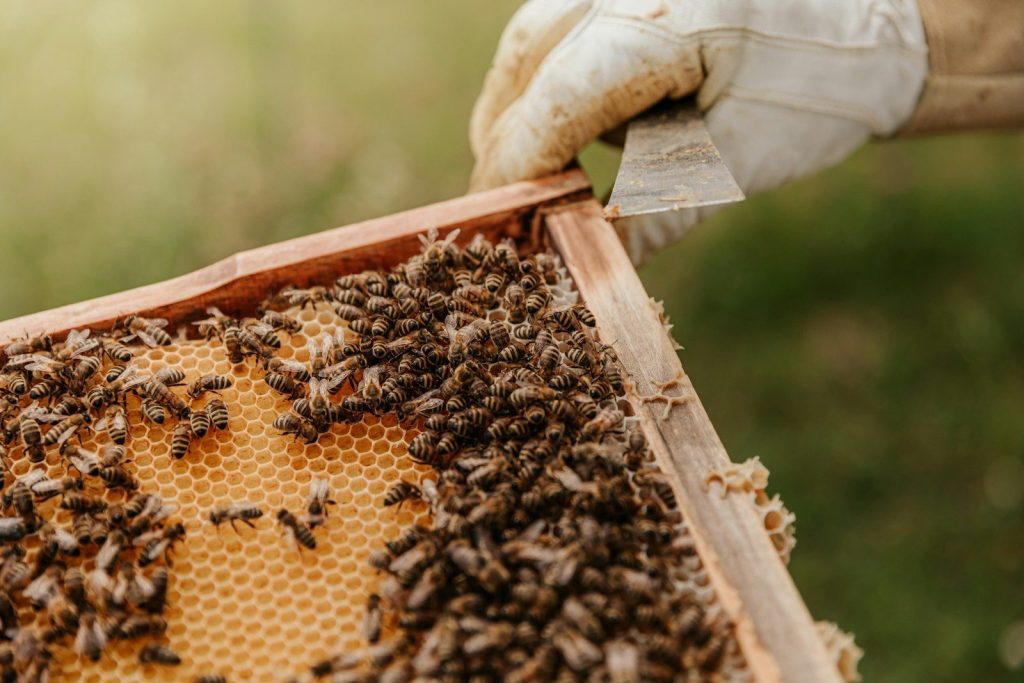
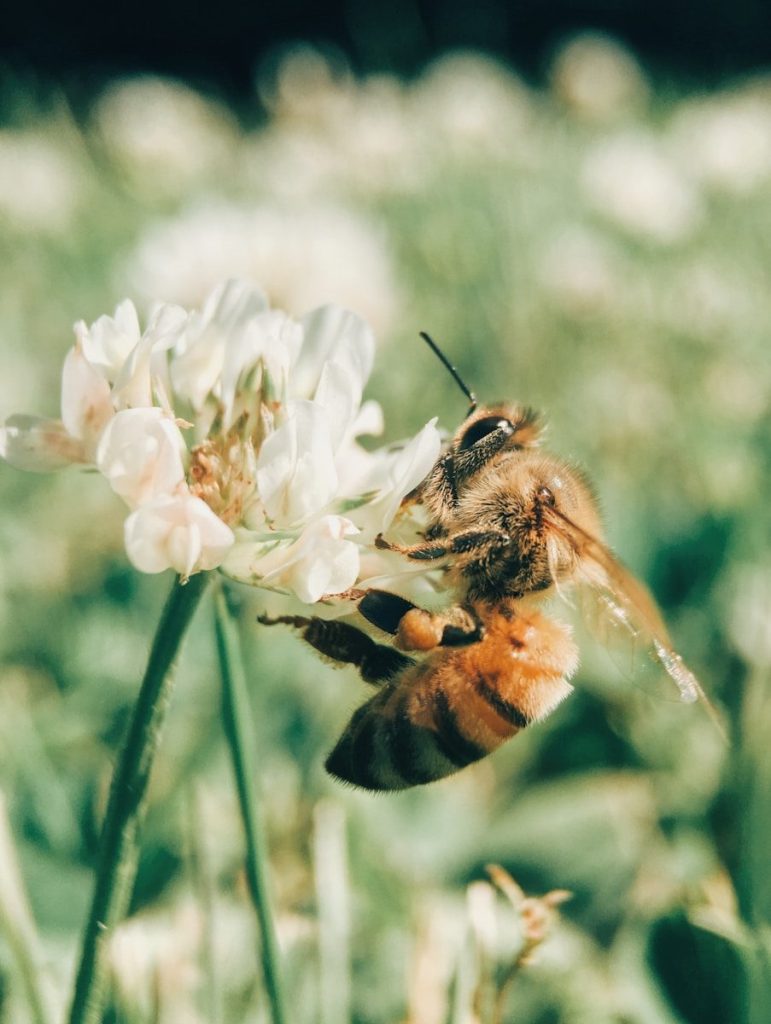
    Bees may be famous for honey, but their real value is much bigger than something sweet on toast. Every time a bee moves from flower to flower, it can carry pollen that helps plants grow fruits, seeds, and new flowers. That quiet work supports farms, gardens, wild plants, and the animals that depend on those plants.

    The USDA says animal pollinators help about 35% of the world’s food crops reproduce, and honey bees add about $15 billion in crop value in the United States each year. More than 3,500 native bee species also help increase crop yields. Bees are small, but their work reaches grocery stores, backyard gardens, forests, and entire ecosystems.

    Bees help grow our food

    wasp on blooming white flower
    Photo by Aaron Burden on Unsplash

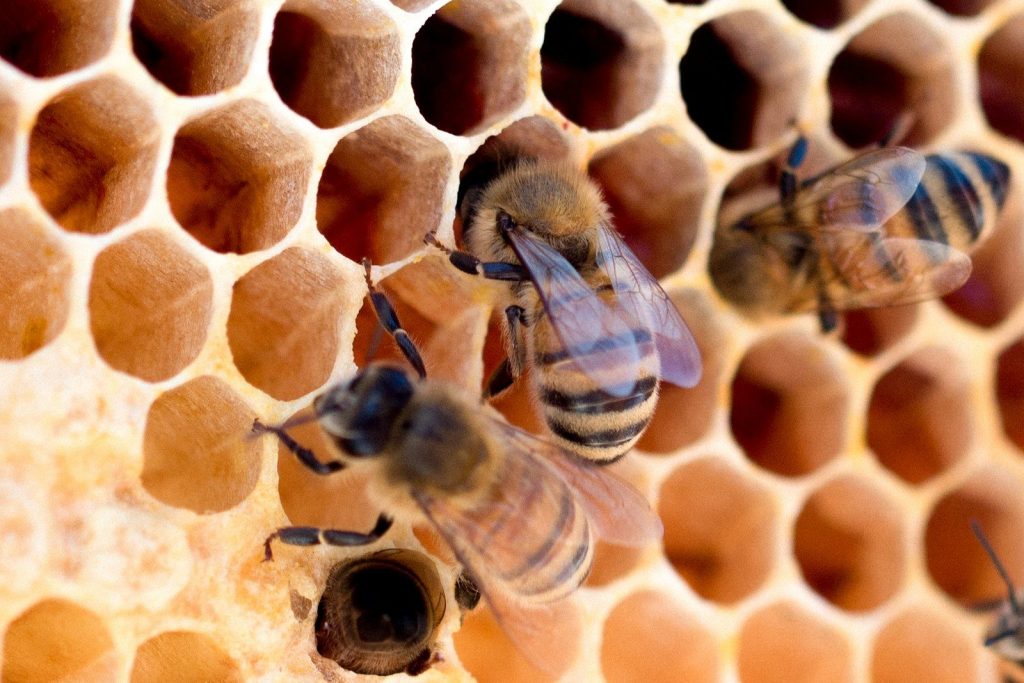
    Many foods need pollination before they can fully develop. Bees help move pollen between flowers, which allows plants to produce fruits, nuts, seeds, and vegetables.

    This affects far more than honey. Apples, almonds, berries, melons, squash, and many other crops benefit from bee visits. Without pollinators, grocery stores would still have food, but many shelves would look less colorful and less varied.

    Farms count on pollinators

    brown and black bee on brown wooden stick
    Photo by Bianca Ackermann on Unsplash

    Bees support farmers by helping crops grow in better amounts and quality. The FDA says the pollination value of honey bees is estimated to be 10 to 20 times greater than the value of honey and beeswax.

    That means bees are part of the farm economy, not just nature’s background noise. Their work can help growers produce stronger harvests and bring more fresh food to markets.

    Native bees do big work

    a bee on a flower
    Photo by Kristina Kutleša on Unsplash

    Honey bees get the spotlight, but native bees matter too. The USDA says more than 3,500 native bee species help increase crop yields.

    Some native bees are especially good at pollinating certain plants. Bumble bees, mason bees, and squash bees can be powerful helpers in gardens and farms. A healthy pollinator mix gives plants more chances to reproduce successfully.

    Bees support wild plants

    green grass field during daytime
    Photo by Martin Sepion on Unsplash

    Bees do not only visit farm crops. They also pollinate wildflowers, shrubs, and trees that grow in parks, fields, forests, and roadside spaces.

    Those plants feed and shelter other living things. Birds may eat seeds and berries. Small animals may use plants for cover. Insects may depend on flowers for nectar. Bees help keep that larger web moving.

    They protect biodiversity

    white bird flying over the lake during daytime
    Photo by Coralie Meurice on Unsplash

    Biodiversity means having many different kinds of living things in one area. Bees support that by helping plants reproduce and spread.

    The United Nations Environment Programme says bees are part of the biodiversity that people depend on, and pollinators help keep ecosystems healthy. When bees are doing well, many plants and animals often benefit too.

    Healthy gardens need bees

    green plants on garden during daytime
    Photo by Zoe Richardson on Unsplash

    Backyard gardens can become small pollinator stops. Bees visit flowers for nectar and pollen, and the plants may get help producing seeds or fruit.

    That is why a bee-friendly yard can be useful as well as pretty. Native flowers, blooming herbs, and a mix of plants that flower at different times can give bees food through more of the season.

    Bees feed other wildlife

    brown bee flying near yellow petaled flower
    Photo by Brad Huchteman on Unsplash

    Bees help plants make seeds, fruits, and berries, and those foods support many animals. A single pollinated plant can feed birds, mammals, and other insects later in the year.

    This makes bees part of a bigger food chain. Even animals that never touch honey may still depend on the plants that bees helped create.

    Their homes are important

    yellow and black bee on yellow and black surface
    Photo by Meggyn Pomerleau on Unsplash

    Bees need more than flowers. Many native bees nest in soil, hollow stems, wood, or leaf litter. If those spaces disappear, bee populations can struggle.

    The Xerces Society says nesting and overwintering habitat is one of the most important factors for native bees and other helpful insects. Leaving some natural areas can make a real difference.

    Small choices can help

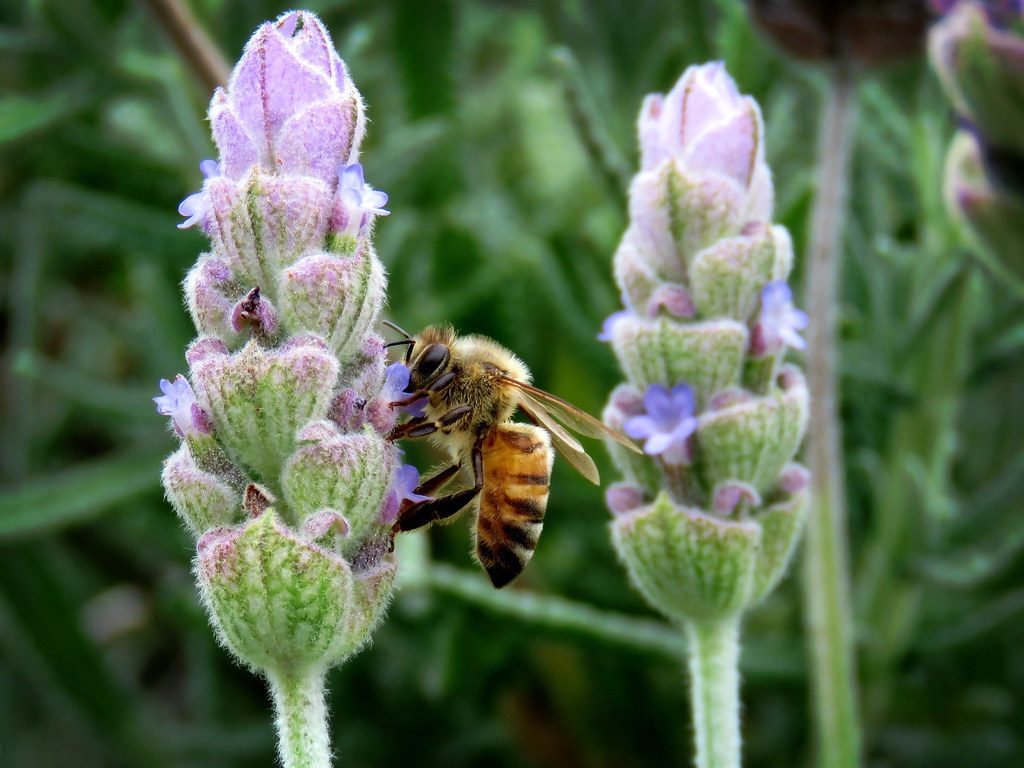
    Lavender Bee” by Bennilover is licensed under CC BY-ND 2.0

    People can support bees in simple ways. Planting native flowers, reducing pesticide use, leaving small natural patches, and providing blooms across the season can all help.

    These steps do not require a perfect garden. Even a few pollinator-friendly plants in a yard, balcony, school, or community space can become a useful stop for hungry bees.

    Bees keep life connected

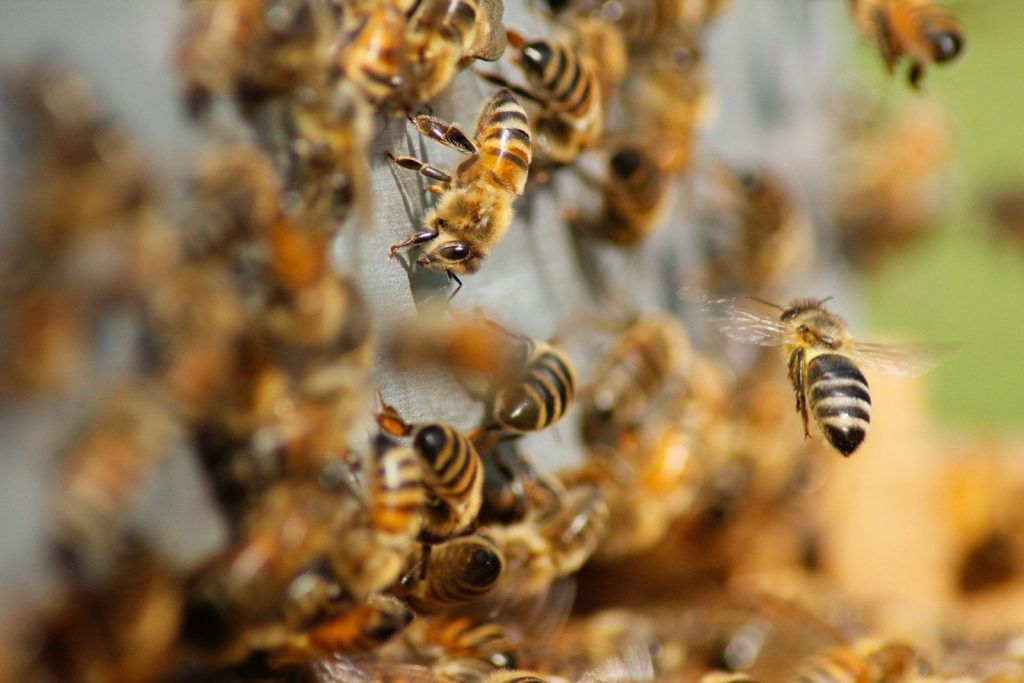
    swarm of bees
    Photo by Damien TUPINIER on Unsplash

    Bees matter because they connect flowers, food, farms, wildlife, and people. Their work is quiet, but the results show up everywhere from orchards to wild meadows.

    Honey is only one small part of the story. Bees help keep nature productive, colorful, and balanced. Protecting them means protecting many of the foods and outdoor spaces people enjoy every day.

  • What life without sunlight reveals about Earth’s strangest habitats

    What life without sunlight reveals about Earth’s strangest habitats

    Sunlight powers most life we see every day, from backyard grass to forests and ocean algae. But Earth also has hidden places where sunlight barely matters at all. Deep in the ocean, inside caves, under rocks, and far below the surface, life has found other ways to keep going.

    These strange habitats show that living things do not always need bright skies or green plants to survive. Some microbes use chemicals from rocks, vents, or underground water as energy. Other animals depend on those microbes, or adapt to darkness with unusual senses and bodies. These sunless worlds are more than weird science. They help researchers understand Earth’s limits and imagine where life might exist beyond our planet.

    Darkness can still be alive

    aerial photo of brown moutains
    Photo by JOHN TOWNER on Unsplash

    It is easy to think life needs sunlight because plants and algae use it to make food. But some habitats are too deep, buried, or sealed away for sunlight to reach. That does not always make them empty.

    In these places, life may depend on chemical energy instead of light. Microbes can turn certain chemicals into usable energy, forming the base of food webs in places that once seemed impossible to support life.

    Vents make ocean oases

    photography of blue water
    Photo by Sarah Lee on Unsplash

    Deep-sea hydrothermal vents are among Earth’s strangest homes. They form where hot, mineral-rich water rises from cracks in the seafloor. The surrounding ocean is dark, cold, and under crushing pressure.

    Yet vents can support busy communities of life. Microbes use chemicals from vent fluids, and larger animals can depend on those microbes for food. NOAA describes these areas as food webs powered by chemosynthesis, not sunlight.

    Chemicals replace sunshine

    Taking Pictures From Space (NASA, 09/08/09)” by NASA’s Marshall Space Flight Center is licensed under CC BY-NC-ND 2.0

    Chemosynthesis is one of the big secrets behind sunless life. Instead of using sunlight, some microbes use chemical reactions to make energy. Around vents, those chemicals may include compounds released from heated water and rocks.

    This process can support entire ecosystems. NASA explains that vent microbes can turn chemicals into energy, allowing animals near vents to survive in total darkness. It is a powerful reminder that nature has more than one way to fuel life.

    Caves reshape living things

    cave during golden hour
    Photo by kiwi thompson on Unsplash

    Caves are another place where sunlight fades fast. Many cave animals live with little or no light, and over time, some species may lose strong eyesight or color because those traits are less useful underground.

    Instead, cave life often depends on touch, smell, vibration, or other senses. Food can be limited, so many cave creatures move slowly and conserve energy. These changes show how deeply a habitat can shape the bodies and habits of living things.

    Microbes live deep underground

    blue heart shaped clip art
    Photo by CDC on Unsplash

    Some life is hidden far below our feet. Scientists have found microbes in deep subsurface environments where sunlight and surface food are mostly cut off. These microbes can survive in rock fractures, deep water, and underground systems.

    NASA has reported examples of underground microbes using energy sources separate from the Sun. In some cases, chemical reactions involving water, rock, and gases may help support life in isolated spaces.

    Slow living can be smart

    photography of forest
    Photo by Rosie Sun on Unsplash

    In dark, low-energy places, life may not move fast. Some microbes and animals survive by using very little energy. Growth can be slow, and activity may depend on tiny amounts of available food or chemicals.

    That may sound boring, but it is a smart survival plan. When energy is rare, wasting it can be dangerous. These habitats show that life does not always need speed or abundance. Sometimes, patience is the winning strategy.

    Strange homes guide space science

    body of water during daytime
    Photo by Conor Sexton on Unsplash

    Sunless habitats on Earth are important to astrobiology, the study of life in the universe. If life can survive without sunlight here, scientists can ask whether similar life might exist below the surfaces of other worlds.

    Ocean moons and underground environments are especially interesting because sunlight may not reach their hidden layers. Earth’s vents, caves, and deep subsurface microbes give researchers real examples to study before searching elsewhere.

    Extreme does not mean empty

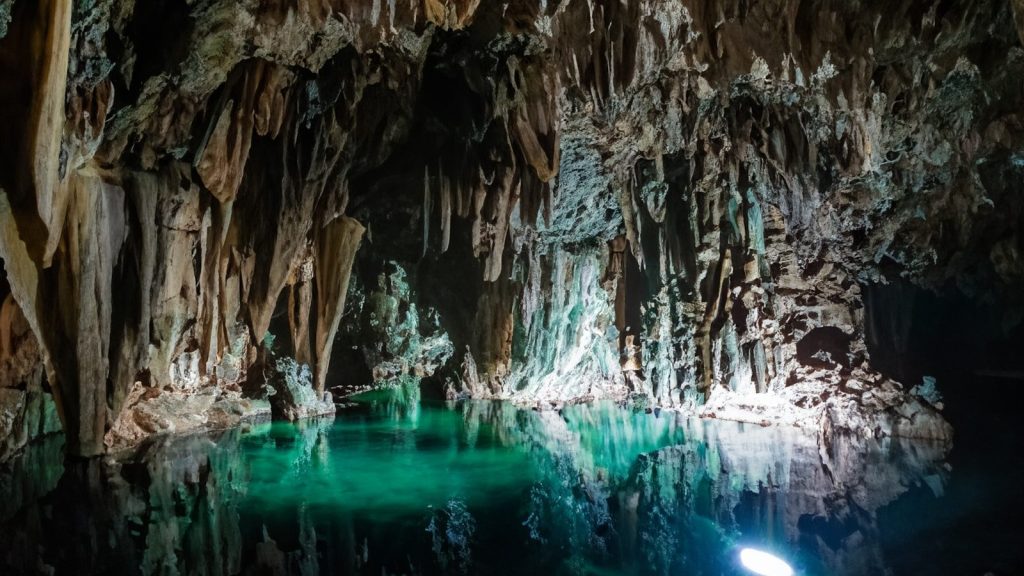
    a cave filled with lots of green water
    Photo by Jaden Noodle on Unsplash

    For humans, deep vents, dark caves, and buried rock can seem harsh. They may be hot, cold, acidic, dark, or high-pressure. But for some organisms, these are not impossible places. They are home.

    The lesson is simple but surprising: “extreme” depends on who is living there. A place that feels unlivable to people may still offer the right mix of water, energy, and chemistry for specialized life to survive.

    Tiny life supports bigger life

    green sprout planted on soil
    Photo by Wolfgang Hasselmann on Unsplash

    In many sunless habitats, microbes do the hardest work. They capture chemical energy and make it available to other organisms. Larger animals may then feed on microbes or live in close partnerships with them.

    At hydrothermal vents, tubeworms and clams can rely on helpful microbes inside their tissues. Those microbes turn chemicals into energy, while the animals provide a safe place for them to live.

    Earth still hides surprises

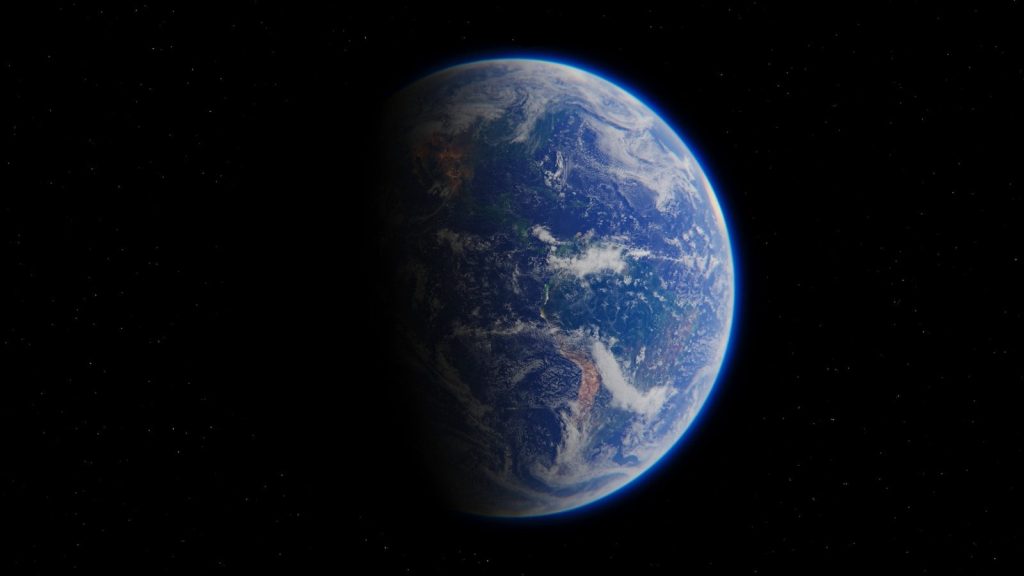
    a view of the earth from space
    Photo by dlovan 666 on Unsplash

    Sunless habitats remind us that Earth is not fully understood. New discoveries in dark oceans, caves, and underground environments continue to change what scientists think life can handle.

    These places also make the planet feel bigger and stranger. Life is not limited to sunny fields, forests, and shallow seas. It can hide in darkness, run on chemistry, and survive in places that once looked empty. That makes Earth’s strangest habitats some of its most revealing.

  • 9 battery breakthroughs that could change clean energy

    9 battery breakthroughs that could change clean energy

    Clean energy is growing fast, but it needs better batteries to reach its full potential. Solar panels do not make power at night, wind turbines depend on weather, and electric vehicles need packs that are safe, affordable, long-lasting, and quick to charge. That is why battery research has become one of the biggest races in technology.

    Lithium-ion batteries still power much of the world, but they are not the final answer for every job. Scientists and companies are testing solid-state, sodium-ion, lithium-sulfur, iron-air, zinc-based, and other designs that could change how we store energy.

    Some may help cars go farther, while others may help the grid save renewable power for days. The future of clean energy may depend on which breakthroughs can move from the lab to real life.

    A new battery race is here

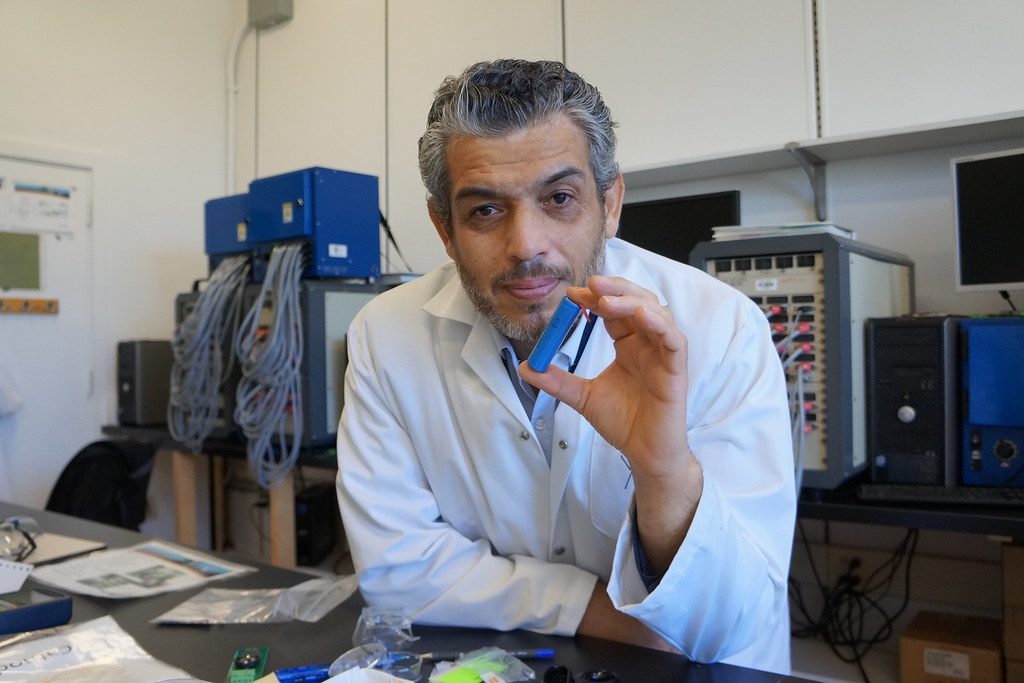
    person holding black and green electronic device
    Photo by Kumpan Electric on Unsplash

    Batteries are no longer just about phones and laptops. They now matter for electric vehicles, home power, solar energy, wind energy, and the future of the grid.

    Lithium-ion batteries still lead the market, but researchers are testing new designs that could improve cost, safety, storage, charging speed, and sustainability in the years ahead.

    Solid-state batteries

    Findings pave way for longer-lasting solid-state batteries” by Canadian Light Source is licensed under CC BY-NC-SA 2.0

    Solid-state batteries replace the liquid or gel electrolyte found in many current batteries with a solid material. This could make them safer, smaller, and more powerful.

    They may one day help electric vehicles charge faster and travel farther with lighter battery packs. The biggest challenge is scaling the technology so it can be made reliably and affordably.

    Lithium-sulfur batteries

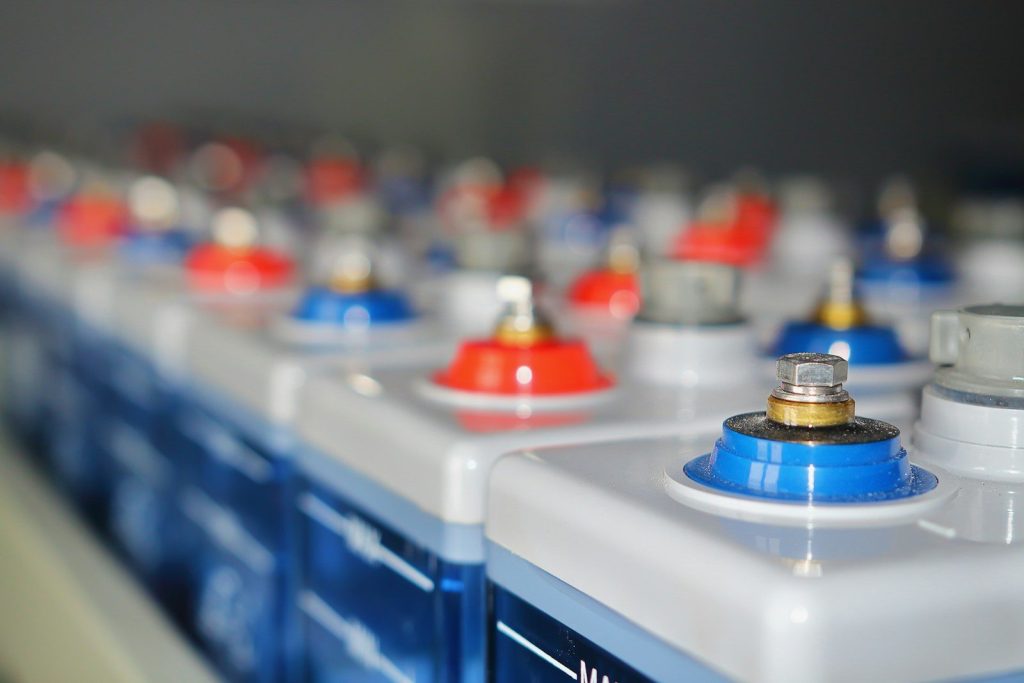
    Rows of batteries with red and blue terminals.
    Photo by Vanya Smythe on Unsplash

    Lithium-sulfur batteries use sulfur in a key part of the battery. Sulfur is widely available, which could make these batteries cheaper and more sustainable than some current options.

    They may also store more energy, making them attractive for vehicles, aircraft, and energy storage. However, researchers are still working to improve durability and reduce performance loss over time.

    Cobalt-free batteries

    A worker checking many industrial batteries inside a facility. Indoor, industrial setting.
    Photo by Heru Dharma on Pexels

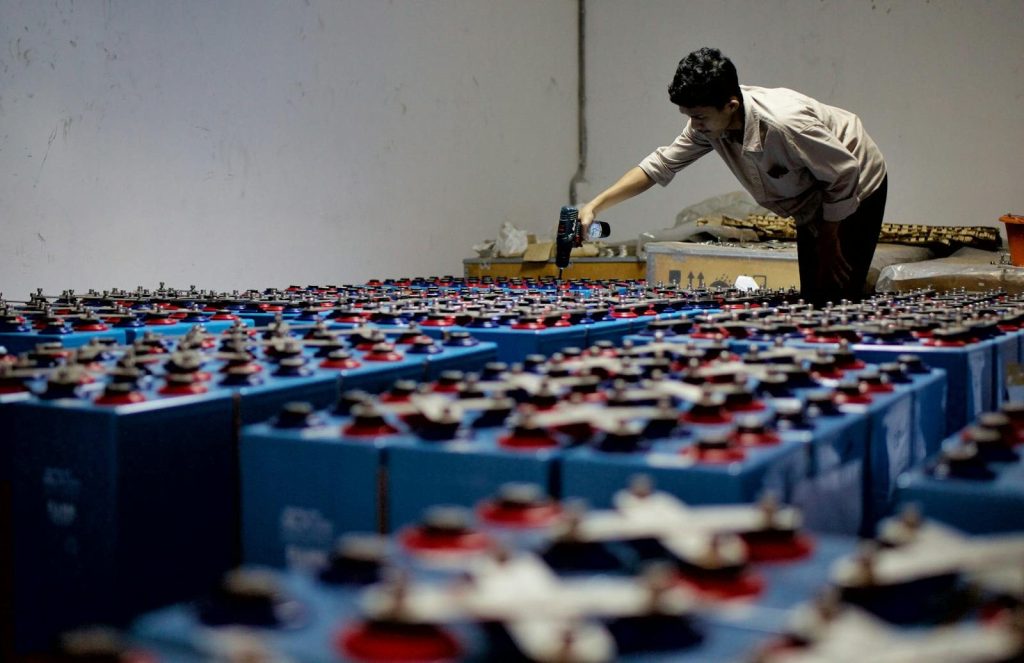
    Many lithium-ion batteries use cobalt, a costly material that has raised supply and sourcing concerns. Cobalt-free designs aim to reduce dependence on that material while keeping strong battery performance.

    These batteries could be useful in electric vehicles and everyday electronics. The challenge is finding alternatives that are stable, affordable, long-lasting, and ready for large-scale manufacturing.

    Sodium-ion batteries

    battery, battery pack, energy, electricity, electric, power supply, rechargeable, battery, battery, battery, battery, battery
    Photo by Didgeman on Pixabay

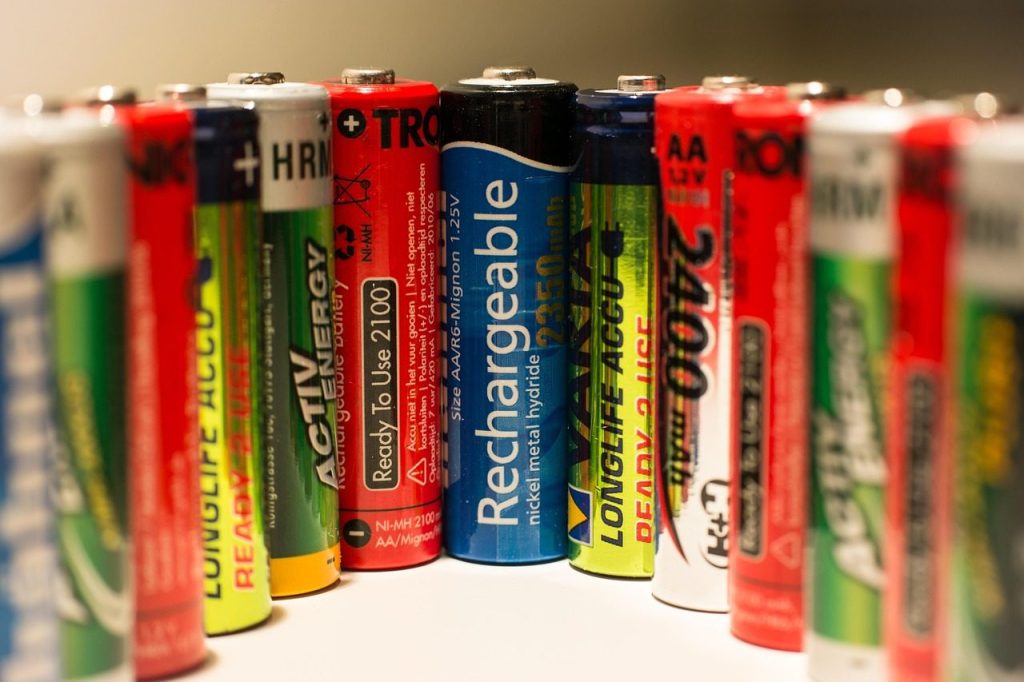
    Sodium-ion batteries work in a way that is similar to lithium-ion batteries, but they use sodium instead of lithium. Sodium is easier to find and may lower material costs.

    These batteries may be especially useful for grid storage and lower-cost applications. They usually store less energy than lithium-ion batteries, but they can offer safety and cold-weather advantages.

    Iron-air batteries

    a box in a tree
    Photo by Newpowa on Unsplash

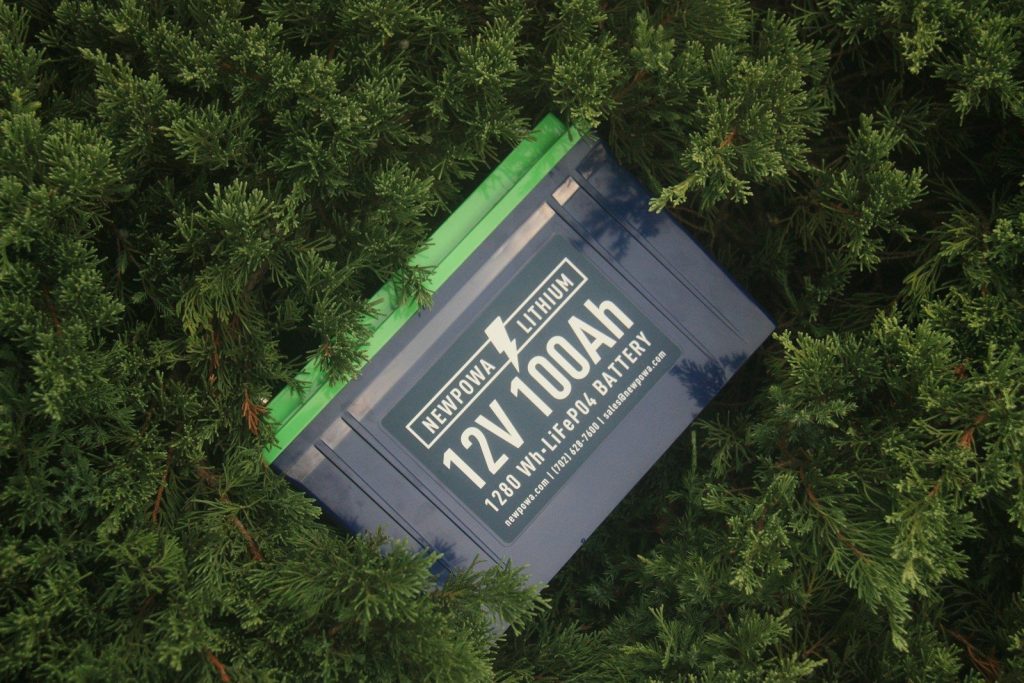
    Iron-air batteries use a process similar to rusting and reversing rust. During discharge, iron reacts with air, and during charging, the process is reversed.

    This design could be useful for storing energy over long periods, especially for power grids that rely on wind and solar. The tradeoff is size, since these batteries are not meant for small devices.

    Zinc-based batteries

    A bunch of black and white objects with a green arrow above them
    Photo by Igor Omilaev on Unsplash

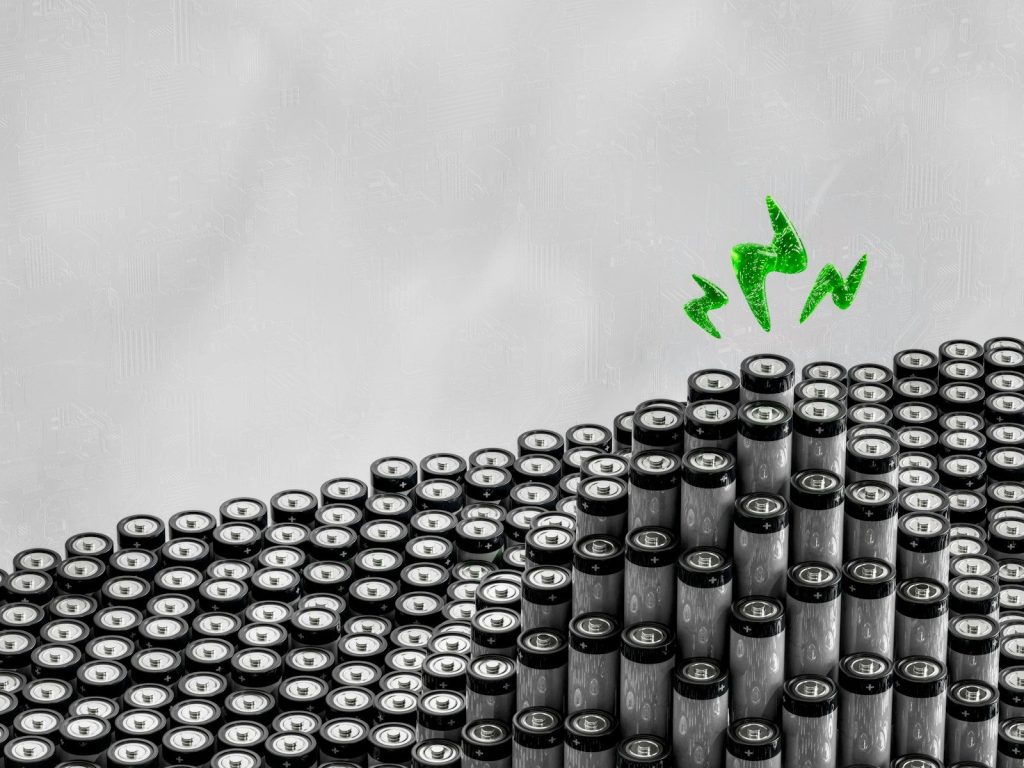
    Zinc-based batteries use zinc, a material that is widely available and often viewed as safer and easier to source. Several designs are being tested for energy storage.

    They may help store solar power for buildings, communities, or grid systems. Researchers still need to solve issues around efficiency, cost, and long-term reliability before wider use becomes practical.

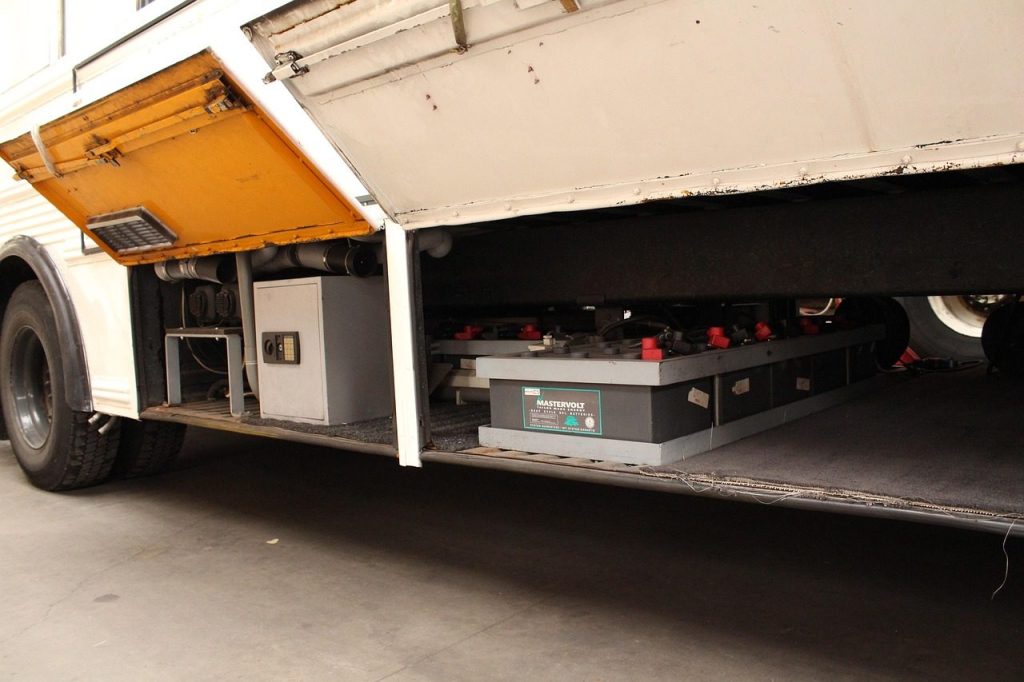
    Graphene batteries

    battery, battery food truck, battery, battery, battery, battery, battery
    Photo by braico on Pixabay

    Graphene is a thin form of carbon known for strong conductivity. In battery research, it could help improve charging speed, capacity, and overall battery life.

    The promise is exciting for electric vehicles, phones, and other devices. For now, the main hurdle is cost, because producing graphene batteries at large scale remains difficult.

    Silicon and LFP advances

    Detailed view of an electric car battery inside a vehicle's engine compartment, highlighting sustainable technology.
    Photo by Ayyeee Ayyeee on Pexels

    Silicon-carbon batteries can store more energy than traditional graphite-based designs, which may help devices last longer and charge faster. The challenge is managing expansion inside the battery.

    Lithium iron phosphate, or LFP, batteries are already gaining attention for safety, stability, and long life. They store less energy by weight, but they can work well for vehicles, buses, and home energy systems.

  • 8 ways wastewater could become a future resource

    8 ways wastewater could become a future resource

    Wastewater might sound like something we should simply get rid of, but that idea is starting to change. With the right treatment, used water from homes, businesses, storm drains, and industries can be cleaned and reused for safe purposes. That could make a big difference as many communities face growing demand, drought, and pressure on local water supplies.

    The real value is not just in saving water. Treated wastewater can help farms, parks, factories, wetlands, and even energy systems. It can also reduce pollution and protect cleaner freshwater for drinking and daily needs. Instead of seeing wastewater as the end of the line, cities and businesses are beginning to treat it as a resource that can be used again.

    It can stretch water supplies

    woman in white t-shirt pouring water on clear drinking glass
    Photo by Leo Okuyama on Unsplash

    Wastewater may not sound useful at first, but treated wastewater can become a steady water source for many everyday needs. That matters as communities face higher demand, dry seasons, and pressure on local water systems.

    Water reuse means cleaning water from sources like municipal wastewater, stormwater, or industrial processes and using it again for a safe purpose. The EPA says reuse can support water security, sustainability, and resilience.

    It can protect drinking water

    person holding clear drinking glass
    Photo by engin akyurt on Unsplash

    Not every job needs clean drinking water. Parks, golf courses, farms, and some industrial sites can often use properly treated non-potable water instead.

    That helps reserve freshwater for drinking, cooking, sanitation, and food production. EPA guidance notes that reused water can support uses such as landscape irrigation, agriculture, and other non-potable needs when treated for the right purpose.

    It can support farms

    pile of leafed plants
    Photo by Dan Meyers on Unsplash

    Agriculture needs a large and reliable water supply, especially in dry regions. Treated wastewater can help irrigate crops, fields, and landscaping when it meets safety and quality standards.

    This can reduce pressure on rivers, wells, and reservoirs. It also gives communities another tool when rainfall is low or traditional water sources are stretched thin.

    It can help industry

    gray and red factory building under a calm blue sky
    Photo by Alex Simpson on Unsplash

    Factories, data centers, and other industrial sites often need water for cooling, cleaning, and processing. In many cases, they do not need to use drinking-quality water for those jobs.

    The EPA says industrial reuse can include treated municipal wastewater, cooling water, boiler water, and water from onsite processes. Reusing it can lower demand for fresh supplies and improve long-term planning.

    It can reduce pollution

    a group of garbage floating in the ocean
    Photo by Naja Bertolt Jensen on Unsplash

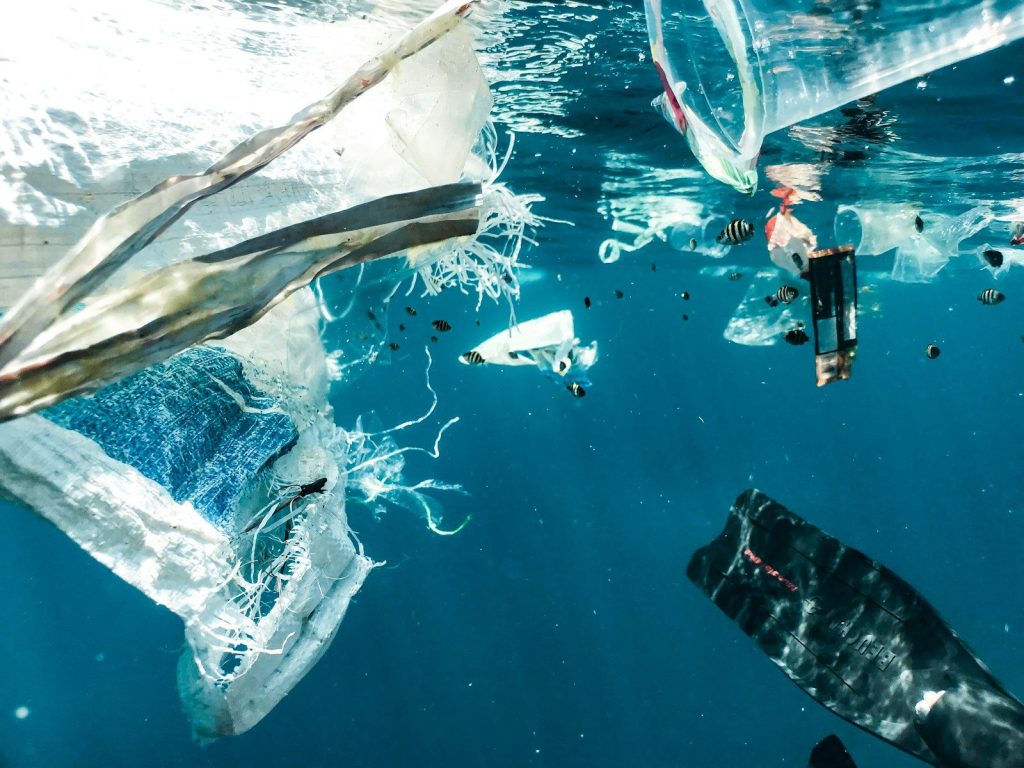
    When treated water is reused, less wastewater may be released into rivers, lakes, and coastal areas. That can help reduce the amount of nutrients and other unwanted substances entering natural waterways.

    The EPA has also noted that reuse can reduce exposure to contaminants because less wastewater is discharged into the environment. Cleaner flows can support healthier communities and ecosystems.

    It can restore ecosystems

    green grass and trees near river during daytime
    Photo by Ben Vaughn on Unsplash

    Water reuse is not only about people and buildings. It can also support wetlands, streams, and habitats that need steady water to stay healthy.

    EPA case studies say water reuse can help restore ecosystems by giving them a consistent water source, including created wetlands near wastewater treatment facilities. That turns a waste stream into part of environmental repair.

    It can save energy locally

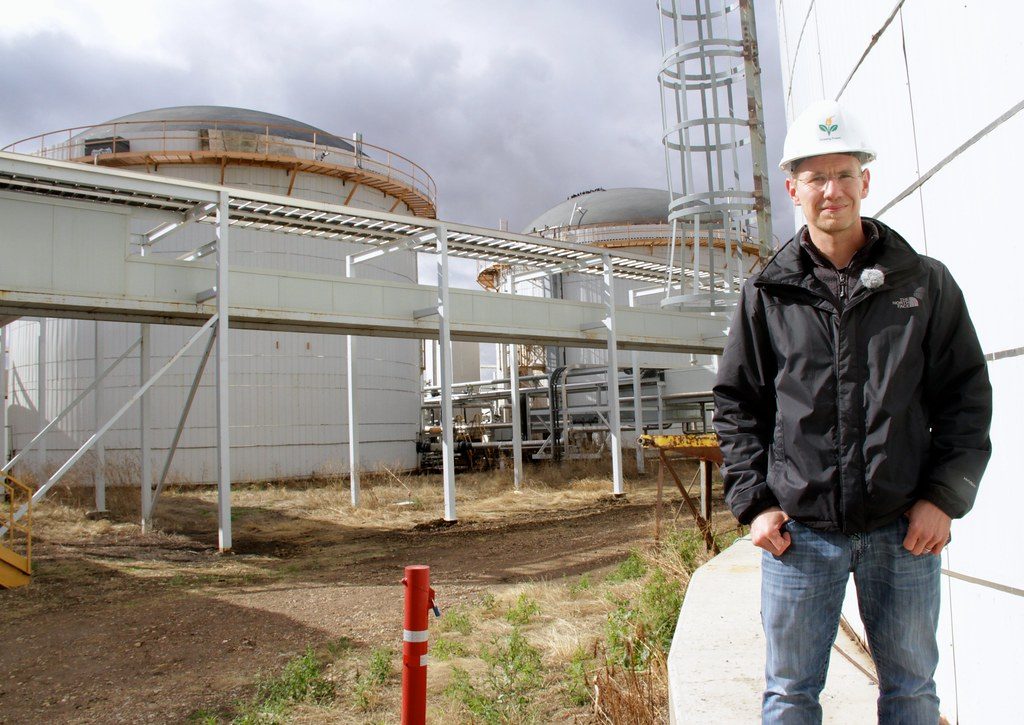
    Trevor Nickel with the Himark Biogas plant” by Green Energy Futures is licensed under CC BY-NC-SA 2.0

    Moving water long distances takes energy. Treating and reusing water closer to where it is needed can shorten that loop and reduce the strain on pipes, pumps, and large systems.

    Local reuse systems may be especially useful for campuses, neighborhoods, commercial sites, and remote facilities. When designed well, they can support both lower operating costs and more reliable water access.

    It can create new value

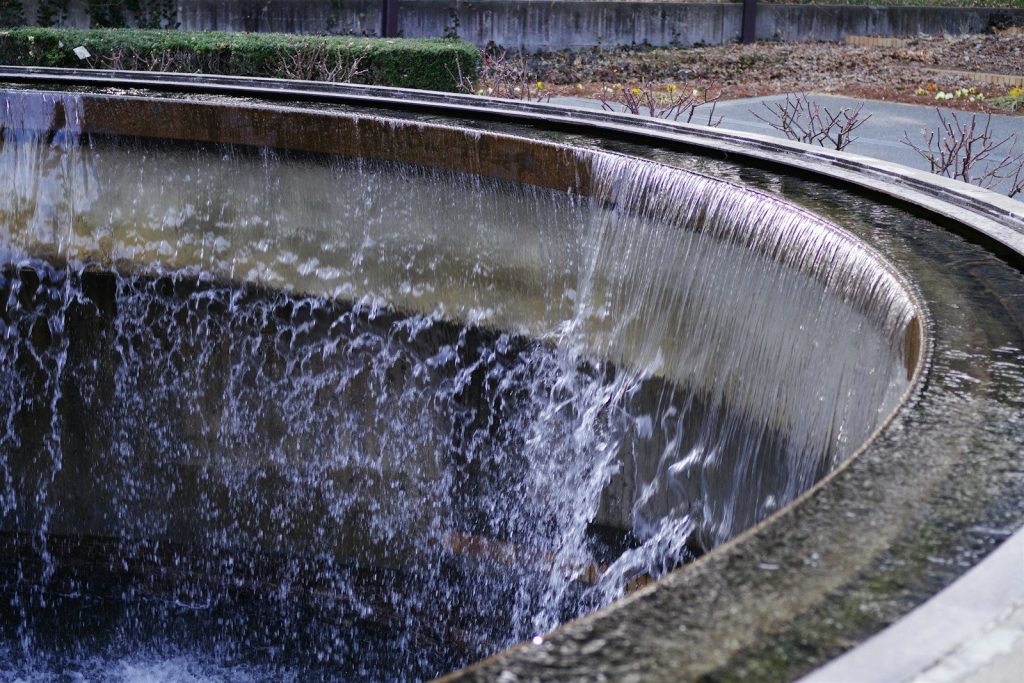
    Water cascades over the edge of a fountain.
    Photo by Naoki Suzuki on Unsplash

    Wastewater can hold more than water. Some systems can recover nutrients, produce biogas, or lower treatment and disposal costs for businesses and communities.

    That is why wastewater is increasingly being viewed as a resource, not just a problem to remove. As water scarcity grows, reuse can help communities build a more practical and flexible water future.

  • AI stuns researchers by creating life with barely any amino acids

    AI stuns researchers by creating life with barely any amino acids

    Life sounds like it should follow strict rules, but this experiment shows those rules may be more flexible than scientists once thought. Researchers used AI to redesign parts of E. coli, a common lab bacterium, and tested whether its protein-building machinery could still work after removing one familiar amino acid from key ribosome proteins.

    The result surprised many people watching the field. The engineered bacteria were not “new life” made from scratch, and they were not completely free of that amino acid.

    Still, one altered strain kept growing after major changes to 21 ribosomal proteins. The study points to a big idea: life may be able to work with a smaller set of building blocks than we once believed.

    A tiny cell made big news

    Army scientists energize battery research” by U.S. Army Combat Capabilities Development Command is licensed under CC BY-SA 2.0

    Life is built from tiny parts, and scientists just tested how flexible those parts can be. A research team used AI to redesign key pieces of E. coli, a common bacterium used in labs.
    The goal was bold but simple to understand: see whether important cell machinery could keep working after removing one familiar amino acid, isoleucine, from part of the system.

    Why amino acids matter

    blue white and yellow balloons
    Photo by Terry Vlisidis on Unsplash

    Amino acids are often called the building blocks of proteins. Proteins help cells grow, repair, move materials, and carry out many jobs that keep living things going.

    Most known life uses 20 standard amino acids to build proteins. That number has long seemed like a basic rule of biology, which is why this experiment caught so much attention.

    The target was isoleucine

    chemist, laboratory, analysis, chemistry, research, woman, female, girl, laboratory, laboratory, laboratory, laboratory, laboratory, chemistry, chemistry, research, research
    Photo by jarmoluk on Pixabay

    The team focused on isoleucine because it has some similarities to other amino acids, including leucine and valine. That made it a possible candidate for replacement in certain proteins.

    The researchers did not remove isoleucine from the whole bacteria. Instead, they aimed at the ribosome, the cell’s protein-building machine, where even small changes can be hard to pull off.

    The ribosome was the challenge

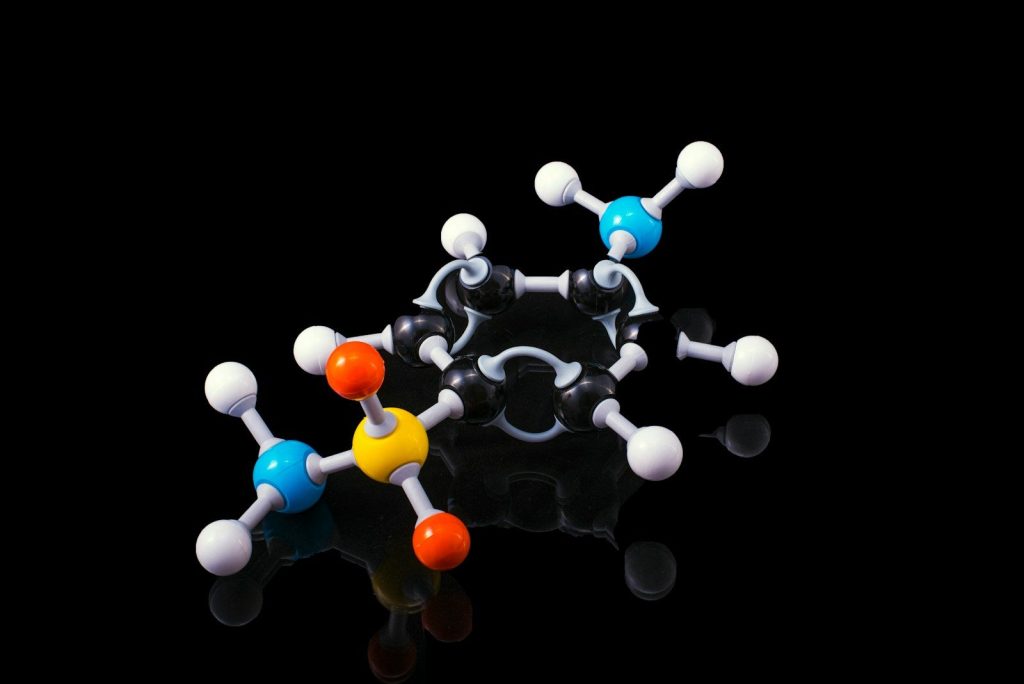
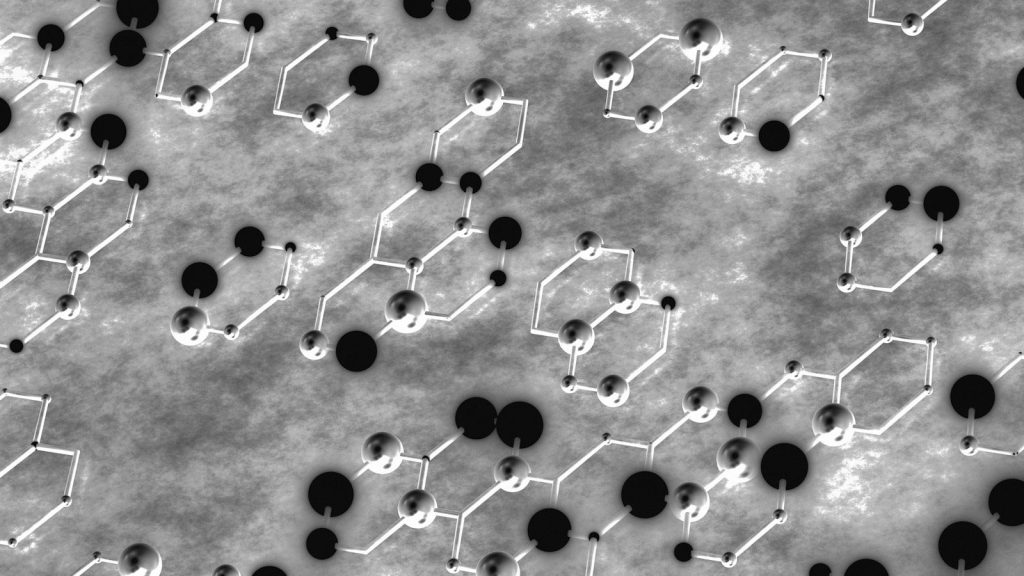
    Abstract molecular structure with hexagonal rings and spheres.
    Photo by Logan Voss on Unsplash

    The ribosome is one of the busiest and most important parts of a cell. It reads genetic instructions and helps assemble proteins piece by piece.

    Changing it is not like swapping a battery in a toy. The ribosome has many moving parts, and if the wrong pieces are changed, the cell may grow poorly or stop growing at all.

    AI offered new designs

    man designing wireframes at desk with laptop
    Photo by UX Indonesia on Unsplash

    Instead of guessing every change by hand, the researchers used AI protein tools to suggest new sequences. These tools helped predict which changes might still allow the ribosome to work.

    Some suggestions were not obvious choices a person might pick first. That is part of what made the work important: AI helped explore more options much faster than traditional trial and error.

    Many attempts did not work

    person holding tube
    Photo by CDC on Unsplash

    The experiment was not a quick win. Many changed bacteria strains struggled, grew slowly, or failed. That showed how difficult it is to rewrite even a small part of life’s instructions.

    Still, some versions survived. Out of many test designs, researchers found strains that could handle key ribosome changes without falling apart right away.

    One strain kept growing

    MRSA and E. coli” by Thad Zajdowicz is licensed under CC BY 2.0

    The final engineered bacteria had 21 ribosomal proteins redesigned without isoleucine. It still grew more slowly than normal E. coli, but it stayed alive and continued reproducing.

    Reports noted that the altered strain remained stable for more than 450 generations. That gave scientists a stronger reason to believe cells can handle bigger changes than once expected.

    It was not fully rebuilt

    woman holding laboratory appratus
    Photo by CDC on Unsplash

    The discovery is exciting, but it is important not to overstate it. The bacteria was not completely free of isoleucine across its entire genome.

    Most of the organism still relied on the usual 20 amino acids. The breakthrough was that a major part of its protein-making machinery could function after a large set of targeted changes.

    It may explain early life

    scientist using pipette with test tubes in lab
    Photo by Julia Koblitz on Unsplash

    Scientists have long wondered whether early life used a smaller set of amino acids before today’s common system became established. This experiment gives that idea more support.

    It does not prove exactly how life began. But it shows that a simpler amino acid “alphabet” may be possible in some biological systems, which could help researchers study life’s earliest stages.

    What could come next

    people inside room
    Photo by Trust “Tru” Katsande on Unsplash

    This work may one day help scientists design safer, more controlled synthetic organisms for research. Such organisms could be built to depend on special lab conditions and not thrive easily outside them.

    For now, the biggest takeaway is curiosity. AI did not magically create life from nothing, but it helped researchers test a deep question about how flexible living systems can be.

  • Scientists reveal living plastic that can destroy itself in just 6 days

    Scientists reveal living plastic that can destroy itself in just 6 days

    Plastic has made modern life easier, but it has also created a problem that refuses to go away. A bottle, wrapper, or package may be used for only a few minutes, yet the plastic can persist for decades. That is why a new study on “living plastic” is catching attention.

    Scientists in China have developed a material that can help destroy itself when the right conditions are triggered. Instead of just breaking into tiny pieces, the plastic uses dormant bacteria and enzymes to attack itself from the inside. In lab tests, it nearly disappeared in just six days. The idea is still early and not ready for store shelves, but it could point to a future where some plastics are designed with an ending built in.

    Plastic with a built-in exit

    a bottle of water
    Photo by Amr Taha™ on Unsplash

    Plastic is useful, but it often stays around long after we are done with it. That is a big reason scientists keep searching for smarter materials that do not linger for years.

    Researchers in China have now developed a “living plastic” designed to break down when triggered. The material uses dormant bacteria and special enzymes to help destroy the plastic from within.

    Tiny helpers do the work

    person holding tube
    Photo by CDC on Unsplash

    The team used Bacillus subtilis, a common bacterium, in a dormant spore form. That helped keep the microbes inactive while the plastic was still being used.

    When the right conditions arrived, the spores became active and released plastic-degrading enzymes. Instead of the plastic simply cracking into smaller bits, the system was designed to break the material down more completely.

    Two enzymes worked together

    blue white and yellow balloons
    Photo by Terry Vlisidis on Unsplash

    Earlier “living plastic” ideas often relied on one enzyme. This new design used two bacterial strains, each making a different enzyme that attacks the plastic in its own way.

    One enzyme cuts long plastic chains into smaller pieces. The other keeps breaking those pieces down from the ends. Working together, they made the process faster and more complete than a single-enzyme approach.

    The plastic vanished quickly

    the bottle, plastic, segregation, processing, recycling, reflection, container, waste, garbage, responsibility, throw, blue, services, pollution, empty, shine, wet, problem, to treat with, transparent, plastic waste, earth day, plastic, plastic, plastic, plastic, plastic, recycling, waste, plastic waste
    Photo by pasja1000 on Pixabay

    The researchers tested the system using polycaprolactone, a plastic used in some 3D printing applications and medical materials. The spores were built into the plastic without ruining its basic strength.

    When the material was placed in nutrient broth and warmed to 50 degrees Celsius, the bacteria activated. The plastic was nearly completely degraded within six days, according to the study.

    Microplastics were the concern

    white red yellow and blue plastic straw lot
    Photo by FlyD on Unsplash

    One of the biggest worries with plastic breakdown is that it may leave tiny pieces behind. Those microplastics can spread through soil, water, and food systems.

    This study is drawing attention because the material was reported to break down without creating microplastics. That detail matters because a plastic that only turns into smaller pollution would not solve the larger problem.

    It is not ready for stores

    blue plastic bottle on orange surface
    Photo by Zuzanna Szczepańska on Unsplash

    This breakthrough happened under controlled lab conditions, not in a regular trash bin or ocean setting. The plastic needed nutrients and heat to activate the bacteria.

    That means shoppers should not expect self-destructing packaging on shelves right away. Researchers still need to test how this idea works in real-world settings, including water, where a lot of plastic waste eventually ends up.

    The idea could grow

    chemist, laboratory, analysis, chemistry, research, woman, female, girl, laboratory, laboratory, laboratory, laboratory, laboratory, chemistry, chemistry, research, research
    Photo by jarmoluk on Pixabay

    Scientists hope this method could one day be adapted for other plastics, including materials used in short-life products. Packaging, temporary devices, and certain specialty materials could be possible future targets.

    The bigger idea is simple but powerful: make plastic durable when needed, then give it a safe way to disappear later. It is an early step, but it points toward smarter materials with planned endings.

  • 9 materials that quietly power modern life

    9 materials that quietly power modern life

    Modern life runs on materials most of us rarely think about. We notice the phone, car, bridge, laptop, battery, or internet connection, but not always the steel, copper, silicon, glass, graphite, and other materials making it all work. They sit behind the scenes, quietly holding together the world we use every day.

    These materials may not seem exciting at first, but they shape almost everything around us. Some carry electricity, some store energy, some make buildings stronger, and others help data move at high speed. As technology grows and clean energy becomes more important, these basic materials are becoming even more valuable. Here are the everyday materials that quietly power modern life.

    Steel holds the world together

    yellow metal tower with yellow metal frame
    Photo by Luca Upper on Unsplash

    Steel is everywhere, even when we barely notice it. It helps form cars, bridges, appliances, ships, tools, buildings, rail lines, and medical equipment.

    Its strength is only part of the story. Steel can also be recycled again and again without losing key properties, which is why it remains one of the most important engineering and construction materials in daily life.

    Concrete shapes our cities

    seven construction workers standing on white field
    Photo by Scott Blake on Unsplash

    Sidewalks, highways, dams, schools, homes, tunnels, and skyscrapers all depend on concrete. It is one of the quiet materials that makes modern communities feel solid and permanent.

    Ready-mixed concrete is used in many types of construction, from bridges to superhighways. Its simple ingredients can be shaped on site, then hardened into the foundations people rely on every day.

    Copper carries the current

    brown pendant lamp turned off
    Photo by laura adai on Unsplash

    Copper is the hidden helper behind much of modern electricity. It moves power through building wiring, electrical equipment, telecommunications systems, and countless electronic products.

    That makes it essential for homes, offices, cars, data networks, and power grids. As more devices and clean-energy systems need electricity, copper keeps playing a central role in how energy reaches people.

    Silicon runs the digital world

    pink green and blue square pattern
    Photo by Laura Ockel on Unsplash

    Silicon may look ordinary, but it sits at the heart of modern technology. It is used in computer chips, solar panels, sensors, and many electronic systems.

    Without silicon, daily life would look very different. Phones, laptops, cars, appliances, medical tools, and internet systems all depend on electronics that need reliable semiconductor materials to work.

    Lithium stores portable power

    a large truck driving down a dirt road
    Photo by MiningWatch Portugal on Unsplash

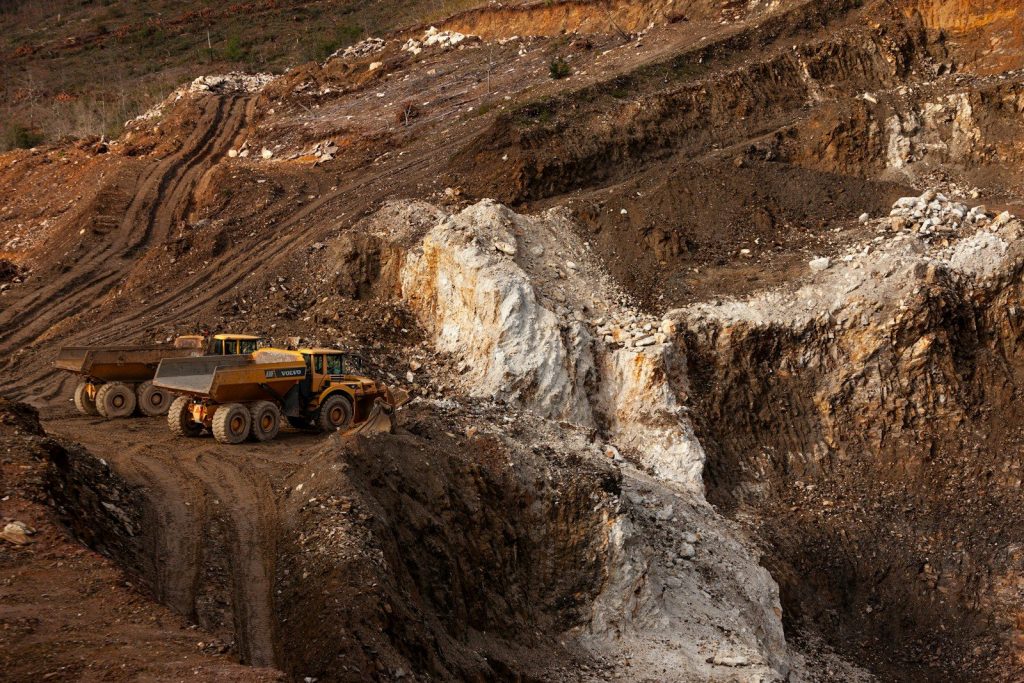
    Lithium helps make rechargeable batteries light, compact, and useful. That is why it matters for phones, laptops, electric vehicles, power tools, and home energy storage.

    The Department of Energy lists lithium, cobalt, and high-purity nickel as important materials for energy storage technologies. As clean power grows, better batteries will keep making lithium part of the conversation.

    Rare earths make magnets work

    a bunch of different colored rocks on a table
    Photo by Takemaru Hirai on Unsplash

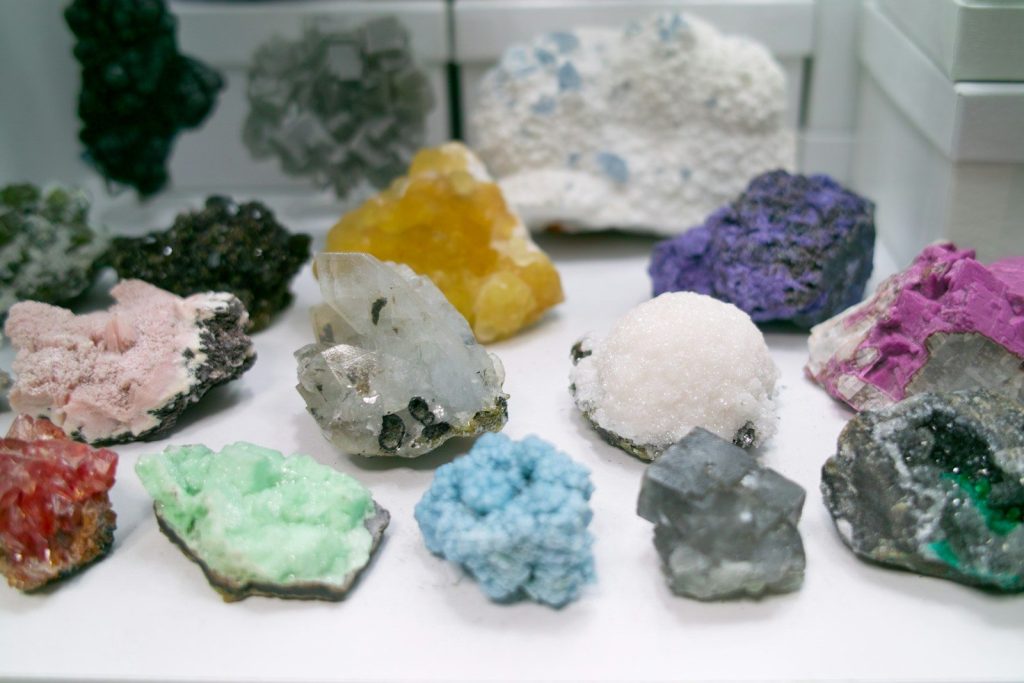
    Rare earth elements often appear in tiny amounts, but their impact is huge. They help make strong permanent magnets used in electric motors, wind turbines, speakers, and electronics.

    The International Energy Agency says rare earth elements are important for magnets in electric vehicle motors and wind turbines. These materials help turn electricity into motion, and motion back into power.

    Aluminum keeps things light

    person drilling metal bar
    Photo by Blaz Erzetic on Unsplash

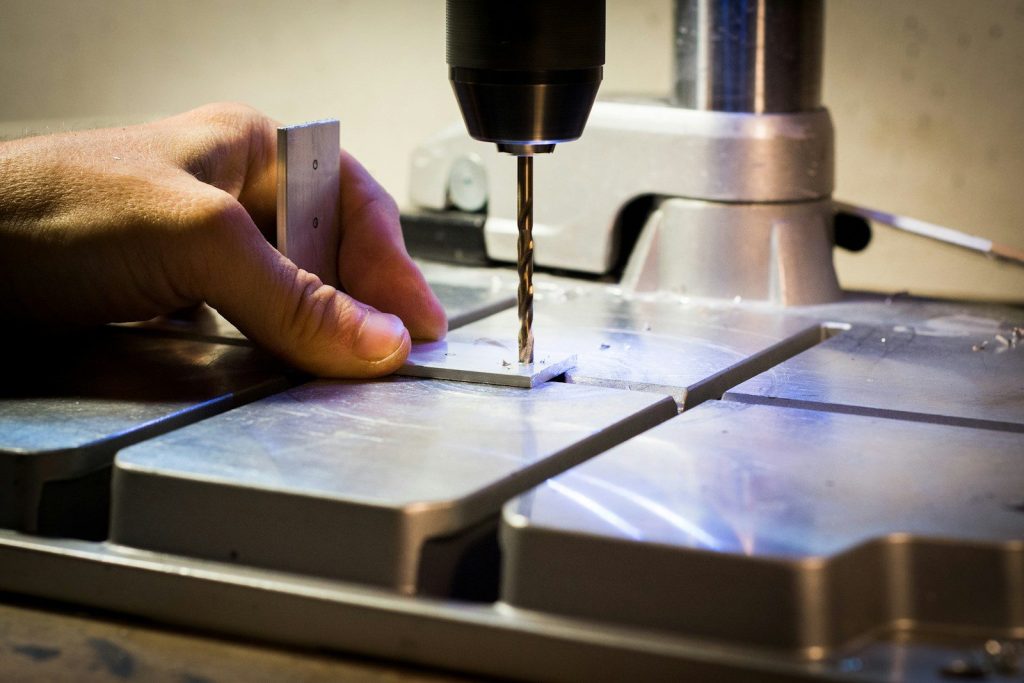
    Aluminum is valued because it is strong, light, and useful in many forms. It appears in cars, planes, boats, packaging, buildings, appliances, and electronics.

    Its low weight makes it especially helpful in transportation, where lighter parts can improve efficiency. It also supports everyday products that need durability without too much bulk, from laptops to kitchen items.

    Glass connects the internet

    modern glass building at dusk with light trails
    Photo by Tiomothy Swope on Unsplash

    Glass is not just for windows and bottles. In fiber-optic cables, very pure glass carries data as light, helping power fast internet and modern communications.

    Fiber networks support homes, offices, data centers, streaming, cloud services, and video calls. Corning notes that fiber-to-the-premise can greatly improve connection speed and reliability compared with older copper systems.

    Graphite helps batteries breathe

    gray rock formation on gray rock at daytime
    Photo by Martin Turgoose on Unsplash

    Graphite is easy to overlook, but it plays a key role in many lithium-ion batteries. It helps store and release energy as batteries charge and power devices.

    The IEA lists graphite among the materials that are crucial to battery performance, along with lithium, nickel, cobalt, and manganese. That makes graphite a quiet part of phones, electric vehicles, and energy storage systems.

  • 8 space technologies that could help life on Earth

    8 space technologies that could help life on Earth

    Space technology may sound like something built only for astronauts, rockets, and distant planets, but a lot of it is already helping people on Earth. Satellites track dangerous storms, monitor crops, guide emergency crews, and help scientists understand changes in water, land, ice, and weather. In many ways, space has become one of the best tools for watching our own planet.

    The most exciting part is that these ideas are still growing. Solar power from orbit, remote medical tools, stronger materials, and space manufacturing could one day solve problems much closer to home. Some of these technologies are already useful, while others are still being tested. Together, they show that exploring space is not only about looking outward. It can also make life safer, smarter, and more sustainable here on Earth.

    Satellites watch Earth closely

    A space satellite hovering above the coastline
    Photo by SpaceX on Unsplash

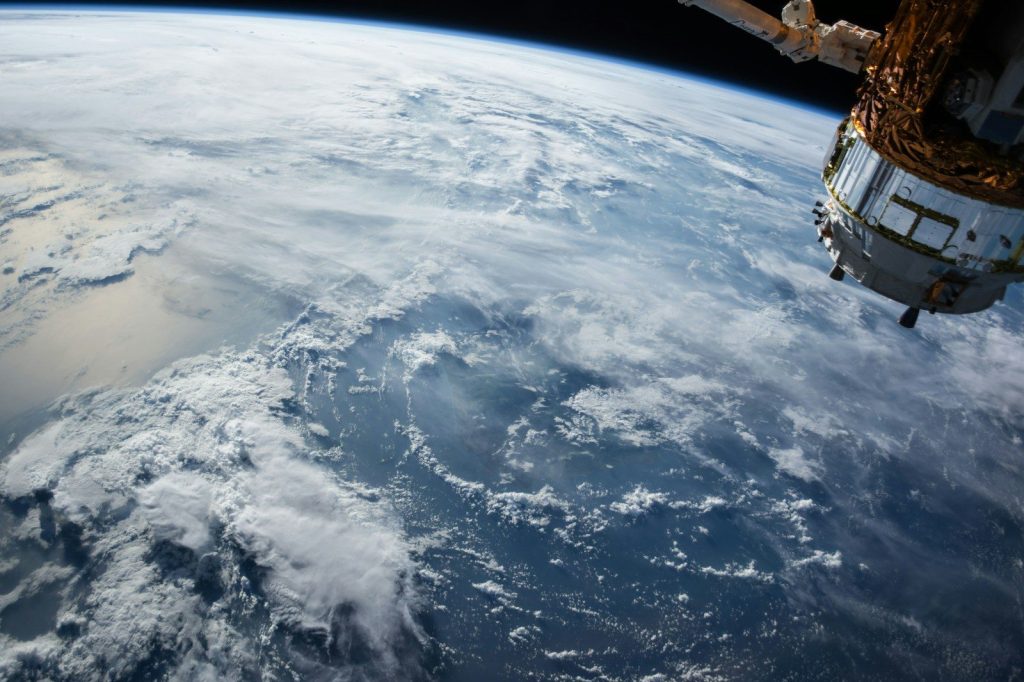
    Space may feel far away, but satellites help us understand what is happening right here at home. They track storms, wildfires, drought, crops, oceans, ice, and changes in land.

    NASA says Earth science data helps decision-makers respond to needs like hurricanes, wildland fires, and water supplies for farming. That makes satellites useful for safety, planning, and everyday life.

    Space data helps farmers

    Iconic NASA Vehicle Assembly Building at Kennedy Space Center, Cape Canaveral, Florida, USA.
    Photo by Phyllis Lilienthal on Pexels

    Farmers need good information about soil, water, weather, and crop health. Satellites can spot changes across large areas faster than people can from the ground.

    NASA’s Landsat program supports agriculture by giving repeated views of farmland over time. This helps track crop conditions, food security, drought, and water needs with clear, consistent data.

    Solar power from orbit

    solar panel under blue sky
    Photo by American Public Power Association on Unsplash

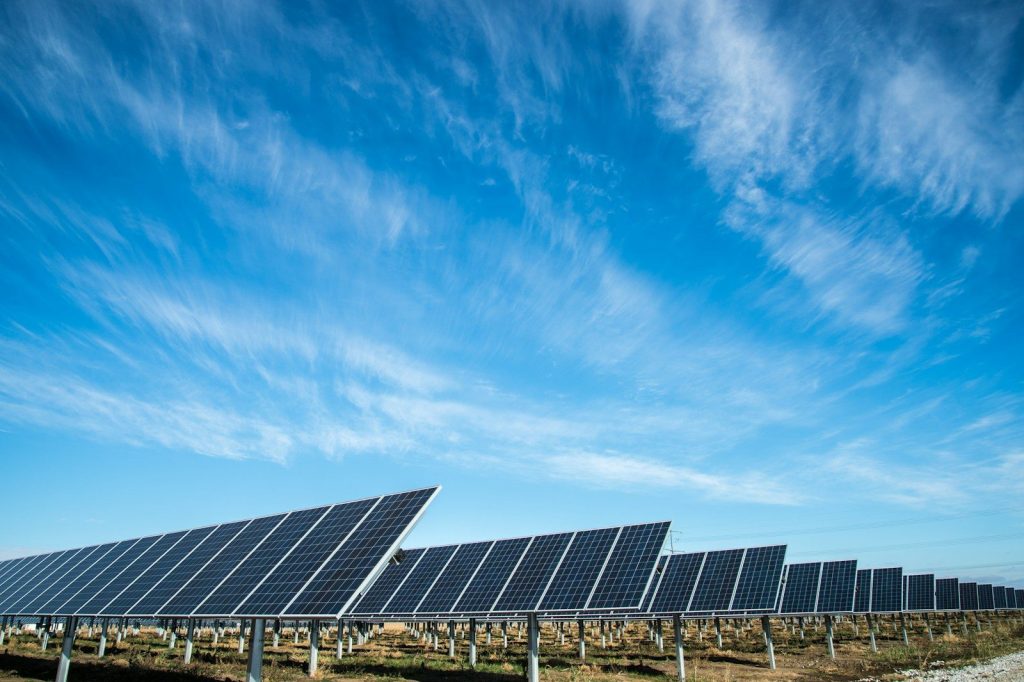
    Space-based solar power sounds futuristic, but the idea is simple. Solar panels in orbit could collect sunlight and send energy down to Earth.

    Supporters believe this could one day provide steady clean power, even when it is cloudy or dark on the ground. The technology still needs major testing, but it could become part of future energy planning.

    Better emergency communication

    an artist's rendering of a space station in orbit
    Photo by Alessandro Ferrari on Unsplash

    After storms, floods, fires, or other disasters, communication can fail when people need it most. Space-linked systems can help restore contact in remote or damaged areas.

    The GATR inflatable satellite communication system was designed as a portable antenna that connects through geostationary satellites. It has been used for emergency relief and other critical communication needs.

    Space medicine comes home

    person in white and blue robot costume
    Photo by YUE LIU on Unsplash

    Astronauts need medical tools that are small, reliable, and easy to use far from a hospital. Those same ideas can help people in rural or hard-to-reach places on Earth.

    NASA says space-based ultrasound work helped crew members with limited training capture useful medical images with support from experts on the ground. That kind of remote care can support telemedicine.

    New materials improve products

    a space station with a satellite attached to it
    Photo by NASA Hubble Space Telescope on Unsplash

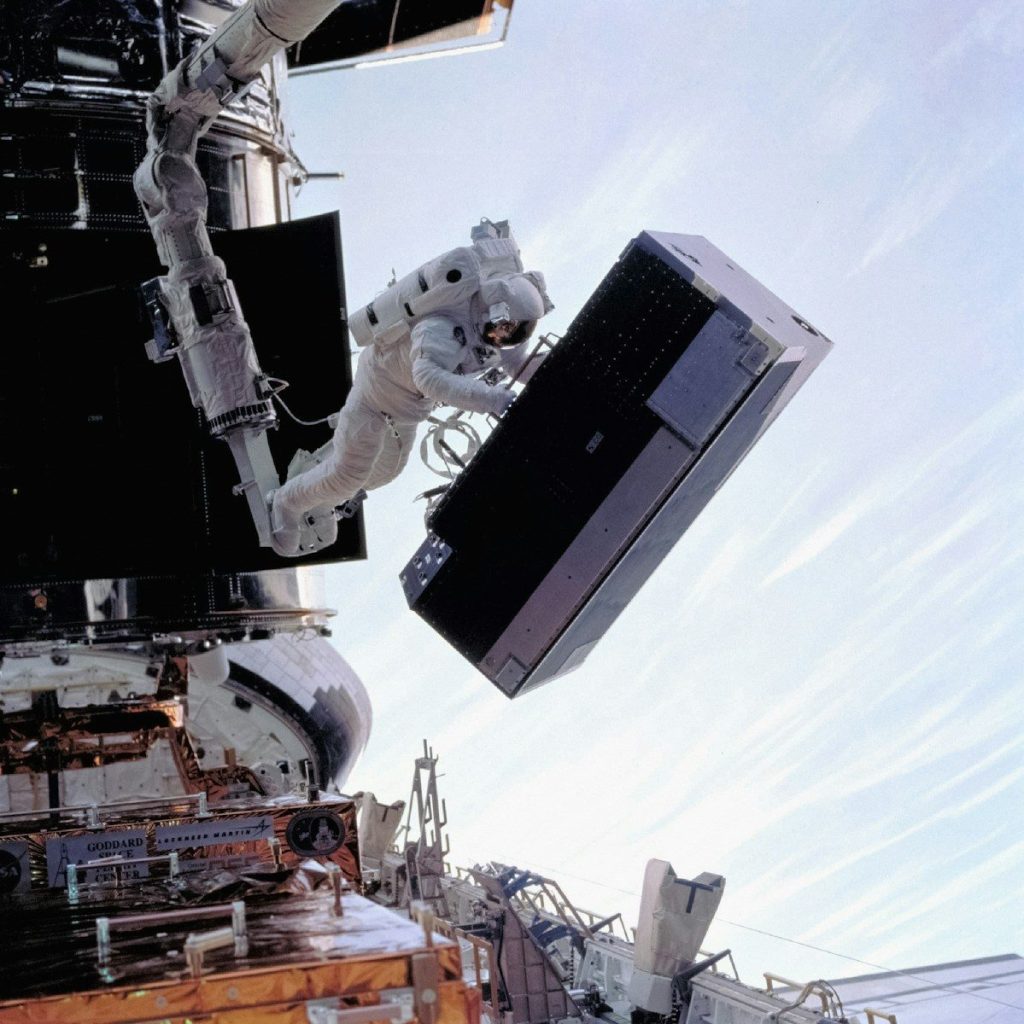
    Space missions push engineers to create materials that are lighter, stronger, and better at handling heat, pressure, and stress. Those advances can later move into everyday industries.

    NASA’s Spinoff program tracks technologies that began with space research and later helped life on Earth. These include commercial products in medicine, transportation, safety, energy, and more.

    Space manufacturing may help

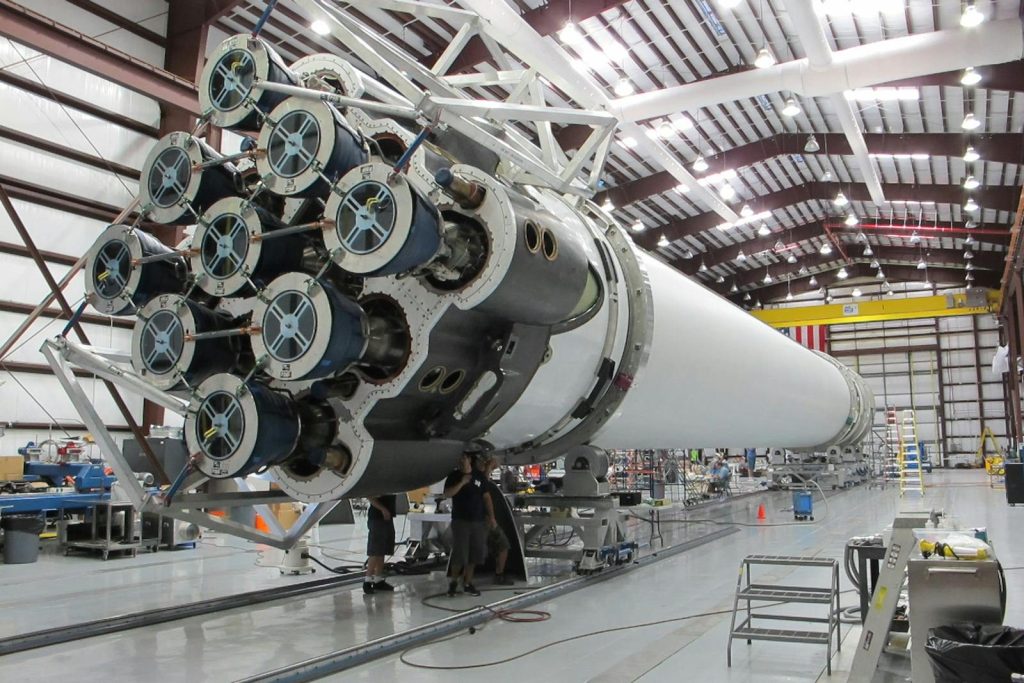
    Low angle of innovative rocket core detail under construction at modern futuristic industrial factory
    Photo by SpaceX on Pexels

    Microgravity can change how materials, crystals, and fibers form. In space, some products may be made with qualities that are difficult to create on Earth.

    Researchers are exploring space manufacturing for items like advanced fibers, medical materials, and future construction parts. If costs fall, space-made products could support communications, health research, and high-performance technology.

    Fs protect services

    a group of people standing in front of a large screen
    Photo by Matt Benson on Unsplash

    Modern life depends on satellites for weather alerts, navigation, banking time signals, internet links, and disaster tracking. Space debris can threaten those useful systems.

    That is why debris tracking, collision avoidance, and future cleanup tools matter. Keeping orbit safer helps protect the satellite services people use every day, often without thinking about them.

  • The hidden science behind tracking space rocks before they arrive

    The hidden science behind tracking space rocks before they arrive

    Space rocks do not arrive with flashing warning signs. Most look like tiny moving dots against a sky full of stars. Yet behind those dots is a global tracking system built from telescopes, math, shared data, and constant updates. Scientists do not simply “see” an asteroid once and know where it will go. They collect repeated observations, compare positions, calculate an orbit, and keep improving that path as more data arrives.

    That work matters because near-Earth objects can pass close to our planet, and early warning gives researchers more time to study them. NASA’s Center for Near-Earth Object Studies, known as CNEOS, calculates orbit paths and checks possible future close approaches for known near-Earth objects.

    Tiny dots tell big stories

    an artist's rendering of a space ship approaching a planet
    Photo by Javier Miranda on Unsplash

    Most asteroids are not seen as giant rocks in a telescope. They often appear as small points of light moving slowly against the background stars.

    That motion is the first clue. Once astronomers spot it, they can report the object’s position and time. Those early measurements help scientists begin building a path for where the object may travel next.

    Sky surveys never sleep

    Taking Pictures From Space (NASA, 09/08/09)” by NASA’s Marshall Space Flight Center is licensed under CC BY-NC-ND 2.0

    Asteroid tracking depends on wide-field surveys that scan large parts of the night sky again and again. These systems are built to notice movement, not just take pretty space pictures.

    NASA says ATLAS became able to search the entire dark sky every 24 hours after new telescopes were added. That makes it a major part of the search for near-Earth objects.

    One sighting is not enough

    view of Earth and satellite
    Photo by NASA on Unsplash

    A single observation can start the process, but it does not tell the whole story. Scientists need several sightings over time to understand an asteroid’s speed, direction, and orbit.

    The more observations they collect, the smaller the uncertainty becomes. That is why an object’s risk estimate can change quickly after discovery. New data often makes the path clearer.

    The math does heavy lifting

    Asteroid Lutetia and Saturn” by europeanspaceagency is licensed under CC BY-SA 2.0

    Once an asteroid is reported, computers compare its position with gravity, time, and possible future paths. This is where tracking becomes more than just watching the sky.

    CNEOS uses reported positions to compute high-precision orbits and study possible future locations of hazardous objects near Earth. If needed, it can also estimate impact timing and location.

    Close does not mean danger

    astronaut, space suit, space, universe, galaxy, outer space, space travel, astronautics, astronomy, cosmonaut, astronaut suit, space walk, astronaut, astronaut, astronaut, astronaut, space, space, space, space, space
    Photo by WikiImages on Pixabay

    Many asteroids pass near Earth without posing a threat. In space terms, “close” can still mean thousands or millions of miles away.

    That is why scientists focus on the exact path, not scary labels. CNEOS predicts close approaches and makes impact hazard assessments to support NASA’s planetary defense work.

    Risk numbers can change

    Beautiful starry sky with meteors streaking over a rocky cliff at night.
    Photo by FURKAN GÜNEŞ on Pexels

    When a new asteroid is first discovered, its future path may be uncertain. Early risk numbers can rise or fall as scientists gather more observations.

    That happened with asteroid 2024 YR4. NASA first monitored a small possible risk, then later said new calculations showed no significant threat to Earth in 2032 and beyond.

    Global teams share the load

    Bronze statue of Apollo astronauts at Cape Canaveral, holding a flag.
    Photo by Frankie Hatton on Pexels

    No single observatory can watch the whole sky perfectly. Weather, daylight, location, and equipment limits all matter.

    That is why planetary defense uses a network approach. ESA says its Planetary Defence Office runs observation campaigns, searches for potentially hazardous asteroids, and calculates their orbits.

    Infrared eyes may help

    Two astronauts in silver space suits stand in a desert, depicting a Mars-like exploration scene.
    Photo by RDNE Stock project on Pexels

    Some asteroids are dark, which makes them harder to spot in visible light. Future space telescopes can help by looking for heat instead of only reflected sunlight.

    NASA’s NEO Surveyor is designed as a space telescope focused on detecting asteroids and comets that may be potential hazards. NASA lists its launch as no earlier than September 2027.

    Faster warning means more options

    Majestic comet and starry night sky above dramatic rock formations in Durango, Mexico.
    Photo by S L V on Pexels

    The earlier scientists find a space rock, the more time they have to study it. That time can help improve orbit predictions and guide future planning.

    Early warning does not mean panic. It means better information. With more lead time, experts can make calmer, clearer decisions based on data instead of guesses.

    Tracking protects curiosity too

    Two astronauts holding hands, exploring rocky Mars-like terrain.
    Photo by RDNE Stock project on Pexels

    Asteroid tracking is not only about safety. These objects are leftovers from the early solar system, so every close pass can teach scientists something.

    By watching them carefully, researchers learn about their size, path, brightness, and behavior. The same science that helps protect Earth also helps explain how our neighborhood in space was built.