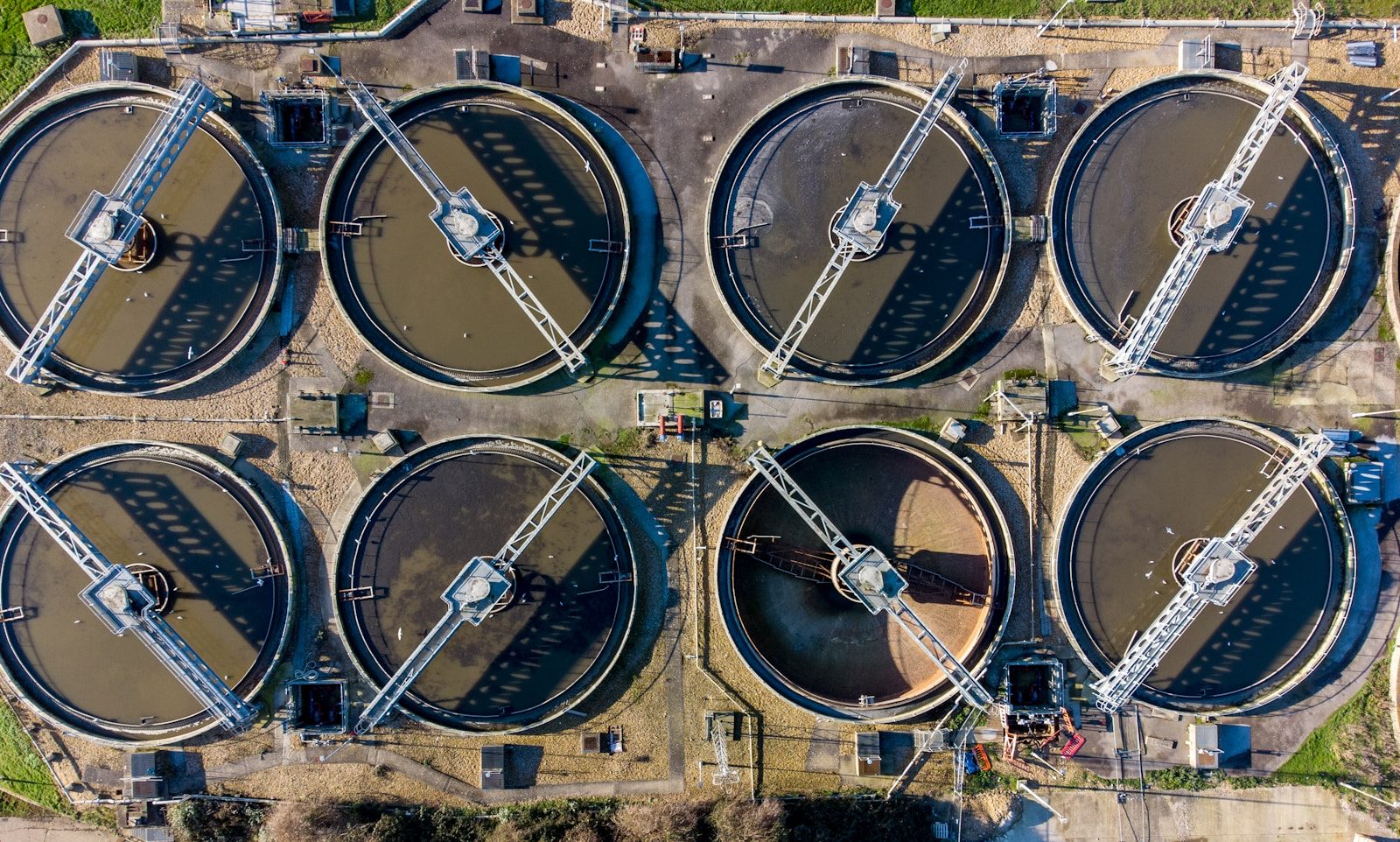
Wastewater might sound like something we should simply get rid of, but that idea is starting to change. With the right treatment, used water from homes, businesses, storm drains, and industries can be cleaned and reused for safe purposes. That could make a big difference as many communities face growing demand, drought, and pressure on local water supplies.
The real value is not just in saving water. Treated wastewater can help farms, parks, factories, wetlands, and even energy systems. It can also reduce pollution and protect cleaner freshwater for drinking and daily needs. Instead of seeing wastewater as the end of the line, cities and businesses are beginning to treat it as a resource that can be used again.
It can stretch water supplies
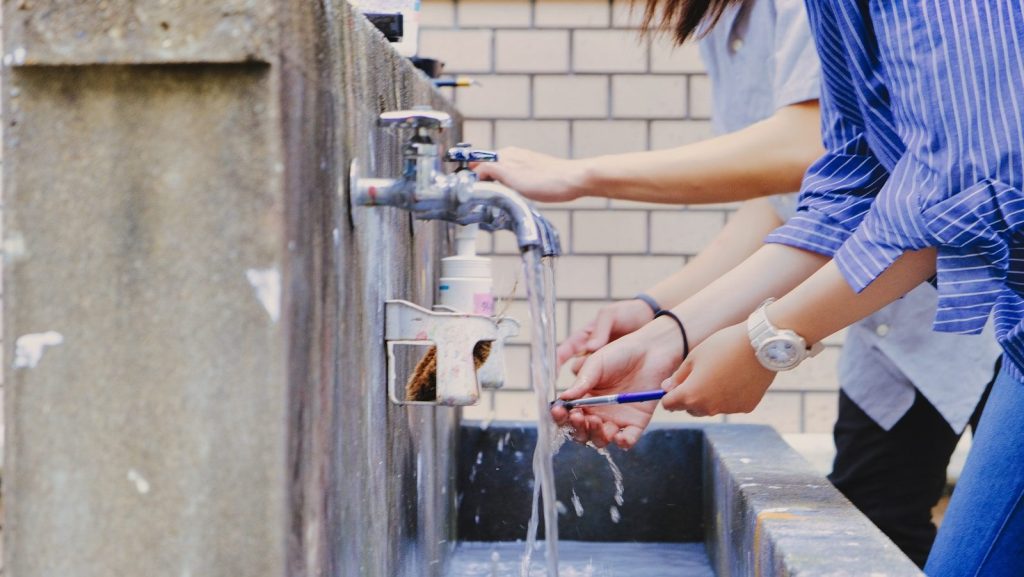
Wastewater may not sound useful at first, but treated wastewater can become a steady water source for many everyday needs. That matters as communities face higher demand, dry seasons, and pressure on local water systems.
Water reuse means cleaning water from sources like municipal wastewater, stormwater, or industrial processes and using it again for a safe purpose. The EPA says reuse can support water security, sustainability, and resilience.
It can protect drinking water

Not every job needs clean drinking water. Parks, golf courses, farms, and some industrial sites can often use properly treated non-potable water instead.
That helps reserve freshwater for drinking, cooking, sanitation, and food production. EPA guidance notes that reused water can support uses such as landscape irrigation, agriculture, and other non-potable needs when treated for the right purpose.
It can support farms

Agriculture needs a large and reliable water supply, especially in dry regions. Treated wastewater can help irrigate crops, fields, and landscaping when it meets safety and quality standards.
This can reduce pressure on rivers, wells, and reservoirs. It also gives communities another tool when rainfall is low or traditional water sources are stretched thin.
It can help industry
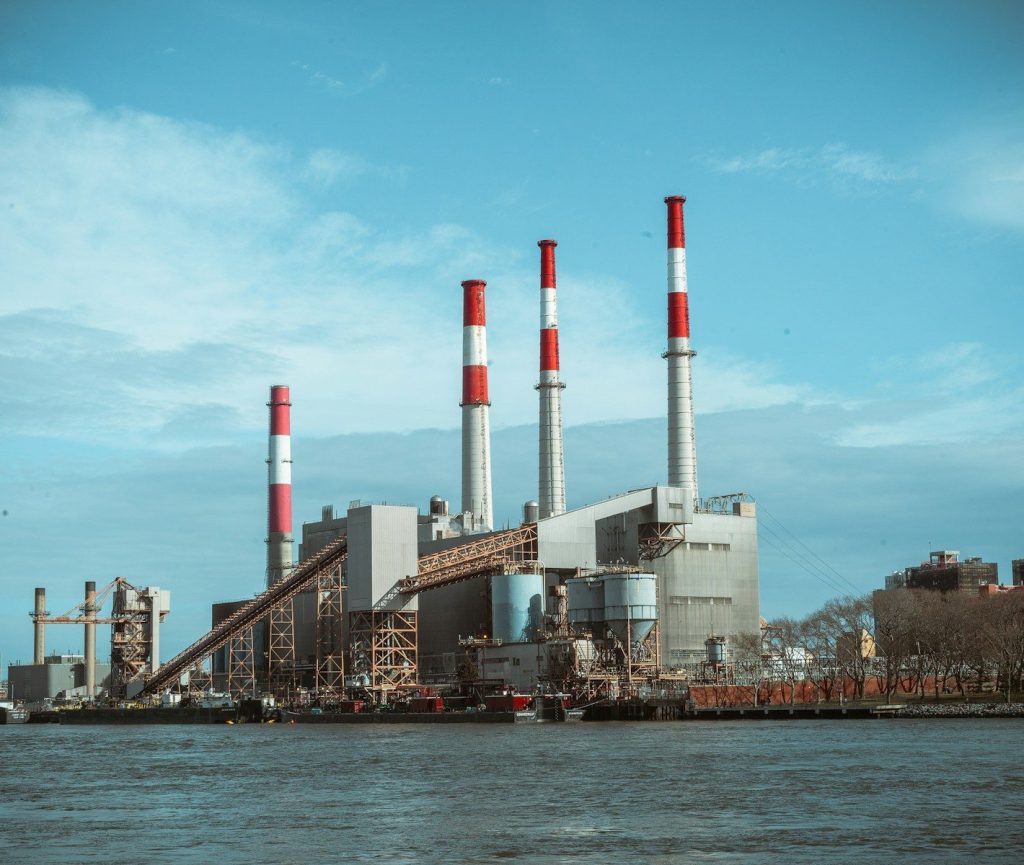
Factories, data centers, and other industrial sites often need water for cooling, cleaning, and processing. In many cases, they do not need to use drinking-quality water for those jobs.
The EPA says industrial reuse can include treated municipal wastewater, cooling water, boiler water, and water from onsite processes. Reusing it can lower demand for fresh supplies and improve long-term planning.
It can reduce pollution
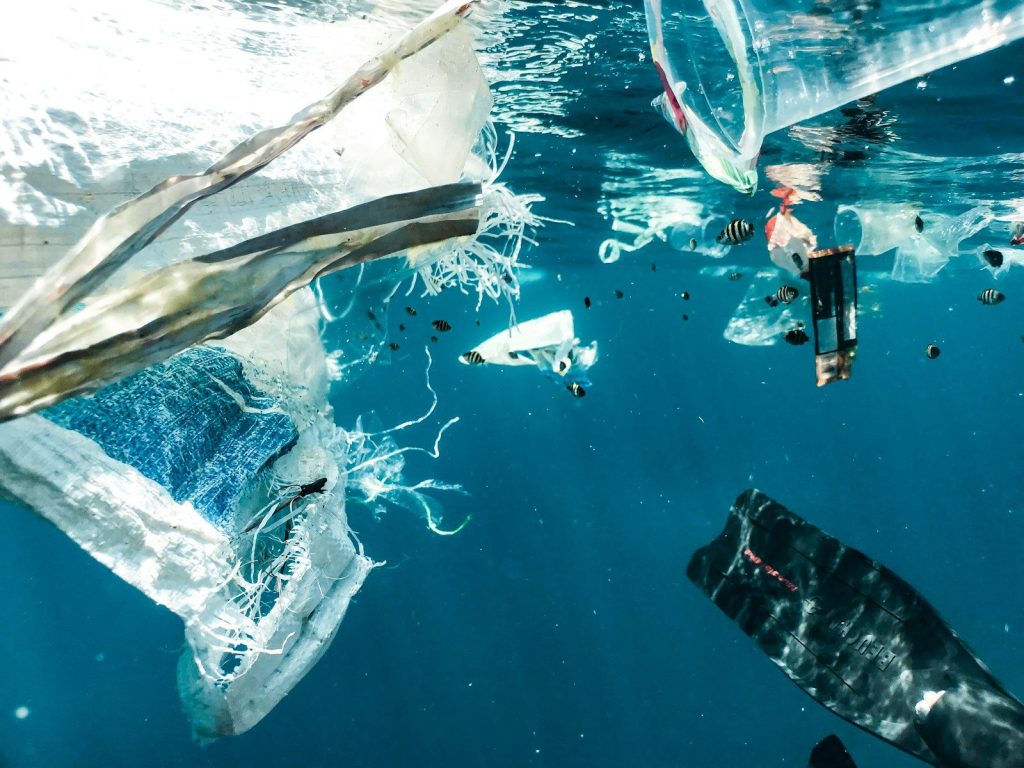
When treated water is reused, less wastewater may be released into rivers, lakes, and coastal areas. That can help reduce the amount of nutrients and other unwanted substances entering natural waterways.
The EPA has also noted that reuse can reduce exposure to contaminants because less wastewater is discharged into the environment. Cleaner flows can support healthier communities and ecosystems.
It can restore ecosystems

Water reuse is not only about people and buildings. It can also support wetlands, streams, and habitats that need steady water to stay healthy.
EPA case studies say water reuse can help restore ecosystems by giving them a consistent water source, including created wetlands near wastewater treatment facilities. That turns a waste stream into part of environmental repair.
It can save energy locally
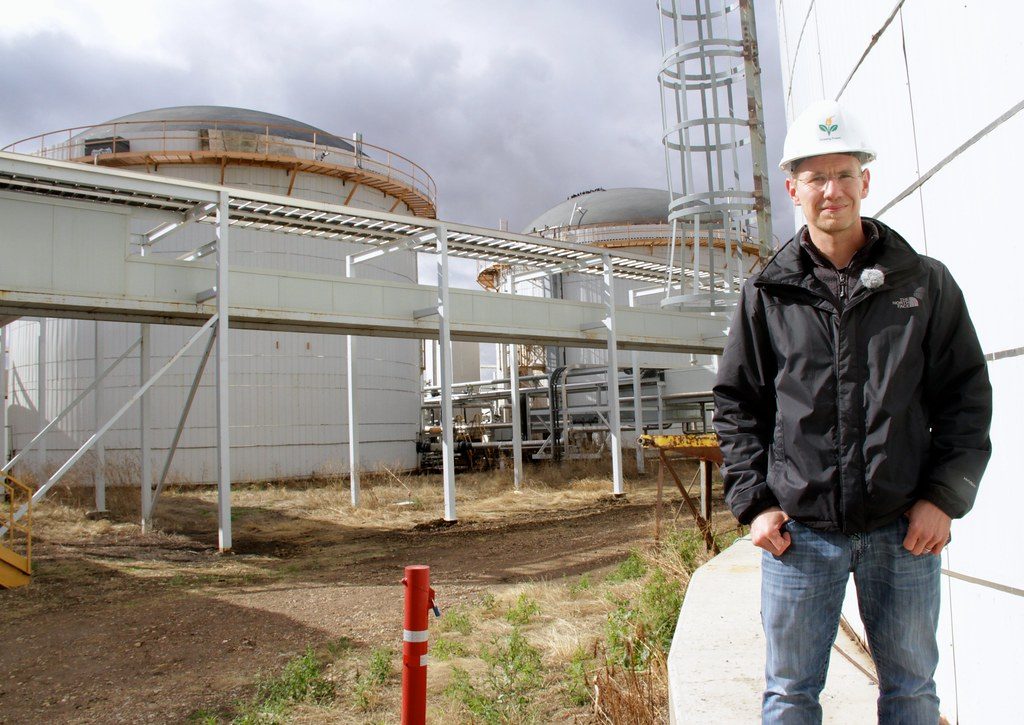
Moving water long distances takes energy. Treating and reusing water closer to where it is needed can shorten that loop and reduce the strain on pipes, pumps, and large systems.
Local reuse systems may be especially useful for campuses, neighborhoods, commercial sites, and remote facilities. When designed well, they can support both lower operating costs and more reliable water access.
It can create new value
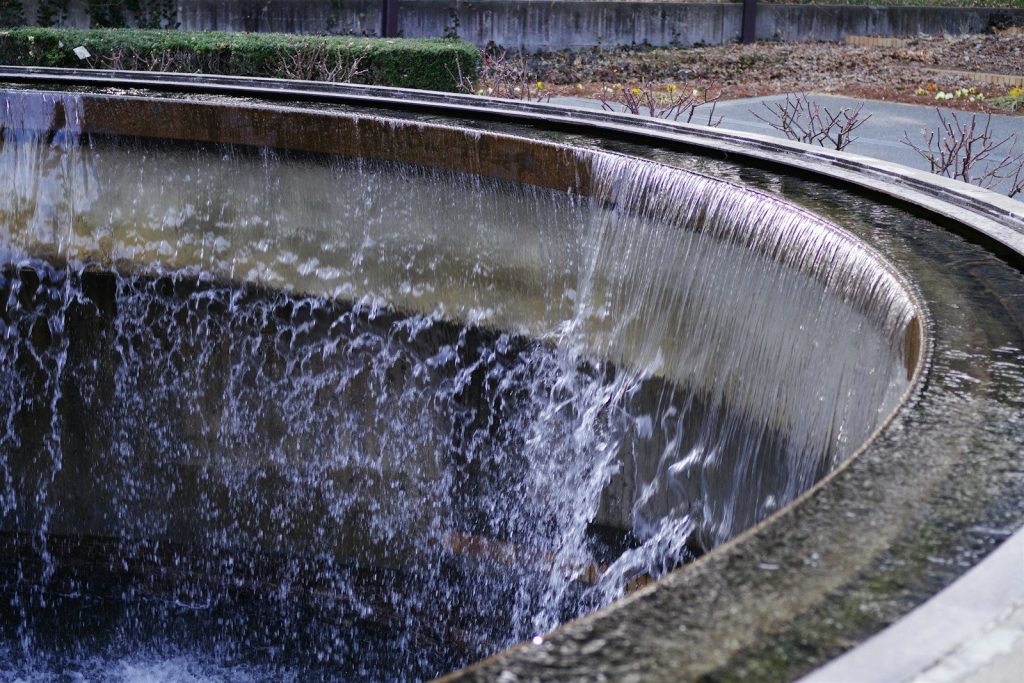
Wastewater can hold more than water. Some systems can recover nutrients, produce biogas, or lower treatment and disposal costs for businesses and communities.
That is why wastewater is increasingly being viewed as a resource, not just a problem to remove. As water scarcity grows, reuse can help communities build a more practical and flexible water future.
Leave a Reply