
Clouds look soft enough to rest on, but they can hold a surprising amount of water. A typical cloud may contain thousands or even millions of gallons of water, yet it does not fall like one giant bucket from the sky. The trick is that the water is spread out across countless tiny droplets or ice crystals. Those pieces are so small that light air movement can keep them suspended.
Clouds form when water vapor cools and condenses onto tiny particles such as dust, salt, or smoke. When droplets grow larger and heavier, they can fall as rain, snow, or other precipitation. That simple balance explains the mystery: clouds are heavy as a whole, but light piece by piece.
Clouds are made of tiny drops

A cloud is not one solid floating object. It is a huge collection of tiny water droplets, ice crystals, or both, spread across a large area of air.
Those droplets are far smaller than raindrops. Because each one is so light, it can stay suspended much longer than a large drop. The whole cloud may be heavy, but its weight is divided into countless tiny pieces.
The weight is spread out

When people hear that a cloud can weigh tons, it sounds impossible. But that weight is spread through a very large space, often much larger than it looks from the ground.
Think of mist in the air instead of water in a bucket. The water exists, but it is scattered. That wide spread helps explain why clouds can float instead of dropping all at once.
Air keeps them moving

Cloud droplets do slowly fall, but the air around them is also moving. Even gentle rising air can help support tiny droplets and keep them from quickly reaching the ground.
This is why clouds can seem to hang in the sky. They are not frozen in place. They are constantly forming, shifting, evaporating, and being held up by moving air.
Warm air helps clouds form

Clouds often form when warm, moist air rises. As that air moves higher, it cools, and water vapor begins turning into visible droplets.
NASA explains that clouds form when invisible water vapor becomes liquid droplets on tiny particles in the air. That process is called condensation, and it is the start of many clouds we see overhead.
Tiny particles start the process
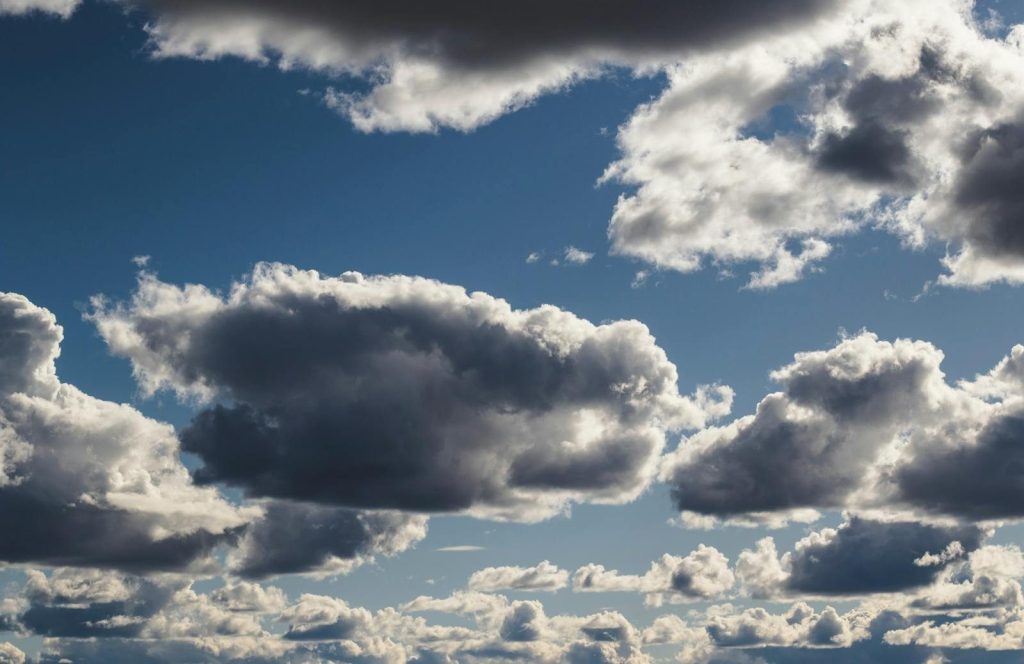
Water vapor usually needs something to cling to before it becomes a cloud droplet. Tiny bits of dust, salt, smoke, and other particles can act like starting points.
The National Weather Service calls these cloud condensation nuclei. They are small particles where water vapor condenses and forms droplets. Without them, cloud formation would be much harder.
Droplets are not raindrops yet
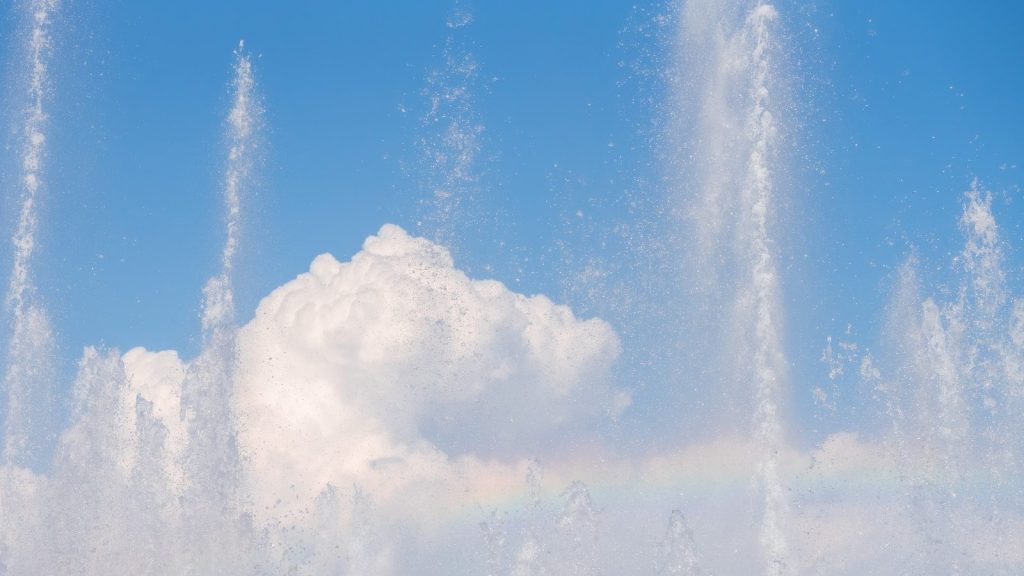
Cloud droplets are visible, but they are often too small to fall as rain. They have to grow by joining with other droplets or ice particles first.
NOAA explains that rain begins when droplets inside a cloud grow heavy enough to fall. Until that happens, the droplets remain suspended and help make the cloud look full and bright.
Updrafts can hold more weight
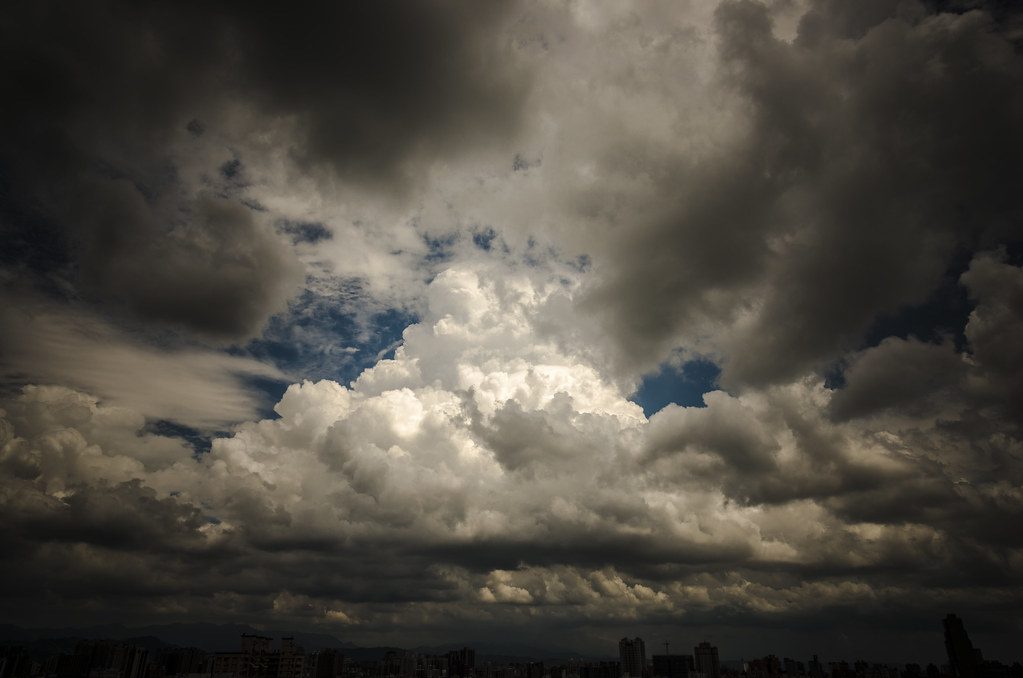
In stronger storms, rising air can be powerful. Updrafts can help hold larger drops or ice particles inside clouds for longer than calm air could.
NOAA notes that thunderstorm updrafts can be extremely strong, and stronger updrafts can support more rain and hail weight. That is one reason storm clouds can grow so tall and heavy.
Clouds are always changing
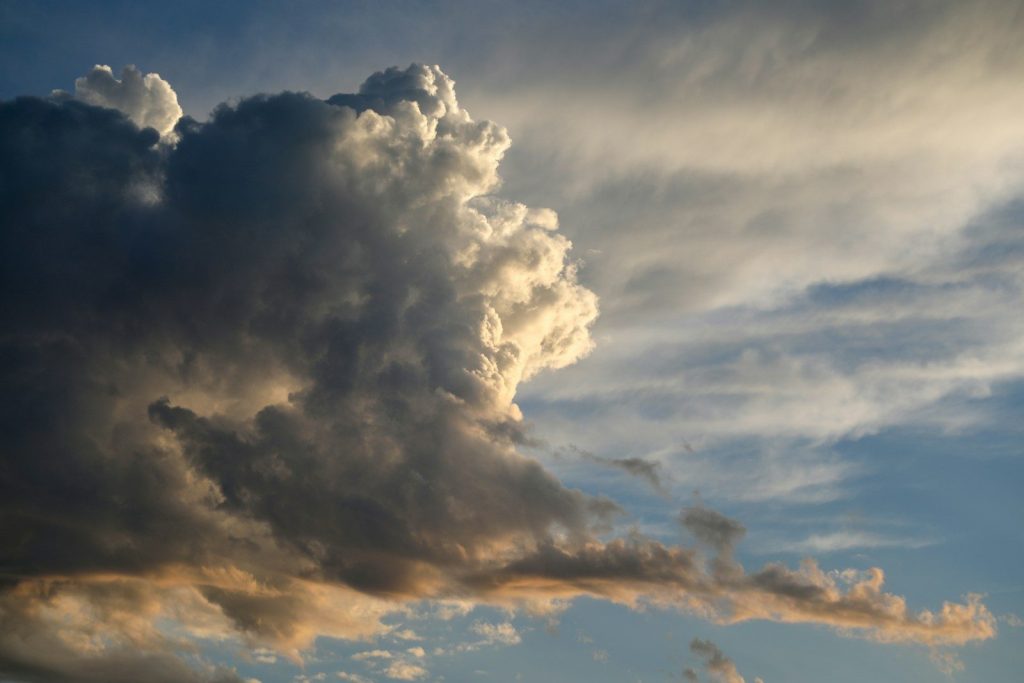
A cloud may look steady from the ground, but it is changing all the time. Some parts are growing as vapor condenses, while other parts are disappearing as droplets evaporate.
USGS explains that clouds can have areas that grow and fade at the same time. So a cloud is less like a parked object and more like an ongoing process in the sky.
Rain begins with growth
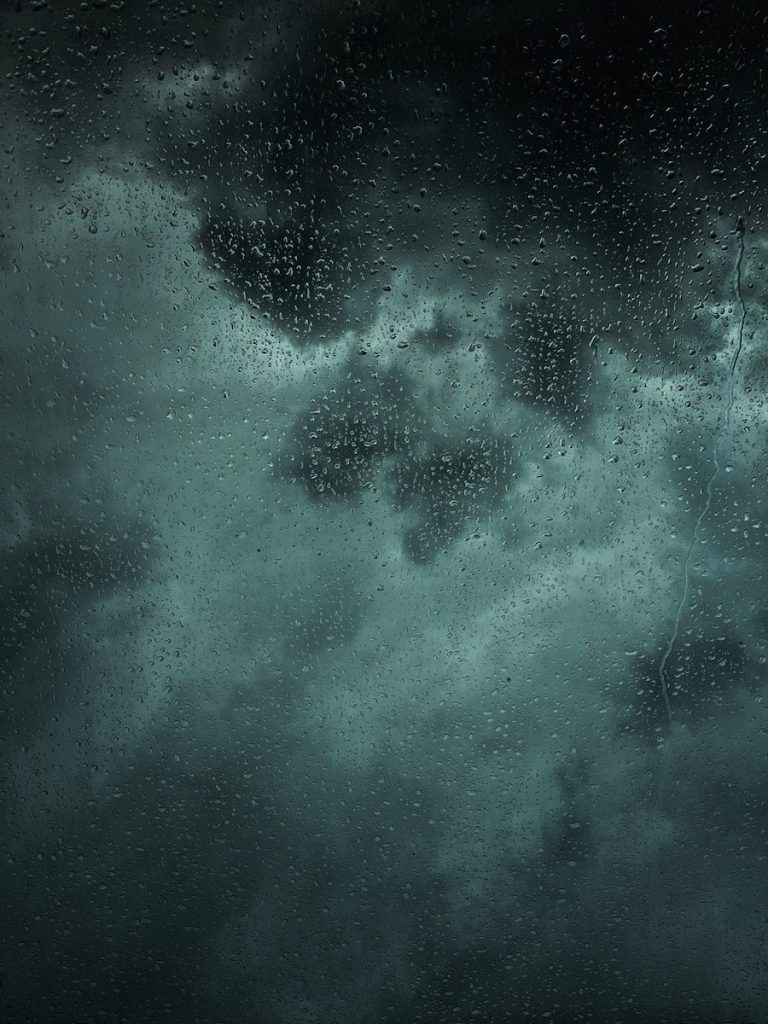
The same tiny droplets that help a cloud float can eventually become rain. As droplets bump together and grow, their fall speed increases.
The National Weather Service explains that larger drops fall faster and can collide with smaller droplets. Once droplets become heavy enough, gravity wins, and the cloud releases precipitation.
The mystery is scale
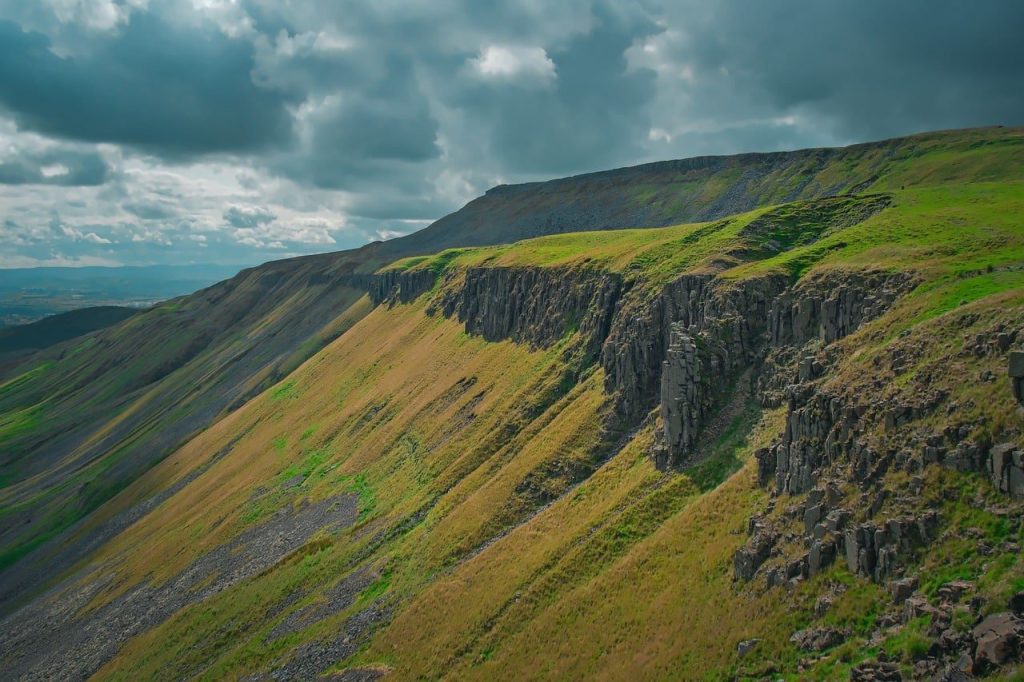
Clouds can weigh tons because they cover a huge volume of sky. They float because their water is divided into tiny particles that air can support.
That is the simple answer behind the magic-looking scene. A cloud is heavy in total, but each droplet is light. When those droplets grow too large, the floating ends, and rain begins.
Leave a Reply