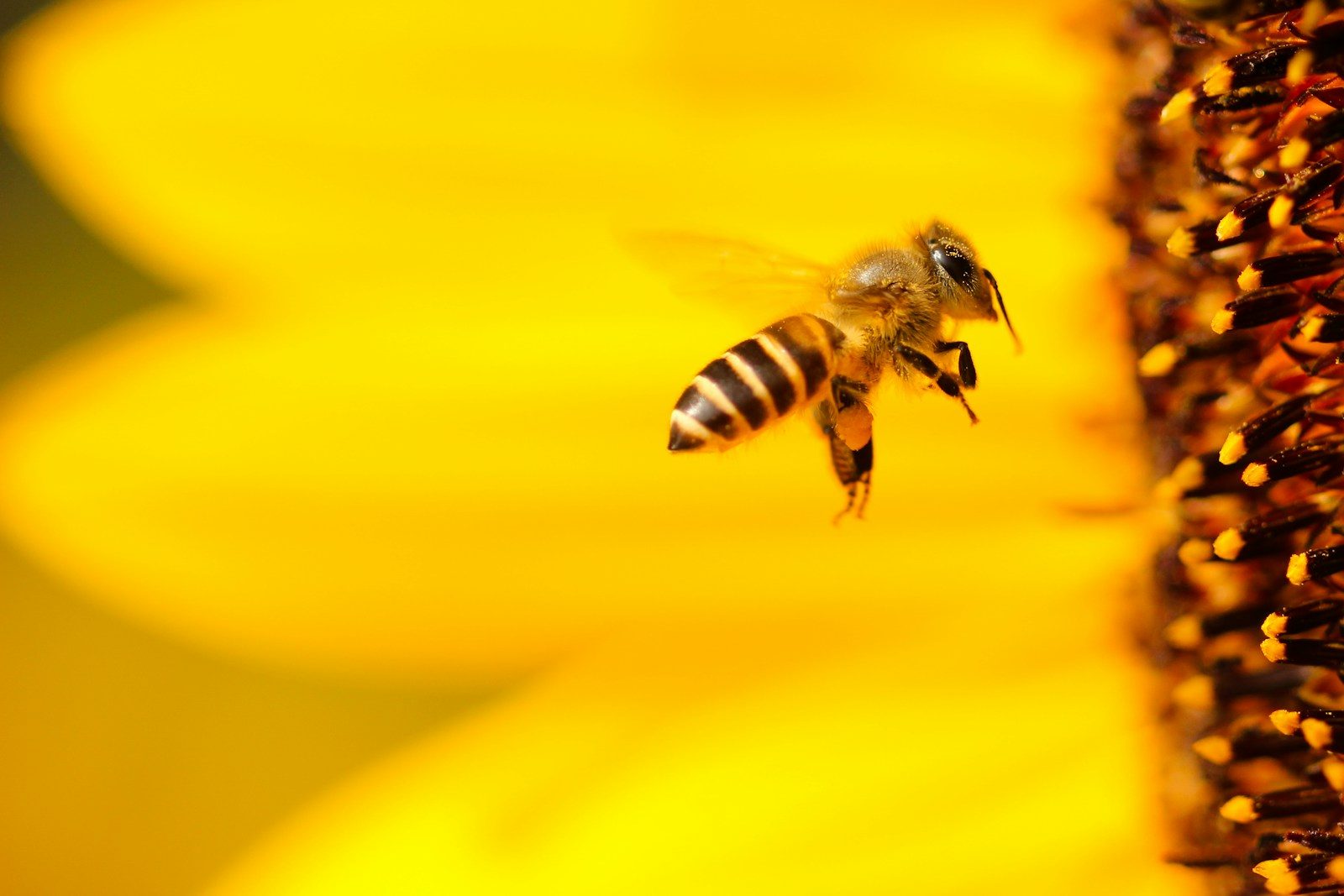
Bees may be famous for honey, but their real value is much bigger than something sweet on toast. Every time a bee moves from flower to flower, it can carry pollen that helps plants grow fruits, seeds, and new flowers. That quiet work supports farms, gardens, wild plants, and the animals that depend on those plants.
The USDA says animal pollinators help about 35% of the world’s food crops reproduce, and honey bees add about $15 billion in crop value in the United States each year. More than 3,500 native bee species also help increase crop yields. Bees are small, but their work reaches grocery stores, backyard gardens, forests, and entire ecosystems.
Bees help grow our food
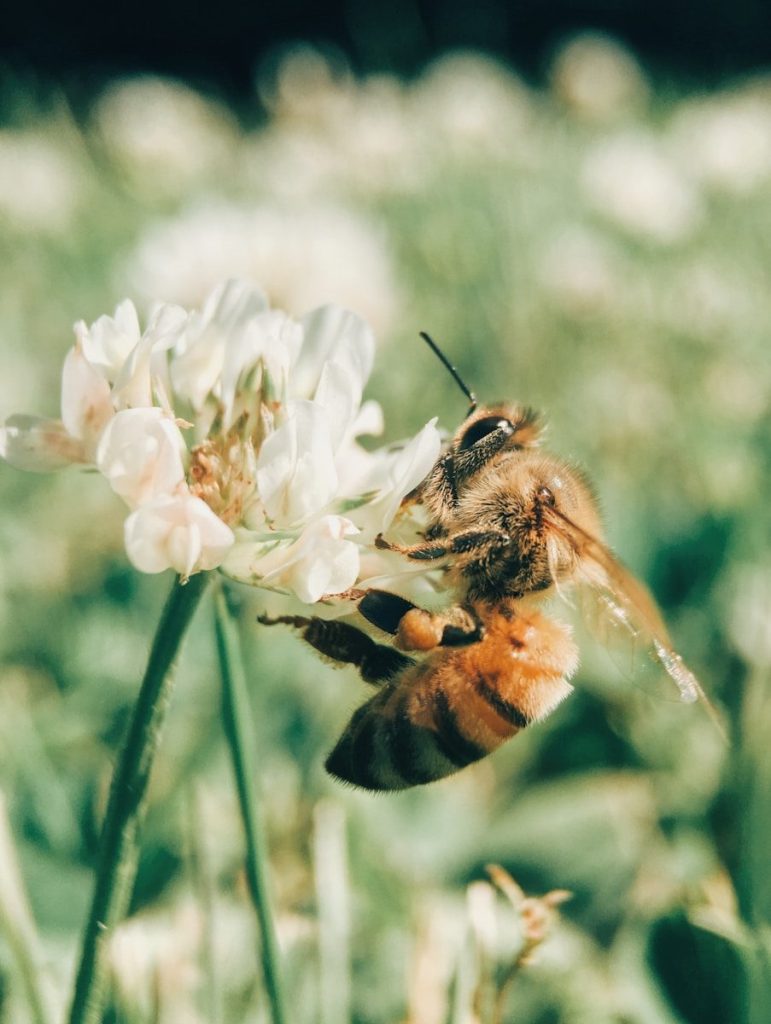
Many foods need pollination before they can fully develop. Bees help move pollen between flowers, which allows plants to produce fruits, nuts, seeds, and vegetables.
This affects far more than honey. Apples, almonds, berries, melons, squash, and many other crops benefit from bee visits. Without pollinators, grocery stores would still have food, but many shelves would look less colorful and less varied.
Farms count on pollinators
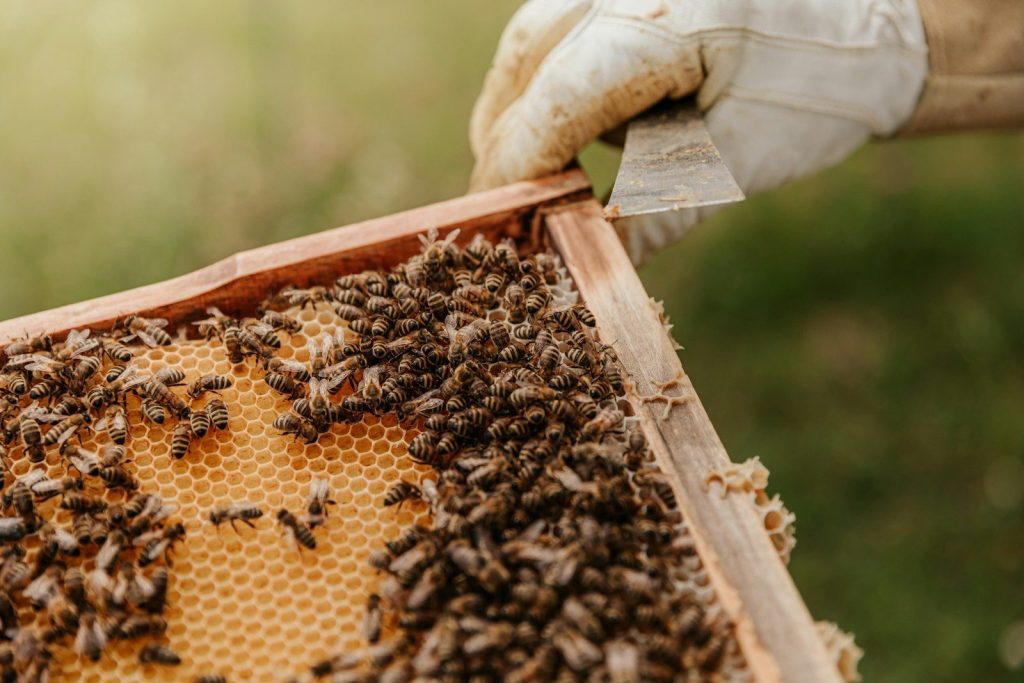
Bees support farmers by helping crops grow in better amounts and quality. The FDA says the pollination value of honey bees is estimated to be 10 to 20 times greater than the value of honey and beeswax.
That means bees are part of the farm economy, not just nature’s background noise. Their work can help growers produce stronger harvests and bring more fresh food to markets.
Native bees do big work
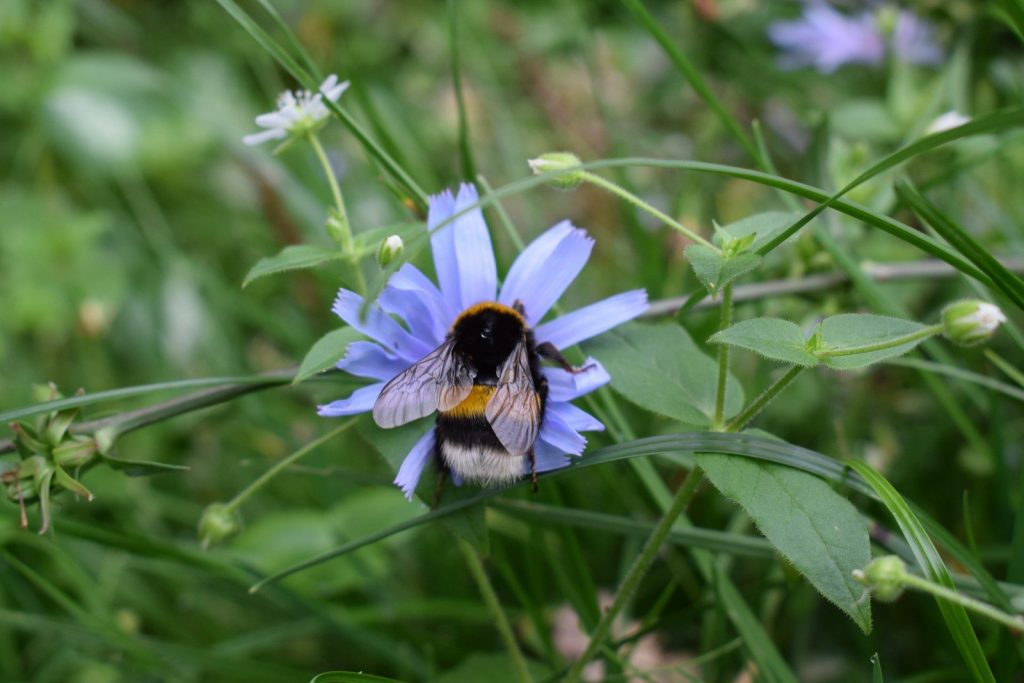
Honey bees get the spotlight, but native bees matter too. The USDA says more than 3,500 native bee species help increase crop yields.
Some native bees are especially good at pollinating certain plants. Bumble bees, mason bees, and squash bees can be powerful helpers in gardens and farms. A healthy pollinator mix gives plants more chances to reproduce successfully.
Bees support wild plants
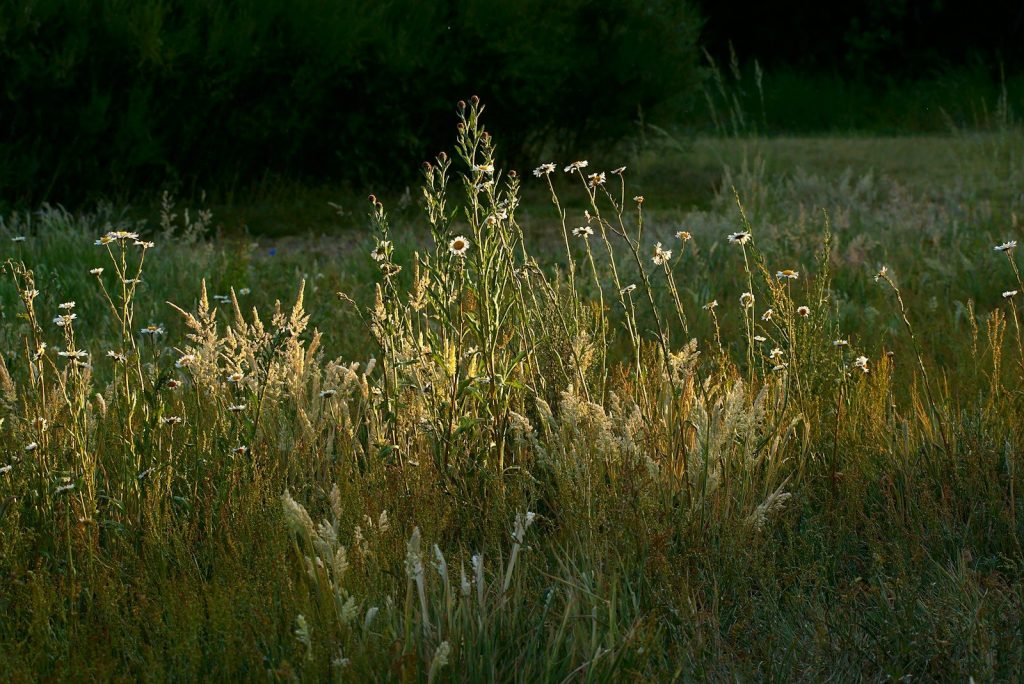
Bees do not only visit farm crops. They also pollinate wildflowers, shrubs, and trees that grow in parks, fields, forests, and roadside spaces.
Those plants feed and shelter other living things. Birds may eat seeds and berries. Small animals may use plants for cover. Insects may depend on flowers for nectar. Bees help keep that larger web moving.
They protect biodiversity
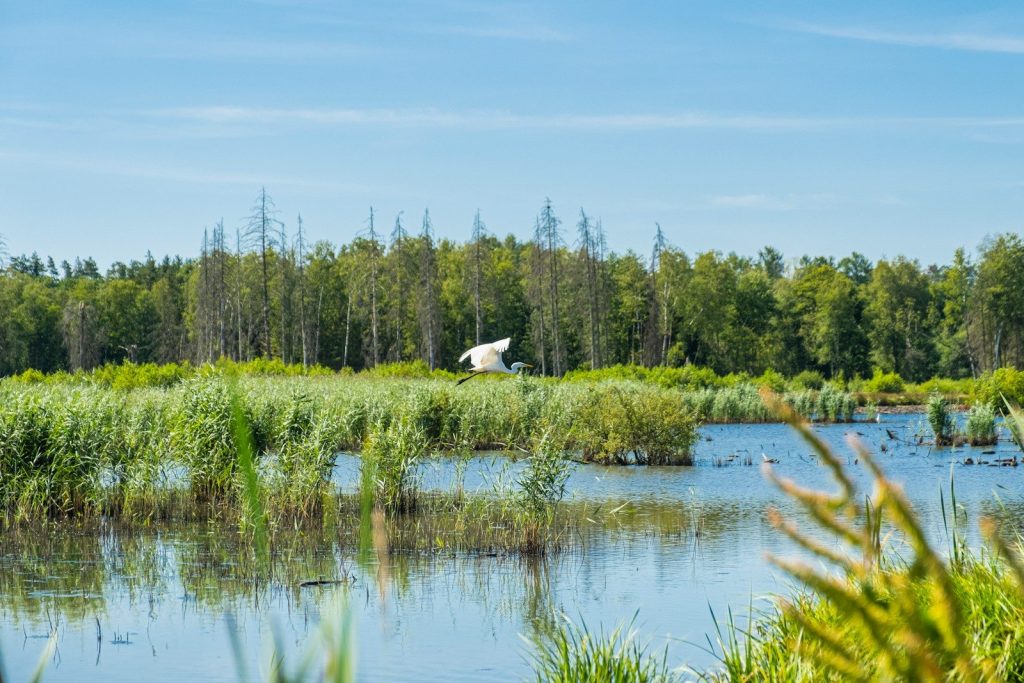
Biodiversity means having many different kinds of living things in one area. Bees support that by helping plants reproduce and spread.
The United Nations Environment Programme says bees are part of the biodiversity that people depend on, and pollinators help keep ecosystems healthy. When bees are doing well, many plants and animals often benefit too.
Healthy gardens need bees
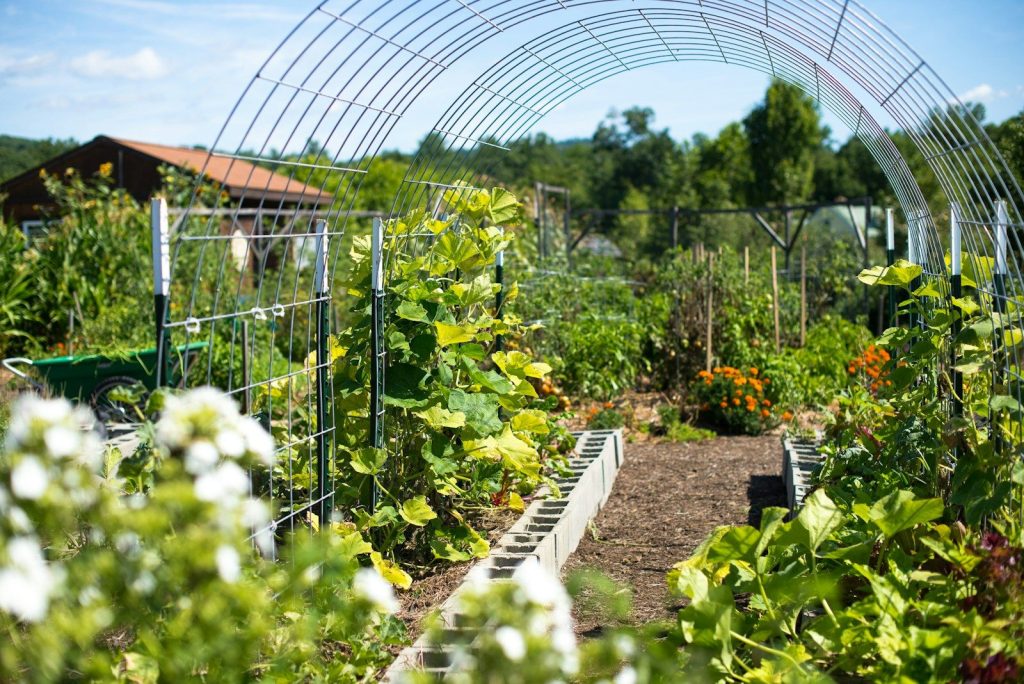
Backyard gardens can become small pollinator stops. Bees visit flowers for nectar and pollen, and the plants may get help producing seeds or fruit.
That is why a bee-friendly yard can be useful as well as pretty. Native flowers, blooming herbs, and a mix of plants that flower at different times can give bees food through more of the season.
Bees feed other wildlife
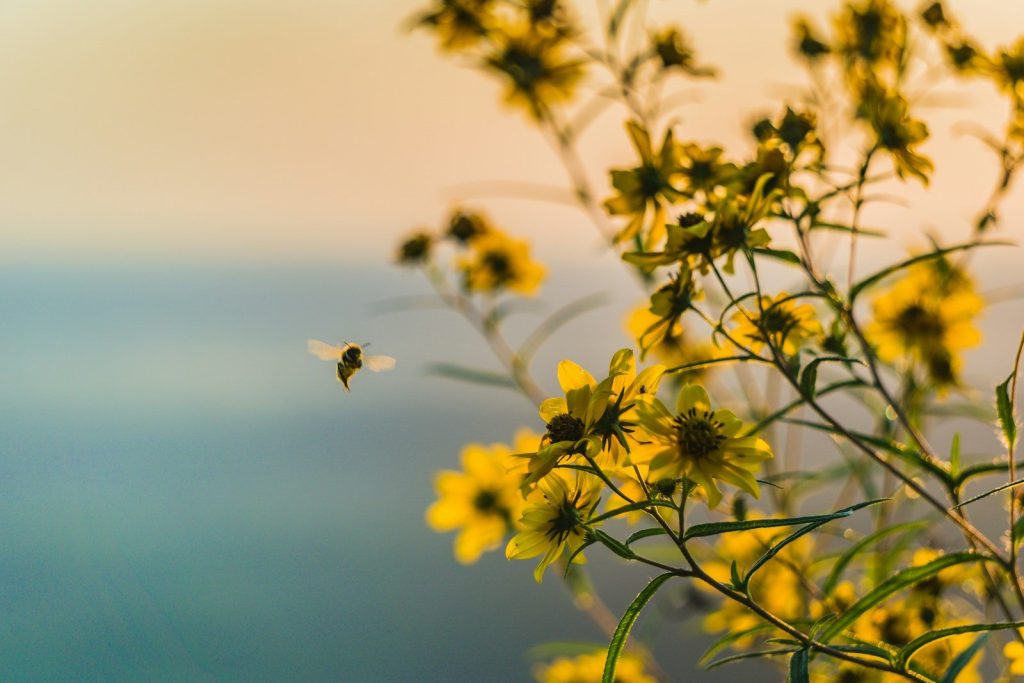
Bees help plants make seeds, fruits, and berries, and those foods support many animals. A single pollinated plant can feed birds, mammals, and other insects later in the year.
This makes bees part of a bigger food chain. Even animals that never touch honey may still depend on the plants that bees helped create.
Their homes are important
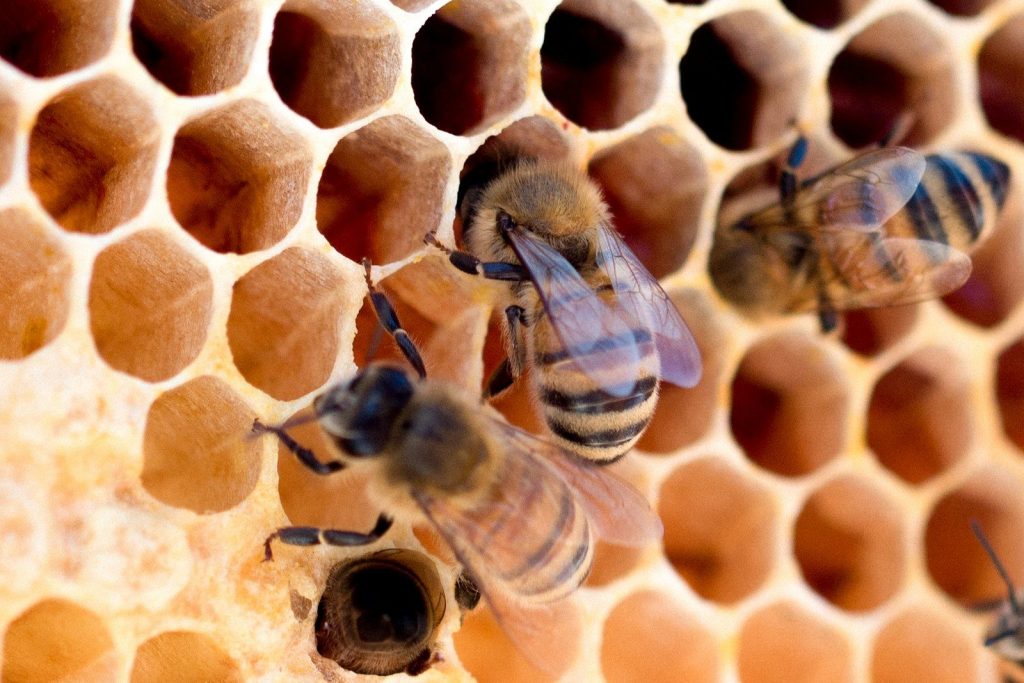
Bees need more than flowers. Many native bees nest in soil, hollow stems, wood, or leaf litter. If those spaces disappear, bee populations can struggle.
The Xerces Society says nesting and overwintering habitat is one of the most important factors for native bees and other helpful insects. Leaving some natural areas can make a real difference.
Small choices can help
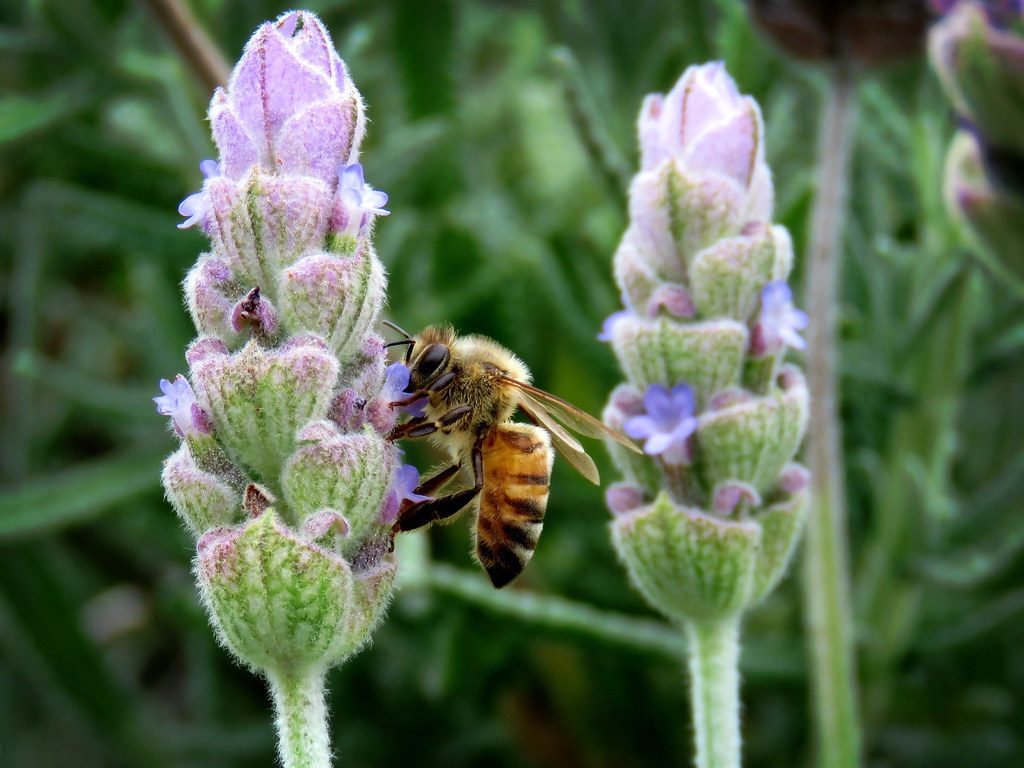
People can support bees in simple ways. Planting native flowers, reducing pesticide use, leaving small natural patches, and providing blooms across the season can all help.
These steps do not require a perfect garden. Even a few pollinator-friendly plants in a yard, balcony, school, or community space can become a useful stop for hungry bees.
Bees keep life connected
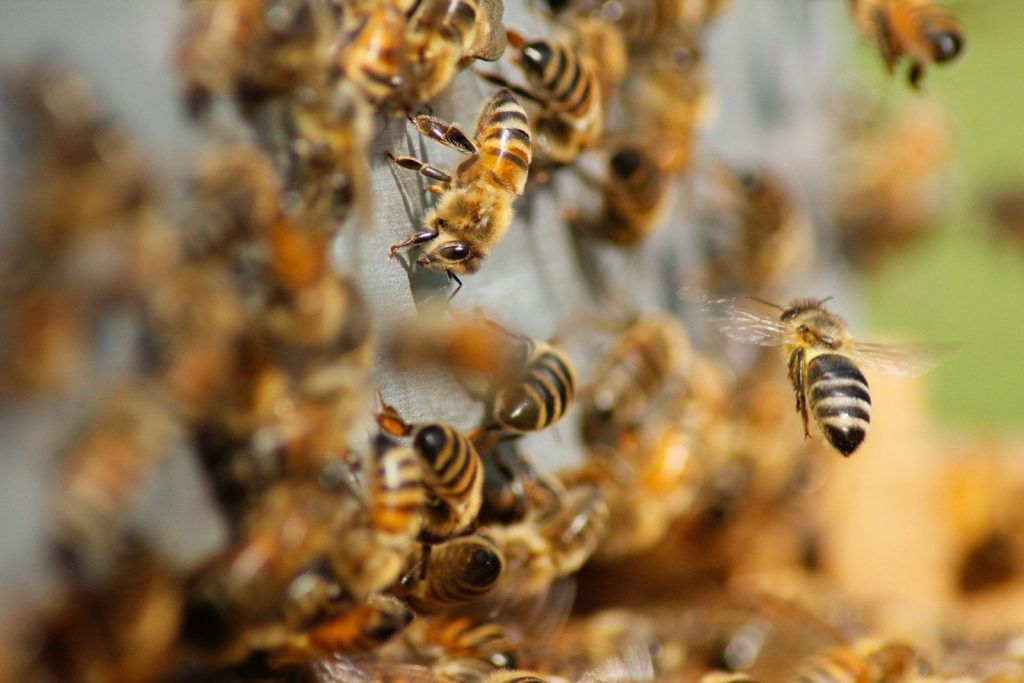
Bees matter because they connect flowers, food, farms, wildlife, and people. Their work is quiet, but the results show up everywhere from orchards to wild meadows.
Honey is only one small part of the story. Bees help keep nature productive, colorful, and balanced. Protecting them means protecting many of the foods and outdoor spaces people enjoy every day.
Leave a Reply