Plastic has made modern life easier, but it has also created a problem that refuses to go away. A bottle, wrapper, or package may be used for only a few minutes, yet the plastic can persist for decades. That is why a new study on “living plastic” is catching attention.
Scientists in China have developed a material that can help destroy itself when the right conditions are triggered. Instead of just breaking into tiny pieces, the plastic uses dormant bacteria and enzymes to attack itself from the inside. In lab tests, it nearly disappeared in just six days. The idea is still early and not ready for store shelves, but it could point to a future where some plastics are designed with an ending built in.
Plastic with a built-in exit
Plastic is useful, but it often stays around long after we are done with it. That is a big reason scientists keep searching for smarter materials that do not linger for years.
Researchers in China have now developed a “living plastic” designed to break down when triggered. The material uses dormant bacteria and special enzymes to help destroy the plastic from within.
Tiny helpers do the work
The team used Bacillus subtilis, a common bacterium, in a dormant spore form. That helped keep the microbes inactive while the plastic was still being used.
When the right conditions arrived, the spores became active and released plastic-degrading enzymes. Instead of the plastic simply cracking into smaller bits, the system was designed to break the material down more completely.
Two enzymes worked together
Earlier “living plastic” ideas often relied on one enzyme. This new design used two bacterial strains, each making a different enzyme that attacks the plastic in its own way.
One enzyme cuts long plastic chains into smaller pieces. The other keeps breaking those pieces down from the ends. Working together, they made the process faster and more complete than a single-enzyme approach.
The plastic vanished quickly
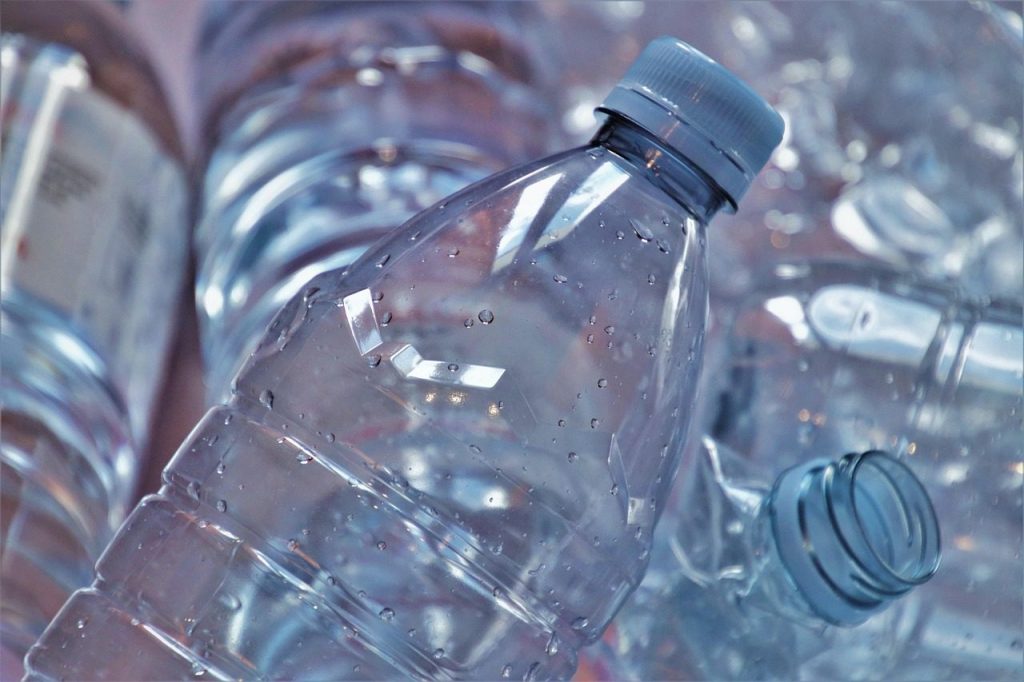
The researchers tested the system using polycaprolactone, a plastic used in some 3D printing applications and medical materials. The spores were built into the plastic without ruining its basic strength.
When the material was placed in nutrient broth and warmed to 50 degrees Celsius, the bacteria activated. The plastic was nearly completely degraded within six days, according to the study.
Microplastics were the concern
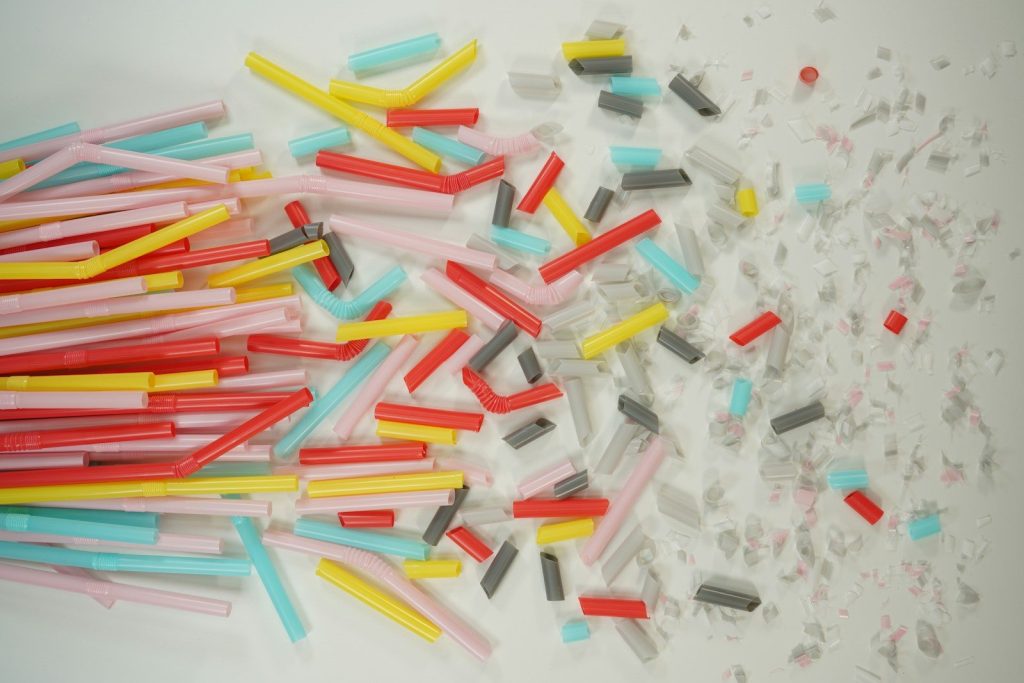
One of the biggest worries with plastic breakdown is that it may leave tiny pieces behind. Those microplastics can spread through soil, water, and food systems.
This study is drawing attention because the material was reported to break down without creating microplastics. That detail matters because a plastic that only turns into smaller pollution would not solve the larger problem.
It is not ready for stores
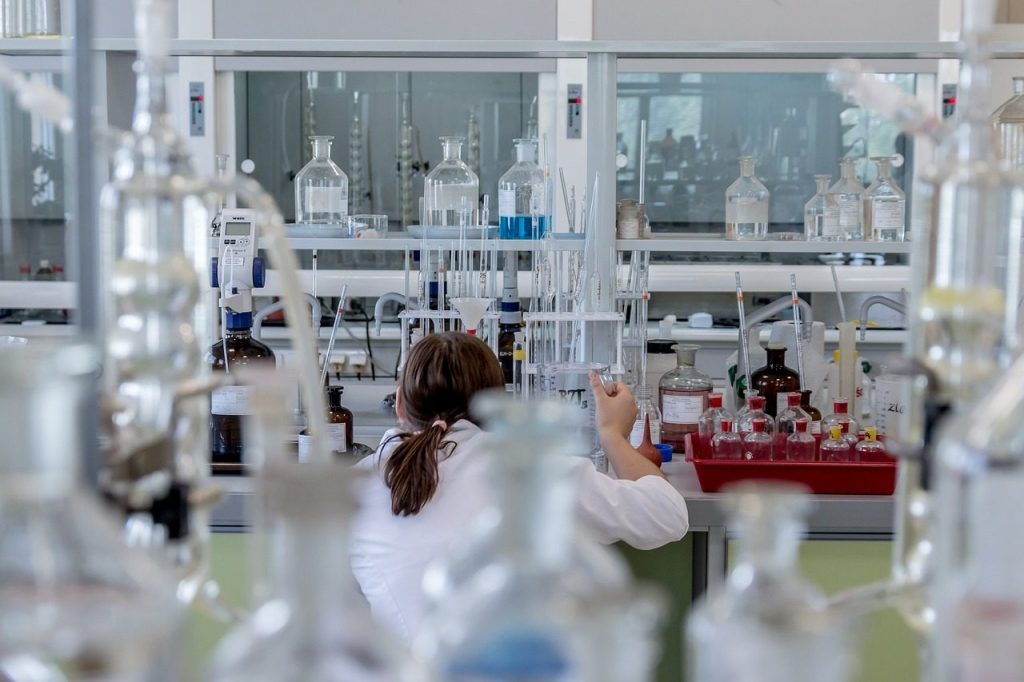
This breakthrough happened under controlled lab conditions, not in a regular trash bin or ocean setting. The plastic needed nutrients and heat to activate the bacteria.
That means shoppers should not expect self-destructing packaging on shelves right away. Researchers still need to test how this idea works in real-world settings, including water, where a lot of plastic waste eventually ends up.
The idea could grow
Scientists hope this method could one day be adapted for other plastics, including materials used in short-life products. Packaging, temporary devices, and certain specialty materials could be possible future targets.
The bigger idea is simple but powerful: make plastic durable when needed, then give it a safe way to disappear later. It is an early step, but it points toward smarter materials with planned endings.
Leave a Reply