Category: History & Mystery

  • The Forgotten Island Colony Abandoned In Absolute Isolation

    The Forgotten Island Colony Abandoned In Absolute Isolation

    Most history lovers assume that shipwreck survivors are rescued within a few weeks. We believe that naval authorities always launch massive rescue missions to save lost travelers.

    But a tragic shipwreck in the Indian Ocean proved how easily people can be forgotten. Sixty abandoned survivors were forced to build their own tiny society on a completely barren sandbar.

    Shipwreck On Sand Island

    black and white stone on blue and white textile
    Photo by Adam Lisan on Unsplash

    A French cargo ship ran aground on a remote reef in 1761. According to official ship logs, the vessel struck a submerged sandbar far from any major trade routes. The impact was devastating. While the white crew built a makeshift boat to escape, they abandoned sixty enslaved Malagasy people on the beach. But the departing crew left behind a promise they never intended to keep.

    Left Alone to Die
    a large flat area with clouds in the sky
    Photo by Fabian Blank on Unsplash

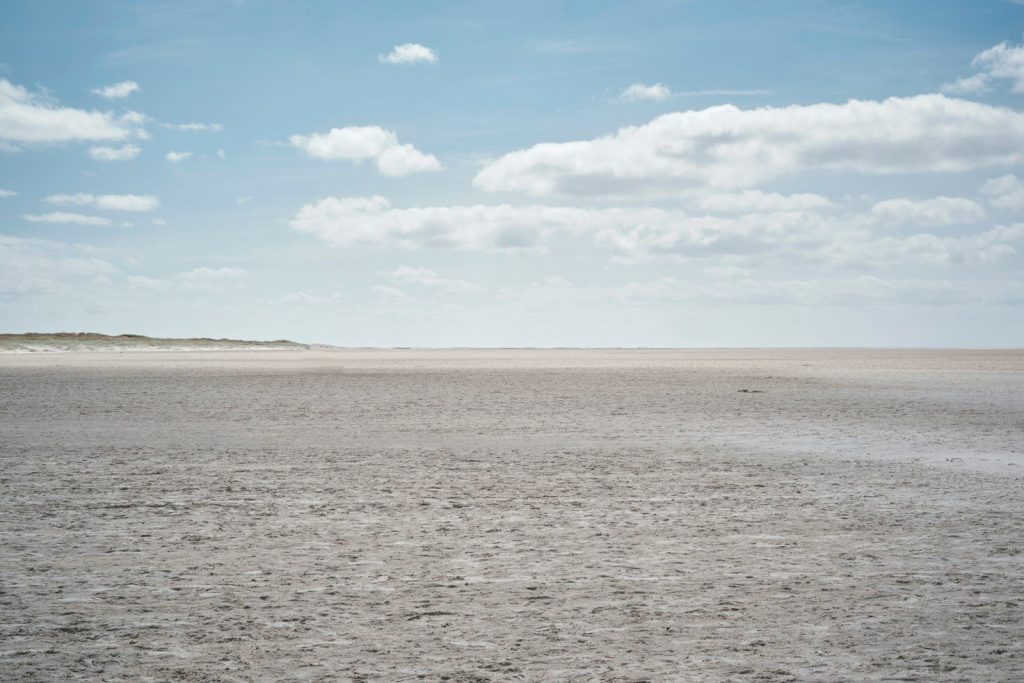
    The survivors were marooned on a flat speck of land with no trees. According to marine archaeological reports, the flat island was completely exposed to violent ocean storms. Survival seemed completely impossible. With no timber to build shelters, the group had to rely on sheer human ingenuity to stay alive. But they soon discovered a way to protect themselves from the elements.

    Building A Coral Village
    Large stone blocks piled in a desert landscape.
    Photo by Abdiel Mejia on Unsplash

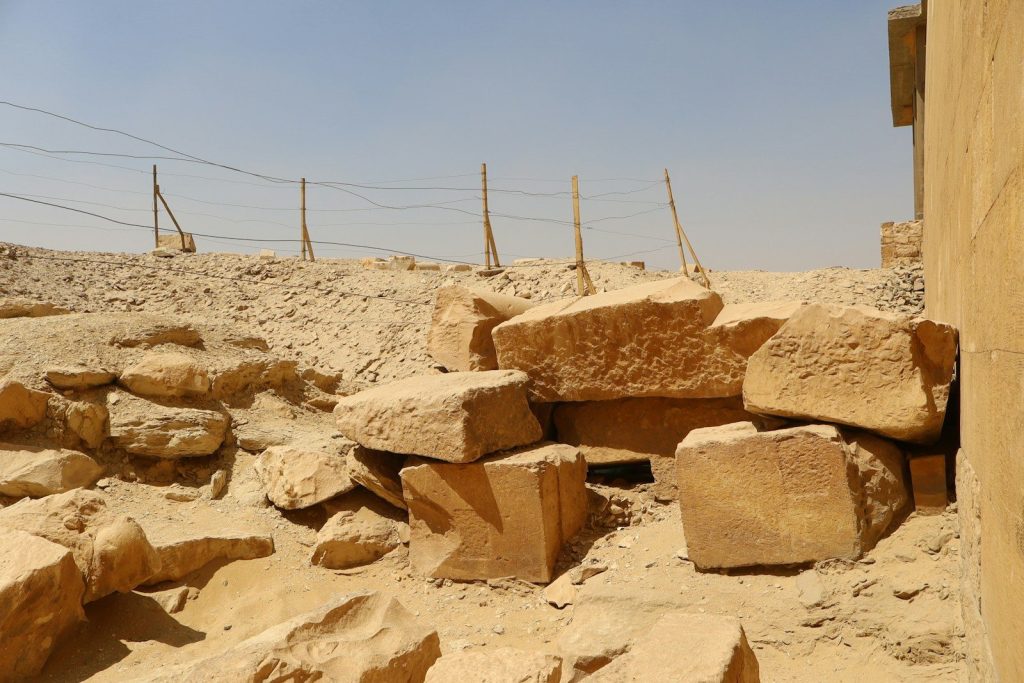
    The stranded group refused to give up in the face of disaster. According to archaeological excavations led by Max Guerout, the survivors built highly durable houses out of solid coral blocks and sand mortar. They were incredibly resilient. This makeshift village kept them safe from the brutal winds of frequent Indian Ocean cyclones. Yet their most difficult challenge was finding something to eat on a barren sandbar.

    Feasting On the Wild

    Three baby sea turtles making their way across a sandy beach, leaving tracks behind them.
    Photo by Mauricio Carrera on Pexels

    Finding food and fresh water required learning an entirely new coastal lifestyle. According to historical records, the castaways dug a five-meter well to reach fresh drinking water. They adapted quickly. They survived by eating nesting seabirds, shellfish, and green sea turtles that visited the sandy shores. But keeping their hope alive required one final and highly dangerous constant effort.

    The Fifteen-Year Flame
    white smoke coming out from a factory
    Photo by Rob Pumphrey on Unsplash

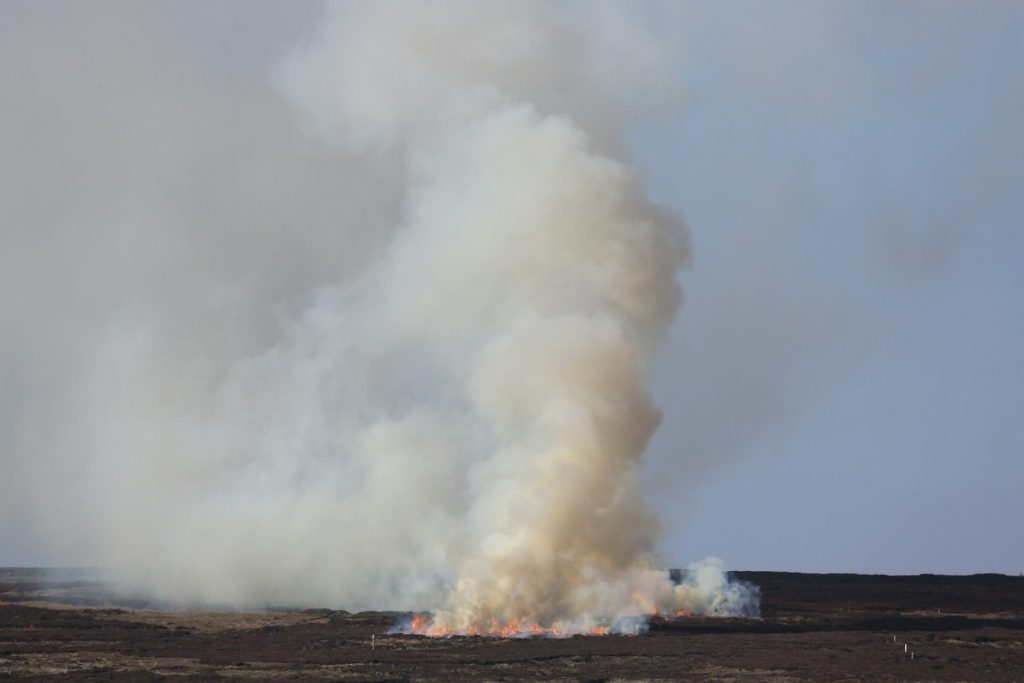
    The group needed a constant signal to attract passing ships. According to archaeological research, the survivors managed to keep a signal fire burning for over five thousand consecutive days. This was a miracle. They had no wood, so they burned turtle fat and dry bird feathers to sustain the flames. But help remained far away as the world ignored them.

    A Heartless Official Denial

    An antique desk with a feather quill.
    Photo by Daria on Unsplash

    A few passing vessels spotted the survivors but could not land. According to French historical archives, the local governor of Mauritius repeatedly refused to send a proper rescue vessel. He was cold. He claimed that risking a ship for abandoned slaves was not worth the financial cost. But public pressure in France was quietly building to force a rescue attempt.

    The Final Rescue Mission

    a small boat in the middle of a body of water
    Photo by teo pruche on Unsplash

    A brave naval captain named Jacques Marie de Tromelin finally took action in 1776. According to colonial files, he successfully navigated his ship through the dangerous reefs to reach the sandbar. The moment was highly emotional. He discovered that most of the original group had perished over the fifteen years of isolation. Yet a small group was still clinging to life.

    Survivors of the Sandbar
    People in a boat on the water
    Photo by Nicolas Chonville on Unsplash

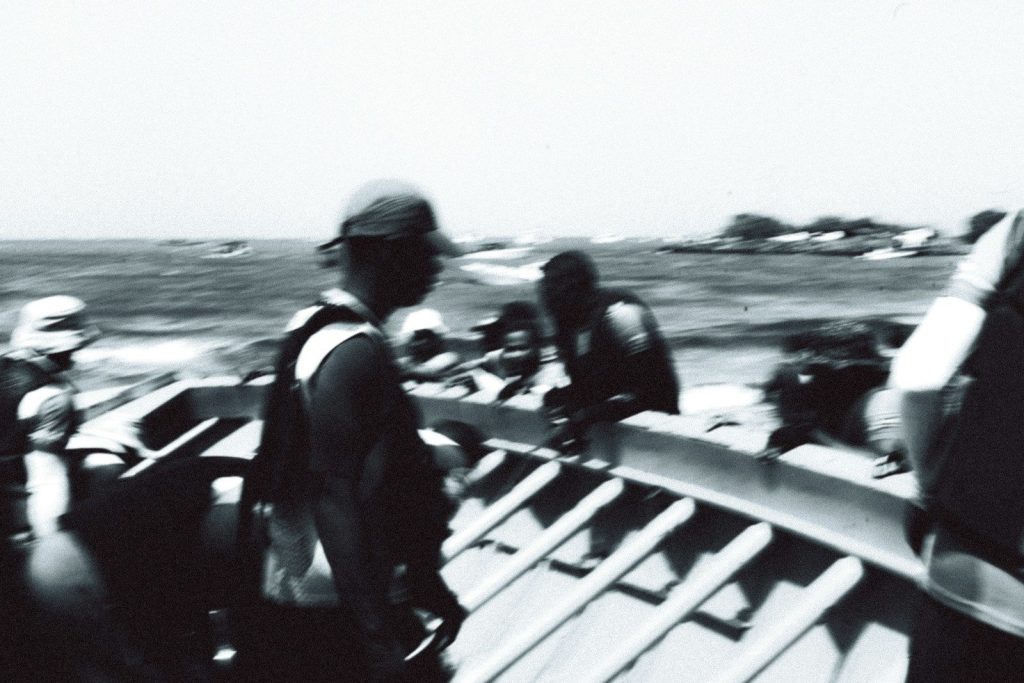
    Only seven women and a baby boy survived the fifteen-year ordeal. According to modern historians, the governor declared them free citizens upon their arrival in Mauritius. They had conquered the impossible. This article is for informational purposes only.

    Featured Image: Photo by Roberto Nickson on Unsplash
  • The Secret Green Tablets That Mystified Isaac Newton

    The Secret Green Tablets That Mystified Isaac Newton

    For centuries rumors have persisted of ancient green tablets containing the ultimate secrets of the universe. These mysterious texts supposedly hold the key to alchemy and human immortality.

    While modern historians view them as ancient legends some of the greatest minds in history spent decades trying to decode them. The story of these tablets reveals a hidden world of ancient science.

    The Legend of the Indestructible Stone

    a room that has some paintings on the walls
    Photo by Dmitrii Zhodzishskii on Unsplash

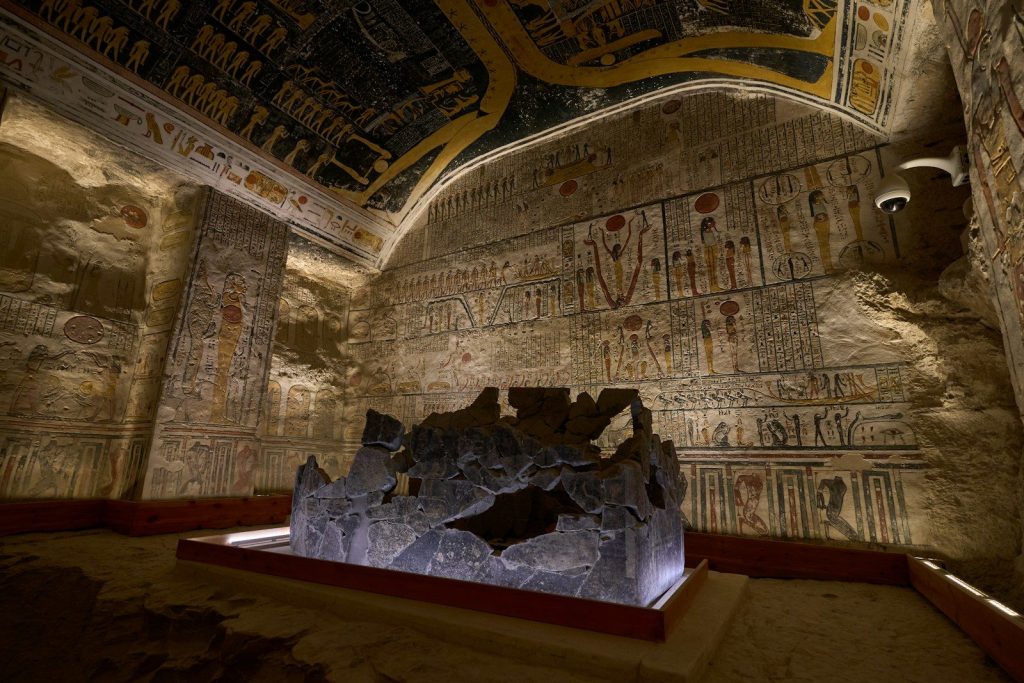
    According to esoteric lore the Emerald Tablets were carved from an indestructible green substance that resists all natural elements. They were allegedly written by an ancient Egyptian priest-king named Thoth thousands of years ago. The text was said to contain the foundational laws of reality and the secrets of matter itself.

    But finding the physical tablets proved to be an impossible task.

    Lost in the Mists of Ancient Egypt

    A close-up of an old, open ledger with handwritten notes.
    Photo by camera obscura on Unsplash

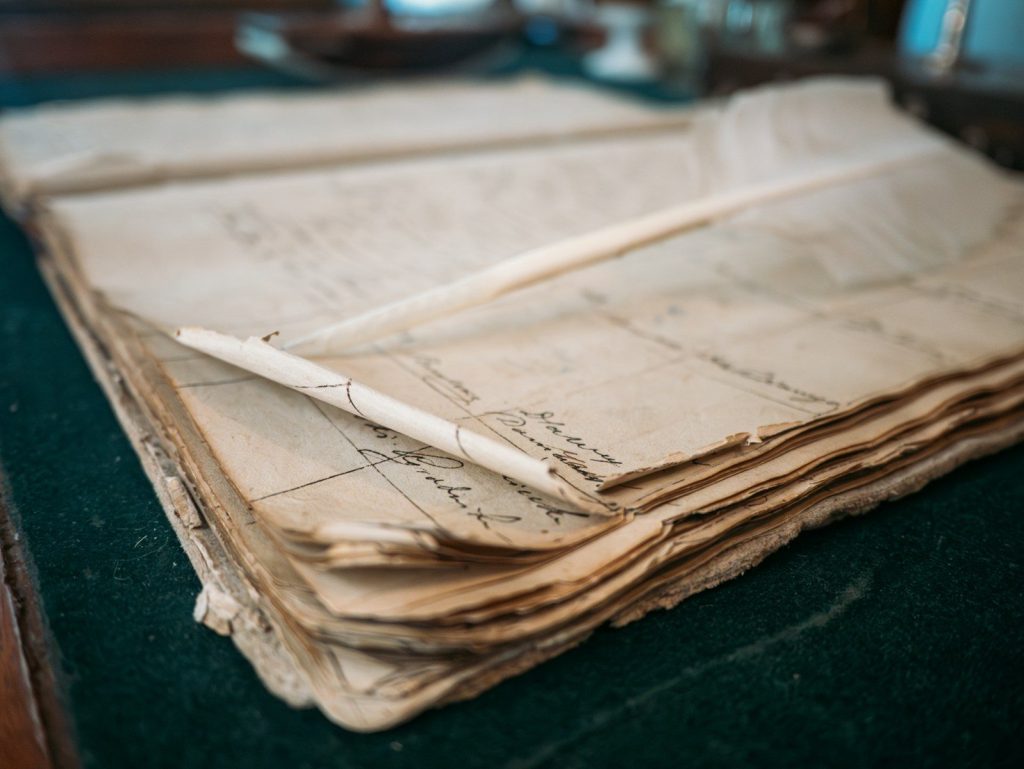
    No one has ever presented the original physical green tablets to modern scientists. The oldest known references to the text appear in early Arabic writings from the eighth century. Translators claimed they discovered the secret words carved on a tablet held by a mummy in an ancient Egyptian tomb.

    Despite their mysterious origins the written words spread rapidly across Europe.

    The Obsession of Sir Isaac Newton

    Antique wooden desk with quill pen, old papers, and inkwells.
    Photo by Magic Fan on Unsplash

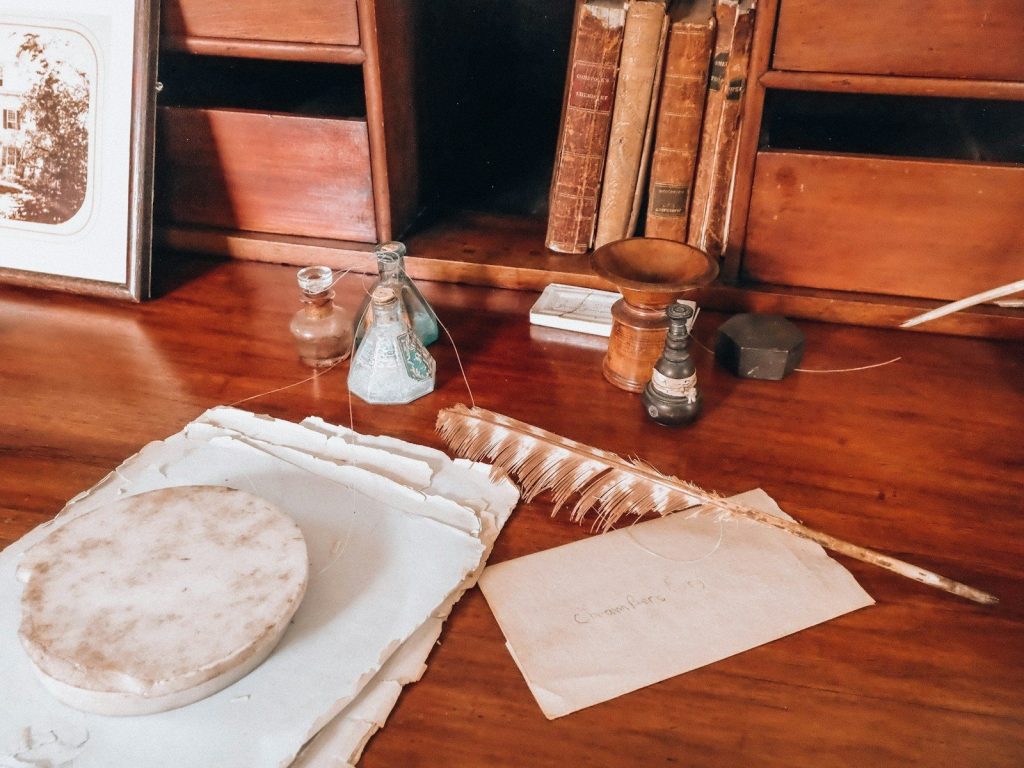
    Isaac Newton is famous for his laws of gravity but he was also a deeply devoted alchemist. He spent years translating the Emerald Tablet from Latin into English. Newton believed the short text contained hidden instructions for manipulating the structure of matter and creating the legendary philosophers stone.

    The actual text of the tablet is famously cryptic.

    As Above So Below

    Abstract atom model with orbiting rings and energetic background.
    Photo by Brecht Corbeel on Unsplash
    The most famous phrase from the translation is the concept of as above so below. This idea suggests that the patterns of the massive cosmos are mirrored in the tiny microscopic world. Modern physicists find this concept intriguing because it echoes the struggle to unite quantum mechanics with general relativity.

    But early alchemists took these words very literally.

    The Birthplace of Modern Chemistry

    Exploring a vintage laboratory filled with classic chemistry equipment and glassware.
    Photo by Christopher Moon on Pexels

    While the search for literal alchemy failed the obsession with the tablets sparked a scientific revolution. Alchemists trying to decode the text built the very first laboratories and developed basic experimental methods. Their endless search for chemical transformation eventually laid the groundwork for modern scientific chemistry.

    The mystery of who actually wrote the text remains unsolved.

    A Masterpiece of Ancient Hermetic Philosophy

    a box with a pentagram on it sitting on a table
    Photo by Kaede Nakamura on Unsplash
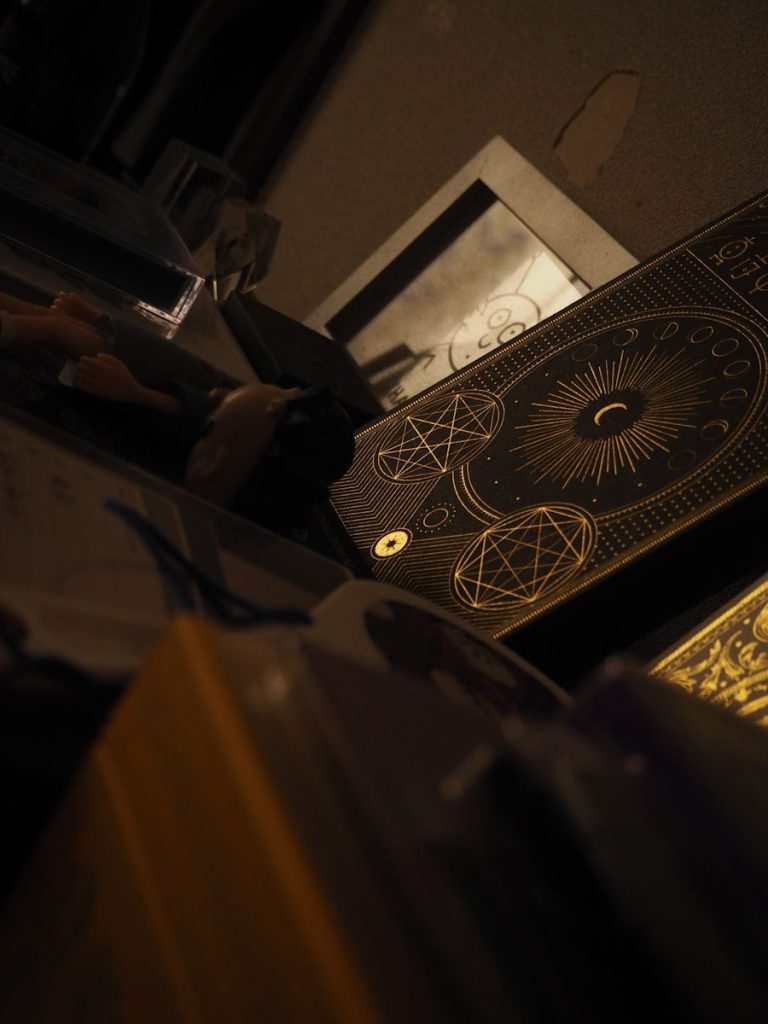
    Historians believe the text was likely composed in the early centuries after Christ by Greek-Egyptian philosophers. This school of thought blended eastern mysticism with western logic to explain the natural world. They used highly symbolic language to protect their early scientific observations from religious persecution.

    This leaves us with a fascinating perspective on ancient wisdom.

    The True Legacy of the Emerald Tablet

    a large stone building with a large archway
    Photo by Le Mucky on Unsplash
    The Emerald Tablet may not be a literal key to physical immortality or magical transformation. Instead it serves as an inspiring monument to human curiosity and our drive to unlock the secrets of nature. The search for its hidden meaning helped guide our ancestors out of superstition and into the light of science.

    Featured Image:Photo by Raimond Klavins on Unsplash

  • Where Is the Time Traveler Who Warned Us in 2001?

    Where Is the Time Traveler Who Warned Us in 2001?

    In the winter of 2000 a mysterious user named John Titor appeared on public web forums. He claimed to be an American soldier sent back from the year 2036.

    He shared complex technical designs of his time machine and made terrifying predictions. Then he vanished. Decades later investigators are still trying to solve the mystery of who he really was.

    A Military Mission From the Future

    woman sitting at desk with desktop computer
    Photo by National Cancer Institute on Unsplash

    Titor claimed his mission was not to save the world but to retrieve an ancient computer. He needed an IBM 5100 from 1975 to debug a catastrophic system glitch in 2036. This specific detail shocked computer experts because the machine had a hidden feature the public did not know about yet.

    But his technical explanations were about to get even more bizarre.

    The Anatomy of a Time Machine

    Blackboard with complex mathematical formulas and symbols.
    Photo by Erwan Hesry on Unsplash

    Instead of a magic box Titor shared detailed schematics of a heavy device installed in a Chevrolet Corvette. He claimed it used dual micro-singularities to warp gravity. Physicists analyzed his notes and confirmed the mathematics matched theoretical models of Kerr black holes.

    Then his predictions started to sound alarmingly realistic.

    When the Predictions Began to Fail

    an aerial view of a city at night
    Photo by Jezael Melgoza on Unsplash
    His warnings stated that a massive civil conflict would tear America apart by 2005. He also described a devastating global conflict that would erupt a decade later. While those specific years passed without incident believers argue that his very presence changed our timeline.

    This theory gained weight when researchers started looking for his digital footprint.

    The Sudden Disappearance of John Titor

    Candles surround old computers in the dark room.
    Photo by Zh haris on Unsplash
    In March 2001 Titor posted his final message online and advised everyone to prepare for the future. He promised he would never return to this era. He simply stopped posting and left behind a massive digital puzzle that amateur sleuths have tried to crack for twenty-five years.

    The hunt for his true identity led to a surprising suspect.

    The Florida Lawyer and His Brother

    Modern architecture blends with palm trees.
    Photo by Austin Hervias on Unsplash
    Private investigators eventually traced the John Titor Foundation to a Florida attorney named Larry Haber. His brother Richard was a computer scientist with deep knowledge of advanced programming. Many suspect the entire story was an elaborate science fiction hoax designed by the duo.

    Yet some bizarre clues suggest the mystery might go deeper.

    Why the IBM Detail Still Baffles Experts

    blue circuit board
    Photo by Umberto on Unsplash

    The IBM 5100 computer did indeed possess a secret debugging capacity that was kept quiet to prevent competitor copying. How did a simple internet hoaxer in 2000 know about this highly obscure engineering trick? Some think a rogue engineer wanted to test the limits of early viral storytelling.

    That leaves one final haunting question.

    An Enduring Digital Legend of the Internet

    gray concrete road under sky full of stars
    Photo by Jesse Sewell on Unsplash
    Whether John Titor was a brilliant computer scientist playing a game or a real soldier from 2036 his story remains a masterpiece of early digital folklore. It proved how easily a compelling narrative can capture the imagination of millions. Today his empty forum posts serve as a monument to our endless curiosity about the future.

    Featured Image: Photo by Matias Mango on Pexels

  • Why did an Egyptian mummy carry a lost European book?

    Why did an Egyptian mummy carry a lost European book?

    In 1848, a Croatian traveler purchased an ancient mummy in Egypt. He brought the artifact home to Vienna as a souvenir.

    When experts unwrapped the bandages years later, they made a shocking discovery. The linen wraps were covered in a mysterious writing that was not Egyptian.

    The mysterious writing on the linen

    text, letter
    Photo by Chris Linnett on Unsplash
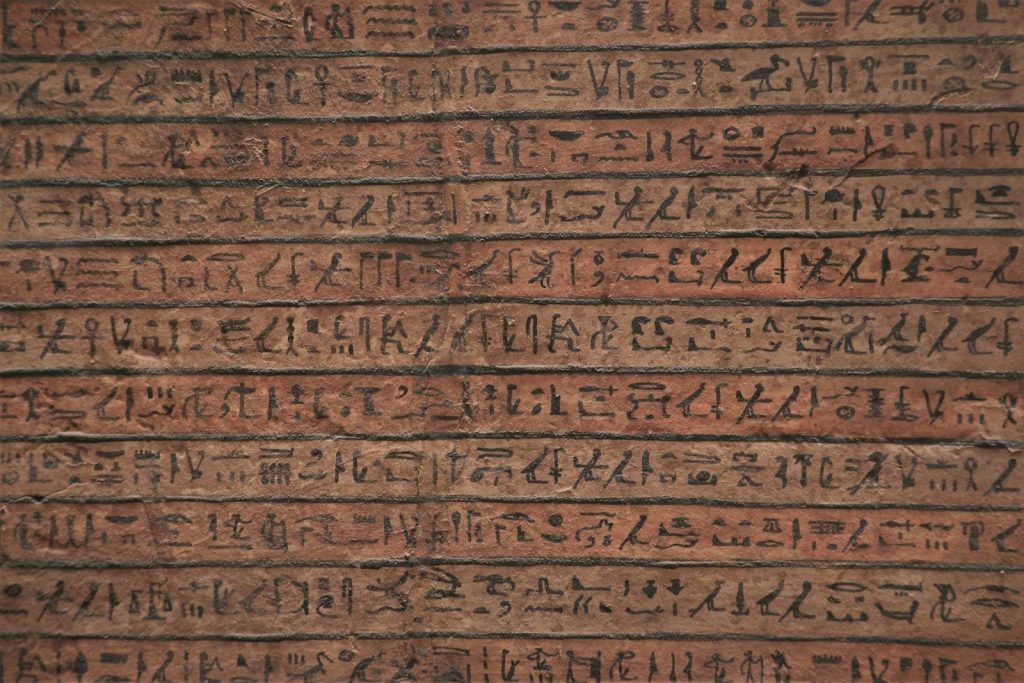
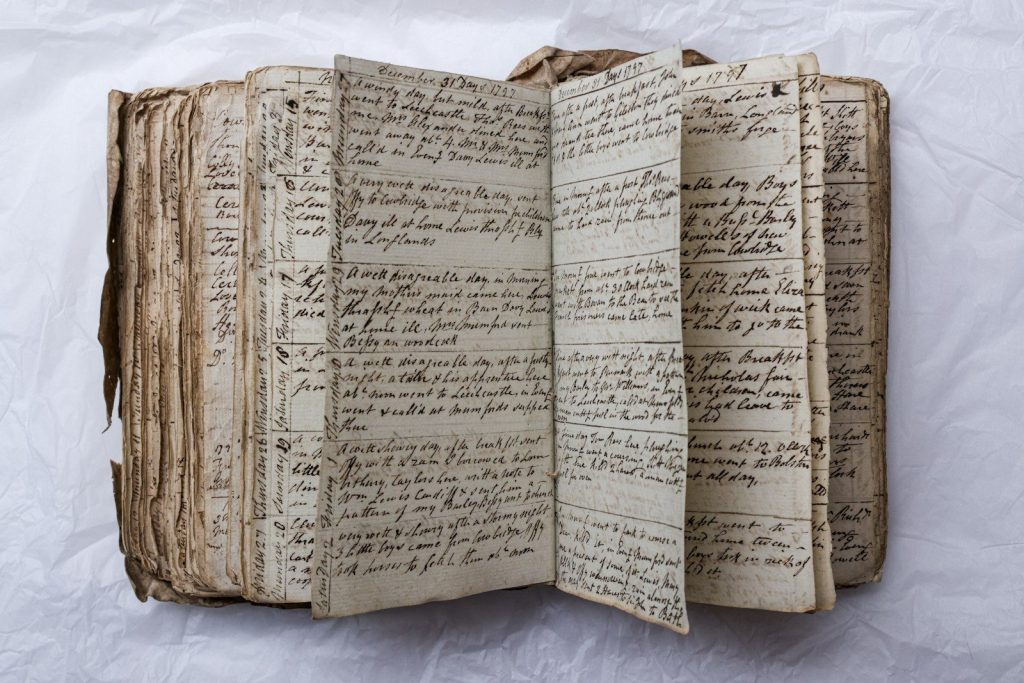
    The bandages consisted of long strips of fine linen. These wraps were covered in a strange script of black and red ink. For decades, scholars failed to decode the characters. They quickly realized this was not a standard burial text. A breakthrough came from an unexpected researcher.

    Unmasking a forgotten language

    text
    Photo by 2H Media on Unsplash

    In 1892, an Egyptologist named Jakob Krall identified the writing. It was Etruscan, the language of a sophisticated civilization that ruled Italy before Rome. The Etruscan language is still largely undeciphered today. This text remains the longest Etruscan inscription ever found. But how did this European book end up buried in Egypt?

    The only linen book in existence

    An old, handwritten book is open to view.
    Photo by Nick Russill on Unsplash

    The bandages were originally a single piece of cloth. It was a linen book, or liber linteus, folded like an accordion. Inscribed around 250 BC, the text detailed a complex religious calendar of animal sacrifices. Scholars believe it was created near Perugia, Italy. The survival of this book was a complete accident.

    Recycled for a cheap burial

    Terracotta warriors lie in excavation pit
    Photo by HsinKai Tai on Unsplash

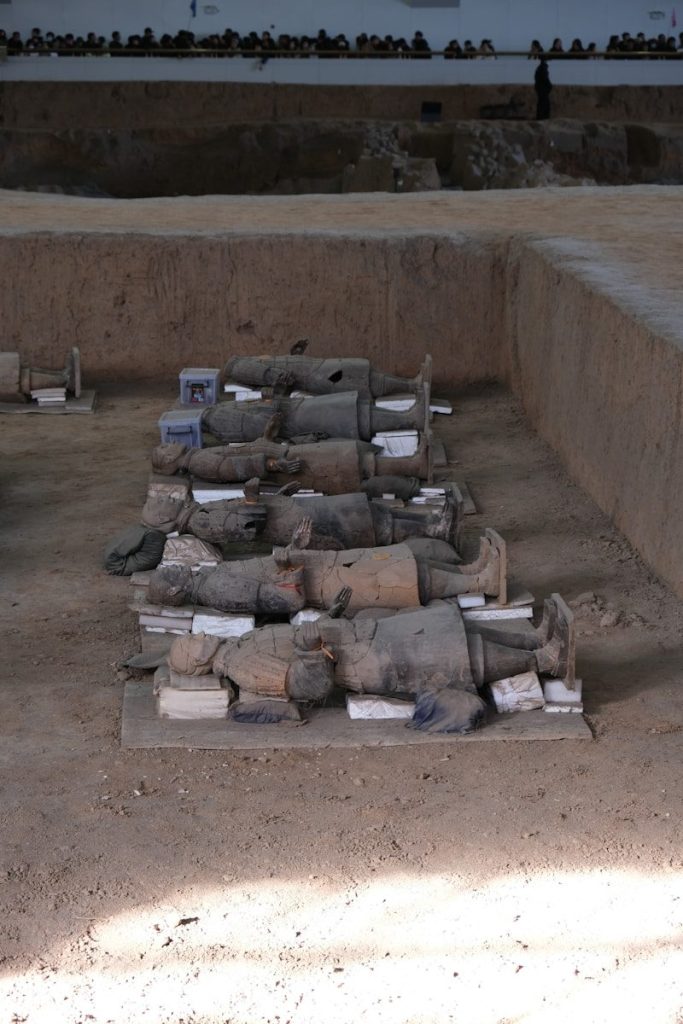
    Linen was expensive in ancient Egypt. When the Etruscan community in Alexandria collapsed, their religious books lost value. Embalmers viewed the heavy linen book as scrap material. They sliced the holy text into strips to wrap a middle-class woman. This disrespectful act preserved the book for millennia.

    The woman beneath the bandages

    Close-up of an ancient Egyptian mummy displayed in a museum exhibition.
    Photo by Lokman Sevim on Pexels

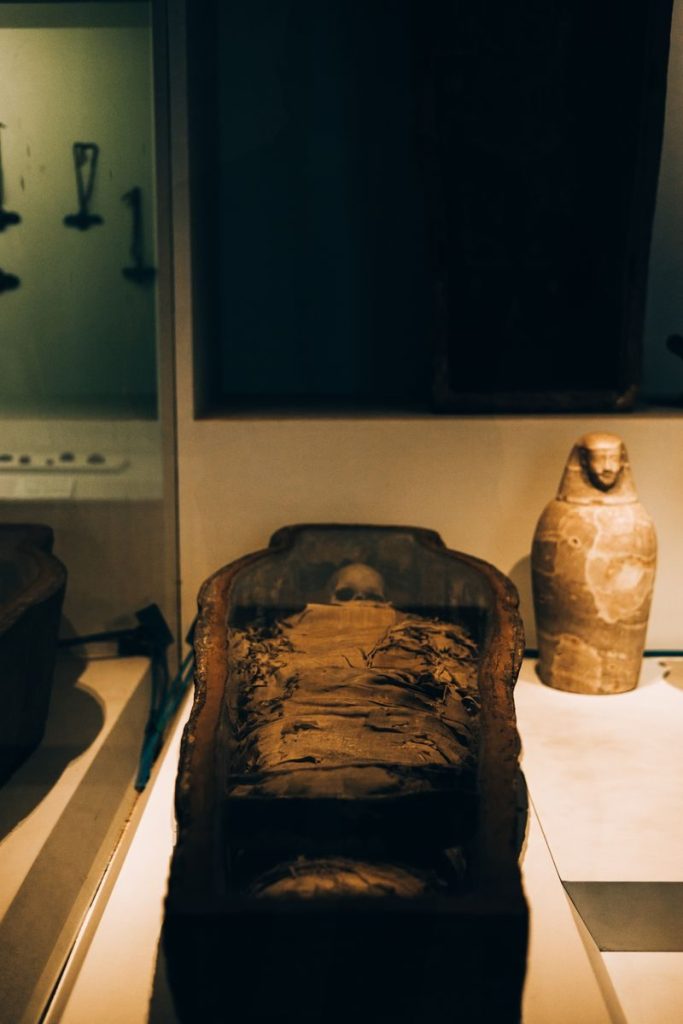
    Scientists used modern imaging to study the mummy itself. She was a woman named Nesi-hensu who died in her thirties. She was not royalty, yet she received a careful mummification. She lay undisturbed for over two thousand years with a unique treasure wrapped around her. Today, the artifact sits in a quiet museum.

    Deciphering the sacred calendar

    concrete structure with black texts
    Photo by Phil Goodwin on Unsplash

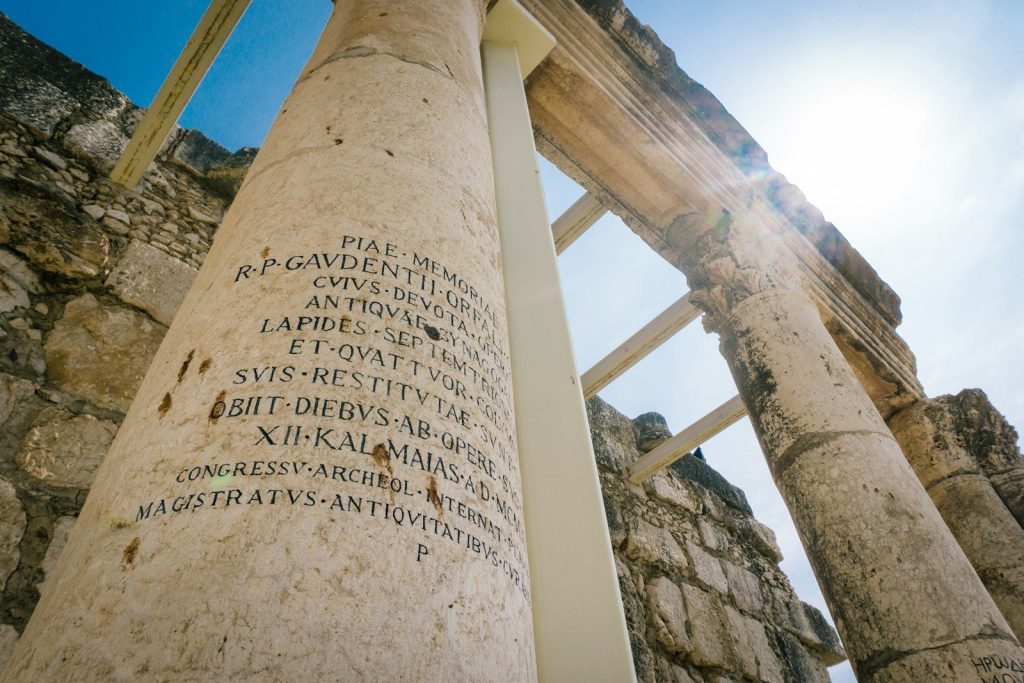
    Infrared photography has helped scholars read the faded ink. The text lists ceremonies, dates, and named deities. It shows how the Etruscans organized their year and worshipped their gods. This single fragile artifact provides most of our knowledge about their lost rituals. The mystery of their language still remains.

    A bridge between two worlds

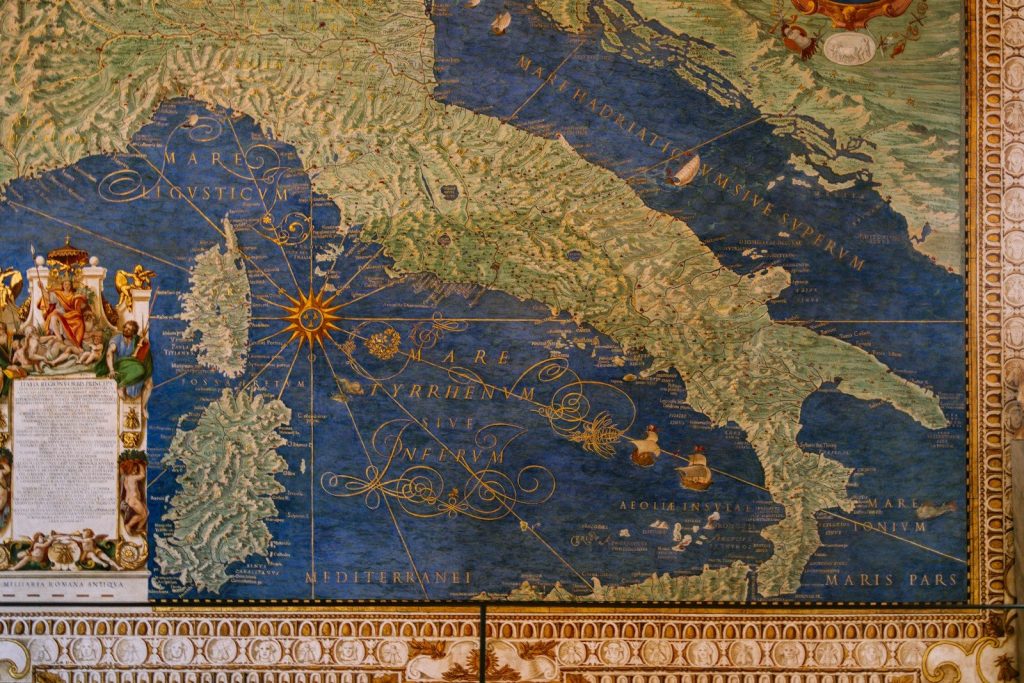
    A painting of a map on a wall
    Photo by Josh Withers on Unsplash

    The Zagreb Mummy represents a remarkable cultural collision. An Italian book preserved by an Egyptian custom, now housed in Croatia. It shows how the ancient Mediterranean was deeply connected. This fragile linen survived because it was discarded.

    Featured Image: Photo by Shreyas Nair on Unsplash

  • Archaeologists discover 80-ton stones beneath the sea, believed to be remains of one of the seven wonders of the ancient world

    Archaeologists discover 80-ton stones beneath the sea, believed to be remains of one of the seven wonders of the ancient world

    The sea hides our history. For centuries, historians have argued over the true fate of the Pharos of Alexandria. This was the legendary lighthouse of Egypt. It was one of the seven wonders of the ancient world. But a team of marine archaeologists has made a stunning discovery. They found massive eighty-ton granite blocks lying on the Mediterranean seafloor. These giant stones are not random geological shapes. They are the collapsed ruins of the ancient tower itself. This discovery is rewriting what we know about ancient engineering. It proves that the lighthouse was even larger than historical texts suggested. But mapping this underwater graveyard was an incredibly dangerous task.

    Sinking a legendary giant of the ancient world

    A serene underwater scene with fish silhouettes swimming in deep blue water.
    Photo by ClickerHappy on Pexels

    The Pharos of Alexandria was built in the third century BCE. It stood over three hundred feet tall. For comparison, that is as high as a modern thirty-story building. It guided sailors safely into the busy Egyptian harbor for a thousand years. But a series of powerful earthquakes eventually damaged the structure. By the fourteenth century, the lighthouse had vanished beneath the waves. It became a myth. But the cold ocean water preserved the stones perfectly.

    Marine explorers map the watery grave.

    White boat floats over clear blue water and coral reef.
    Photo by Bernd 📷 Dittrich on Unsplash

    The search for the lighthouse took decades. Marine archaeologists had to brave strong currents and low visibility in the busy harbor. According to reports from the French National Center for Scientific Research, Franck Goddio led the successful expedition. His team used advanced side-scan sonar to map the seafloor. They spotted a massive field of ruins. Among the debris were giant columns, statues, and blocks. The sheer scale of the ruins shocked the diving team.

    The sheer scale of eighty-ton granite blocks

    a piece of metal sitting on top of a coral reef
    Photo by Andrés Dallimonti on Unsplash

    The most impressive finds were the massive granite blocks. Some of these stones weighed up to eighty tons. This is equivalent to the weight of several school buses. Moving these heavy stones in ancient times was a massive achievement. The builders imported the red granite from quarries located hundreds of miles away in Aswan. They transported them down the Nile River on giant rafts. This show of power proved the immense wealth of the Ptolemaic dynasty. But the lighthouse was more than just a pile of heavy stones.

    A towering beacon that used a massive mirror

    blue and white thick pile textile
    Photo by Chirayu Trivedi on Unsplash

    The Pharos was a technological masterpiece. At the very top, a giant fire burned constantly to guide ships. According to historical records, a massive bronze mirror reflected the light during the day. This allowed sailors to see the beacon from thirty miles away. The light looked like a star on the horizon. This advanced optical system was centuries ahead of its time. But the engineering of the foundation was just as impressive.

    Pharaohs and the engineering of Alexandria

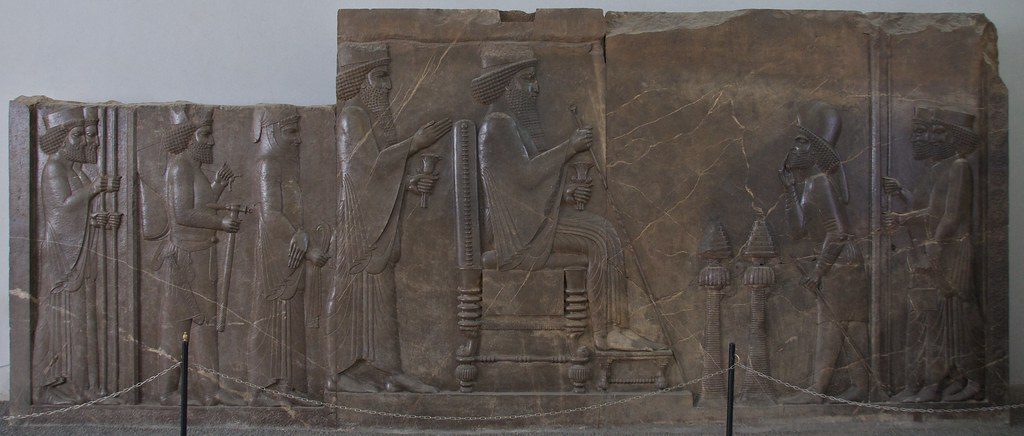
    The Treasury Reliefs (Best Viewed in ‘Original’ Size)” by A.Davey is licensed under CC BY 2.0

    The Ptolemaic pharaohs wanted to build a capital that would impress the world. They hired the architect Sostratus of Cnidus to design the lighthouse. He used a unique three-tiered design. The bottom was square, the middle was octagonal, and the top was circular. This clever shape helped the tower withstand powerful sea winds. It was a triumph of ancient physics. But preserving these ruins presents a modern challenge.

    Preserving the silent ruins of the harbor

    a close up of a wall with a pattern on it
    Photo by Bogdan Karlenko on Unsplash

    The underwater site is a delicate museum. Removing the eighty-ton stones from the water could destroy them. Saltwater can damage ancient stone when it dries out. According to the European Institute for Underwater Archaeology, the best strategy is to keep the ruins on the seafloor. Scientists are using digital 3D modeling to share the site with the public. This allows people to explore the ruins without touching them. But the mystery of Alexandria is far from solved.

    Reclaiming the lost wonders of human history

    blue sea under blue sky
    Photo by Quentin Grignet on Unsplash

    The discovery of the Pharos ruins is a victory for archaeology. It proves that ancient legends are often built on physical truth. By studying these giant stones, we can connect with the brilliant minds who built our world. The Mediterranean still holds secrets waiting to be found. The story of Alexandria continues to inspire explorers today.

    Featured Image: Photo by Francesco Ungaro on Unsplash

  • The most famous UFO sightings in the world

    The most famous UFO sightings in the world

    We have looked at the night sky for generations. Some encounters went beyond simple rumors. They left radar tracks, physical trace evidence, and hundreds of reliable eyewitnesses. These historic events triggered government investigations and sparked intense debates. Today, military pilots are speaking out about strange objects that defy the laws of physics. The search for the truth is no longer a hobby for conspiracy theorists. It is a high-priority national security topic. By looking at these classic sightings, we can see how the mystery evolved over the decades. It turns out that some of the most famous cases still puzzle scientists today. The very first sighting on our list started in a quiet desert town.

    The crash that started a modern myth

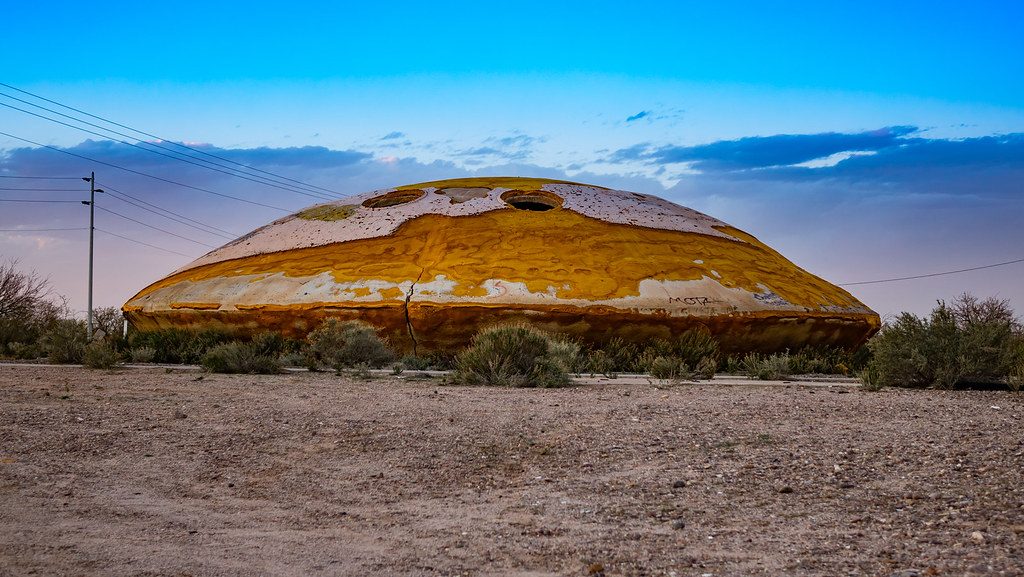
    A crashed UFO in Arizona-a case for X-Files” by mirceagoia is licensed under CC BY-NC-SA 2.0

    The modern UFO era began in July 1947 near Roswell, New Mexico. A local rancher found strange metallic debris scattered across his pasture. The local military airfield initially released a shocking statement. They claimed they had recovered a flying disc. They quickly changed their story the next day, claiming it was just a weather balloon. According to historical documents from the National Archives, this sudden change sparked decades of suspicion. Many people believed the government was hiding a crashed extraterrestrial craft. This event shaped popular culture forever. But future encounters would be witnessed by thousands of people at once.

    Massive V-shaped lights over the desert

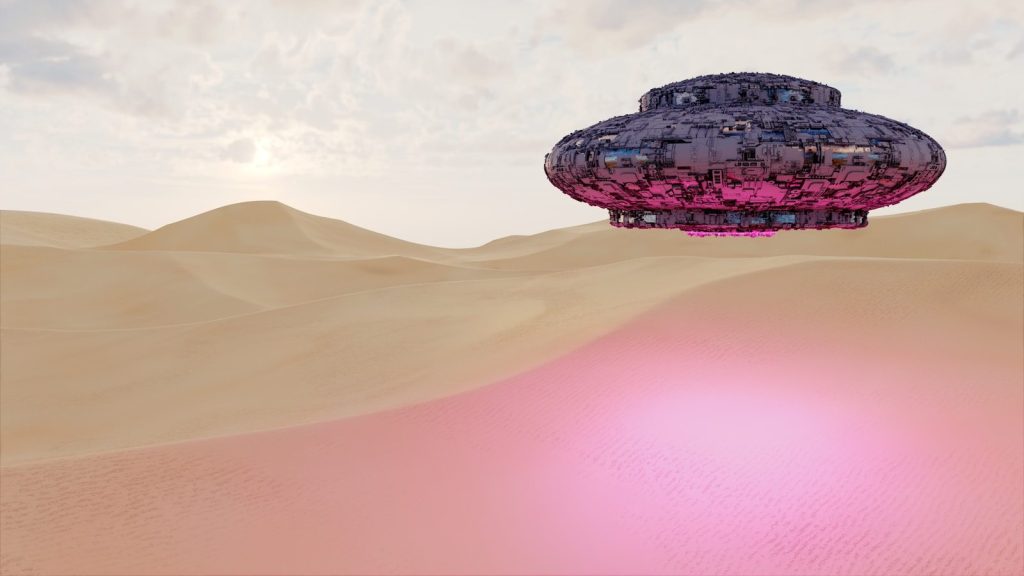
    a large object in the middle of a desert
    Photo by Nigel Hoare on Unsplash

    In March 1997, a massive aerial anomaly took place in Arizona. This became known as the Phoenix Lights. Thousands of residents watched a series of bright lights glide silently over the city. The lights appeared to be attached to a colossal, V-shaped craft. Even the state governor, Fife Symington, witnessed the event. He initially mocked the sighting during a press conference. Years later, he admitted that the object looked totally unearthly. It remains one of the most widely witnessed sightings in history. But military sensors would soon capture even better evidence.

    The supersonic tic-tac of the US Navy

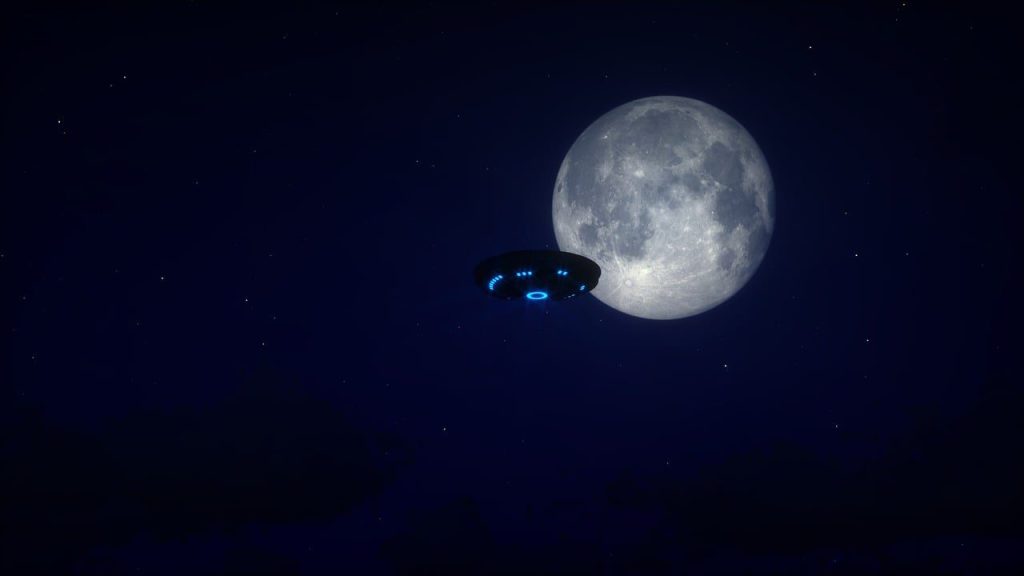
    moon, sci-fi, futuristic, spacecraft, scifi, sf, ufo, black ufo, scifi, scifi, sf, ufo, ufo, ufo, ufo, ufo
    Photo by D5000 on Pixabay

    In 2004, the USS Nimitz carrier strike group encountered a strange object off the coast of California. Navy pilots chased a white, oblong object that resembled a giant Tic-Tac mint. The object had no wings, no engines, and no visible exhaust. Yet, it moved at hypersonic speeds and could stop instantly. According to official reports from the Pentagon, the object was tracked on radar and filmed on high-definition thermal cameras. The footage was eventually released to the public, triggering a massive wave of scientific interest. This encounter changed how the military views unidentified aerial phenomena. But some sightings took place near crowded schools.

    Broad daylight encounter over an Australian school

    a group of people standing in front of a house
    Photo by Haziq Mehboob on Unsplash

    In 1966, over three hundred students and teachers witnessed a strange event in Melbourne, Australia. The Westall UFO sighting happened during a normal school day. A silver, saucer-shaped object descended silently into a nearby paddock. The students watched the craft hover for several minutes before it climbed into the sky at incredible speed. Local police and military officials quickly arrived and secured the area. Witnesses claimed they were told to keep quiet about what they saw. It remains one of the most compelling mass sightings in the southern hemisphere. But some encounters happened on quiet highways.

    A terrifying highway chase in New Hampshire

    imgp1050” by Mr. Pi is licensed under CC BY-NC-ND 2.0

    Betty and Barney Hill were driving home from a vacation in September 1961. Suddenly, they noticed a bright light tracking their car through the White Mountains. They stopped to look through binoculars and saw a large, structured craft hovering nearby. When they arrived home, they realized they had lost two hours of their lives. Under hypnosis, both recalled being taken aboard a metallic ship by strange figures. According to medical records, the couple suffered from severe stress after the event. It was the first widely publicized abduction story in American history. But commercial pilots have also faced these mysteries.

    The mysterious metallic craft over O’Hare airport

    Six UFO’s over Brattleboro, Vermont” by University of Brattleboro is licensed under CC BY-NC 2.0

    In 2006, commercial pilots and airport workers spotted a strange object hovering over Chicago’s O’Hare International Airport. The dark, disc-shaped craft sat silently beneath the low clouds for several minutes. Suddenly, it shot straight up into the sky, leaving a perfect, circular hole in the cloud cover. According to FAA reports, officials claimed it was just a weather anomaly. But the witnesses, who were highly trained aviation professionals, rejected this simple explanation. They insisted the object was a solid, metallic craft. The event highlighted how aviation safety can be impacted by these sightings. But the military had to scramble jets during another famous event.

    A sudden swarm of objects over Washington, D.C

    a frisbee flying through the air with a blue sky in the background
    Photo by Gianluca Carenza on Unsplash

    In July 1952, a series of mysterious radar targets appeared over Washington, D.C. Air traffic controllers watched the objects move over the White House and the Capitol building. The military scrambled fighter jets to intercept them. But the objects easily outmaneuvered the planes. This event triggered a massive panic across the nation. According to historical reports, the Air Force held the largest press conference since World War II to calm the public. They claimed the radar targets were caused by temperature inversions. But critics remained highly skeptical of this weather explanation.

    Why modern science is finally looking up

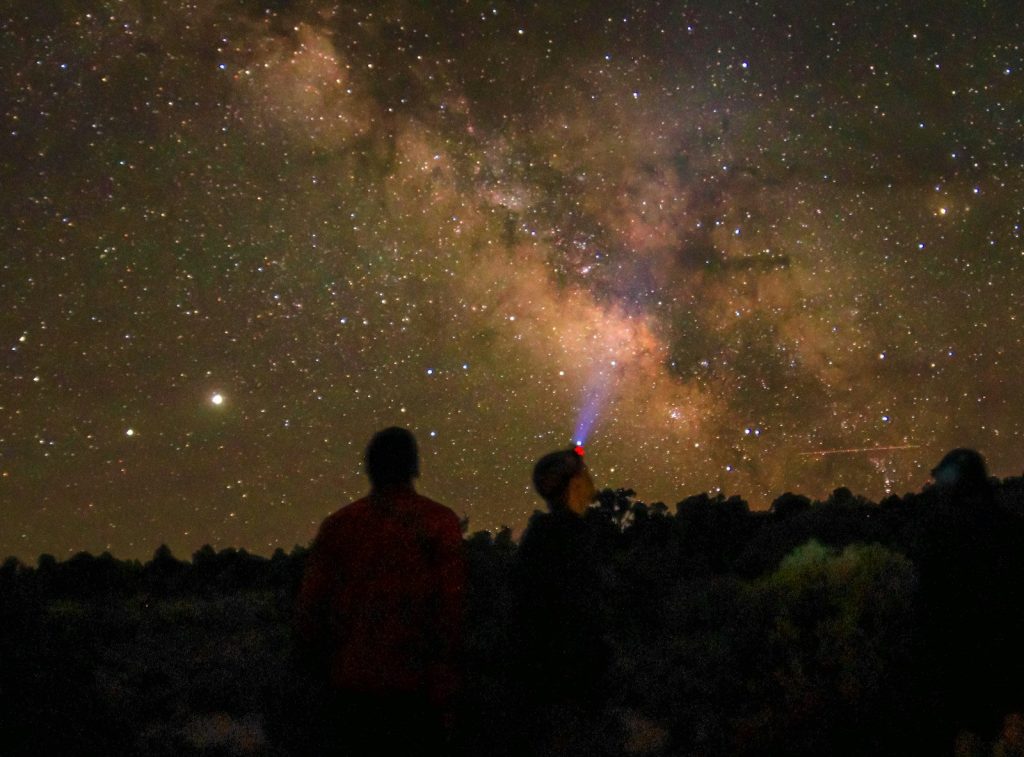
    People stargazing at the milky way galaxy
    Photo by Josh Behunin on Unsplash

    The mystery of UFOs is no longer a taboo subject. Today, government agencies are using advanced sensors and tracking tools to study these anomalies. They want to ensure our skies remain safe and secure. By looking at these historical cases, we can see a clear pattern of unexplained aerial technology. The ultimate truth behind these sightings remains locked in secret archives. But the search for answers continues to capture our imagination.

    Featured Image: “UFO” by astraverkhau is licensed under CC BY-NC 2.0

  • Homeland Security filmed a UFO over Puerto Rico – then it hit the ocean

    Homeland Security filmed a UFO over Puerto Rico – then it hit the ocean

    UFO sightings are common. But high-quality military sensor footage of these objects is incredibly rare. In 2013, a US Homeland Security aircraft was flying a routine patrol near Aguadilla, Puerto Rico. Suddenly, the crew noticed a strange thermal signature on their radar. They activated their high-definition infrared camera to track the object. The video they captured has puzzled scientists and military experts for over a decade. It shows a small, metallic object moving at high speeds across the land. Then, it does something that defies our understanding of physics. It plunges directly into the ocean without slowing down. The scientific analysis of this footage is raising serious questions about advanced technology.

    A Routine Patrol Catches a Wild Anomaly

    a plane with smoke coming out of it flying in the sky
    Photo by Trac Vu on Unsplash

    The flight crew was searching for illegal drug smuggling vessels. They were flying a DHC-8 maritime patrol aircraft equipped with advanced thermal imaging systems. According to a detailed report by the Scientific Coalition for UAP Studies, the camera tracked the object for over three minutes. The object was estimated to be about three to five feet in diameter. It moved at speeds ranging from forty to one hundred and twenty miles per hour. It had no wings, no visible engines, and no heat plume. Yet, it glided effortlessly over the landscape. But its behavior near the coast was about to shock the crew.

    Plunging Into the Ocean Without a Splash

    blue sea under blue sky and white clouds during daytime
    Photo by Jenna Bash on Unsplash

    The object approached the Atlantic Ocean. Instead of turning or climbing, it flew directly into the water. According to thermal data, the object did not slow down as it transitioned from air to sea. There was no visible impact splash, and no steam. This is a physical anomaly. When an object hits water at high speed, the density change usually causes massive deceleration or structural failure. The object moved through the water at almost the same speed it flew through the air. But the camera continued to track its underwater path.

    The Mystery of Transmedium Propulsion

    Biplane flying through dramatic clouds at sunset
    Photo by Matias Luge on Unsplash

    Scientists refer to objects that can travel through both air and water as transmedium craft. Our best modern submarines cannot fly. Our best fighter jets would instantly crash if they hit the ocean. The physics of moving through water requires heavy, streamlined structures to handle immense pressure. The physics of flight require lightweight materials and aerodynamic lift. According to research published by the American Institute of Aeronautics and Astronautics, combining these two capabilities requires advanced materials we do not possess. But the object had one more surprise for the observers.

    Splitting in Two Under the Waves

    A diver swims through clear blue ocean water.
    Photo by WILLIAN REIS on Unsplash

    As the thermal camera tracked the object underwater, the signature suddenly changed. It appeared to split into two distinct targets. Both objects then continued to travel side by side through the water. They moved with perfect coordination, suggesting they were controlled or programmed. This split happened without any loss of velocity. Scientists analyzing the video ruled out camera glare or sensor glitches. The physical evidence points to a highly organized mechanical reaction. But critics have offered a much simpler explanation.

    The Scientific Debate Over Wind Drifting

    hot air balloon during daytime
    Photo by Kairat Murataliev on Unsplash

    Many skeptics argue that the object was not an advanced craft at all. They believe it was a simple party balloon or a runaway drone. According to skeptic reports, the object’s apparent high speed could be an optical illusion caused by the movement of the airplane. This is called the parallax effect. If the wind was blowing hard enough, a balloon could appear to zip across the ground. But this theory struggles to explain how a lightweight balloon could enter the ocean and continue moving against powerful waves. The data continues to divide the scientific community.

    Why Government Agencies Take These Videos Seriously

    a man and a woman with ear phones in their ears
    Photo by Virginia Berbece on Unsplash

    This video was not captured by an amateur with a smartphone. It was recorded by a multimillion-dollar military sensor system operated by trained personnel. The Department of Homeland Security has never officially explained the footage. It was leaked to the public by members of the flight crew who wanted answers. According to statements from the Pentagon’s All-domain Anomaly Resolution Office, tracking transmedium anomalies is now a high-priority national security objective. They want to know if foreign adversaries have developed silent, water-resistant propulsion systems.

    What the Puerto Rico Incident Tells Us

    black and orange power tool
    Photo by NEW DATA SERVICES on Unsplash

    The Aguadilla footage remains one of the most compelling cases in modern military history. It provides clear, calibrated data of an object performing maneuvers that challenge our current engineering limits. Whether it was a highly advanced drone or something completely unknown, it proves that our skies hold secrets. As sensor technology improves, we will likely capture more of these events. The answers we find might change how we build our own aircraft in the future.

    Featured Image: Photo by Abdur Ahmanus on Unsplash

  • Why Did These Famous Figures Disappear Without A Single Trace

    Why Did These Famous Figures Disappear Without A Single Trace

    People do not just vaporize. Yet, history has recorded several high-profile cases where famous individuals vanished into thin air without leaving a single clue behind. From brilliant aviators to powerful politicians, these disappearances continue to baffle modern forensic scientists. Investigators have spent decades analyzing weather patterns, geological anomalies, and wireless communication logs to solve these cases. Today, new technology is slowly shedding light on what might have actually happened to them. Ground-penetrating radar and deep-ocean mapping are revealing secrets that classic search parties missed. We are looking beyond the basic conspiracy theories. Instead, we are examining the raw physical evidence left behind at these mysterious scenes. The first case takes us deep into the unforgiving Pacific Ocean, where a world-famous pilot suddenly went silent.

    The Unresolved Flight Path of Amelia Earhart

    Biplane flying through dramatic clouds at sunset
    Photo by Matias Luge on Unsplash

    Amelia Earhart was a global icon of courage. In 1937, she vanished while attempting to fly around the globe. Classic theories suggest her plane simply ran out of fuel and crashed into the ocean. However, researchers from the International Group for Historic Aircraft Recovery have spent years exploring a different possibility. They believe she may have landed on a remote island called Nikumaroro. Skeletal remains found there in 1940 showed striking physical similarities to the famous pilot. But this was not the only mystery that left investigators staring at empty horizons.

    A Mystery Writer Steps Into Her Own Plot

    typewriter, antique, vintage, old, retro, mechanical typewriter, typewriter, typewriter, typewriter, typewriter, typewriter, vintage
    Photo by Tama66 on Pixabay

    Agatha Christie was already a household name in 1926. Suddenly, her empty car was found abandoned near a chalk quarry. A massive search party of over fifteen thousand volunteers combed the British countryside for days. Even fellow writers like Sir Arthur Conan Doyle joined the hunt. Eleven days later, she was found living under a different name in a luxury hotel. She claimed she had no memory of how she got there. While Christie survived her strange ordeal, a powerful American labor union boss would not be so fortunate.

    The Suburban Silence Surrounding Jimmy Hoffa

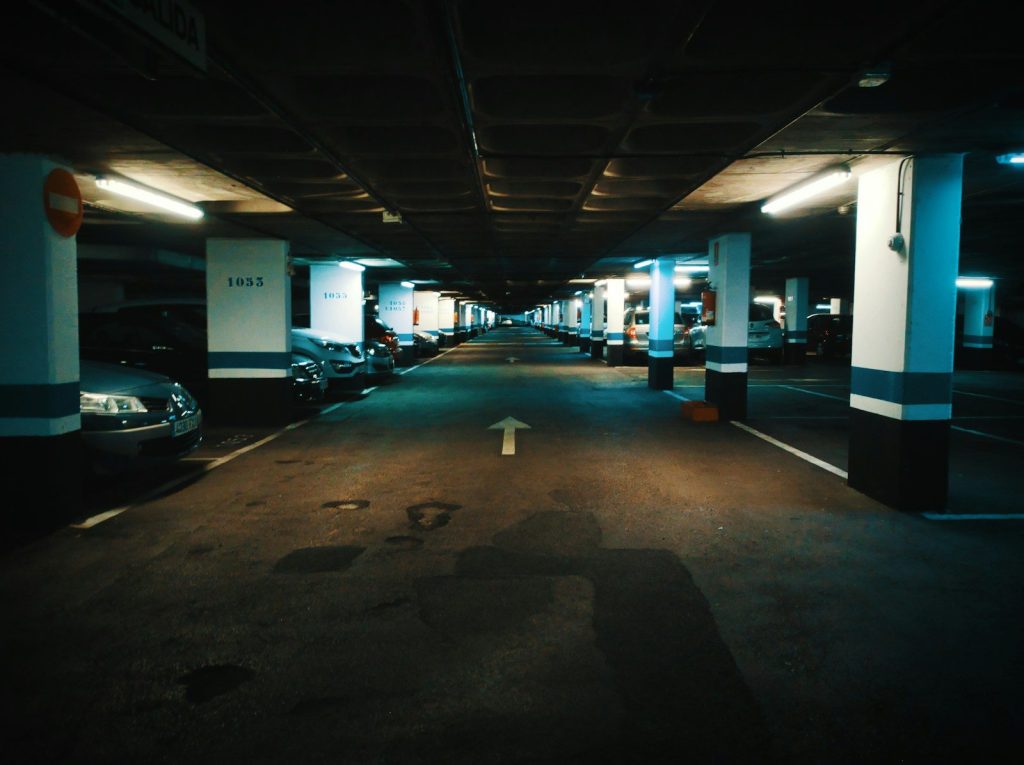
    cars parked in parking lot
    Photo by Luismi Sánchez on Unsplash

    Jimmy Hoffa was one of the most powerful men in America. In 1975, he walked out of a Detroit restaurant and was never seen again. Police found his unlocked car in the parking lot with no signs of a struggle. Countless FBI searches at nearby farms and garbage dumps yielded absolutely nothing. Rumors spread that his body was buried beneath a famous sports stadium. That theory was eventually debunked by soil scientists. But a brilliant young student would soon vanish under even stranger circumstances.

    An Intellectual Giant Walks Into The Australian Bush

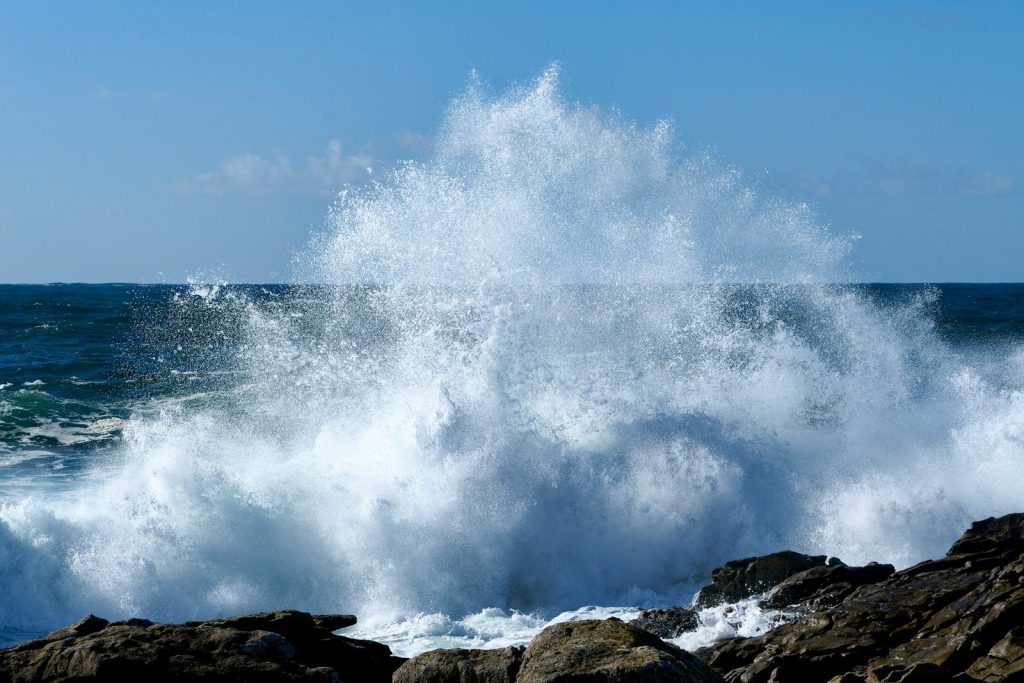
    A large wave crashing over a rocky shore
    Photo by Eric Prouzet on Unsplash

    Harold Holt was the active Prime Minister of Australia. In 1967, he went for a swim at a beach notorious for its deadly undertow. He plunged into the rough surf and disappeared. Witnesses watched him swim out into the deep water before he was engulfed by the waves. Despite one of the largest search operations in Australian history, his body was never recovered. This sparked bizarre rumors of espionage and submarine escapes. Yet, the ocean holds onto its secrets tightly. The next disappearance happened on dry land inside a major American city.

    A Wealthy Heiress Wanders Out of a Gallery

    a group of people walking down a street next to tall buildings
    Photo by Annie Spratt on Unsplash

    Dorothy Arnold was a prominent socialite in New York City. In 1910, she walked down Fifth Avenue to buy a book and some chocolate. She smiled at a friend on the street and then vanished into the bustling crowds. Her wealthy family did not contact the police for weeks to avoid a public scandal. Detectives searched hospitals and European ports but found no trace of her. The case remains one of the oldest unsolved missing persons files in the city. But sometimes, people disappear because they are actively fleeing their own lives.

    A Master of Finance Leaves a Floating Clue

    A solitary man floats submerged underwater, releasing air bubbles into the deep, dark ocean.
    Photo by Baran Haznedaroğlu on Pexels

    Lord Lucan was a wealthy British aristocrat. In 1974, he became the prime suspect in a brutal crime at his London home. Hours later, he drove to a friend’s house in a borrowed car. That car was later found abandoned near the English Channel with blood stains inside. Some believe he drowned himself in the cold sea. Others claim he escaped to Africa with the help of wealthy friends. This unresolved mystery continues to haunt the British public. But the most terrifying vanishings are those that happen in broad daylight with witnesses nearby.

    The Desert Highway That Swallowed a Star

    brown rocky mountain
    Photo by Yelena Vakker on Unsplash

    Everett Ruess was a young artist and poet who loved the American Southwest. In 1934, he packed his burros and walked into the rugged canyons of Utah. He was only twenty years old. His pack animals were later found corralled in a canyon, but Ruess had vanished. Some believe he fell from a cliff. Others suspect he was murdered by cattle rustlers. His beautiful landscape prints are highly collectible today. But the physical evidence of his final days remains lost in the shifting sands.

    Seeking Finality in an Era of Advanced Science

    Scientist points to microscopic view on computer screen.
    Photo by Faustina Okeke on Unsplash

    Modern forensic science continues to chase these cold cases. DNA analysis and satellite imaging are slowly stripping away the myths. Historians believe that some of these mysteries will eventually be solved as old files are digitized. For now, they remind us of the fragile nature of human existence. Even the most famous lives can be snuffed out in a single moment. These silent legacies continue to capture our collective imagination.

    Featured Image: Photo by Angelo Casto on Unsplash

  • Why an Accidental Find Under a French Church Shocked Experts

    Why an Accidental Find Under a French Church Shocked Experts

    A team of restoration workers in Dijon, France, recently made a startling discovery under the floorboards of an ancient church. They were trying to repair structural damage caused by salt and moisture. When they pulled up a heavy section of stone, they found a hidden staircase. This secret passage led them directly into a dark, sealed burial vault. What started as a routine maintenance project quickly transformed into an extraordinary archaeological dig. Researchers have spent months uncovering layers of history that span over a thousand years. This single church has preserved secrets from the Middle Ages and the Roman Empire. The findings have stunned experts and are completely rewriting the history of the region. It is a powerful reminder that ancient secrets can lurk directly beneath our feet. But the journey into this hidden world began with a disastrous modern mistake.

    A Botched Restoration Wreaks Havoc on History

    a close up of a cobblestone pavement
    Photo by Chris Curry on Unsplash

    The Saint-Philibert Church has stood in Dijon for over eight hundred years. It is a beautiful Romanesque building with a long and troubled past. After the French Revolution, the church was decommissioned and used to store salt. This salt slowly seeped into the stone foundations over the centuries. In the 1970s, workers installed a heated concrete slab in a misguided attempt to restore the building. This concrete trapped the moisture and caused the stone walls to split apart. This structural disaster forced experts to take drastic action.

    Uncovering a Secret Pathway Below the Floor

    grayscale photo of cathedral interior
    Photo by David Edkins on Unsplash

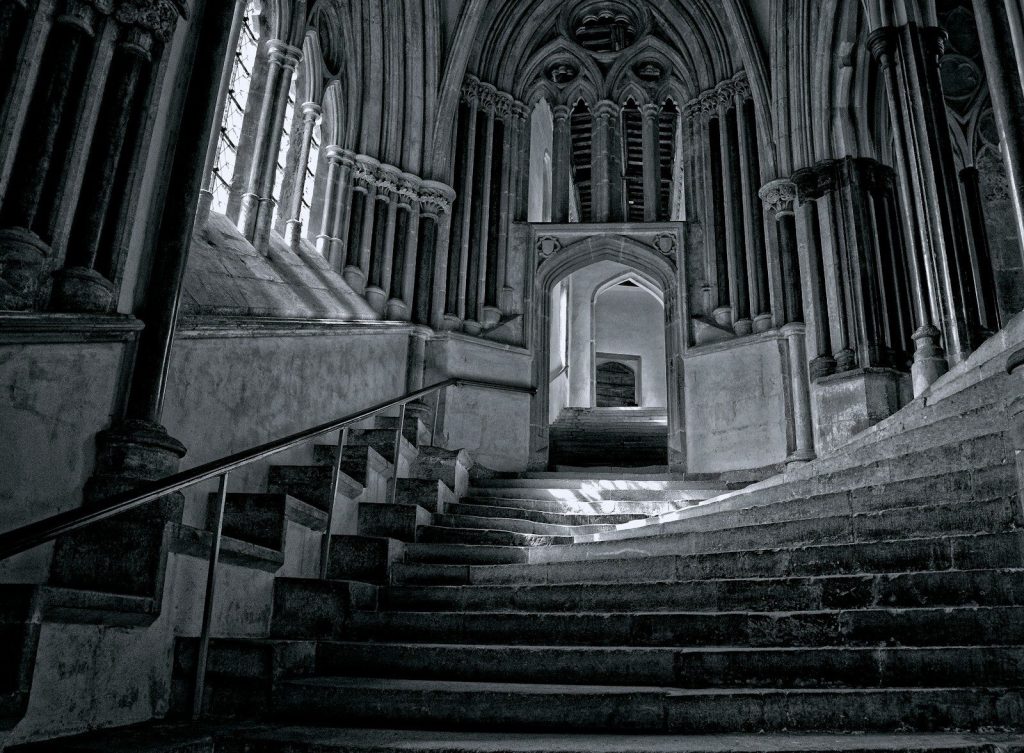
    Archaeologists from the French National Institute for Preventive Archaeological Research stepped in to help. They carefully removed the destructive concrete slab to assess the damage. Beneath the floor, they noticed a strange structural alignment. They cleared away loose soil and uncovered a staircase that was not on any of the church plans. This stone pathway was at least four hundred years old. It had been sealed and forgotten since the 1940s. The team carefully descended the dark stairs to see what was at the bottom.

    A Sealed Vault Packed With Human Remains

    a dimly lit tunnel with stone walls and cobblestones
    Photo by Francesco Ungaro on Unsplash

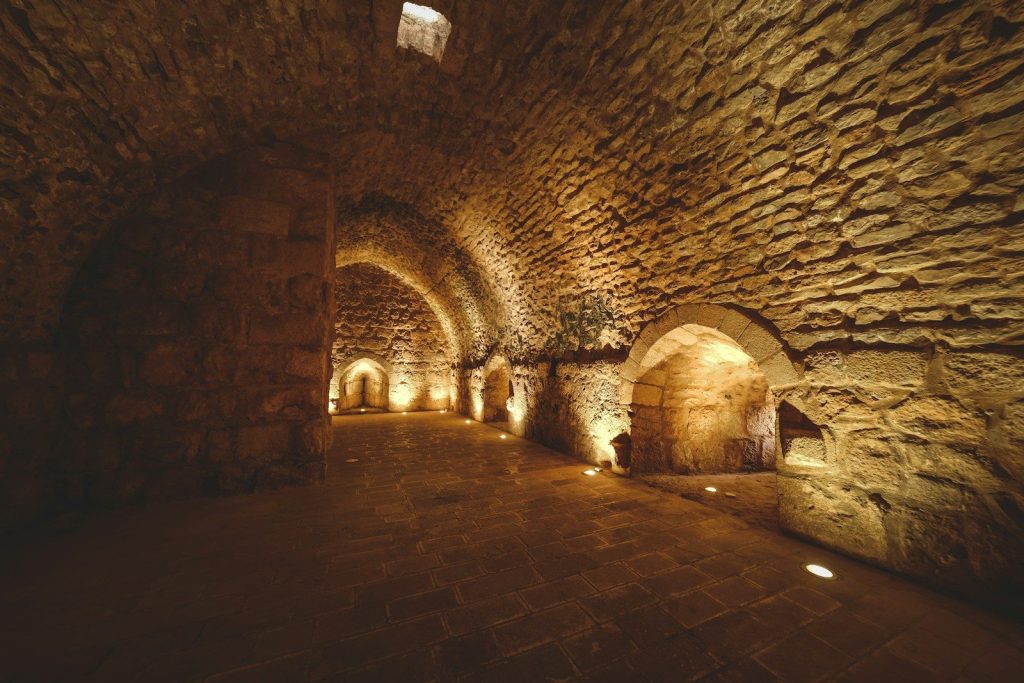
    At the bottom of the staircase, the team discovered a massive burial vault. This dark chamber was the final resting place of dozens of individuals. The room contained the coffins of both children and adults. Surprisingly, the bones of earlier burials had been pushed to the sides of the vault. This was done to make room for the newly deceased when space became scarce. This macabre arrangement suggests a sudden influx of deaths. But what could have caused so many people to die at once?

    The Somber Clues of a Historical Catastrophe

    A detailed view of antique artifacts including glasses and documents on display.
    Photo by Uğur Çetinkaya on Pexels

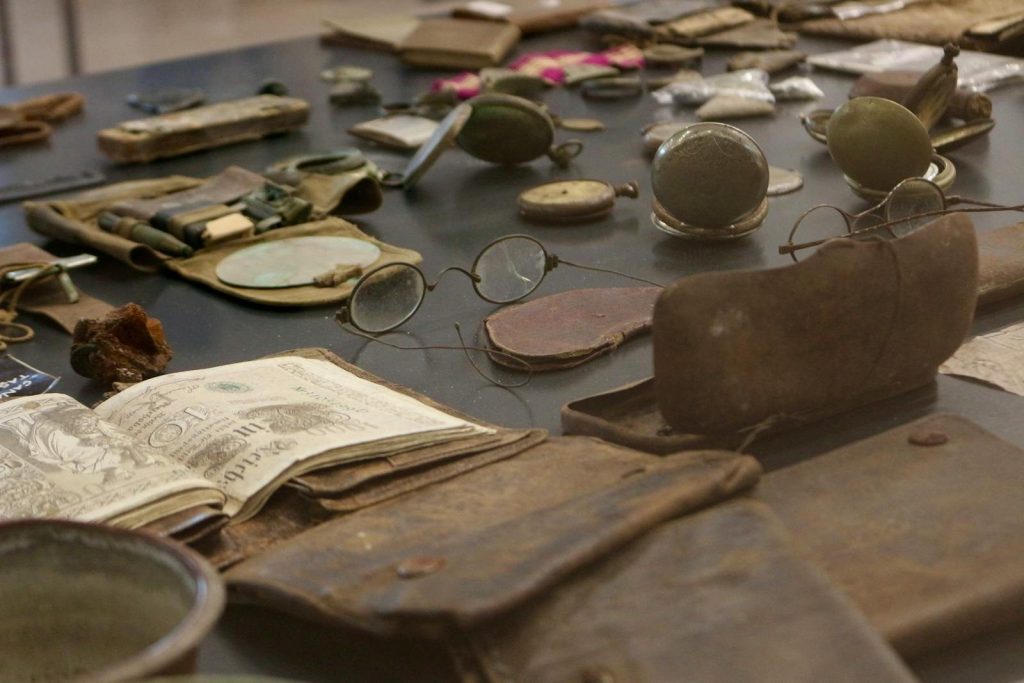
    The researchers analyzed the remains to determine how these people died. They found very few luxury items inside the coffins, apart from two rosaries and some small coins. This lack of wealth suggests these were ordinary citizens rather than elite clergy. Experts believe these mass burials were the result of a sudden historical catastrophe. A severe pandemic or a devastating famine likely overwhelmed the community. This forced them to bury their loved ones quickly in a shared space. However, this vault was only the first layer of history.

    Digging Deeper Into the Medieval Past

    a close up of a rock formation with a bird perched on top of it
    Photo by dami2n on Unsplash

    Digging deeper, the team excavated beneath the vault floor. They carefully dug through the soil and uncovered another layer of graves. This time, they found slab tombs dating from the eleventh to the thirteenth centuries. These graves were even older than the current Romanesque church itself. This proved that the location had been used for sacred burials long before the current building was constructed. It was a fascinating discovery. But the earth was holding an even older secret.

    Sarcophagi From the Dawn of the Middle Ages

    a close up of a statue on a building
    Photo by Liligance on Unsplash

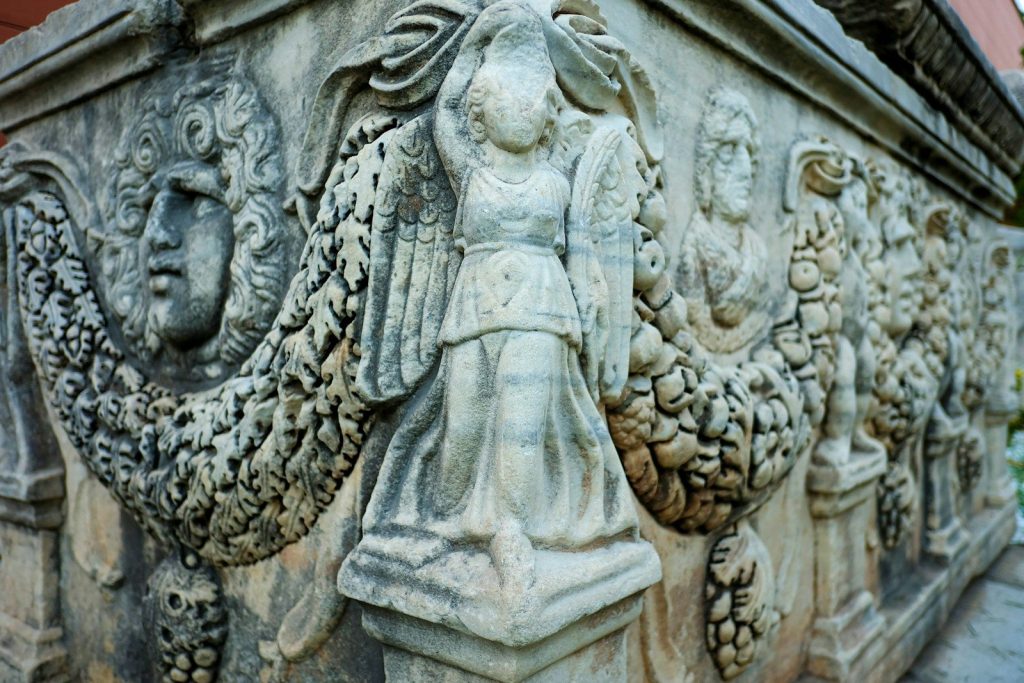
    As the archaeologists dug deeper, they struck heavy stone. They uncovered six ancient sarcophagi dating from the sixth to the eighth centuries. This era is known as the Merovingian period, the very dawn of the Middle Ages. Some of these stone coffins were beautifully sculpted, indicating they belonged to wealthy individuals. Their presence proved that this spot had been considered sacred for over fourteen hundred years. This incredible timeline shocked the researchers. But the site still had architectural secrets to share.

    Tracing the Footprints of a Lost Church

    Weathered ruins of an old church facade set against a moody stormy sky.
    Photo by praveen kumar on Pexels

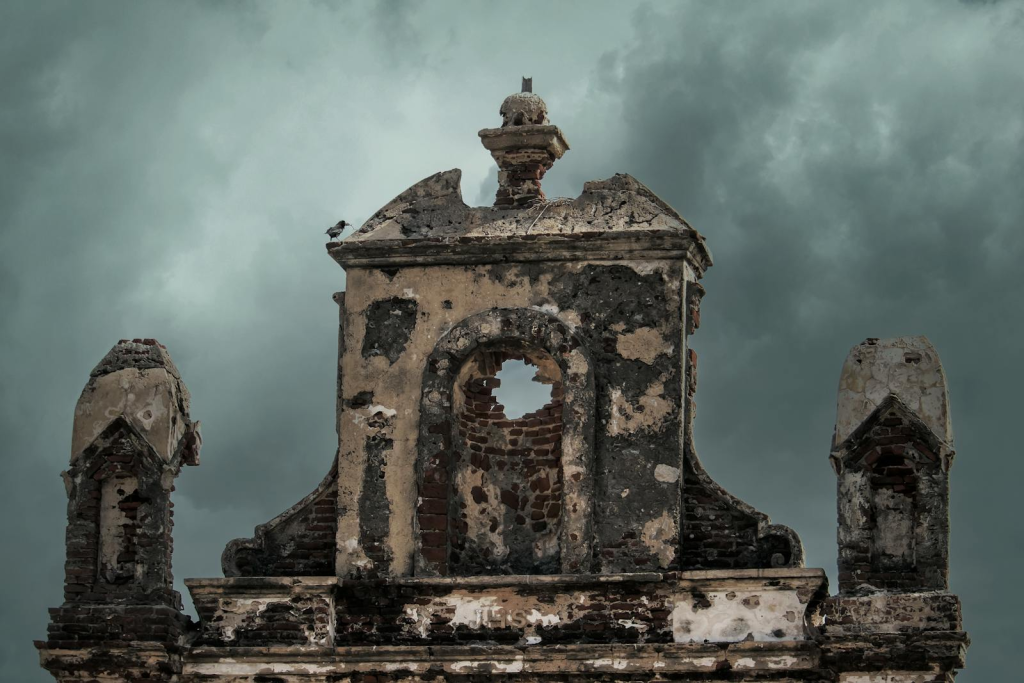
    Below the sarcophagi, the team uncovered ancient masonry. They found walls built in a unique herringbone pattern typical of the tenth century. This masonry is the footprint of an earlier church that existed before the current structure. A brief excavation in 1923 first hinted at this building, but it was never fully explored. Now, we have direct evidence of how this sacred space evolved over time. Each generation built its place of worship directly on top of the old one. This vertical layout creates a spectacular puzzle.

    A Vertical Time Capsule of French History

    grayscale photography of building
    Photo by Margarida CSilva on Unsplash

    The Saint-Philibert Church is no longer just a place of worship. It is a stunning vertical time capsule of French history. From ancient Roman-style sarcophagi to medieval tombs and early modern vaults, the site preserves a continuous story of human life. This accidental discovery has given historians a rare opportunity to study how burial practices changed over a thousand years. It shows how the past is always waiting to be found. The secrets of Dijon are finally seeing the light of day.

    Featured Image: Photo by Reno Laithienne on Unsplash

  • Why an Intact Spanish Tomb Rewrites Bronze Age Trade

    Why an Intact Spanish Tomb Rewrites Bronze Age Trade

    A team of researchers in Spain has recently made an extraordinary discovery. They uncovered a massive stone tomb that has remained completely intact for five thousand years. This monument is known as Dolmen I and lies in Malaga. It is a prehistoric marvel that is rewriting our understanding of ancient Europe. The structure is packed with unique artifacts and ancient human remains. What makes this find so special is its incredible state of conservation. It has survived the passage of five millennia without being looted or destroyed. Scientists from the University of Cadiz are currently studying the site. They are finding objects that should not exist in this region. These exotic treasures suggest that prehistoric humans were connected to vast trade networks that stretched across continents. The secrets hidden inside this stone chamber are changing history. The story of this discovery began with a massive pile of stones.

    A Megalithic Giant Unearthed in Malaga

    gray rock formation on green grass field under gray cloudy sky
    Photo by K. Mitch Hodge on Unsplash

    The stone monument is truly monumental. It measures nearly forty-two feet in length, which is comparable to the size of a large bus. Builders constructed the tomb using upright stone slabs that stand over six feet tall. This required incredible physical effort and coordination. The entire structure was buried under a massive mound of sand and small stones. This clever design kept the interior safe from both weather and grave robbers. But the real surprises were waiting inside the complex chambers.

    Unlocking the Lifestyles of Prehistoric Communities

    Explore the ancient ruins at the renowned Çatalhöyük archaeological site in Türkiye.
    Photo by Talha Aytan on Pexels

    Archaeologists were thrilled by the preservation of the tomb. Many ancient graves are disturbed by modern farming or construction. This monument remained untouched. Eduardo Vijande, a lead researcher on the project, explained that this conservation allows us to study the exact burial rituals of these communities. They can see precisely where and how objects were placed. The team uncovered several distinct rooms within the tomb. These compartments held a dark secret that began to emerge during the dig.

    Collective Burials and the Mystery of the Bones

    brown concrete building
    Photo by Malcolm Lightbody on Unsplash

    This tomb was not built for a single king. It served as a collective burial ground for the entire community. Archaeologists located multiple container rooms called ossuaries. These rooms held the bones of many different individuals. The community buried their loved ones together over several generations. This practice shows a deep sense of social unity. But the dead were not buried alone. They were surrounded by exotic items that shocked the research team.

    The Shocking Presence of Exotic Amber and Ivory

    a close up of a mixture of brown and yellow crystals
    Photo by engin akyurt on Unsplash

    Finding luxury goods was a massive shock. Yet, the container rooms held raw ivory and beautiful amber. These materials are not native to southern Spain. Ivory came from African elephants, while amber traveled from the Baltic regions of northern Europe. This proves that these ancient people were not isolated. They had access to luxury items from distant lands. This discovery reveals a highly organized system of exchange. But these precious materials were not the only valuable items found inside.

    Deadly Flint Weapons Crafted With Amazing Skill

    a close up of the tip of a leaf against a blue sky
    Photo by diego fabra on Unsplash

    Deadly weapons also filled the tomb. Archaeologists recovered carved flint arrowheads and large-format blades. They even found a massive two-handed weapon similar to an axe. These flint pieces were crafted with incredible precision. They served as symbols of protection or prestige for the deceased. The presence of these weapons shows that the community valued hunting and warfare. However, a different type of artifact pointed to a peaceful connection with the sea.

    Sea Shells Used as Prehistoric Status Symbols

    sea shells, shells, sea, sea shell, ocean, nature, seashell, summer, texture, pattern, brown sea, brown texture, brown summer, brown ocean, brown pattern, sea shells, sea shells, sea shells, sea shells, sea shells, shells, sea shell, seashell
    Photo by Anestiev on Pixabay

    Coastal materials also made an appearance. The researchers found beautiful sea shells buried alongside the bones. This was a surprising find because the tomb sits far inland. Juan Jesus Cantillo, another professor involved in the study, noted that these shells were highly valued. They served as status symbols of prestige. Having objects from the sea in an inland area proves the existence of long-distance trade. These networks connected coastal communities with inland settlements. This shows that ancient trade was much more complex than we thought.

    Reshaping Our View of Ancient European Society

    mountains, peak, aerial view, dolomites, italy, shelter, house, nature, landscape
    Photo by winluk on Pixabay

    The discovery of the Dolmen I is a major breakthrough. It proves that prehistoric people in Spain were part of a sophisticated, interconnected world. They designed massive structures, traded across continents, and honored their dead with prestigious items. This tomb acts as a beautiful time capsule of a forgotten era. It shows that ancient humans were far more advanced than history books suggest. We are only beginning to uncover the full story of their remarkable lives.

    Featured Image: Photo by Howard Walsh on Unsplash